Powered by

-
Car Reviews
Latest reviews
-
Car News
Latest news
-
Car Comparisons
Latest comparisons
- Chasing Deals
Latest reviews
Latest news
Latest comparisons
Next Amarok locked in, but surprisingly big decisions still loom for what chassis will underpin the heavily electrified new ute in the Australian and European markets
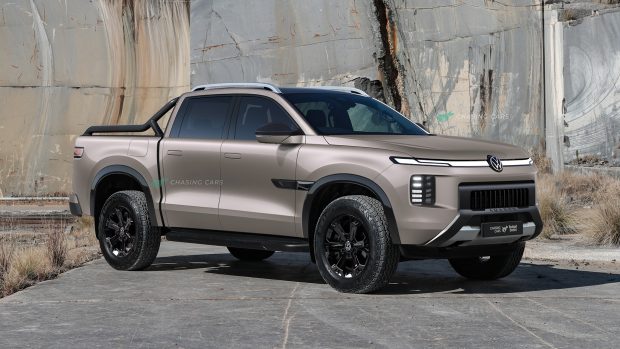
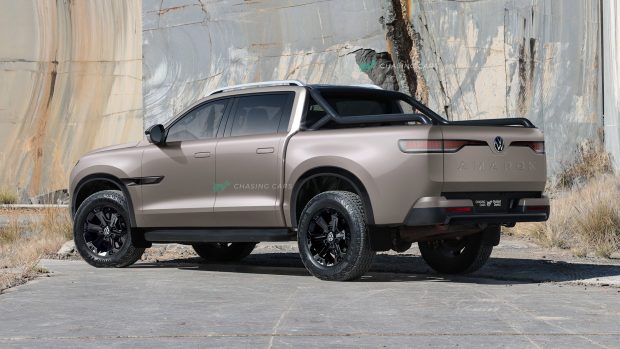
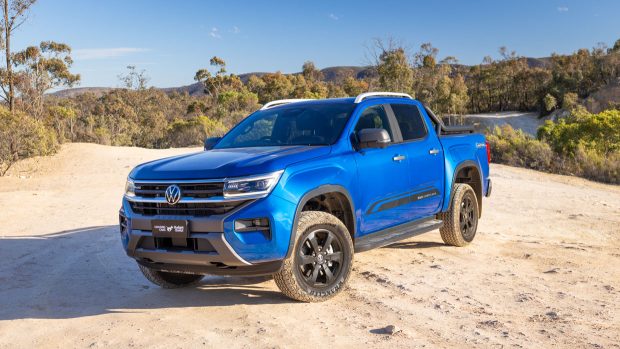
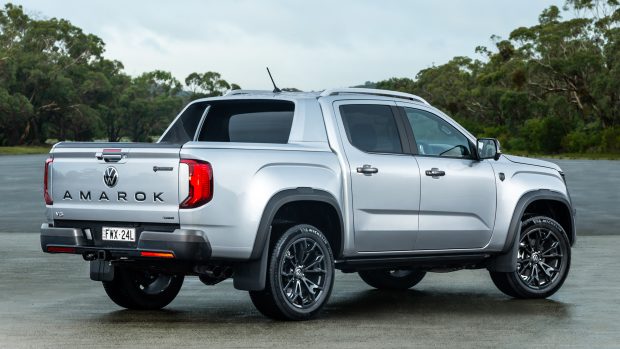
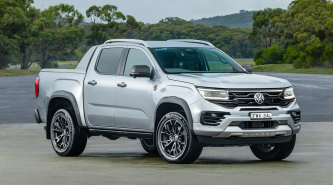
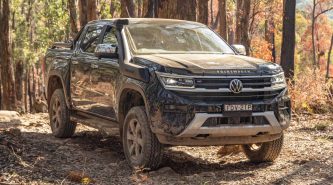
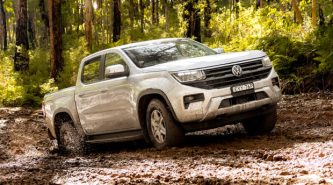
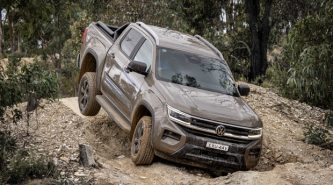
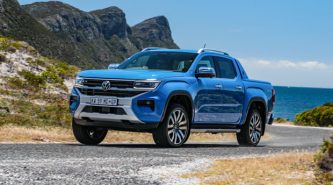
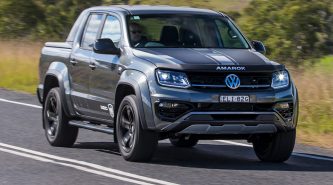
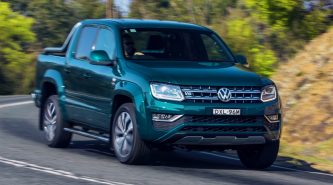
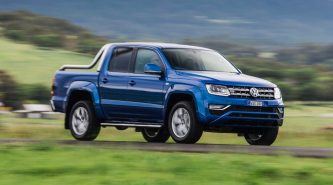
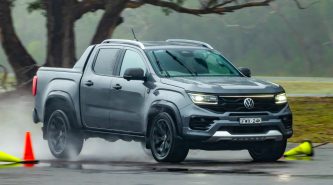
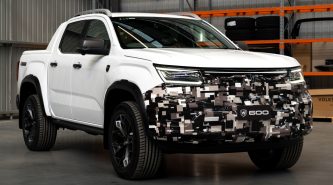
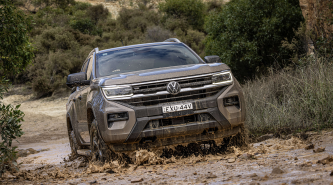
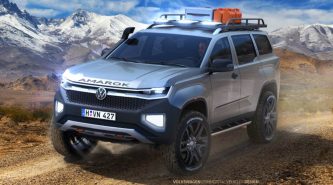
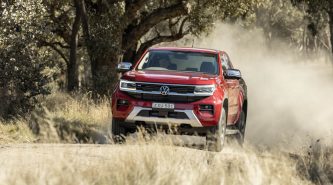
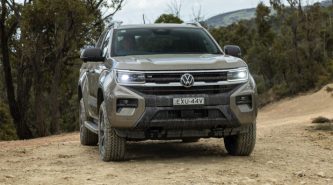
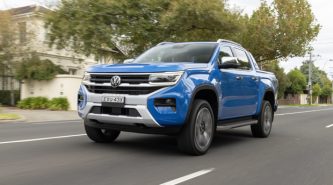
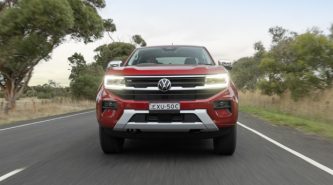
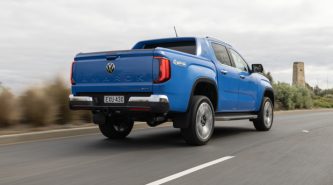
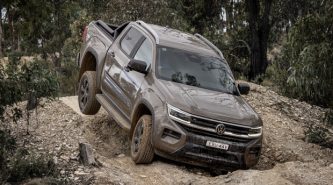
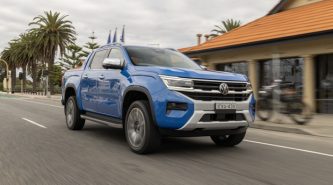
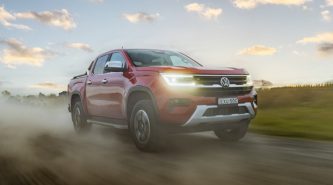
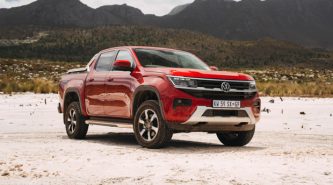
A third-generation Volkswagen Amarok has been confirmed, Chasing Cars can report, with plug-in hybrid and fully electric powertrains planned as the German brand decides whether it will continue its successful ute partnership with Ford.
The next Amarok is expected to arrive in 2029 or 2030 to align with the ending of Volkswagen’s current contract with Ford to build the second-generation Amarok — an agreement that Volkswagen says still has three or four years to run.
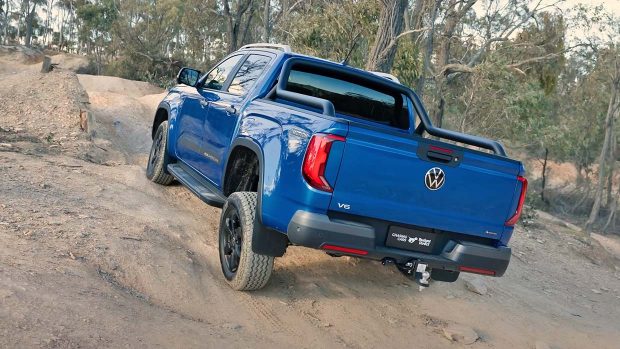
Australian buyers should still expect several smaller upgrades to the existing Amarok ute before the new generation arrives, but Volkswagen Commercial Vehicles chief executive Stefan Mecha confirmed the diesel-heavy lineup will not fundamentally change.
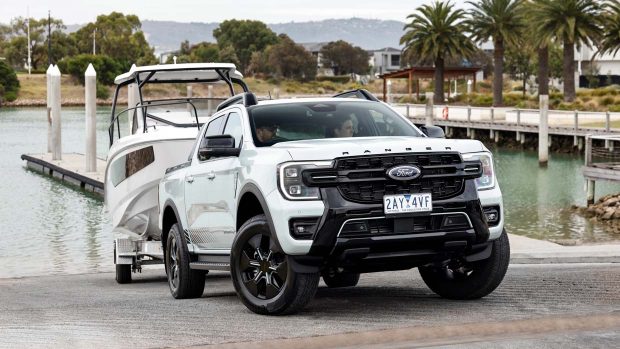
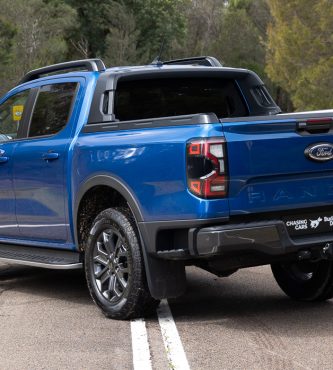
That means the Ford Ranger’s available plug-in hybrid has been decisively ruled out for the current-generation Amarok, while a previously investigated ‘eAmarok’ EV has been abandoned for now.
Instead, Volkswagen now plans to introduce both technologies with the Amarok III late in the decade or early next.
“For the competitiveness of this product, you need this flexible drivetrain strategy, which comprises PHEVs and also electric vehicles,” Mecha told Chasing Cars. “We have a clear plan for this. But it’s not now. It’s for the next generation. For the existing model, it’s not going to change.”
Volkswagen is happy with how the Amarok/Ford Ranger collaboration has proceeded, and Ford remains the frontrunning candidate to engineer and manufacture the third-gen’ Amarok.
Today’s Amarok uses the Ford-developed T6.2 platform and is built alongside the Ranger at Ford’s production facility in Silverton, South Africa, from where it is exported to Australia and European markets.
However, Volkswagen has not yet signed on the dotted line for the next-generation Ranger platform, which Ford is currently working on in Australia.
“We have a fixed duration with Ford on the (second-generation) Amarok, and so there’s no finality on the next generation (underpinnings),” Mecha noted. “We are busy talking to (Ford to) see how we can bring the Amarok into the future
Volkswagen is also examining other options, including platforms available through its extensive Chinese partnerships.
Australian buyers may not be aware that the Amarok nameplate has already started moving away from a single global model.
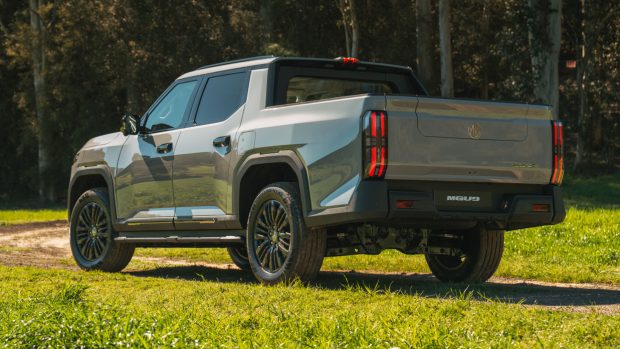
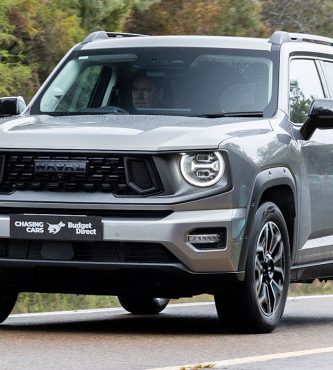
The South American market maintained Volkswagen’s in-house first-gen’ Amarok with a late facelift not seen in Australia, but that continent will soon switch to producing a new Amarok that is in fact based on the SAIC Maxus Terron 9 – sold locally as the LDV Terron 9 and MG U9.
SAIC is a major joint-venture partner of Volkswagen in China and expansion of the use of the Terron platform, or different SAIC technologies, may be options for the next Western-market Amarok.
Whatever underpins the third Amarok, a high degree of electrification will be crucial in Australia. The New Vehicle Efficiency Standard, or NVES, applies an average CO2 target across each manufacturer’s new-car fleet rather than banning or setting an individual limit for a particular ute — but utes contribute disproportionately to carmaker penalties.
Utes and vans sit in the more generous ‘Type 2’ category, but its headline target tightens from 180g/km in 2026 to 150g/km in 2027, 122g/km in 2028 and 110g/km in 2029. In V6 diesel form, the current Amarok produces 222g/km of CO2.
That makes a plug-in hybrid or electric Amarok valuable even if diesel continues to account for a good chunk of sales in future.
“For the future, you need to have alternative drivetrains like PHEVs. The Chinese are coming with this. You need full electric vehicles also in the pickup (segment).
“We are fully aware of this…of course, this is part of our thought process for the next generation of the Amarok,” said Mr Mecha.
Volkswagen previously considered an electric derivative of the current model but decided its modest global scale could not justify another powertrain when the decision to abandon the eAmarok was made in 2023 or 2024 as EV sales growth drooped.
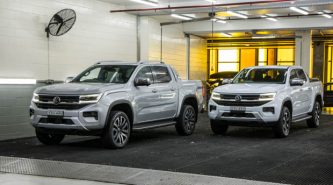
This year, Volkswagen executed a major shake-up of its Amarok dual-cab ute range in Australia, shifting toward a highly streamlined, V6 diesel-heavy and premium lineup. The total variant count dropped from ten to seven.
The base-grade Core trim is now exclusively available to large-fleet buyers, upgraded with an updated single-turbo diesel engine utilizing a timing chain and a 10-speed automatic transmission.
For private buyers and smaller fleets, the Amarok is now one of the most expensive utes on the market — with prices ranging from $73,740 to $82,990 plus on-road costs ahead of the arrival of an even more upmarket Walkinshaw version.
Latest news
About Chasing cars
Chasing Cars reviews are 100% independent.
Because we are powered by Budget Direct Insurance, we don’t receive advertising or sales revenue from car manufacturers.
We’re truly independent – giving you Australia’s best car reviews.