Powered by

-
Car Reviews
Latest reviews
-
Car News
Latest news
-
Car Comparisons
Latest comparisons
- Chasing Deals
Latest reviews
Latest news
Latest comparisons
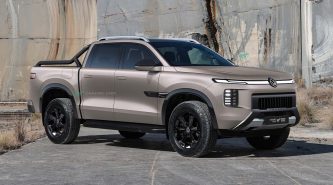
For at least a decade, Volkswagen has wanted to build a rival to the Prado and Everest. Now, as the third-gen Amarok takes shape, it might get its chance
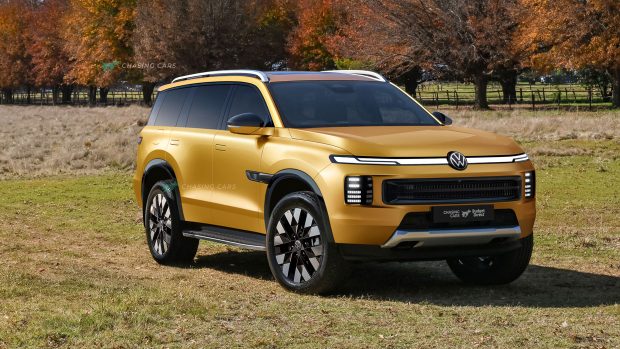
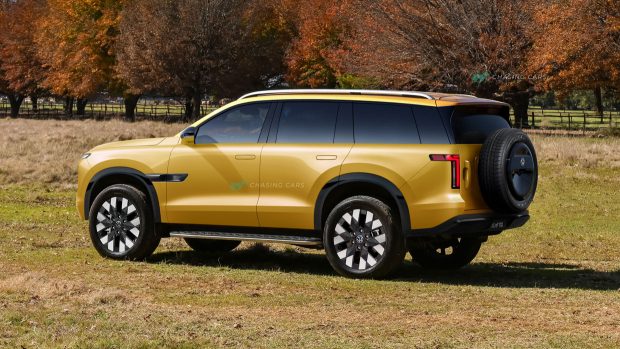
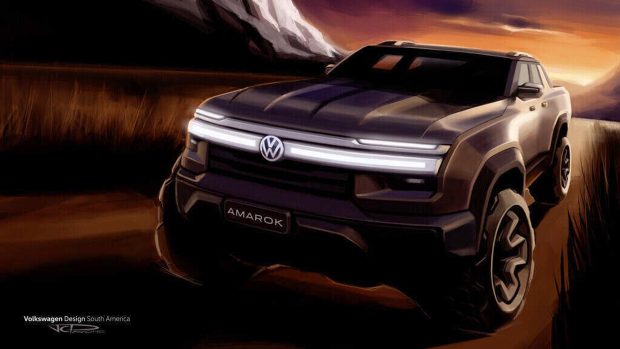
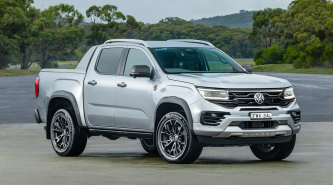
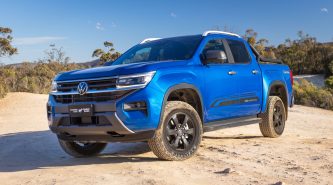
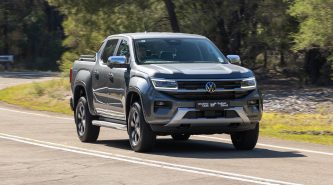
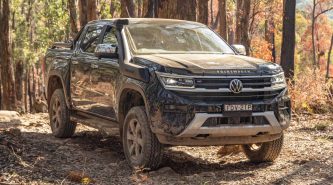
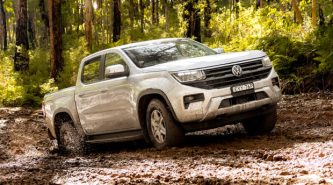
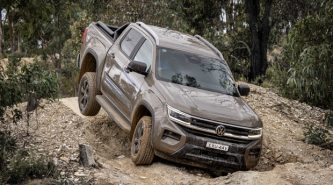
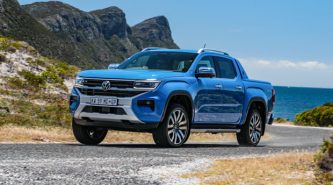
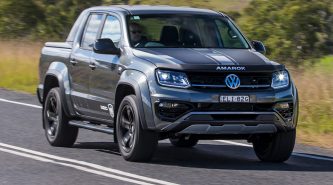
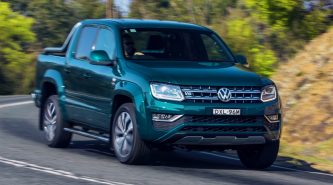
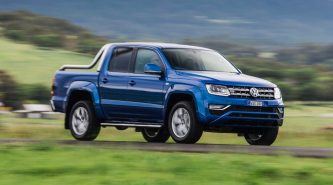
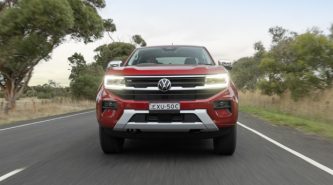
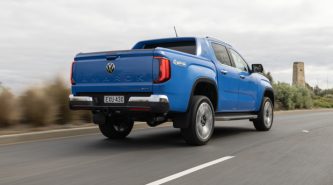
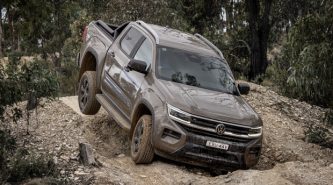
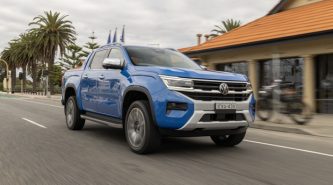
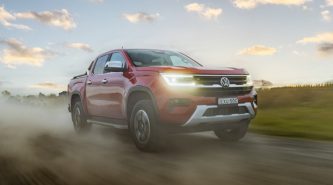
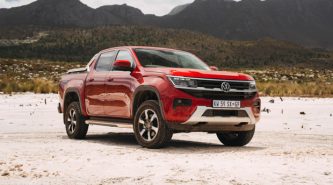
Volkswagen’s long-running ambition to build a rugged, seven-seat, off-road capable SUV is gaining fresh relevance as the brand decides which partner will engineer and manufacture its now-confirmed third-generation Amarok ute.
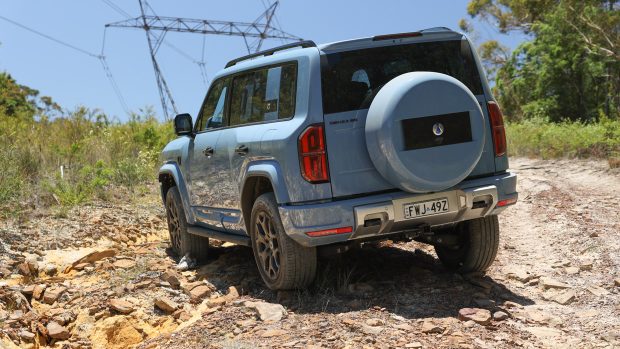
No production 4WD model has yet been approved, but Volkswagen Commercial Vehicles chief executive Stefan Mecha confirmed to Chasing Cars that the company remains very interested in a ladder-frame wagon capable of competing with the Ford Everest, Isuzu MU-X and Denza B5.
“To extend the model range is a long-desired wish, I would say…in particular, this rugged or closed pickup, for instance, as we would call it, where you have the same platform as the pickup – an SUV but based on a pickup platform, a ladder-frame car,” Mecha acknowledged.
In fact, the German brand has repeatedly tried to secure approval to build a Prado rival.
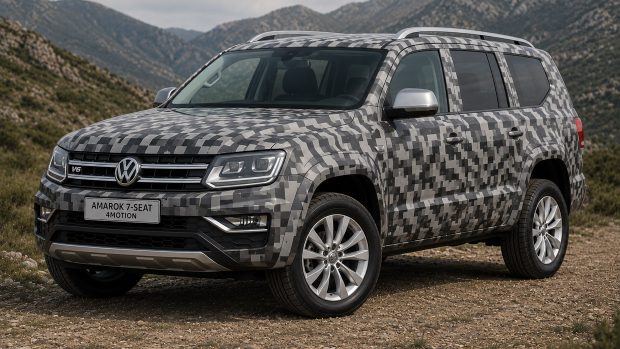
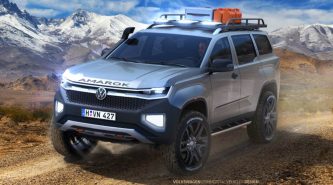
During the life of the first-generation Amarok — which was built in-house by Volkswagen rather than with a collaboration partner — the company developed and built a one-off seven-seat Amarok SUV prototype.
The unnamed vehicle never attained Volkswagen Group board approval but it still exists in physical form in Volkswagen’s internal collection.
Insiders say the Amarok SUV concept failed because Volkswagen could not spread the costs of the major changes to the architecture required across enough vehicles, or sales.
“So far, we could never land it and as we said, I think to build such a car for one market that’s not going to work, so you need more scale,” Mecha explained.
“Financially it never worked out — that was the reason,” Mecha told Chasing Cars. “The economics never made us bring this car to life.”
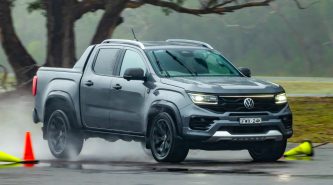
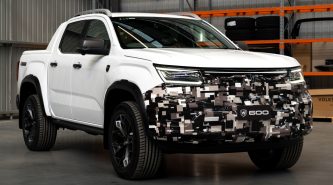
That calculation could change as Volkswagen prepares the third-generation Amarok, which has been locked into the plan and is expected to arrive around 2029 or 2030.
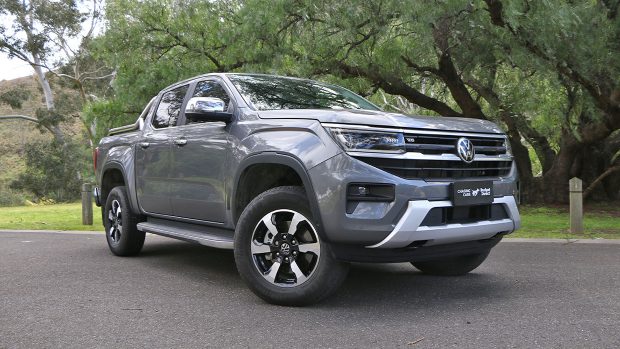
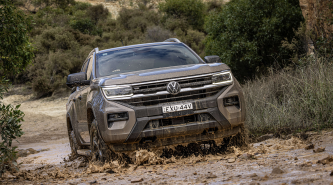
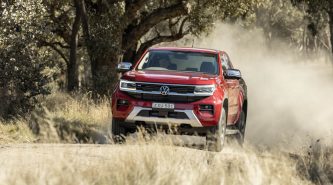
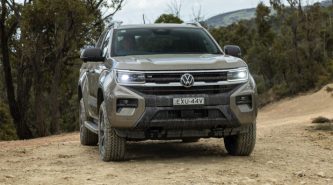
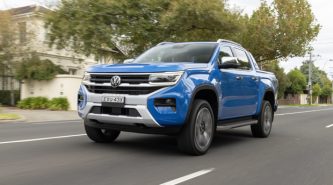
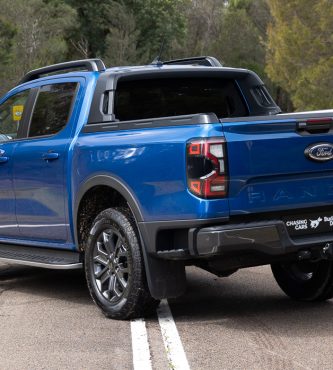
The current Amarok is built by Ford atop the Ranger T6.2 platform in a South African factory. That same Ford architecture also underpins the Everest, providing an obvious starting point for a future Volkswagen SUV that could meet the brief with design and tuning changes.
However, the existing Volkswagen-Ford deal, which still has three or four years left to run, covers only a ute partnership — a possible SUV derivative was left out of the agreement when it was struck in the late 2010s.
“We have not included this Everest into the cooperation with Ford for (the current Amarok) generation,” Mecha noted. “We focussed on the pick-up solely, so this is (not something) that we have tackled so far — but again, the (SUV) remains an interesting concept, no doubt.”
Volkswagen and Ford are now discussing whether to extend their partnership (which VW regards as successful) into the next Amarok generation, but no agreement has been finalised between the pair.
Ford is not Volkswagen’s only possible route here.
VW Commercial Vehicles is also examining platforms and production opportunities across the wider Volkswagen Group, including its substantial partnerships in China.
A Chinese-sourced architecture could potentially offer electrified powertrains from the outset, which will become increasingly important as Australia’s New Vehicle Efficiency Standard tightens and buyers gain more hybrid and plug-in hybrid choices.
Volkswagen has already confirmed that the next Amarok needs both PHEV and fully electric options. A related SUV could benefit from the same powertrain strategy, although no engines, batteries or Australian plans have been approved.
The changing large-SUV market makes the concept particularly relevant, with Chinese brands filling the vacant space between ute-based wagons like the Everest and MU-X and pricey, premium ladder-frame SUVs like the Toyota LandCruiser Prado and 300 Series.
The GWM Tank 500 and Denza B5 and B8 combine ladder-frame construction and serious four-wheel-drive hardware with hybrid or plug-in hybrid power, large digital interiors and more luxury-focused presentation.
That could provide Volkswagen with room to create something more polished than a basic workhorse at more approachable pricing than something like a full-fat LandCruiser.
Both Amarok generations have followed a similar formula in the ute market, taking heavy-duty underpinnings and adding Volkswagen-specific styling, cabin materials and road tuning.
An SUV could extend that approach with seven seats, a coil-sprung rear end, better passenger comfort and greater luggage security while retaining towing and off-road capability.
Latest news
About Chasing cars
Chasing Cars reviews are 100% independent.
Because we are powered by Budget Direct Insurance, we don’t receive advertising or sales revenue from car manufacturers.
We’re truly independent – giving you Australia’s best car reviews.