Powered by

-
Car Reviews
Latest reviews
-
Car News
Latest news
-
Car Comparisons
Latest comparisons
- Chasing Deals
Latest reviews
Latest news
Latest comparisons
Larger, better equipped and modernised, Haval’s popular medium SUV offers compelling numbers as a plug-in hybrid
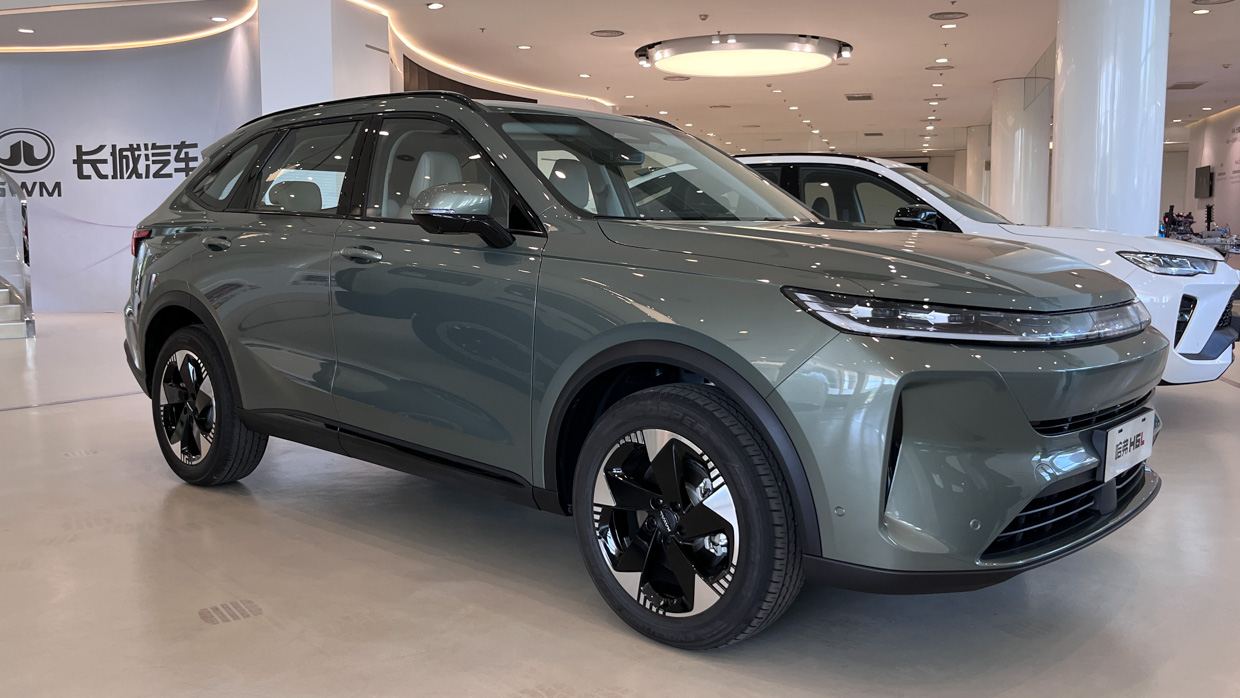
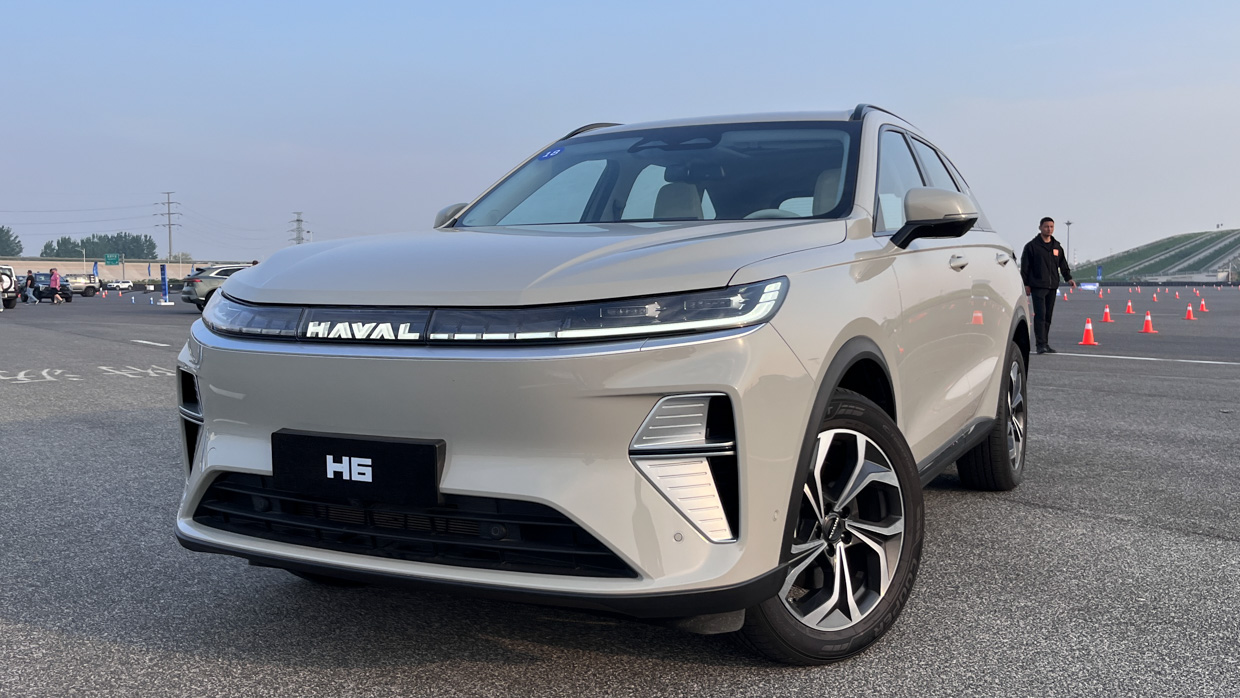
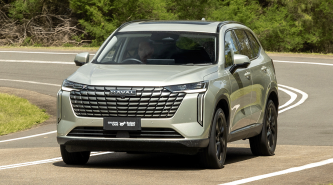
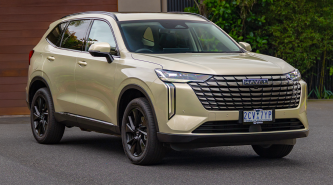
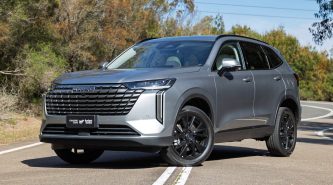
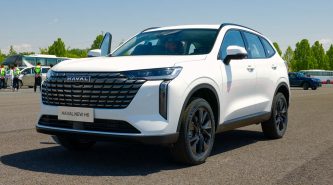
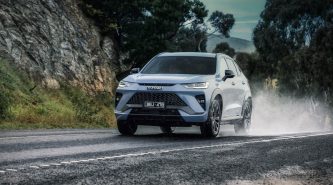
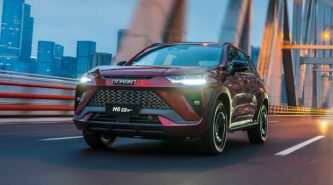
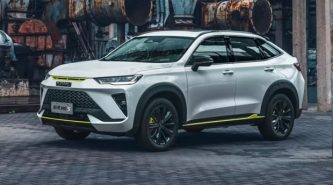
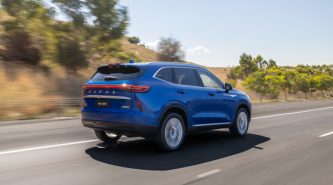
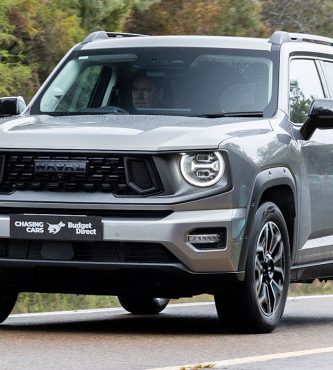
GWM’s Haval has confirmed this is the next generation H6 medium SUV, due for Australian launch in early 2027.
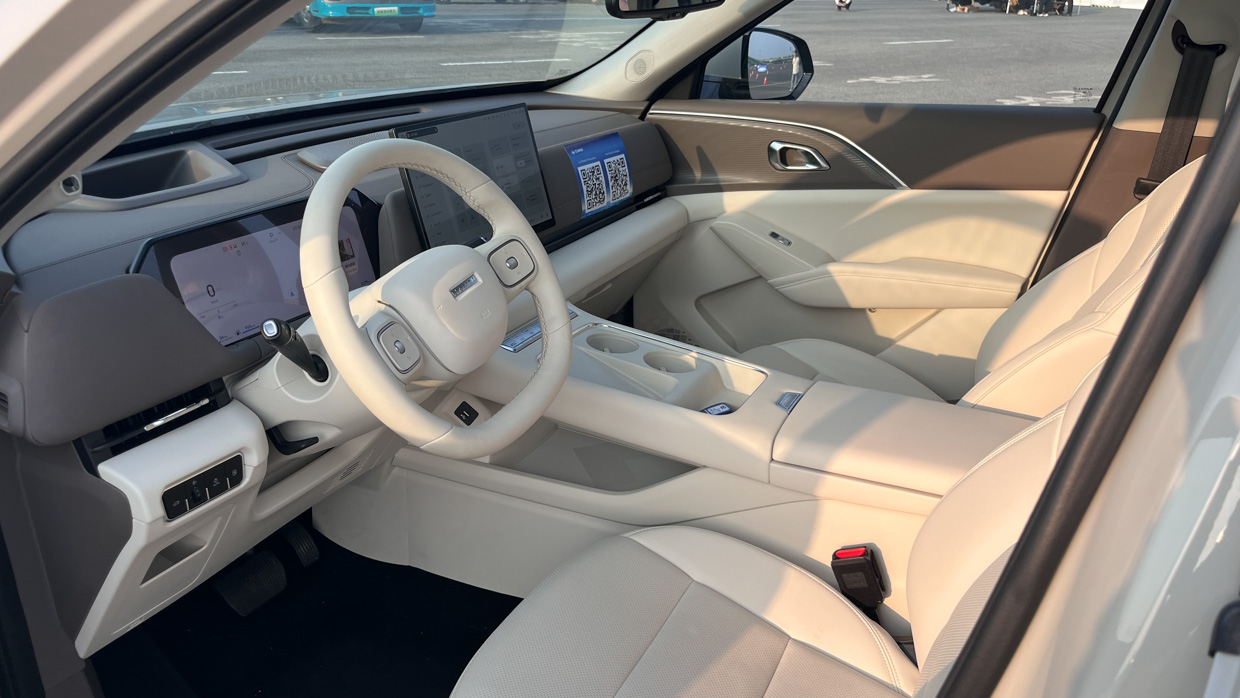
The revised model – GWM’s second best-selling vehicle in Australia behind the Haval Jolion small SUV – receives modernised exterior styling while offering cabin luxuries in top grades including a 15.6-inch infotainment screen and heated, ventilated and massage leather-like front seats.
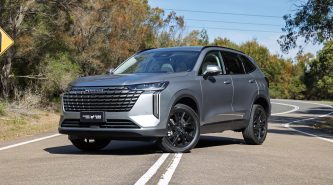
The new H6 has grown.
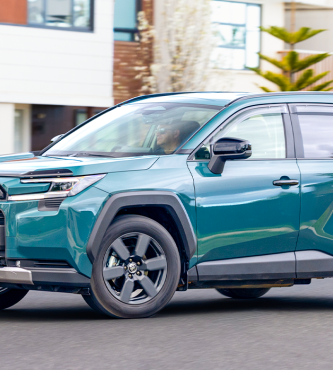
This 2027 gen adds 77mm to overall length and 62mm to the wheelbase, now at 4780mm and 2800mm. For perspective, that’s markedly above the new Toyota RAV4’s 4645mm and 2690mm.
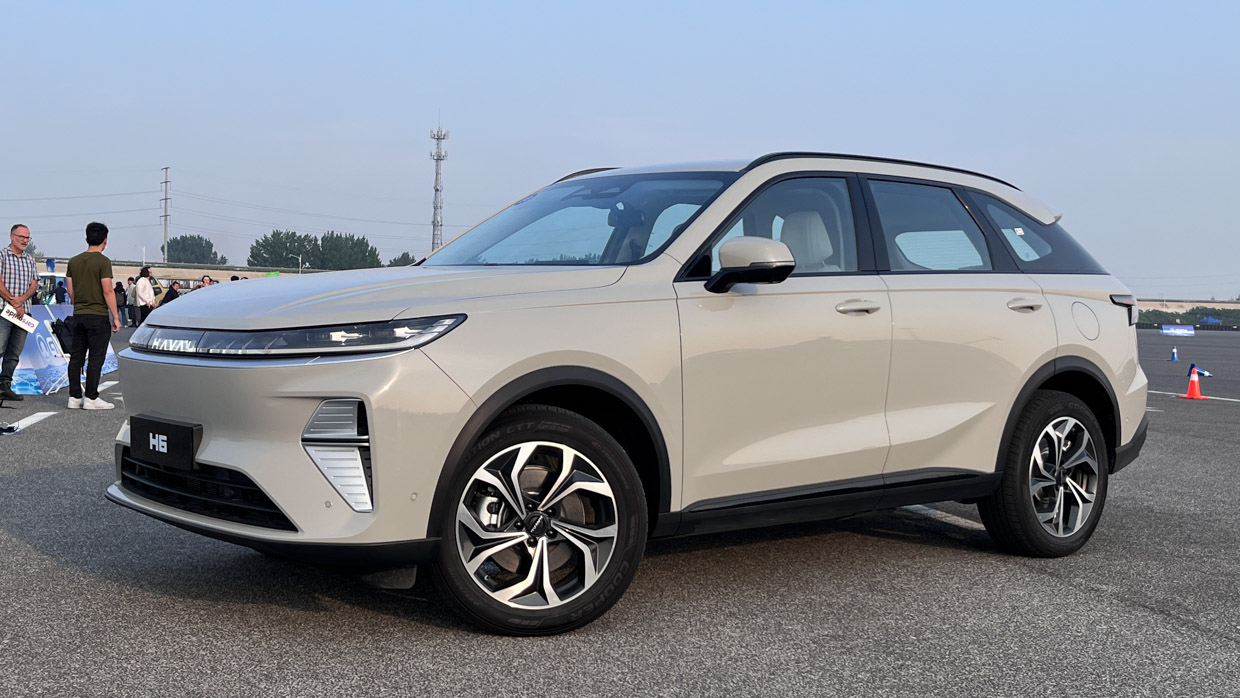
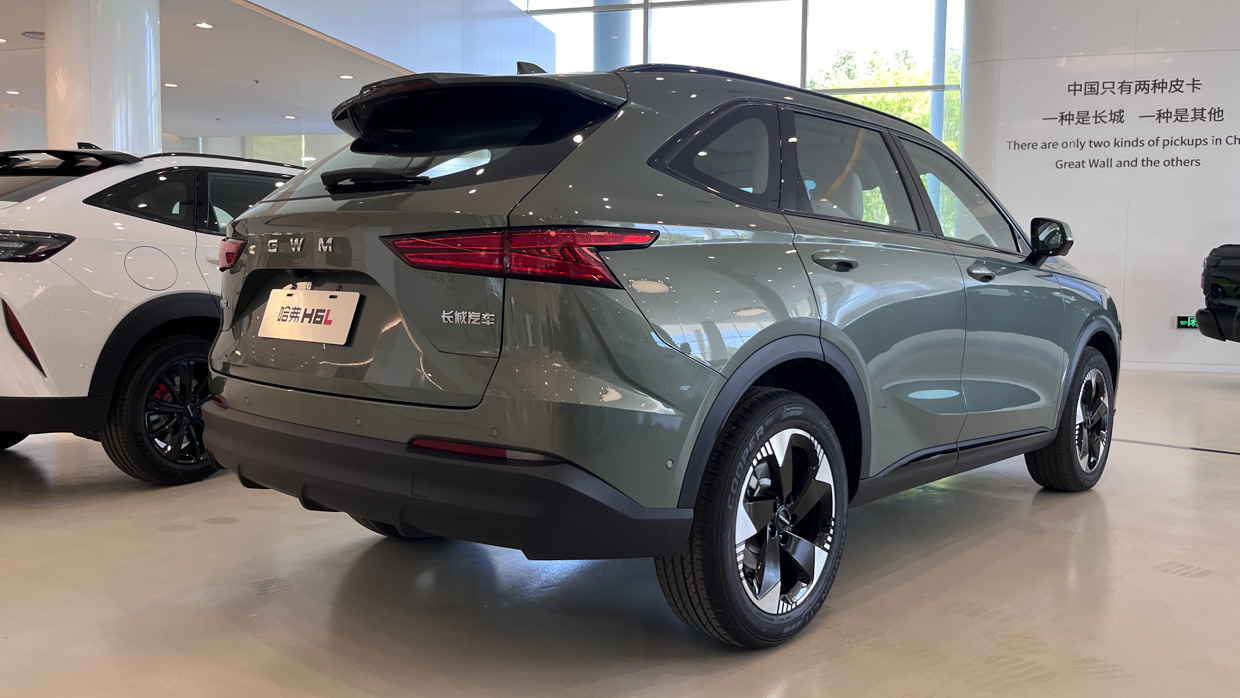
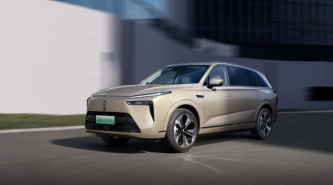
Shown to Australian media at GWM’s Baoding China test facility, exterior design looks much more in keeping with recent electrified models.
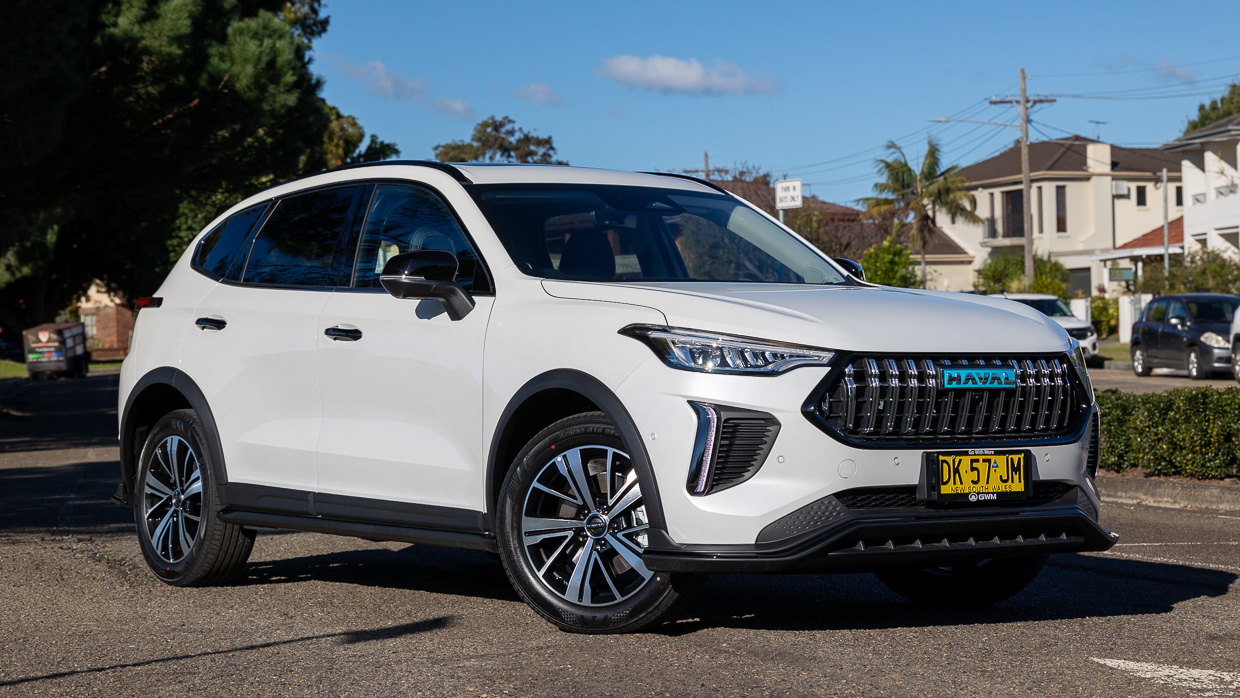
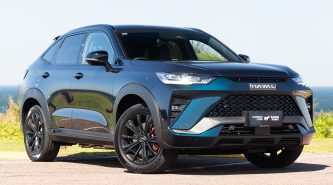
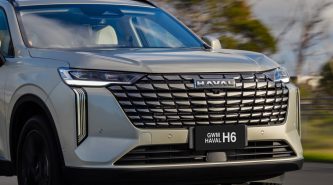
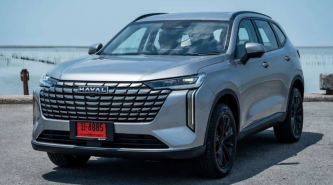
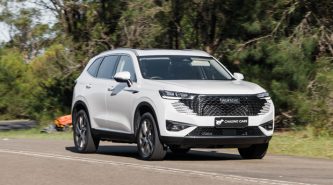
The front loses the current H6’s signature large grille, replaced by a rounded, smooth snout. A light panel stretches the length of the face between skinny headlights, with an illuminated Haval logo.
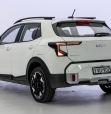
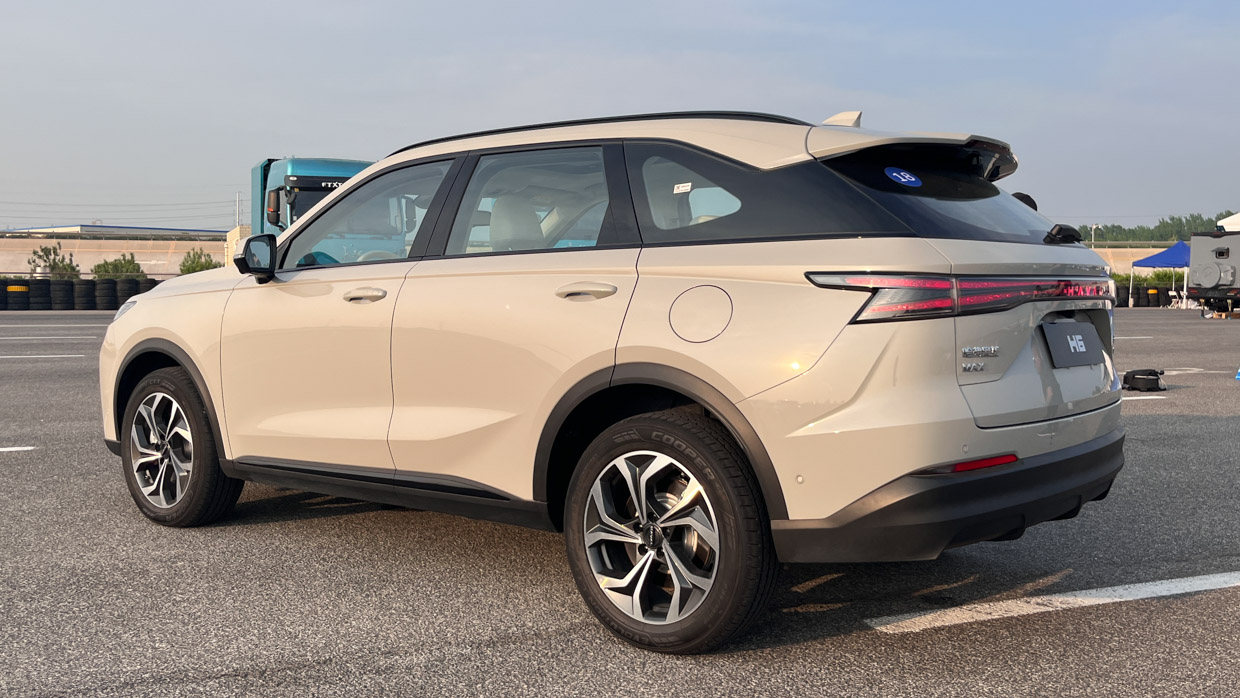
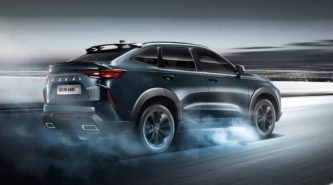
The rear, meanwhile, features a thick, body-width light bar with intricate illuminated crushed glass style. It’s rather flash.
Alloy wheels and the rest of the design are highly generic medium SUV: safe styling befitting of a high-volume model.
Powertrain-wise, there’s carryover from the current H6: a 170kW/380Nm 2.0L petrol; 182kW/535Nm (670Nm AWD) 1.5L turbo hybrid; and 1.5L turbo plug-in hybrid, offering 240kW/535Nm or 280kW/670Nm depending on battery size.
GWM Australia’s team was still deciding which engines we’d receive in 2027, but retaining the thirstiest (although cheapest) 2.0L petrol-only engine feels unwise in the current climate. Consumption is 7.8L-8.3L/100km (FWD-AWD), although Haval may be reluctant to lose this from-$35,990 drive-away price leader.
The self-charging hybrid returns a more palatable 5.6-6.1L/100km economy, and is currently priced from $40,990 drive-away.
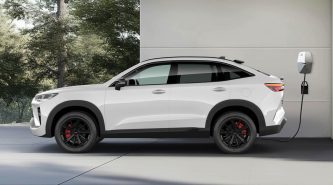
As plug-in hybrids surge in popularity, the H6 PHEV is of particular interest. The current generation only comes in plush Ultra grade, costing $47,990 (2WD) or $50,990 (AWD) drive-away.
For 2027, the H6’s use a 23.7kWh battery, offering 110km range the 2WD and 95km the AWD (WLTC), but the all-paw gets the option of a 33.8kWh battery, upping EV range to 140km WLTC.
The 2WD offers a combined 240kW/535Nm, but the big battery AWD brings 280kW/670Nm, for an impressive 5.6-seconds 0-100km/h time.
We’re some way off knowing model grades and specification for 2027 Australian H6s. Our sample car was a flagship AWD plug-in hybrid, and equipped accordingly.
Leatherette seats are spongy, perforated and – in this spec – not kid-friendly bright white. The oversized infotainment dominates the dash, backed by a digital driver display, and brightened by a large panoramic roof.
Physical climate buttons are a welcome positive, although some cheap feeling cabin plastics remind Haval is GWM’s budget brand. Sadly, the gear shift on the indicator stalk has been carrier over, which some find problematic. At least it frees centre console space for wireless smartphone charging.
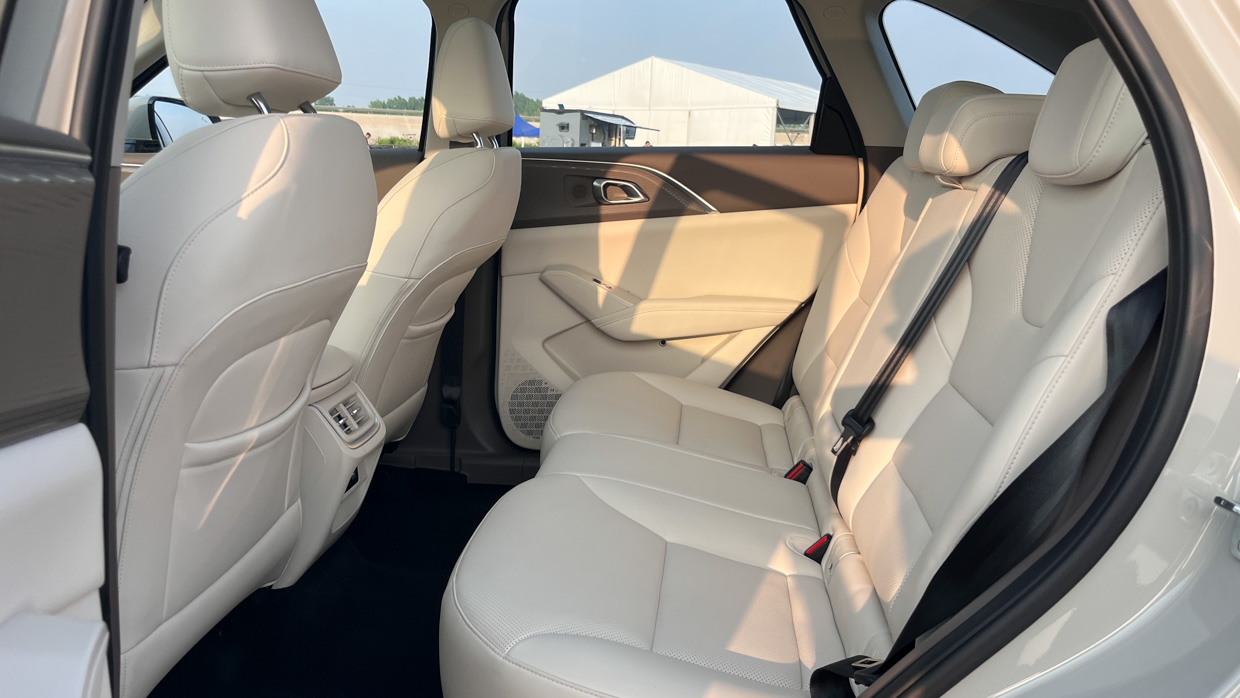
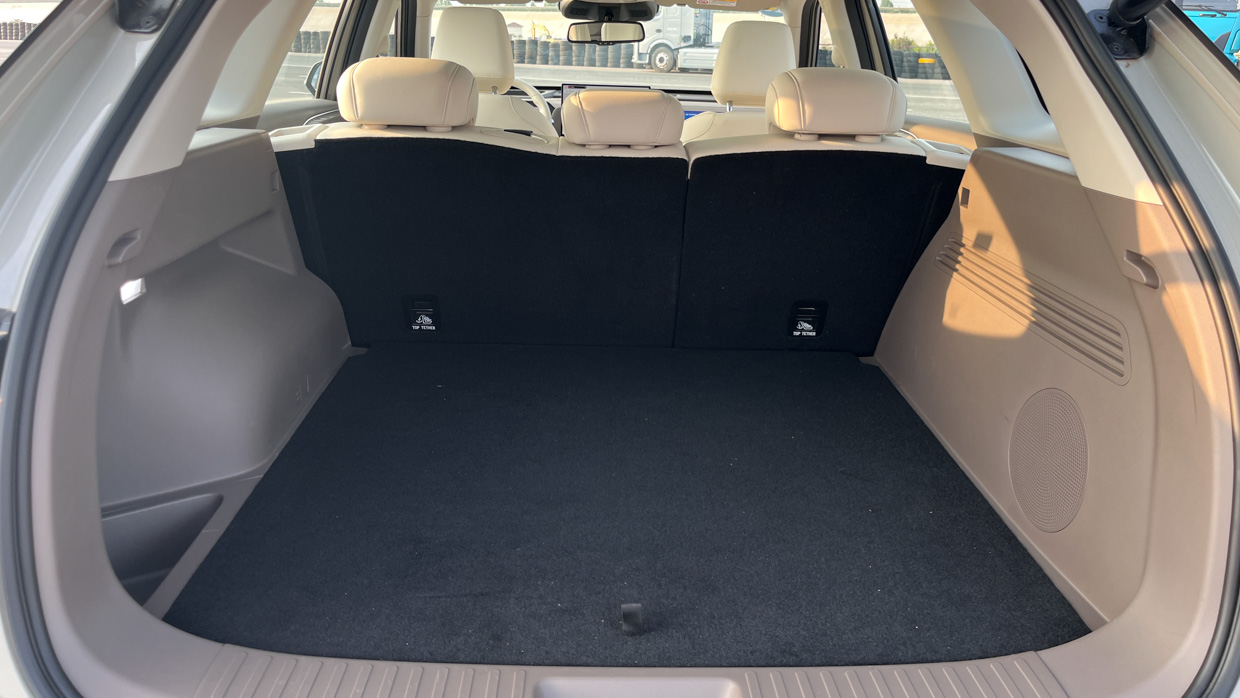
Best news is in the rear seats. Space is very impressive – leg and head room – and the boot is also a long one. The PHEV, sadly, loses under-boot space due to the battery pack.
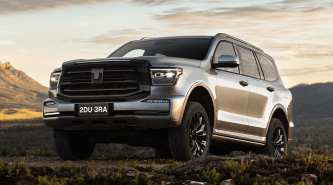
Despite the size jump, there’s no chance of an H6 with third row seating. At the GWM event, a large SUV – the H7 Plus – was seen, measuring 4900mm and offering seven seats.
Will we get it? A GWM spokesman said this model was under strong consideration for our market, as it would bring the three-row model currently missing from Haval’s line-up.
As the H6 gets larger, it leaves a skinny gap between Haval’s Jolion small SUV (GWM’s best-selling vehicle) and this revised medium SUV. Of course they’re going to fill it.
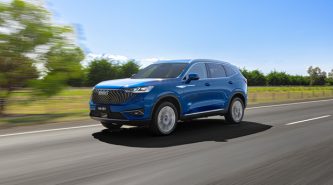
It’s already been announced the new Jolion Max will plug the hole in the final quarter of this year; the “large” small SUV coming with hybrid and full EV powertrain choices.
The Jolion Max measures 4590mm, putting it close in size to a Toyota RAV4.
With the current Jolion hybrid costing $32,990 to $38,990 drive-away, the Jolion Max hybrid would likely add a few grand to those numbers.
We can therefore expect the 2027 H6 in hybrid form to stay priced from around $40,990 on the road, with minor increases to reflect the new model.
Australian journalists were given brief test drives of the new H6 (as in seriously brief … 30 seconds at best), so we’re unable to give a drive evaluation.
We’re hopeful the expert input of former Holden engineer Rob Trubiani, now leading local ride and handling work on new GWM products, will sharpen the drive experience for the incoming new H6.
Latest news
About Chasing cars
Chasing Cars reviews are 100% independent.
Because we are powered by Budget Direct Insurance, we don’t receive advertising or sales revenue from car manufacturers.
We’re truly independent – giving you Australia’s best car reviews.