Powered by
-
Car Reviews
Latest reviews
-
Car News
Latest news
-
Car Comparisons
Latest comparisons
- Chasing Deals
Latest reviews
Latest news
Latest comparisons

Toyota’s seemingly insurmountable Australian market share challenged by a four-year-old Chinese newcomer – BYD
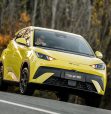
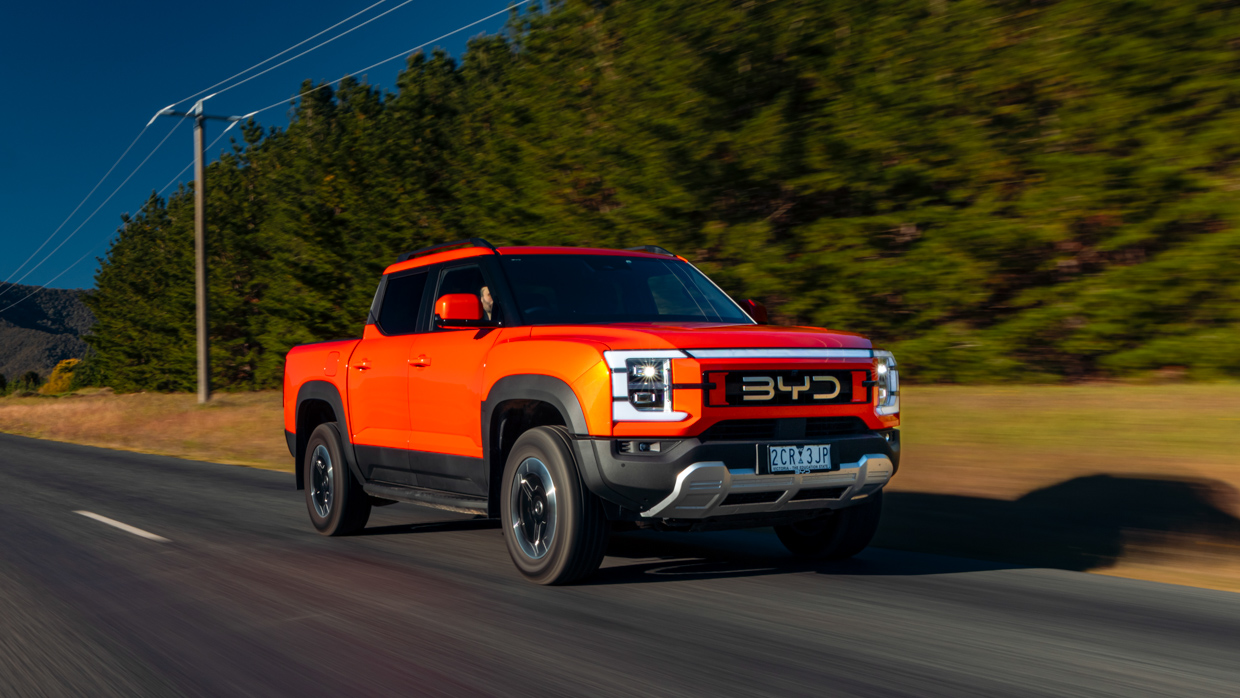
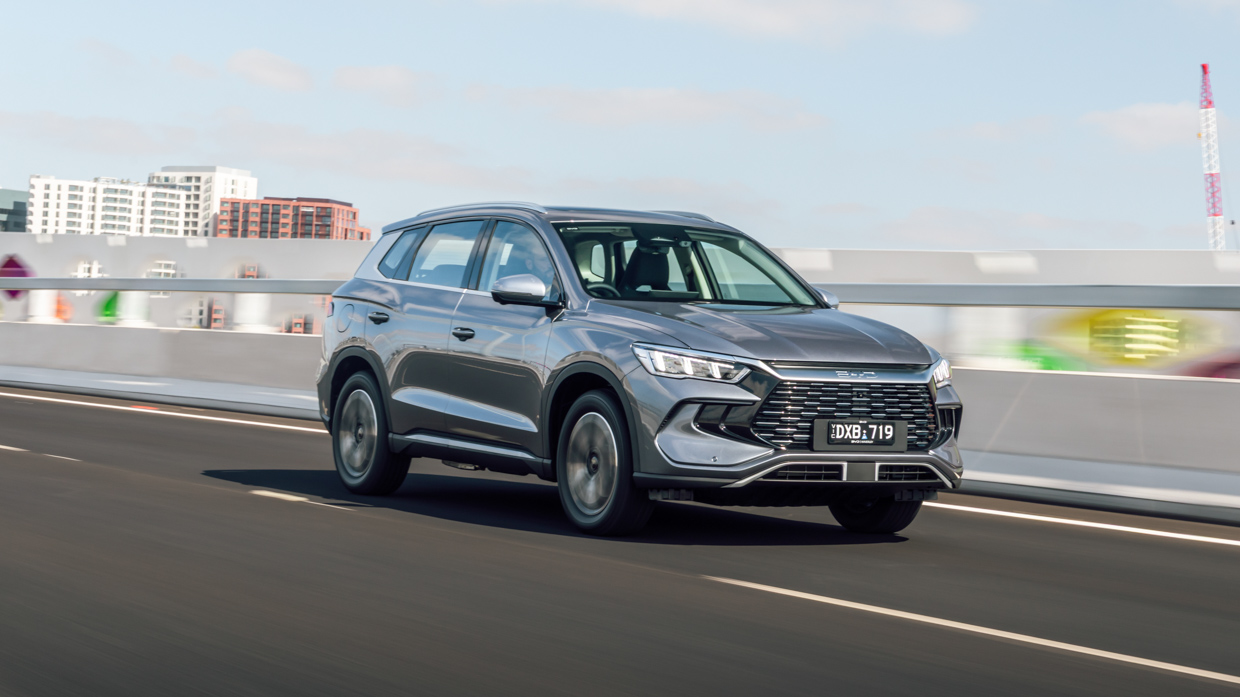
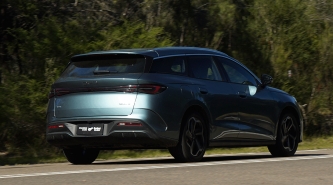
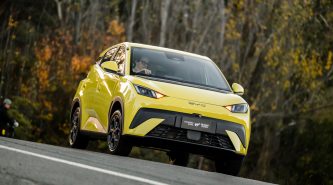
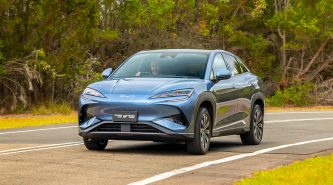
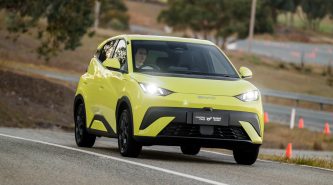
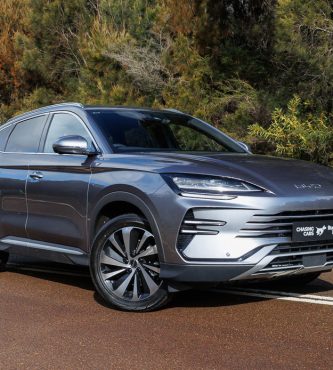
Chinese brand BYD has emerged as the biggest threat to Toyota’s dominance of the local car market in almost a quarter of a century.
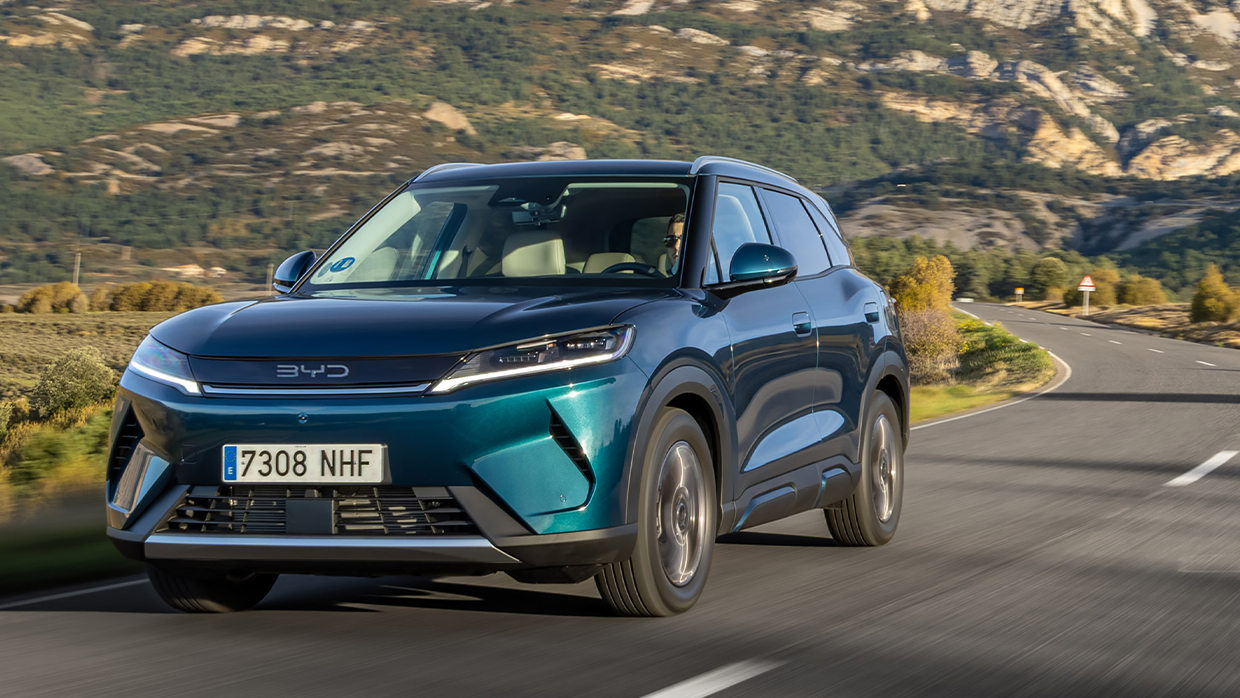
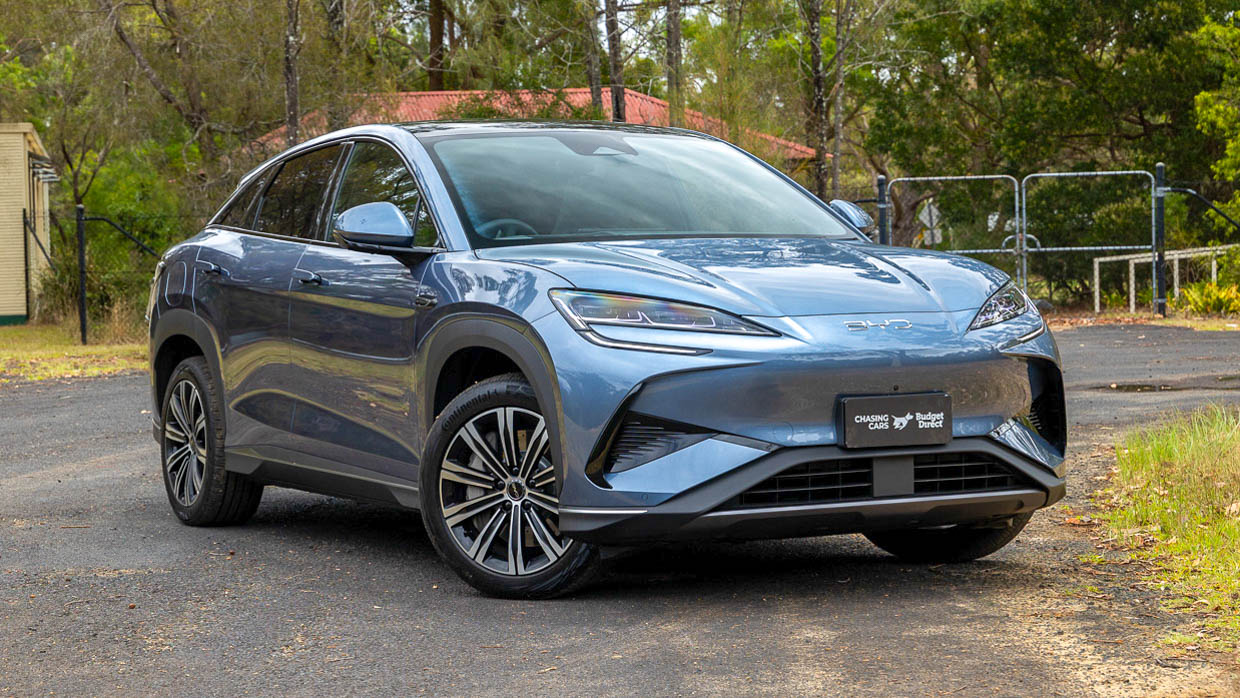
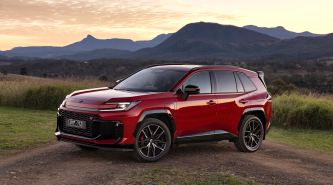
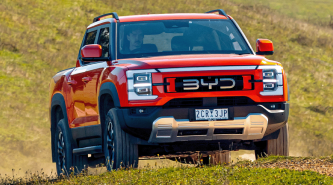
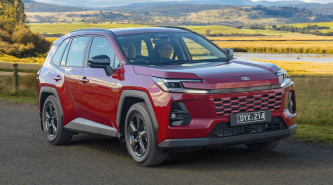
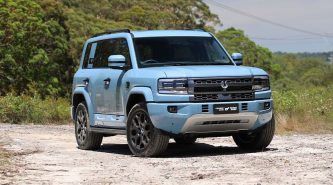
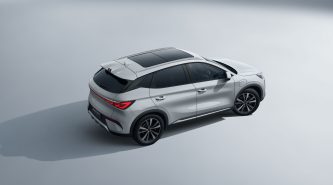
The brand, unknown to Australian buyers just four years ago, is sitting third in the annual sales race and is poised to make a run at Australia’s favourite brand on the back of government policies that heavily favour the electric vehicles and plug-in hybrids it exclusively sells.
When businessman Luke Todd boldly predicted BYD would be the top-selling brand in Australia by 2027, he was met with widespread scepticism and even derision.
The man who introduced the booming Chinese brand to Australia in 2022 has proved closer to the mark than many thought.
“I endured a lot of criticism, but I always knew the strength of BYD and what they were bringing to Australia, and the quality of product, and always had total belief that Australians would be very receptive to what BYD was offering, and so I always knew it was going to happen,” said Todd, who continues to be involved with the brand through a joint venture distribution business with leading dealer group AP Eagers.
On current trajectory, BYD seems certain to end the year as Toyota’s main challenger, although in sheer numbers, it is still a long way off.
Toyota is still outselling its nearest rival by a margin of more than two-to-one, despite a 24.6 per cent drop in sales in the first five months of this year.
But government regulations and a continuing fuel supply crisis are creating the perfect environment for a coup over the next few years.
Just months after BYD’s launch, the government introduced its generous FBT discount for electric vehicles and plug-in hybrids.
The impact of that legislation has been huge. Australians bought six times more EVs in 2022 than in the previous year. Sales more than doubled in 2023 and in the first five months of this year, more than 70,000 EVs have sold.
The response to the FBT discount was as unexpected as it was spectacular. Treasury initially estimated it would cost taxpayers $70 to $90 million in the 2025-26 financial year. It is now expected to cost $1.35 billion this financial year and more than $10 billion by 2029.
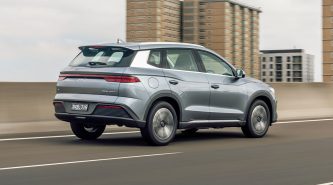
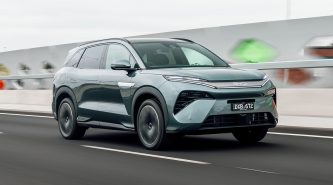
Plug-in hybrid sales have essentially doubled every year since the discount was introduced, even though it stopped applying to PHEVs in April last year. Why is that relevant in the future sales race? BYD sells only EVs and PHEVs. It has sold 33,454 vehicles, with a rough 50-50 mix between the two.
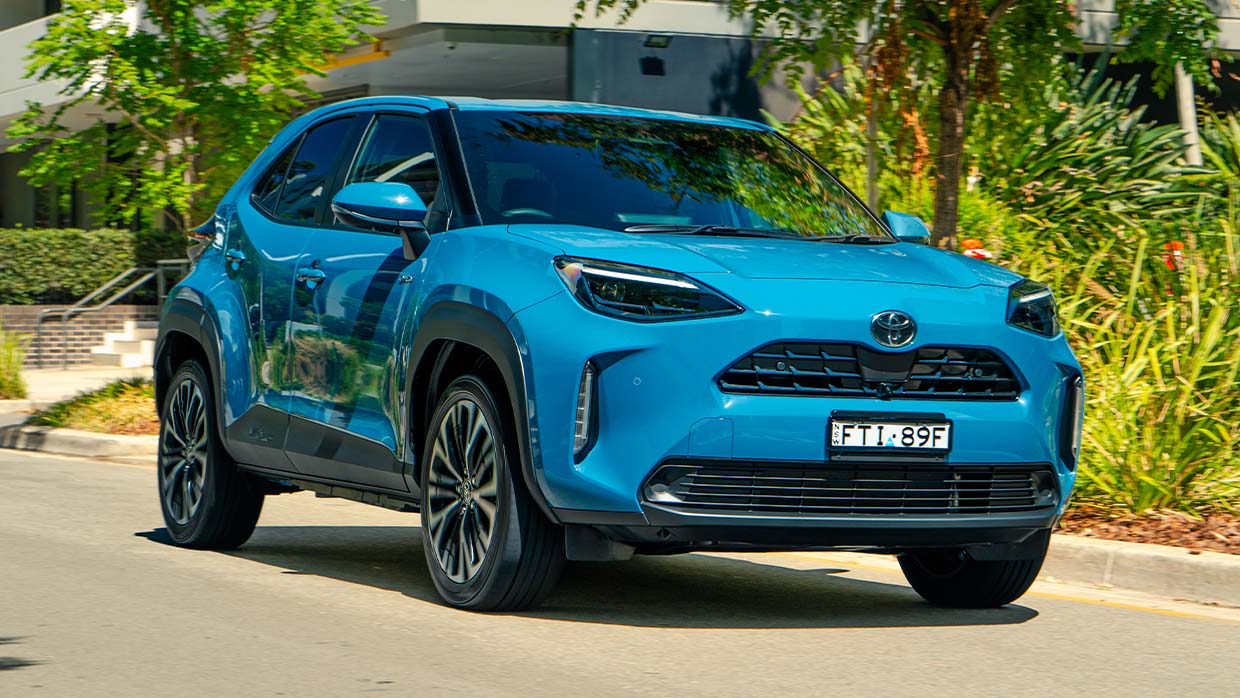
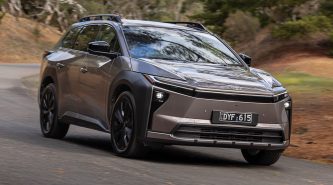
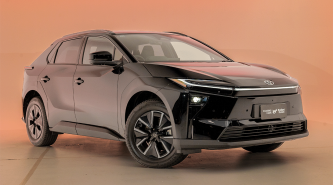
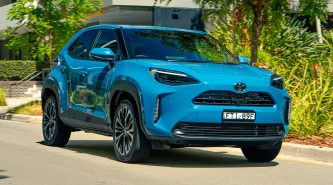
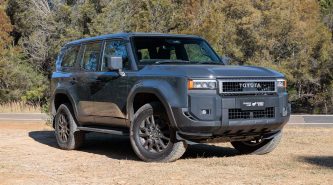
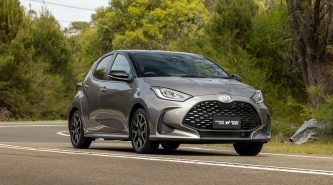
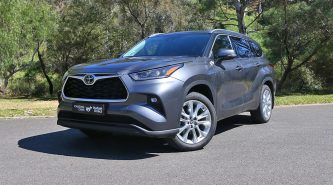
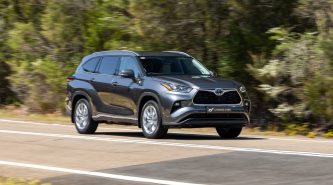
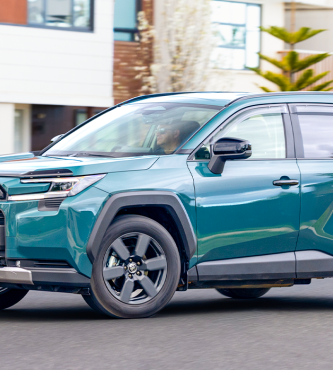
Toyota has one EV – the bZ4X – which sold 1526 units in the first five months of 2026 – and no PHEVs. The recently launched, wagon bodied bZ4X Touring adds some variation to the platform, while a plug-in version of the RAV4 should arrive imminently.
But BYD’s position will only strengthen as the government’s New Vehicle Efficiency Standard gets much tougher. The scheme has only upside for BYD, which accrues credits for every EV and PHEV it sells. These can be sold on to other manufacturers with less efficient fleets.
An estimate by analysts Pitcher Partners suggests that BYD’s 2025 credits alone could be worth as much as $150 million. Toyota also made credits last year – Pitcher Partners suggests about $72 million worth – but will find it much harder as the CO2 thresholds become dramatically lower in the next couple of years.
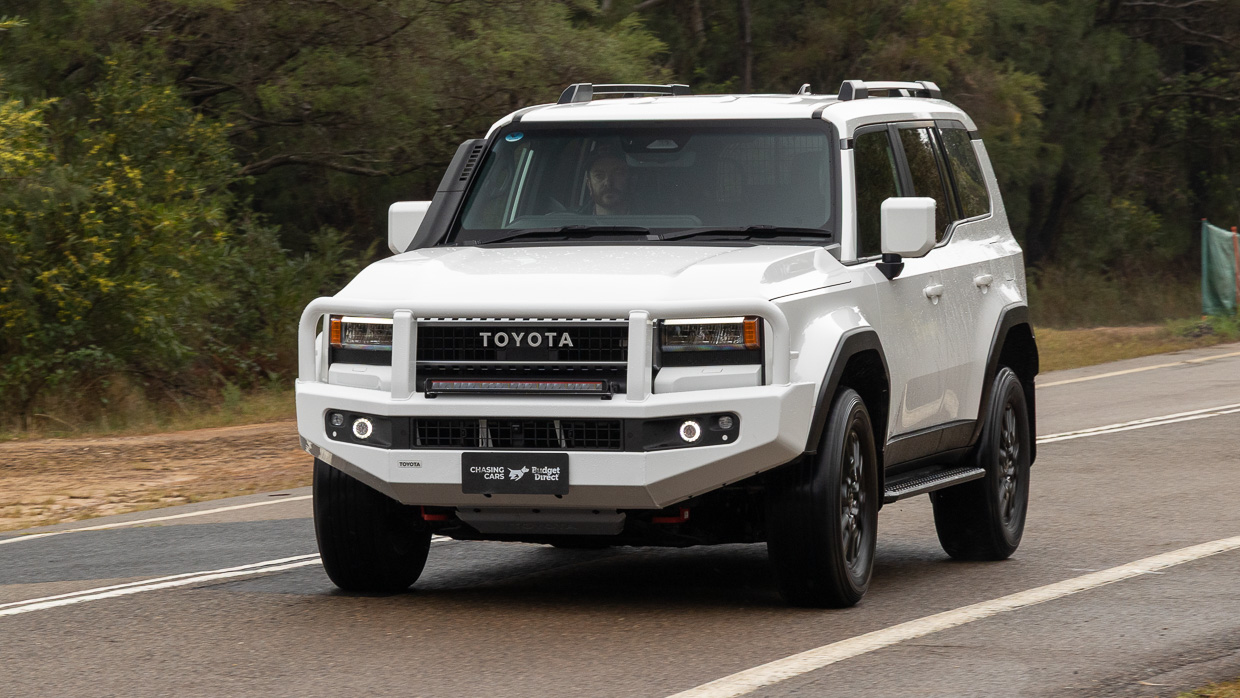
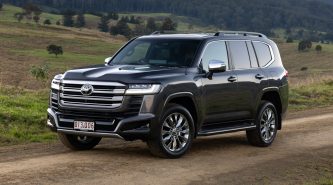
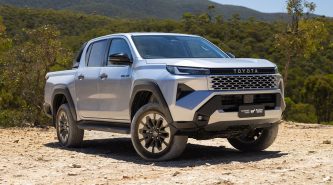
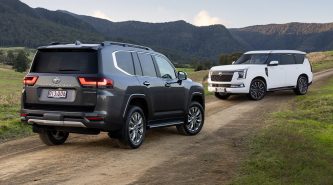
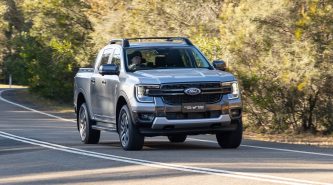
Roughly four out of every 10 Toyotas are utes or heavy 4WDs, which will incur stiff penalties.
Todd rejects the idea that the Australian government has given the brand a leg-up.
“The regulatory environment is for all automotive brands … and for them to make their own decisions on how to react to that, and some brands have been very receptive and moved very well in that direction,” Todd said.
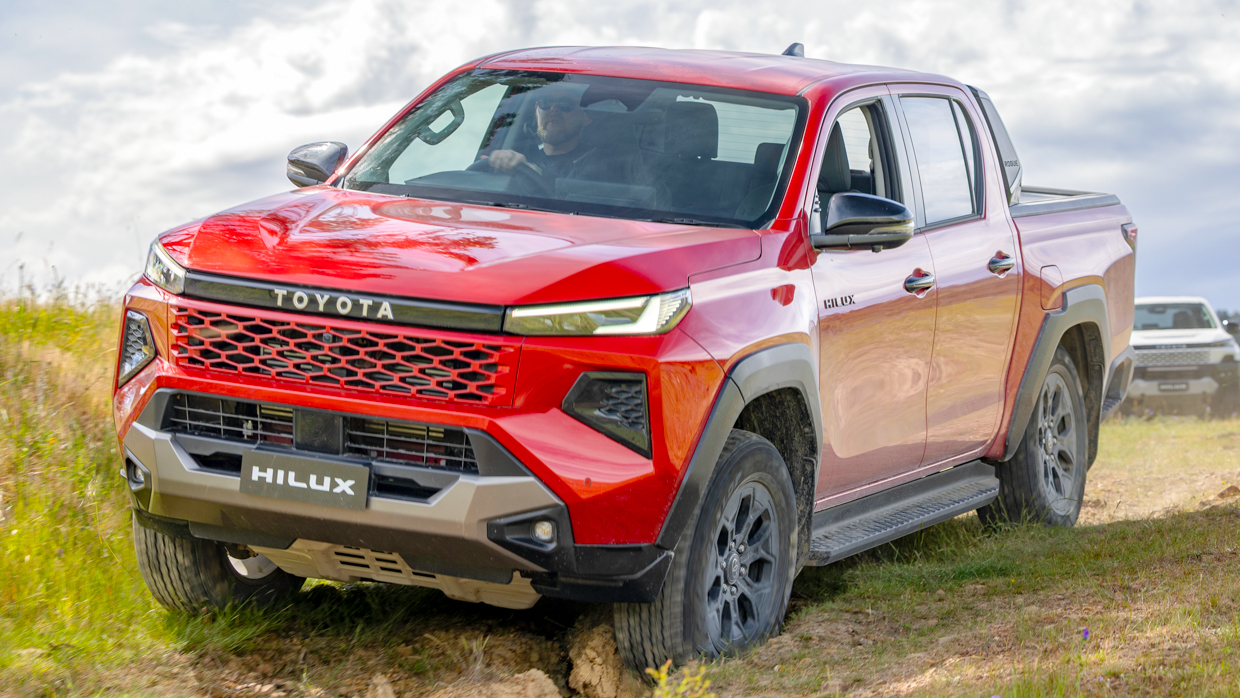
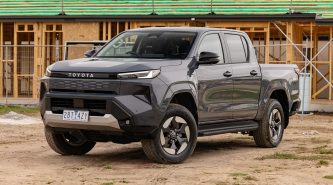
Toyota says its dip in sales this year is due to supply constraints for its two most popular models, the HiLux and RAV4. The brand’s vice president of sales and marketing, John Pappas, said the company had secured more supply for the local operation.
“Demand remains strong across our range,” he said.
Supply is not a problem for BYD. In a show of strength the company delivered 5000 vehicles on a single boat earlier this month, as part of a plan to land 30,000 vehicles across April, May and June in response to booming demand for EVs due to the fuel crisis.
It may have been pure coincidence, but on the same day, Toyota Australia announced it had secured an additional 10,000 vehicles for local customers in 2026. It is forecasting 220,000 sales this year and Pappas said it remained committed to its “multi-pathway” approach to electrification, which included conventional hybrids.
“Our multi-pathway strategy recognises that customers have different requirements and aims to offer products that meet these needs,” he said.
He acknowledges the threat BYD poses.
“We recognise that we have to earn our position in the market every day… “We respect all our competitors. Our focus is on our customers and ensuring we deliver the best possible ownership experience,” he said.
Pappas acknowledges that the NVES is reshaping the local market but insists Toyota can meet the challenge.
“The NVES is starting to shape the decision making of all carmakers and it is a consideration for our future plans. Our strong hybrid mix means we are well placed for 2025 and 2026… From 2027 the targets become very challenging, particularly for commercial vehicles.”
“Like all carmakers, we continue to examine our product line-up.”
He is also keen to remind the buying public of the company’s long track record.
“Being competitive is more than the price of a car: it’s about ownership experience, quality, innovation, warranty, service and resale values. Our brand experience and dealer network are major competitive advantages as well as the broad model line-up of quality vehicles,” he said.
But Todd points out that the joint venture with AP Eagers has given BYD access to an enviable distribution network.
“They have now got the biggest and widest ecosystem of service infrastructure and support network for clean energy vehicles right across the country,” he said.
Latest news
About Chasing cars
Chasing Cars reviews are 100% independent.
Because we are powered by Budget Direct Insurance, we don’t receive advertising or sales revenue from car manufacturers.
We’re truly independent – giving you Australia’s best car reviews.