Powered by
-
Car Reviews
Latest reviews
-
Car News
Latest news
-
Car Comparisons
Latest comparisons
- Chasing Deals
Latest reviews
Latest news
Latest comparisons

A comparison of Australian new-car sales in 2021 and 2026 reveals the dramatic rise of Chinese brands and the surprising decline of Japanese brands
Five years has proven to be an eternity in the Australian new-car market.
Brands that were household names five years ago are in danger of disappearing entirely as the relentless march of Chinese car makers sends them into a tailspin from which they may not recover.
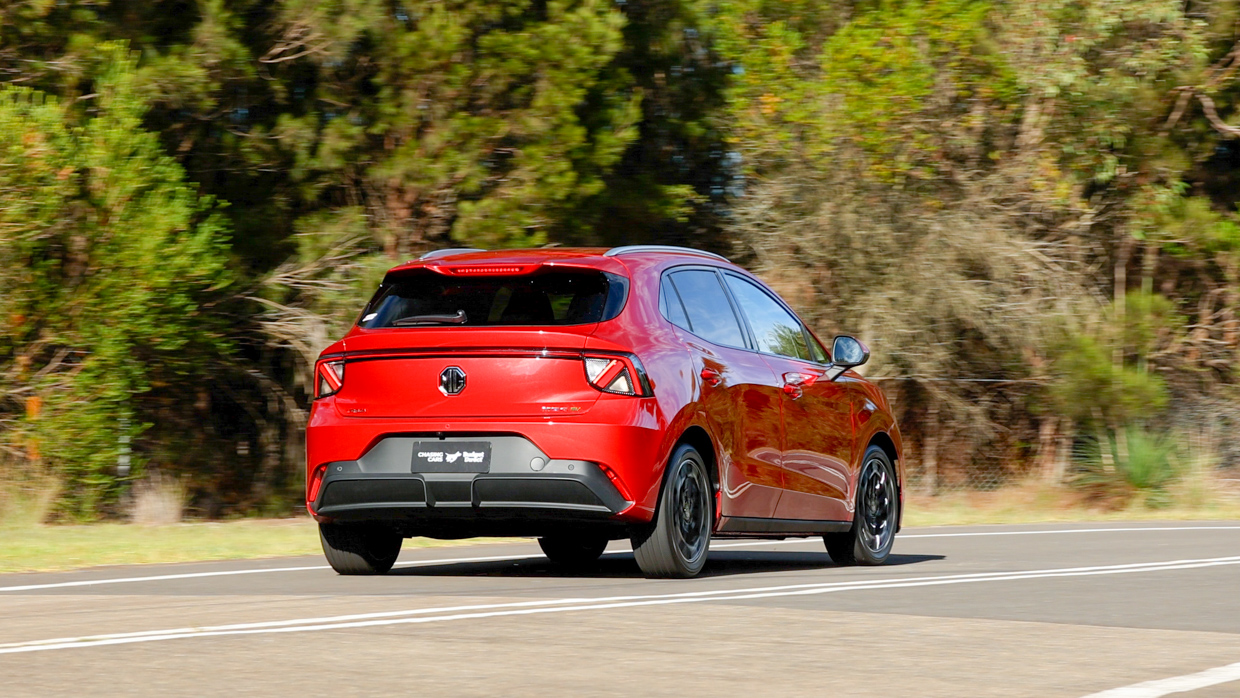
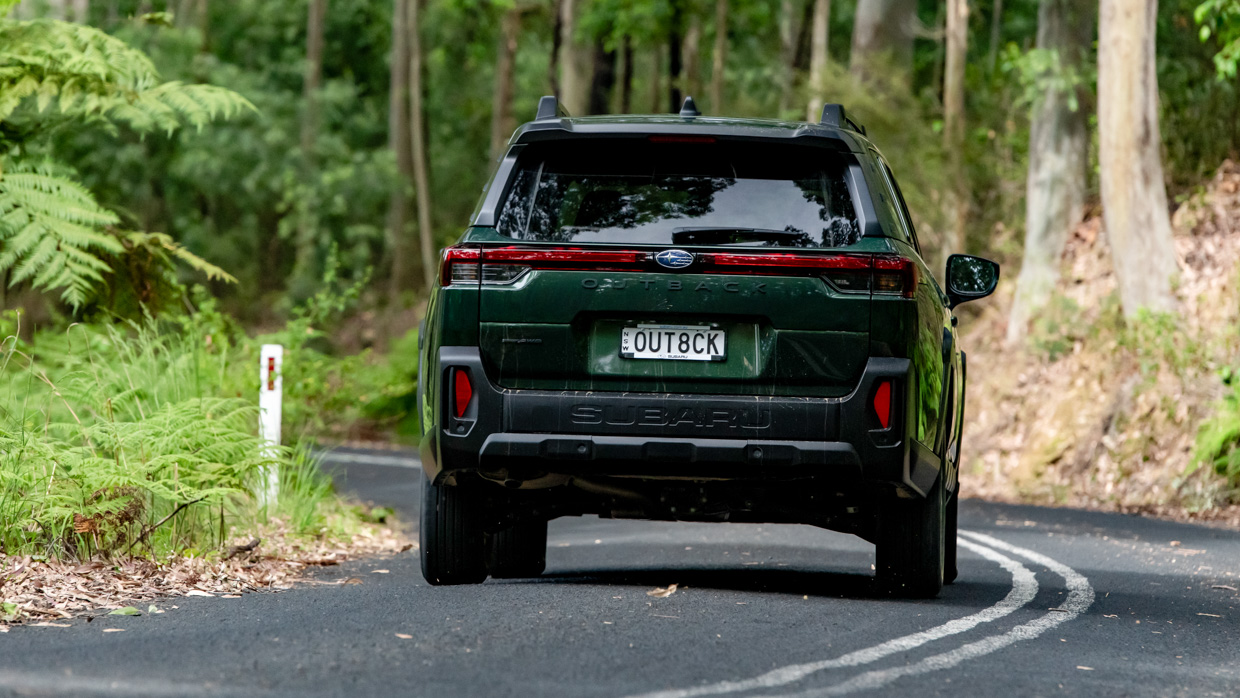
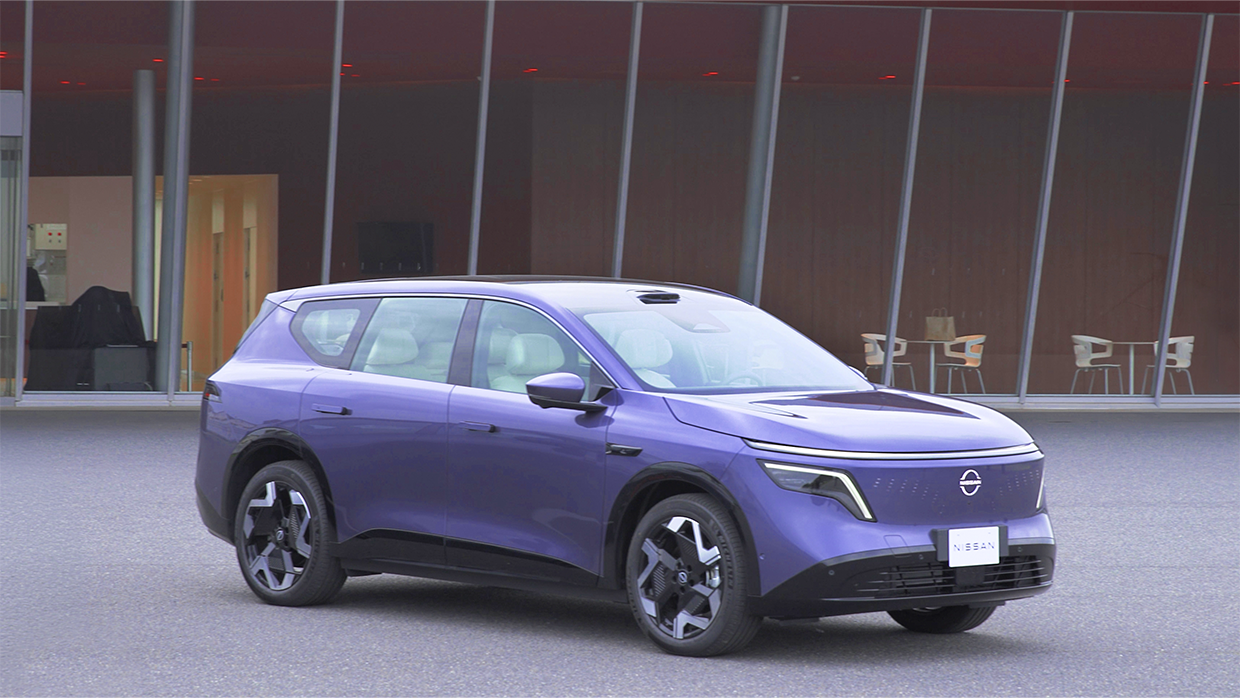
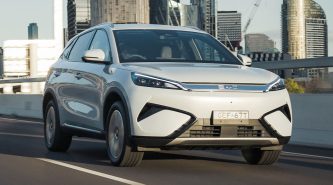
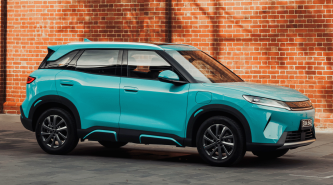
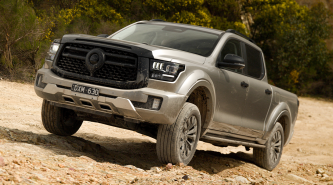
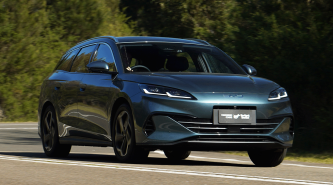
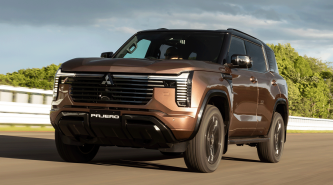
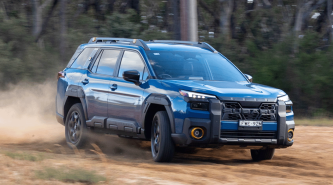
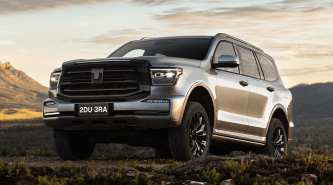
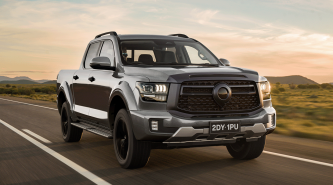
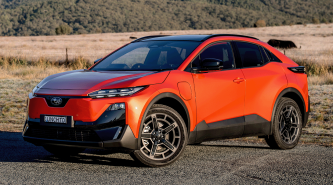
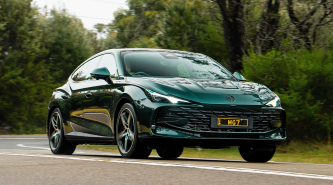
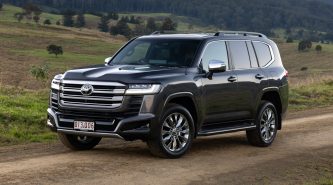
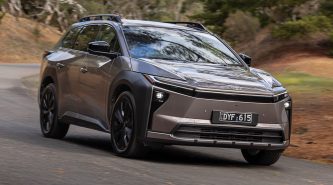
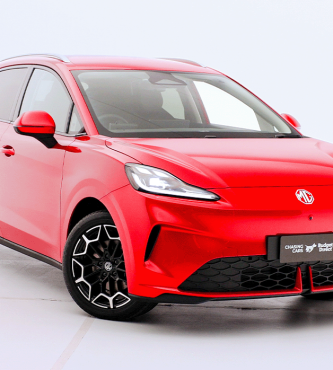
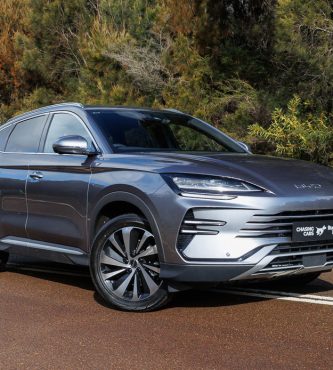
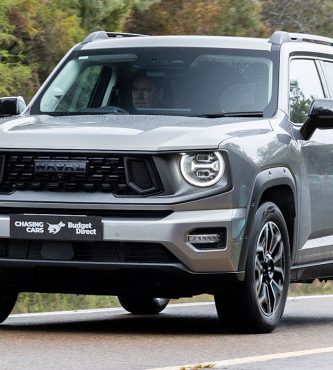
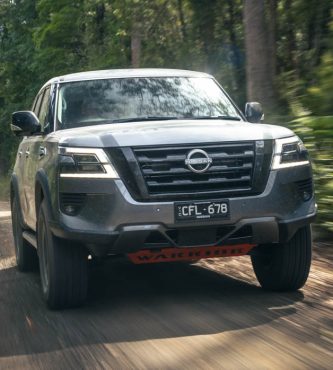
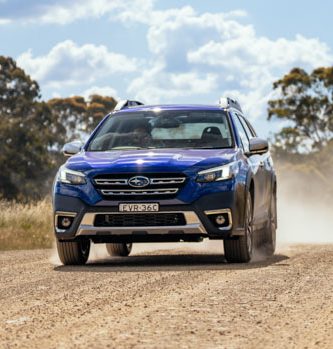
Nissan, Subaru and Volkswagen were entrenched in the top 10 most popular brands in the country just five years ago, yet they have been replaced by relative newcomers BYD, GWM and Chery.
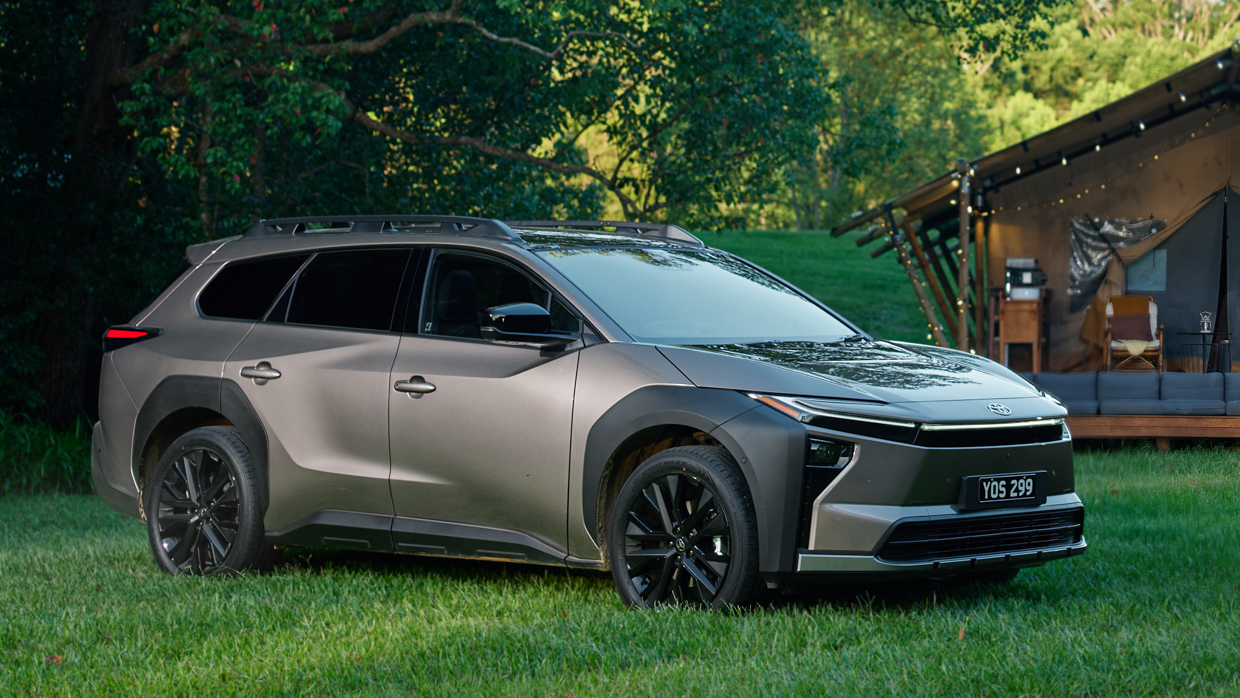
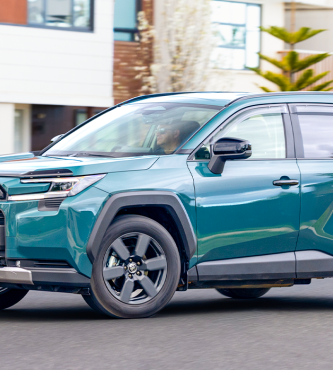
In the first five months of 2021, Japanese brands held the top three positions in the new-car sales race and five of the top 10.
Despite lockdowns, the big four Japanese brands were bouncing back from COVID in spectacular fashion. Mazda sales were up 64 per cent, Mitsubishi was up 49 per cent, Nissan 38 per cent and Toyota 31 per cent.
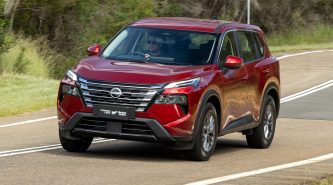
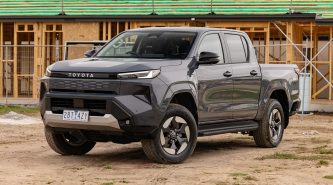
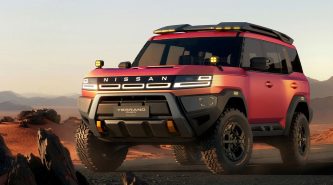
Fast-forward five years and Mazda sales are down 31 per cent, Mitsubishi has dived by 26 per cent, Nissan 32.8 per cent and Toyota 24.6 per cent.
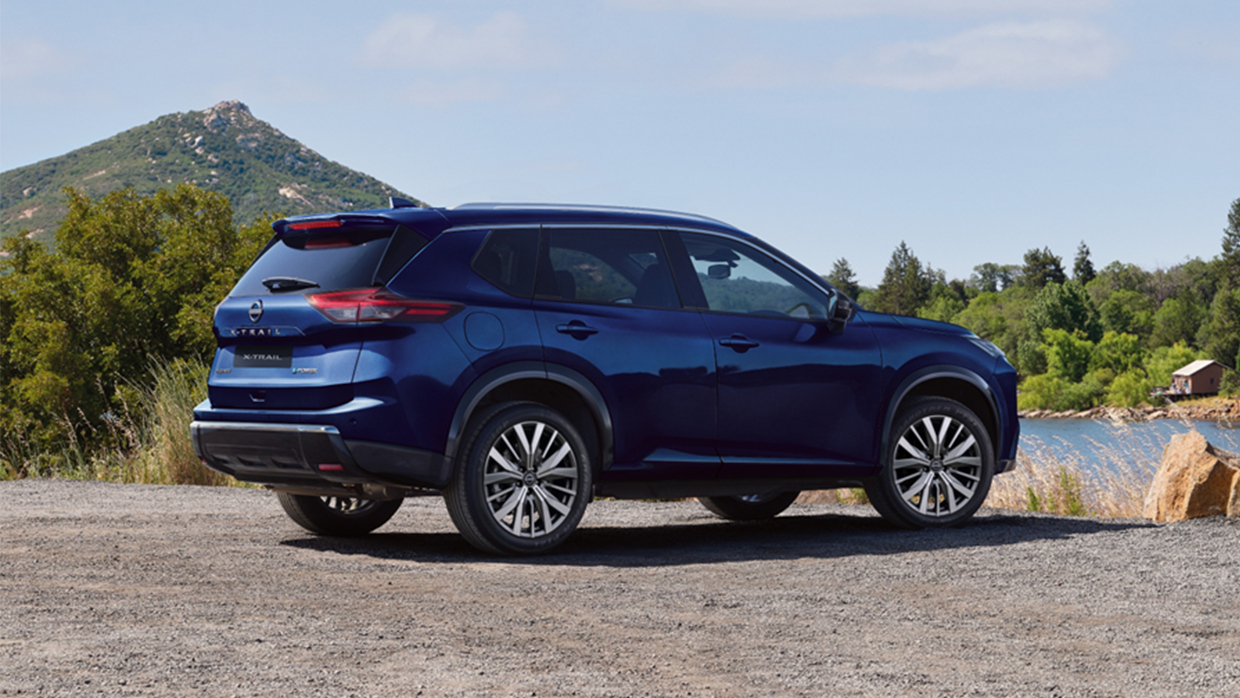
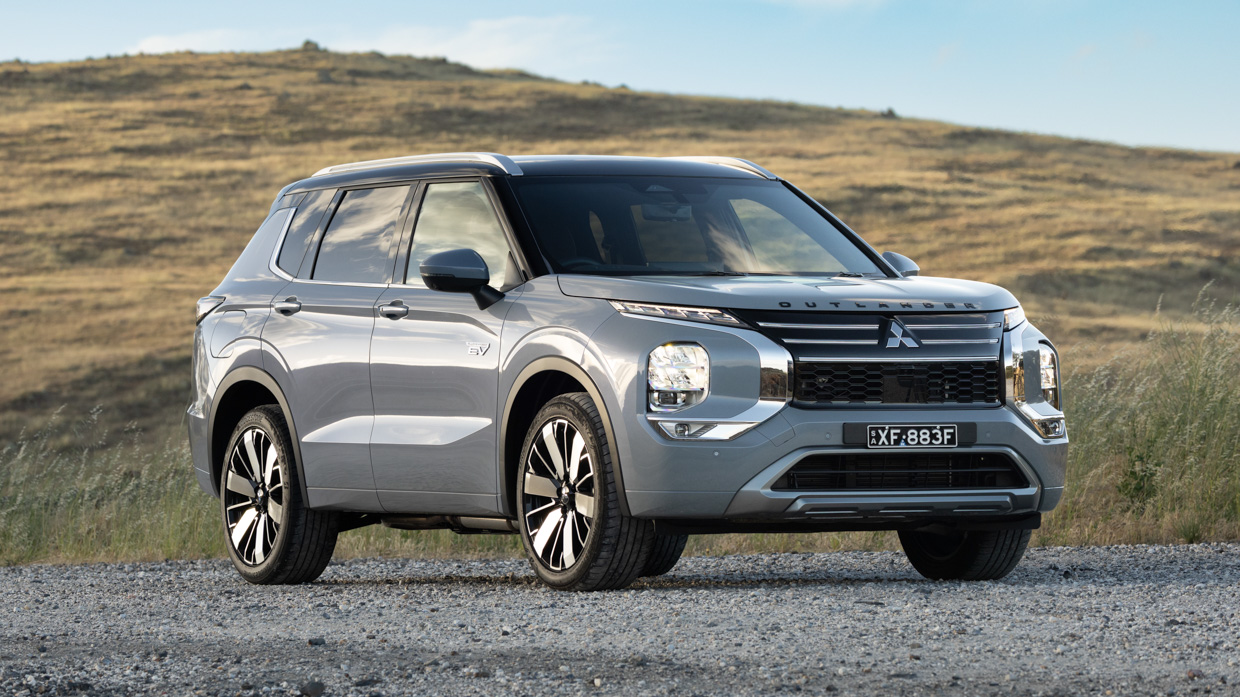
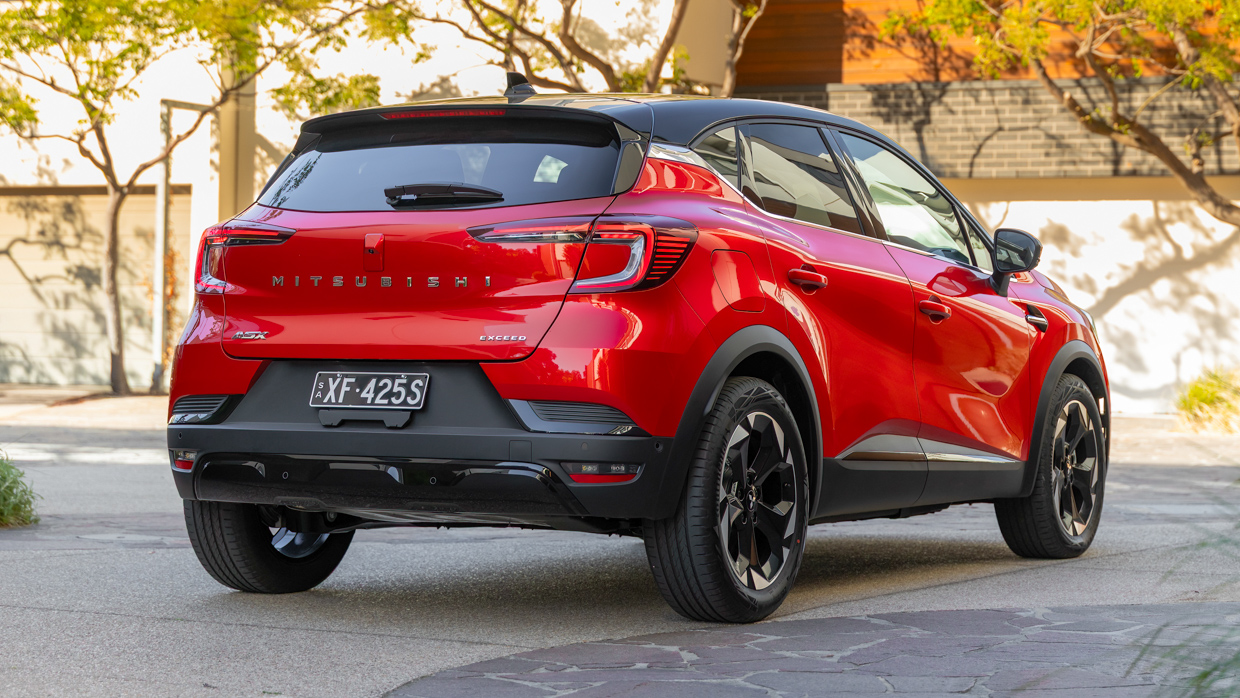
Mazda has slid to fourth place, Mitsubishi to 8th and Nissan and Subaru are no longer top 10 brands.
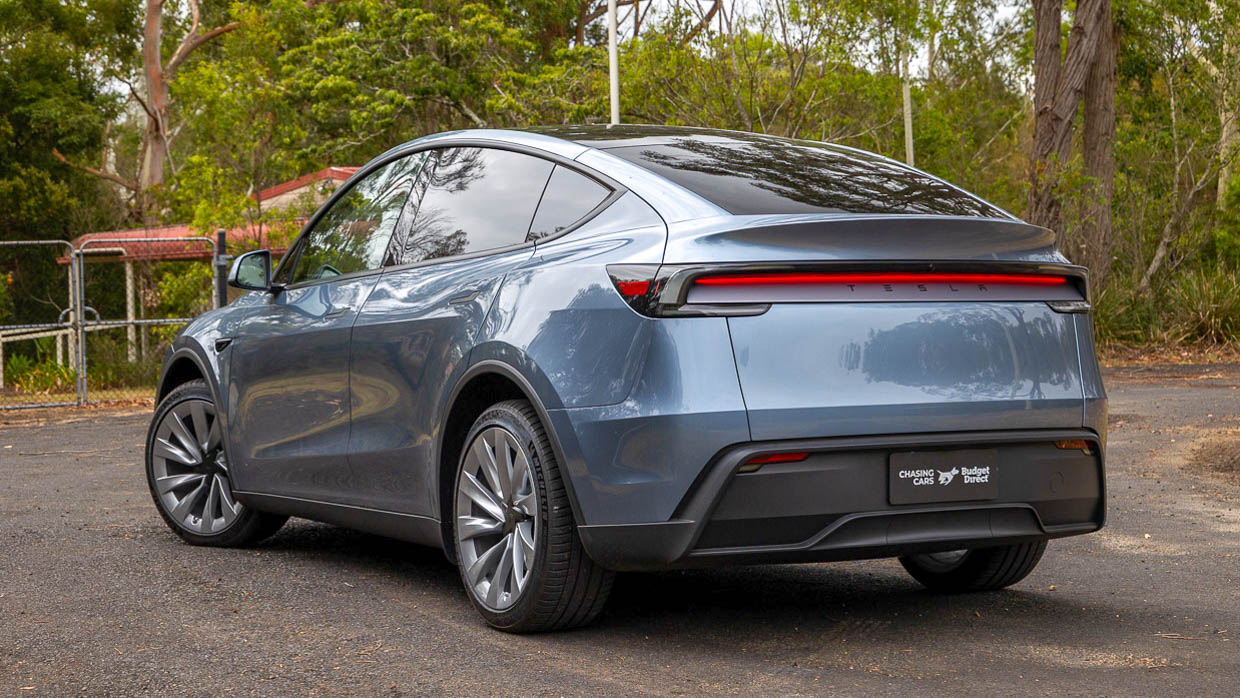
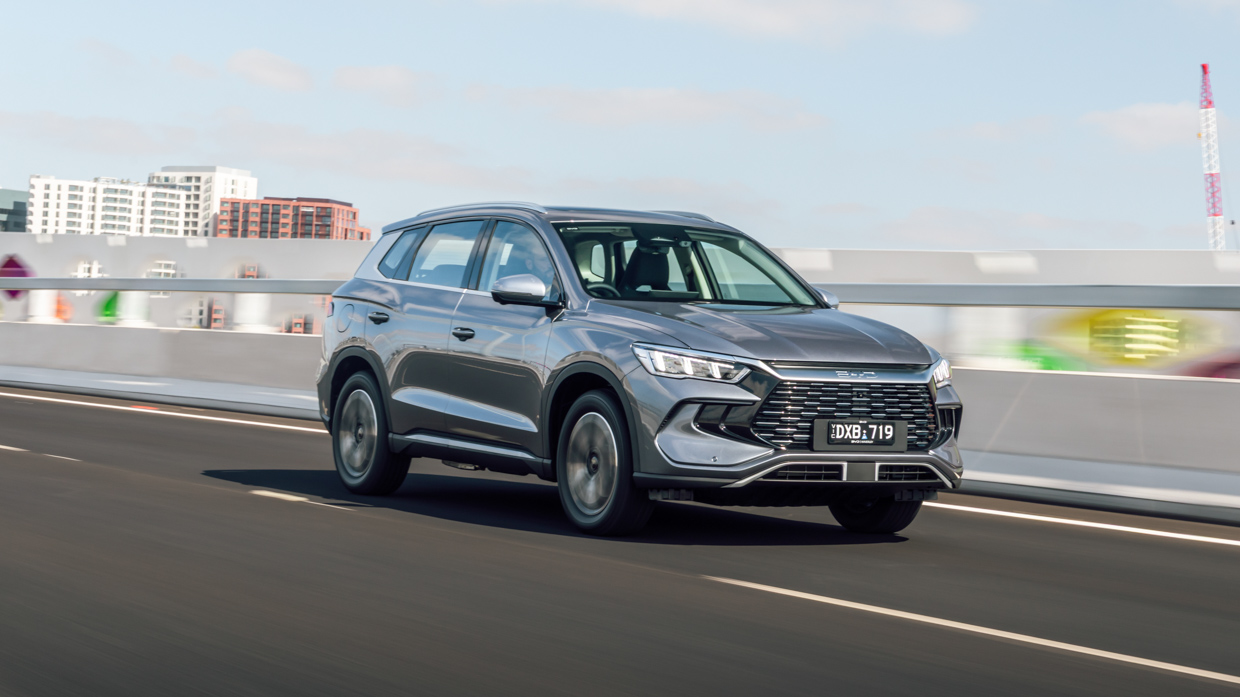
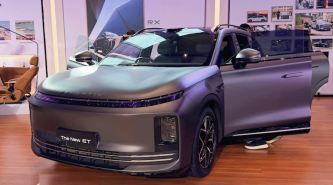
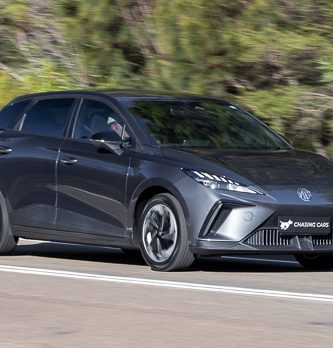
In May, there were just two Japanese brands in the top 10, compared with four Chinese brands and Tesla, whose vehicles are made in China.
Total vehicle sales YTD May 2026
Total vehicle sales YTD May 2021
In the first five months of 2021, Australians bought six times as many Japanese cars as Chinese ones.
Now China is our biggest importer. Sales of Chinese-made cars are up by 85 per cent this year and Japanese car sales are down by a quarter.
Japanese brands have arguably been the architects of their own decline.
They once led the way in alternative-fuel vehicles – think the 2001 Prius, the 2011 Mitsubishi iMiEV and the 2012 Nissan Leaf – but have somehow managed to turn a headstart into a headwind.
China, once derided as a maker of cheap and nasty runabouts, has established itself as our undisputed number one vehicle importer on the back of its unparalleled arsenal of electric and plug-in hybrid vehicles.
Cox Automotive analyst Mike Costello said the trend was undeniable.
“It couldn’t be better for the Chinese brands at the moment, because the two things that are happening is there’s a cost-of-living squeeze and fuel prices are through the roof, and the Chinese are really good at making cheap cars, and they’re really good at making EVs,” he said.
“If you have a look at over the last five or 10 years it largely has been China up, Japan down,” he said.
The chief executive of the Federal Chamber of Automotive Industry, Tony Weber, said high interest rates, cost-of-living pressures and fuel shortages had created a perfect storm for EV sales, which had grown from roughly 8 per cent of the market in January to almost 20 per cent in May.
“We’ve had a very dramatic reaction to an external crisis,” he said.
Weber said the growth in brands was good news for consumers.
“The market hasn’t grown in relative terms as much as the number of participants have grown, so that’s really good for consumers, because it means more competition in the market, competition pushes pressure on prices, and that helps affordability in the longer term,” he said.
But there is a caveat.
“The great unknown is how large the market will be in Australia, and how many players there will be,” he said.
Costello said the growth in brands over the past few years – he estimates there are 22 brands more than there were a decade ago – made it inevitable that some wouldn’t survive.
“The overall market has only grown by a few per cent, so the pie hasn’t grown, but the slices that it’s being chopped into have increased significantly,” he said.
“New-car sales are not growing at the same rate as the population,” he said.
He said some brands were struggling to attract customers and retain the support of multi-franchise dealer networks, which were shifting resources to the brands that were growing.
The chief executive of leading dealer group Peter Warren, Andrew Doyle, said in a market update to investors that the group was looking at “continued optimisation of brands within the existing property footprint to meet evolving customer preferences including expanding the portfolio of EV brands”.
That will translate into the better-selling brands getting the best real estate, the best salespeople and the biggest advertising budget. And it could mean a downward, and potentially fatal spiral, for slow sellers.
“The challenge isn’t just convincing the punters, it’s also convincing the dealers to represent you in the best way,” Costello said.
Ross Booth, the global head of resale value bible Red Book, agrees.
“We believe that the strong brands will get stronger and it’s going to become more and more difficult for the challengers,” Booth said.
While competition is great news for consumers on the surface, dig a little deeper and there are potential pitfalls.
Car brands will inevitably fail and owners of those brands will be hit with poor resale values if they choose to sell, or less than stellar aftersales service and parts supply if they hold on to their car.
Consumer law is vague about how long a manufacturer must provide support after they exit.
It says manufacturers should take “reasonable action to ensure repair facilities and access to spare parts are reasonably available for a reasonable period of time”.
“Reasonable” is open to a lot of interpretation.
“If Chinese brand XYZ says I’m pulling up stumps, how do you mandate that they actually go about supporting their customers in the right way? It’s a very difficult thing to enforce,” Costello said.
Booth said customers left holding a car belonging to a departed brand would suffer when it comes time to sell.
“It tends to have a negative impact on residual values. People don’t buy them as much, therefore people don’t want them as much, therefore the price drops. We’ve seen that consistently with many different examples of both brands and models.
“The perception is that, ‘I don’t want it, because there’s more risk’,” he said.
Latest news
About Chasing cars
Chasing Cars reviews are 100% independent.
Because we are powered by Budget Direct Insurance, we don’t receive advertising or sales revenue from car manufacturers.
We’re truly independent – giving you Australia’s best car reviews.