Powered by

-
Car Reviews
Latest reviews
-
Car News
Latest news
-
Car Comparisons
Latest comparisons
- Chasing Deals
Latest reviews
Latest news
Latest comparisons
The electric Outback arrives with the promise of all-terrain EV adventuring, but is the new Trailseeker simply too compromised and expensive to win buyers?
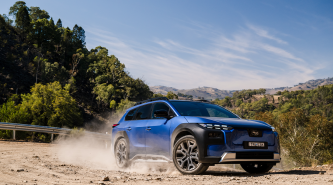
Pinching from Gen Z parlance, as my Subaru-badged SUV near-silently tears to 100km/h in 4.5 seconds: Mind = blown.
Subies aren’t meant to do this. The brand’s rally-inspired ’90s legend Impreza 22B STi couldn’t out-drag this new dual-motor Trailseeker EV, despite being a large SUV-wagon weighing 2.1 tonnes.
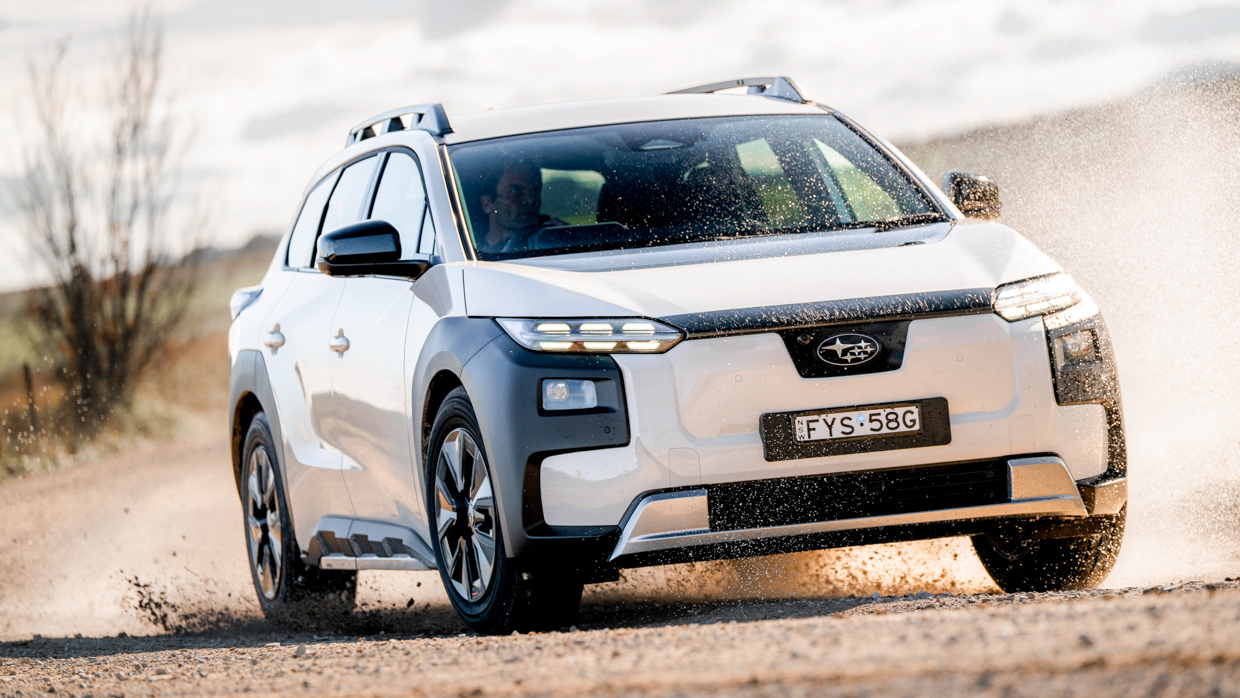
Question is, do Australians want such things from their Subarus? Or, more pertinently, do they want electric Subarus at all?
These are key ponderings as Subaru Australia has quickly gone (in under three years) from no EVs or plug-in hybrids to a trio of fully electric SUVs, with this Trailseeker – known as the e-Outback in other markets – sitting top of the tree. Boasting, while there, of being the most powerful (280kW) and quickest accelerating production Subaru yet offered.
But the brand was not about to ditch its all-paw, all-terrain niche for this Trailseeker or any of its EVs. “It’ll feel far more like a sports car than a large all-terrain wagon,” said Subaru Australia’s product engineer Brad Hickin. “It represents truly unique multi-terrain capability in an all-electric vehicle.”
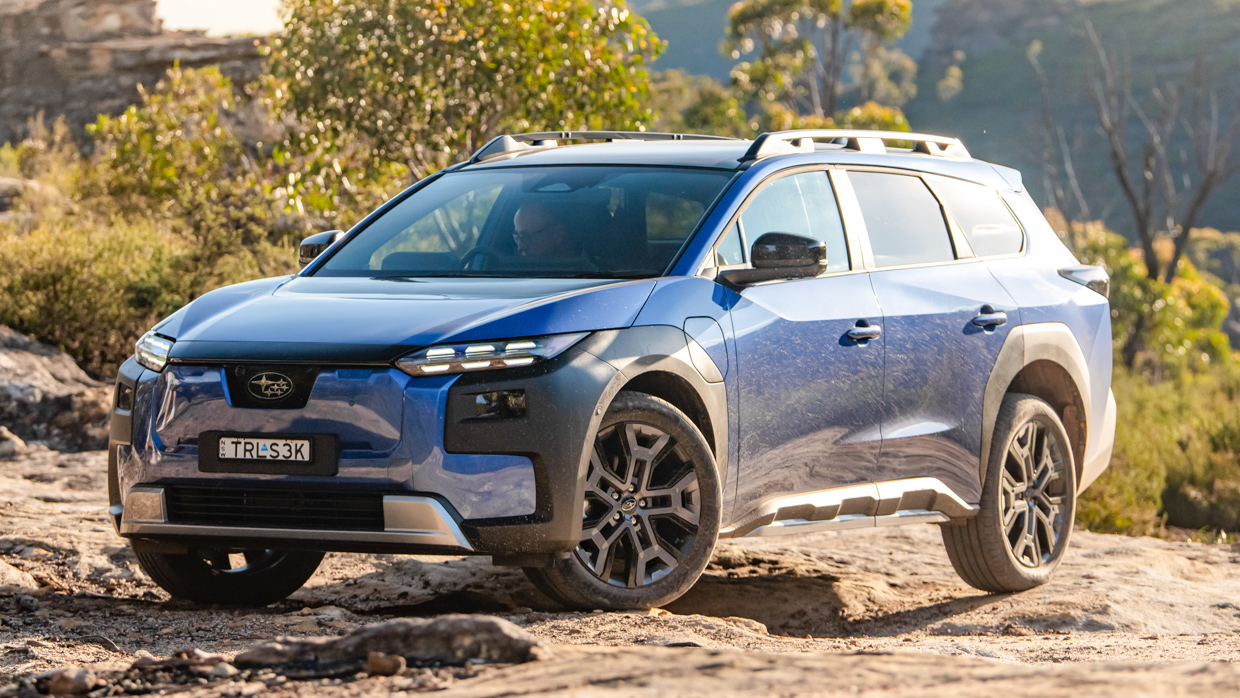
But there are compromises. Our Trailseeker with 74.7kWh battery has electric range of 533km in entry-level AWD guise, and just 488km in flagship Touring trim: 20-inch versus 18-inch wheels have a seriously negative aero impact.
Adventurers don’t love range limitations, nor range anxiety, and a same-sized Outback SUV offers more like 800km between refills. Servos, of course, are also more commonplace and quicker than EV charging stations.
Our Trailseeker has just 1500kg towing (an Outback is up to 2100kg), ground clearance is 211mm (Outback is 220mm-240mm), and no spare wheel for this EV – not even a space saver – hardly feels sensible for going bush.
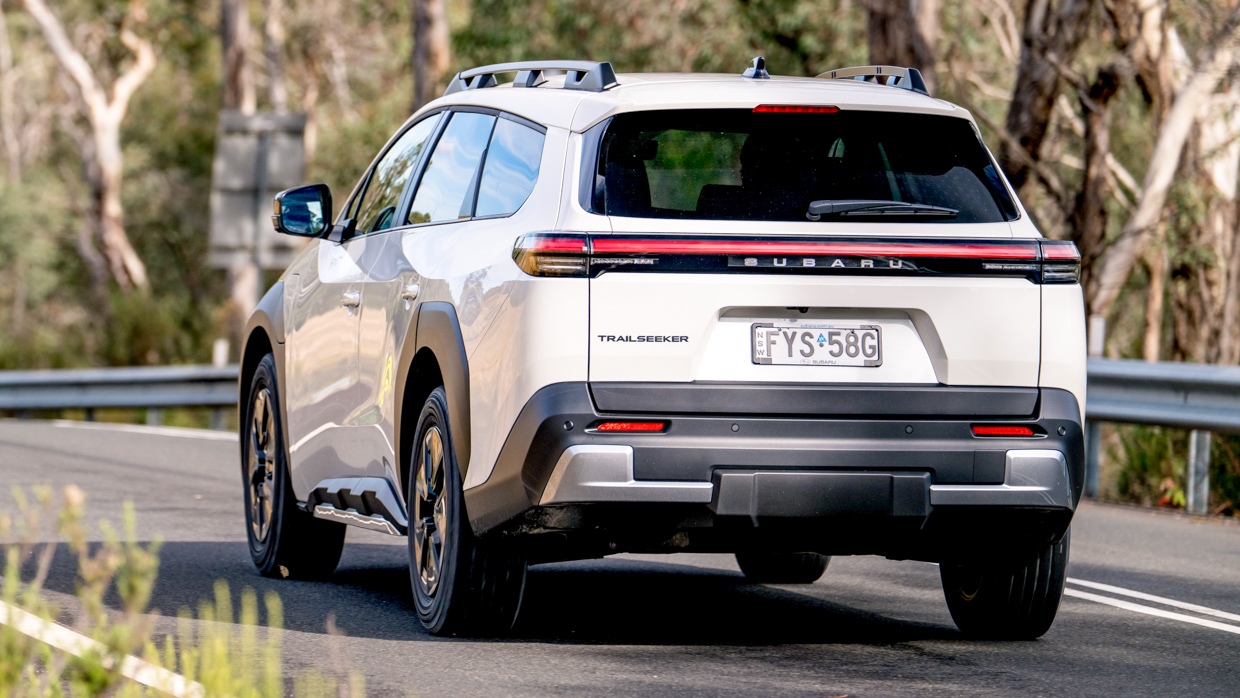
Then there’s price. It’s impossible not to compare it to the petrol Outback SUV, which ranges from $48,990 to $62,690 before on-roads. The Trailseeker AWD eclipses that at $63,990, while the fancier Touring lands at $69,990, both before charges.
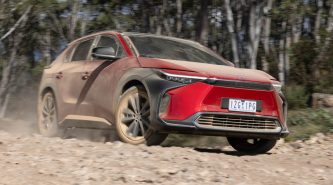
If you think that’s chunky, Subaru’s already shaved $4000 off originally announced Trailseeker prices; the $69,990 figure matches the co-developed Toyota bZ4X Touring EV.
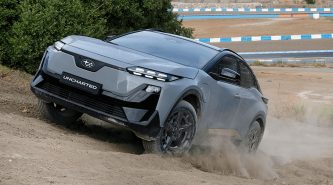
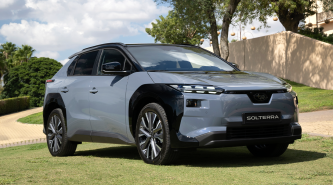
For me, Subaru’s EV range appears too tightly-packed price-wise. The Solterra medium SUV (which hasn’t been a sales winner) is now from $61,990, and the soon-arriving Uncharted small SUV EV drops at $59,990. A couple of grand between each EV – all twin motor AWDs – shows the faith Subaru’s taking in the line-up finding customer demand.
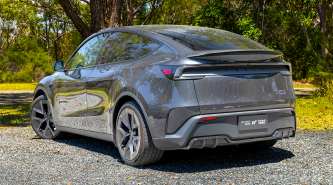
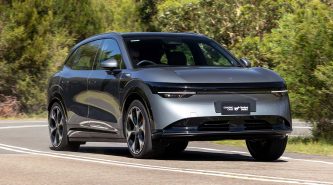
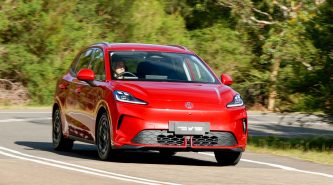
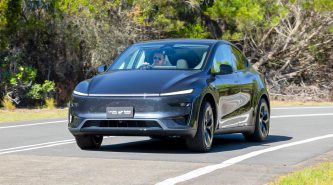
The competition is tough. The Trailseeker may play its all-terrain point-of-difference card, but a Tesla Model Y (from $58,900) remains the space and tech powerhouse, while a Zeekr 7X (from $57,900) is heavy on the premium vibes for less outlay.
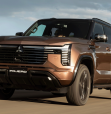
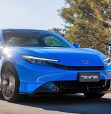
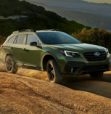
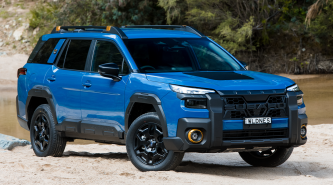
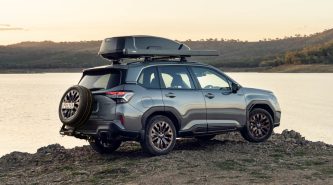
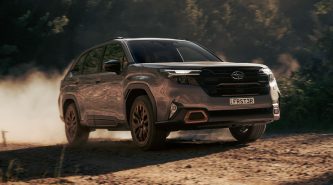
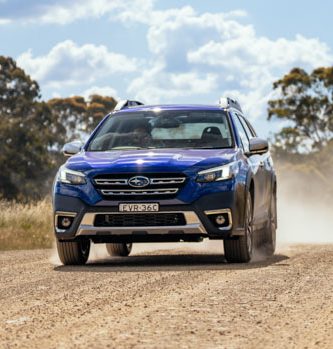
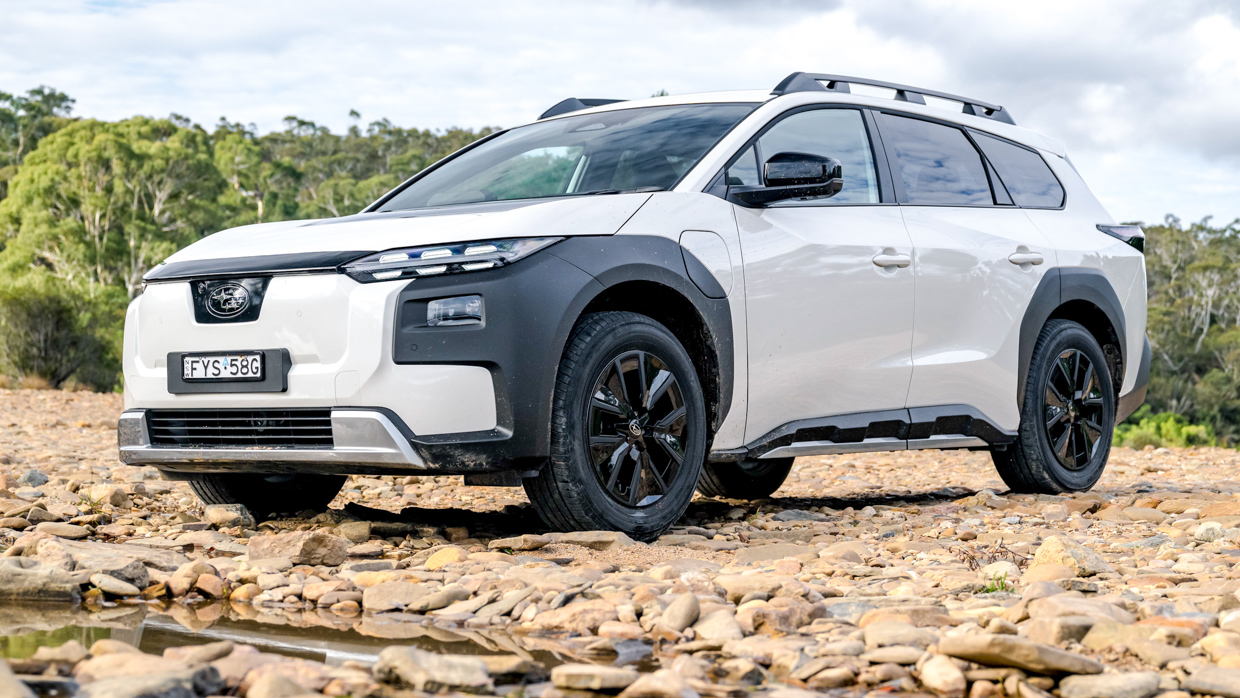
Putting all that aside, what’s the Trailseeker like? It’s hardly radical in terms of exterior styling, but mirrors the Outback’s attractive wagon-like look rather than an SUV silhouette.
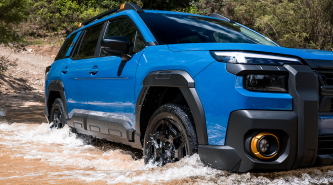
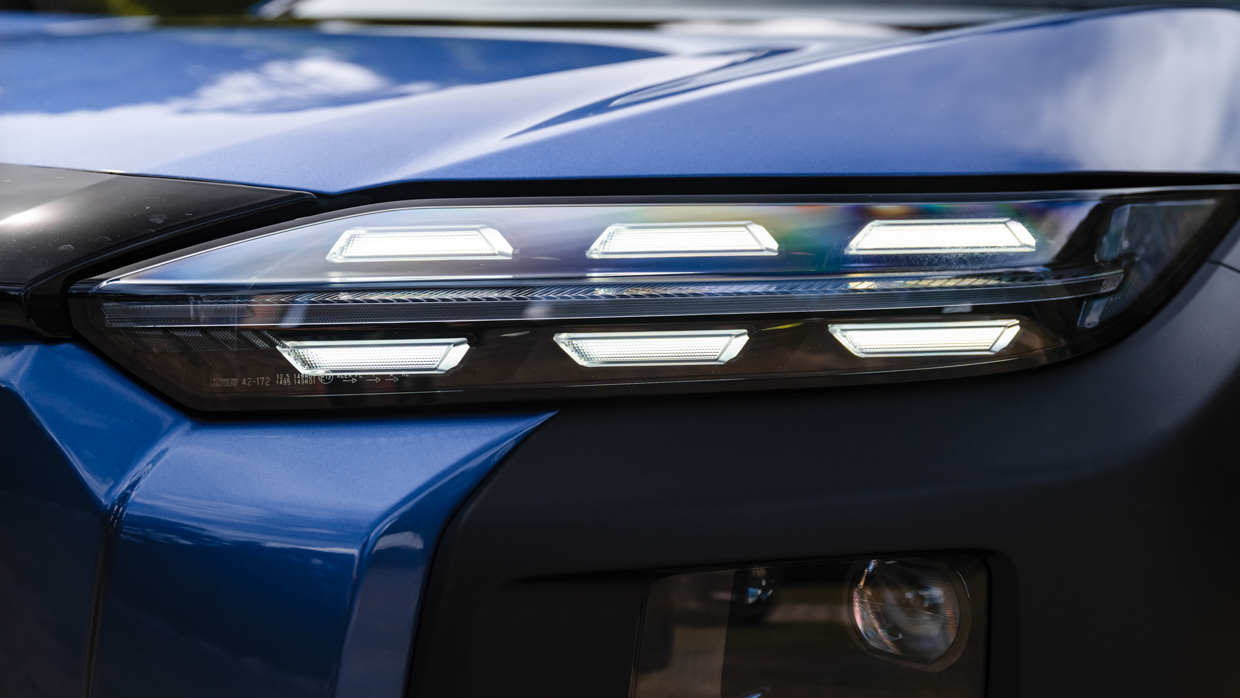
Its snout without a conventional grille marks it out as an EV, while giant plastic slabs above the front wheel arches and extending into the face look purposeful, if a little awkward.
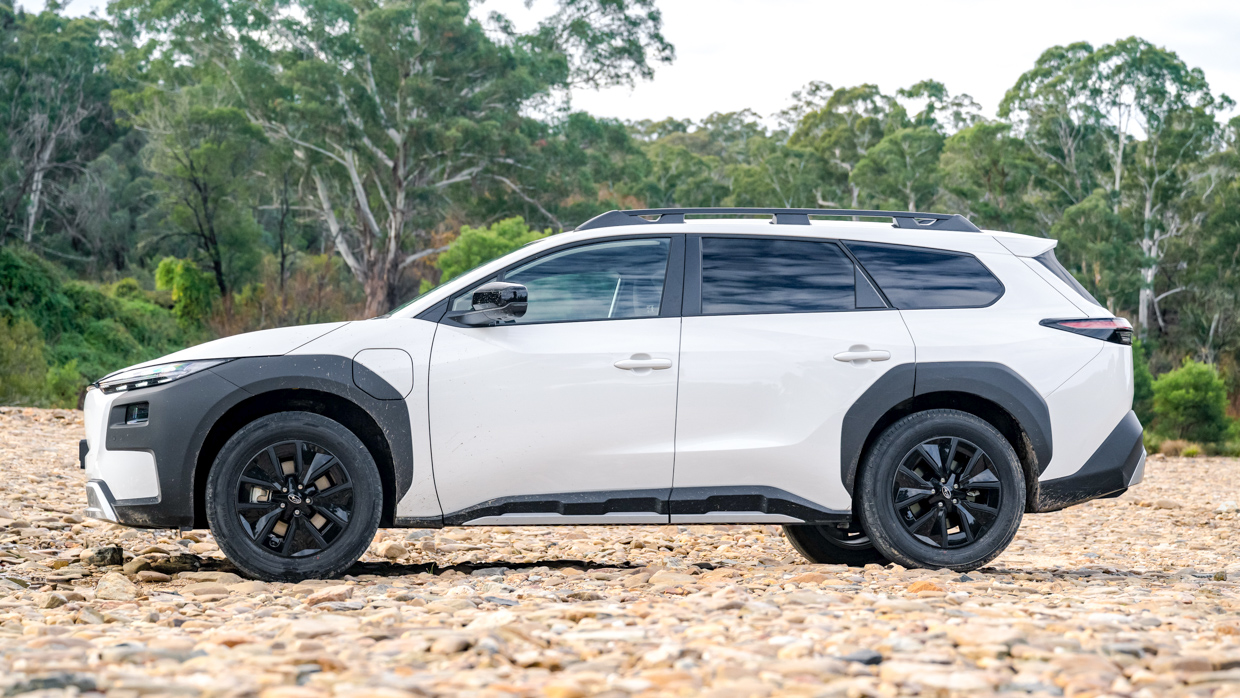
We’d advise against a Trailseeker painted white, as it resembles a panda when set against massive black plastic arches.
Move inside and there’s likeable cabin presentation to suit the price tag. The base AWD thankfully uses synthetic leather rather than cloth trim – a personal preference – while a 14-inch infotainment screen, shared with Lexus and the bZ4X, has a more premium edge than typical Subaru fare.
A small, ‘squircle‘ steering wheel with flattened top and bottom edges works well and allows excellent view of the digital driver display.
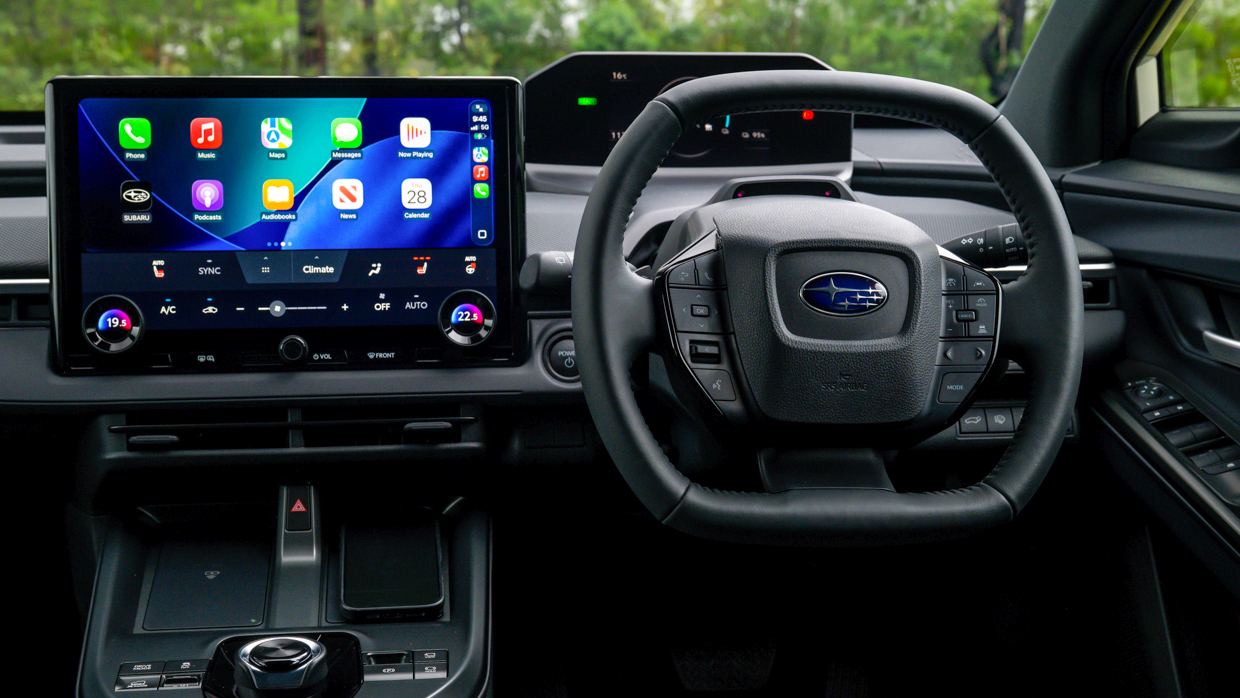
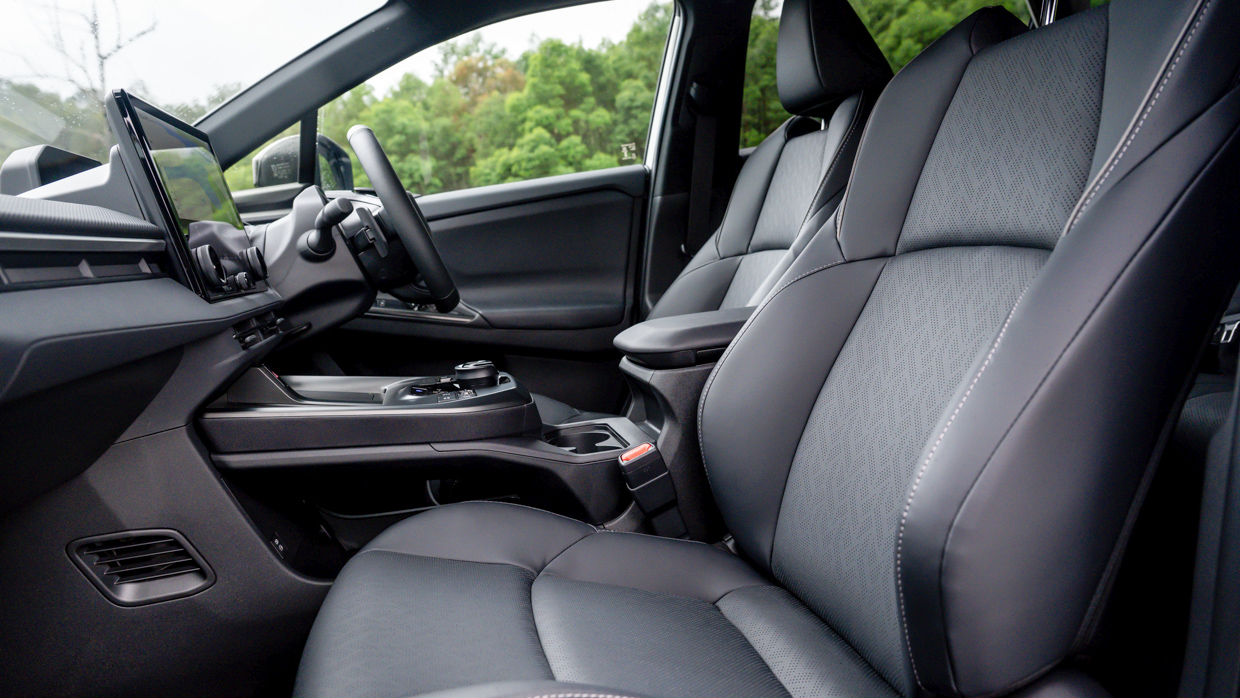
Then there are tasty additions such as a hands-free tailgate, pair of wireless phone chargers, wireless CarPlay/Android Auto, four USB-C ports, power front seats, four heated chairs, heated steering wheel and dual-zone climate. Decent spec then.
The pricier Touring grade adds classier blue and black leather accented seating with memory and ventilation; a panoramic glass roof throws lots of light inside, there’s Harman/Kardon audio and crashing when parking’s hard to do with surround monitors and 12 ultrasonic sensors.
Only in the range topper do you score the very handy (and much-requested) vehicle-to-load (V2L) with a 220V/1500W power outlet in the boot. This should be standard on all at this price, while disappointingly, there’s no connected services or over-the-air update capability.
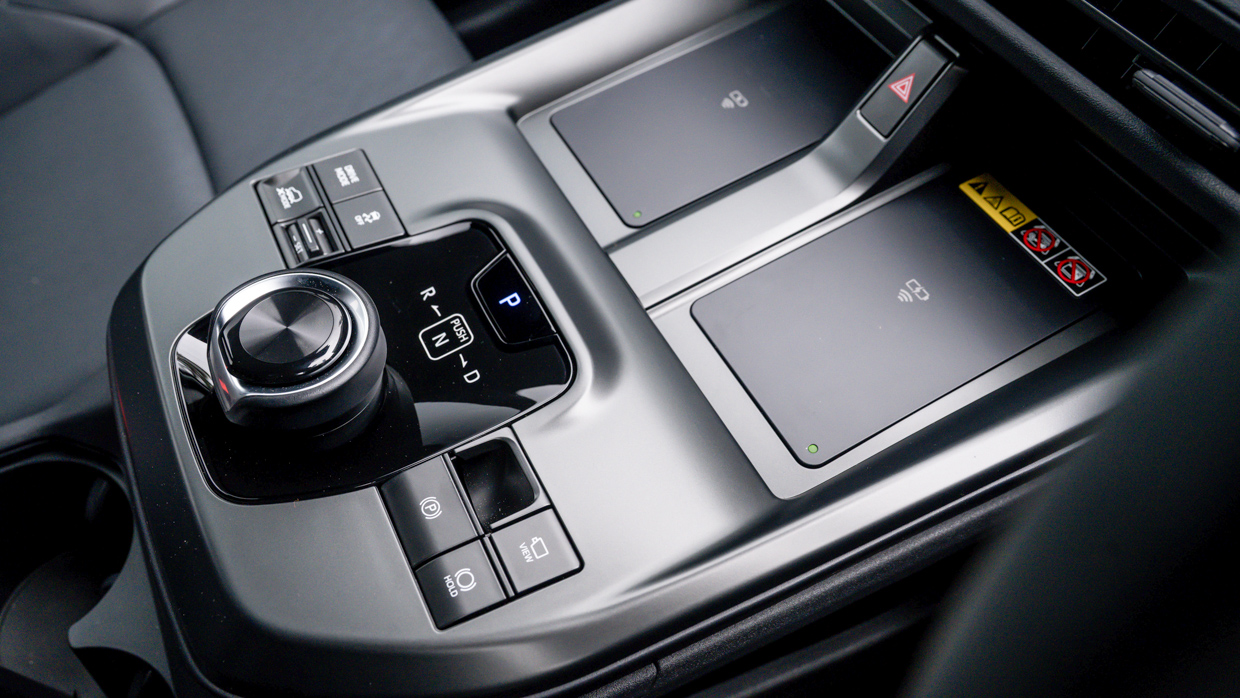
The dashboard design’s quite fussy, its touchpoints are a mix of hard and soft plastics, while there’s no glovebox to be found. Seats feel soft and durable and well-bolstered, there’s good storage throughout and climate, wonderfully, is through proper buttons.
The giant hard plastic centre console feels a bit sub-par, however.
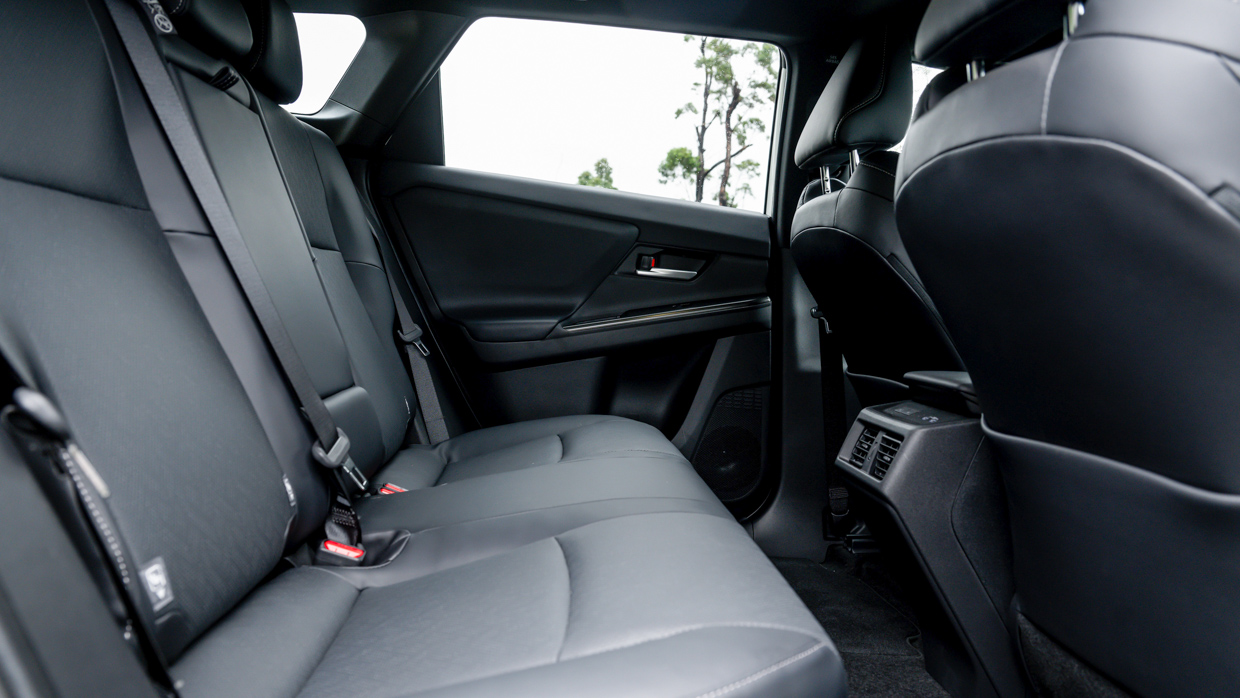
This five-seater offers decent head and leg room in the rear, but pretty terrible toe room, while adults will find there’s not much in the way of under-thigh support in the back. Being a dedicated EV platform there’s a flat floor, and there’s a decent recline to the seat backs.
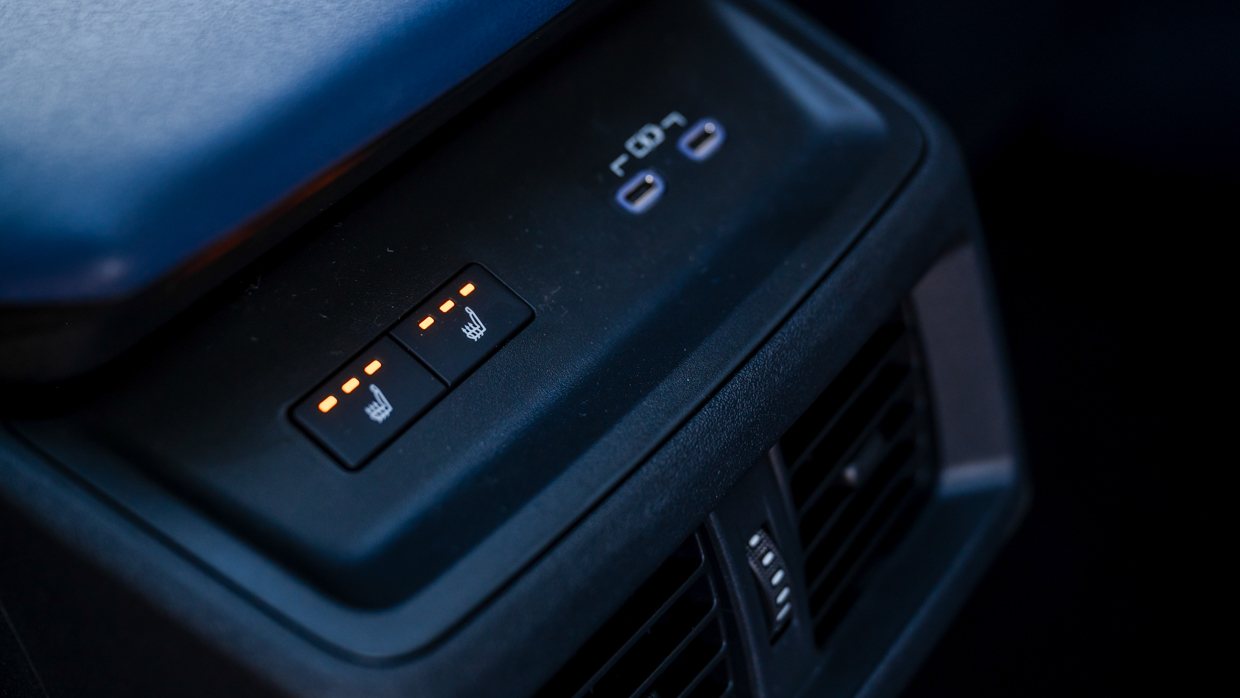
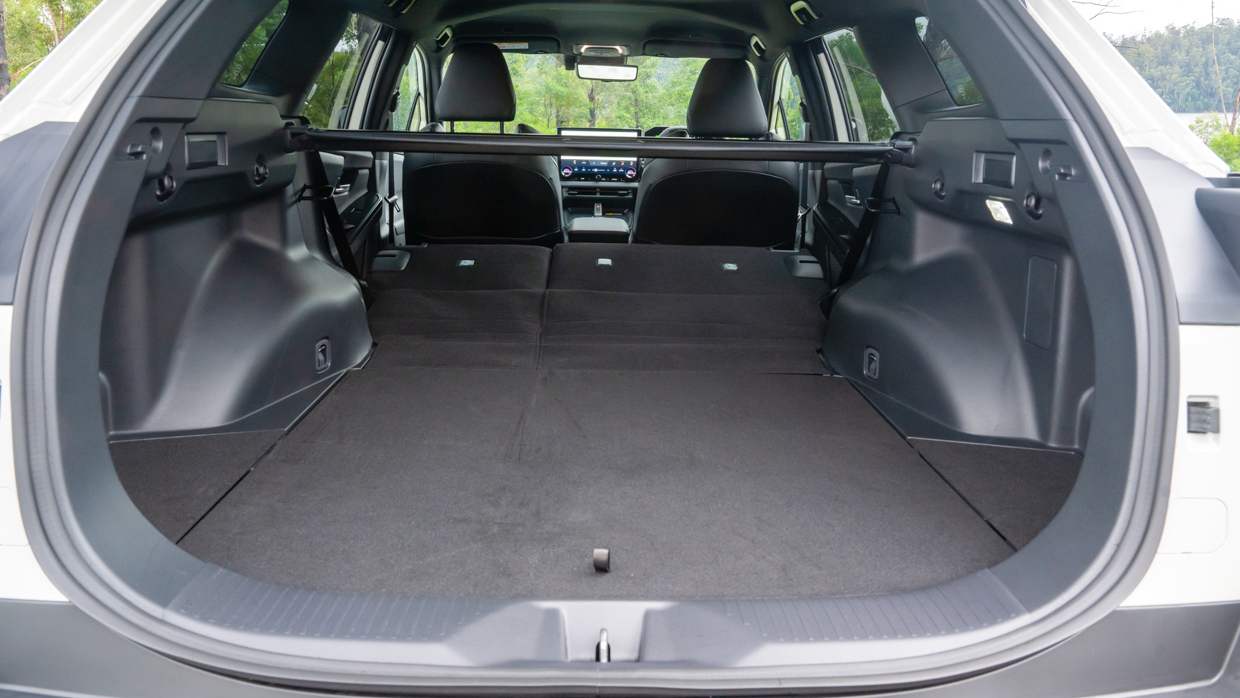
Despite the Trailseeker being 25mm shorter than an Outback, cargo space is more generous at 633L versus 522L. There’s a repair kit under the boot floor, which simply doesn’t feel right in a Subaru SUV.
There’s some room for a spare – surely, somehow – and when we asked Subaru about this significant omission, was told: “We’re investigating options,” no doubt in response to customer feedback.
Any solution, though, would surely demand a comfortably 2.1-tonne-capable spare wheel and matching heavy-duty jacking device.
With the electric revolution, something we car testers lament is the erosion of a car brand’s personality and flavour. When it comes to electric motors and batteries, there’s simply not that much differentiating brands.
Pick a marque and its EVs will no doubt be quick but heavy. There’s not much else to do.
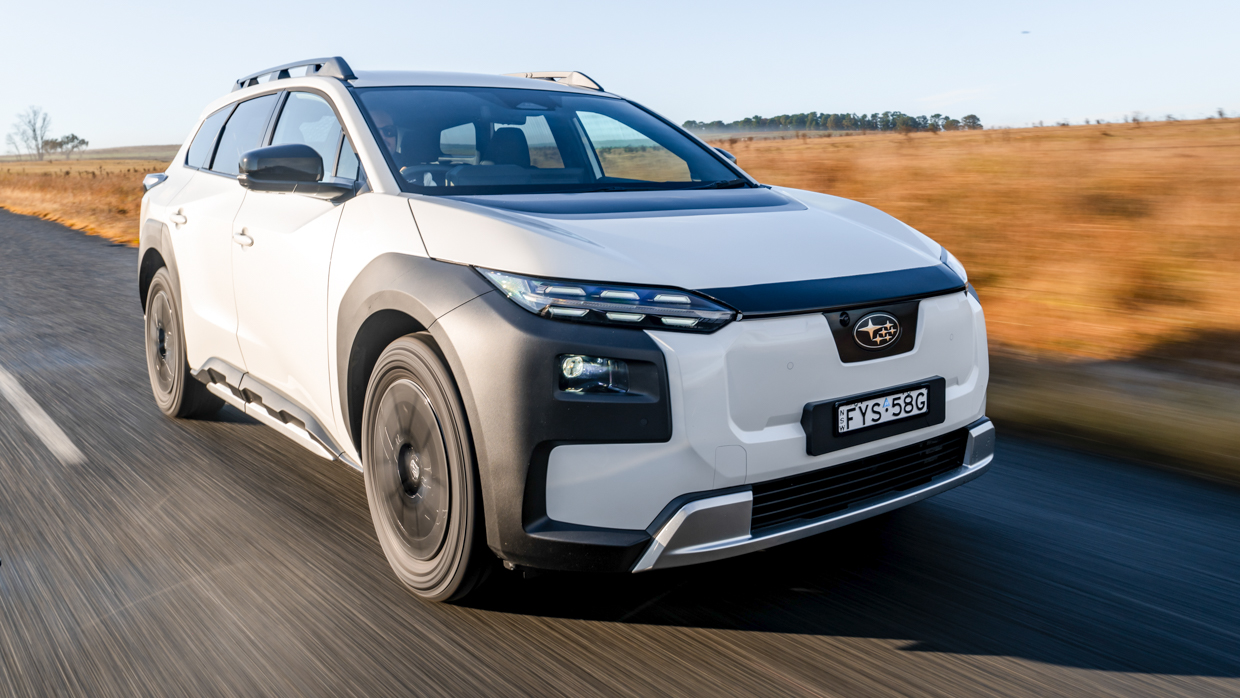
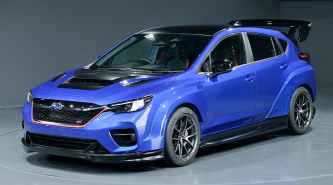
Same with this Trailseeker. It’ll smoke a WRX from the lights – 4.5 seconds to 100km/h is seriously quick, and outdoes a Rex by a full 1.5 seconds. It’s impressive, full of instant torque and the delivery is neatly linear, but you’ll find likewise in so many other EVs.
At least its dual-motor all-wheel drive keeps any vulgar wheelspin in check, and it’s a joy to dart between traffic or for rapid rural overtakes. But if feels altogether unnecessary, all this mad acceleration. A bit un-Subaru like.
There are five different regeneration levels changed through paddle shifts, but none strong enough to allow proper one-pedal driving, which feels like a bit of a missed opportunity.
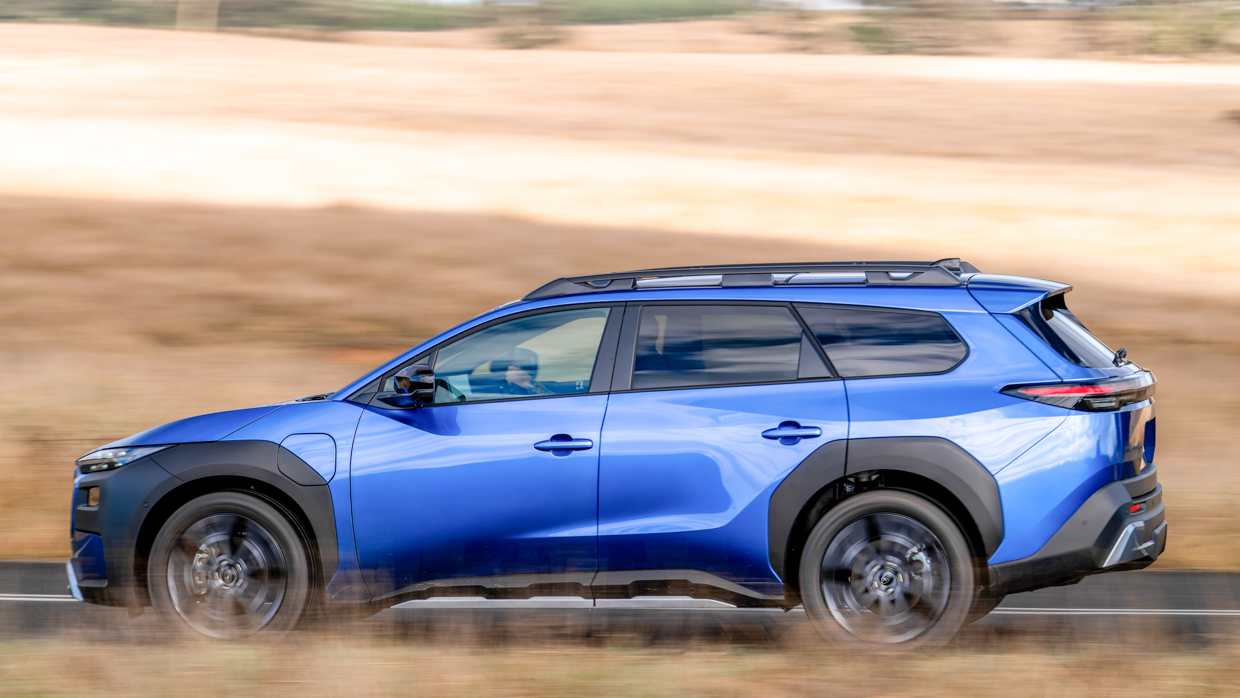
It feels its weight over something like an Outback, and its mass means it rides rather firm in town. But Subaru’s done its own suspension work to differentiate it from its Toyota cousin, and overall it has a cushy feel on most surfaces, well-absorbs big bumps and then feels safe and tidy without much body roll in turns.
Again, much like the bulk of EV SUVs, it’s quiet, smooth, decent on the highway and perfectly pleasant to live with. Subaru’s safety suite is praiseworthily lengthy, and largely well calibrated to not annoy.
But the overall on-road experience, acceleration aside, does little to set itself apart from anything else in the segment.
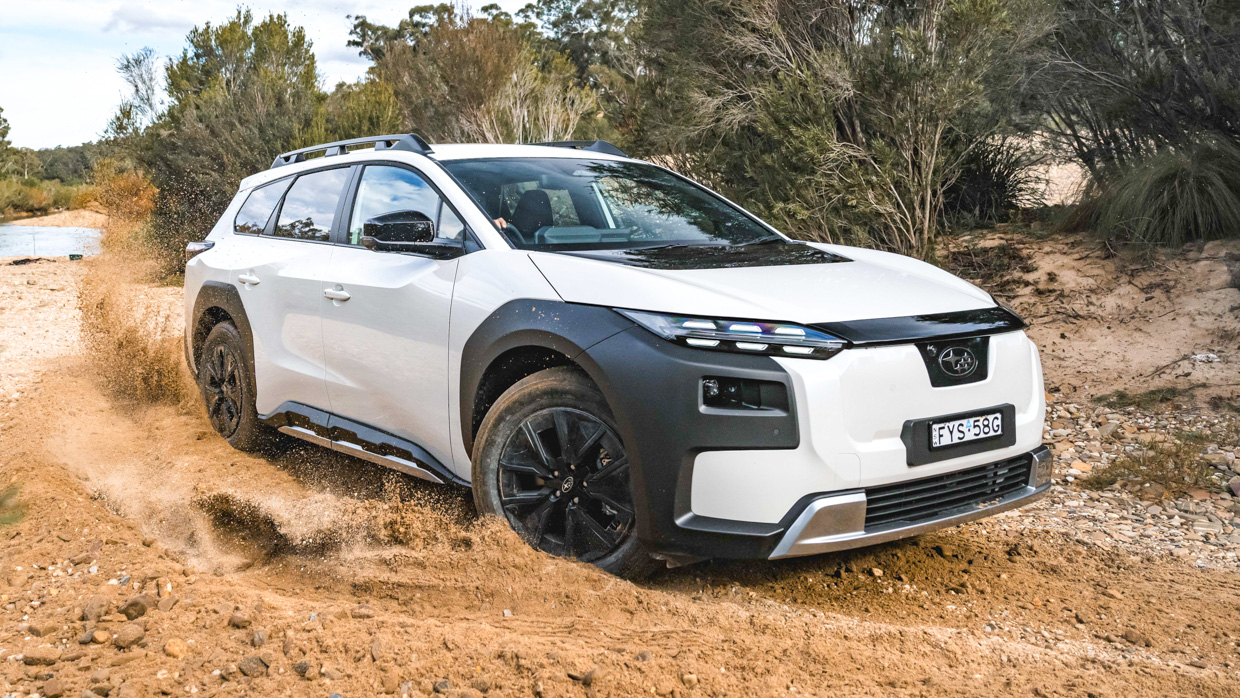
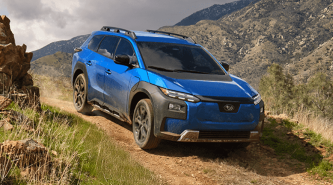
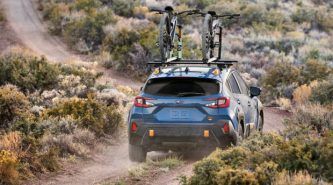
Where I hoped the Trailseeker would be different is off-road. Sadly, our test was limited to quite basic unsealed roads, but as it features Subaru’s always-impressive dual-mode X-Mode with grip control – as seen on its combustion AWDs – I’ve no doubt it’d venture further off-road than practically any other EV, and with quiet confidence.
But would you? The 20-inch wheels with skinny highway tyres meant dirt road holes were hit with winces and jolts. The ground clearance is good but nothing special, which had me feeling that to truly set the Trailseeker apart, why not at least offer all-terrain tyres?
Or go further and bring adaptive dampers and much higher ground clearance as offered in Subaru’s Outback Wilderness? If any brand could legitimise such things on an EV for proper exploring, it’s Subaru.
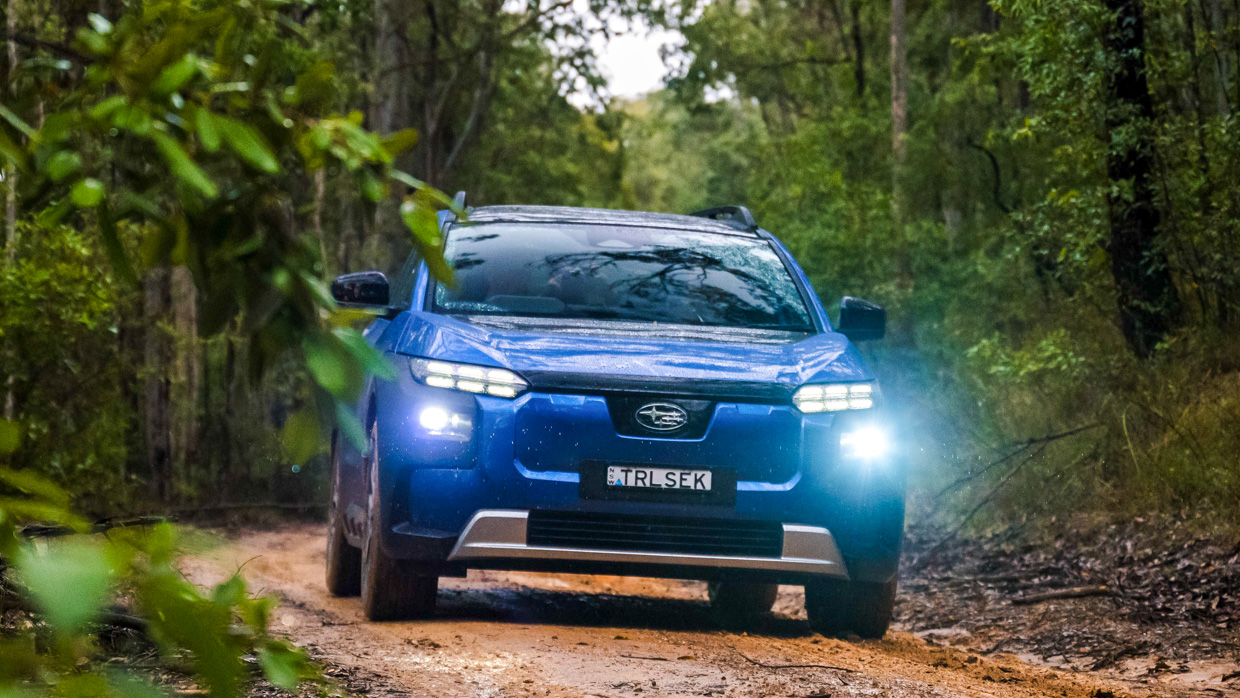
Much like the automotive world has not yet offered us a proper electric sportscar in the truest sense of the word, we’re still waiting for our first seriously off-road capable EV with little to no compromises.
It’s simply a very hard thing to do with the sheer weight of batteries, limiting range and unreliable public charging infrastructure.
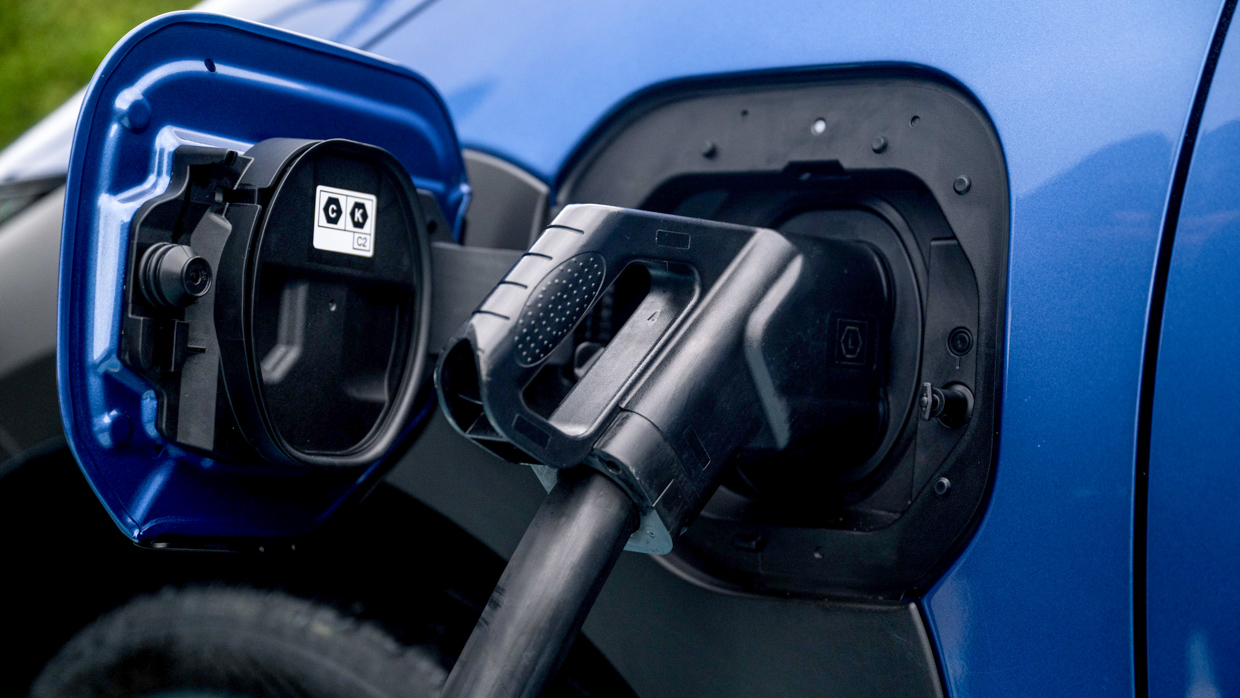
On charging, the Trailseeker offers a maximum of 150kW DC, which is average these days. Subaru claims that the 10-80 per cent public charging time is around 30 minutes.
For those lucky enough to have three-phase power, AC charging can be done at 22kW. That drops the 0-100 per cent charge time to roughly four hours; it’s 12 hours at seven kilowatts using single phase.
Ownership-wise, servicing a Subaru EV is markedly cheaper than its combustion range. Dealer visits are annual or every 15,000km, and five years works out at $984. Warranty is five-years/unlimited kilometres.
The Trailseeker offers an impressive sealed road drive with the bonus – if it’s your thing – of incredible acceleration. Thing is, so many other brands offer the same, and often for many thousands less than this Subaru EV’s $63,990 starting price.
While there’s welcome all-terrain features such as the excellent X-Mode and (not-technically) ‘symmetrical all-wheel drive’, it feels Subaru should have gone further to really give the market something truly different – more focussed – in the EV space.
Adaptive suspension, higher ground clearance, all-terrain tyres, a full-size spare wheel…all would help justify the cost of entry and open up adventuring to the EV-curious.
For now, it feels those wanting a Subaru to do proper Subaru things will continue to pick the brand’s cheaper, much-loved and very accomplished petrol SUV alternatives.
Key specs (as tested)
About Chasing cars
Chasing Cars reviews are 100% independent.
Because we are powered by Budget Direct Insurance, we don’t receive advertising or sales revenue from car manufacturers.
We’re truly independent – giving you Australia’s best car reviews.
The estimate provided does not take into account your personal circumstances but is intended to give a general indication of the cost of insurance, in order to obtain a complete quote, please visit www.budgetdirect.com.au. Estimate includes 15%^ online discount.
^Conditions Apply
Budget Direct Insurance arranged by Auto & General Services Pty Ltd ACN 003 617 909(AGS) AFSL 241 411, for and on behalf of the insurer, Auto & General Insurance Company Limited(ABN 42 111 586 353, AFSL 285 571).Because we don’t know your financial needs, we can’t advise you if this insurance will suit you. You should consider your needs and the Product Disclosure Statement before making a decision to buy insurance. Terms and conditions apply.
Indicative quote based on assumptions including postcode , 40 year old male with no offences, licence suspensions or claims in the last 5 years, a NCD Rating 1 and no younger drivers listed. White car, driven up to 10,000kms a year, unfinanced, with no modifications, factory options and/or non-standard accessories, private use only and garaged at night.
^Online Discounts Terms & Conditions
1. Discounts apply to the premium paid for a new Budget Direct Gold Comprehensive Car Insurance, Third Party Property Only or Third Party Property, Fire & Theft Insurance policy initiated online on or after 29 March 2017. Discounts do not apply to optional Roadside Assistance.
2. Discounts do not apply to any renewal offer of insurance.
3. Discounts only apply to the insurance portion of the premium. Discounts are applied before government charges, taxes, levies and fees, including instalment processing fees (as applicable). The full extent of discounts may therefore be impacted.
4. We reserve the right to change the offer without notice.