Powered by

-
Car Reviews
Latest reviews
-
Car News
Latest news
-
Car Comparisons
Latest comparisons
- Chasing Deals
Latest reviews
Latest news
Latest comparisons
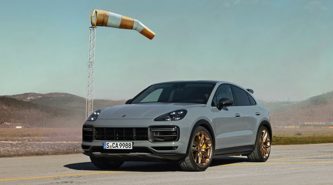
The new electric Cayenne drives like a Porsche SUV should, despite added heft and complexity. Still, the brand is smartly keeping existing V6 and V8 models alive
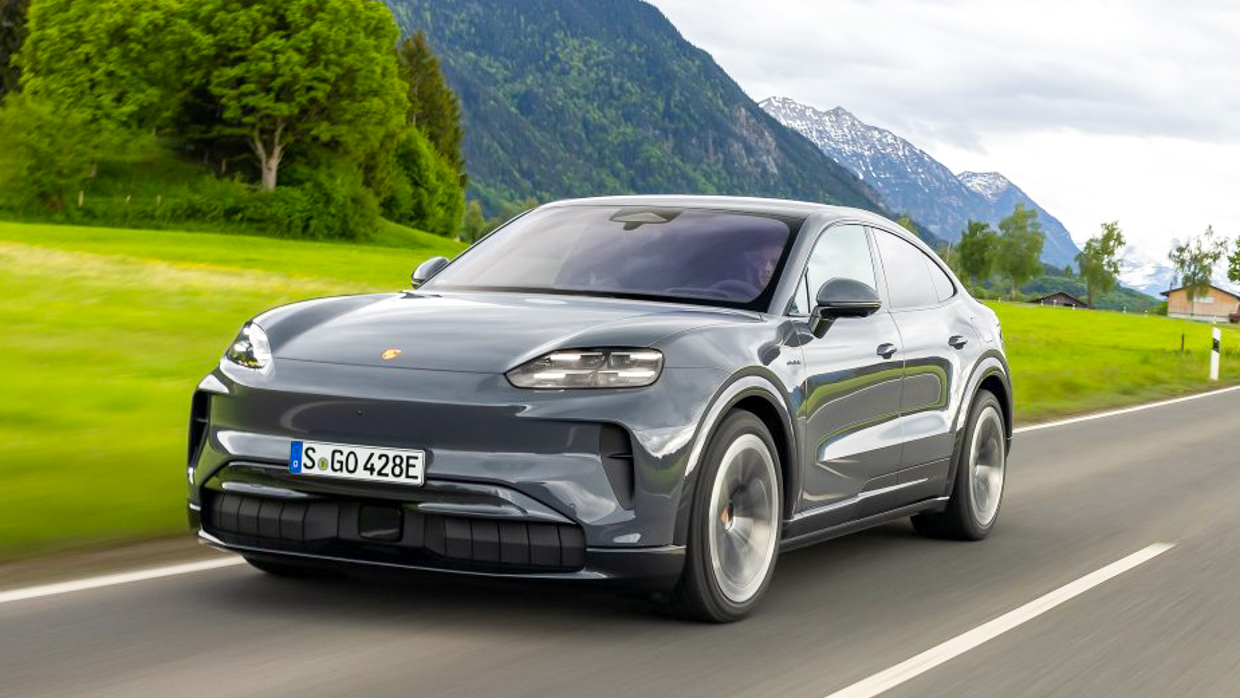
The Porsche Cayenne has always had a difficult job: being a genuinely useful luxury SUV while also convincing buyers that it deserves to wear this brand’s famous crest on its nose.
There is now an even harder brief to fulfil as the Cayenne goes fully electric in its latest generation, albeit not exclusively.
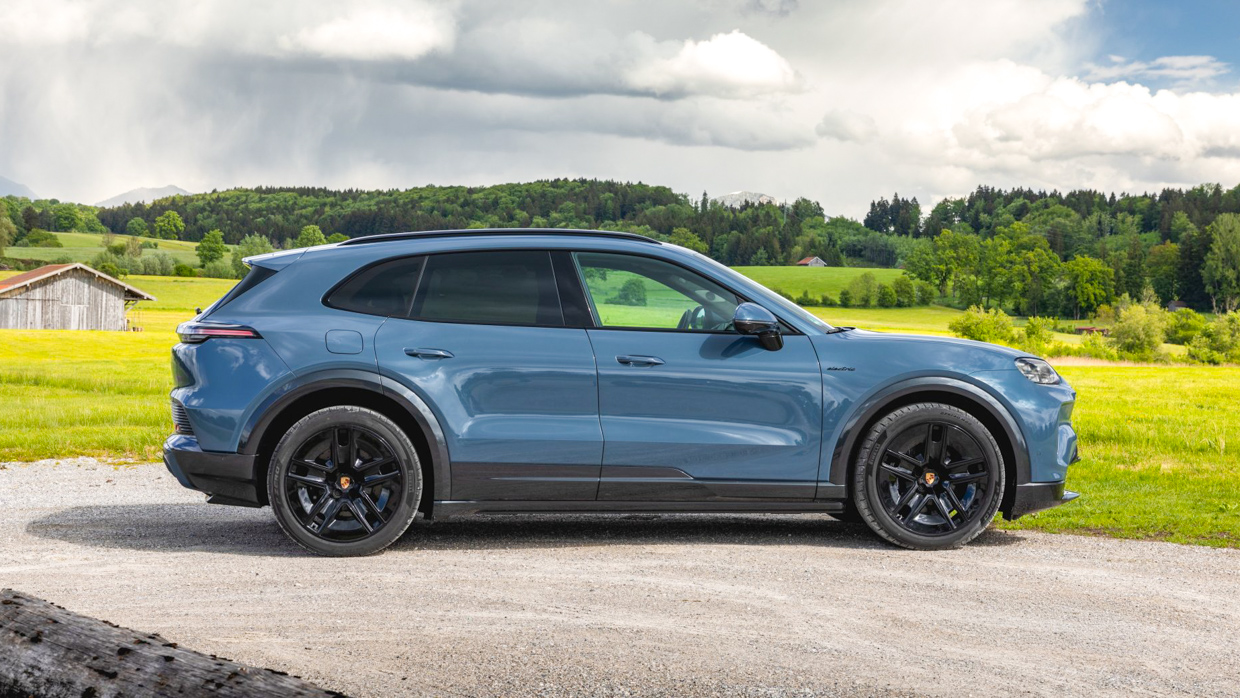
For now, Porsche will keep the ageing petrol-powered Cayenne alive while it develops a new combustion model to sit alongside the new EV. Expected by 2029, the fifth-generation petrol Cayenne will still offer V8 options.
The decision to follow the powertrain-choice model established by rival BMW lifts some of the pressure on the Cayenne Electric, which no longer needs to be all things to all people. Instead, it now simply needs to be a brilliant luxury EV.
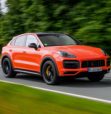
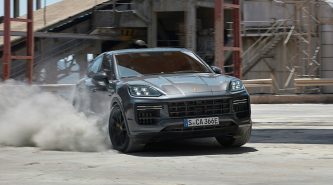
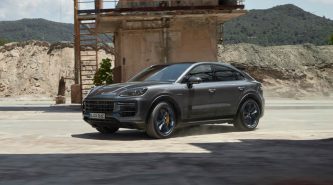
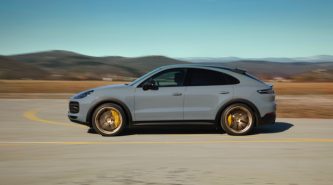
Australian pricing starts at $167,800 before on-road costs for the ‘base’ 300kW/835Nm dual-motor Cayenne model, with the slinkier Coupé body style, as primarily tested here, commanding $173,600.
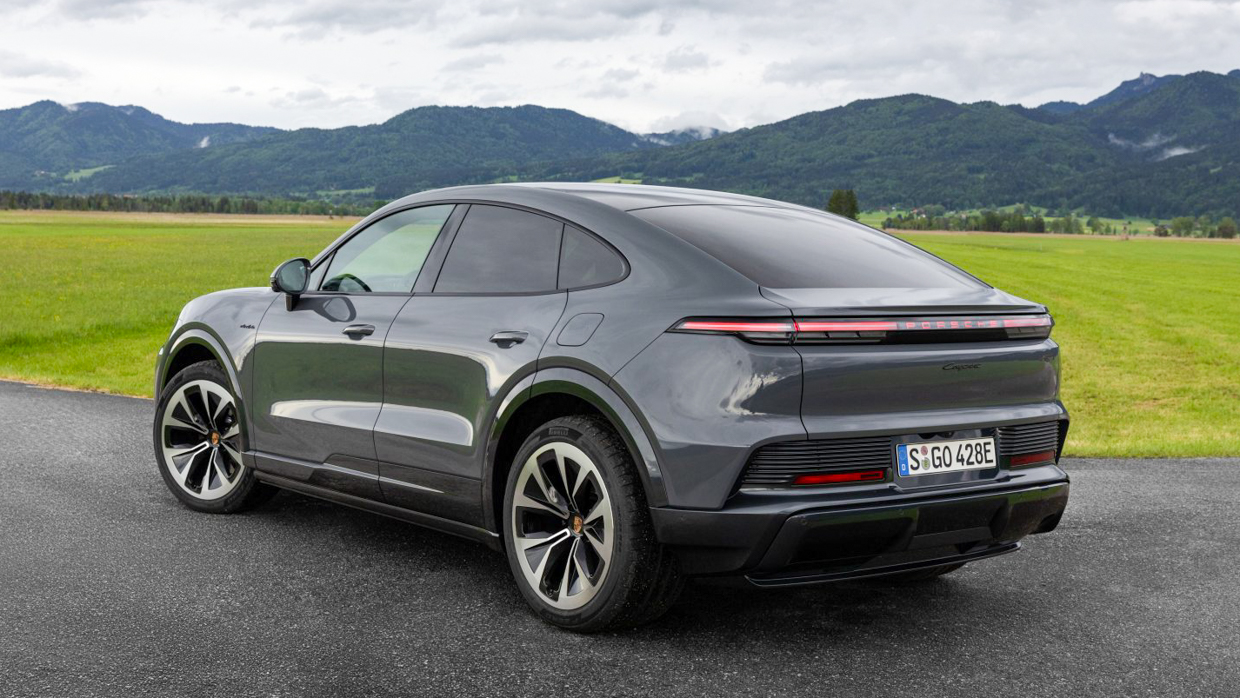
The mid-spec S steps things up substantially. Priced from $193,100 (Coupé is $194,600), the S brings outputs up to 490kW/1080Nm.
Meanwhile, the top-rung Turbo asks $259,900 or $272,100, the flagship trim offering an outrageous 850kW/1500Nm on overboost.
No Cayenne is slow, with claimed 0-100km/h times of 4.8 seconds in the base car, 3.8 seconds in the S and a stunning 2.5 seconds for the Turbo. The Coupé is no faster than the SUV.
All versions use the same 113kWh gross (108kWh usable) NMC battery. The Cayenne’s 800-volt architecture supports DC charging at up to 390kW, with Porsche claiming a 10-80 percent top-up can be done in 16 minutes.
The point of shelling out considerable cash for a Cayenne over a less sophisticated electric SUV is to enjoy more than just straight-line speed, which is a trait that EVs have democratised.
The Cayenne needs to feel expensive, resolved and rewarding when the road gets curvy, and that is precisely where the new model continues to impress in the same vein as its combustion forebears.
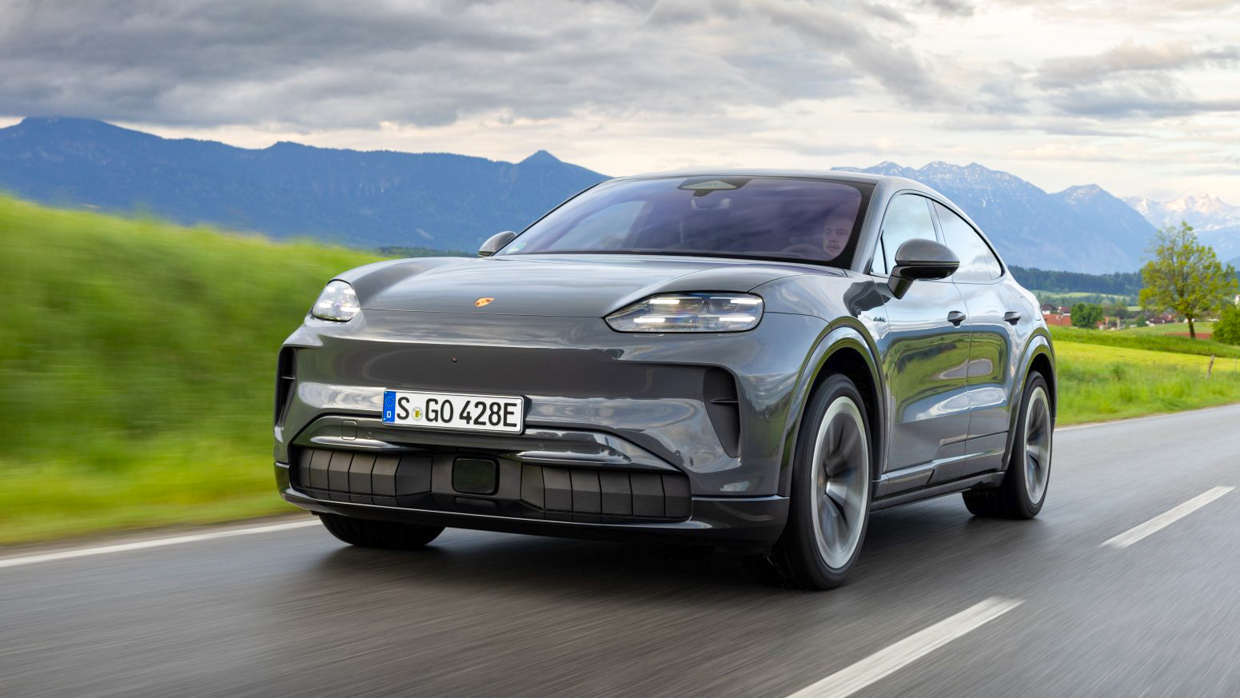
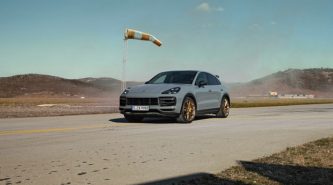
The Turbo is brutally fast, albeit not in the usual EV way. Sure, it does the expected launch control party trick, but the more memorable element is the way the top Cayenne pulls from 100-250km/h on derestricted sections of the German Autobahn.
It’s this relentless high-speed shove unlocked by a bespoke Porsche-developed rear motor, experienced on the car’s international launch near Munich, that is rare among EVs, while the Turbo’s huge 420mm brake discs and 10-piston callipers offer enormous stopping power.
More relevant to Australia is the Cayenne’s mature ride and handling balance. Adaptive, two-axle air suspension is standard on this 2.6-tonne SUV, and the dampers give the Cayenne a supple, settled ride quality without eliminating all road feel.
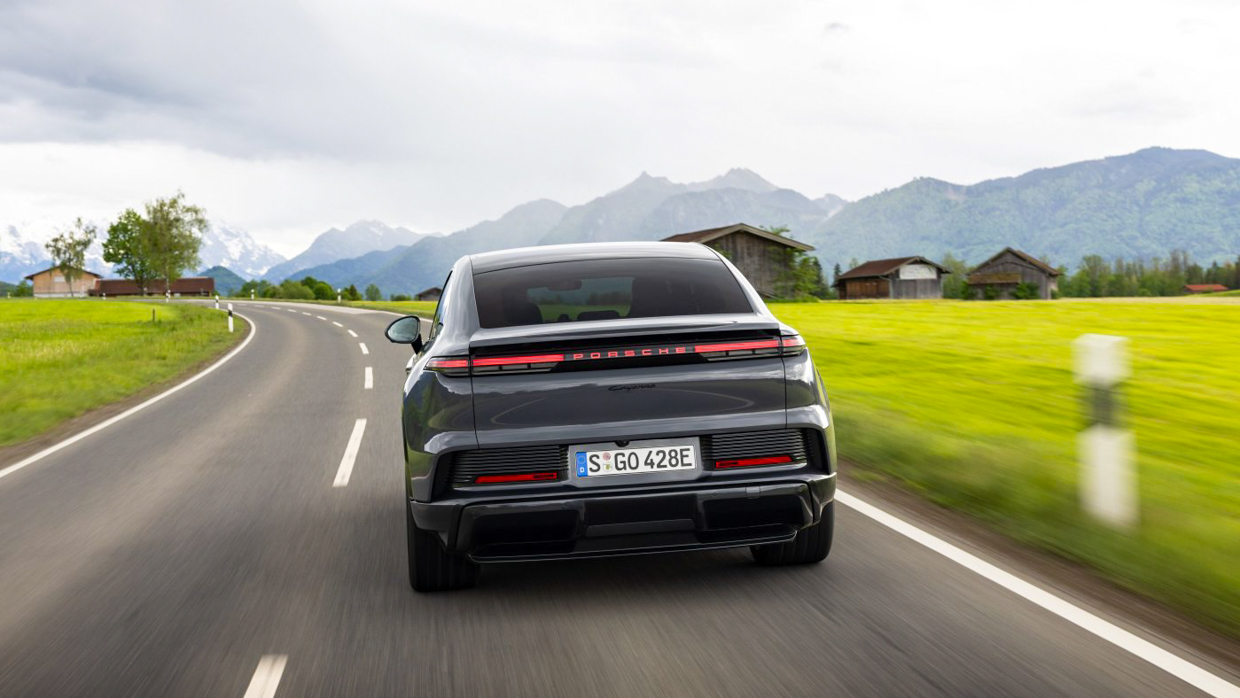
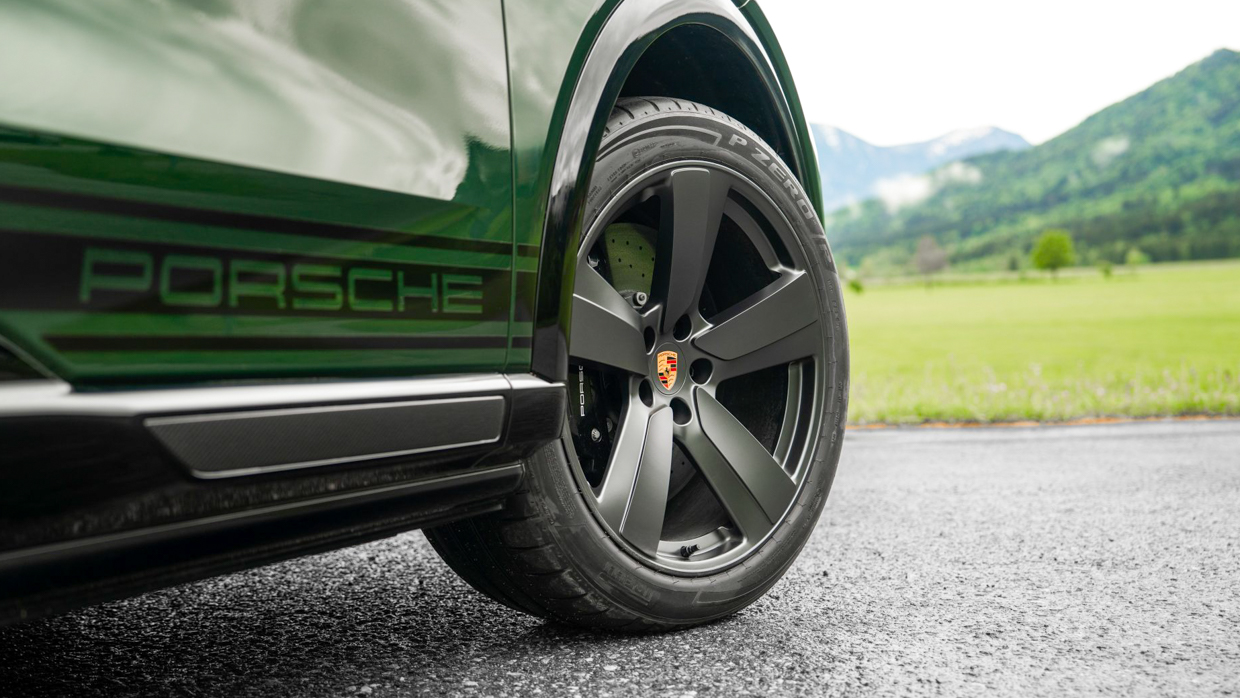
Even on the large 22-inch wheels of our test vehicles, there was no clanging across hard-edged bumps and road imperfections were filtered out very well. The suspension’s operation is also remarkably quiet.
Unlocking the Cayenne’s most impressive dynamic package means optioning the $17,000 Active Ride system, which provides real-time control of pitch and roll.
The tech flattens body control in the corners, and under hard braking and acceleration. While it can feel synthetic in some rivals, in the Cayenne, it’s remarkably natural and allows you to push on very hard on twisty roads despite the considerable size of the vehicle.
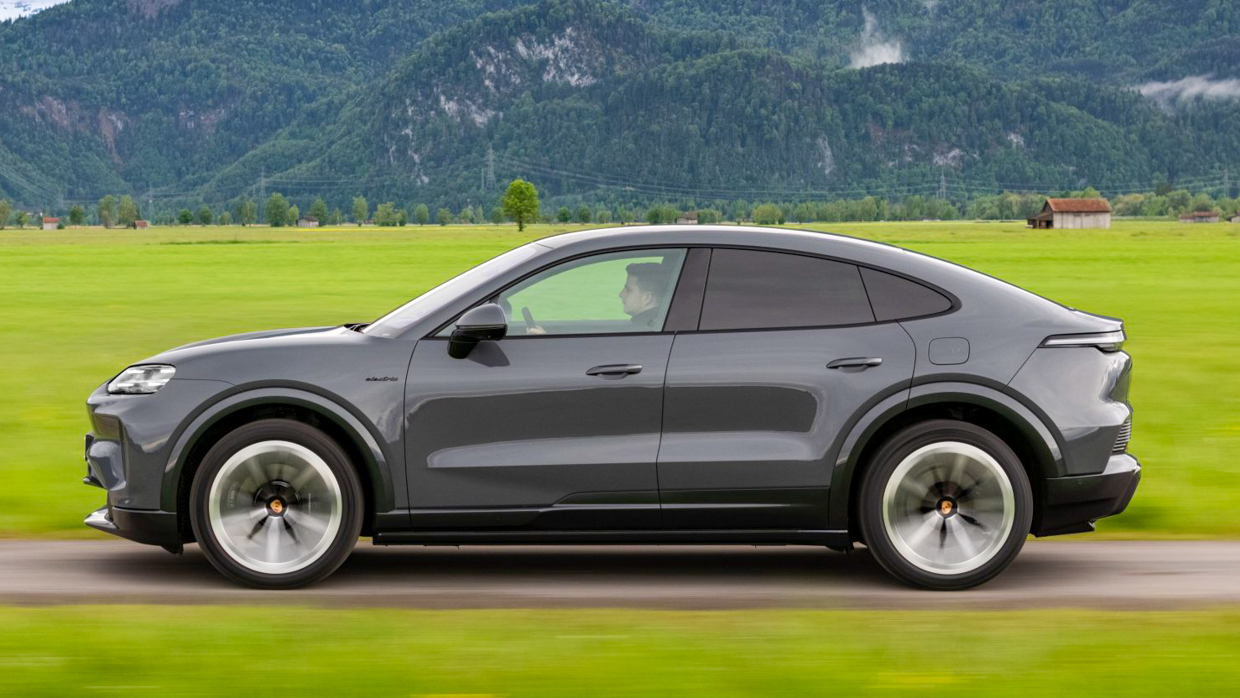
A Porsche-typical power steering tune, delivered through a pleasantly thin-rimmed wheel, is equally as important.
The five-metre Cayenne Electric is a substantial family vehicle, yet the steering makes this SUV feel at least a size smaller. Direct, precise and well-weighted, without artificial heaviness, the Cayenne is one of, if not the, best-steering large SUVs on the market.
Grip levels are good, but the Turbo’s girthy 1500Nm of torque means the rear end becomes remarkably scrabbly when full throttle is demanded during an overtake. Hang on tight!
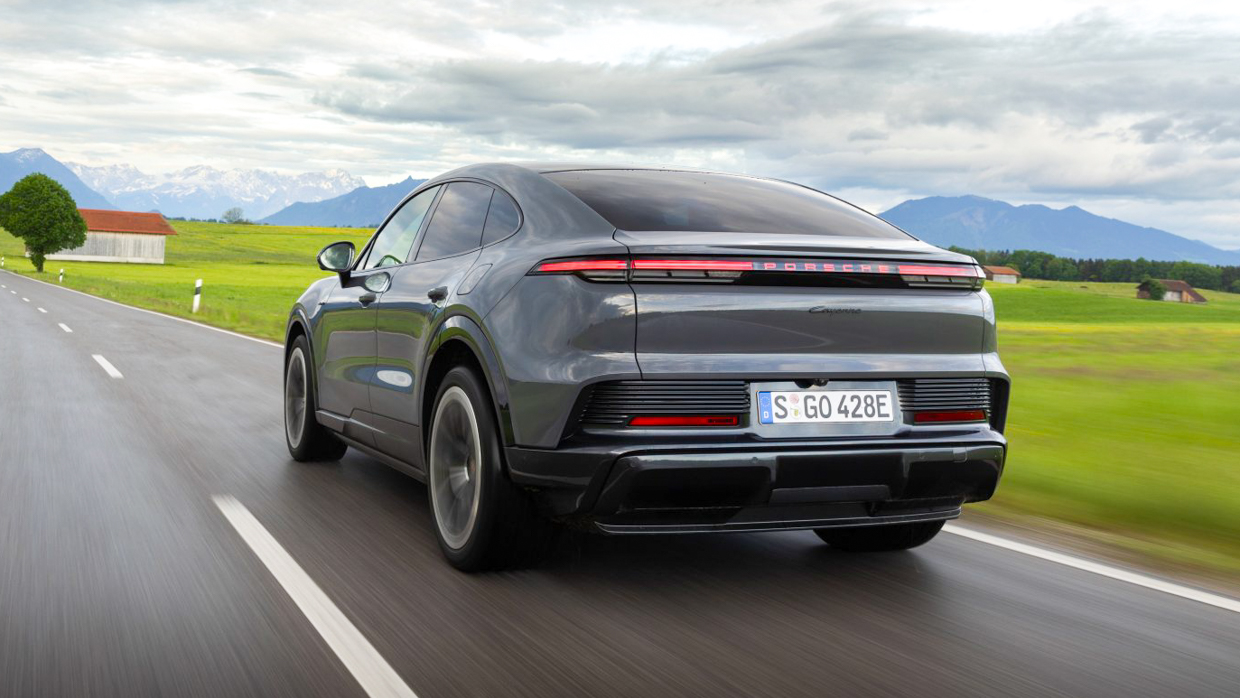
There are caveats: all that mass occasionally becomes known when the Cayenne hits an expansion joint in the road, with a slight lateral jiggle that the engineers haven’t dialled out.
Nor can the Cayenne Electric quite replicate the sonorous character of a petrol V8. While the available Electric Sport Sound has a cool and bassy note to it, artificial gears and shifts would be even better.
In Europe, where the Cayenne was launched, audible speed monitoring is required every time the car starts up, but this can be silenced through one press of a custom shortcut on the steering wheel.
The other assistance systems, including lane-keep assist, were subtle enough to be left on.
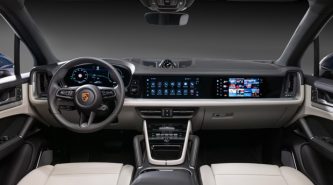
Porsche cabins are often less flashy but more mature than the interiors found in other high-end luxury cars, and that theme continues in the Cayenne — with a few modern flourishes.
By and large, this SUV has a comfortable and elegant interior that feels like it was developed by people who still care about tactility.
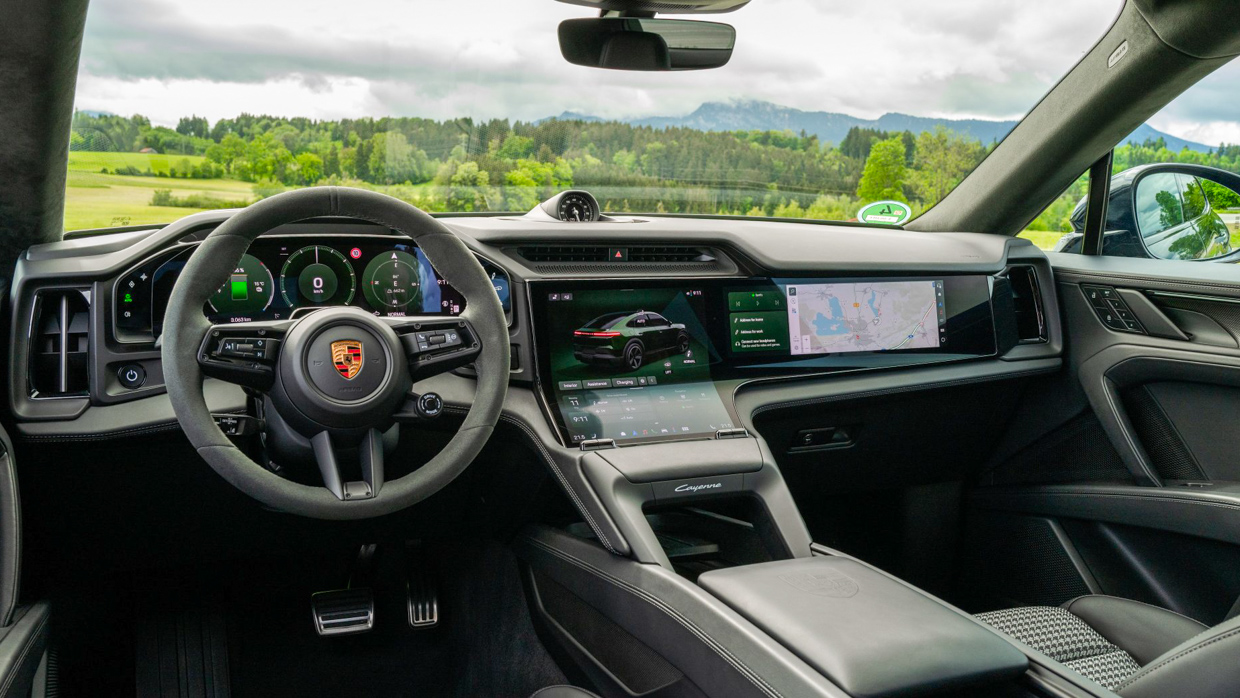
The steering wheel is a real highlight, with the right rim thickness, hard buttons, a compact airbag cover and drive-mode switch incorporating a (highly effective) push-to-pass button.
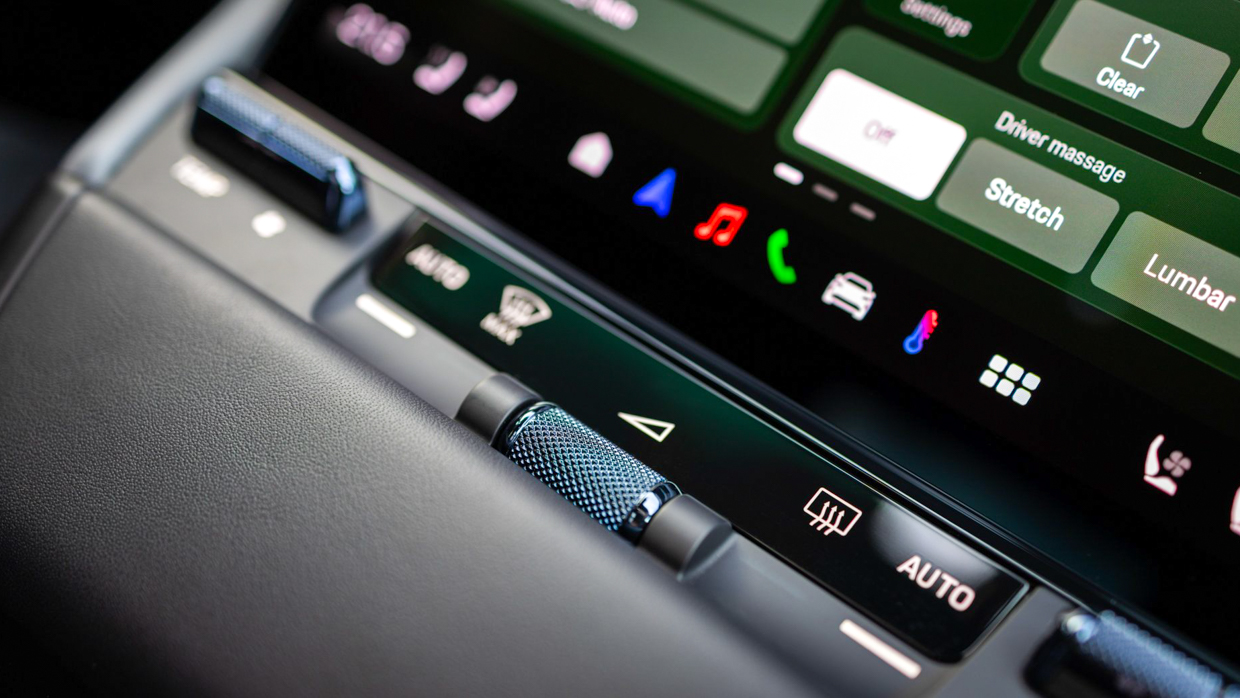
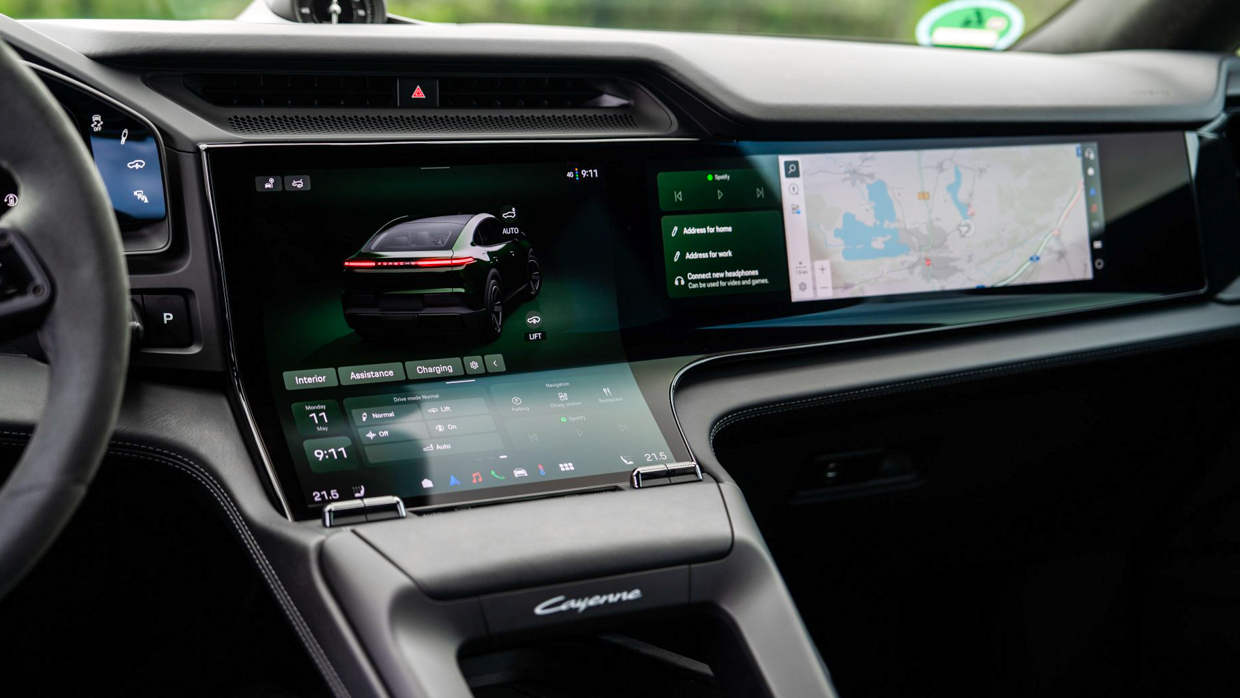
While the EV’s centre console looks considerably more modern than the combustion Cayenne, thanks to an impressively curved 12-inch ‘Flow Display’, well-damped toggles have been retained for temperature, fan speed, and volume.
The tech that is driven through screens sits well with us, too. The ‘rolled’ touchscreen looks genuinely cool while incorporating a useful leather palmrest, and the Taycan-style 14-inch instrument cluster is crisp and highly configurable.
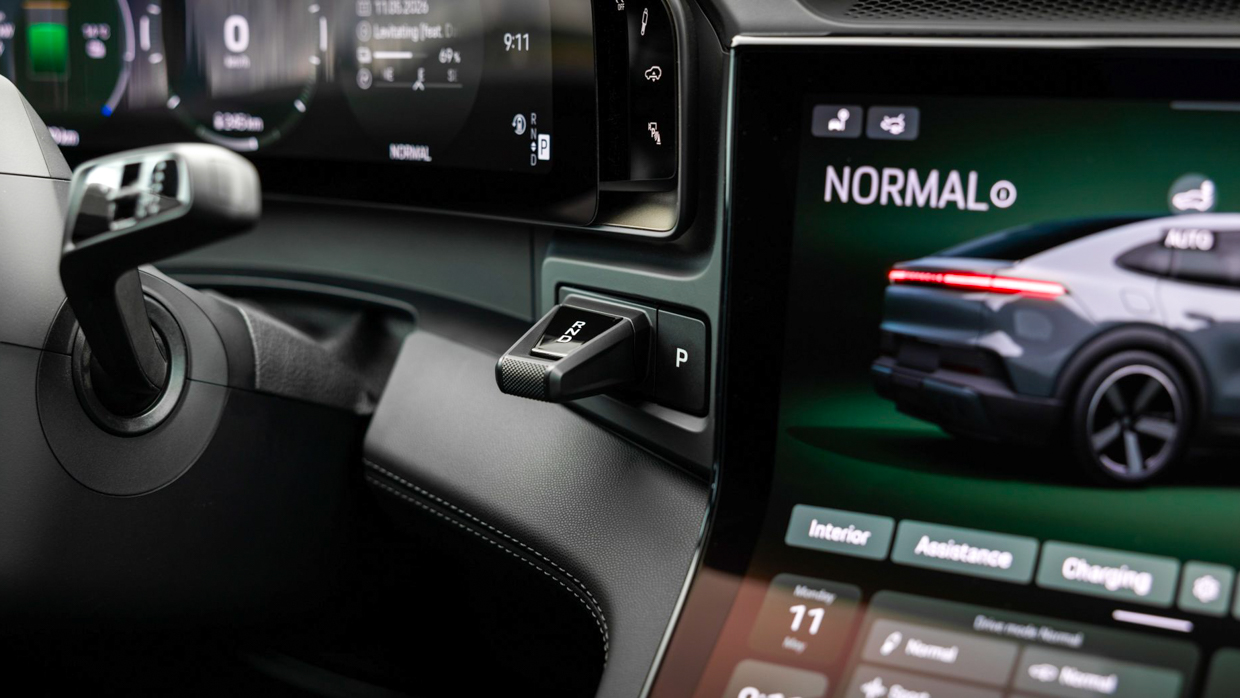
For us, the only questionable screen is the passenger display — a now-common feature in premium vehicles. In the Cayenne, it’s optional, but if you don’t opt for it, the car has a large gloss-black panel across the dash where proper trim like wood or metal would be nicer.
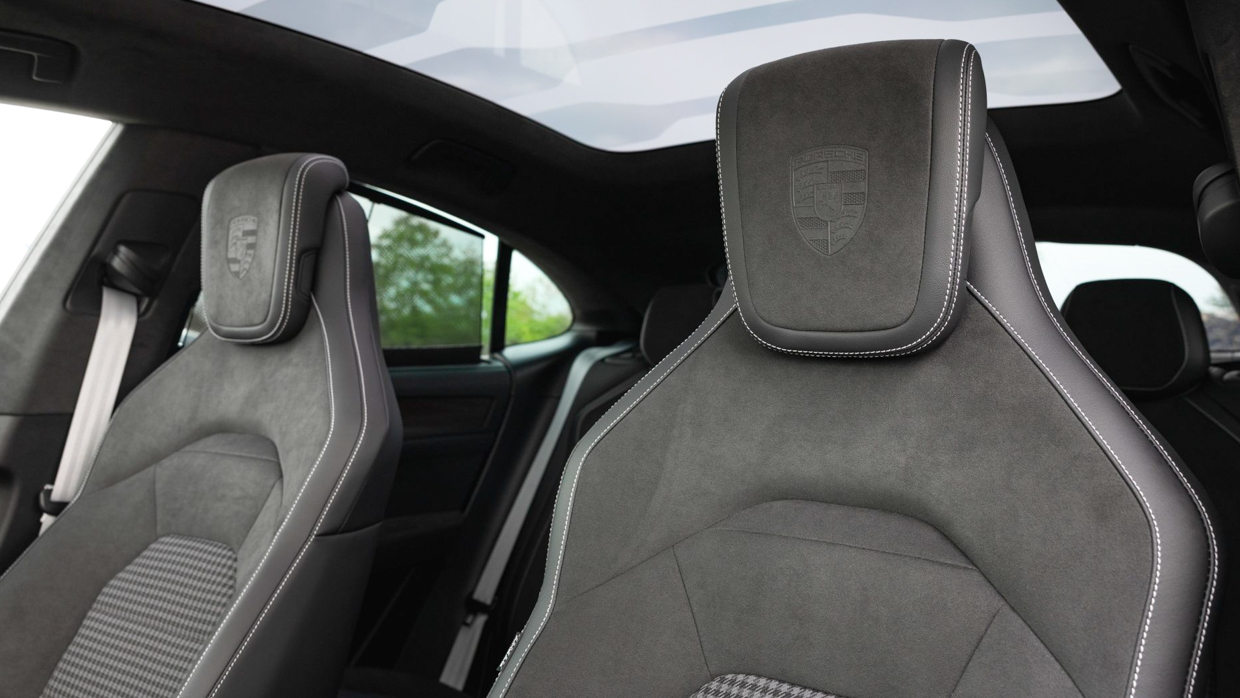
As is typical for Porsche, the Cayenne’s seats are fantastic — from the base eight-way sport pews in the Coupé to optional 14- and 18-way adaptive chairs that incorporate heating, and, from the S grade up, ventilation.
Our test cars were fitted with various interior configurations, from conventional black and beige leather to super-soft espresso brown club hides and even Pepita fabric.
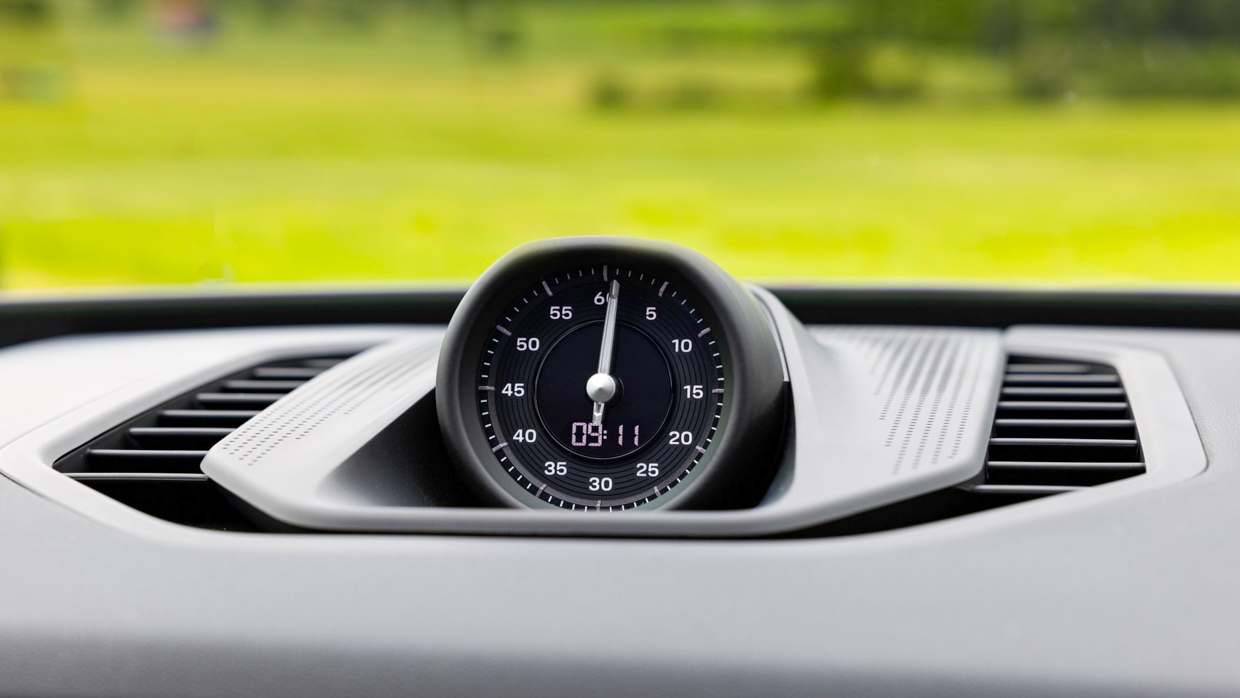
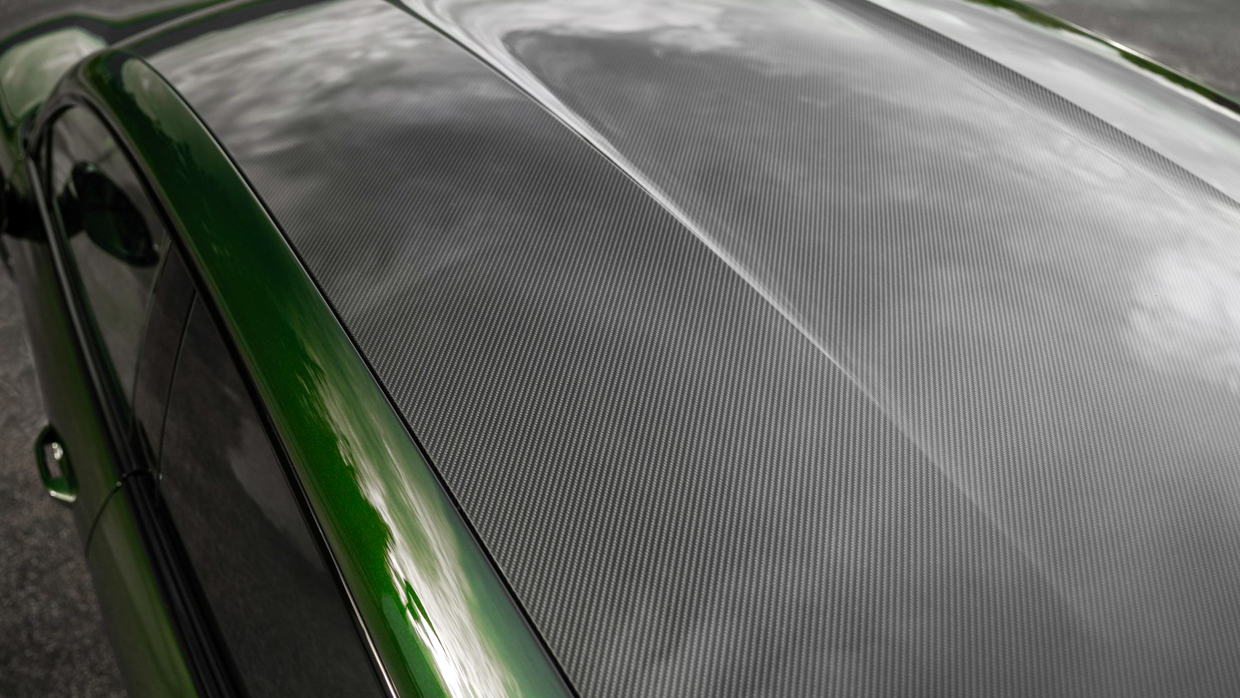
The lengthy options list can see buyers tallying up dizzying additional costs from exterior, interior and chassis customisation, especially as base specification is not massively generous without throwing extras at the car.
These include a premium Burmester stereo ($9630), 22kW AC charging capability ($3500), the worthwhile Porsche Torque Vectoring Plus differential ($3120), and an augmented reality head-up display ($5230). Soon, a convenient wireless charging pad will be made available.
Rear seat space is accommodating for adults, helped by the Cayenne Electric’s long 3023mm wheelbase. Expected amenities including air vents and high-power USB-C ports (which total six for the car) are present though sunshades are an extra.
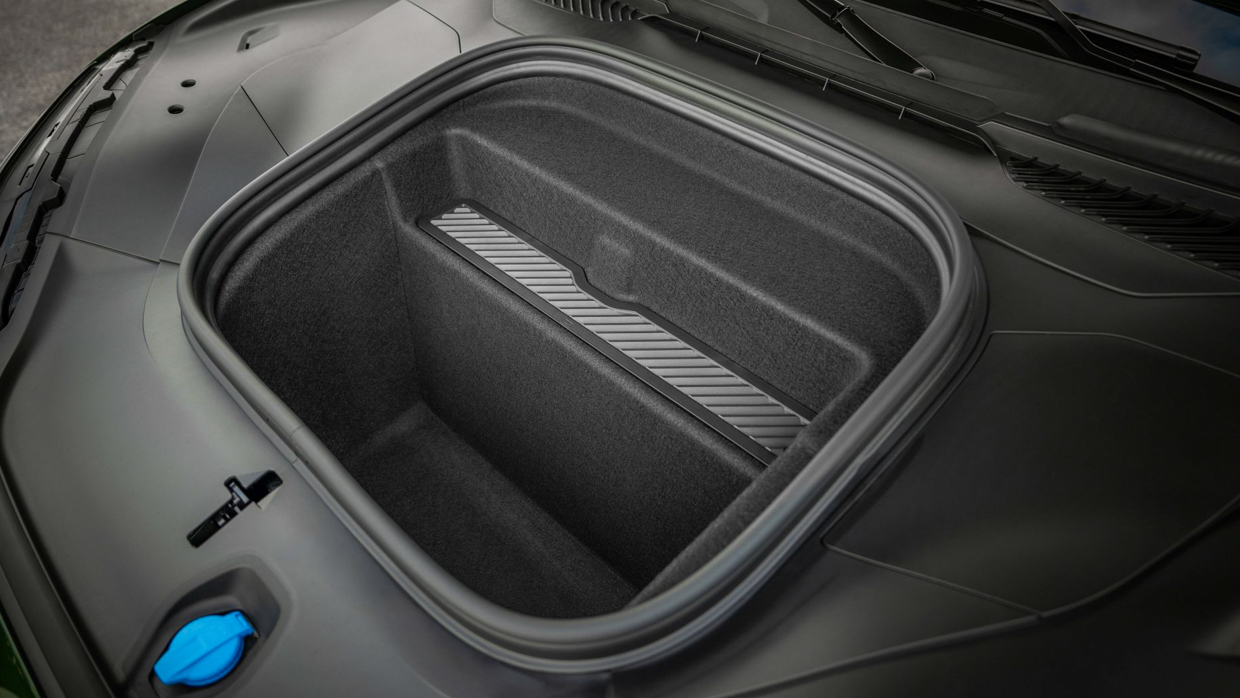
The Coupé version is a four-seater by default in Australia though the SUV is the more practical body style in any case, expanding the Coupé’s 534L boot to 781L below the window line. Both shapes have a 90L frunk, but no spare wheel and tyre.
Porsche says it is not currently considering a smaller or a larger battery for the Cayenne EV, so the 108kWh (usable) custom pack the brand developed with LG tells the whole story.
Claimed range (WLTP) does not differ much by grade, with the SUV said to deliver between 624km to 653km and the slightly more rakish Coupé between 637km to 669km.
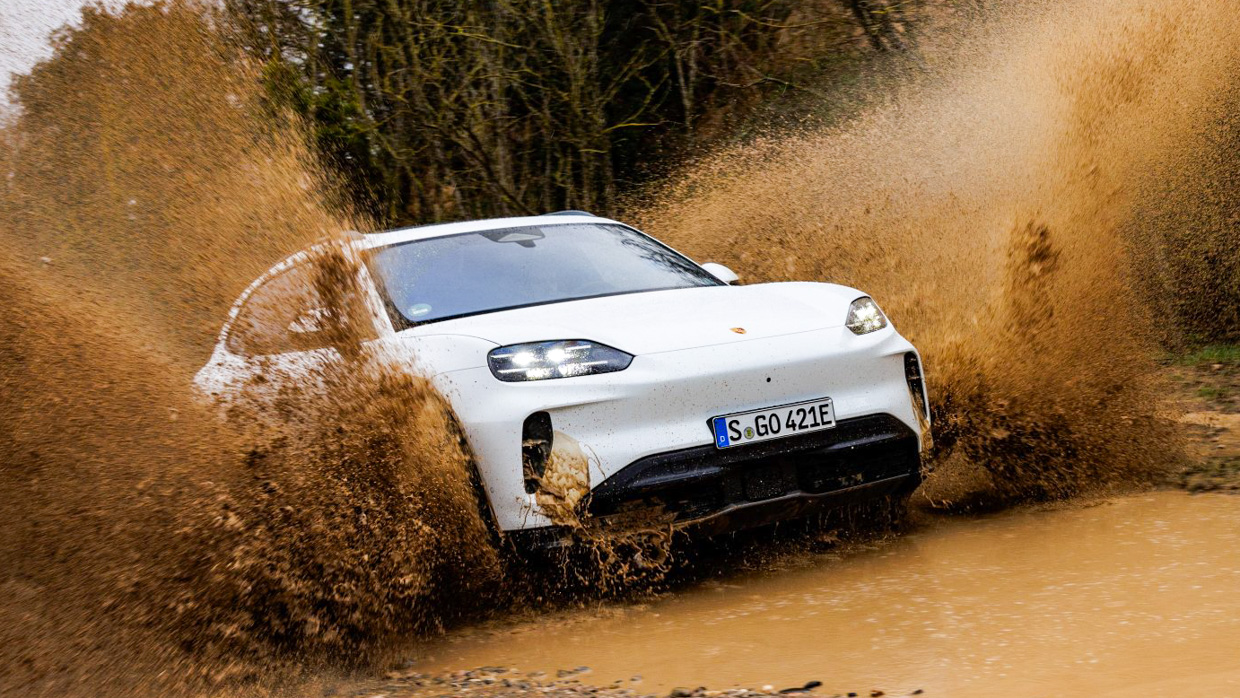
Driving it gently, the Cayenne Electric consumes about 17kWh/100km, which puts real-world range above 600km. Our launch test included some all-out Autobahn testing, so it wasn’t surprising that we recorded 25kWh/100km (430km range).
The Cayenne Electric is expected to adopt the same three-year, unlimited-kilometre vehicle warranty as other Porsche models in Australia. That’s cover that trails nearly all other brands by time.
Porsche typically allows buyers to purchase vehicle warranty extensions out to 15 years.
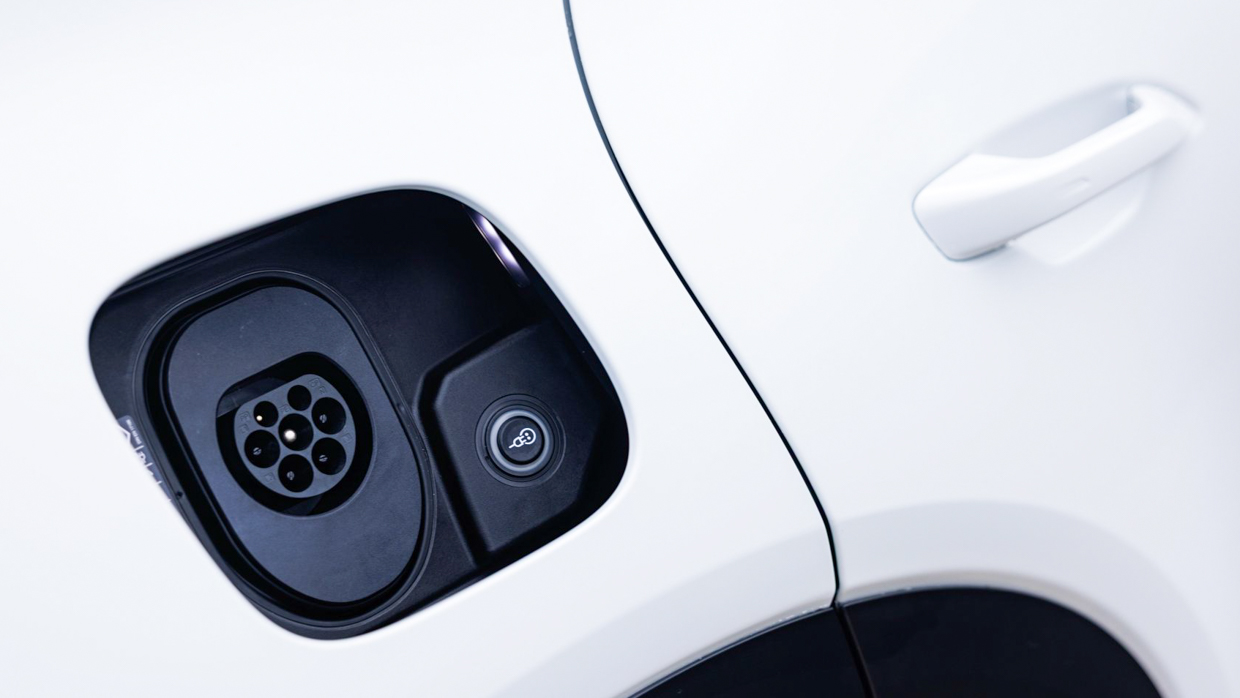
However, expect the high-voltage battery to be covered for eight years/160,000km with a guarantee of 70 percent battery capacity across the eight-year period.
The petrol Cayenne isn’t going anywhere, and that is important. Traditional Cayenne buyers who still want a traditional combustion engine can have one, including the superb S 4.0-litre V8 ($184,900) that remains a firm favourite of ours.
If fuel costs are no issue, the V8 models remain hard to walk past in a Porsche showroom. It’s an older product but it continues to feel relevant and highly emotional.
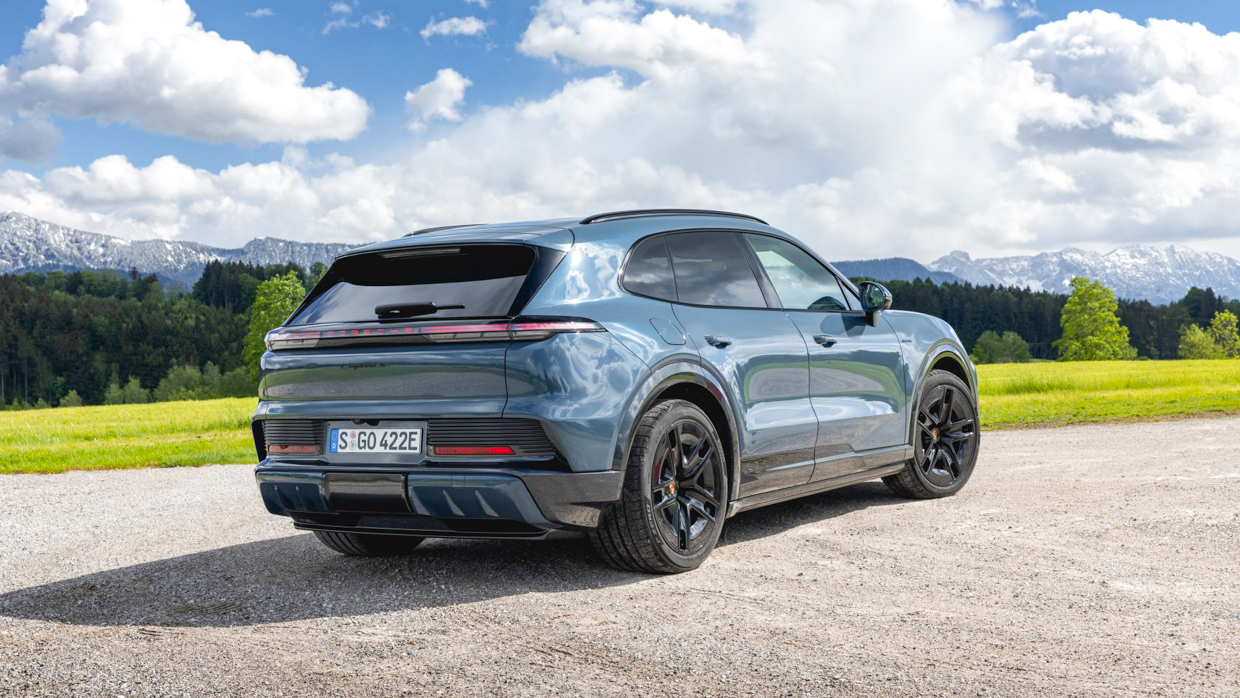
That fact does not relegate the Cayenne Electric to feeling like a second-best solution. Far from it: Porsche has developed a genuinely outstanding version of its large SUV that just happens to be electric.
Buyers who are ready to step into a full EV or are motivated into one by the growing spectre of Australia’s vehicle emissions penalty regime, will find that the big Porsche satisfies them.
Undoubtedly, the manic Turbo is the headline act but for us, the mid-tier S is the smart buy in Australia, balancing cost of entry with outright ability.
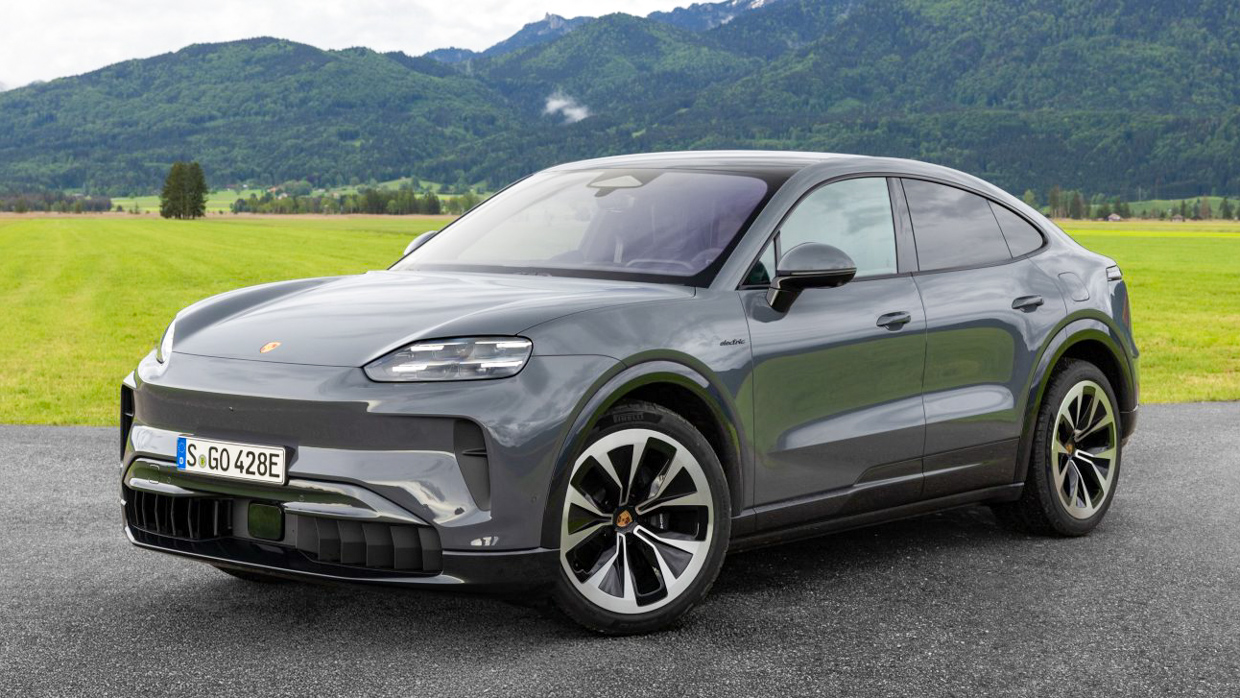
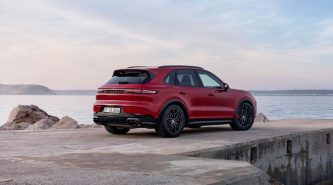
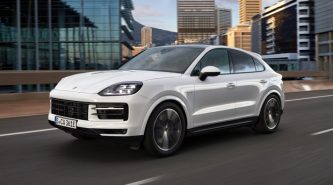
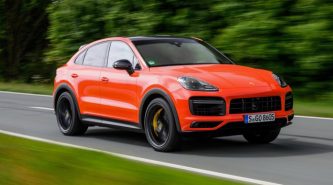
We’d sway towards the SUV body if practicality matters, even if the 911-inspired Coupé roofline looks good.
The key is that the Cayenne Electric drives like a Porsche should. It is heavy, but the steering, suspension and powertrain tech combine to produce an agile and polished experience.
About Chasing cars
Chasing Cars reviews are 100% independent.
Because we are powered by Budget Direct Insurance, we don’t receive advertising or sales revenue from car manufacturers.
We’re truly independent – giving you Australia’s best car reviews.
The estimate provided does not take into account your personal circumstances but is intended to give a general indication of the cost of insurance, in order to obtain a complete quote, please visit www.budgetdirect.com.au. Estimate includes 15%^ online discount.
^Conditions Apply
Budget Direct Insurance arranged by Auto & General Services Pty Ltd ACN 003 617 909(AGS) AFSL 241 411, for and on behalf of the insurer, Auto & General Insurance Company Limited(ABN 42 111 586 353, AFSL 285 571).Because we don’t know your financial needs, we can’t advise you if this insurance will suit you. You should consider your needs and the Product Disclosure Statement before making a decision to buy insurance. Terms and conditions apply.
Indicative quote based on assumptions including postcode , 40 year old male with no offences, licence suspensions or claims in the last 5 years, a NCD Rating 1 and no younger drivers listed. White car, driven up to 10,000kms a year, unfinanced, with no modifications, factory options and/or non-standard accessories, private use only and garaged at night.
^Online Discounts Terms & Conditions
1. Discounts apply to the premium paid for a new Budget Direct Gold Comprehensive Car Insurance, Third Party Property Only or Third Party Property, Fire & Theft Insurance policy initiated online on or after 29 March 2017. Discounts do not apply to optional Roadside Assistance.
2. Discounts do not apply to any renewal offer of insurance.
3. Discounts only apply to the insurance portion of the premium. Discounts are applied before government charges, taxes, levies and fees, including instalment processing fees (as applicable). The full extent of discounts may therefore be impacted.
4. We reserve the right to change the offer without notice.