Powered by

-
Car Reviews
Latest reviews
-
Car News
Latest news
-
Car Comparisons
Latest comparisons
- Chasing Deals
Latest reviews
Latest news
Latest comparisons
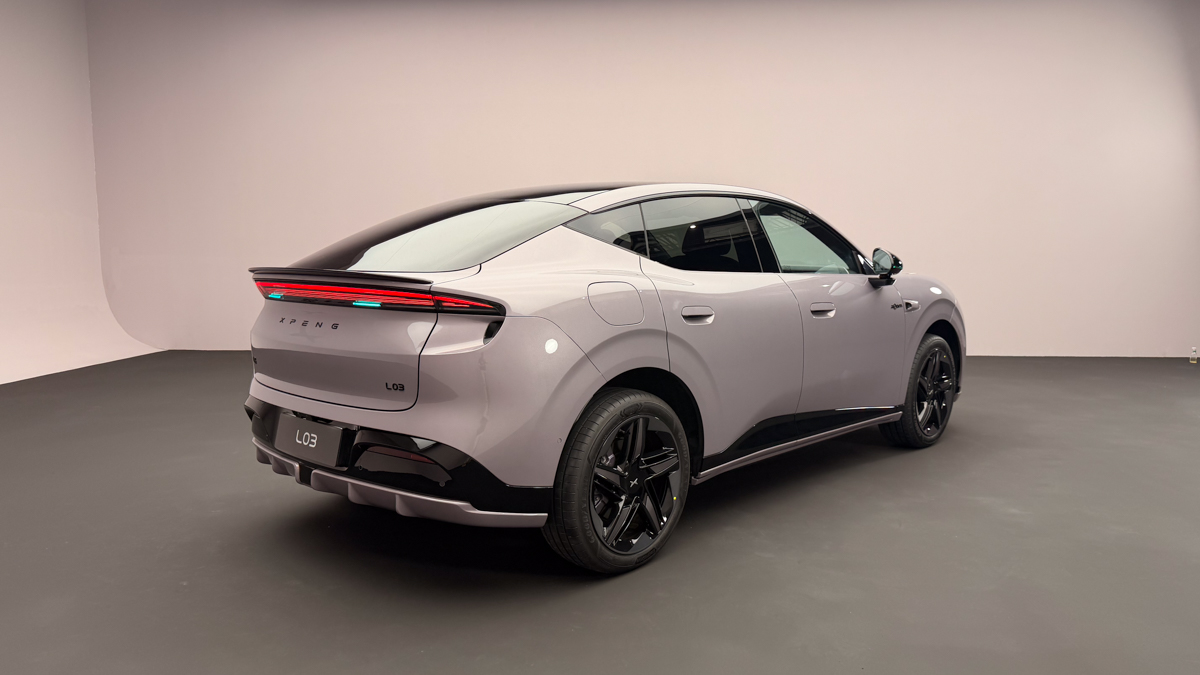
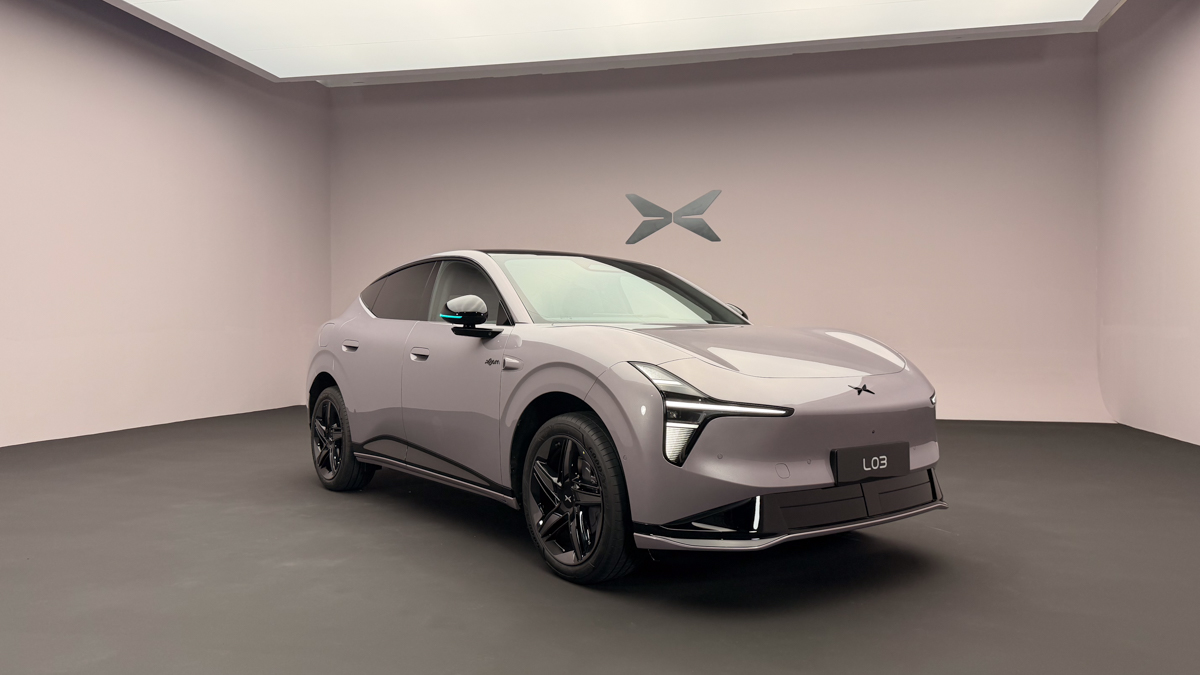
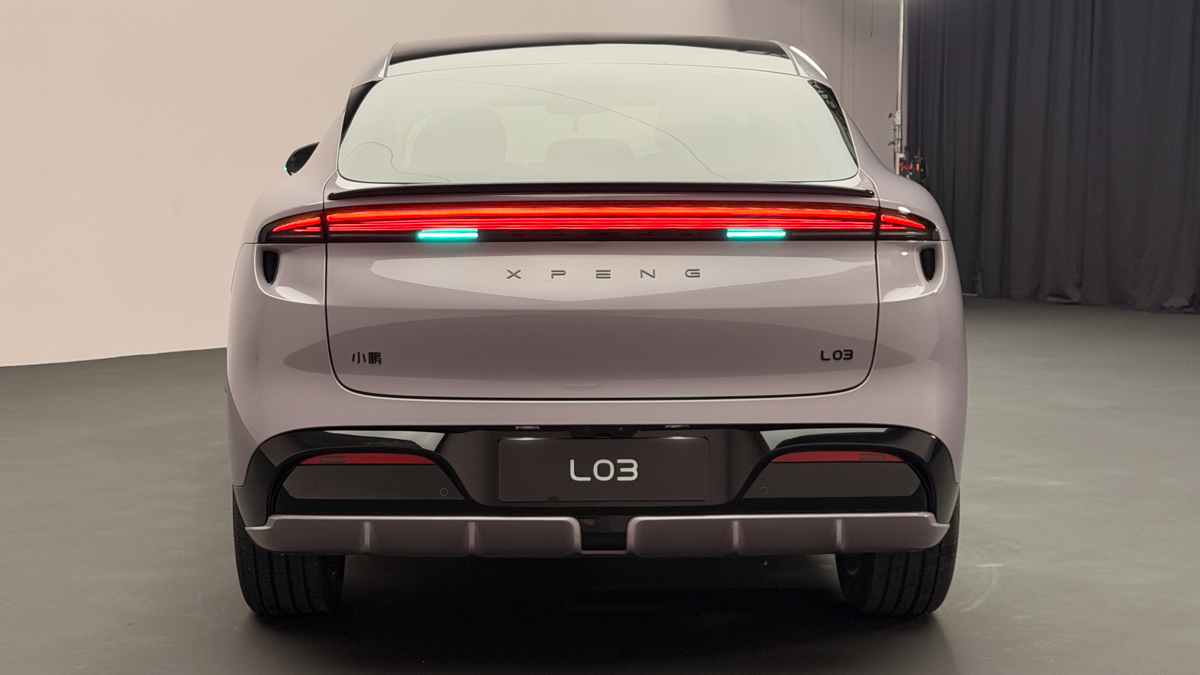
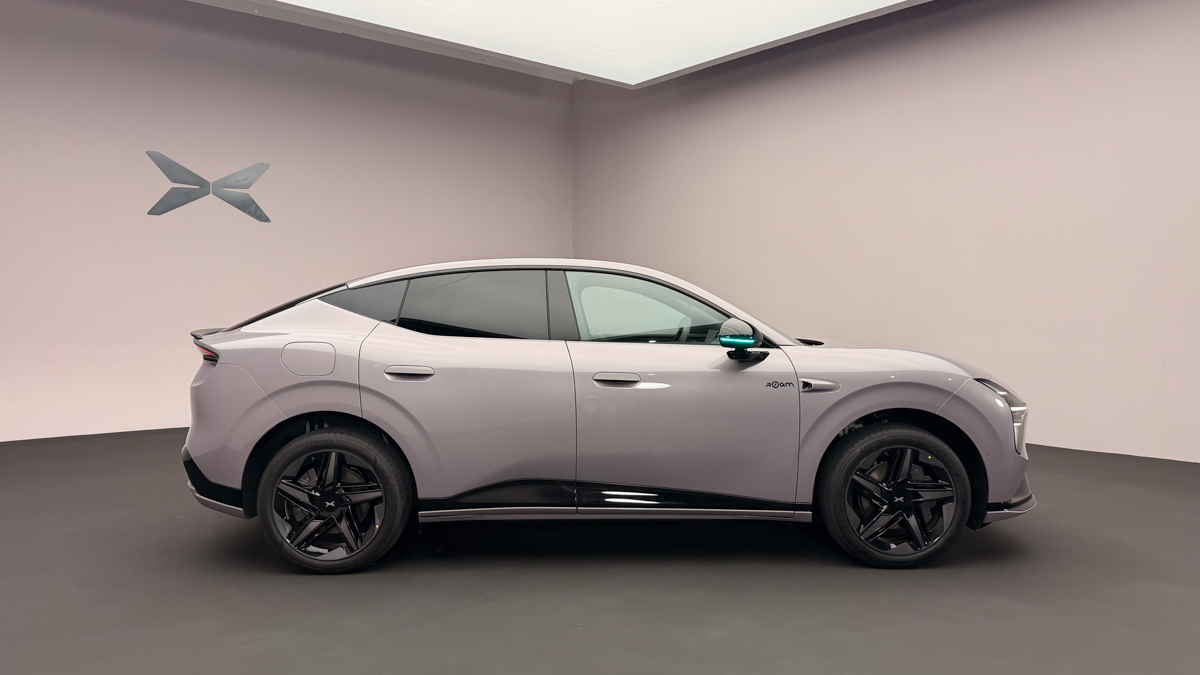
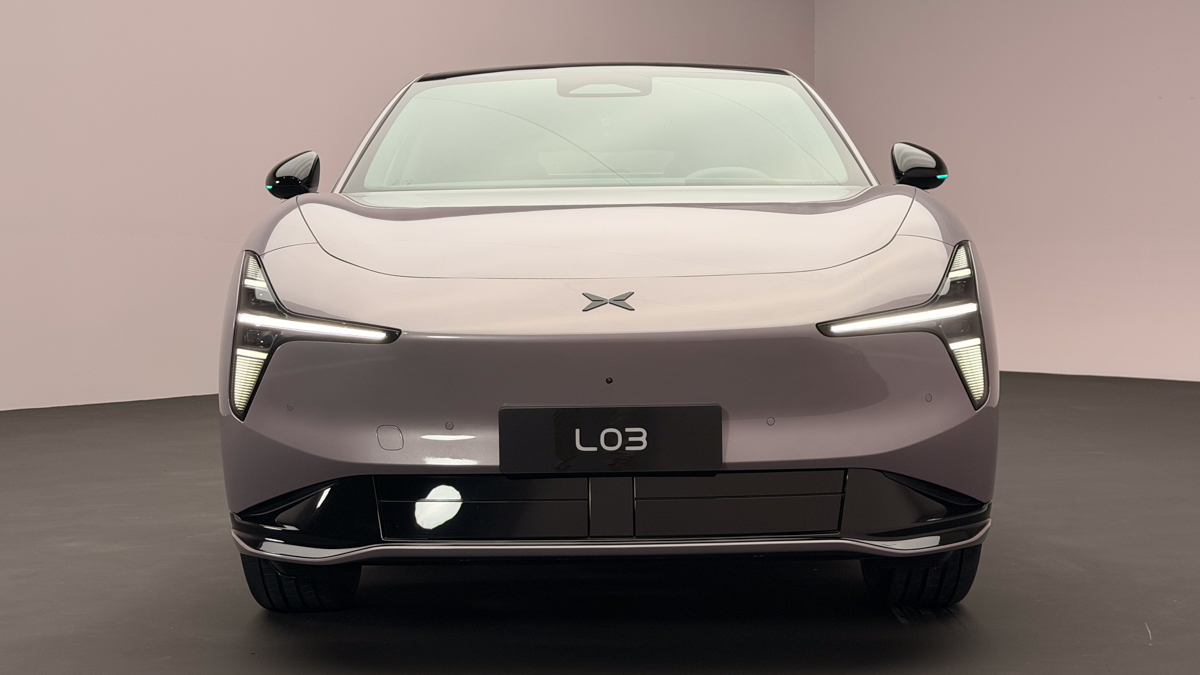
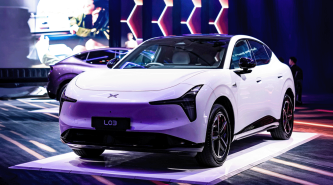
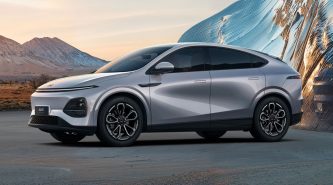
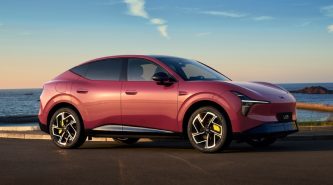
Rakish coupe-styled Mona L03 crossover packs three of XPeng’s ‘Turing AI’ chips, allowing full self-driving tech to be rolled out in Australia from next year
The next affordable Chinese electric SUV to launch in Australia will pack the punch of being able to support supervised full-self driving sometime in 2027 – and it also brings the option of a range extender model if a full EV doesn’t suit.
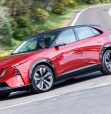
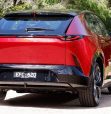
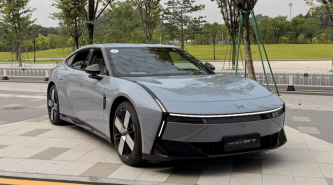
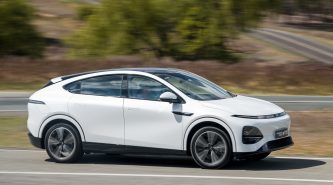
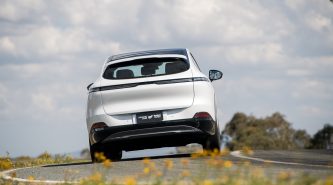
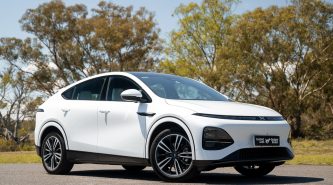
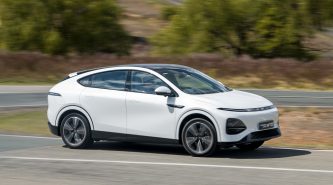
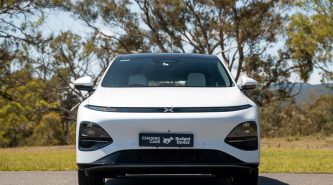
Revealed in Beijing this morning, the 4.6-metre long XPeng Mona L03 midsize SUV is the second model from XPeng’s affordable ‘Mona’ sub-brand, and it is expected to sit below the marque’s sole current Australian model, the G6, on price.
Explicit positioning as an EX5 and Atto 3 rival, despite its slightly more generous dimensions, should mean XPeng prices the 400-volt Mona L03 in the $40,000-$50,000 range in Australia, particularly given the 800-volt G6 kicks off at $54,800 plus on-road costs.
XPeng has not yet confirmed which variants of the Mona L03 it will sell in Australia or a specific launch month, but production has already started ahead of a global launch event in Germany later in July.
Two powertrain types have been developed for the L03: a regular battery electric version, and an ‘EREV’ range-extender hybrid, marketed by XPeng as the ‘Kunpeng Super Hybrid’.
The electric L03 is expected to be offered with two battery packs measuring about 56kWh and 71kWh. XPeng claims up to 520km range for the large pack, but more reliable WLTP numbers have not yet been settled. Both batteries have LFP chemistry.
Like the existing Mona M03 sedan in China – and unlike the XPeng G6 – the L03 is understood to use a 400-volt platform offering a 10-80 percent top-up of 20 minutes at a still-respectable average of 149kW.
The EV version uses a single motor producing 183kW of power to deliver a claimed 6.5 second 0-100km/h sprint with the 71kWh battery. Kerb weight comes in at 1855-1875kg, and 18- or 20-inch wheels will be available.
Product manager Siyuan Hu indicated that the L03 would eventually be offered with the option of all-wheel drive but said that the AWD model would also produce around 183kW.
Meanwhile, the Super Hybrid version retains the 183kW motor and adds a 70kW 1.5-litre petrol engine that is said to act only as a generator to extend range out to more than 1000km from a 42-litre fuel tank and 37.2kWh battery – including a claimed 257km in electric mode.
While its mechanical specs and design inside and out are unremarkable, the Mona L03’s major pitch involves technology. XPeng says the SUV can use the brand’s VLA 2.0 supervised self-driving system, with triple Turing AI chips and up to 2250 TOPS of computing power. Like Tesla, VLA 2.0 relies on cameras instead of lidar or radar sensors.
Hu told Chasing Cars that every L03 would carry the same level of autonomous driving hardware, with XPeng head of international business Alex Tang confirming that VLA 2.0 was on track for a 2027 launch in Australia with no extra charge for use.
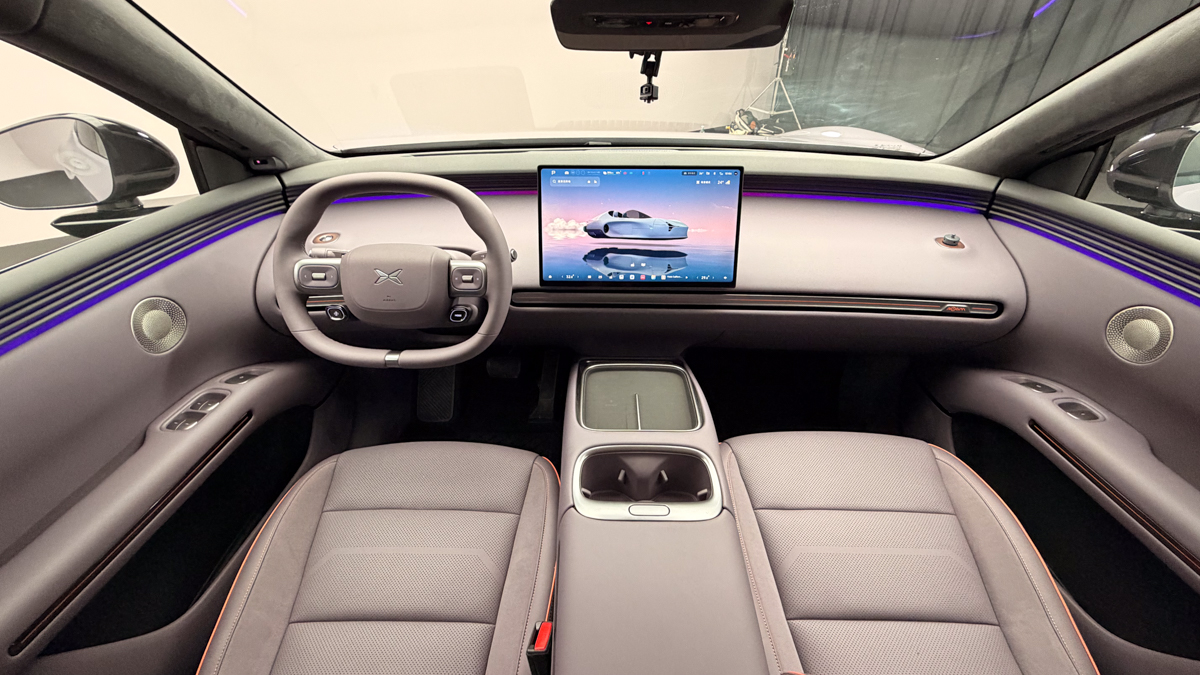
The cabin of the L03 follows a similarly minimal design the G6 model. A large central touchscreen is the main interaction point, though there is a windscreen-project HUD. Wireless Apple CarPlay and wireless Android Auto are expected to be added for export markets.
Standard equipment will include 56-colour ambient lighting, a 20-speaker stereo, front seats with heating, cooling and massage, dual wireless device chargers, and a panoramic sunroof.
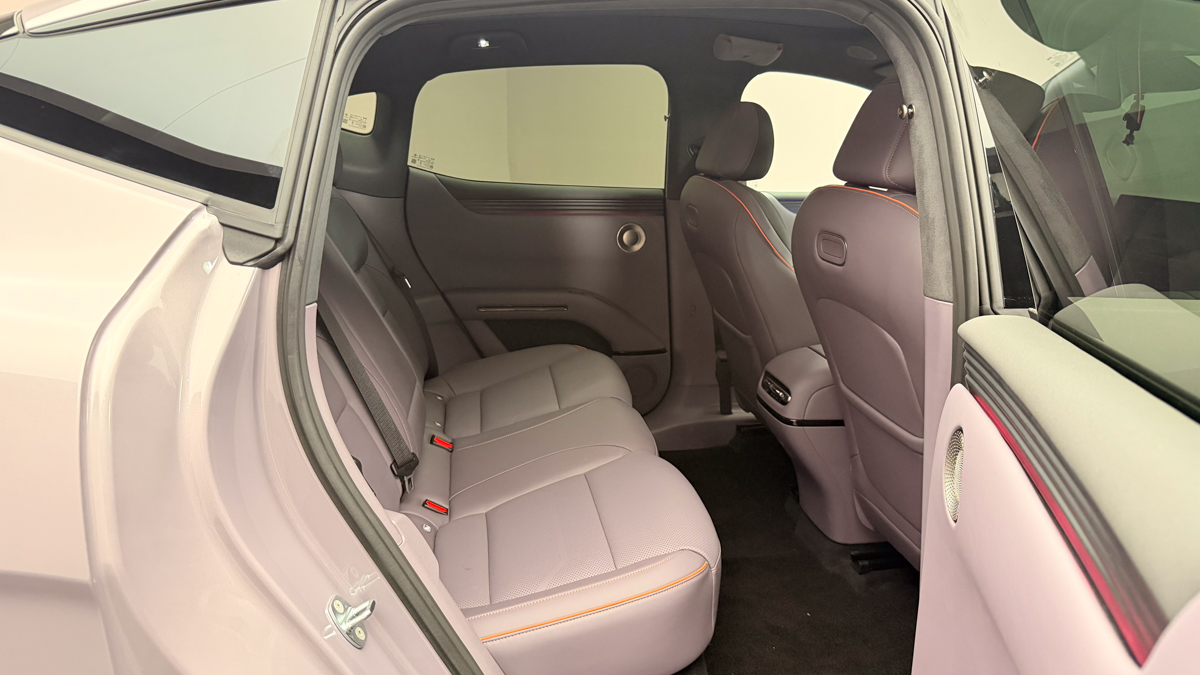
The L03’s relatively long 2850mm wheelbase unlocks reasonable space in the second row and boot space measures a claimed 539L, supplemented by a 102L frunk – though this space will be a bit smaller in AWD or Super Hybrid models.
Safety systems include seven airbags, driver monitoring, child presence detection, and tyre blowout-specific stability control.
Latest news
About Chasing cars
Chasing Cars reviews are 100% independent.
Because we are powered by Budget Direct Insurance, we don’t receive advertising or sales revenue from car manufacturers.
We’re truly independent – giving you Australia’s best car reviews.