Powered by

-
Car Reviews
Latest reviews
- Car News
-
Car Comparisons
Latest comparisons
- Chasing Deals
Latest reviews
Latest comparisons
Claiming ‘class-leading’ back-seat space and headlined by a tough new ‘XRT’ trim, the ‘all-new’ Tucson has made its debut
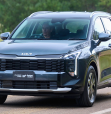
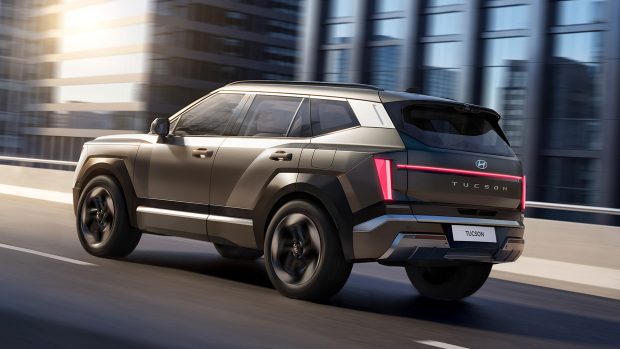
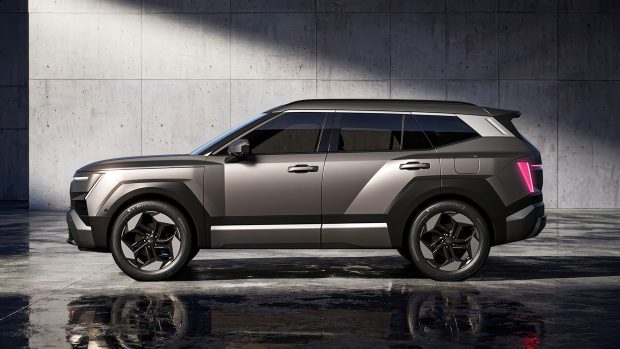
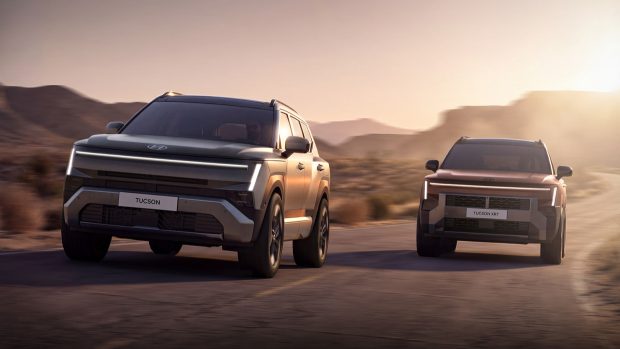
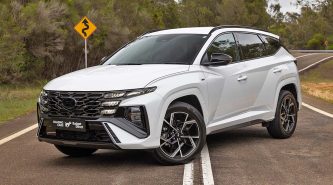
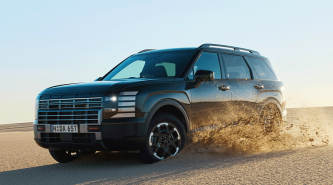
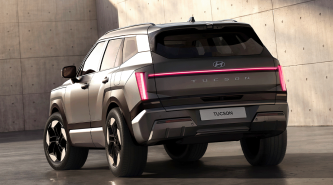
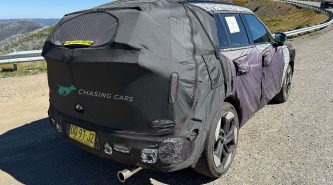
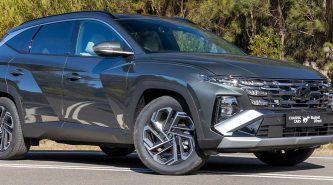
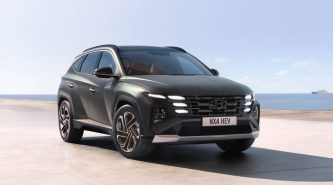
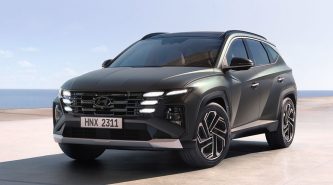
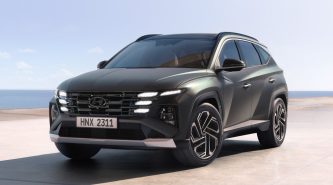
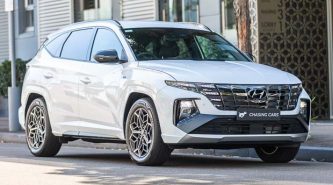
Hyundai has unveiled its new-generation Tucson medium SUV overnight, showcasing a physically larger, roomier, radically restyled and potentially hybrid-only successor.
Now entering its fifth generation, the new Tucson is expected to arrive in Australia sometime in 2027 and will likely follow its competitors and the larger Palisade in becoming a hybrid-only offering, as local regulatory pressure ratchets down on heavy-emitting petrol-only powertrains.
The model shown overnight has been presented exclusively for the South Korean market, and differences could appear when it’s shown to the global market next month, but it’s fundamentally expected to remain the same.
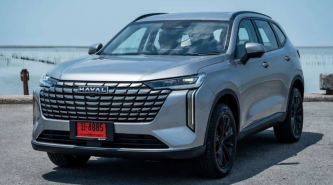
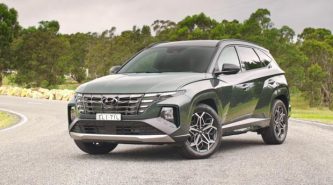
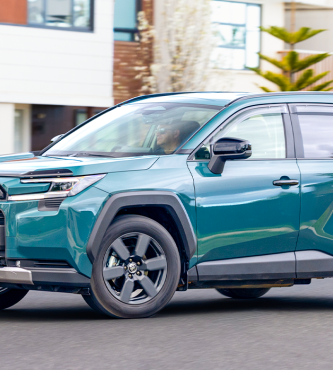
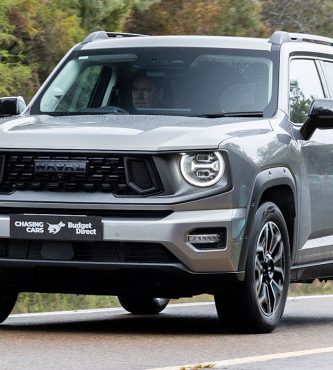
Once it arrives in Australia, the Tucson will compete against the likes of the Toyota RAV4, Nissan X-Trail, Tesla Model Y and the GWM Haval H6.
Measuring 4700mm long (+60mm), 1905mm wide (40mm+), 1685mm high (+20mm), and with a 2785mm wheelbase (30mm+), the already fairly large medium SUV has grown larger again, to achieve what it claims is “best-in-class interior space”.
It comes as cut-priced Chinese competitors such as the Haval H6 double down on back-seat space, with the rear headroom of the new Tucson growing by 29mm and even the angle of the rear doors has expanded from 73° to 83° to make getting in, and fitting child seats, even easier.
The current 1.6L turbo-petrol hybrid ‘plugless’ drivetrain is expected to make its way into the new-generation Tucson, but it’s unclear if it will be more efficient or offer a plug-in hybrid stop-gap between it and the all-electric Ioniq 5.
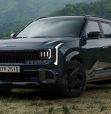
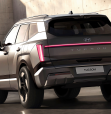
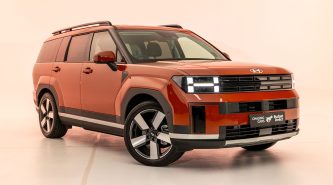
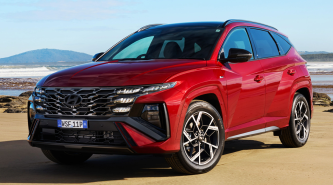
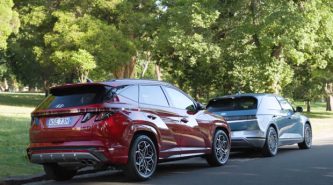
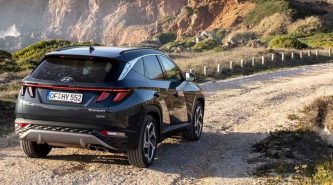
Using a philosophy named ‘Art of Steel’, the new Tucson has pivoted again with a far more angular take on the family SUV, retaining common features like the enhanced wheelarches but with a more aggressive edge.
At the front, the H-shaped daytime running light offers a more upright grille and bonnet combination (at least visually), while the rear mirrors the design somewhat. Even elements such as the mirror look as if they’ve been chipped out of solid granite to offer a tougher overall design.
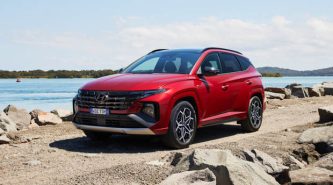
Doubling down on this is the XRT grade, which is already offered on the Santa Fe and soon the Palisade in Australia, bringing expected styling changes to the front and bumper plus the wheelarches to make it look more rugged.
Practical changes appear more limited, with a skid plate added to provide protection but there’s currently no mention of changes to the suspension height or additional drive modes and hardware to enhance capability.
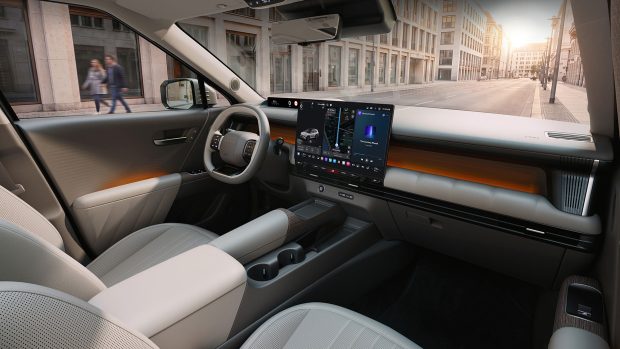
In contrast to the tough exterior design, the interior appears soft and lounge-like, with soft curves applied to the armrests and a bubble-like steering wheel in an oval shape.
Hyundai has swapped out the twin 12.3-inch screens in the current model for a much larger multimedia screen matched with a slim digital driver’s display.
In a somewhat controversial move for Hyundai, who have persisted with physical controls when other brands have fled, buttons and knobs have been paired back and migrated to the touchscreen – though there still appear to be physical controls for basic climate controls and music volume.
Latest news
About Chasing cars
Chasing Cars reviews are 100% independent.
Because we are powered by Budget Direct Insurance, we don’t receive advertising or sales revenue from car manufacturers.
We’re truly independent – giving you Australia’s best car reviews.