Powered by
-
Car Reviews
Latest reviews
-
Car News
Latest news
-
Car Comparisons
Latest comparisons
- Chasing Deals
Latest reviews
Latest news
Latest comparisons
Seriously expensive emissions penalties for petrol cars mean Hyundai is investigating how to keep fun-to-drive alive with degrees of electrification
Hyundai is considering a major shakeup of its small performance car lineup, with electric hybrid and pure petrol-powered N models under evaluation to coexist by the late 2020s.
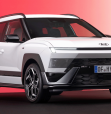
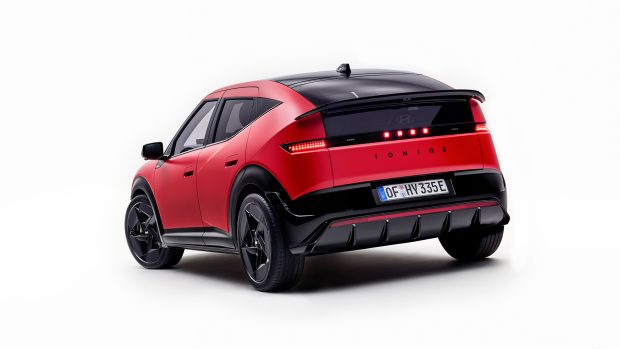
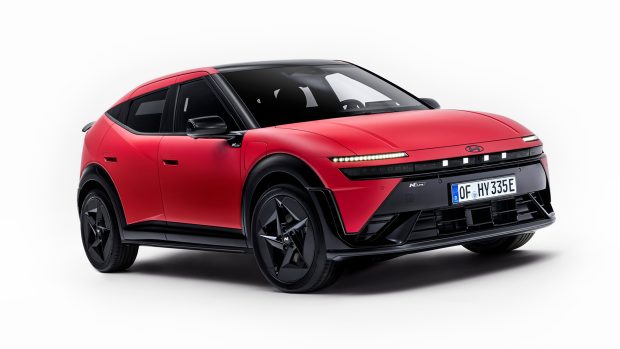
The South Korean brand is assessing the introduction of an Ioniq 3 N electric hot hatch while simultaneously expanding the life of the i30 N in hatchback and sedan guises.
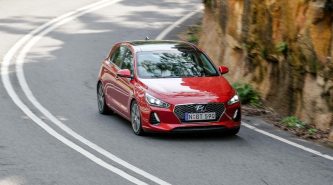
While the Ioniq 3 and i30 hatchbacks, and the i30 sedan, will be pillars of Hyundai’s small-car offer in Australia, the three models are mechanically distinct and built in different factories.
The Ioniq 3 and i30 hatch are exclusively built in Europe, which means Hyundai Australia faces significant exchange rate and transport costs to sell these models in Australia.
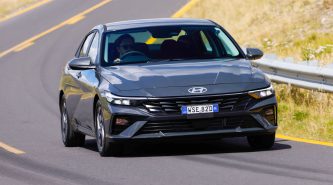
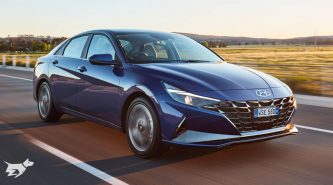
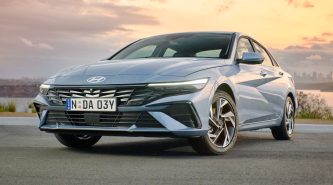
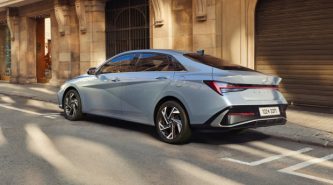
Meanwhile, the i30 sedan is sourced more affordably from South Korea, where it is built with a range of engines, including a frugal hybrid and the high-performance turbo petrol N grade.
Currency and shipping costs have traditionally governed which models Hyundai Australia offers locally, but NVES emissions penalty laws now constitute further business case input.
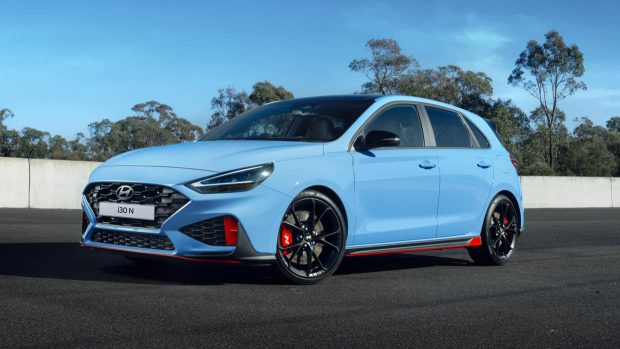
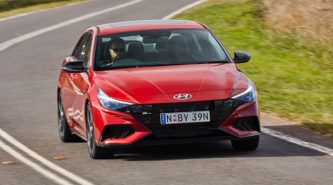
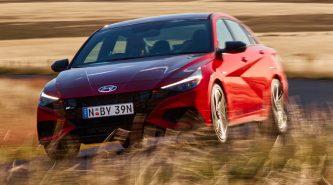
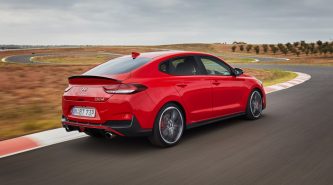
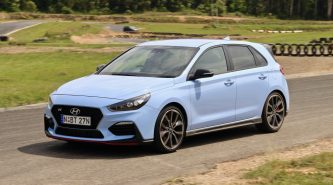
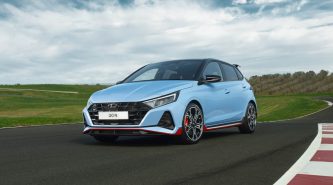
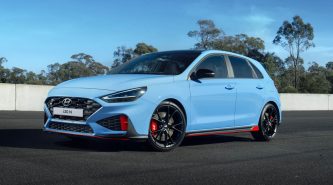
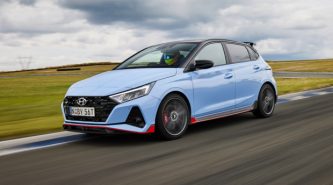
Hyundai’s popular petrol-powered N models – the i20 N and i30 N hatch and the i30 N sedan – face increasingly steep NVES penalties which will see their prices continue to climb.
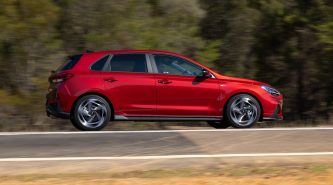
Pricing for the i30 N hatch jumped by $2000 in September 2025 to offset NVES fines, but Hyundai Australia says petrol N cars aren’t going anywhere, if buyers still want them.
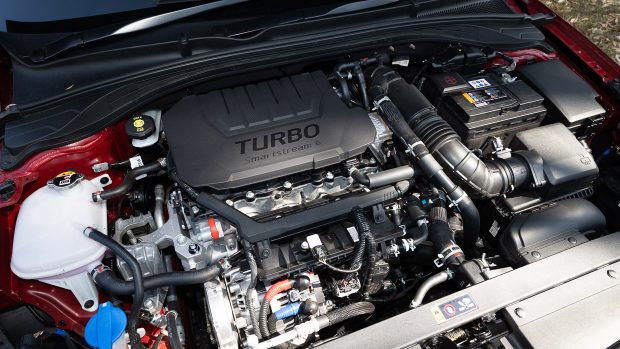
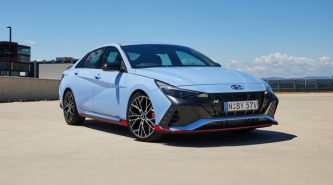
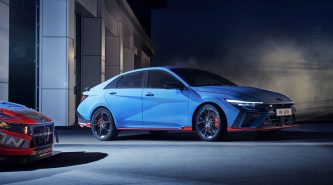
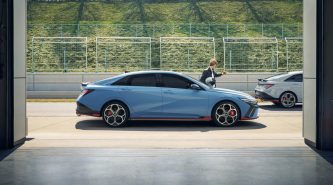
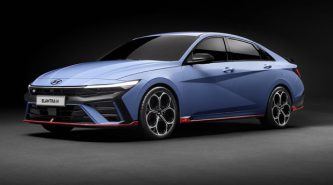
The i30 Sedan N model is expected to continue as the backbone of the ‘pure petrol’ N lineup with a 2.0-litre turbo producing 206kW/392Nm with a choice of auto or manual gearboxes.
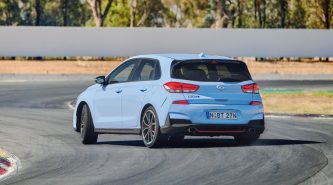
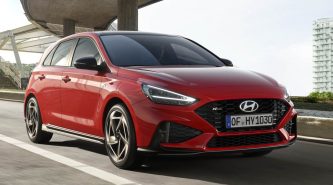
However, a major change to hybrid power is now expected for the i30 N hatchback –the car that kicked off the N lineage back in 2018.
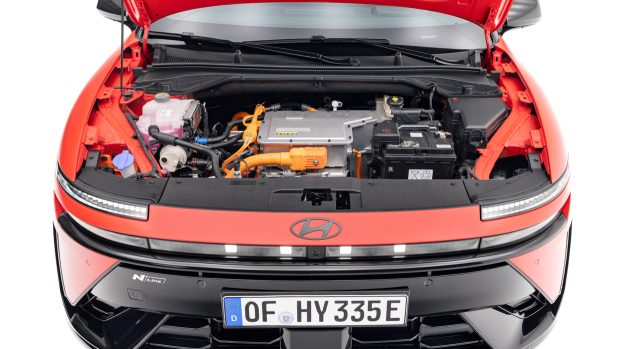
The Korean company is hedging its bets by developing at least two ‘cleaner’ small N models, which are understood to be the Ioniq 3 N and a hybrid version of the i30 N hatch.
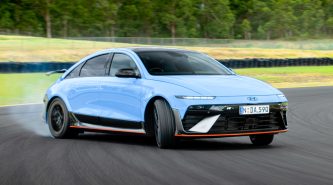
While the Ioniq 3 will launch locally with modest 99kW and 107kW power outputs, hotter versions are planned, and the range could be capped by a genuine N model.
An Ioniq 3 N could adapt the running gear of the Kia EV3 GT, which uses a dual-motor AWD setup with 215kW of power, or it could opt for an i30 N-like front-wheel-drive setup.
Former Hyundai N division head Albert Biermann was openly critical of 400-volt EVs for performance car applications, citing concerns over thermal management for track use.
With Biermann now retired and emissions schemes such as Australia’s NVES regime heavily incentivising carmakers to make EVs more appealing, the philosophy may have changed.
Hyundai Europe vice president of product Raf van Nuffel told Chasing Cars that the company is “looking into different ways to expand the N lineup”.
Tellingly, van Nuffel suggested that smaller, lighter electric N cars may not need the massive power output generated by the groundbreaking Ioniq 5 N, which produces 478kW/740Nm.
“N was always about cornering and fun to drive…when we launched the i30 N, it was not about the sheer 0-100km/h number and so on – it’s really about having fun while driving,” he said.
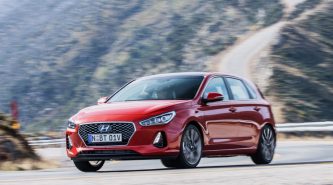
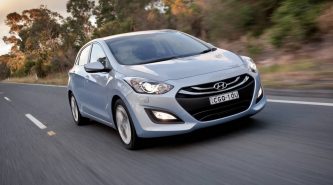
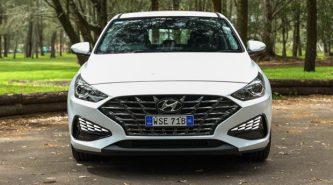
But the i30 N hatchback is not going anywhere just yet. Hyundai is preparing a third facelift of the third-generation ‘PD’ i30 to prolong the life of the five-door hatch for several more years.
While the i30 is built only in Europe, several European countries—including Spain, Italy and Poland—are moving towards full electrification very slowly, and hybrids are popular.
While the i30 N hatch remains in production in Czechia, it has not actually been sold in Europe since 2024, but the move to a high-performance hybrid engine could cure this.
A hybrid i30 N would open the model back up to European sales while also giving Hyundai a new option for the Australian market that retains a desirable petrol engine while being more CO2-friendly.
Taken together, the pieces point to a three-pronged N strategy.
An electric Ioniq 3 N would target new buyers entering the EV space, a hybrid i30 N hatch would bridge the transition, and the i30 N Sedan could continue to serve purists who still want a conventional drivetrain.
Latest news
About Chasing cars
Chasing Cars reviews are 100% independent.
Because we are powered by Budget Direct Insurance, we don’t receive advertising or sales revenue from car manufacturers.
We’re truly independent – giving you Australia’s best car reviews.