Powered by

-
Car Reviews
Latest reviews
-
Car News
Latest news
-
Car Comparisons
Latest comparisons
- Chasing Deals
Latest reviews
Latest news
Latest comparisons
Already confirmed for Australia, Toyota’s hydrogen hero promises more range and capability than its EV counterpart
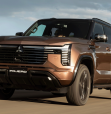
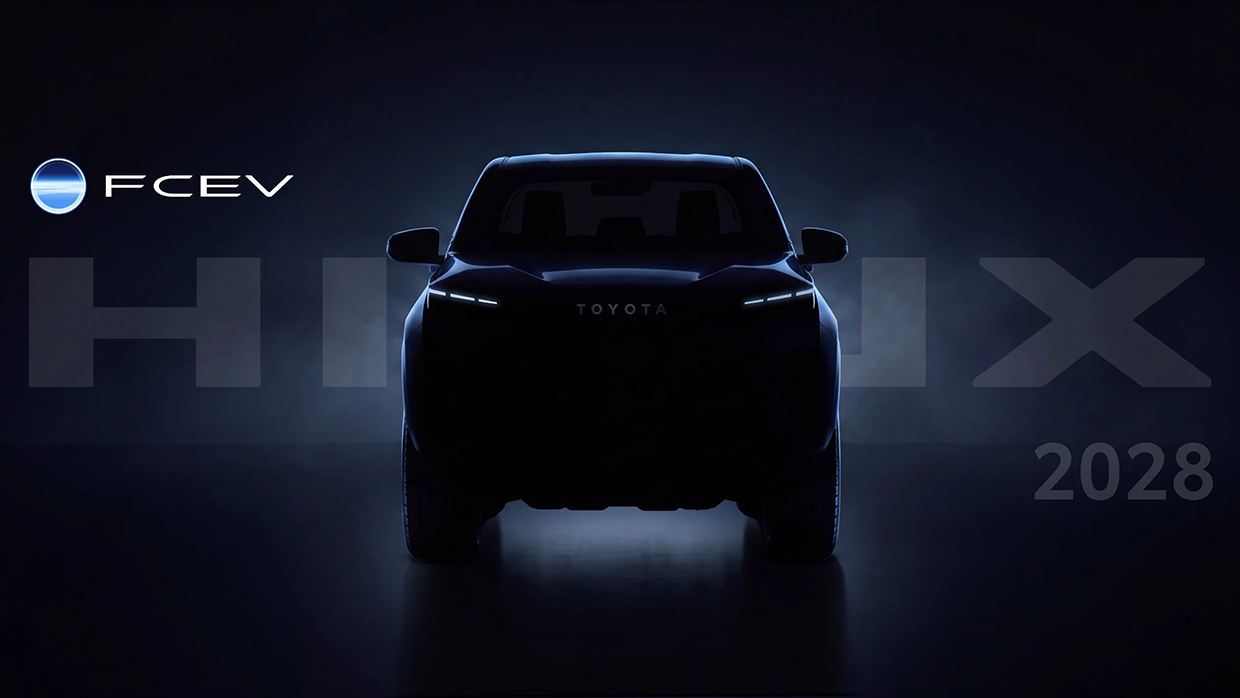
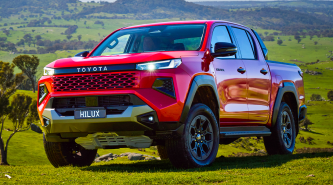
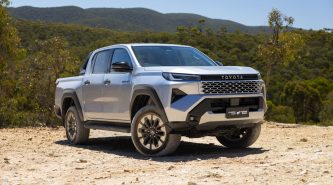
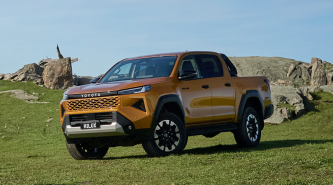
Toyota has released a teaser image of its incoming hydrogen-powered Hilux and backed it up with a target of 400 kilometre of range and a 2.5-tonne towing capacity.
The Hilux FCEV (fuel cell electric vehicle) has already been confirmed to arrive in Australia in 2028, as Toyota continues to throw its weight behind hydrogen tech as a solution for future zero emissions motoring in the commercial space.
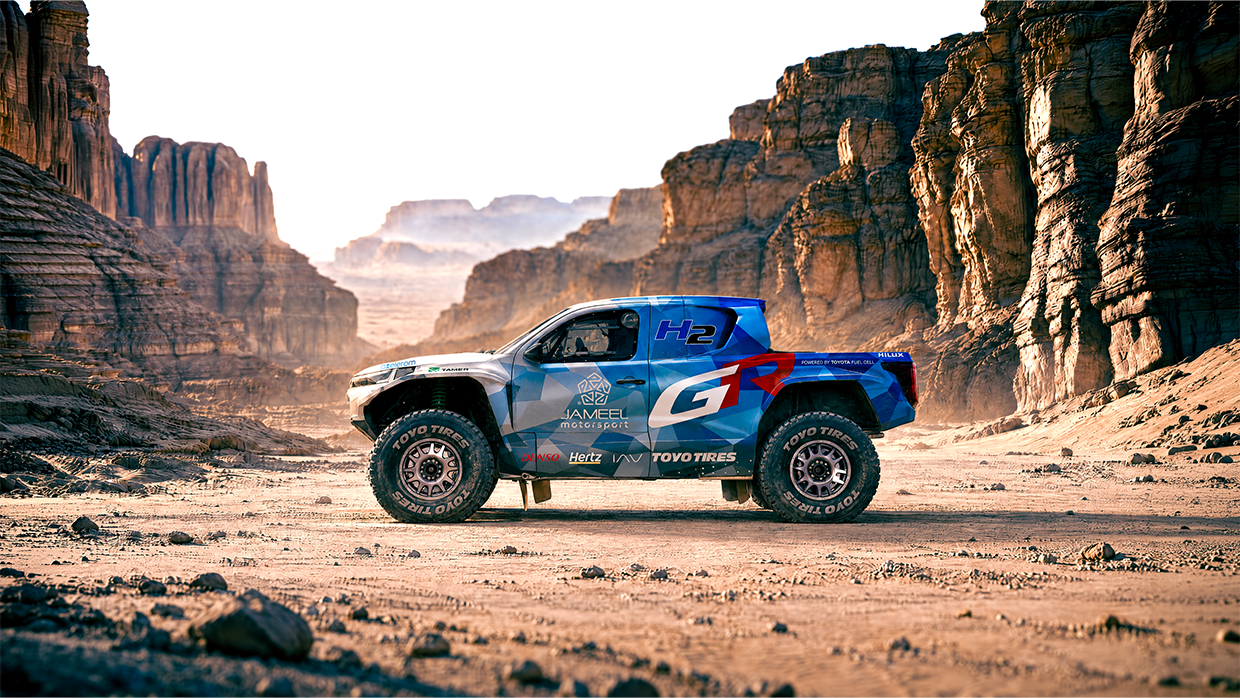
It comes as Toyota confirms it will prepare a hydrogen-power Hilux for the Dakar rally in 2027 in the Future Mission 1000 Category, in the latest effort from the brand to prove the merits of the technology following its 1360km range record in the Toyota Mirai sedan.
Not much, though the latest teaser image does offer some hints.
Toyota has previously shown – and Chasing Cars has driven – its H2 hydrogen prototype based on the previous-generation ’Lux on which the current-gen is heavily based.
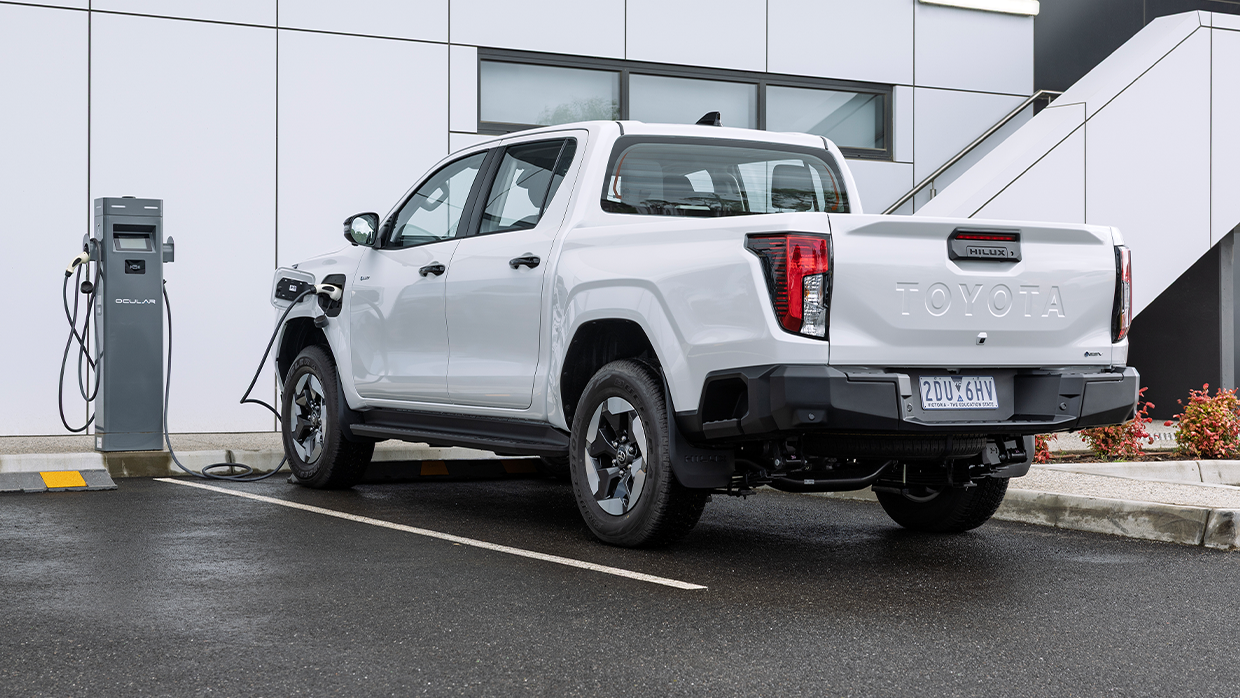
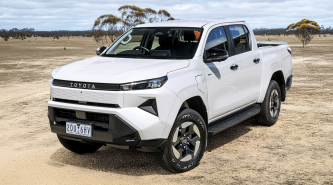
The teaser image shows a Hilux with a wider stance than the diesel and Hilux BEV currently available, though it’s unclear if the ute shown is an entirely new vehicle or simply a drivetrain-swapped version, as per its predecessor.
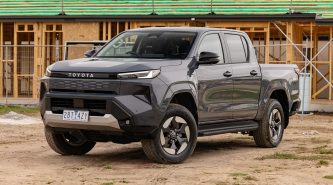
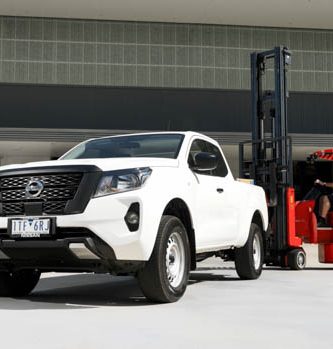
Toyota has touted a targeted range of 400km (WLTP) and 2.5T towing capacity from the Hilux FCEV, figures that far exceed the 245km and 2T rating of the current Hilux BEV.
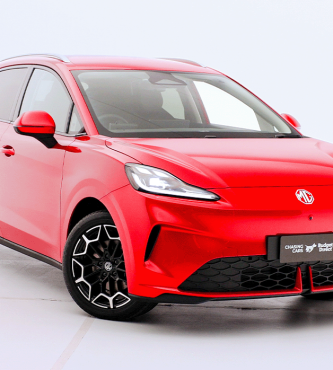
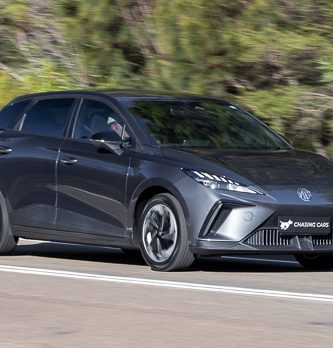
That said, new players such as MG are set to surpass these figures with the U9 EV, which is set to arrive this year with 430km range (WLTP) and a 3.5T towing capacity – though likely not at the same time.
Toyota will at least have a chance to stress-test the FCEV tech is its upcoming 2027 Dakar campaign, that will see the custom-built ute race over 1000 competitive kilometres in brutal race where many entrants are lucky to even finish.
Toyota is not alone in backing hydrogen fuel cell technology as a solution for zero emissions motoring with Honda and more notably Hyundai joining forces with the Japanese brand in recent years, with the latter launching a range of long-haul commercial trucks.
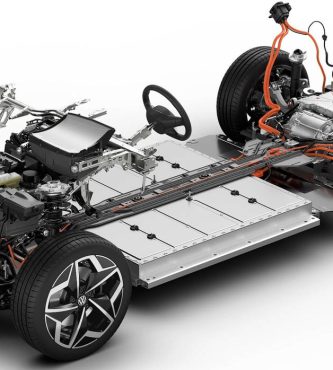
Hydrogen fuel cells often have a similar range to electric vehicles, and in most forms still convert the gas to electricity to then power one or more electric motors, but the key advantage is what happens when that energy source runs out.
Battery technology and charging speeds are improving rapidly, but hydrogen still holds a key advantage in being about to fully fill its tanks from 0-100 percent in just minutes, while BEVs are generally slower, still need to worry about cell degradation and the capability of the individual car and charger can vary wildly.
But as the more widely available technology, it’s far easier to find a place to charge a BEV than it is to refuel a hydrogen vehicle, with just a handful of stations available for the latter across Australia.
Latest news
About Chasing cars
Chasing Cars reviews are 100% independent.
Because we are powered by Budget Direct Insurance, we don’t receive advertising or sales revenue from car manufacturers.
We’re truly independent – giving you Australia’s best car reviews.