Powered by

-
Car Reviews
Latest reviews
-
Car News
Latest news
-
Car Comparisons
Latest comparisons
- Chasing Deals
Latest reviews
Latest news
Latest comparisons
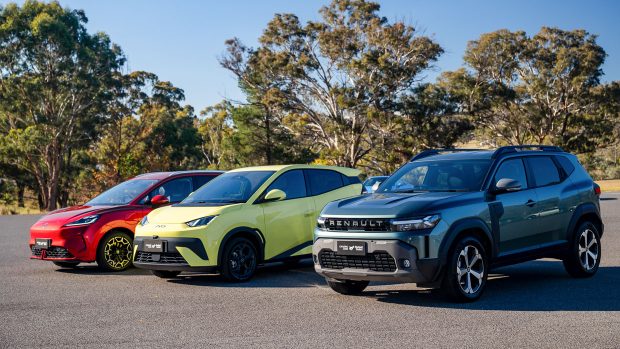
Two Chinese electric hatchbacks and a French-Romanian petrol SUV vie for the 2026 Chasing Cars Car of the Year award focused on the budget end of the showroom spectrum
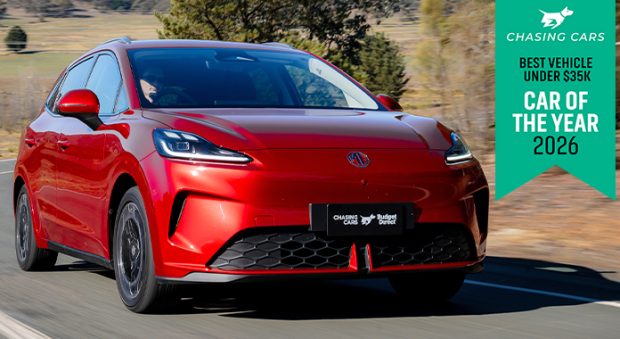
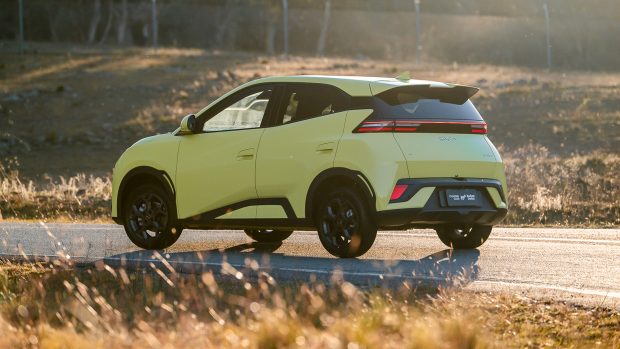
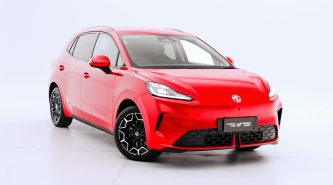
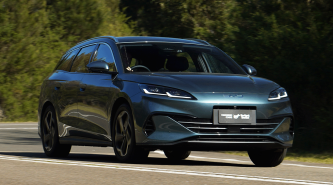
It’s a sign of the times that $35,000 is the price ceiling for what is ostensibly our Car of the Year ‘Budget’ category. Yet the inclusion of the MG4 Urban and BYD Atto 1 is also proof that electric cars are becoming attainable for even a smallish budget. At least from China.
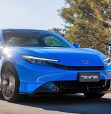
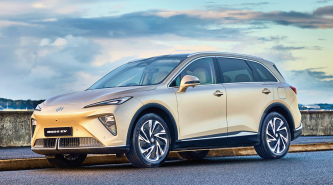
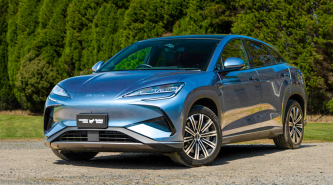
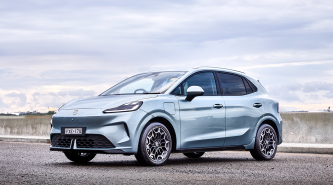
BYD’s Atto 2, which currently carries the mantle of ‘Australia’s cheapest electric SUV’, also qualified with a $31,990 starting price, though only the Atto 1 city car made it to Canberra, as it’s considered the better foot forward of the duo.
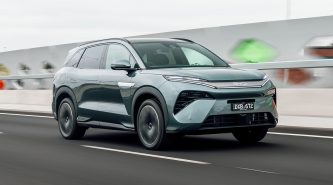
New brand entry GAC has also served up its Aion UT electric hatch from $31,990, though, while likeable, didn’t impress us enough in our first-drive experience to send us scrambling to ink an invite.
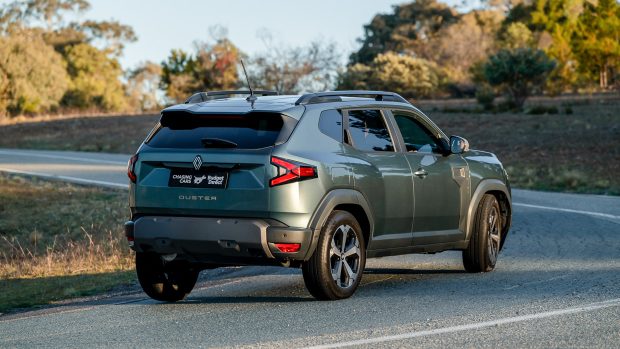
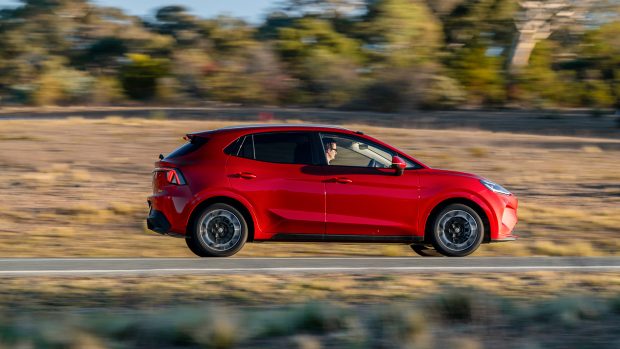
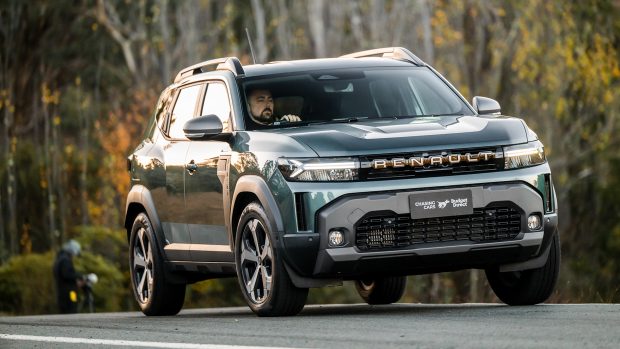
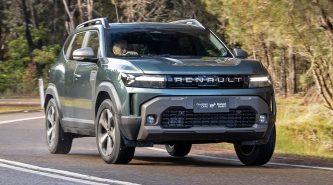
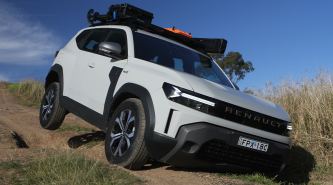
There’s been a dearth of traditional combustion-powered city cars during the past 12 months, leaving the sole petrol contender for 2026 a compact SUV created by European budget-car specialists Dacia, though rebadged Renault in some markets including Australia.
Only the base model Duster squeezes under our $35,000 ceiling.
What are we looking for in a Car of the Year segment winner? It’s all about performance of intended function — how well a vehicle executes its purpose. Below are the aspects we interrogate.
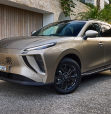
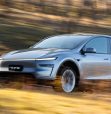
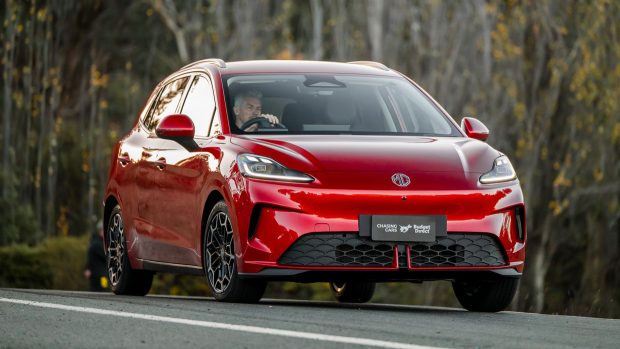
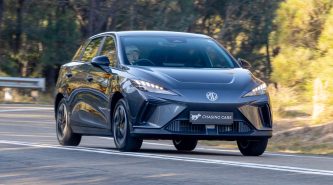
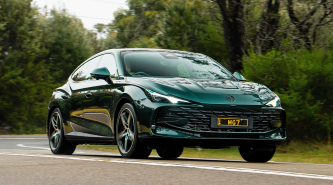
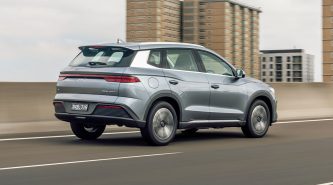
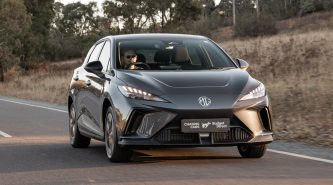
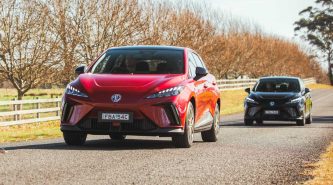
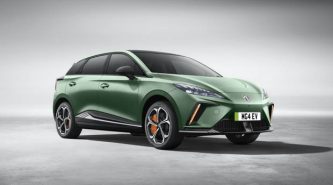
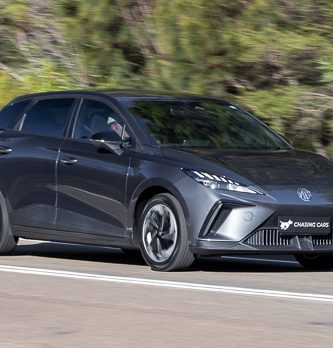
MG’s original electric MG4 has the distinction of being the first Chinese-made car to impress the Chasing Cars team with its dynamics. Three years later, the list of great-to-drive cars from China is barely any longer.
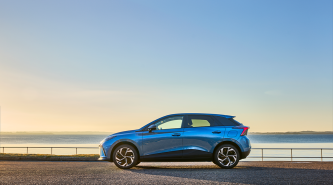
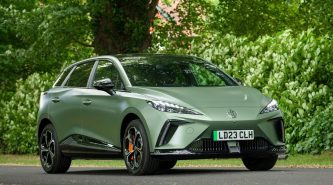
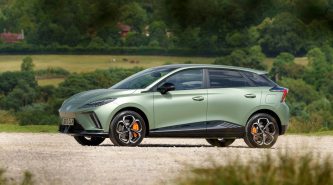
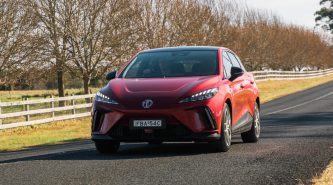
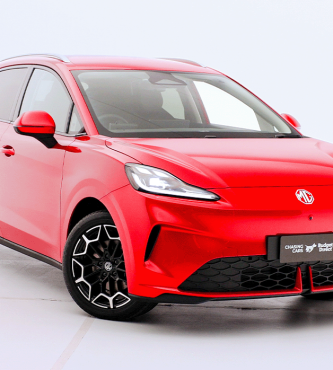
How does an older car qualify as ‘new’. Well, it doesn’t. The ‘Urban’ addendum, somewhat confusingly, isn’t a new variant but a new car entirely: different platform, different styling, different – lower – pricing.
It costs from $31,990 drive-away compared with the just-called-MG4, which had its range culled and entry price increased to $39,990 drive-away as part of a mid-2026 facelift.
Yet while the Urban was built to be a price leader – using a cheaper front-drive platform and employing a cheaper torsion beam suspension setup (where the MG4 is rear-drive and multilink) – it doesn’t live up to lower expectations.
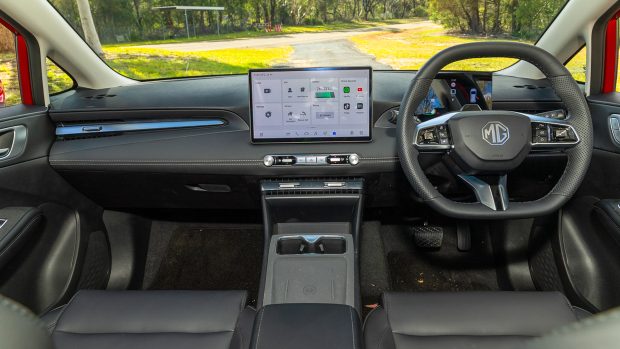
Scratchy plastics aren’t a surprise at this price point but the pleasant tactility of many controls is. MG has also ensured softer materials are in the right place – that is, areas that will be regularly touched.
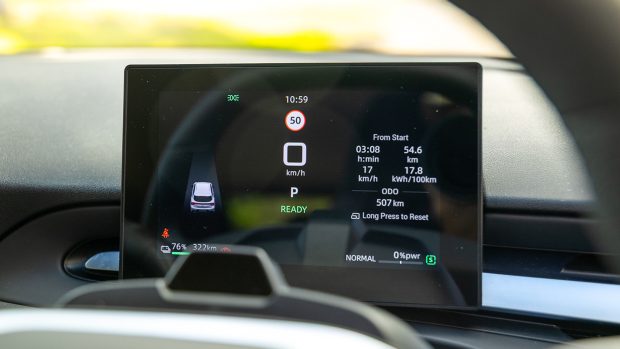
Digital displays offer clearly legible text, crisp presentation and reasonably quick touch response.
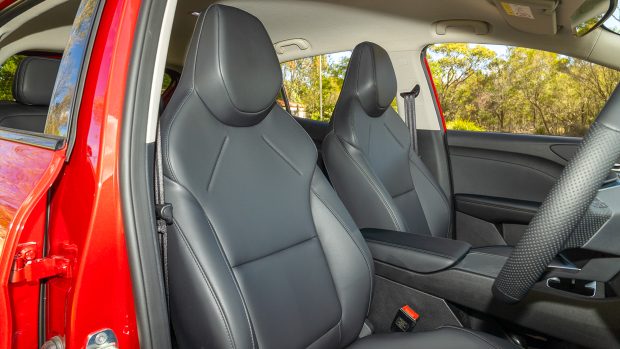
The PVC seats get sticky in the heat and would have been better trimmed in cloth, though they’re otherwise comfortable and rear passengers will likely be surprised at the amount of space they’re afforded.
A versatile boot offers more cargo volume than direct rivals and includes nearly 100 litres under the floor – which can be raised to flatten the storage area when the rear seats are folded down.
The Urban’s suspension can struggle to settle at lower speeds when faced with poor road surfaces, though its more relaxed primary ride contributes to surprising comfort on long freeway drives.
Light steering and a tight turning circle are a perfect combination for the environment the MG4 Urban is named after. It’s also quick around town thanks to strong initial bursts of acceleration.
The driver can also adjust the regenerative braking for their preferred slowing response, which includes the full one-pedal driving mode that’s unique to (many) electric vehicles.
And while at Chasing Cars we will always prefer a rear-wheel-drive car over a front-driver, the MG4 Urban runs the RWD MG4 closer than expected for enjoyable driving dynamics on a country road.
The ‘43’ base model’s 316km WLTP range places more limitations on how far it can travel before needing a recharging stop. A $3000 premium for the bigger-battery ‘54’ model seems quite reasonable considering it stretches that maximum quoted range to 400km.
We drove an Urban 54 back from Canberra non-stop, arriving back in Sydney with plenty of range to spare.
The biggest compliment we can give the MG4 Urban is that, in many ways, the MG feels an electric Golf.
If only MG could revise its hyperactive Overspeed Warning system that beeps unnecessarily all too often. It can be switched off but returns to ‘on’ by default every time the car is restarted.
You can count the MG4 Urban’s negatives on just one hand, however, and none is arguably a deal-breaker.
That’s rare for cars built to a low price point – and key to the small electric MG deservedly securing this Car of the Year segment award that’s devoted to the most affordable vehicles.
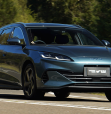
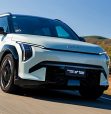
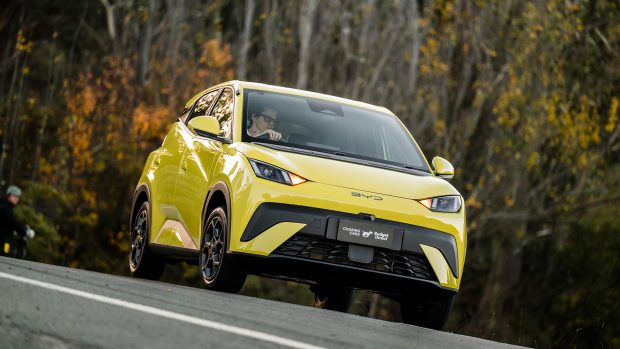
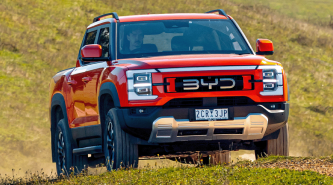
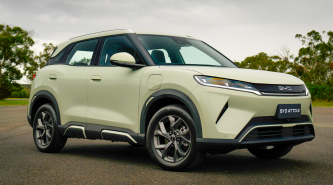
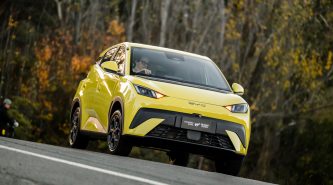
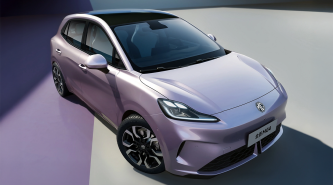
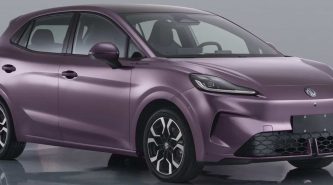
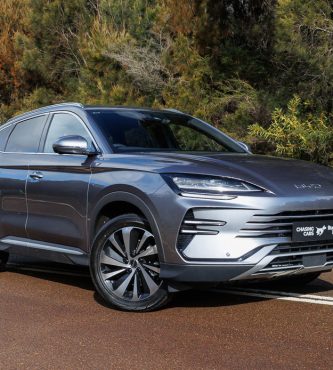
Bang for your buck has been central to BYD’s remarkable rise in Australia, and the Atto 1 electric hatchback represents its lowest-priced offering yet – priced from just $23,990 before on-road costs.
This sub-four-metre four-seater is no poverty-pack for equipment level in base form, either, while the $27,990 RRP Premium variant features heated electric front seats, surround-view camera, and wireless charging – in addition to a bigger battery and more powerful front electric motor.
There are no major vices to the way the Atto 1 drives around town, where its lightness, compactness and tiny turning circle equal fantastic manoeuvrability. Torque steer is more evident compared with the MG4 Urban, and the Atto 1 feels more out of its depth on the freeway – and far less relaxing due to a jerky power delivery at a 110km/h cruise.
The Atto 1’s bid for award glory was further hindered by the absence of the smaller-battery, lower-power base Essential, which BYD has yet to make available despite our requests.
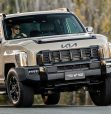
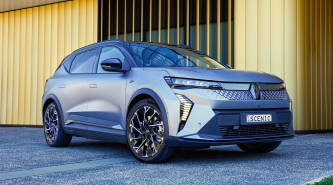
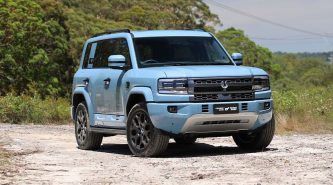
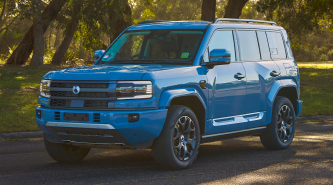
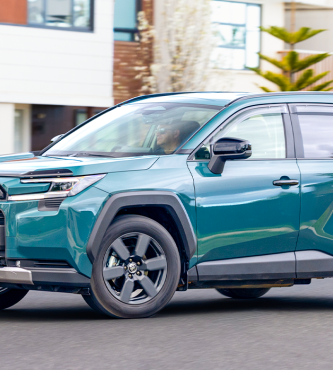
The ruggedly handsome Duster charms beyond its design with well-sorted ride and handling characteristics that, in an ever-increasing rarity these days, remain untarnished by obtrusive driver ‘assistance’ systems.
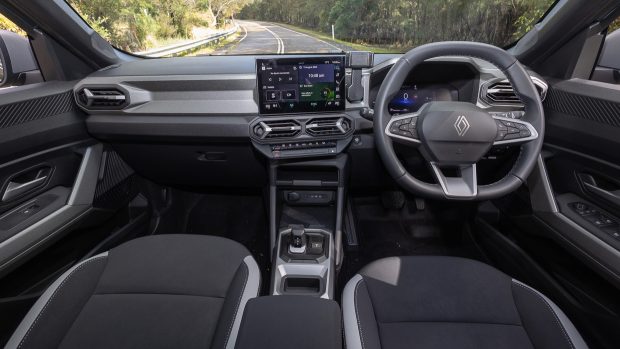
While the cabin is almost entirely bereft of soft materials, the seats are comfortable front and rear, and the front-wheel-drive Duster’s 472-litre boot is well above the cargo-capacity average for a compact SUV.
Cabin storage is less impressive, the 4×2 can exhibit some torque steer, and the equipment list doesn’t feel quite complete with the absence of adaptive cruise control, LED high beam (low beam only), and a blind spot detection system (higher Techno grade only).
Latest comparisons
About Chasing cars
Chasing Cars reviews are 100% independent.
Because we are powered by Budget Direct Insurance, we don’t receive advertising or sales revenue from car manufacturers.
We’re truly independent – giving you Australia’s best car reviews.