Powered by

-
Car Reviews
Latest reviews
- Car News
-
Car Comparisons
Latest comparisons
- Chasing Deals
Latest reviews
Latest comparisons
The eighth-generation 3 Series is here, and while petrol and hybrid engines will persist, the all-new electric version comes first — in more ways than one
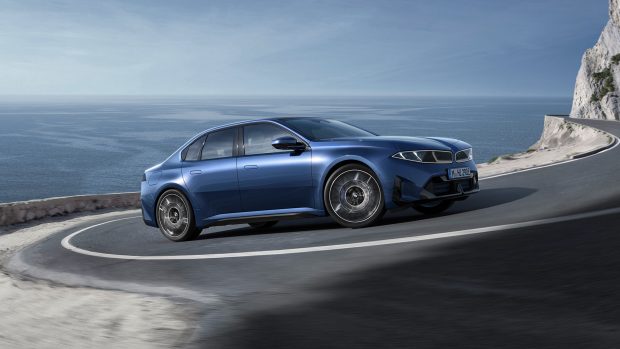
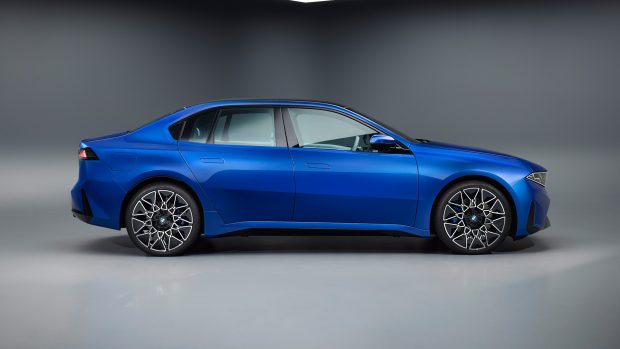
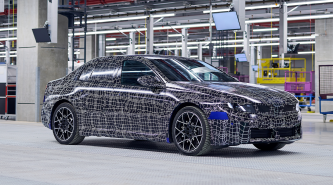
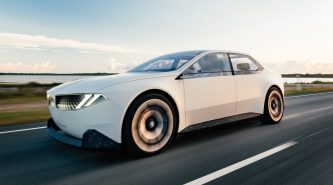
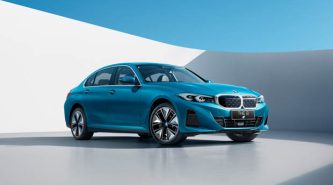
BMW’s hometown of Munich, Germany, was the natural setting for this evening’s unveiling of the crucial new electric 3 Series sedan, which has now assumed the i3 badge.
As the first sedan and second model to be catapulted onto BMW’s Neue Klasse platform after the iX3 midsize SUV, the importance of the i3 to the brand is difficult to understate.
While the popularity of SUV models like the iX3 years ago displaced the sales performance of sedans, the 3 Series line with its 51-year lineage remains at the very core of the BMW brand.
BMW’s credibility comes from engaging driving dynamics, and it the reputation for driving fun established by BMW coupes, sedans and wagons bolsters the marketing of SUV models.
The debut of only the eighth iteration of BMW 3 Series across more than five decades is significant enough — and that’s before you consider the effect of adding full-EV powertrains.
That decision expands the 3 Series’ competitive set beyond traditional rivals from Mercedes-Benz and Audi, but also premium EVs from Denza, Zeekr, Tesla, and others.
Tonight was the electric i3’s night, but BMW will continue to offer the choice of petrol and plug-in hybrid versions of the next-generation 3 Series. They will be revealed later this year.
The German-built i3 will go into production in August, with initial Australian deliveries scheduled for early 2027.
There is little doubt that the electric i3, codenamed ‘NA0’, will be ‘top dog’ of the new 3 Series lineup, at least as far as technical sophistication is concerned.
The petrol and electric versions will look very similar but the i3 sits on the enormously more modern Neue Klasse chassis that BMW says is a quantum leap over what came before.
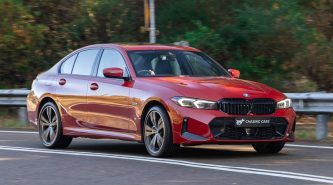
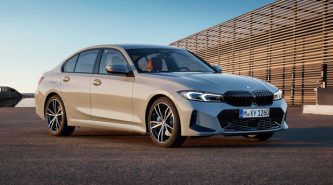
Meanwhile, the new ‘G50’ combustion iterations of the new 3 Series will sit atop an upgraded version of the outgoing car’s excellent, but ageing, Cluster Architecture platform.
The difference between the ‘G50’ ICE and electric ‘NA0’ 3 Series versions is far more significant than the BMW 4 Series and i4, which shared nearly all components.
No surprise that BMW has concentrated attention on the electric i3, which the brand sees as representing the future of the 3 Series even amid a slower-than-expected EV transition.
Much like the iX3 that debuted last year, the new i3 will initially be built — at BMW’s recently-upgraded and iconic Plant Munich — only in dual-motor i3 50 xDrive format.
Its outputs of 345kW of power and 645Nm of torque, biased to the rear axle to preserve familiar BMW dynamics, aligns with the same powertrain in the iX3 SUV model.
The i3 50 is understood to use the same 108kWh (usable) nickel manganese cobalt battery pack as the iX3.
Lower weight and superior aerodynamics have resulted in an estimated WLTP range of 900km with a predicted efficiency of 12kWh/100km.
BMW is set to expand the i3 range in the coming months with a less powerful ‘40’ model (with either rear- or all-wheel drive), and a high-performance iM3, likely with quad motors.
The platform has resulted in increased torsional rigidity by integrating the sixth-generation battery into the structure itself. The bottom of the battery acts as the sedan’s underbody.
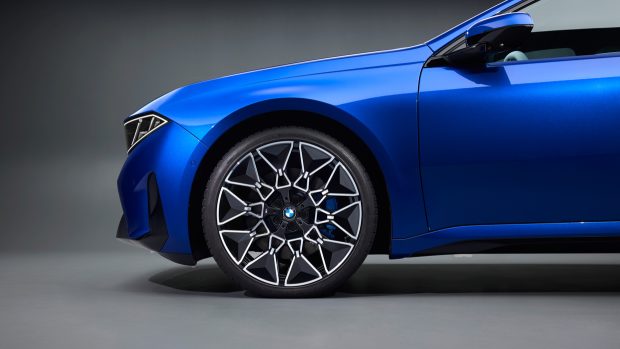
Meanwhile, the i3’s suspension has changed to a five-link design at the rear axle with a two-joint spring strut front axle. Wheel sizes will top out at 21 inches in diameter.
Passive, stroke-dependent shock absorbers are standard with adaptive dampers an option for M Sport versions. A firm but compliant ride quality is said to have been targeted.
BMW has not yet disclosed a kerb weight figure for the i3.
Meanwhile, the cosmetically similar but mechanically unrelated combustion 3 Series will offer a range of petrol and hybrid engines in RWD and AWD when it is unveiled later in 2026.
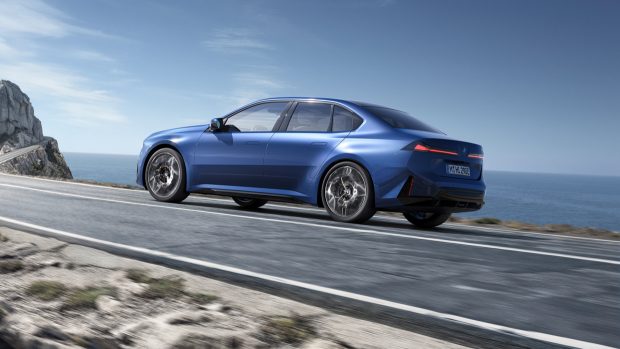
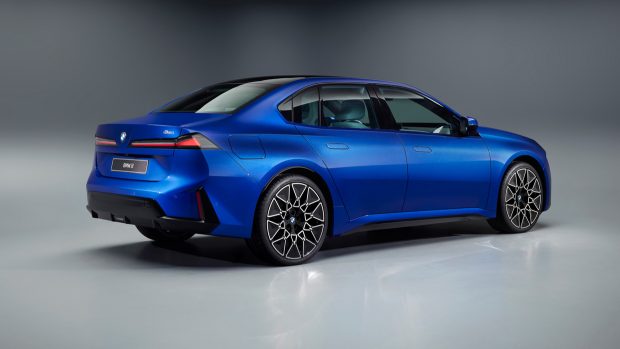
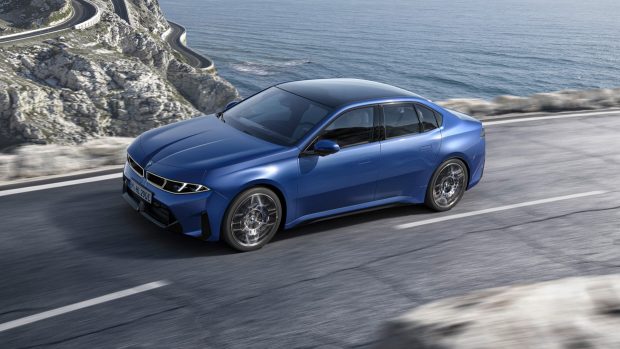
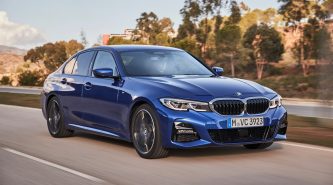
Stylistically, the eighth-generation 3 Series remains familiar to the model’s DNA, BMW says, while adopting a new ‘2.5 box’ shape with “maximum reduction” of design details.
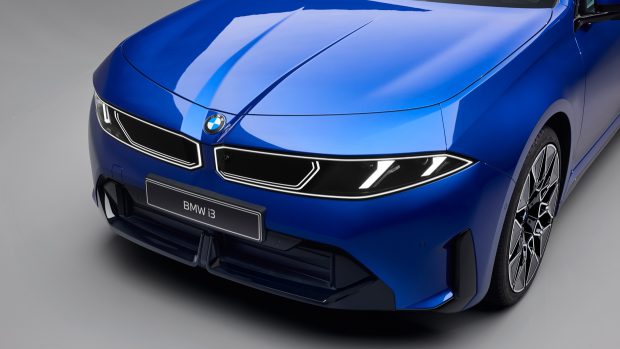
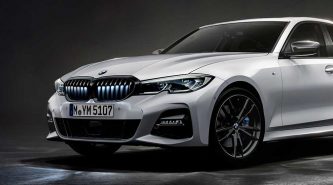
The front end is punctuated by a long bonnet (atop a 31-litre frunk) with prominent valley and inset roundel badge, running into twin split, backlit wide grilles with a quad headlight motif.
Concealed seals eliminate trim between the doors and glass; while the i3 uses electrically deploying handles, a formal sedan roofline and traditional side mirrors have been retained.
At the rear, the 3 Series’ traditionally short decklid and very short overhang feel familiar while the outgoing model’s L-shaped taillights are widened to nearly meet in the middle.
Unlike the forerunning i4 model that will continue to be sold for some time, the i3 sedan is a traditional saloon car with a hinged boot separated from the rest of the vehicle.
The i3 is a larger car than the outgoing 3 Series. It measures 4760mm long (+47mm) on a 2897mm wheelbase (+46mm); it is 1865mm wide (+38mm) and 1480mm tall (+40mm).
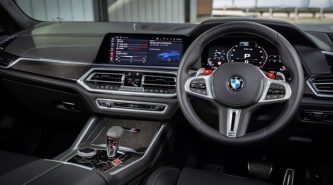
Inside, the dashboard adopts the same radical redesign debuted on the iX3, albeit with some minor adjustments — including extended dash padding that runs into i3-specific door skins.
A very avantgarde steering wheel with ‘Shy Tech’ haptic shortcuts and vertical spokes, 17.9-inch ‘Free Cut’ touchscreen and full-width Panoramic Vision panel all catch the eye.
The i3 is a five-seater. Buyers will be able to configure the interior, with ‘Contemporary’ and ‘M Design World’ versions using Veganza artificial leather, though real hide will be optional.
Significant changes to the styling of the 3 Series mask less visible but still hugely influential changes to the electrical architecture of the new i3.
Based on a four-zone cabling concept, the Neue Klasse platform used by the i3 radically reduces cabling distance and weight while increasing compute power by up to 20 times.
The four ‘superbrain’ computers at the heart of the system allow for individualised control of automated driving, infotainment, comfort functions, and most importantly, driving.
It is the latter system, called ‘Heart of Joy’, that BMW says allows for far smarter dynamics control for fewer ‘false positive’ activations of stability and traction control, and purer steering.
At the same time, the superbrain for autonomy is said to reduce unncessary interventions by, for example, deactivating lane-keep assist when the driver looks where they are steering — indicating to the car that a certain move is deliberate.
The infotainment brain presents data via BMW Operating System X, which is based on Android and will receive over-the-air software updates “long after purchase”, the brand says.
Latest news
About Chasing cars
Chasing Cars reviews are 100% independent.
Because we are powered by Budget Direct Insurance, we don’t receive advertising or sales revenue from car manufacturers.
We’re truly independent – giving you Australia’s best car reviews.