Powered by

-
Car Reviews
Latest reviews
-
Car News
Latest news
-
Car Comparisons
Latest comparisons
- Chasing Deals
Latest reviews
Latest news
Latest comparisons

VW raids the parts bin instead of the bank for its little streamliner that could
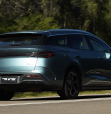
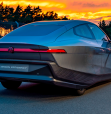
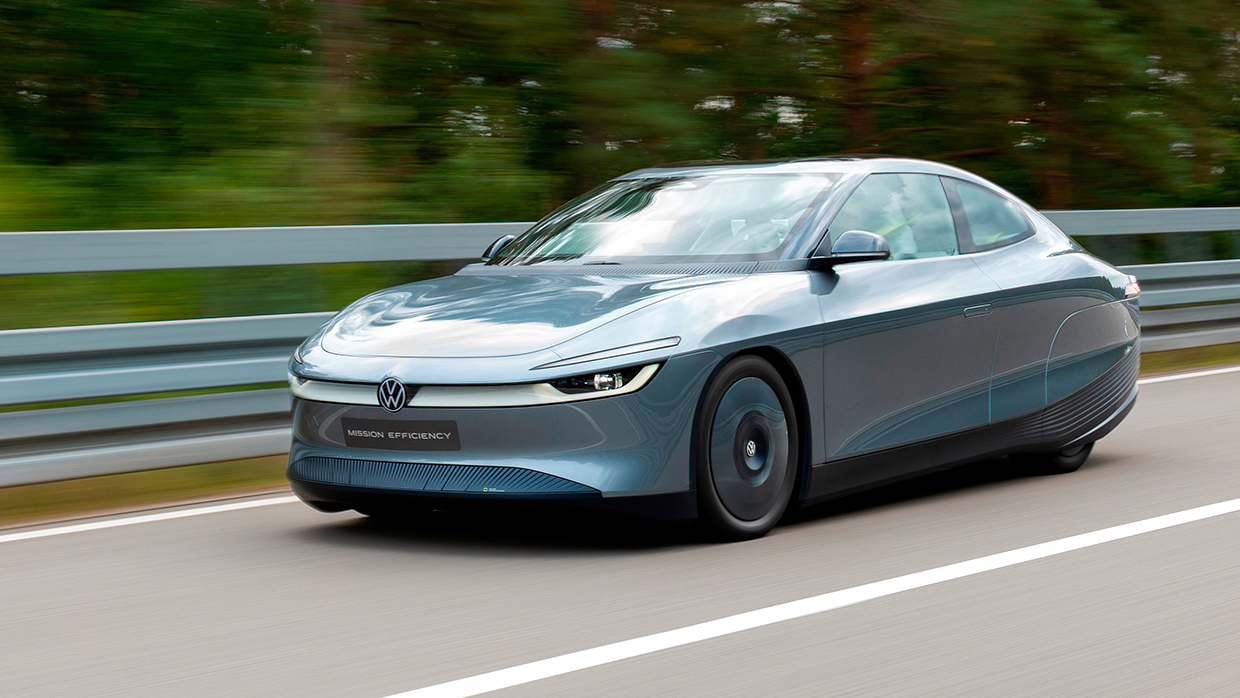
Volkswagen has set new efficiency and aerodynamic benchmarks with the near-production-ready Mission Efficiency.
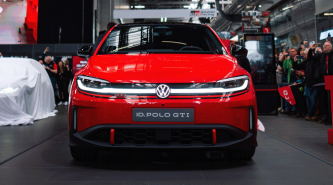
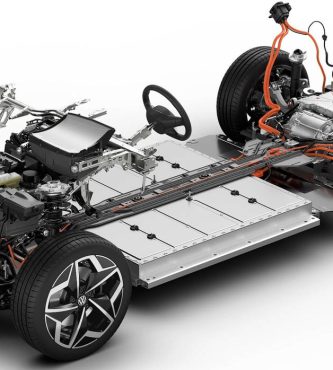
The super-streamlined concept car uses as much hardware from Volkswagen’s MEB+ platform as possible. The front-wheel drive 99kW motor and 54.9kWh battery are shared verbatim with VW’s new ID Polo and ID Cross.
The two-door project is a spiritual successor to the XL1 from 2013, that became the world’s most fuel-efficient car with consumption of just 0.9L/100km from its hybridised two-cylinder turbo-diesel engine.
Unlike its predecessor, however, the Mission Efficiency isn’t planned for production.
In ideal circumstances (average speed of 68kph, no hills, no aircon), Volkswagen claims 6.89kWh/100km. Even through the proper WLTP test cycle, Vee Dub claims 8.4kWh/100km.
To put it another way, the Mission Efficiency should go at least 653km on a charge, remarkable for a 55kWh battery. For comparison, the BMW iX3 40, itself considered groundbreaking, needs an 83kWh battery to achieve similar range.
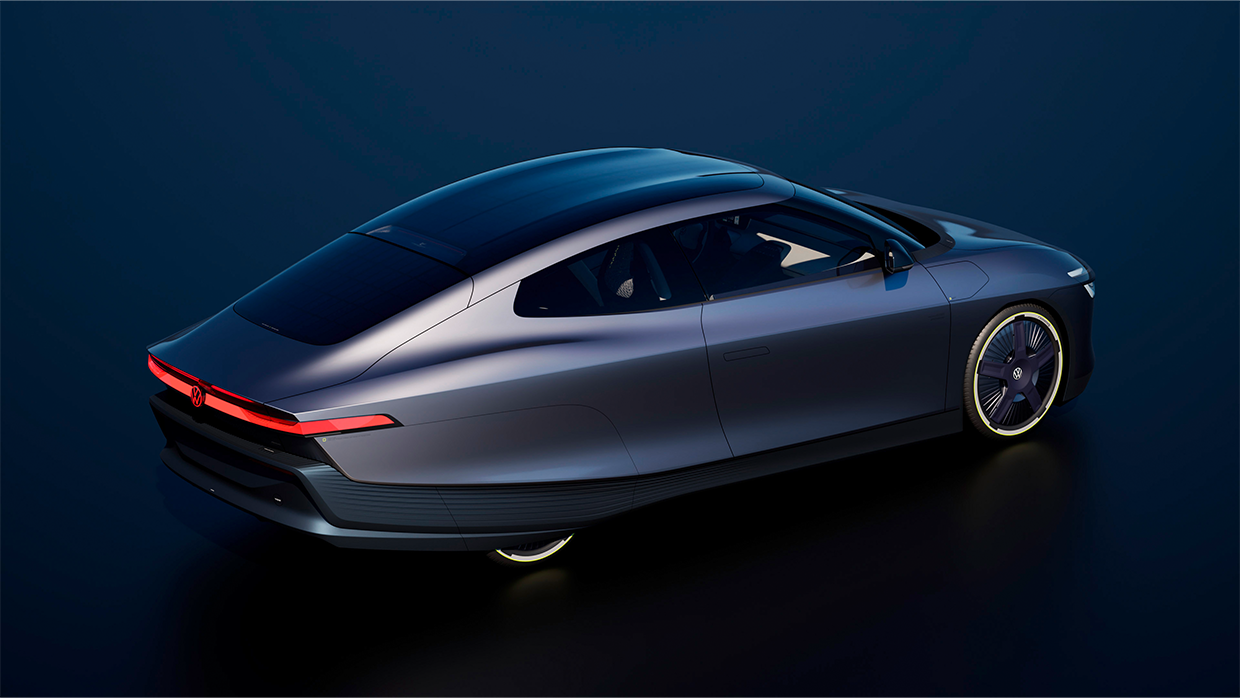
The extremely streamlined body, aerodynamic front wheels, covered back wheels and cooling vents that close when not needed contribute to what VW claims is the most aerodynamic road-legal car ever, with a drag coefficient of 0.158. The norm is 0.25+.
Volkswagen’s very proud that the Mission Efficiency’s innovations aren’t super-expensive or bleeding-edge. Some are already road-legal.
The rear brakes are electromechanical, not hydraulic, to save on brake lines and brake fluid, and already have EU road approval.
On the roof is a 370W solar panel that VW claims, on a good day, can add 30km to your range, implicitly by powering ancillaries like the aircon rather than charging the battery directly.
Continental made cutting-edge tyres for Volkswagen which have 25 percent less rolling resistance than the EU benchmark.
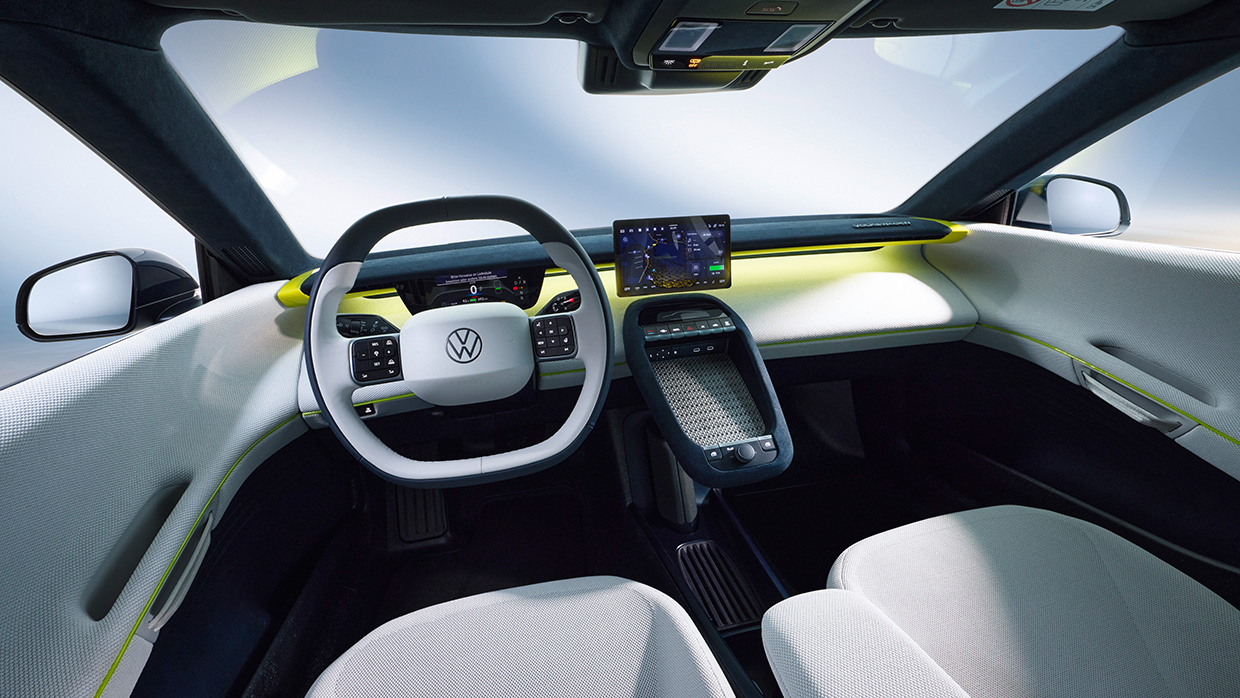
To reduce weight, complexity and cost, the Mission Efficiency has no speakers inside; instead there’s room for a “mobile Bluetooth box”. In lieu of a central multimedia screen, there’s a holder for your phone or tablet.
It all adds up. On a 1278km test run, the Mission Efficiency only needed one charge, and reached its destination with 164km left in the ‘tank’.
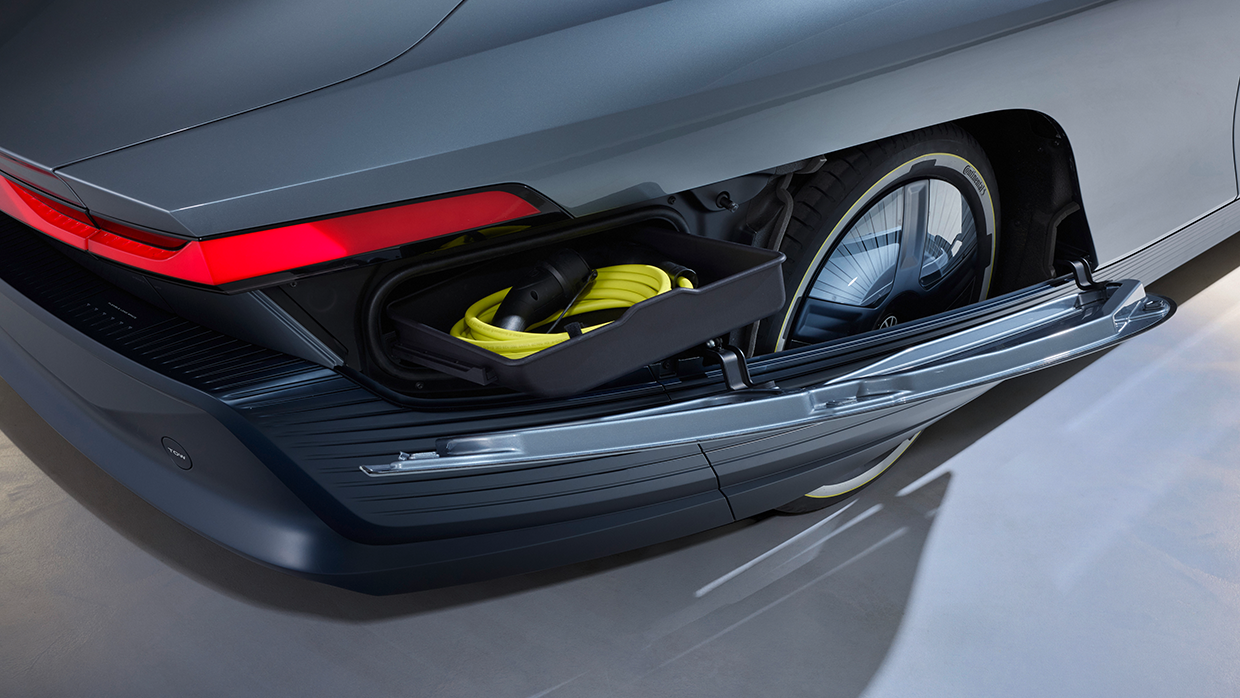
To preserve realism, VW gives the Mission Efficiency back seats suitable for people 160cm or less, and a 481L boot. A neat touch that could make production is a cubby hole behind the driver’s side rear wheel, which fits the charging cable.
Latest news
About Chasing cars
Chasing Cars reviews are 100% independent.
Because we are powered by Budget Direct Insurance, we don’t receive advertising or sales revenue from car manufacturers.
We’re truly independent – giving you Australia’s best car reviews.