Powered by

-
Car Reviews
Latest reviews
-
Car News
Latest news
-
Car Comparisons
Latest comparisons
- Chasing Deals
Latest reviews
Latest news
Latest comparisons

With a battery-electric version coming for mines and fleets, Toyota’s next Hilux step is likely to be hybrid
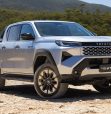
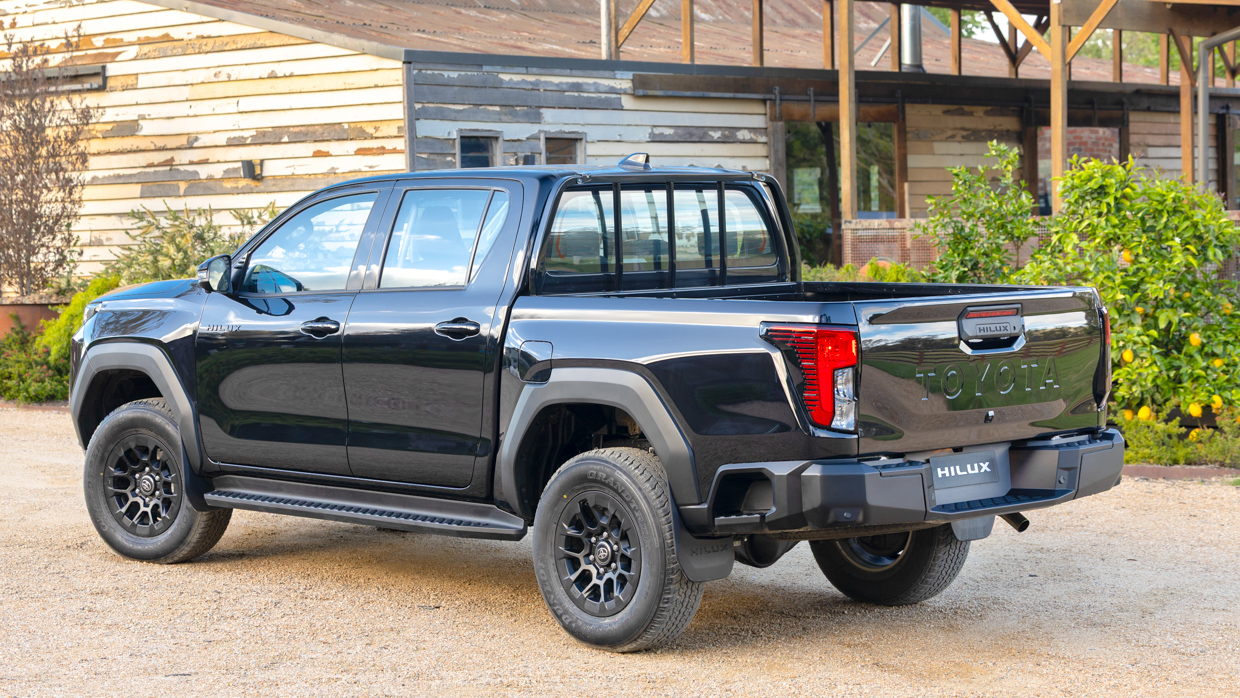
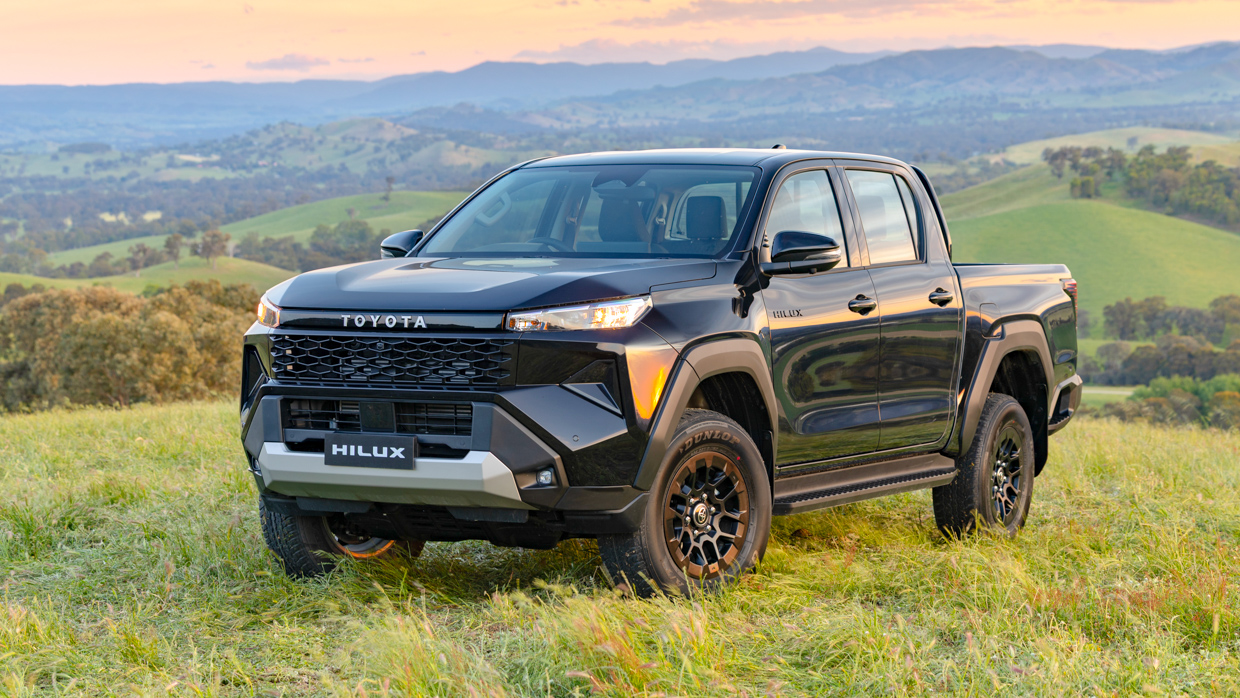
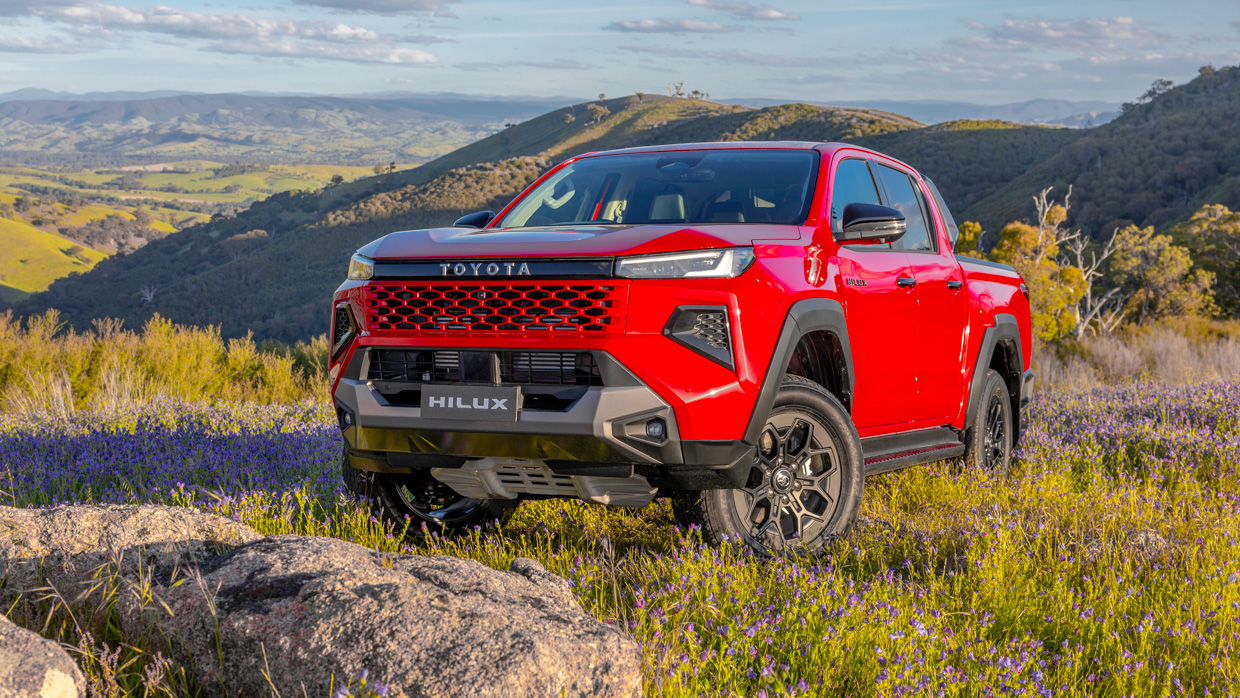
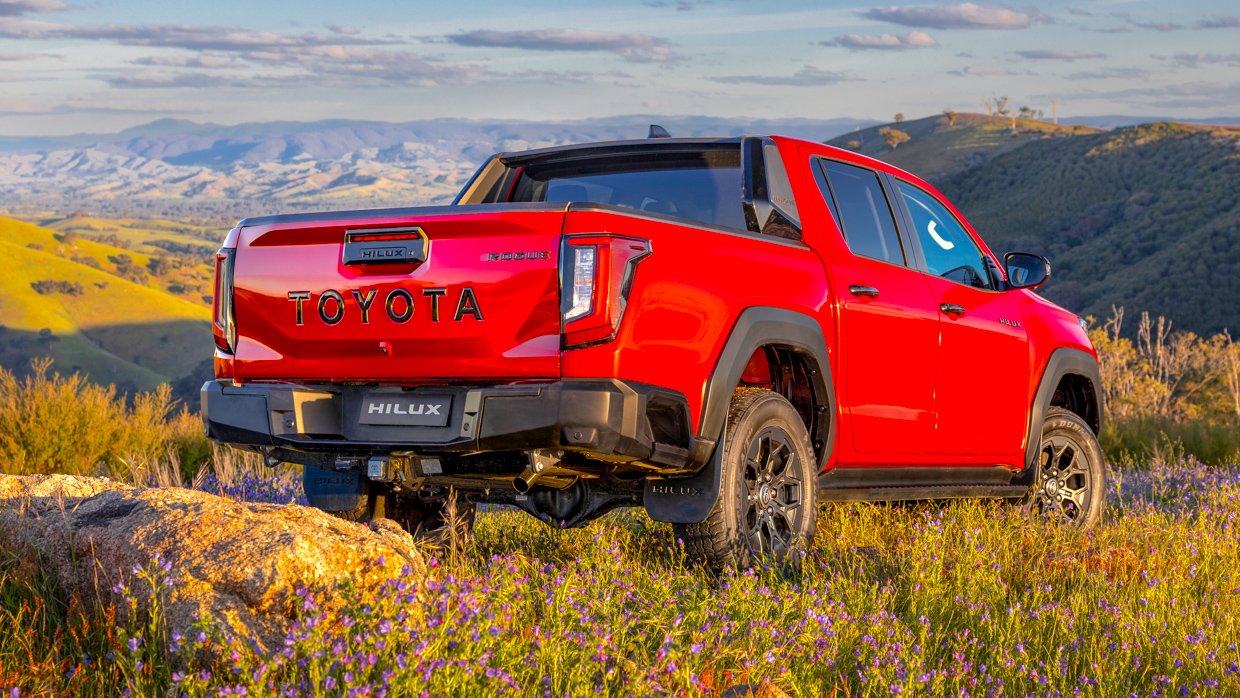
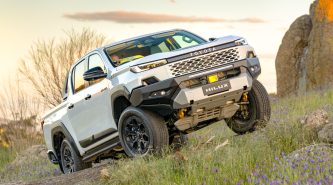
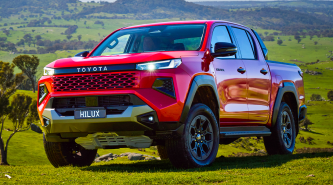
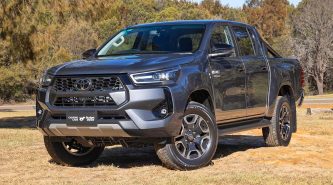
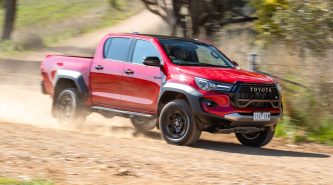
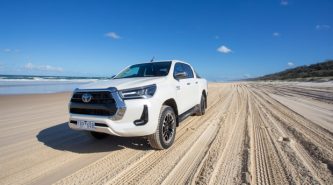
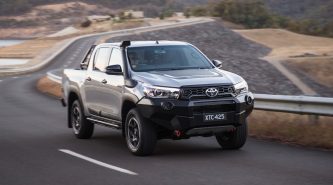
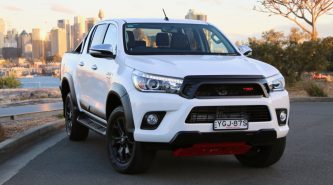
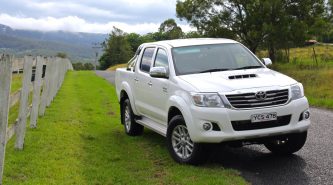
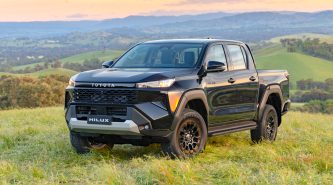
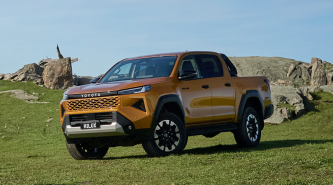
The ninth-generation Toyota Hilux has arrived in Australia with order books now open. The new ute, a heavily revised version of its predecessor, uses the same diesel engines and transmissions.
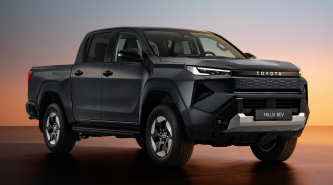
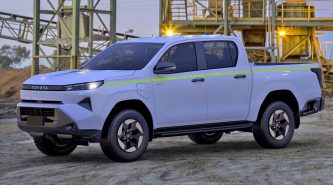
A battery-electric Hilux is due in the middle of next year, yet other utes such as the BYD Shark 6, have shown that plug-in hybrids can resonate with Australian buyers.
We asked Toyota Australia vice president sales, marketing and franchise operations Sean Hanley whether a hybrid Hilux would hit, and if or when one is coming to Australia.
“Well, there’s always an appetite for hybrid Toyota, that’s the first thing,” said a confident Hanley, before outlining that Toyota ultimately believes the consumer will dictate change — not government mandates.
“You’ve got to provide what the customer wants. In the end, we can want what we want, [the] government can want what they want for us to have, but if no-one buys it, it doesn’t matter. It’s irrelevant.”
Nearly half of all cars sold by Toyota in Australia have been hybrid this year. Plug-in is coming next year with the RAV4, which the brand anticipates will be strong. And we can’t ignore the BYD Shark 6’s sales figures — the electrified ute outsold the Volkswagen Amarok, Nissan Navara, Mazda BT-50, and nearly beat the Mitsubishi Triton in 2025.
Hybrids are already shining, but Hilux buyers are a little different, says Hanley, and need to rely on their vehicles’ dependability in ways that RAV4 and Corolla Cross customers often do not.
“Having said that, the technology may not be there for [a Hilux PHEV] to do what that car’s got to do at an affordable price. So your battery technology, the weight of the battery, the range, the towing capacity. It would be there but it may not be as good at the moment.
“There will be a period where that is easily good enough, if not better. At that period, you make the change,” says Hanley.
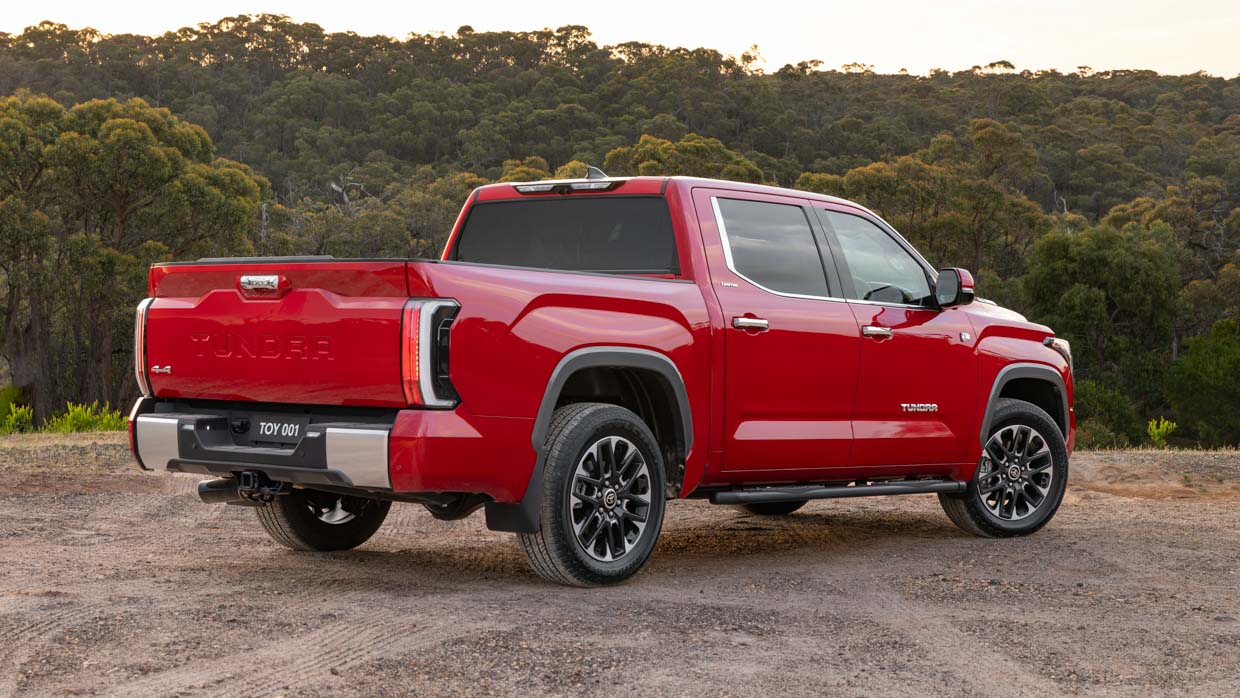
“Right now, under the conditions we understand about NVES, you’d need plug-in hybrid,” answers Hanley when asked if a series-parallel or Tundra/300 Series-like hybrid system would suit Hilux.
Toyota North America sells its Hilux size equivalent Tacoma with a petrol-electric powertrain, yet consumption is rated at around 10L/100km in its home market — much worse than the circa-8.0L/100km (depending on trim) of Australia’s diesel Hilux.
Without Euro 6 emissions standard (which targets NOx emissions) in force, Toyota’s Euro 5 compliant diesel suits the rules nicely enough.
For light commercial vehicles in Australia, the Euro 6d standard will come into force in July 2028 giving the Hilux two and half sales years before AdBlue exhaust fluid becomes mandatory.
It is at this point Toyota may need to also look at introducing hybrid versions of Hilux to keep total CO2 emissions in check — when asked about the regulation change, Toyota Australia senior product planning specialist Rod Lyons said “we’ll be ready.”
So far there are no details on a future plug-in hybrid Hilux, whether it would use a petrol- or diesel-powered combustion engine, battery size, or power outputs.
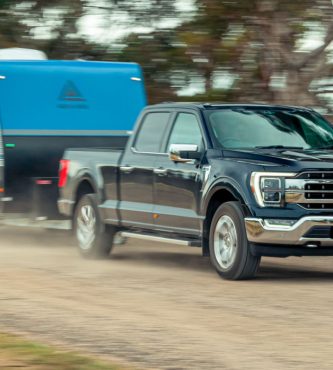
It is unlikely that Toyota would compromise a product such as Hilux, meaning that a 3500kg braked towing capacity, up to 1000kg payloads and off-road capability — likely with a true 4×4 system — are necessary.
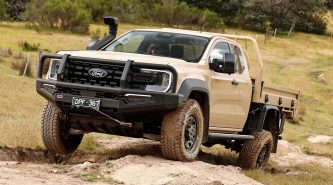
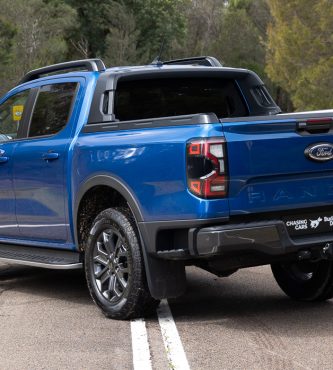
The BYD Shark 6 is currently limited to 2500kg towing but the GWM Cannon Alpha and Ford Ranger plug-in hybrids are both certified to tow 3.5 tonnes.
It is unlikely Toyota would chase big power outputs, with around 200kW and 600Nm probably adequate to match diesel performance. Combined range would have to be around 1000km, which would mean at least a 25kWh battery pack.
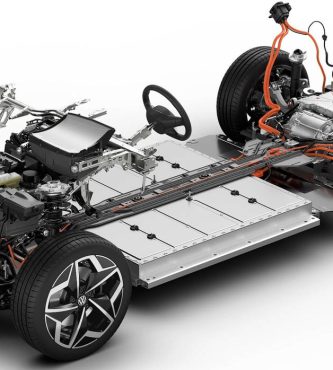
We know the Hilux can accommodate a large battery pack, with the battery-electric model carrying a 59.2kWh item for 240km WLTP driving range. It’s not exactly stellar.
Toyota has also confirmed that it is working on a hydrogen fuel-cell powered Hilux to augment the electric and diesel versions. Pricing is unconfirmed, but we expect them to be above diesel versions, likewise for any potential plug-in hybrid versions.
“One thing that I can say, Toyota has a lot of technologies… I think we’ll always be ready to respond to the market,” regional chief engineer Anyarat Stthibenjakul told Chasing Cars. “When the demand comes, we’ll be there.”
Latest news
About Chasing cars
Chasing Cars reviews are 100% independent.
Because we are powered by Budget Direct Insurance, we don’t receive advertising or sales revenue from car manufacturers.
We’re truly independent – giving you Australia’s best car reviews.