Powered by

-
Car Reviews
Latest reviews
-
Car News
Latest news
-
Car Comparisons
Latest comparisons
- Chasing Deals
Latest reviews
Latest news
Latest comparisons
The updated Solterra shows you can’t cut corners and end up with a great EV, even if greater range and a lower price materially improve the value proposition
When Japanese car companies aren’t sure if an investment is going to pay off, they tend to band together in alliances to spread the risk and pool any losses. Subaru and Toyota weren’t ready to individually go all-in on EVs, with the pair (correctly, it turns out) foreseeing a rocky road to full electrification in Western markets.
Hence, just as they had co-developed two generations of low-volume sports cars in the Subaru BRZ and Toyota GR86, the pair got back together to build near-identical midsize electric SUVs: the Solterra from Subaru, and the bZ4x from Toyota.
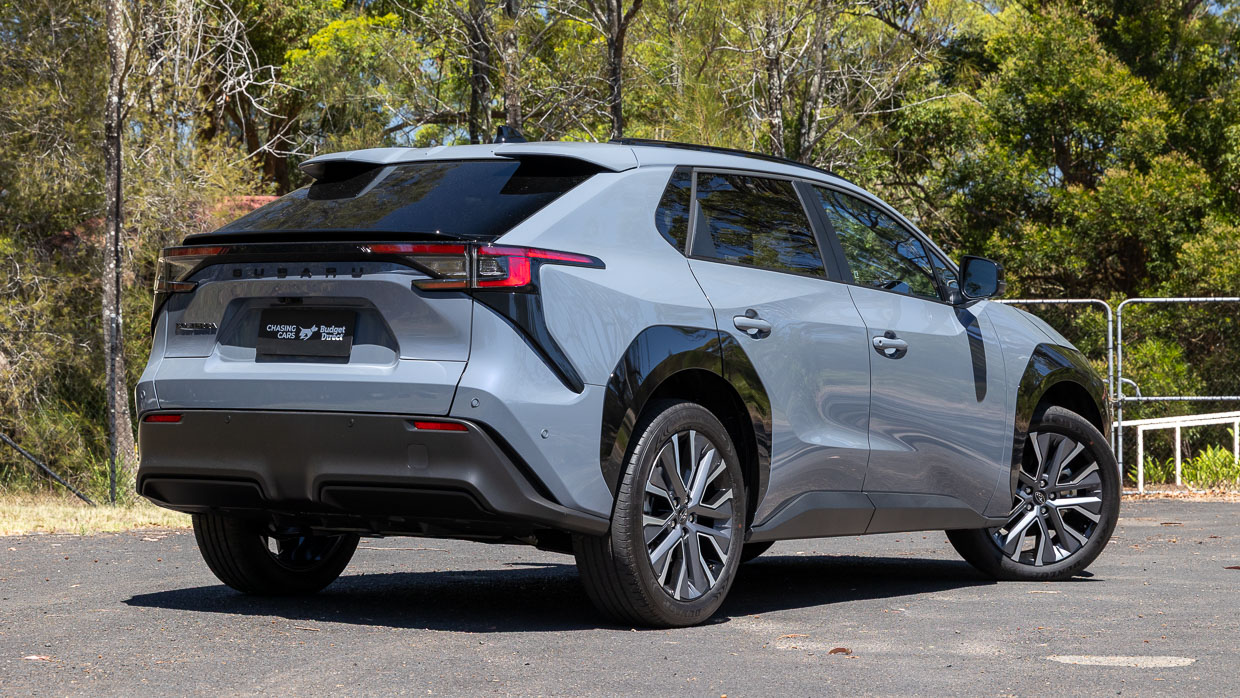
But there was a problem: the Solterra (and its Toyota counterpart) were late and underbaked when they were initially released abroad in 2022. By the time the EVs hit Australia in 2024, the small battery, short range, poor charging performance and high pricing torpedoed appeal.
For Subaru, any vindication it feels watching EV demand implode in its biggest market — the United States — would have to be tempered by the fact that electric car sales continue to grow in Australia and Europe: markets where governments tax EVs favourably.
Having noticed that the Solterra was outsold by the Tesla Model Y by a ratio of more than 100-to-one in Australia last year — and with the bZ4x not faring much better — Subaru and Toyota have pushed through an earlier-than-expected major upgrade.
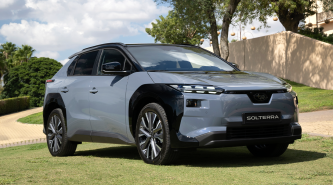
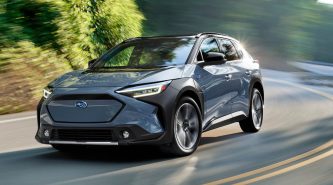
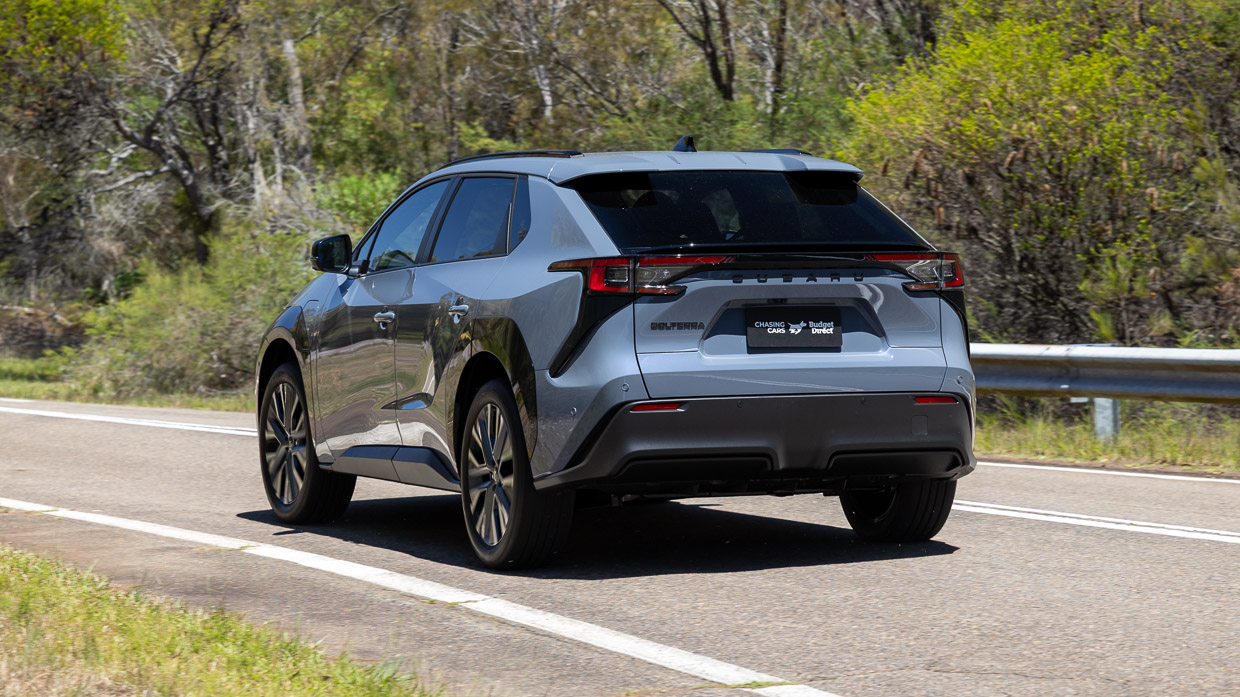
Designed to boost its appeal and sales performance, the Solterra has received key changes for 2026. Prices have been slashed by up to $7000, while a new CATL-built battery is larger and efficiency has been improved for considerably more range — up to 566km (WLTP).
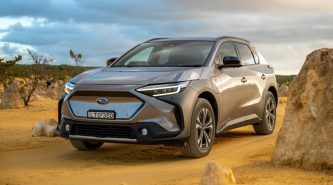
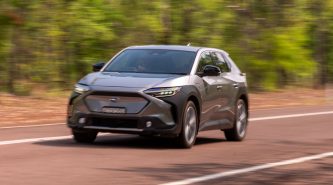
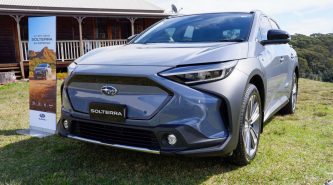
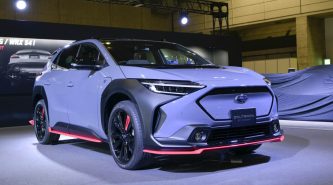
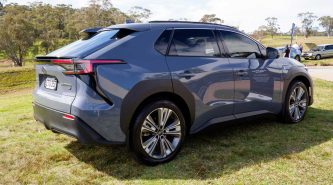
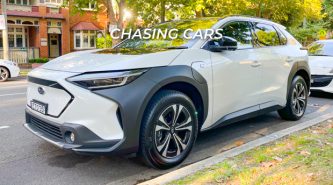
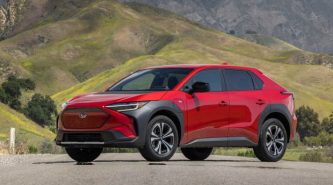
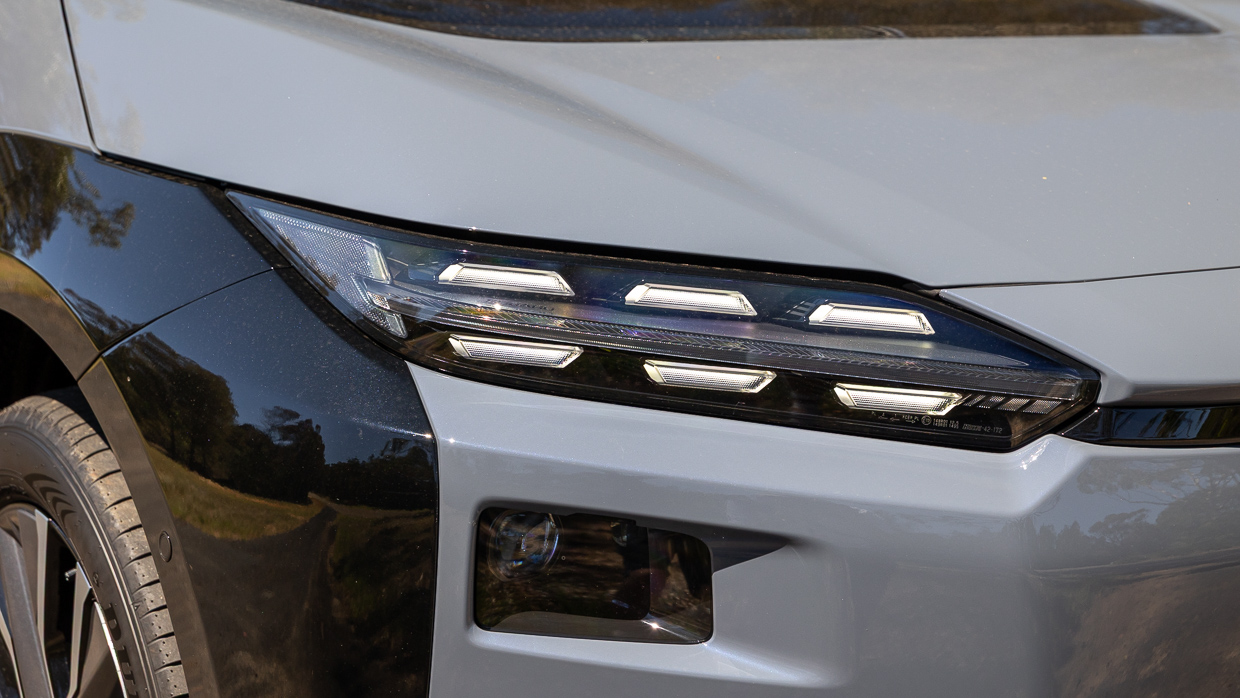
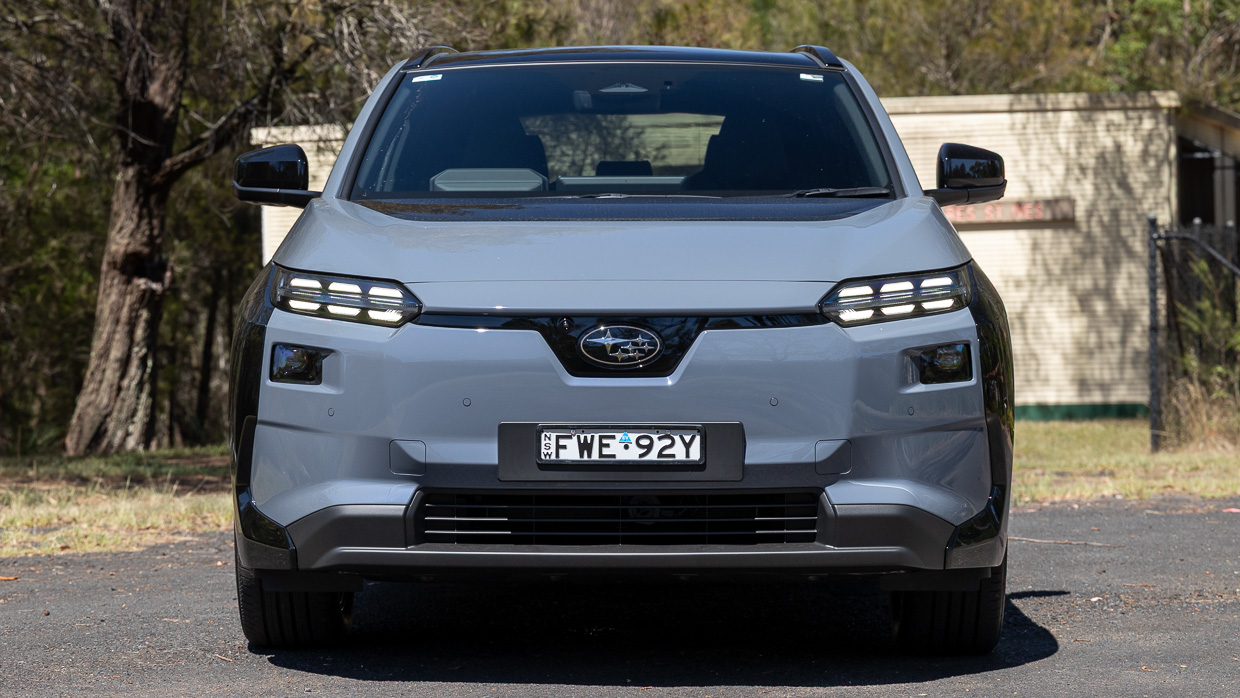
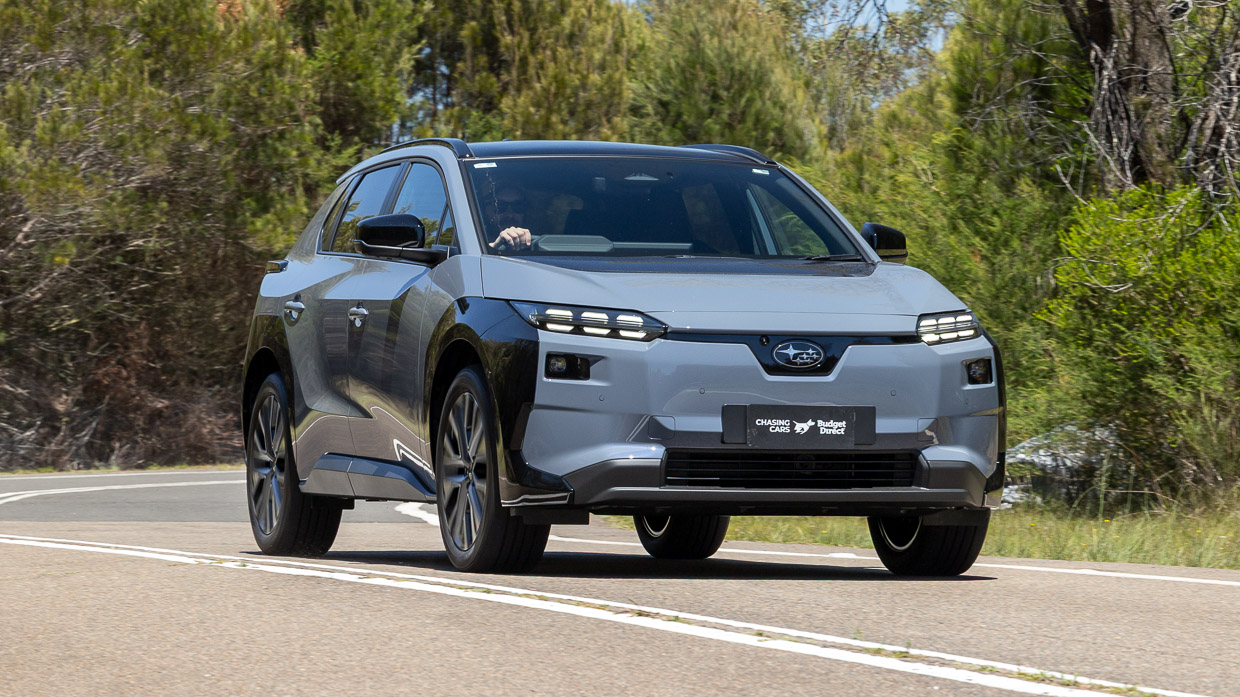
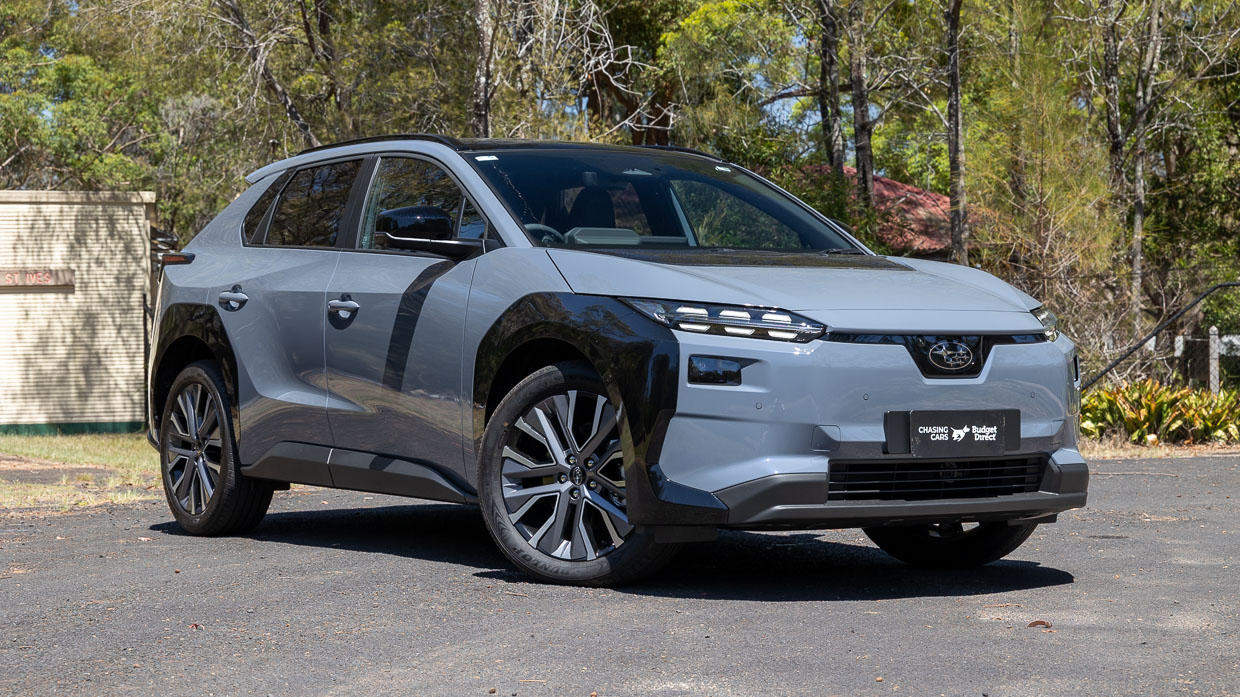
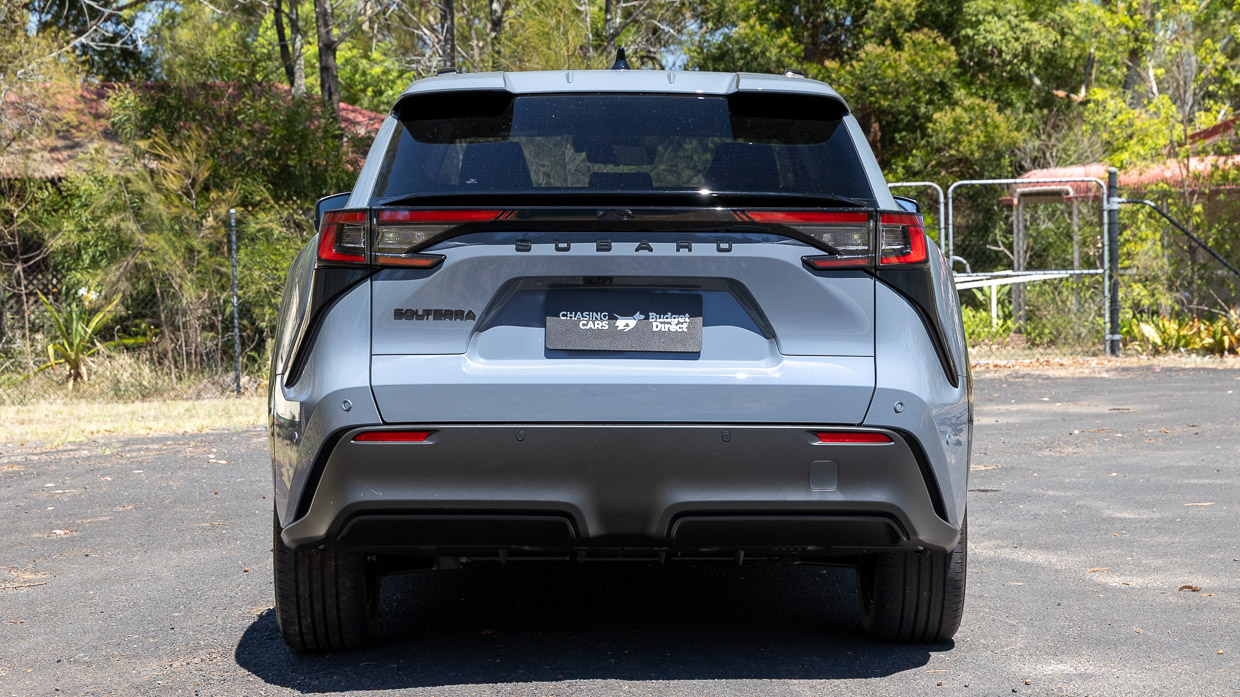
Outside, new bumpers, lights, gloss cladding, and fresh wheel designs are remarkably effective. The cabin has been spruced up to more closely match the promise of a circa-$70K car, with a Lexus-sourced 14-inch touchscreen and upgraded materials.
Luckily for Subaru, the winds have shifted (a bit) in Australia’s EV landscape. Mass take-up of the federal government’s fringe benefits tax waiver for EV leases has occurred just as Tesla ownership has become polarised, making space for other brands to be considered. The Model Y is no longer the default choice.
Rival brands such as China’s BYD and Korea’s Kia are making hay in this situation — they are selling solid numbers of EVs here — and Subaru will now have a proper crack.
Two trim grades continue, with the entry point now priced at $63,990 (–$6000) and bundling 18-inch alloys, the new screen, LED headlights, dual 15W wireless chargers, heated steering wheel, heated and powered front seats, ambient lighting, wireless CarPlay/Android Auto, dual-zone climate control and a power tailgate.
The Touring ($69,990, down $7000) on test here looks best with 20-inch multi-spokes, a fixed panoramic glass roof (with sunshade), 10-speaker Harman/Kardon stereo, memory for the driver’s seat, automated parking, and tilt-down side mirrors. Vinyl upholstery can be replaced with real leather (in unusual black-and-blue) for $1500.
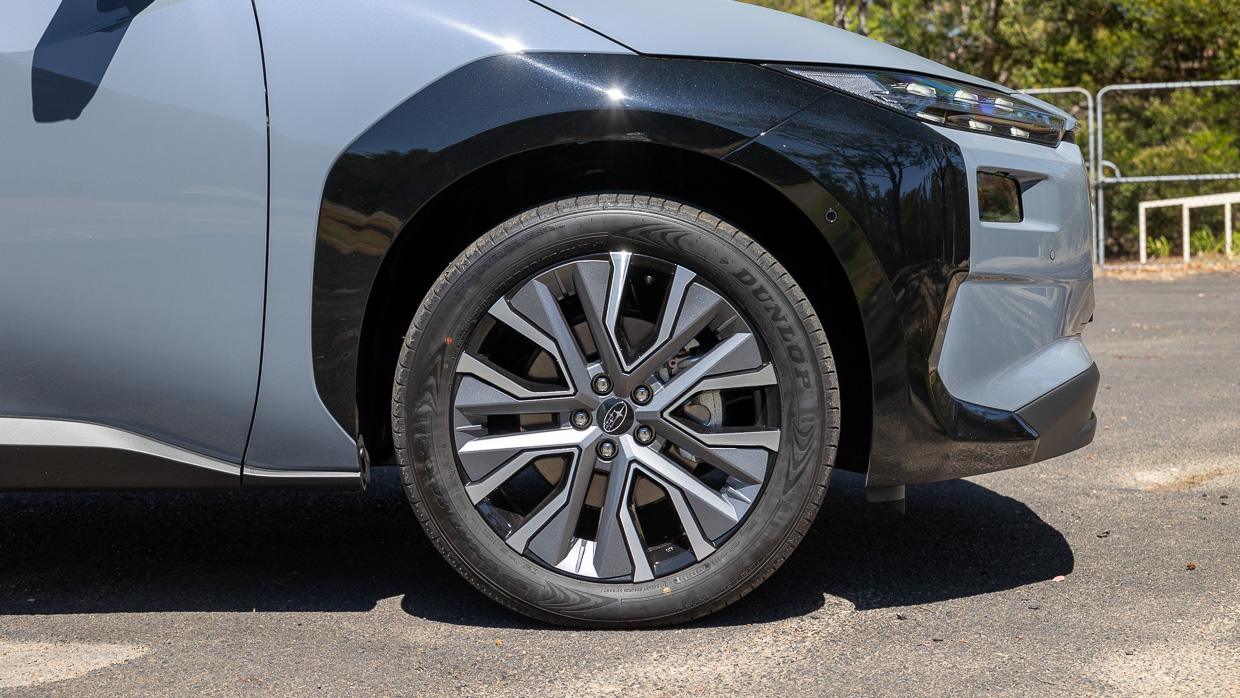
What’s missing is a true base model to better take on the Model Y Rear-Wheel Drive. In part, Subaru is hemmed in by its AWD-geared reputation precluding a cheaper, more efficient 2WD base model. But either way, there’s no sub-$60K spec here.
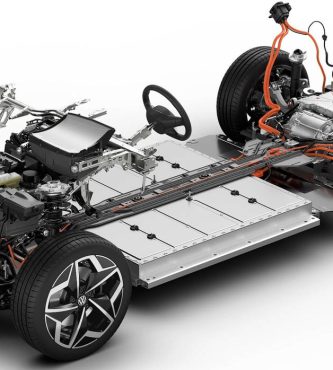
Toyota did most of the work on the common platform that underpins the Solterra, though Subaru was responsible for this EV’s well-judged all-wheel-drive control software. Beneath the skin, the Solterra (and bZ4x) ride on an adapted version of the Toyota Global Architecture platform used by cars like the Camry and RAV4 hybrid.
Transforming the chassis into a chassis that can support full electrification required moving some key components to create space for a large-ish battery, though there is no frunk with electrical components taking the place of where an engine once sat.
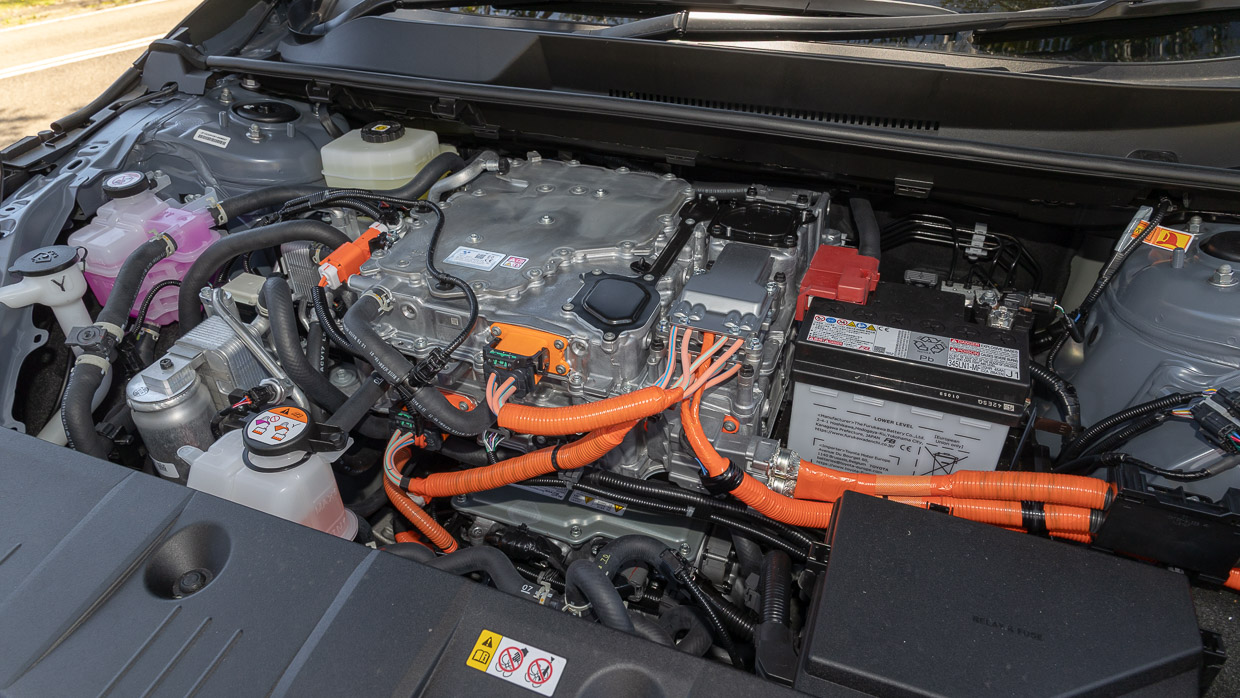
There are some EVs that use adapted combustion car platforms that drive quite well (such as the BMW i4, or the Hyundai Kona), but in the Subaru Solterra you feel some of the inherent compromises quite clearly.
Mechanical adjustments for 2026 included a new front subframe, recalibrated damping, lighter front control arms and a more rigid body, all of which has helped.
But while the Solterra has competent handling (marked out especially by excellent grip levels), its ride quality is mediocre even if we acknowledge it’s better than before. On glossy-smooth surfaces, some inherent goodness of the platform shines through and the Solterra isn’t a bad steer (despite oddly heavy, single-mode steering).
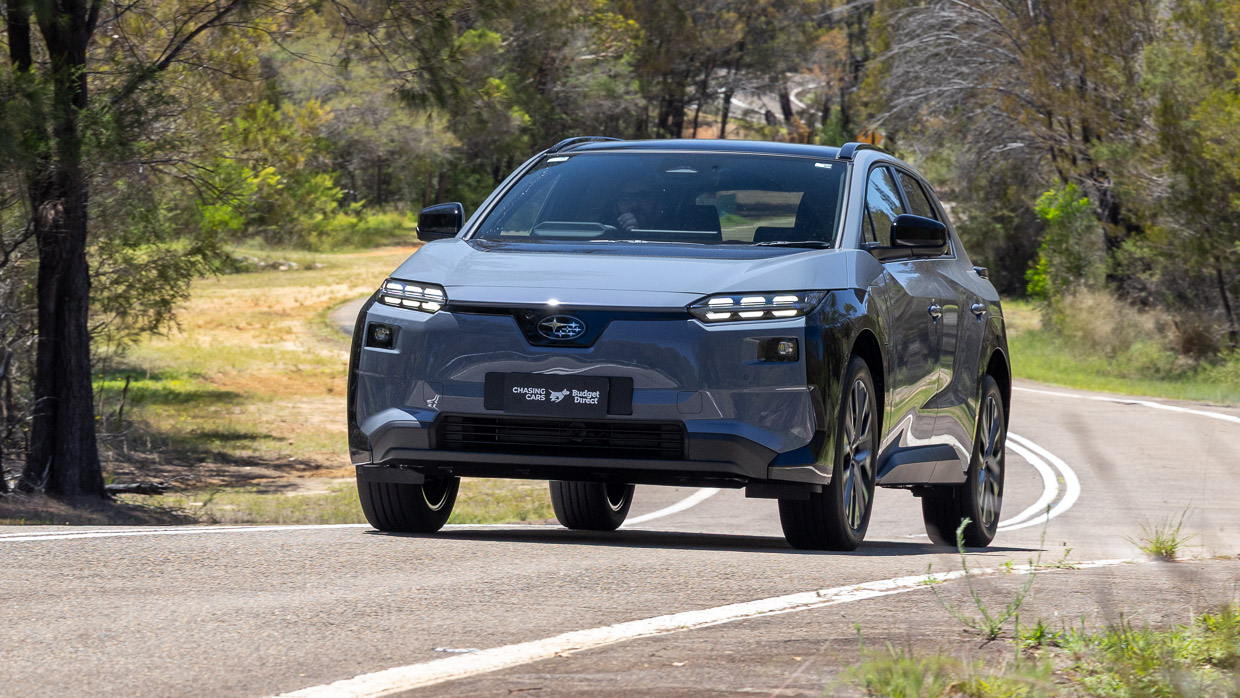
Introduce bumps, potholes and especially expansion joints into the mix and the serenity falls apart fast, with an extra helping of bump slap jarring into the cabin on concrete slab surfaces.
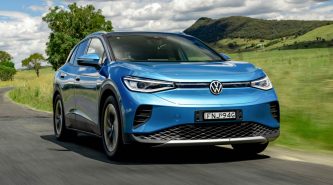
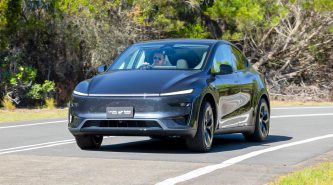
There’s a terseness to the ride that makes the Solterra feel a bit like a RAV4 up on stilts, with the feeling exacerbated by the Touring’s 20-inch wheels and low-profile rubber. It simply doesn’t ride as well as a Volkswagen ID4, a Zeekr 7X, or even a facelifted Tesla Model Y.
That’s a shame because the Solterra handles well enough, and it’s quick. With 252kW/437Nm on tap (albeit with a front bias of 65 percent), the Solterra is the most powerful production Subaru ever — more than any STI.
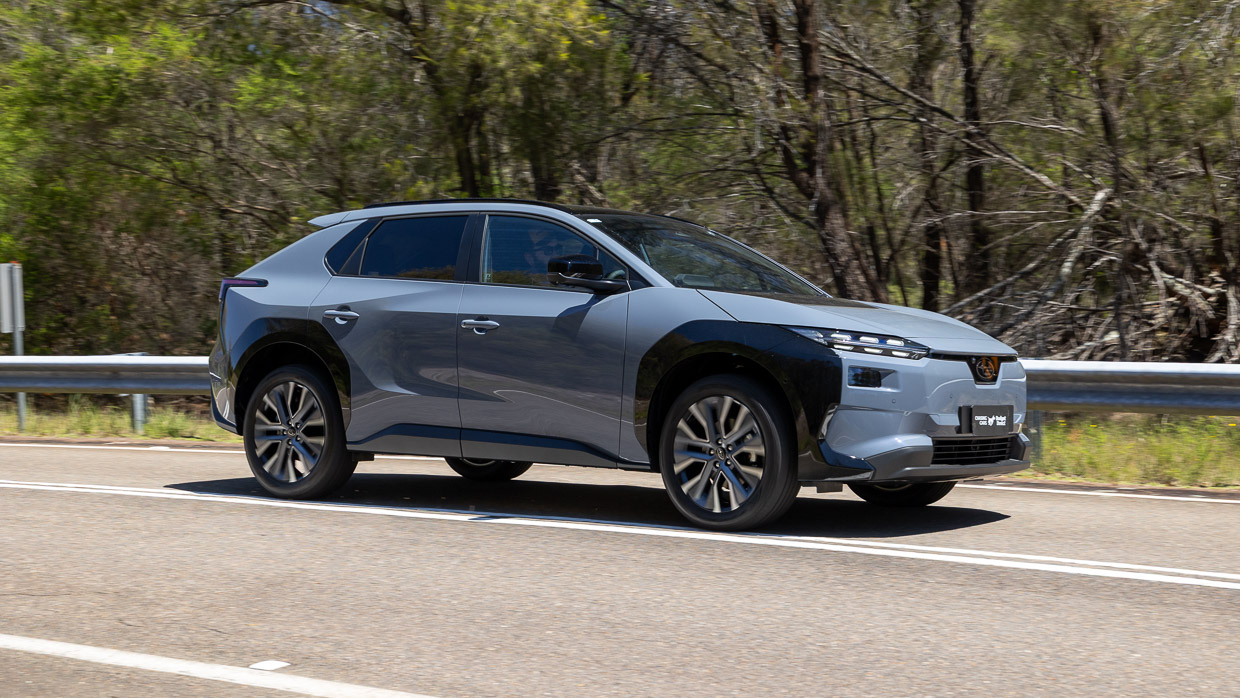
Good-quality Dunlop SP Sport Maxx rubber means the Solterra has no trouble putting that power to the road and its limits in the corners are higher than expected. Regen braking, with levels adjusted via paddle shifters, felt quite natural.
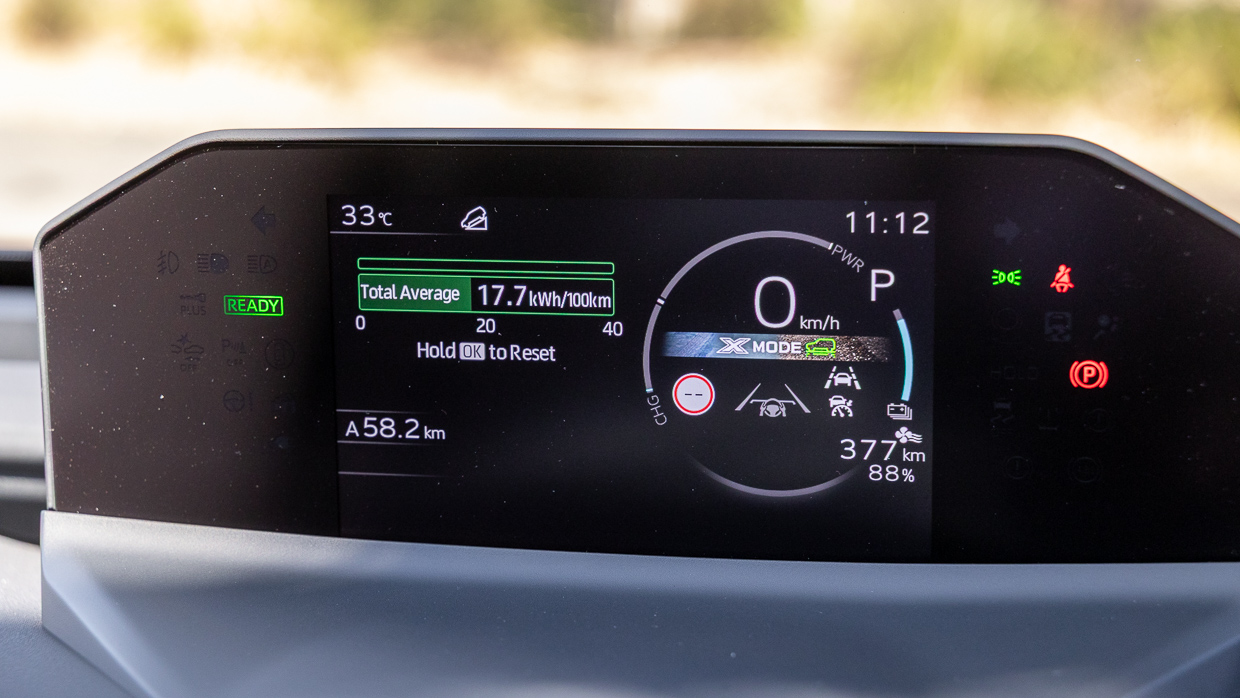
As well as installing a bigger battery, Subaru and Toyota appear to have worked on the efficiency of the electric motors as the Solterra’s consumption dipped to 14.5kWh/100km (urban) or 16.5kWh/100km (highway) on our test.
Calculating the real-world range was harder than we expected because identifying the usable size of the battery — the bit you can access as an owner, rather than the buffer — was hard.
Our own deep-charge testing indicated that around 71kWh of the battery’s 74.7kWh of capacity is available to use, working out to real-world range of 489km (urban) or 430km (highway), compared to Subaru’s claim of 517km (WLTP) in combined driving.
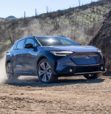
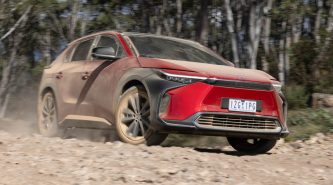
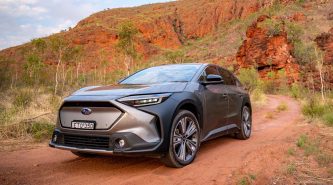
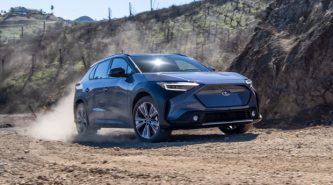
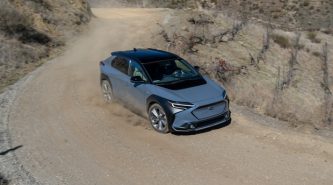
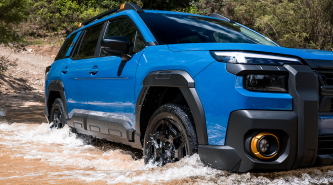
An area in which the Solterra is well ahead of key rivals is off-road. With dual-motor AWD standard here, Subaru did good work on the X-mode AWD control system with wheel slip well-contained. Still, the lack of a spare wheel limits confidence on gravel.
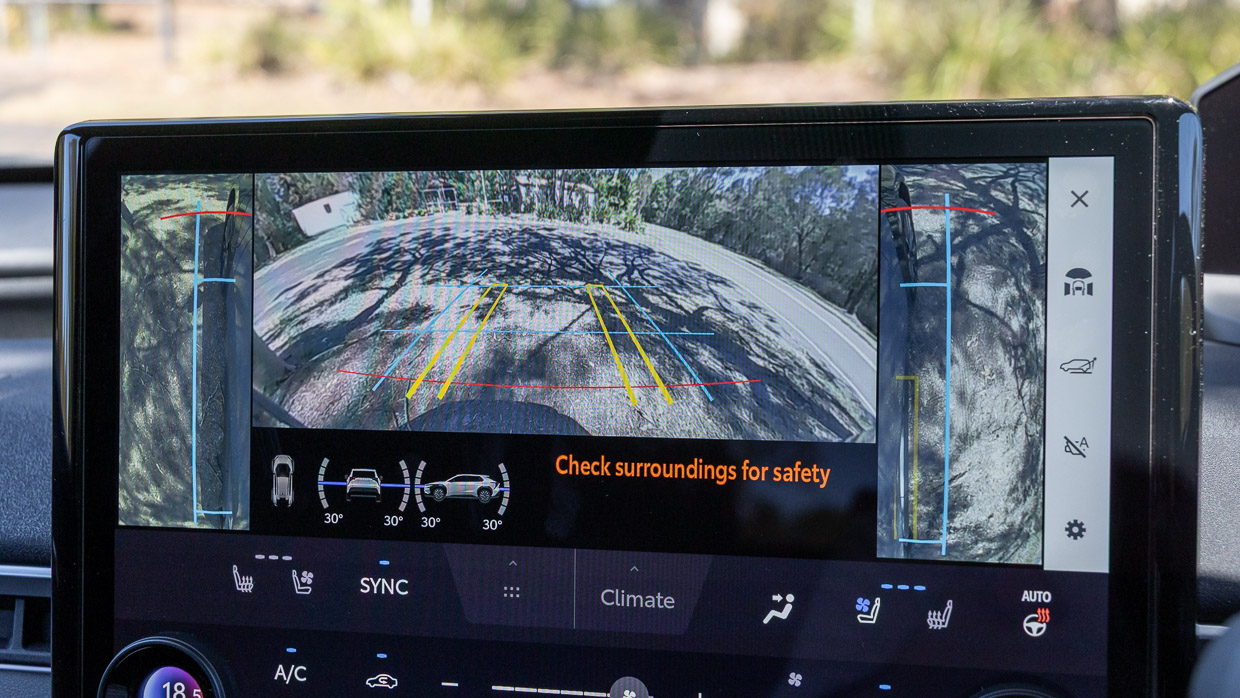
Like most new cars, the Solterra is fitted with a broad range of adaptive safety features; we found the 360-degree parking camera to work well. The adaptive cruise control and lane-keep assist also performed enough (noting the lane assistance technology is less slick than that of Tesla’s Autopilot or Volkswagen’s Travel Assist).
Most frustrating was the driver attention monitoring, which was completely overzealous in our testing — often beeping and demanding the driver sit up despite being in a safe, and normal, driving position.
When the Solterra launched, its vaguely spacey exterior design (with bulk matte cladding) and futuristic interior presentation (with prominent instrumentation sans-cowl) stood out considerably more than its middling driving dynamics.
The recent facelift has toned down the visual distinctiveness but inside, the Solterra remains the most avant-garde Subaru by a big margin. Technology is brought to the fore in a way that states this is an EV, not a ‘normal’ car.
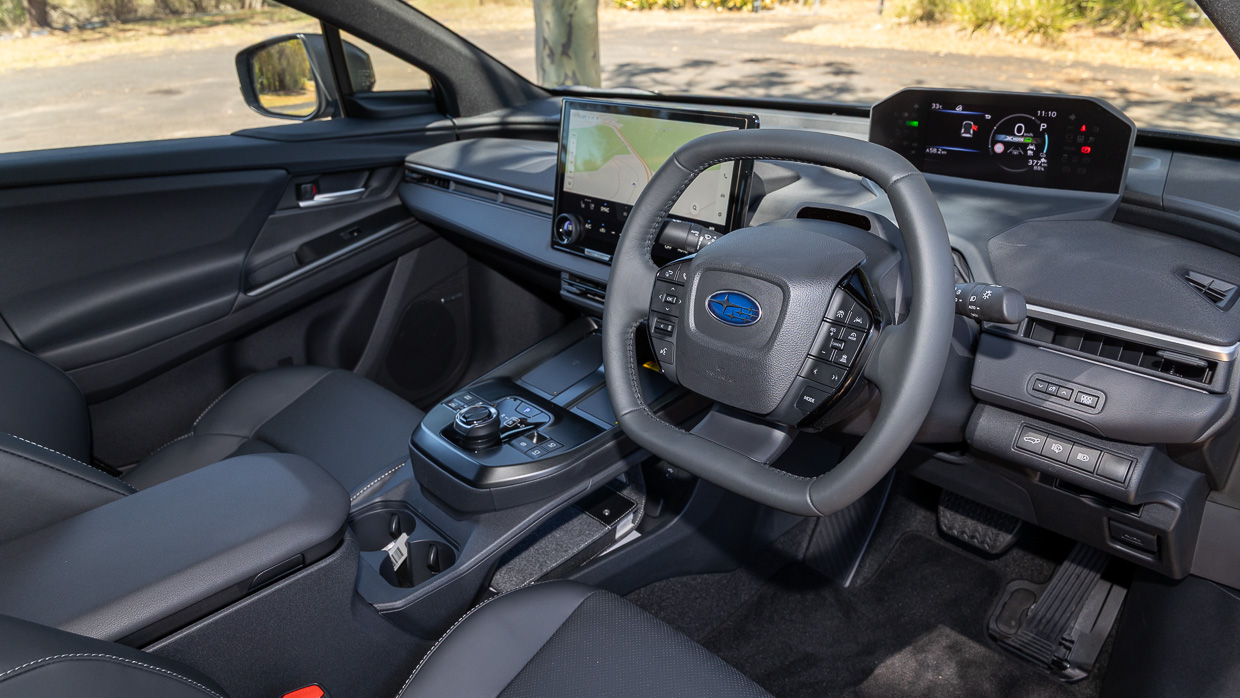
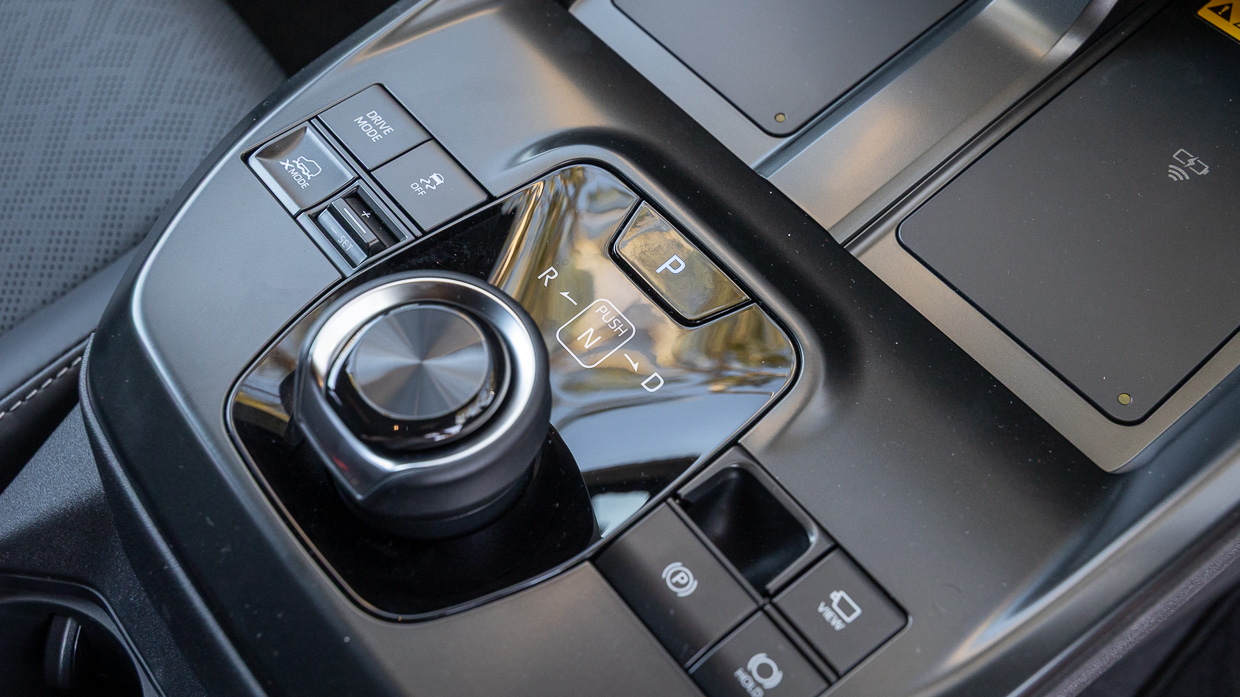
One element maintained since launch is the steering squircle — it’s not accurate to call it a wheel. The rounded rectangle houses a full complement of physical shortcut buttons. Also kept around for 2026 is a slightly finnicky direction selector, with drive or reverse selectable by first pressing down a central ring.
In a move that apes a similar feature on the Tesla Model Y, dual wireless device chargers are new for 2026, and we found phones charged consistently on either pad.
An older, smaller infotainment screen has been replaced by a larger, brighter unit nabbed from contemporary Lexus models. The 14-inch canvas is wide but not tall, though Apple CarPlay and Android Auto are rendered, wirelessly, well enough.
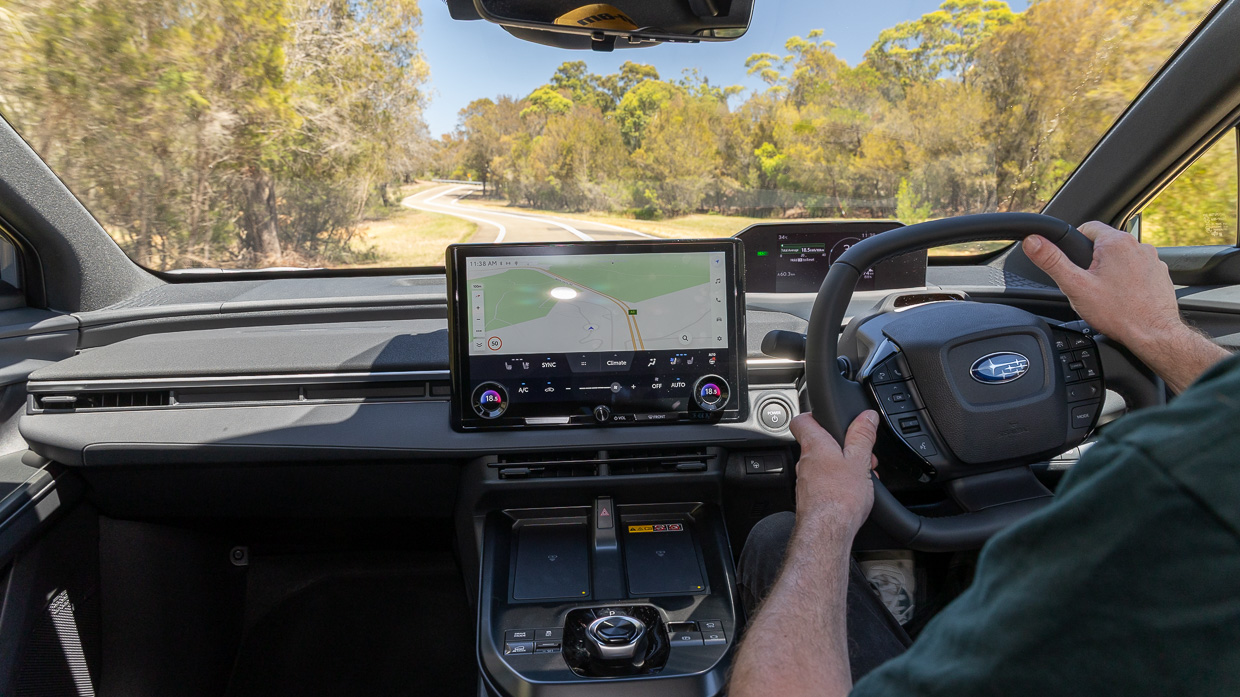
Temperature dials and other basic dual-zone climate controls always remain on screen. The native software — seen when smartphone mirroring is not in use — is straightforward but customisation is much more limited than in a Tesla or Zeekr.
Our test car was built well but there were some software glitches in the main touchscreen: altering the AC charging amperage or maximum charging percentage simply wouldn’t stick no matter how many times we inputted our request.
The front seats are comfortable with good back support for long journeys — though only the driver benefits from in/out lumbar adjustment. Heating is standard, with the Touring grade picking up must-have seat ventilation. It’s a massive help in summer.
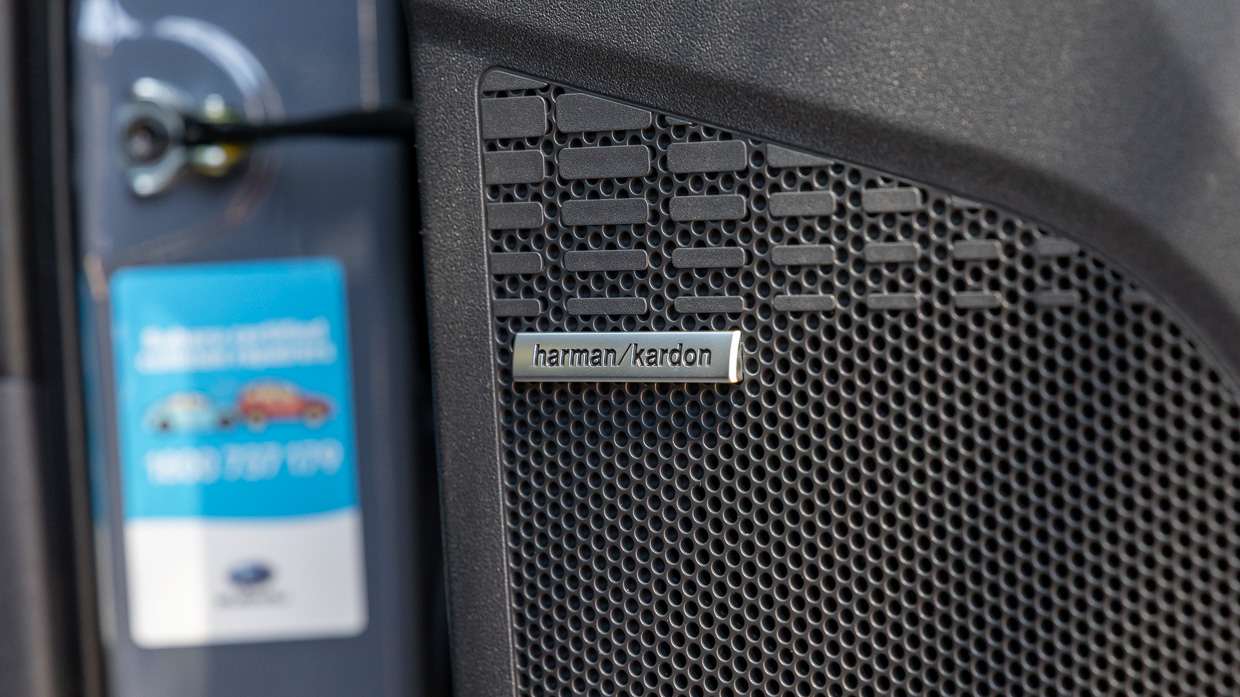
Sound quality from the 10-speaker Harman/Kardon stereo was only acceptable, though, and if not for the H-K branding we wouldn’t have thought the car had premium audio.
Material quality has been marginally improved in the recent facelift though softer trimmings to the centre console didn’t extend to where our knees rested against it.
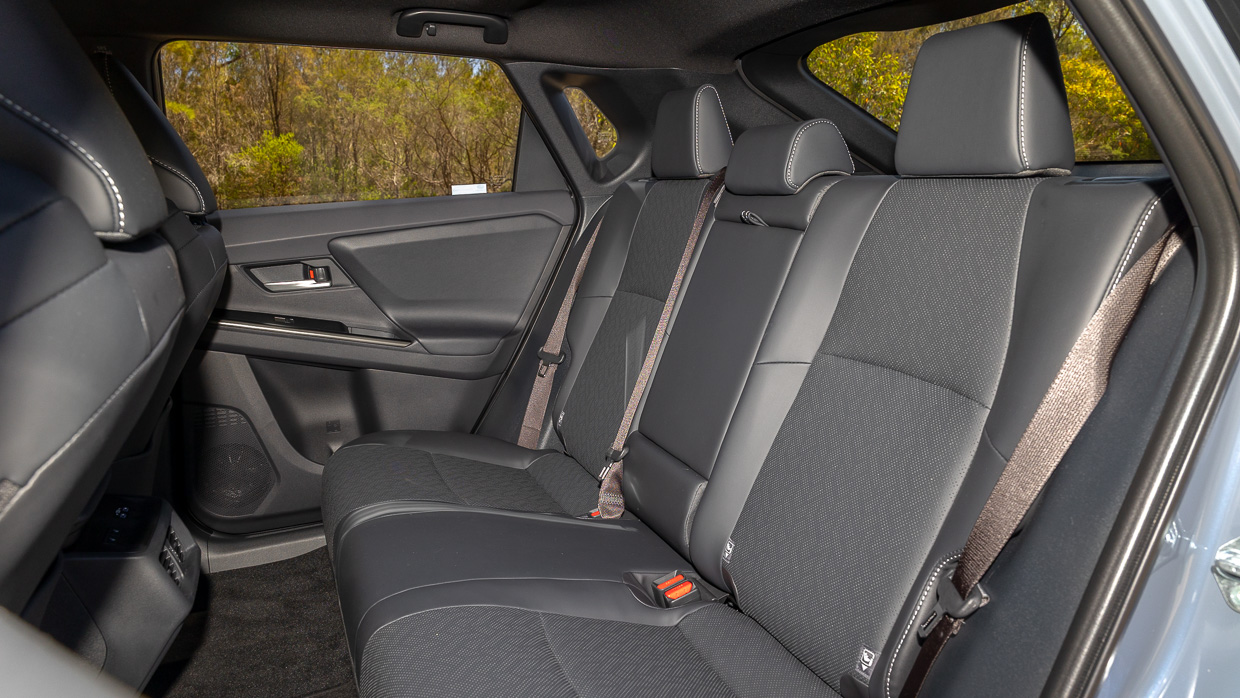
Move into the back and outright space is good but comfort is not. Legroom and headroom for six-footers is more than adequate, but the Solterra is another EV that suffers from a high floor (thanks to the battery) and a rear seat base that is simply way too low.

Teens or adults will find their knees floating with no thigh support which makes long journeys quite tiring. At least there are standard rear vents and USB-C ports.
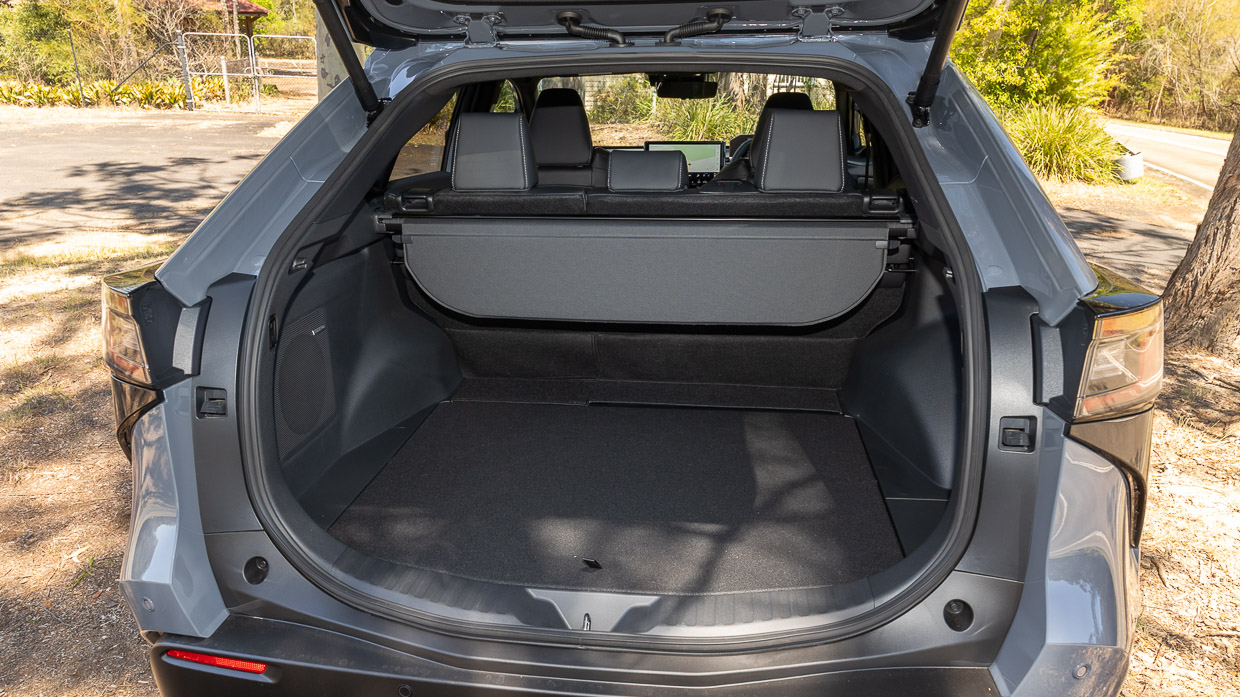
Cargo room measures 410 litres, which is small for the class (and around half the boot space of a Tesla Model Y) and while the back seats fold flat 60/40, there’s no frunk.
A recent facelift has ushered in some meaningful improvements to the Subaru Solterra. It now has longer range, more power, it looks better, and it’s quite a bit cheaper.
Objectively, all of those things make the Solterra a better car and in particular, Subaru fans that are ready to go fully electric should at least test drive this SUV.
The problem is that some of the Solterra’s direct rivals are better to drive, ride more comfortably, are more spacious, and sometimes are even cheaper to buy.
Chinese options like the BYD Sealion 7 and especially the Zeekr 7X offer astonishing value for money, if not standard-fit AWD at the same entry price as the Subaru.
Meanwhile, European alternatives like the Volkswagen ID4 and Skoda Enyaq demand consideration with superior driving dynamics that feel better-suited to Australian roads.
And then there’s the Tesla Model Y. The brand isn’t everybody’s cup of tea but sensational efficiency, packaging and decent dynamics mean it demands consideration.
Where does that leave the Subaru Solterra? Ultimately, in a niche position. It’s the only Subaru EV you can buy (for now) and it does have particularly good AWD software.
Sadly, the rest of the package suffers from the compromises baked into the Solterra’s platform. There’s a feeling that Subaru did the Solterra by halves.
By getting this electric model to market quickly and cheaply, Subaru has avoided overspending on its EV platform when electric car demand has waxed and waned.
But the same decisions mean the Subaru EV also feels less fit-for-purpose than rivals that benefitted from additional development time and expense.
Key specs (as tested)
About Chasing cars
Chasing Cars reviews are 100% independent.
Because we are powered by Budget Direct Insurance, we don’t receive advertising or sales revenue from car manufacturers.
We’re truly independent – giving you Australia’s best car reviews.
The estimate provided does not take into account your personal circumstances but is intended to give a general indication of the cost of insurance, in order to obtain a complete quote, please visit www.budgetdirect.com.au. Estimate includes 15%^ online discount.
^Conditions Apply
Budget Direct Insurance arranged by Auto & General Services Pty Ltd ACN 003 617 909(AGS) AFSL 241 411, for and on behalf of the insurer, Auto & General Insurance Company Limited(ABN 42 111 586 353, AFSL 285 571).Because we don’t know your financial needs, we can’t advise you if this insurance will suit you. You should consider your needs and the Product Disclosure Statement before making a decision to buy insurance. Terms and conditions apply.
Indicative quote based on assumptions including postcode , 40 year old male with no offences, licence suspensions or claims in the last 5 years, a NCD Rating 1 and no younger drivers listed. White car, driven up to 10,000kms a year, unfinanced, with no modifications, factory options and/or non-standard accessories, private use only and garaged at night.
^Online Discounts Terms & Conditions
1. Discounts apply to the premium paid for a new Budget Direct Gold Comprehensive Car Insurance, Third Party Property Only or Third Party Property, Fire & Theft Insurance policy initiated online on or after 29 March 2017. Discounts do not apply to optional Roadside Assistance.
2. Discounts do not apply to any renewal offer of insurance.
3. Discounts only apply to the insurance portion of the premium. Discounts are applied before government charges, taxes, levies and fees, including instalment processing fees (as applicable). The full extent of discounts may therefore be impacted.
4. We reserve the right to change the offer without notice.