Powered by

-
Car Reviews
Latest reviews
-
Car News
Latest news
-
Car Comparisons
Latest comparisons
- Chasing Deals
Latest reviews
Latest news
Latest comparisons
The interior might have taken a step back, but incredibly well-resolved ride and handling and a slick plug-in hybrid system shows us Audi can still engineer a great car
Plug-in hybrids (PHEVs) were nearly written off by the car industry just five years ago. Early examples of the powertrain were typically unrefined and janky — and with full battery EVs (BEVs) looking like the future, carmakers were mad-keen to dump hybrids post haste.
But then reality set in. While cheap BEVs arrived, petrol-like range and refueling capability didn’t, and BEV demand growth slowed dramatically — opening the door to a PHEV resurgence.
Governments, meanwhile, kept pushing emissions reductions. Australia’s New Vehicle Emissions Standard (NVES) rewards BEV sales…but also PHEV sales, and with Europe now adopting a similar stance, the result has been a surprise PHEV renaissance ushering in slicker hybrid systems, usable electric range and more realistic pricing.
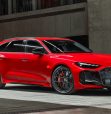
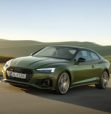
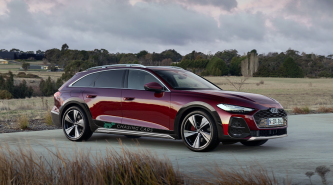
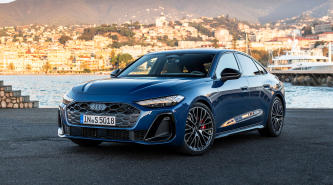
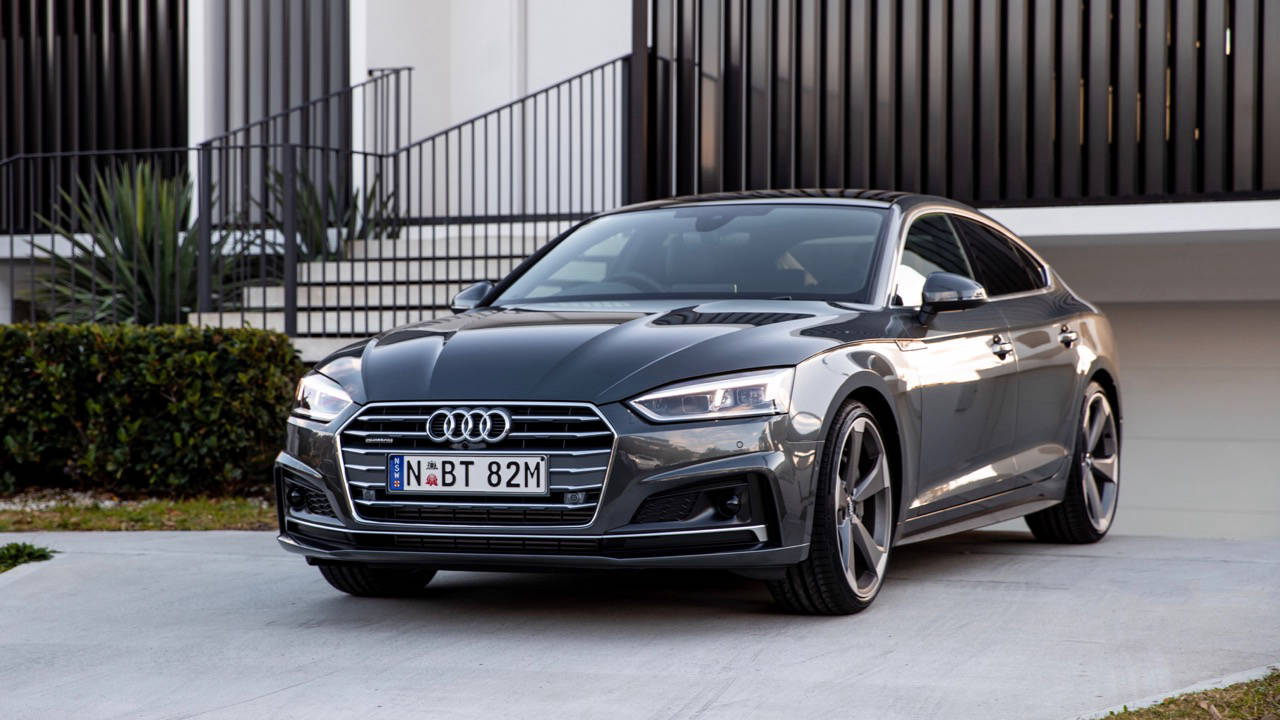
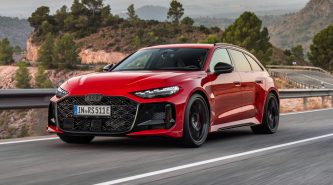
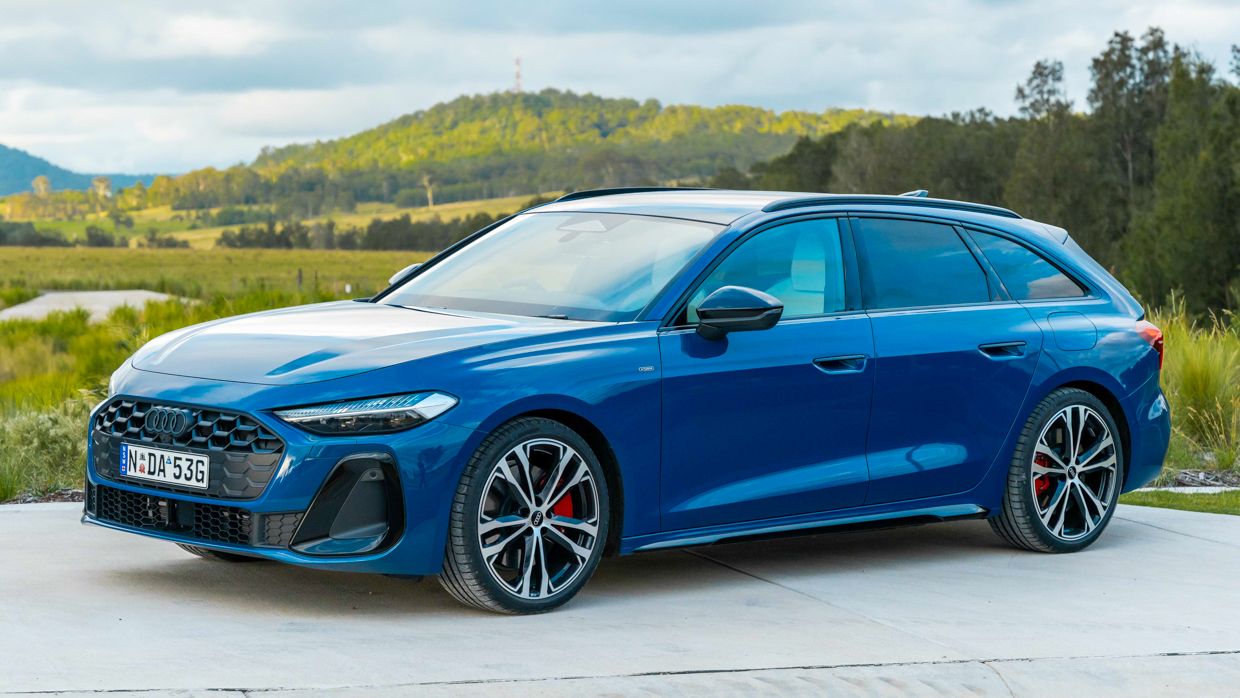
Audi is a good example of this reinvention. The A5 e-hybrid (new Audi parlance for PHEV) starts well: it’s a good-looking car with conventional proportions, available in Sportback or Avant (wagon, as tested here). There are no shouty hybrid or EV cues here.
Underneath, the electrified A5 combines quattro AWD and a twin-clutch automatic with what is basically a Golf GTI engine (185kW/370Nm) and a proper electric motor (105kW/350Nm). They run separately or together, for 270kW/500Nm, and can produce a 0-100km/h result of 5.1 seconds.
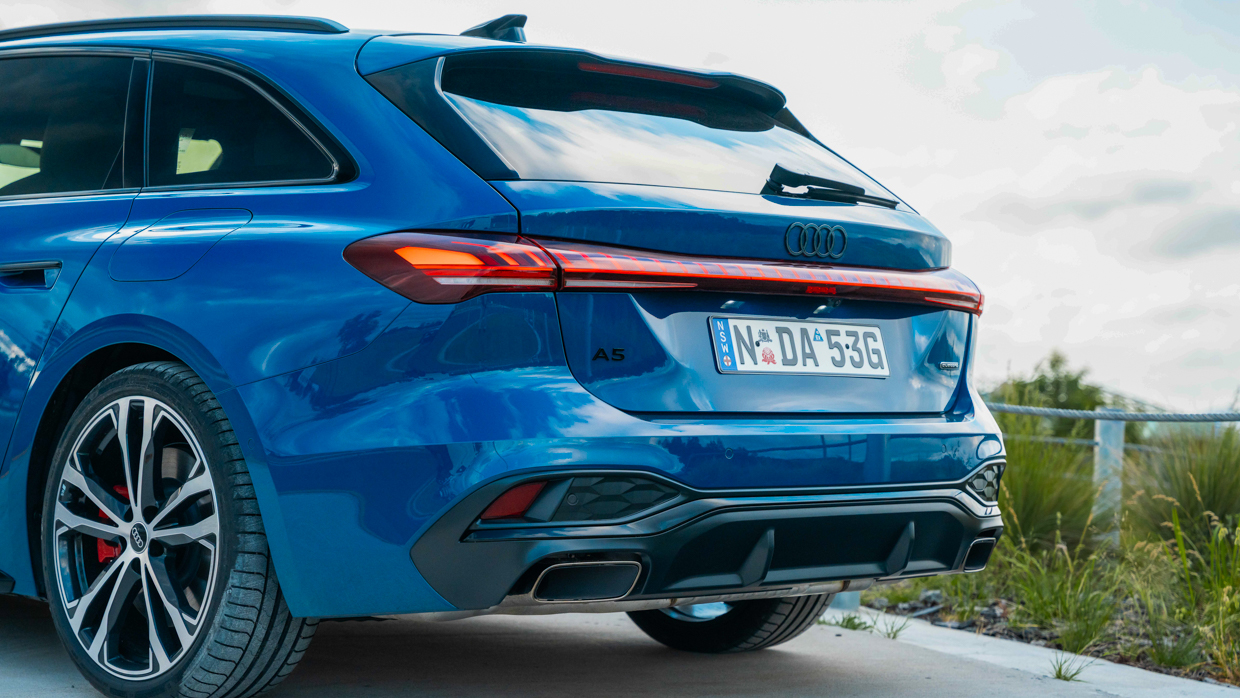
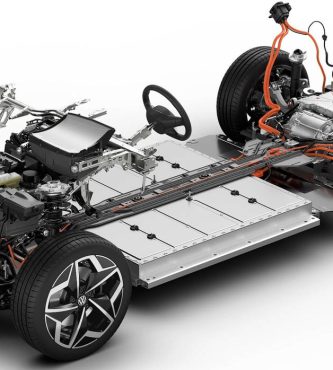
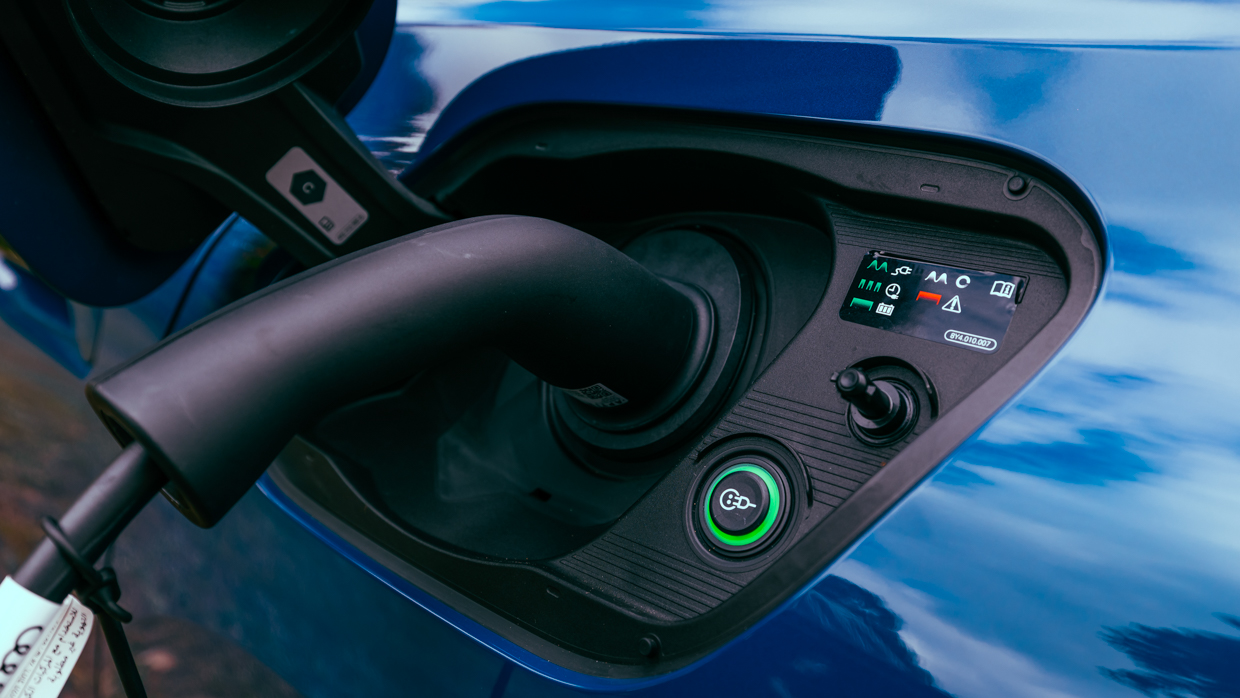
A 20.7kWh usable NMC pack — a third the size of a Tesla Model 3’s battery — delivers a claimed 93km of electric range (or 101km in our real-world testing). It costs about seven dollars to charge up at home, but owners can also add 56 litres of petrol to the tank to add another 800km of driving range for the weekend.
A key catch used to be that PHEVs were expensive to buy compared to combustion cars — in 2018, Audi’s Q7 PHEV was 40 percent dearer than the non-hybrid diesel. Not now: Audi charges no premium for the 270kW PHEV powertrain over a 200kW petrol A5, with both priced at $89,900 (+$3000 for Avant).
Audi isn’t doing this for charity: it’s an NVES compliance strategy designed to coax Aussies into trying the PHEV.
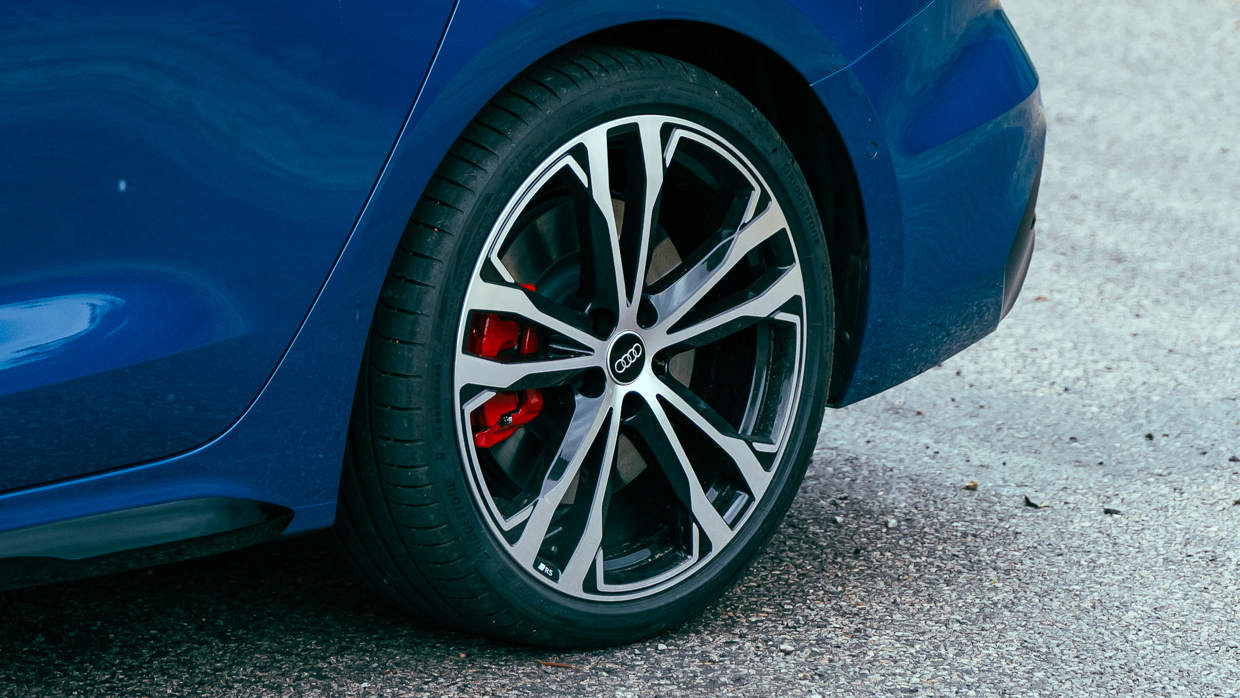
If the extra power and electric range didn’t convince, the PHEV also lays on a bit more equipment as standard in the form of an exterior black pack, bigger 20-inch wheels, privacy glass, and a sport suspension — plus all the charging cables you’d need.
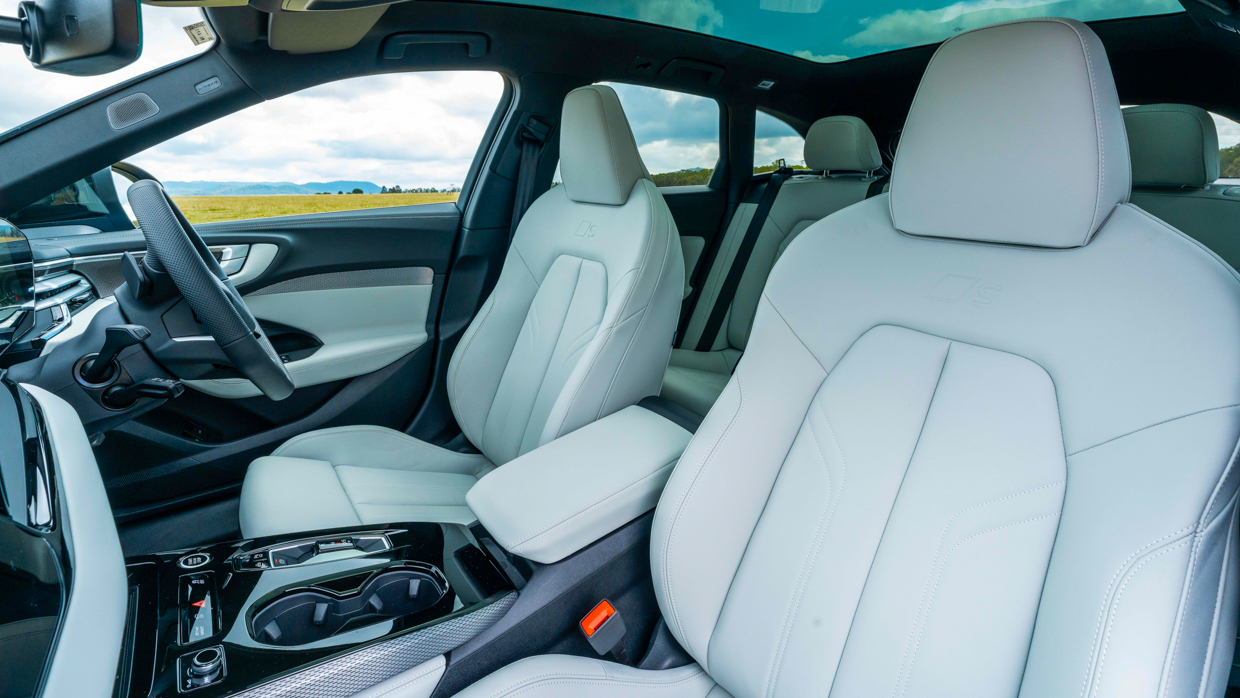
The e-hybrid keeps the matrix LED headlights, keyless entry and start, power tailgate, real leather and aluminium, 12-way heated front sport seats, tri-zone climate control, Audi Connect software, 14.5-inch touchscreen and 11.9-inch Virtual Cockpit of other A5 trims.
Options do push the price up. The $4900 Premium Package adds quality Bang & Olufsen audio, acoustic glass, HUD and laptop-quick USB-C charging while seat cooling is $2200. A fixed switchable transparency glass roof is $4990, but it doesn’t open.
Scheduled servicing occurs every 12 months/15,000km, with a five-year plan priced up at $3360. Warranty is five years/unlimited kilometres, with the hybrid battery covered for eight years/160,000km.
At Chasing Cars, we’re still recovering from PHEV cynicism because they simply used to be bad to drive, being neither as smooth as BEVs nor as agile as combustion cars, packing short electric range and often burning more fuel than expected.
Perhaps unsurprisingly, the redirection of billions of the Volkswagen Group’s R&D euros to help beef up PHEV development has resolved many of these various issues.
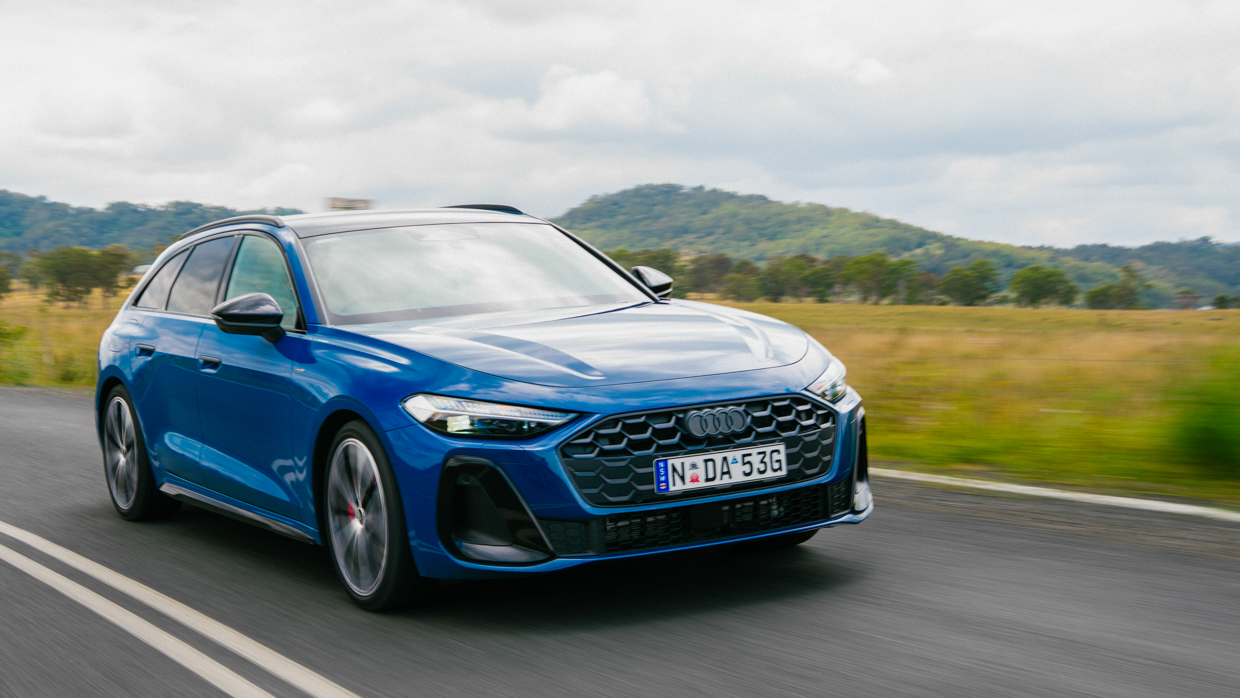
The A5 e-hybrid drives how you’d hope at this price or a little better: like an electric-assisted, turbo petrol wagon with polished ride and handling.
Charge it, and the A5 defaults to EV mode, selectable on the console. With volts in the pack, this feels akin to a perfectly acceptable BEV. An electrically driven A5 might lack the slick immediacy of a Tesla Model 3 or BMW i4, but there’s enough torque to slink to highway pace in silence.
When petrol power is required — either because the driver demands max power or because the battery is nearly exhausted — you benefit from the fact Audi chose not to bolt in a weedy and limp engine behind the setup.
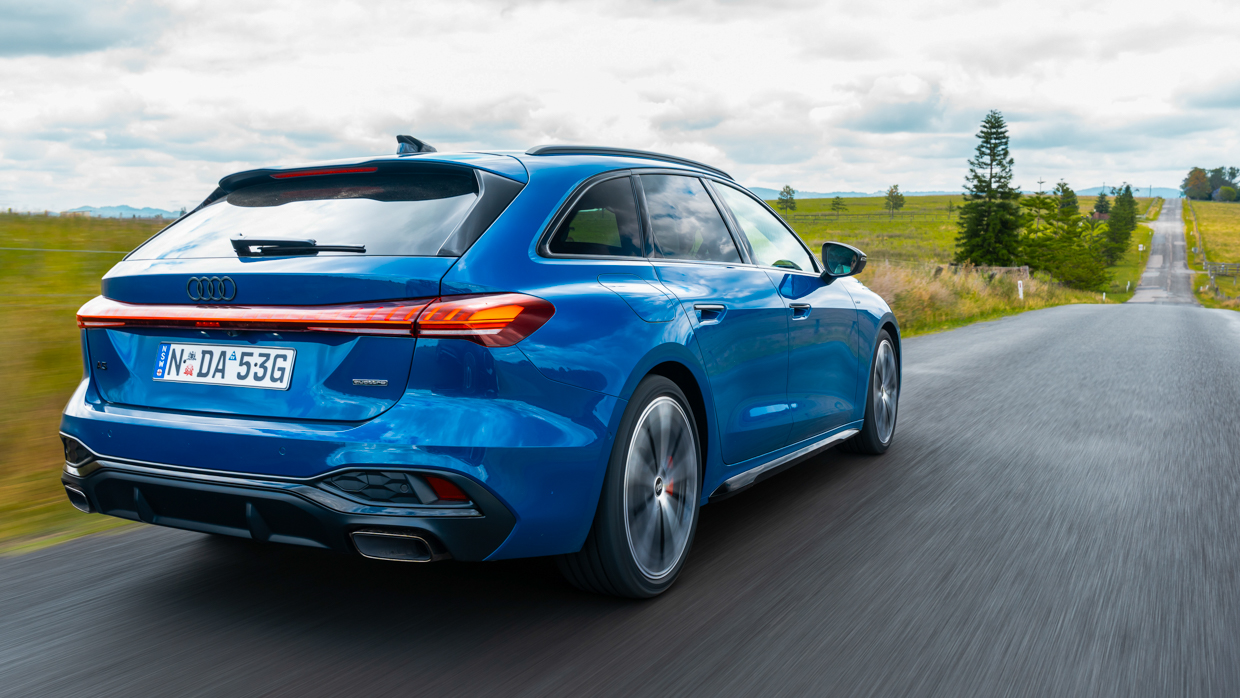
Instead, we’ve got a full-fat Volkswagen Group EA888 2.0T petrol here, making 185kW/370Nm, so it behaves entirely like a regular, midsized Audi with sufficient performance on offer.
What is cleverer is that the hybrid software guards a circa-five percent charge buffer, meaning there is almost always electric shove to supplement the petrol’s step-off. The result is torquier, quieter and more refined petrol operation with around 10 percent better ‘dead battery’ fuel economy than a petrol A5.
As we said, we managed 101km electric range (20.5kWh/100km), and once the engine forced itself on, we saw 7.6L/100km in mixed driving. That result is okay — Chinese carmakers are certainly ahead of the Germans on PHEV fuel economy — but on the other hand, the A5 is streets ahead of Chinese PHEVs for ride and handling…
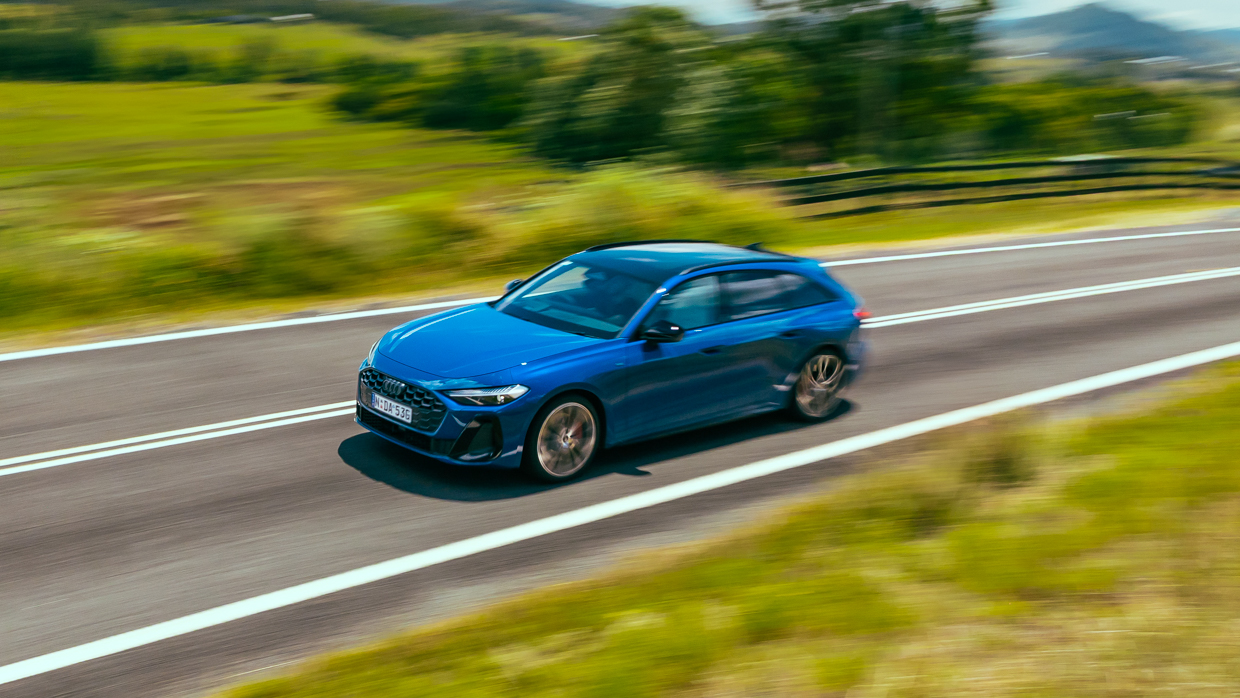
Audi’s A-team dynamicists have given the A5 e-hybrid the love it deserved. SUVs may be the sales leaders globally, but European buyers still love a wagon, and this one will appeal to such tastes — no matter if you’re in Europe or Australia.
Aussies who like the low-slung appeal of a wagon, plus tight body control and genuinely entertaining handling will find a lot to like here.
Despite 20-inch wheels in low profile (245/35 R20 all round) tyres, plus passively damped sport suspension with no adaptive option, the A5 e-hybrid demonstrates an appealingly firm yet absorbent ride quality, offering BMW G21 330i Touring-like discipline with Mercedes-Benz C200 ease.
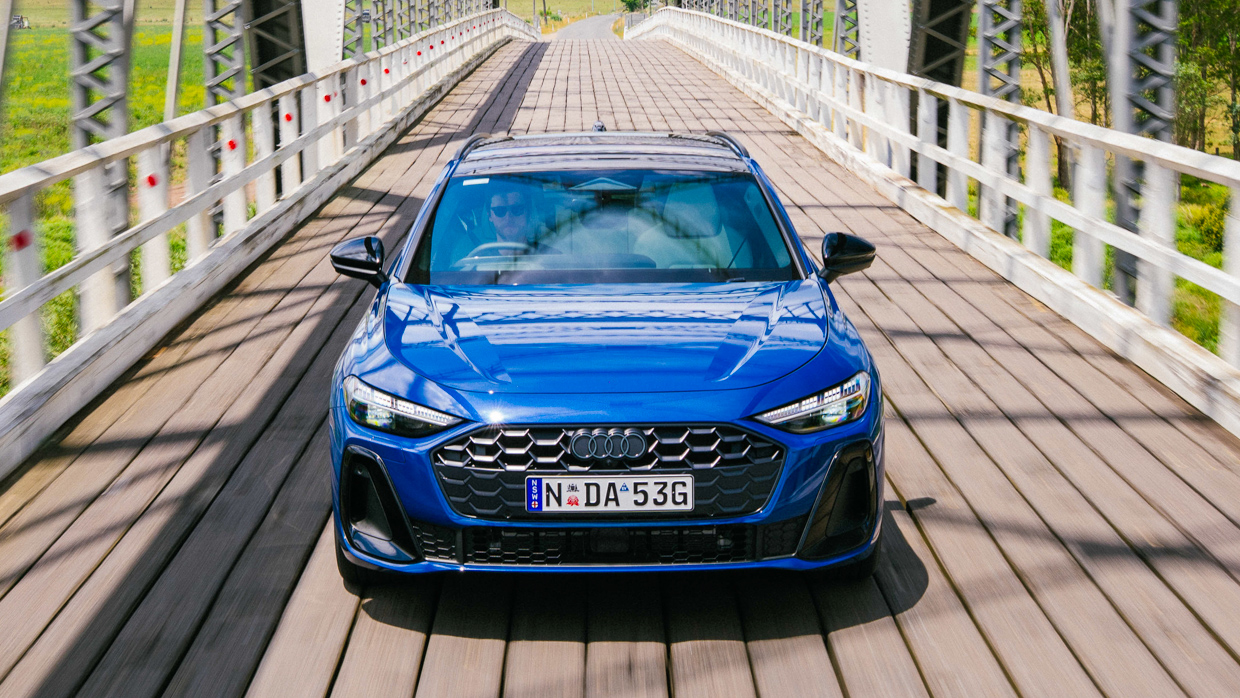
Steering build-up is pleasantly progressive with feel that is largely uncorrupted by the throttle thanks to a new-gen Quattro AWD system that prefers to push power rearward.
Electrification also brings a surprise dynamic dividend. The circa-200kg battery beneath the boot floor shifts weight balance to roughly 52:48 (front:rear) versus 56:44 for the petrol.
The A5 is heavy — 2200kg tare — but the mass sits in the right place to engage the rear end, pointing the nose into apices. You can even tease gentle oversteer!
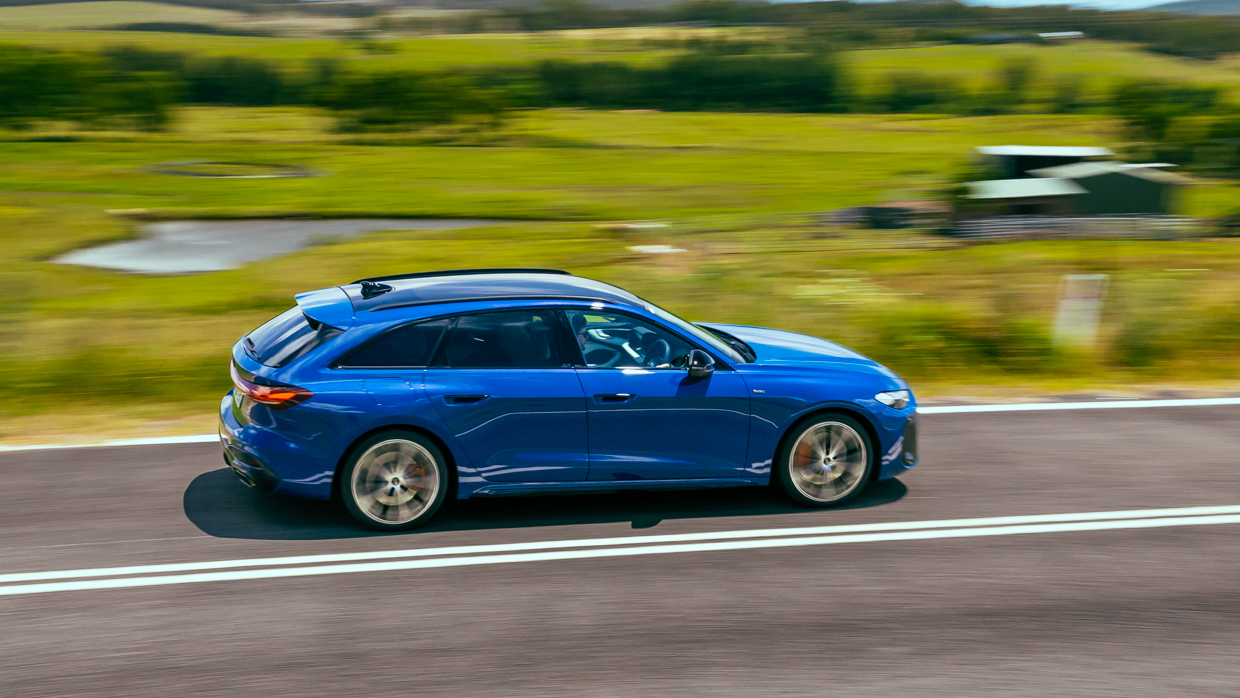
Back on the highway or in town, the A5 is relaxed, hushed, and well-calibrated. Adaptive cruise control and 360-degree cameras work cleanly. While there is no true lane-centring available yet, there are no nannying speed or attention warnings.
And now for the “but”. Audi interiors have stepped back from the bank vault-like peaks of the mid-2010s that flowed from Volkswagen Group’s early-2000s riches — the halcyon days before Dieselgate penalties and electrification mandates hoovered up crucial R&D cash.
Audi has acknowledged its new-gen interior (seen in the latest A5, A6, Q5, Q6 and other future models) is not quite up to scratch and has vowed a return to greatness. That doesn’t help if you plan to buy this A5 today.
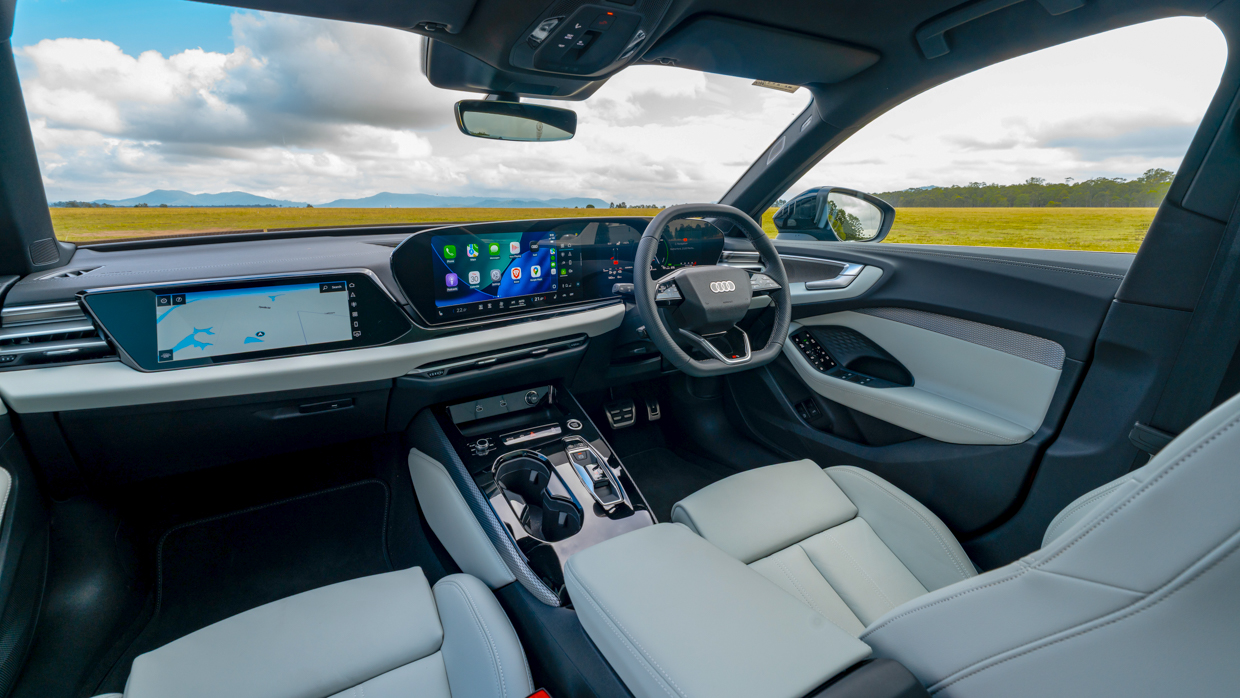
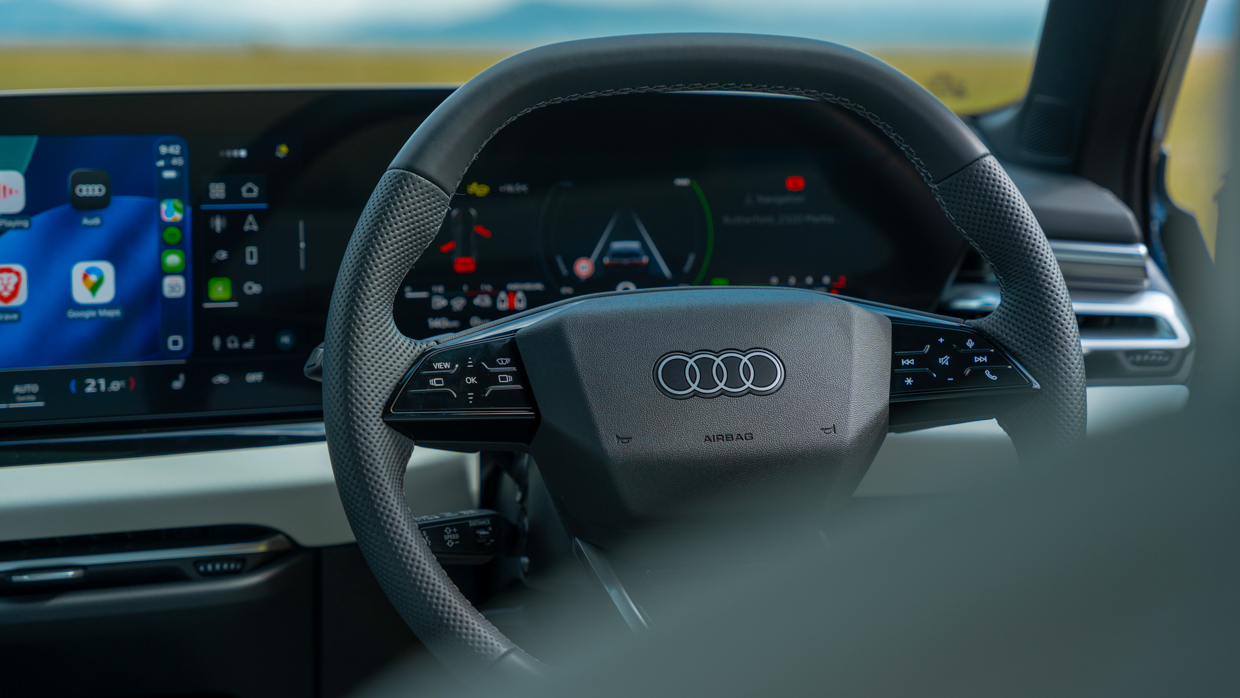
Realistically, meaningful fixes won’t arrive until a mid-life refresh, but Audi has already confirmed a first move, replacing some touch-sensitive steering wheel pads with scroll wheels in 2026. It is a small but welcome sign that changes is coming.
It has become fashionable to bash the new Audi cabin, but perspective matters here. The A5’s interior is objectively not horrible. The accountants simply went too hard on the piano black and swapped in too much hard plastic where soft materials once lived.
Is this a backward step we’d like reversed? Definitely — but it may not be a dealbreaker for a good many buyers.
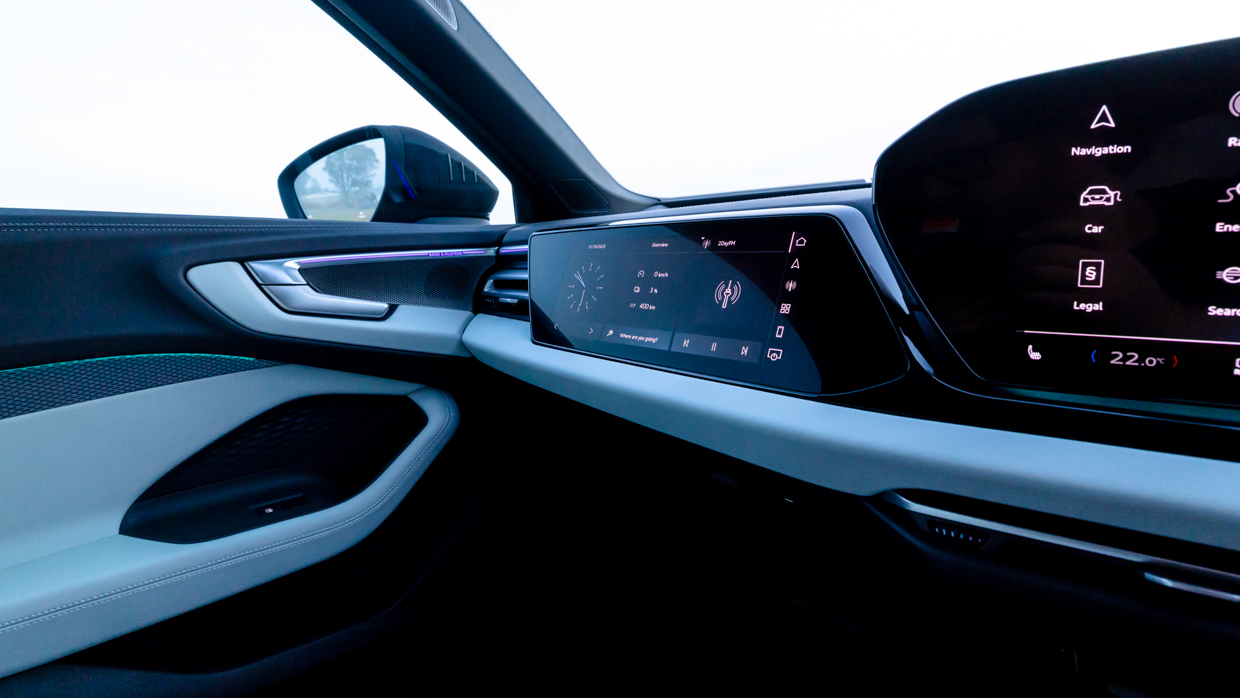
The fundamentals are strong. Ergonomics are excellent: controls fall naturally to hand, the sport seats are firm but very supportive with generous adjustment, and the optional B&O stereo is crisp and loud. Infotainment menus are clear, consistent and premium-looking, even if those knurled details we remember are mostly absent.
Compromise points are, indeed, a bit obvious. Scratchy lower plastics (and disappointingly, the steering wheel boss) deserve softer finishes. Fingerprint-magnet piano lacquer doesn’t cut it; its spread across the dash should be wood or metal, and the $1500 (optional) passenger display, more piano black if not specified as such, already looks dated.
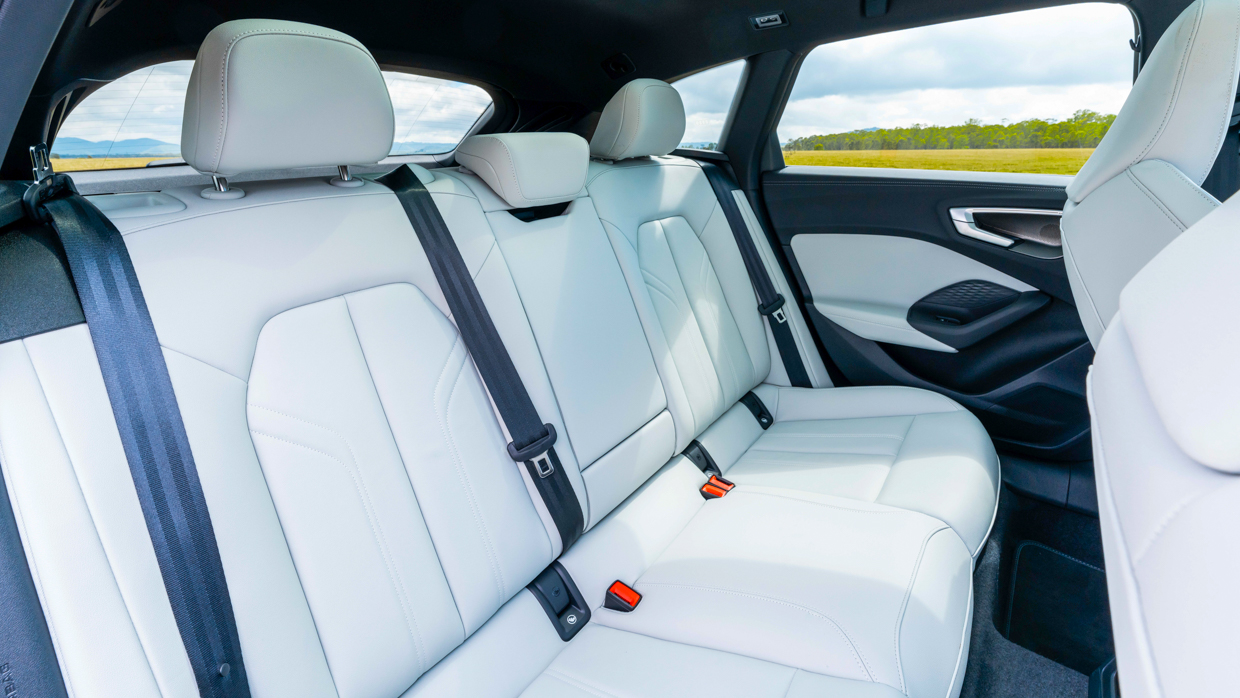
Row two is solid rather than enormous. The large floor hump houses the AWD propshaft, effectively making the Avant an occasional four-seater, five at a pinch.
Adults will find acceptable legroom and headroom, but don’t expect SUV-style versatility: wagons like this have become lower, sleeker, and a more ‘emotional’ choice designed to supplement a garage where family duties have been offloaded to a boxy crossover. As an occasional people mover, the A5 is just fine.
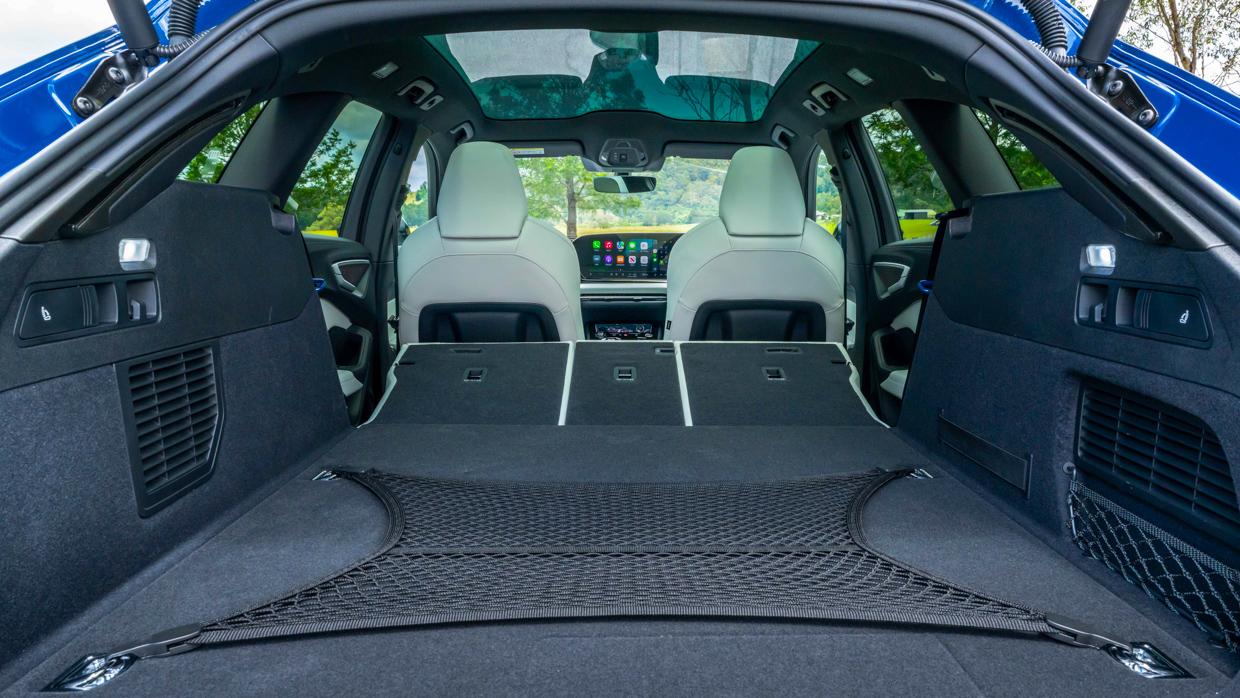
Boot space does take a hit from the PHEV battery: a higher floor means the cargo area measures just 361L below the window line with five seats in place (versus 476L for the 200kW petrol model). That number sounds a bit dire, but the real-world practicality isn’t so bad. With the 40/20/40 seats folded, the gap to ICE narrows as 1306L of space is unlocked.
Is the Audi A5 e-hybrid a car for the head or heart? It’s a bit of both.
You don’t buy a sporty, low-slung, hybrid wagon by accident. This car is for the estate lover who values depth of engineering and real dynamic talents, and who might want a degree of electrification in their life without M5 Touring or Porsche Taycan Cross Turismo price tags.
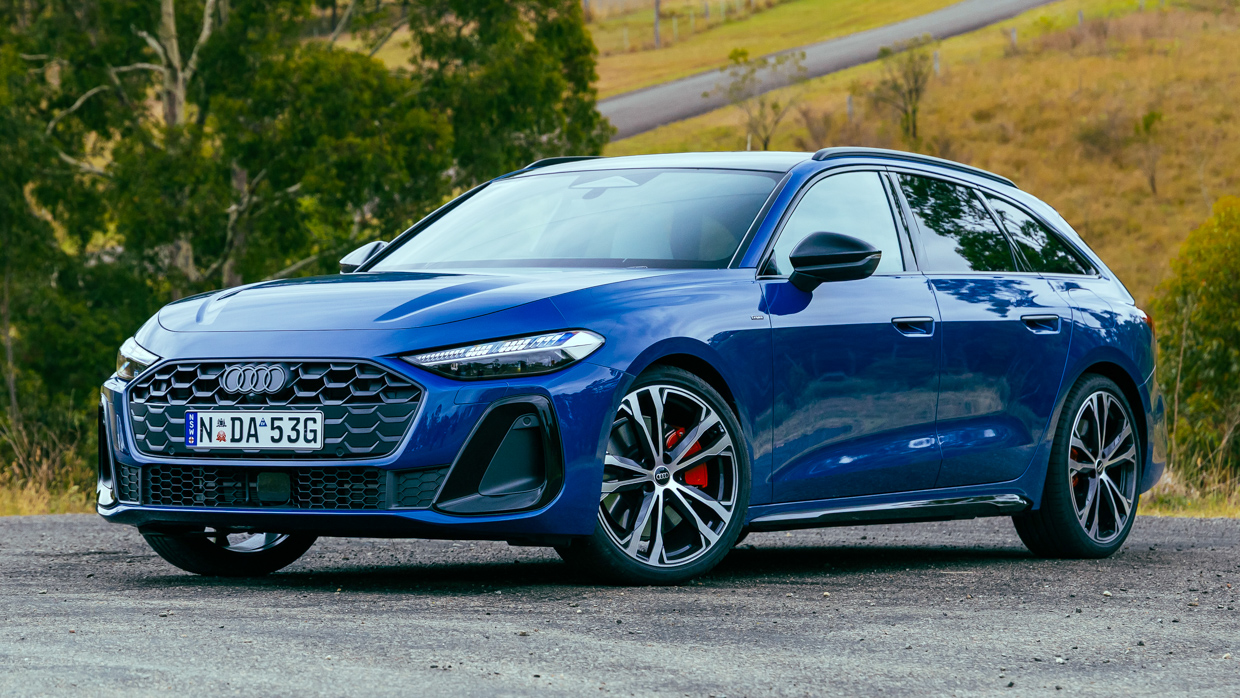
It is also worth test-driving the A5 as a left-field alternative if you’re cross-shopping something kind of similar — maybe a BEV like the BMW i4 eDrive35, or a hybrid SUV like the BMW X3 30e, Mercedes-Benz GLC300e, or Audi’s own forthcoming Q5 e-hybrid PHEV.
With ‘return to form’ interior material upgrades still far down the pipeline, the A5 Avant e-hybrid stands now as a compelling, interesting premium family wagon that to us, makes sense if you can keep the driveaway price below $100,000.
Above all, this is a well-executed, satisfying and handsome car and a clear sign of the industry’s renewed commitment to making PHEVs much more enjoyable to drive than their forgettable first appearance a decade ago.
Key specs (as tested)
About Chasing cars
Chasing Cars reviews are 100% independent.
Because we are powered by Budget Direct Insurance, we don’t receive advertising or sales revenue from car manufacturers.
We’re truly independent – giving you Australia’s best car reviews.
The estimate provided does not take into account your personal circumstances but is intended to give a general indication of the cost of insurance, in order to obtain a complete quote, please visit www.budgetdirect.com.au. Estimate includes 15%^ online discount.
^Conditions Apply
Budget Direct Insurance arranged by Auto & General Services Pty Ltd ACN 003 617 909(AGS) AFSL 241 411, for and on behalf of the insurer, Auto & General Insurance Company Limited(ABN 42 111 586 353, AFSL 285 571).Because we don’t know your financial needs, we can’t advise you if this insurance will suit you. You should consider your needs and the Product Disclosure Statement before making a decision to buy insurance. Terms and conditions apply.
Indicative quote based on assumptions including postcode , 40 year old male with no offences, licence suspensions or claims in the last 5 years, a NCD Rating 1 and no younger drivers listed. White car, driven up to 10,000kms a year, unfinanced, with no modifications, factory options and/or non-standard accessories, private use only and garaged at night.
^Online Discounts Terms & Conditions
1. Discounts apply to the premium paid for a new Budget Direct Gold Comprehensive Car Insurance, Third Party Property Only or Third Party Property, Fire & Theft Insurance policy initiated online on or after 29 March 2017. Discounts do not apply to optional Roadside Assistance.
2. Discounts do not apply to any renewal offer of insurance.
3. Discounts only apply to the insurance portion of the premium. Discounts are applied before government charges, taxes, levies and fees, including instalment processing fees (as applicable). The full extent of discounts may therefore be impacted.
4. We reserve the right to change the offer without notice.