Powered by

-
Car Reviews
Latest reviews
-
Car News
Latest news
-
Car Comparisons
Latest comparisons
- Chasing Deals
Latest reviews
Latest news
Latest comparisons
Mild-hybrid six-cylinder options arrive first before the end of 2026, with mega-range electric and plug-in hybrid X5 alternatives set to follow closely behind
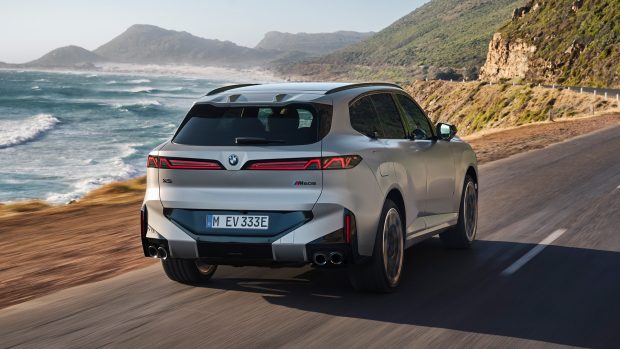
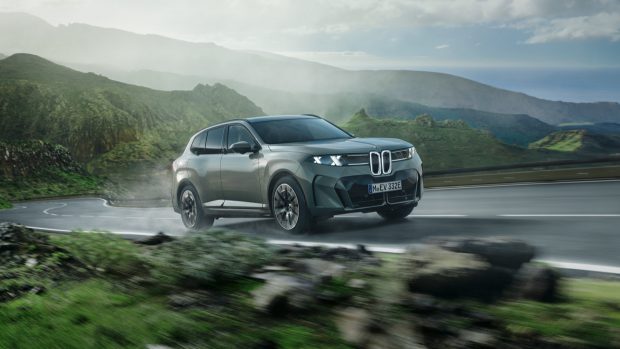
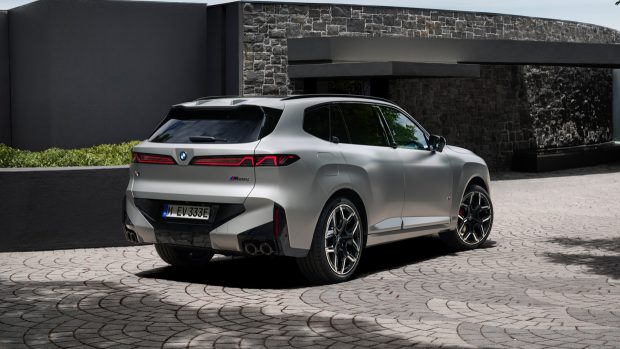
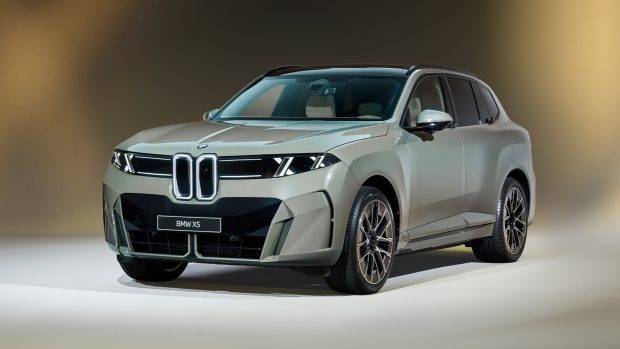
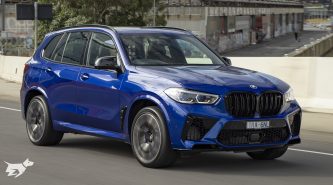
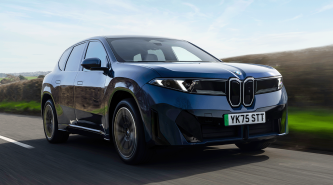
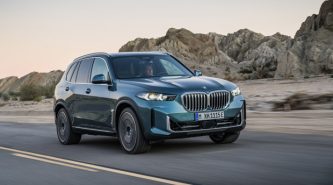
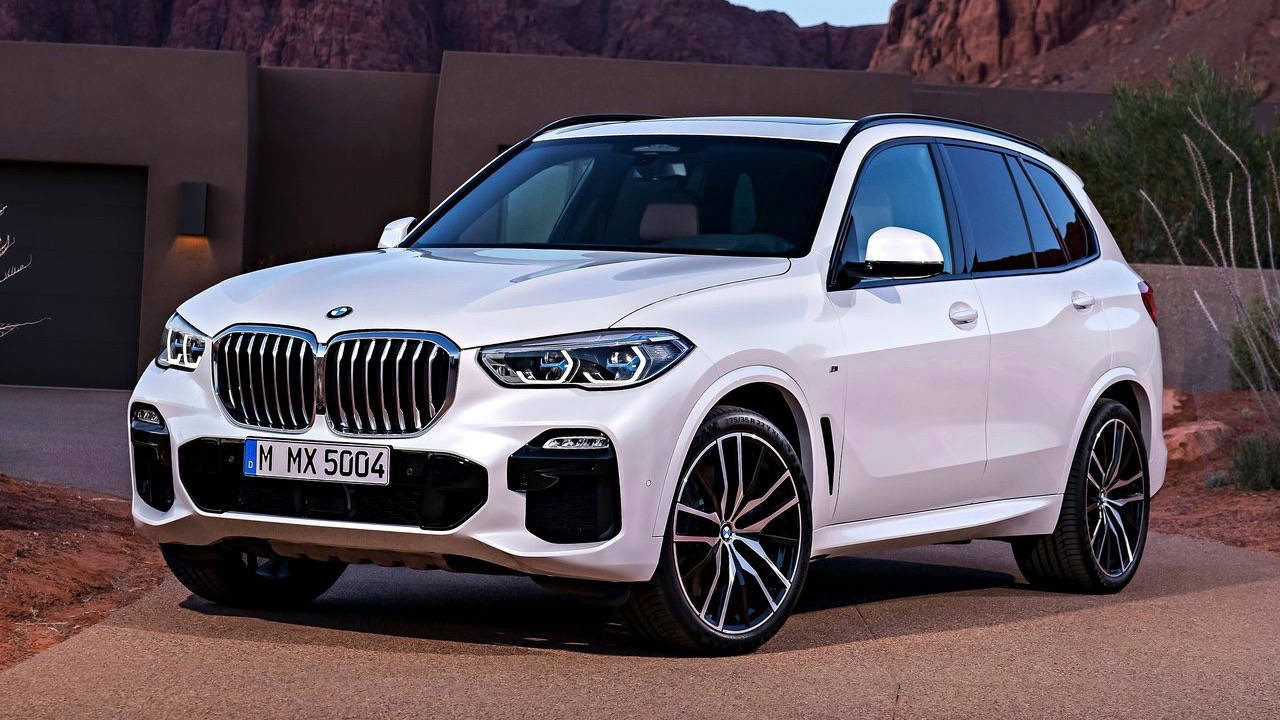
The new generation BMW X5 will launch in Australia later this year, initially with petrol and diesel straight-six engine options before an 845km electric flagship and a plug-in hybrid join the range in early 2027.
Increasing competition in the large luxury SUV space has spurred BMW Australia to lock in the ‘G65’ X5 with surprisingly minimal price increases despite specification lists growing quite substantially in some areas compared with the outgoing ‘G05’ model.
There is no true base model X5, with twin launch grades in the diesel X5 xDrive40d ($143,900 before on-road costs) and petrol X5 xDrive40 ($145,900 + ORCs) packing identical and lengthy equipment lists. All-wheel drive, a 48-volt mild hybrid system and an eight-speed torque converter automatic are standard.
Both launch variants will land in Australia in the fourth quarter of 2026, while the battery-electric (BEV) iX5 60 xDrive and X5 50e xDrive six-cylinder plug-in hybrid are due for arrival in the first quarter of 2027, marking a rapid expansion of the lineup.
The new 40 xDrive costs $2000 more than the outgoing xDrive40i M Sport, while the 40d represents a slightly more substantial $4000 increase over the existing xDrive30d, albeit with a substantial power and torque upgrade.
Both new X5 models are fitted with an M Sport package as standard and there is no direct replacement for the outgoing X5 xDrive30d xLine that appealed to buyers who preferred a slightly more rugged look.
Production of the new X5 commenced in August at BMW’s Spartanburg plant in South Carolina, USA. This factory will build every version, including next year’s BEV.
The new X5 40d uses a 3.0-litre turbodiesel inline six-cylinder engine producing 210kW of power and 650Nm of torque from the combustion unit alone.
A 48-volt integrated starter-generator within the eight-speed ZF automatic transmission contributes a further 13kW/200Nm in certain conditions, while a brief engine boost can add another 7kW/20Nm.
As a result, BMW quotes combined peaks of 230kW/670Nm for the new diesel. That’s sufficient to propel the 2430kg oiler from 0-100km/h in 6.1 seconds.
Meanwhile, the petrol-powered 40 Drive employs the latest iteration of the famed ‘B58’ engine now developing 294kW/540Nm.
The petrol gains the same 13kW/200Nm mild-hybrid motor with peak combined torque hitting 580Nm in the right conditions. The petrol’s 0-100km/h claim is 5.3 seconds.
Adaptive dampers — in the form of Adaptive M Suspension — is standard, and a 3500kg braked towing capacity can be specified via $2500 tow hitch preparation.
While the X5 continues on an extensively reworked version of BMW’s multi-powertrain Cluster Architecture (CLAR) underpinnings, the new model inherits some Neue Klasse technology, including a more efficient zonal electrical architecture.
Australian 40 and 40d grades come standard with 21-inch alloy wheels, adaptive LED headlights, an opening full-length glass sunroof, soft-close doors, and sun protection glazing for the windscreen.
The ‘Comfort’ front seats bundle heating, cooling and massage functions while cabin equipment extends to a heated steering wheel, wireless phone charging, and — in a coup for audiophiles — a standard 18-speaker Bowers & Wilkins premium stereo at no extra cost.
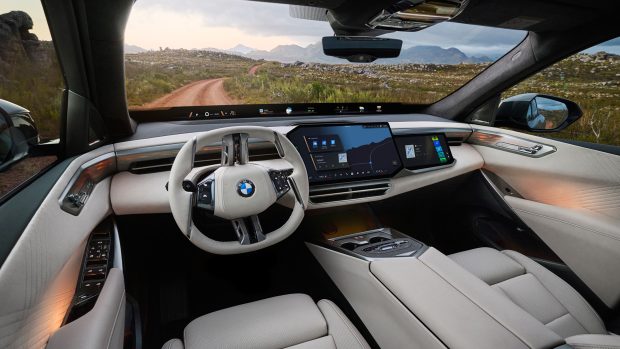
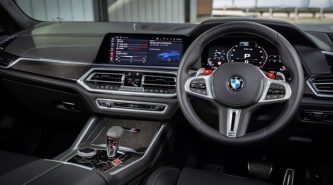
Visually, the dashboard is a major departure from the ‘G05’ model with the ‘G65’ gaining an even wider version of the iX3’s coast-to-coast Panoramic Vision display at the base of the windscreen.
That is joined by a 17.9-inch central touchscreen, 3D head-up display, and — for Australia — a standard passenger display that does not appear to be able to be despecified. Driving Assistant Plus, automated parking functions and Digital Key Plus functionality also come standard.
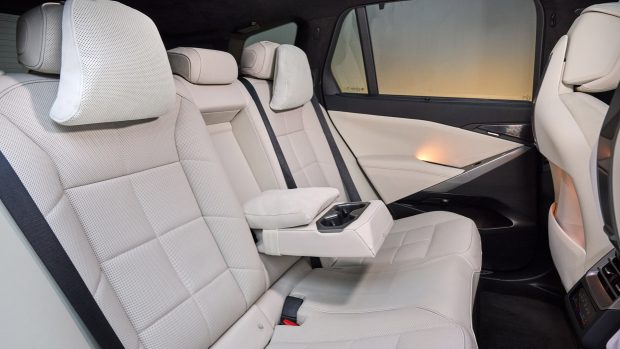
The options list is fairly simple: a $2300 Comfort Package adds quad-zone climate control, heated rear seats and armrests and rear sunblinds while the $3600 M Sport Pro pack keeps M Sport brakes but switches blue callipers to red while throwing in M seatbelts and an extensive black pack.
Specific options include Adaptive Chassis Control with two-axle air suspension and rear-wheel steering ($7000), Merino leather ($8300), larger 22- or 23-inch wheels (up to $5400), and automatic doors replacing soft-close for $2500.
The new model is slightly larger than the old. The wheelbase stretches to 3035mm to accommodate the incoming iX5’s huge 141kWh battery, with vehicle length also up to 4994mm with width of 2000mm.
Boot space of 655L expands to 1850L with the rear seats folded, but the X5 is now strictly a five-seater having lost two signature details: the optional availability of a third row, and the cult-favourite split tailgate fitted to every previous X5 since the model launched in 1999.
The iX5 60 xDrive BEV will arrive in Q1 2027 with a dual-motor all-wheel drive electric powertrain producing 425kW/805Nm with a claimed 4.7 second 0-100km/h time and between 645-845km (WLTP) range depending on specification.
With an 800-volt electrical architecture borrowed from Neue Klasse models, the iX5 will permit DC charging at up to 460kW speeds with a 10-80 percent recharge able to be completed in as little as 23 minutes.
Another interesting alternative will be the X5 50e xDrive plug-in hybrid, which combines a 230kW/450Nm ‘B58’ 3.0-litre six-cylinder petrol engine with a 145kW/280Nm electric motor for total outputs of 360kW/700Nm.
The PHEV’s 26.5kWH usable battery will deliver a provisional 86-102km electric-only range.
V8 models are also expected to land in 2027.
The outgoing X5 has remained a popular member of the large luxury SUV class in Australia, recording 3673 Australian deliveries in 2025 — itself an increase of 16 percent on the year before — to finish just 181 units behind the first-placed Land Rover Defender.
More than 80,000 X5s have now been sold in Australia since model’s inception from a global total of 3.1 million cars.
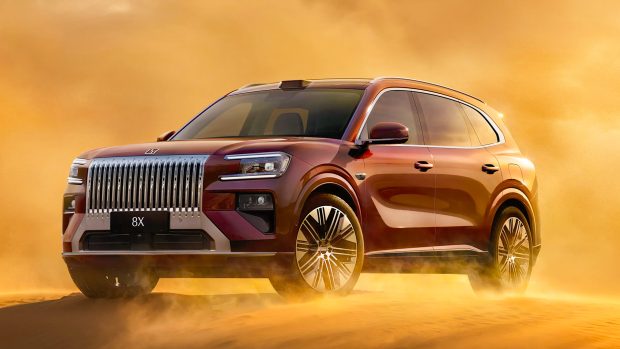
Traditional opponents including the Mercedes-Benz GLE and incoming Audi Q7 remain, but Chinese premium brands are circling.
Models earmarked for Australia, including the Zeekr 8X and XPeng G9L, promise lavish standard equipment, muscular hybrid performance and lower prices, making the future of the segment considerably less predictable.
All prices listed are before on-road costs.
Latest news
About Chasing cars
Chasing Cars reviews are 100% independent.
Because we are powered by Budget Direct Insurance, we don’t receive advertising or sales revenue from car manufacturers.
We’re truly independent – giving you Australia’s best car reviews.