Powered by

-
Car Reviews
Latest reviews
-
Car News
Latest news
-
Car Comparisons
Latest comparisons
- Chasing Deals
Latest reviews
Latest news
Latest comparisons
Massive changes in store for cult-classic fast Audi model, which is set to adopt complex and powerful PHEV system, if not a planned fully electric mode
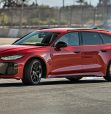
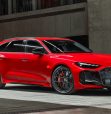
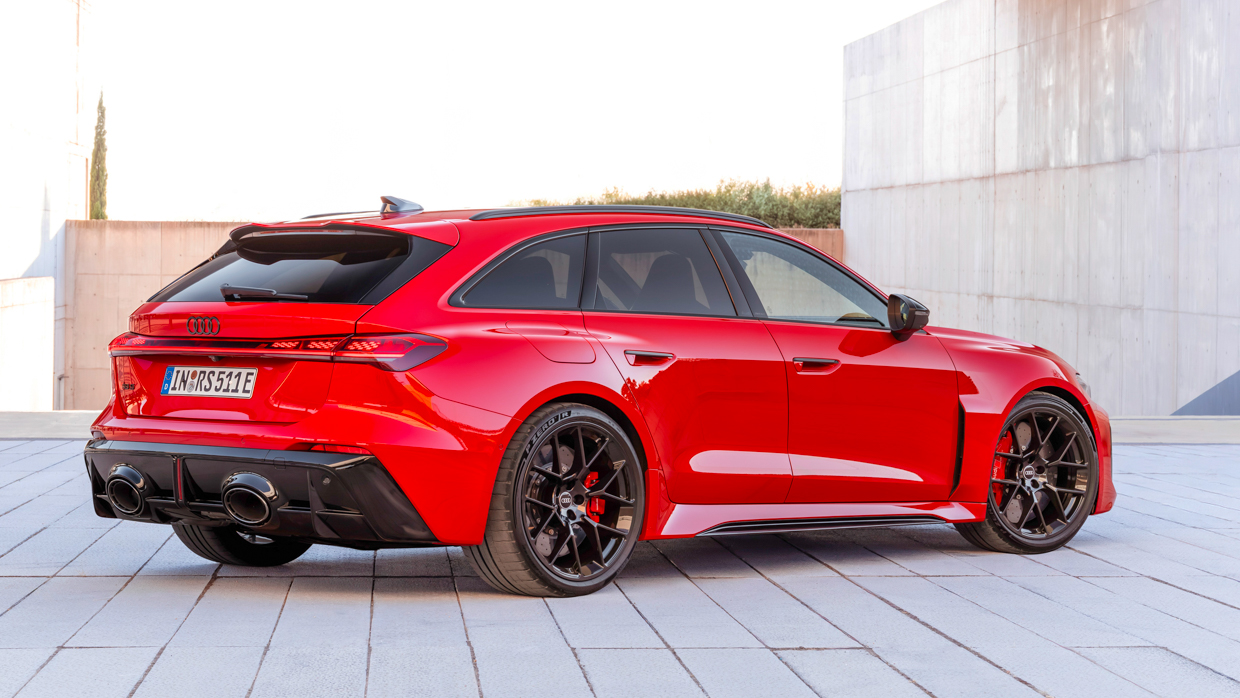
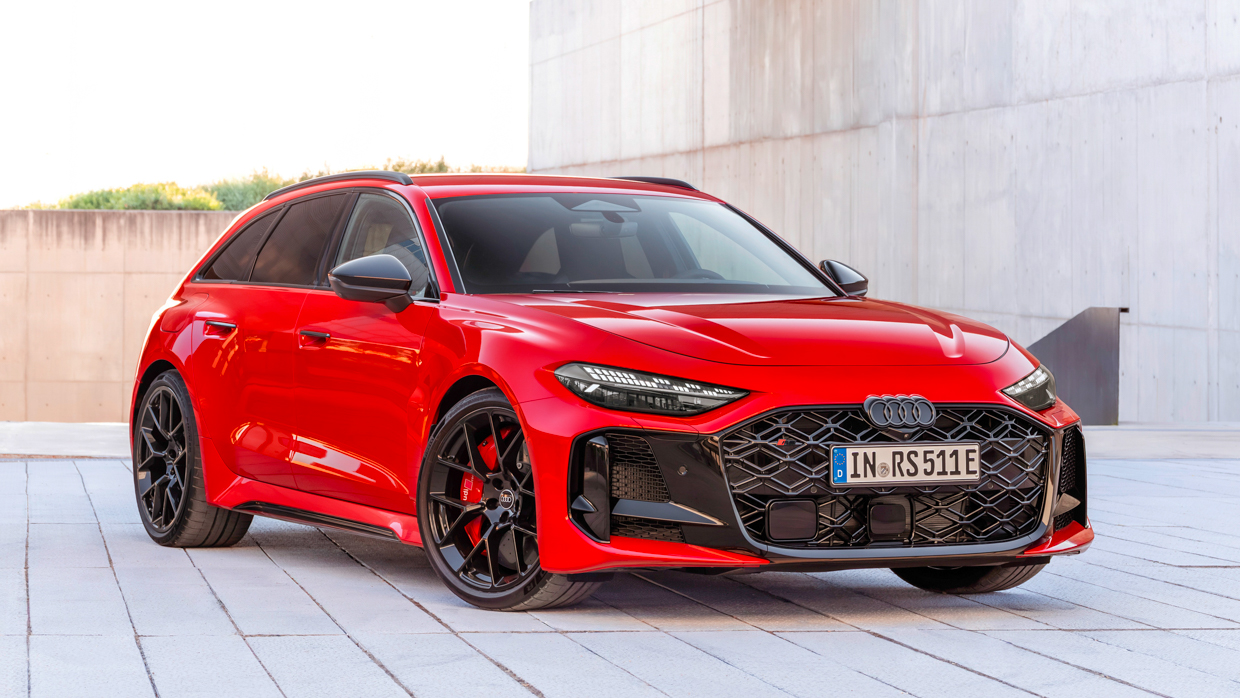
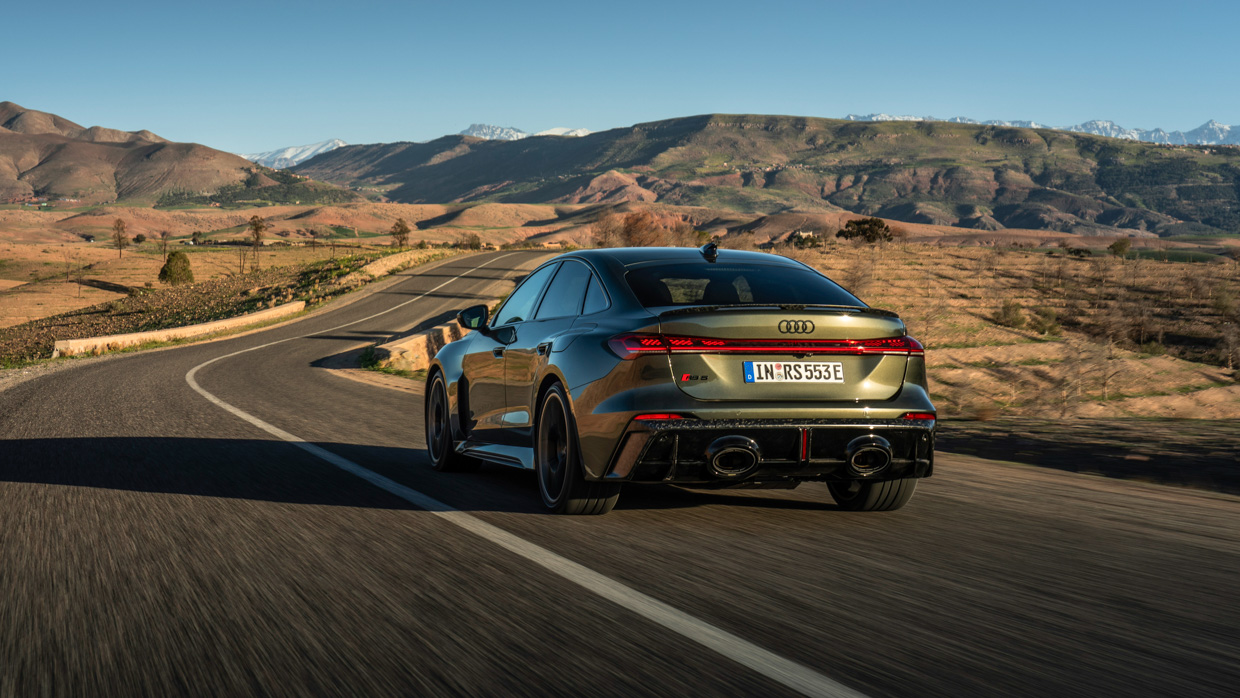
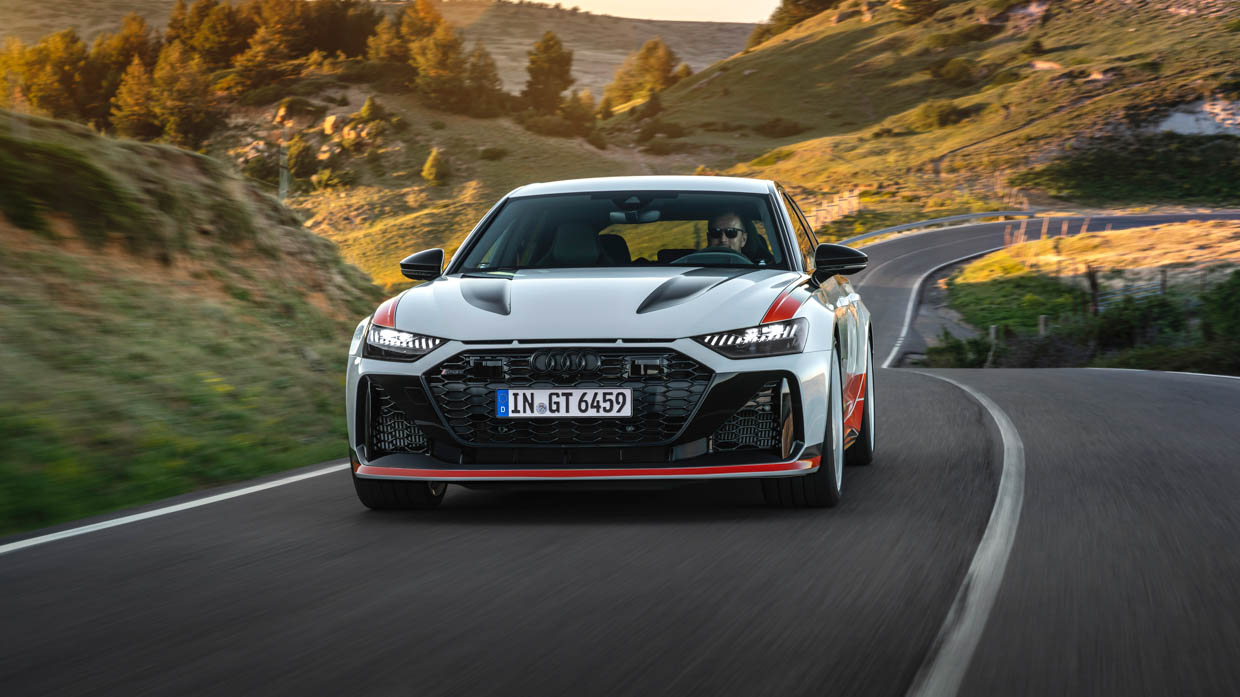
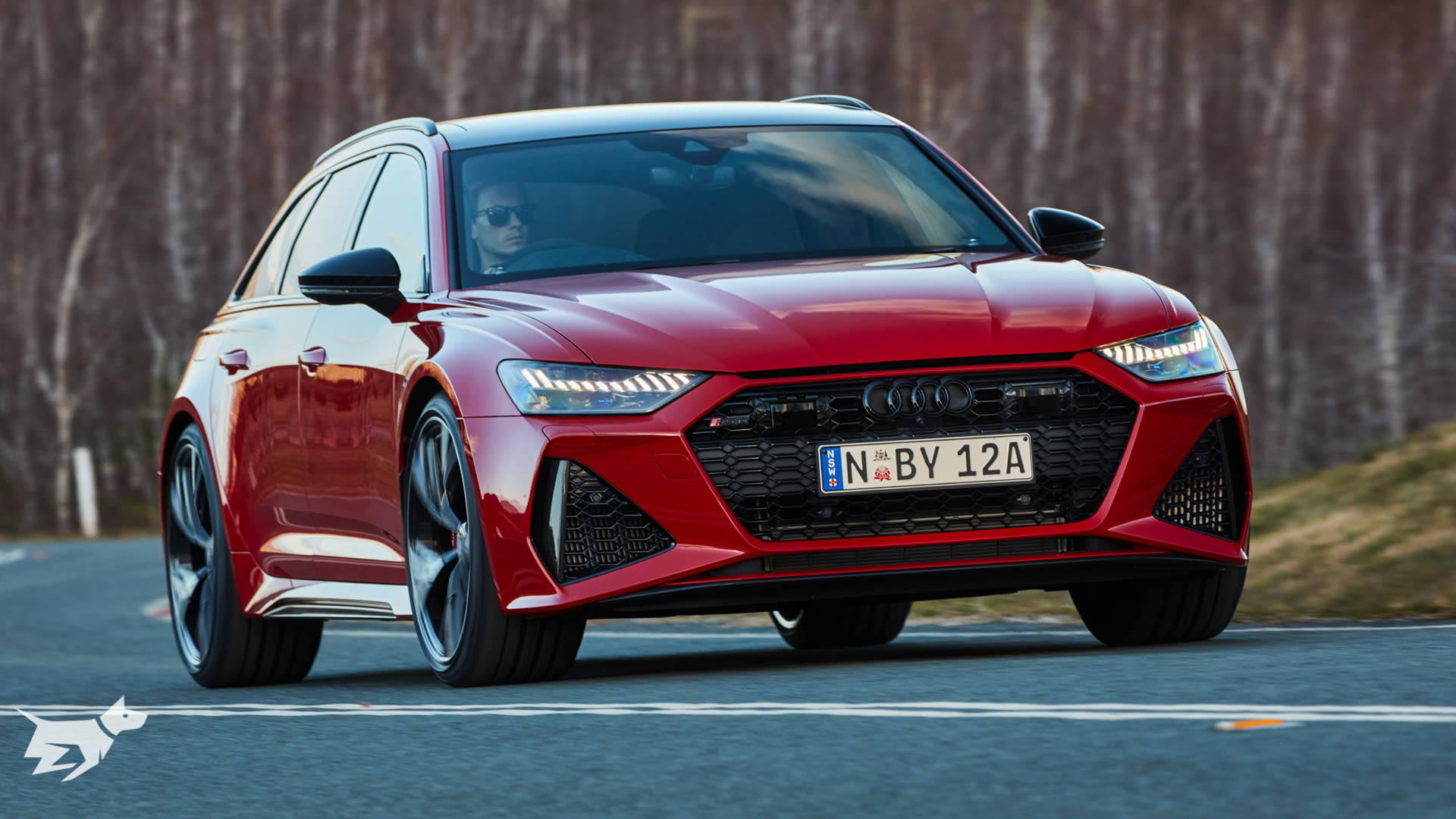
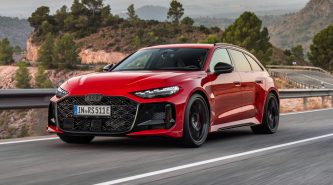
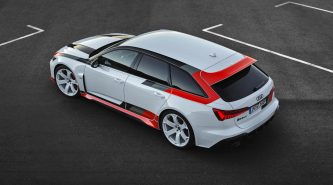
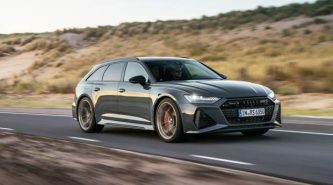
Debate is raging in the fast-Audi-fan community about whether the forthcoming ‘C9’ RS6 will keep its V8 engine instead of adopting the new ‘B10’ RS5’s six-cylinder, plug-in hybrid (PHEV) powertrain.
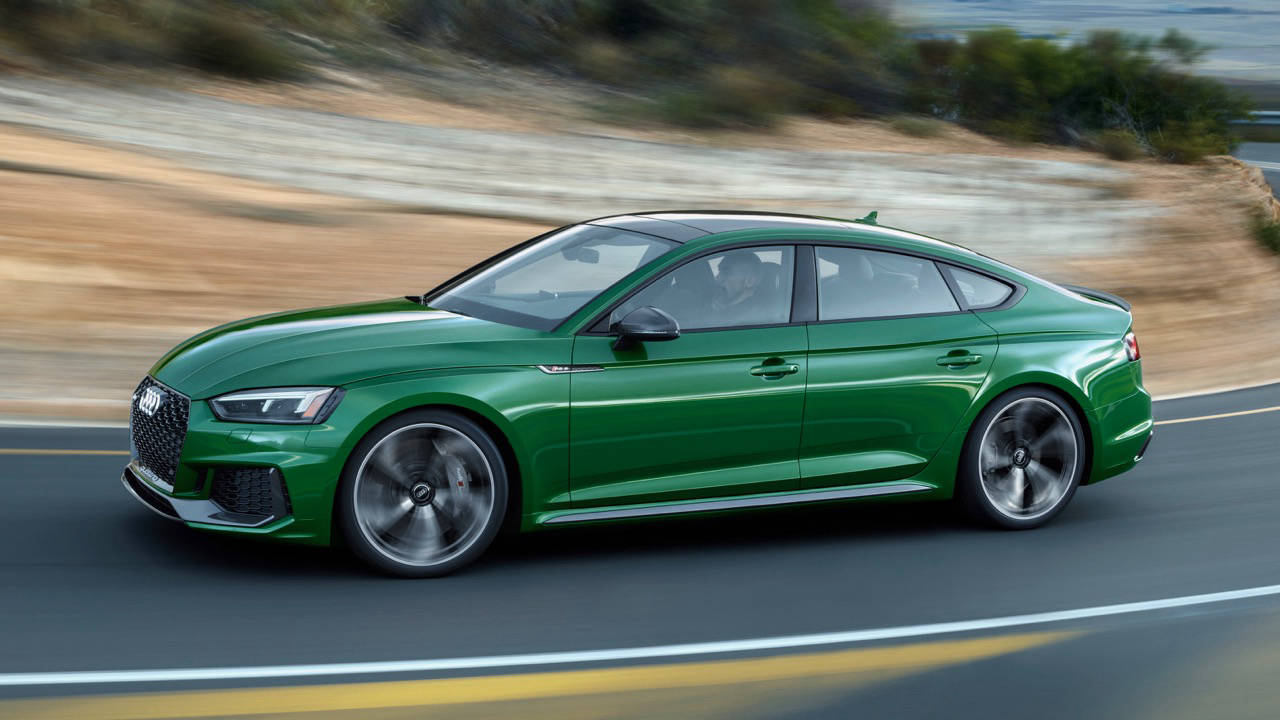
Revealed last month, the new RS5’s 470kW/825Nm 2.9-litre twin-turbo V6/PHEV system has more grunt than the current 441kW/800Nm 4.0-litre twin-turbo V8 RS5.
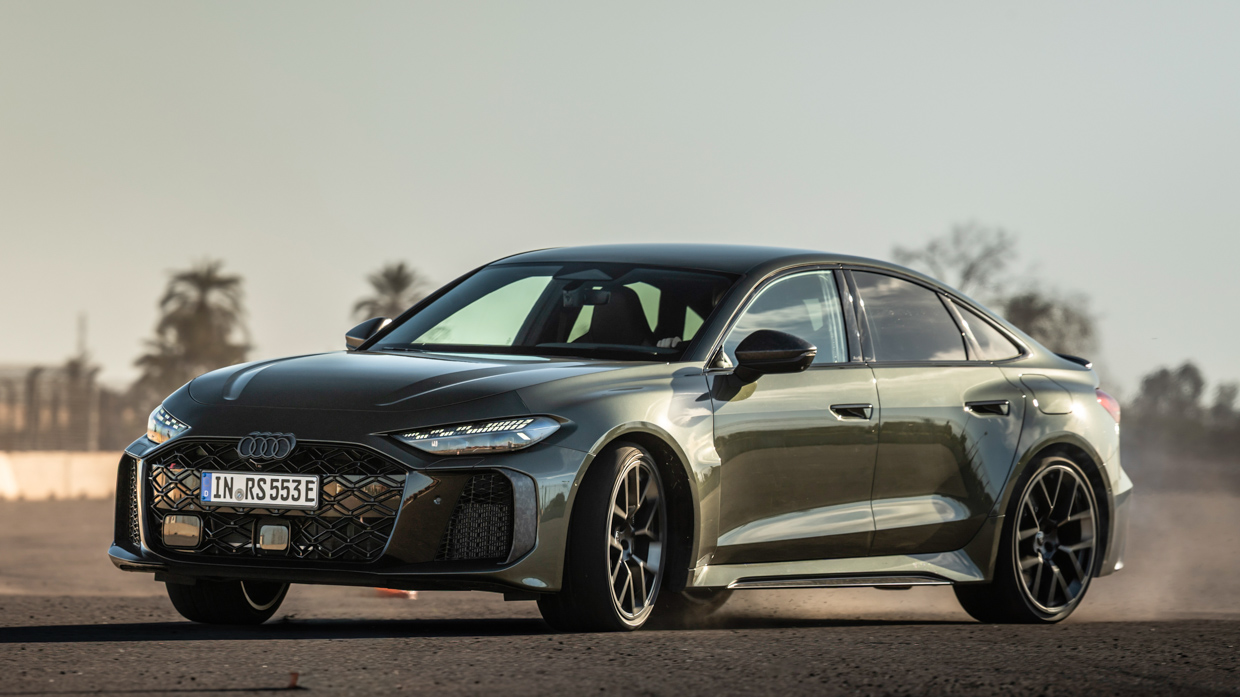
Despite the effectiveness of the V6 plug-in hybrid, the next-generation RS6 looks set to retain its eight-cylinder supremacy — but like the smaller RS5, it will be supplemented by PHEV power.
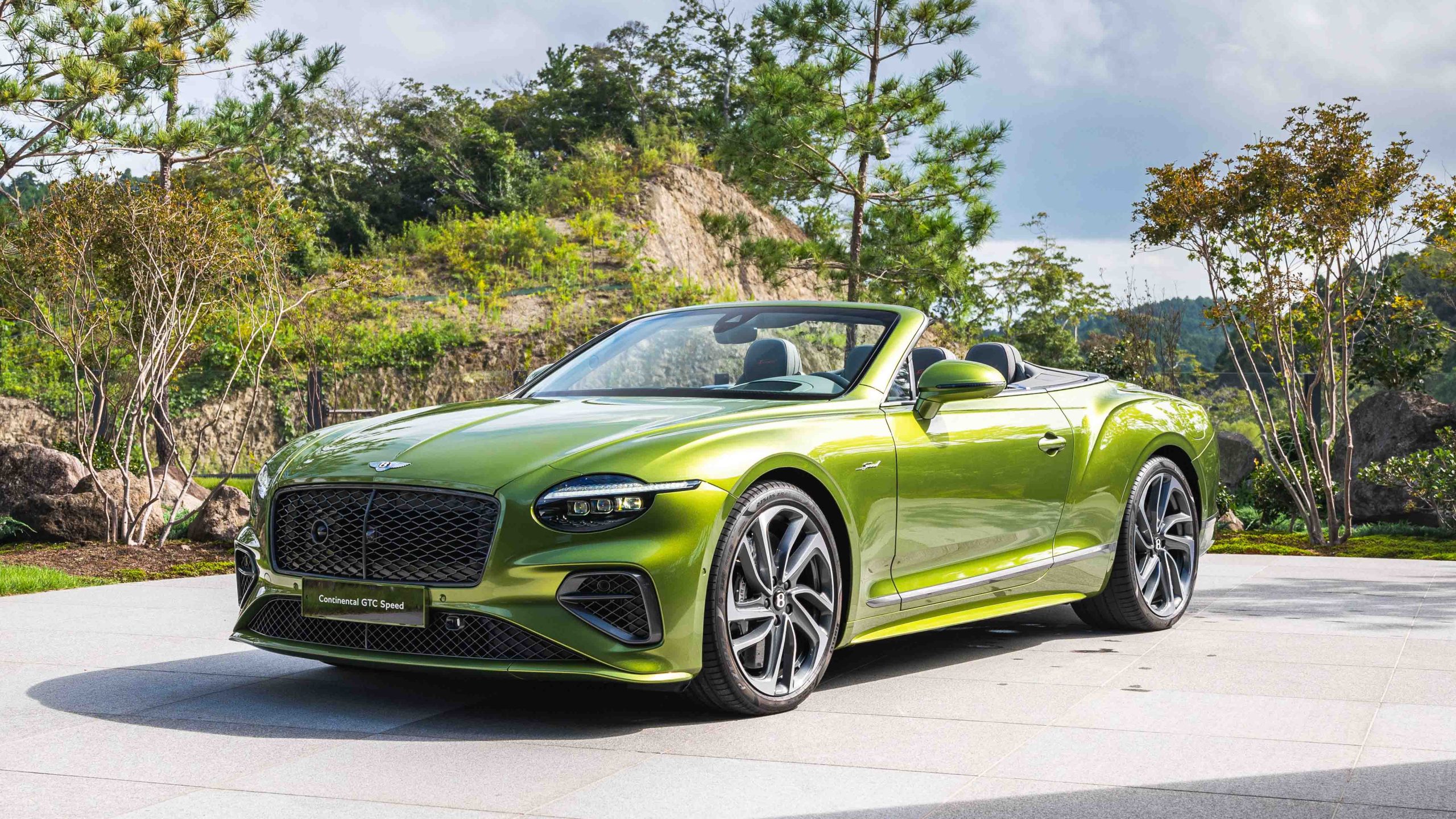
Audi is a member of Volkswagen’s ‘Brand Group Progressive’ alongside Bentley.
That means Ingolstadt has relatively easy access to Bentley’s V8 plug-in hybrid technology.
Dubbed the ‘Ultra-Performance Hybrid’, the Bentley system blends the Audi RS6’s 4.0-litre twin-turbo V8 with what appears to be a similar 140kW/450Nm electric motor to the RS5.
Total outputs for the Bentley V8 PHEV system are a whopping 575kW/1000Nm.
Such enormous figures would keep a next-generation RS6 V8 hybrid well ahead of the headline figures of the new RS5.
Insiders at Audi understand that the V8 is a central part of the appeal of the RS6.
There is an understanding that valuable and well-informed RS-model buyers should not be forced into technological solutions they are not ready for.
Likewise, the sensitivity of downsizing cylinder count is well-understood within Audi Sport. Division chiefs carefully watched AMG debut, then walk away from, the four-cylinder C63 hybrid.
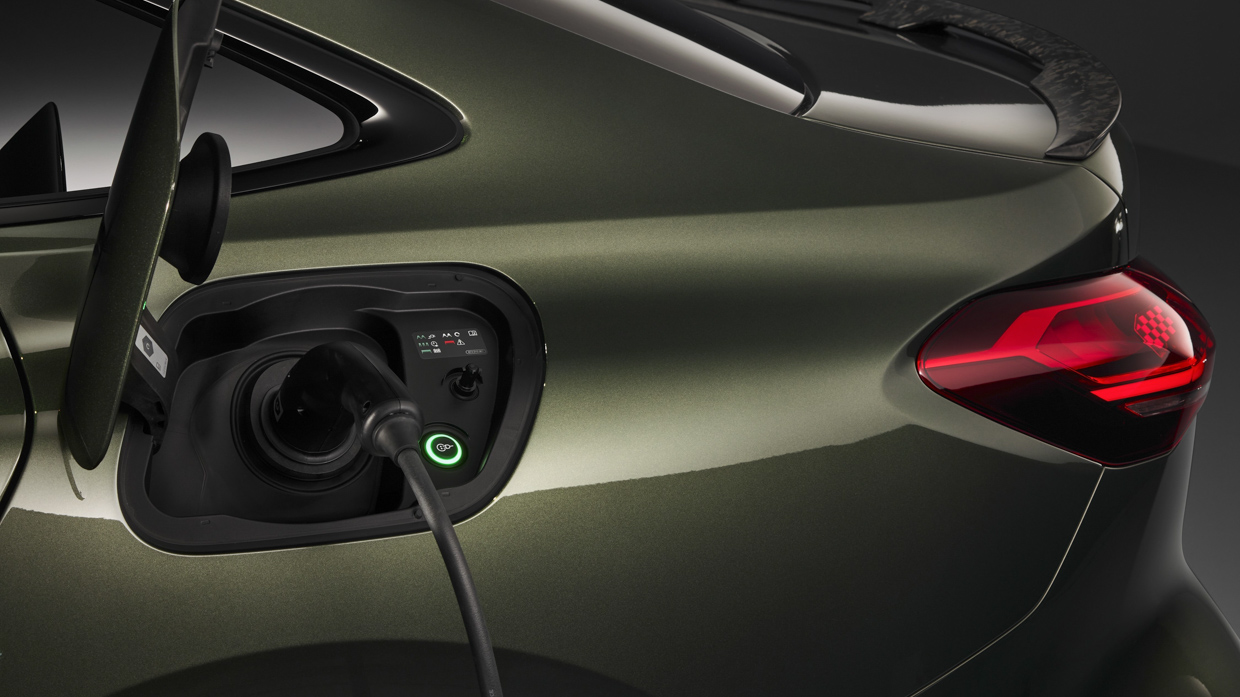
As with the RS5, Audi’s solution to retaining loyal RS customers while also meeting tough new vehicle emissions laws in Europe (and markets like Australia) is to add the PHEV element to familiar, big-displacement powertrains.
“We have to reflect that for a bunch of people, you have to go step-by-step,” Audi Sport managing director Rolf Michl told Chasing Cars at a pre-drive of the new RS5.
“We have, in our eyes, the perfect combination [with [HEV] of a really emotional car, but also the variation of going fully silent.”
In the RS5, the plug-in hybrid system slashes CO2 to around 100g/km — compliant with Euro- and Australian-style regulations — while also boosting power and feeding an electrified rear transaxle for a new ‘Dynamic Torque Control’ feature.
We asked whether the electromechanical torque vectoring system, made possible by the PHEV’s 400-volt architecture, could work with a V8 engine.
“Technically, yes,” said Audi Sport head of research and development Steffen Bamberger.
Asked whether it would make its way into other products, Audi Sport boss Michl said: “you have to be flexible.”
There are a couple of other surprises in store for the next-generation RS6.
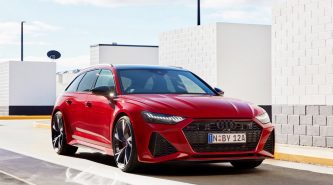
First, while the classic Avant station wagon body style will of course be retained, a sedan version is set to rejoin the RS6 lineup for the first time since 2010.
Secondly, while Audi had initially planned for the new RS6 to go fully-electric — the RS7 badge was to adorn the hybrid version — the RS6 EV is now in doubt.
The very soft global market for high-end EVs has triggered debate inside Audi about whether to launch the RS6 in both PHEV and battery electric guises.
“We are really reflecting about the target groups, together with [CEO] Gernot Döllner,” Michl said.
“Be sure that if we launch a product in future, it will always match the target group — we know what people are ready for.”
That cautious approach was echoed by R&D boss Bamberger.
“If [a proposed model] doesn’t fascinate people, we won’t launch it.”
The reason is simple: Audi does not want undesirable vehicles piling up on dealership forecourts.
“It is even more costly if we have something that nobody wants,” Michl said.
Latest news
About Chasing cars
Chasing Cars reviews are 100% independent.
Because we are powered by Budget Direct Insurance, we don’t receive advertising or sales revenue from car manufacturers.
We’re truly independent – giving you Australia’s best car reviews.