Powered by

-
Car Reviews
Latest reviews
-
Car News
Latest news
-
Car Comparisons
Latest comparisons
- Chasing Deals
Latest reviews
Latest news
Latest comparisons
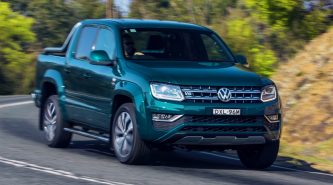
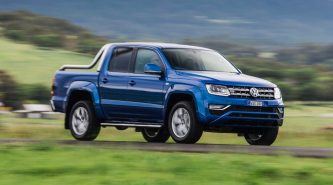
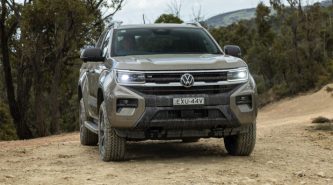
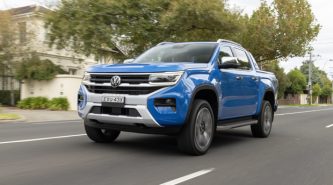
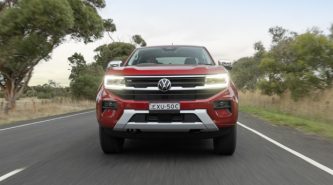
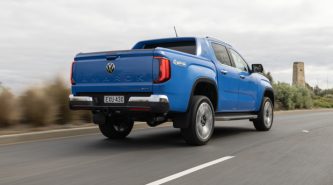
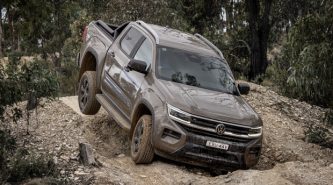
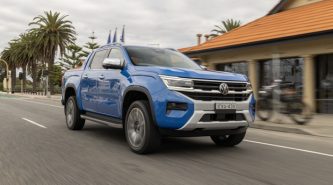
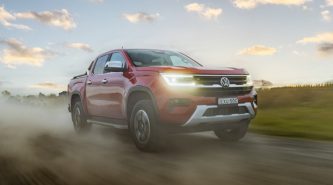
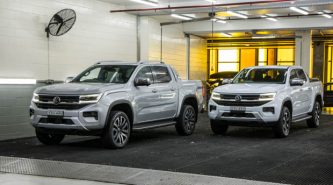
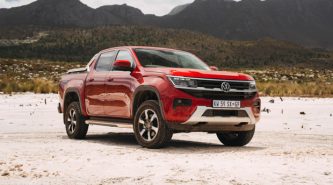
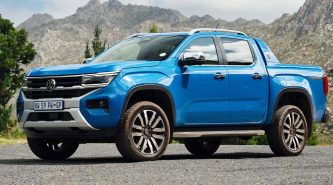
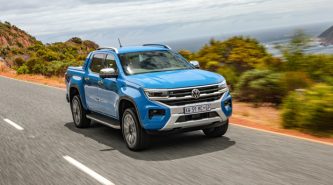
Volkswagen’s close association with Walkinshaw Automotive Group continues with the new-generation Amarok W-series, starting with the handling-biased, visually toughened W600
Just over two years since the previous-generation Amarok W-series disappeared from showrooms, Volkswagen’s halo dual-cab is set to return in second-generation form later this year with an even more holistic approach to on-road dynamic excellence courtesy of VW’s ongoing association with Melbourne-based Walkinshaw Automotive Group.
Fully supported by head office back in Wolfsburg, the tie up between Walkinshaw Automotive and Volkswagen Australia resulted in around 2600 units of the previous W-series being produced across two years – a sizeable percentage of total sales given Amarok’s combined 2022/23 volume was 11,140 units.
Amarok buyers have long favoured the high-spec, higher-priced variants in the line-up, while according to Walkinshaw’s internal ownership surveys, W-series buyers rate overall pricing only slightly higher as a deciding factor for purchase than driver-assist systems, which rate almost zero. Meaning the driver behind the Walkinshaw Amarok is literally the driver.
Walkinshaw says W-series buyers rate driving feel and performance/handling/suspension of equal importance to mechanical reliability and durability. And in a use-case scenario, by far the most typical is in built-up areas or on highways, carrying mostly the just driver but occasionally one or two passengers. This data drove the engineering focus of W-series gen two.
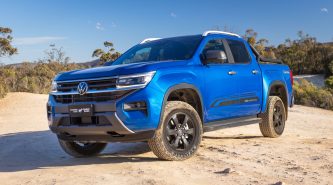
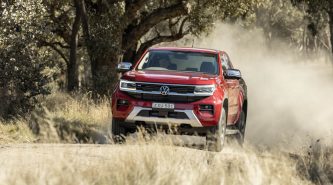
First out of the blocks will be the W600 – a handling-focused, visually pumped development of a V6-engined, mid-spec Amarok Style, set to launch during the third quarter of 2026.
This “driver’s ute” is expected to cost somewhere between $90,000 and $100,000 before on-road charges, with the W600 appearing to act as a baseline for what the new-generation W-series will be going forward.
It’s generously equipped, visually impressive and has received plenty of attention to the suspension, but it retains the existing drivetrain tune, chassis electronics and braking package – at least for now – and doesn’t impact the Amarok’s towing or load-carrying capabilities.
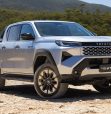
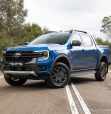
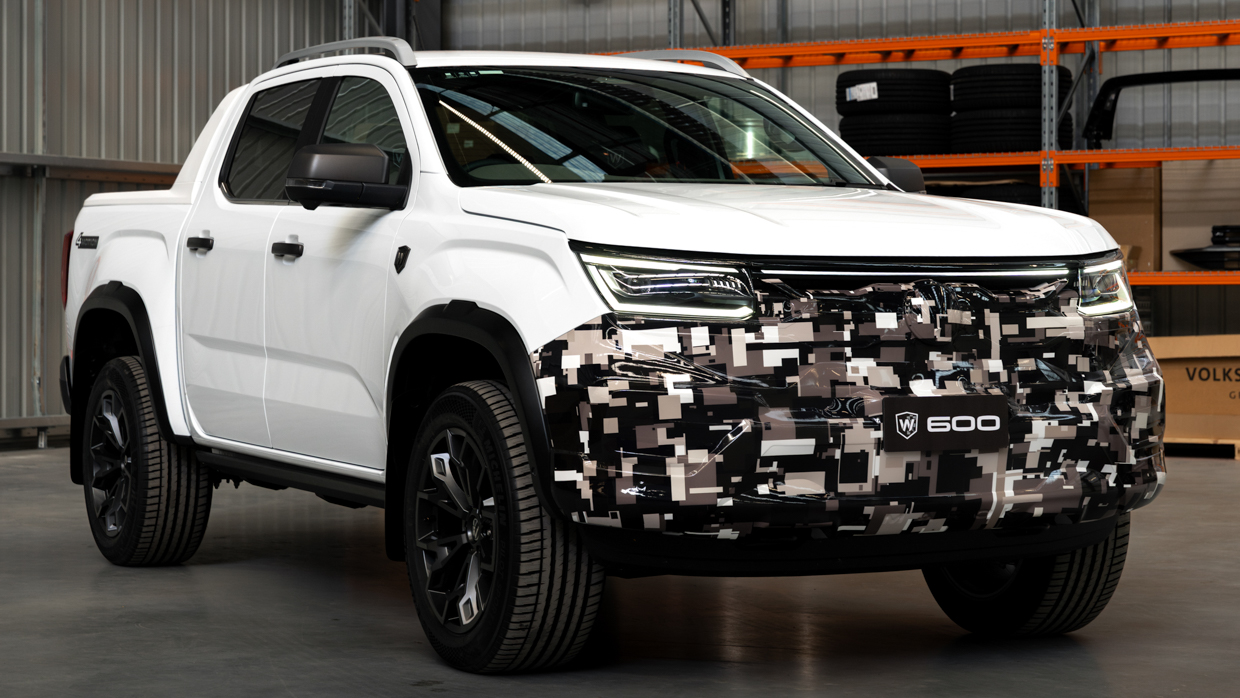
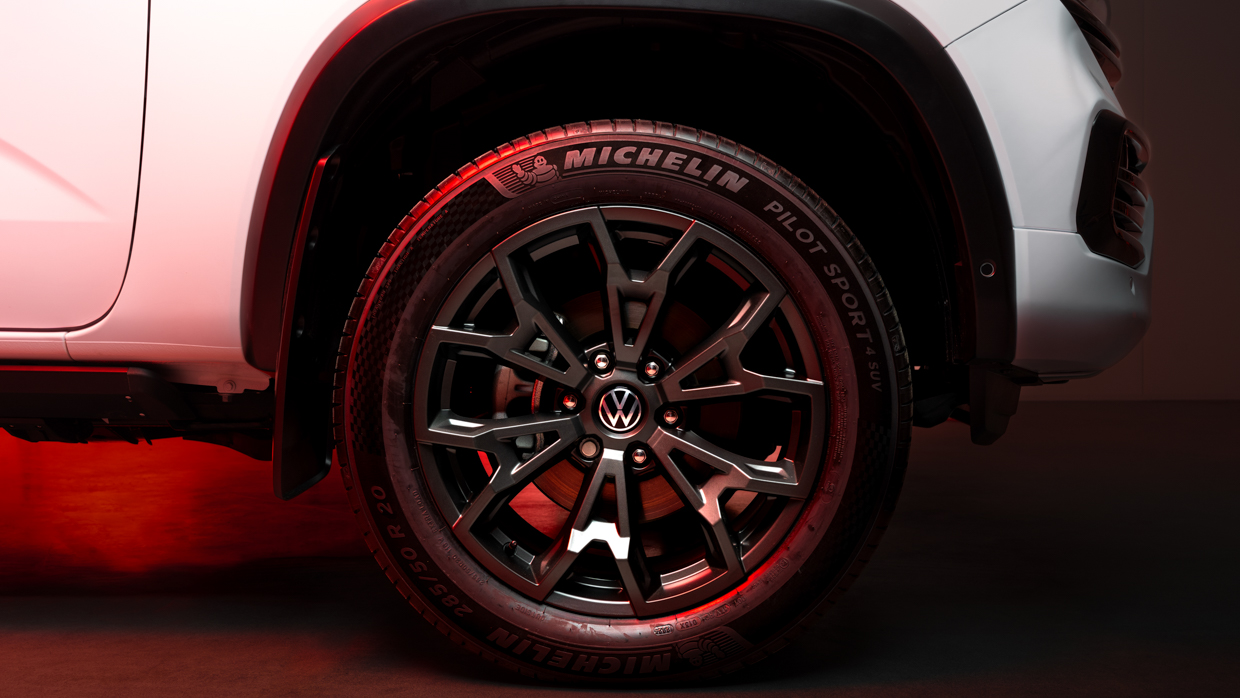
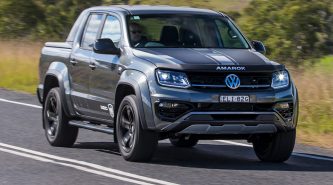
First thing you notice is the W600’s stance. Featuring broader wheelarch extensions to cover new 20 x 10-inch ‘shadow-chrome’ alloy wheels designed by former HSV stylist Julian Quincy, the W600’s rim edge sits 51mm further out than that of the 18 x 7.5-inch alloys from the Amarok Style, front and rear, and combines with track widths expanded by around 40mm.
The chosen wheels were among more than 30 designs produced by Quincy, so there’s already scope to visually differentiate any further W-series variants with uniquely fancy wheels.
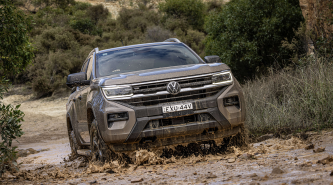
The W600’s are clad in 285/50R20 116W Michelin Pilot Sport 4 SUV tyres, in what is believed to be the first dual-cab application for this high-performance tread pattern, though we know from experience with previous Amaroks on 20s that fat rubber like this will have minimal impact on its off-road prowess.
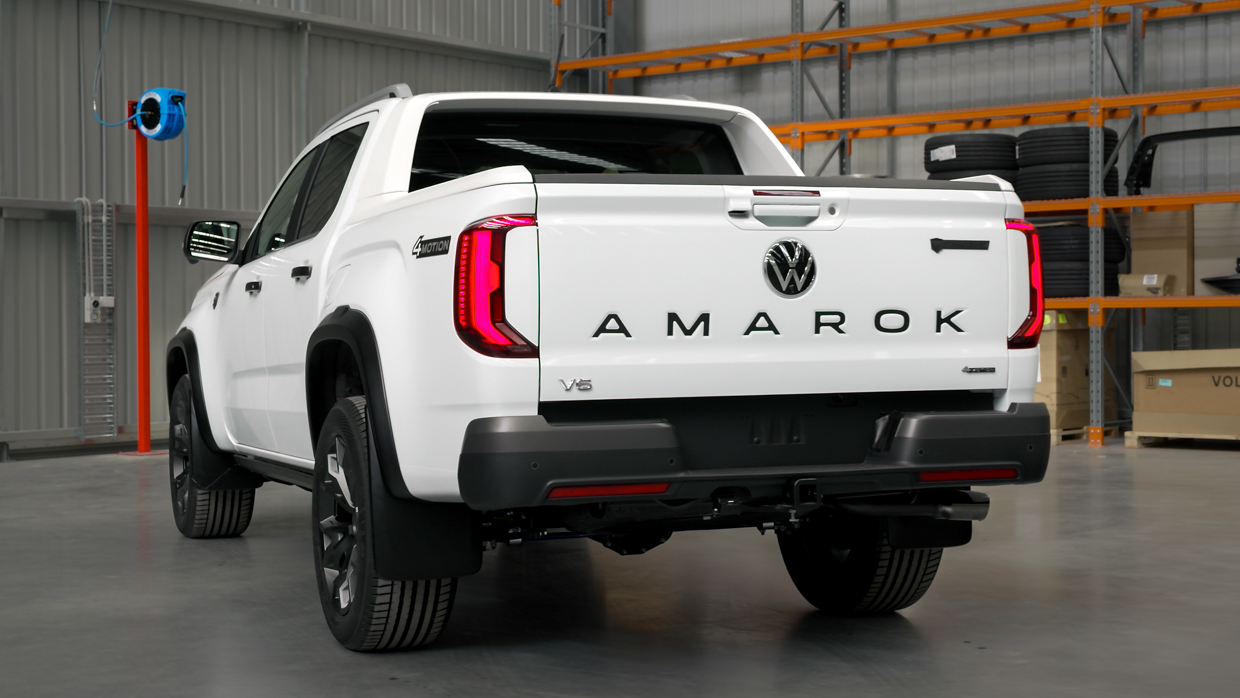
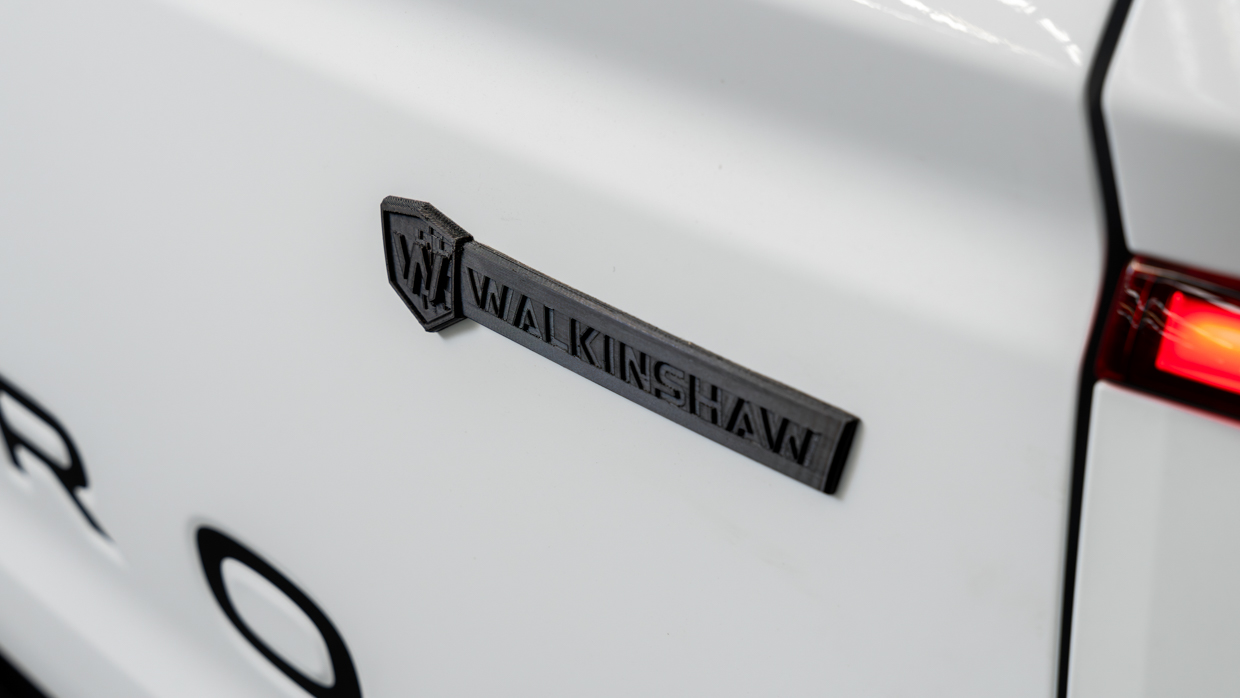
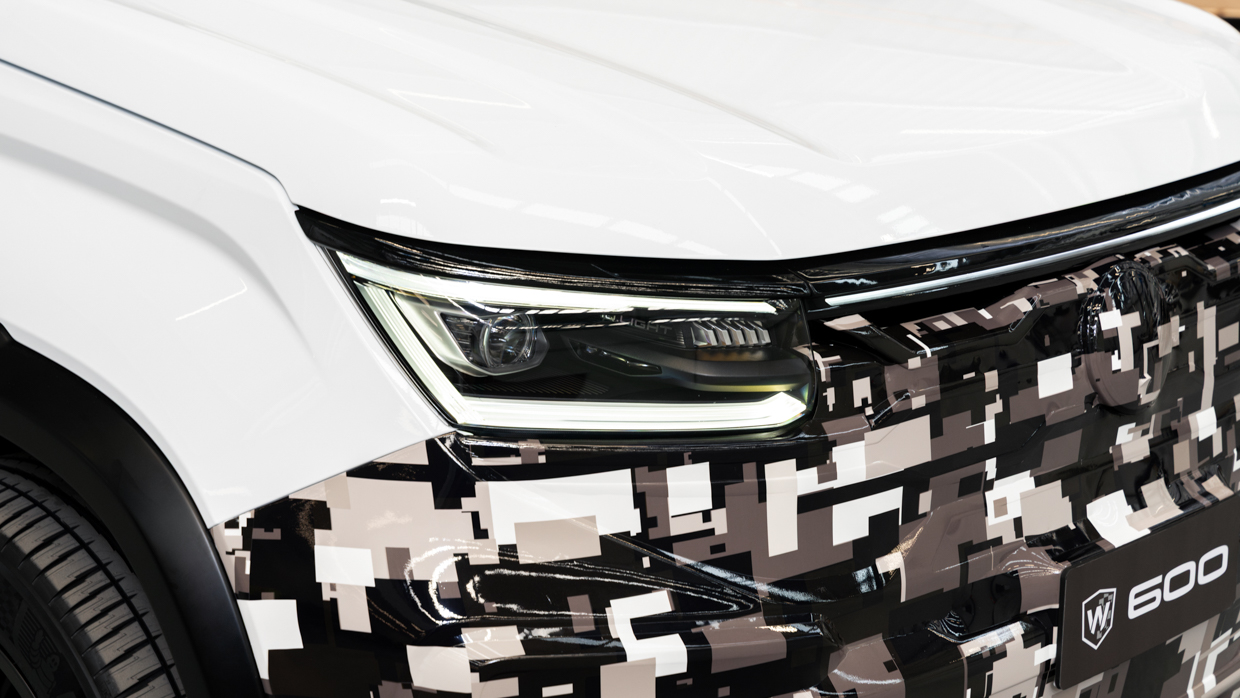
To visually unify the W600 design, the shadow-chrome grey wheel colouring is repeated on the mirror caps and on the rear bumper garnish, in much the same way as the black wheelarch extensions tie in with the black door handles. And there’s proper Walkinshaw badging on the W600 – ‘W’ crests on the front mudguards and ‘Walkinshaw’ on the tailgate.
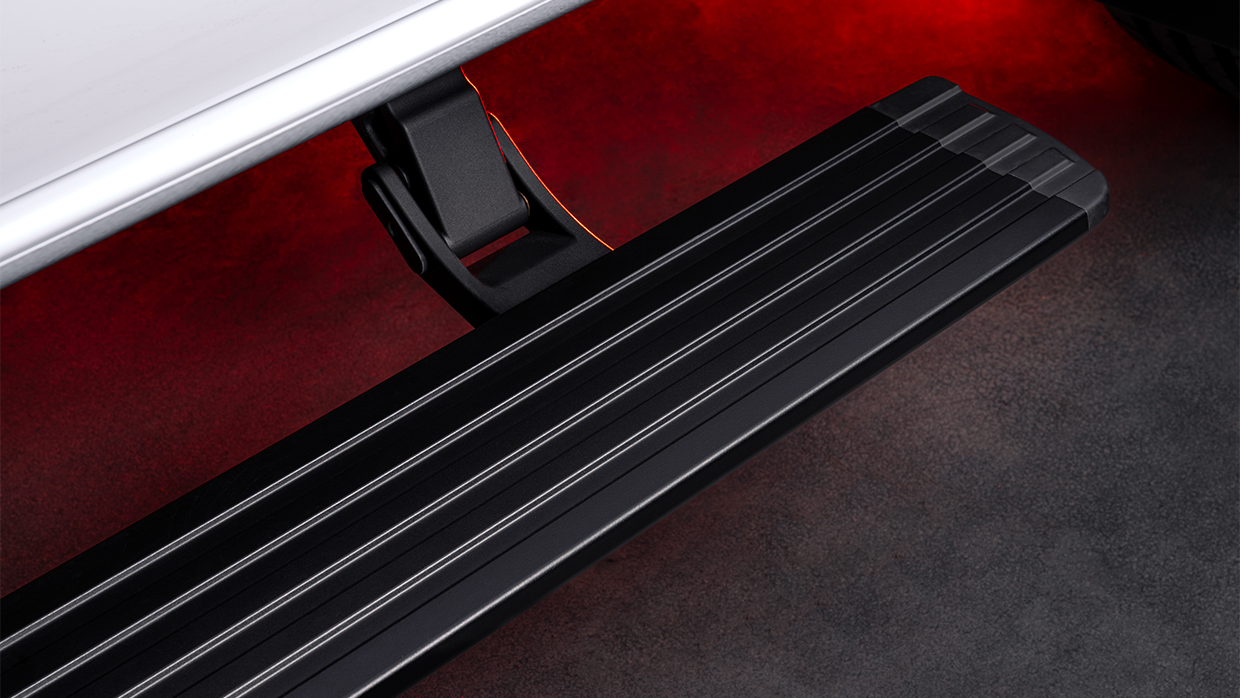
The W600 also features electrically-deployable, matte-black side steps – developed by Walkinshaw specifically for the new W-series – that also sport ‘W’ crests and which automatically extend the moment a door is opened, then tuck away neatly once the doors are closed.
It’s a feature often found on expensive full-size trucks such as the Ram 1500 but is offered on no other Amarok.
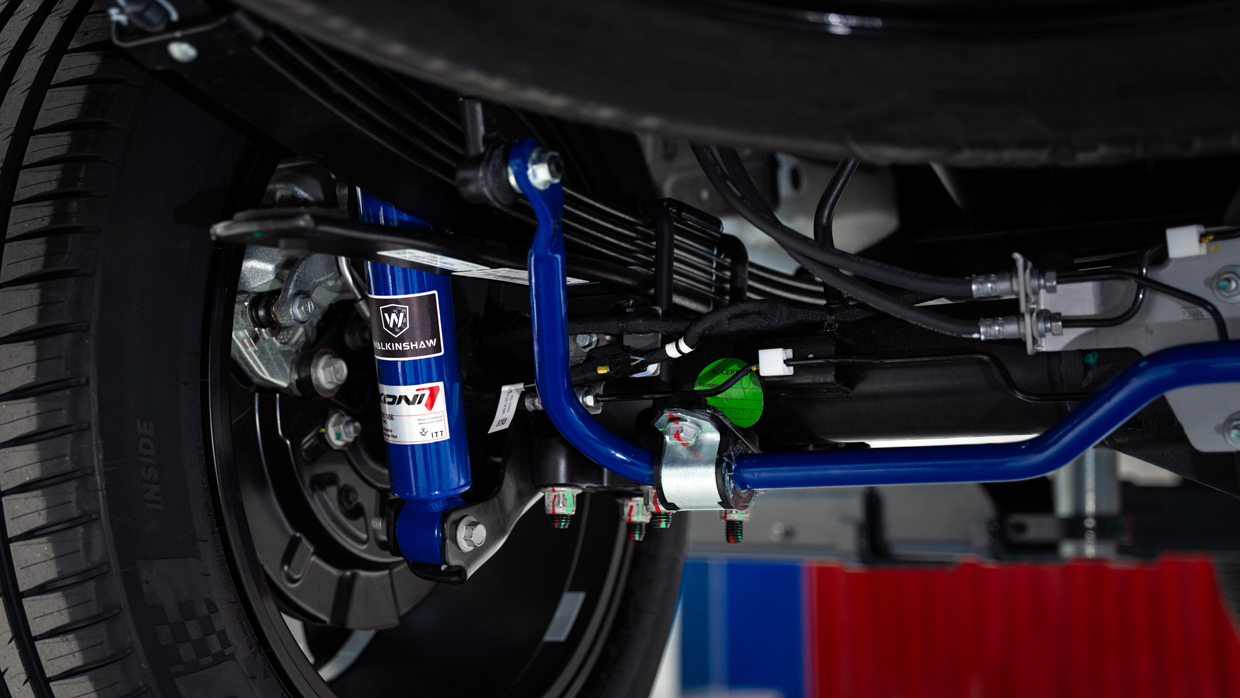
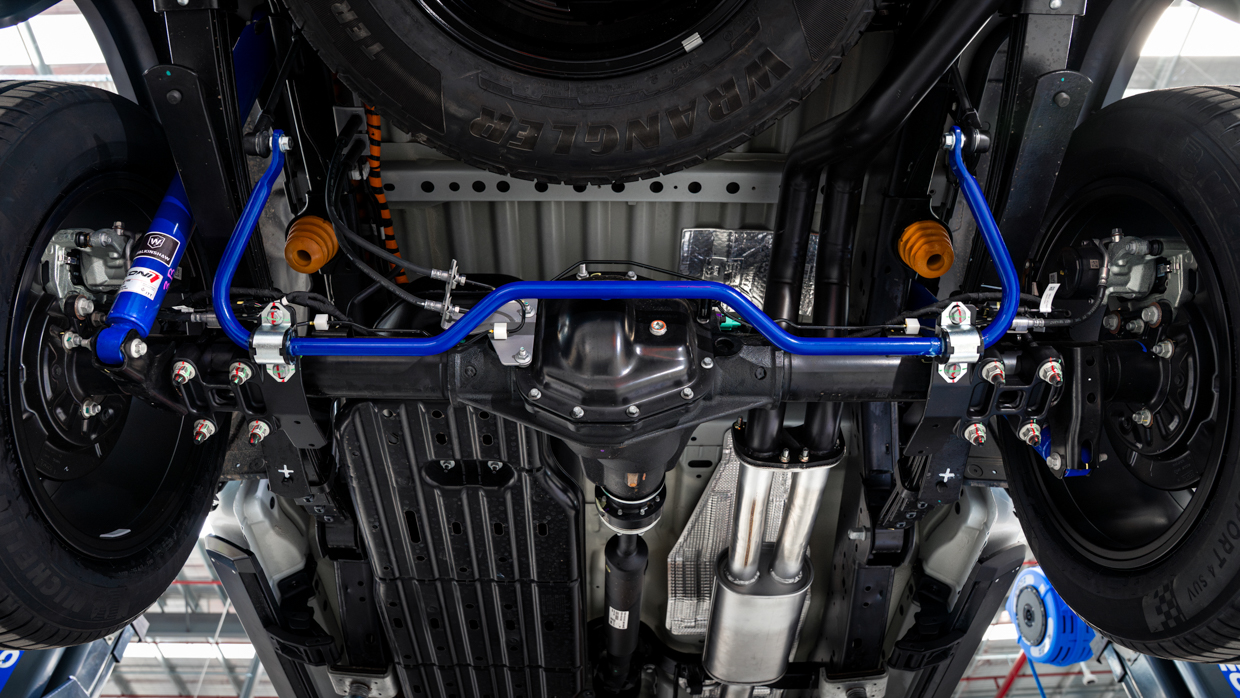
Underneath, the W600’s suspension tune revolves around bespoke Koni dampers that are essentially painted Lapis Blue, super-close to the Volkswagen R hero colour. For the W-series, they’re a combination of Koni’s Raid off-road dampers (for toughness) and its FSD (frequency selective dampers) which offer a degree of active ride control to enhance on-road comfort.
The front coils and rear leaf springs appear to carry over from the Style, but there’s a new custom 22mm rear anti-roll bar (painted the same blue as the dampers) that is bolted directly to the chassis via new forged-metal mounting points, while the Amarok’s front anti-roll bar has been removed.
As is often the case with performance variants, the front sway bar was deemed unnecessary in achieving a slight rear bias to its handling poise, minimising understeer and heightening steering precision without any impact on ride comfort.
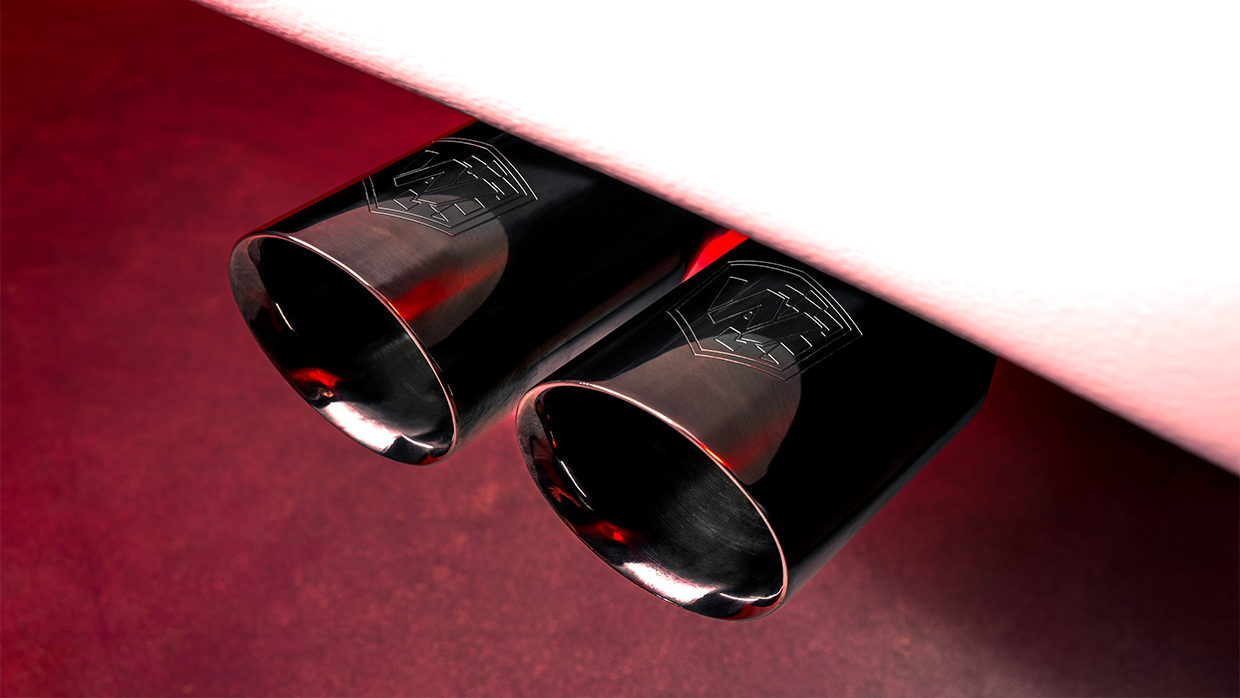
The other notable change underneath is the W600’s custom dual exhaust system, which snakes from the catalytic converter parallel to the driveline, then up and over the rear diff before exiting behind the driver’s-side rear wheel. Capped with W-branded 3.5-inch shadow-chrome tips, the exhaust was routed to avoid the underslung rear spare when there’s an optional 20-inch alloy fitted (an 18-inch is standard).
The exhaust itself supposedly has minimal impact on the 3.0-litre turbo-diesel V6’s outputs – they are likely to remain 184kW and 600Nm (hence the W600 model name) – but Walkinshaw claims that there’s an improvement in acoustics, which we’re yet to verify.
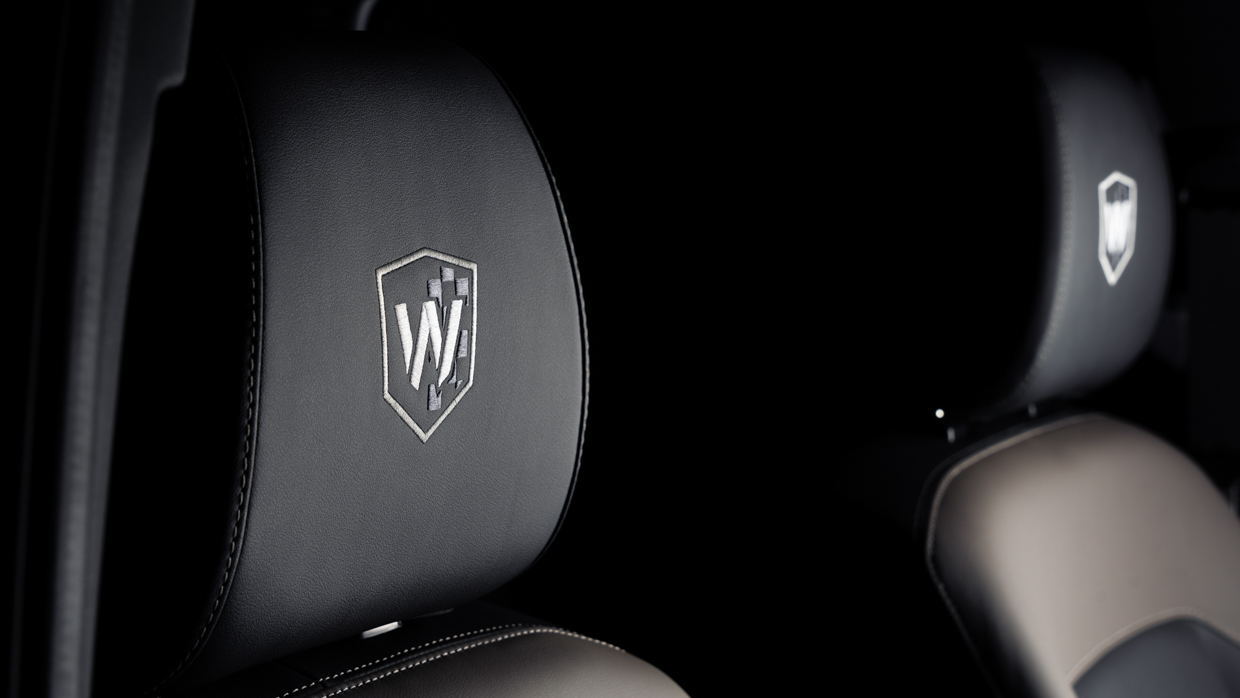
Inside, the W600 combines up-spec Amarok luxury with several unique features. These include ‘W600’ floor mats, ‘Walkinshaw’ metal sill plates, metal pedals with anti-slip rubber inserts, and an embroidered white ‘W’ crest on the front headrests.
The donor vehicle already brings two-tone perforated Savona leather upholstery with white stitching, stitched padding across the door trims, armrests and dashboard top, and eight-speaker premium Harman Kardon audio with a subwoofer, so what you get in the W600 is a flash Amarok spec with a full handling and visual package.
What doesn’t change is the electronics, so there’s no dedicated Sports setting in the drive modes (it retains Normal, Eco, Slippery, Mud/Track, Snow/Sand and Towing/Heavy Load), or unique wheel-mounted gearshift paddles, or upgraded braking. Perhaps these changes might happen in a potential S version, potentially with tweaked engine outputs.
Neither Volkswagen or Walkinshaw would confirm if there will be more W-series variants going forward – or if the ute will be exported to other markets like the previous version – but given the huge investment by Walkinshaw Automotive Group to relocate to a massive new green-field facility in Dandenong South, there’s definitely room to expand new-gen W-series volume.
The all-new production line is 110m long, combined with the fact that the second-gen Amarok design is barely two years’ old compared to over a decade for the previous generation before Walkinshaw worked some dynamic magic. That resulted in a 20-inch-wheeled ‘works burger’ dual-cab that was equally as proficient off-road as it was lapping a racetrack!
There’s already some pent-up demand for this locally concocted beast. VW dealers began taking deposits long ago, despite no concrete details having been revealed – just confirmation it was coming. And we still won’t know what the front-end will look like without camo’ tape until mid-year.
But given the already impressive driving dynamics of the standard Amarok Style V6, this beefy-looking, keen-handling, bitumen-biased Volkswagen-Walkinshaw dual-cab looks set to maintain, or even exceed, the impressive capabilities of its well-liked W-series predecessor.
Latest news
About Chasing cars
Chasing Cars reviews are 100% independent.
Because we are powered by Budget Direct Insurance, we don’t receive advertising or sales revenue from car manufacturers.
We’re truly independent – giving you Australia’s best car reviews.