Powered by

-
Car Reviews
Latest reviews
-
Car News
Latest news
-
Car Comparisons
Latest comparisons
- Chasing Deals
Latest reviews
Latest news
Latest comparisons

Hyundai’s new-look medium SUV has been spied durability testing in harsh Australian conditions
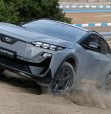
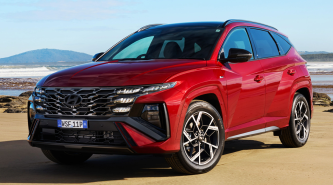
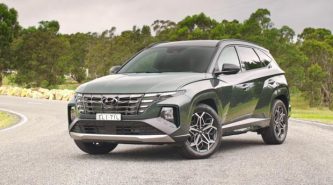
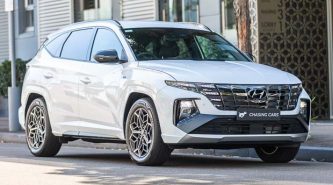
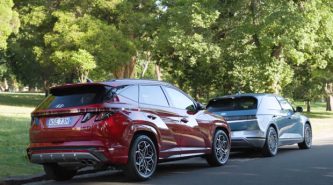
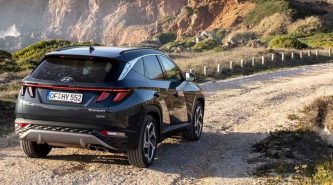
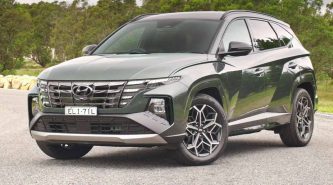
The fifth-generation Hyundai Tucson mid-size SUV is readying for launch, possibly later this year.
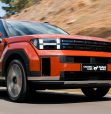
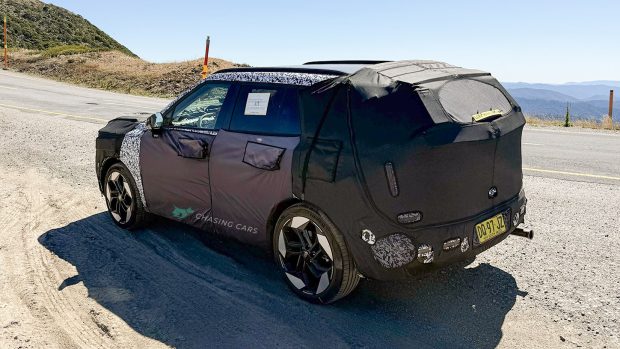
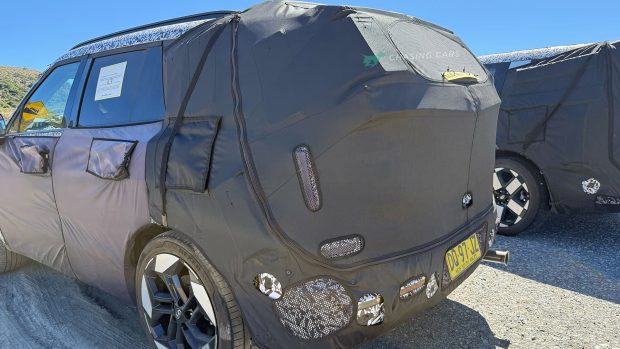
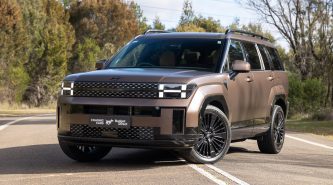
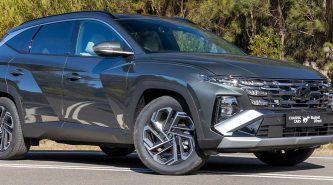
While undergoing hot weather durability testing in the Victorian High Country, Chasing Cars spotted a camouflaged version of the new Tucson and an updated Santa Fe SUV.
The Tucson is due for a new generation by next year, having launched globally in 2021 and coming in for a facelift in 2024. We expect the camouflaged Tucson to break cover in production guise in late 2026 or early 2027.
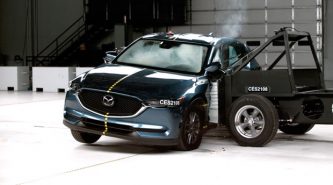
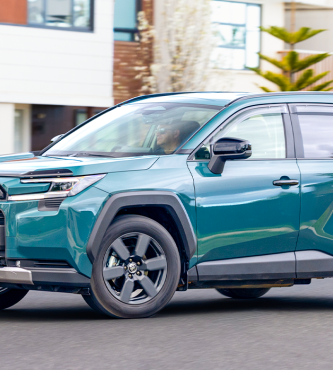
This car is an even more dramatic change than the larger Santa Fe, being a new generation model that needs to compete with Toyota’s refreshed RAV4, the incoming Mazda CX-5 and a host of new names from China such as the BYD Sealion 6.
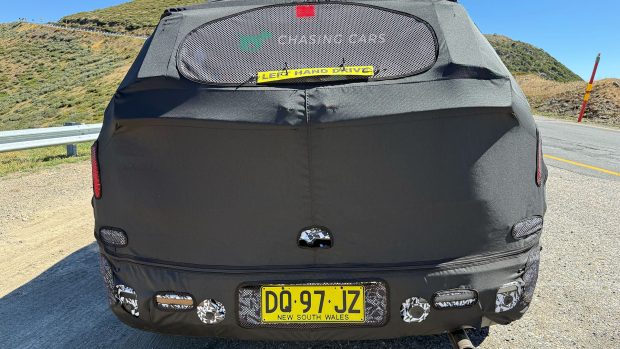
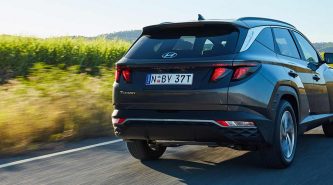
Like the Santa Fe, the evaluation car’s number plate carries a confirmation it’s the new ‘NX5’ Tucson (the current car’s code is ‘NX4’) and that it weighs 1797kg.
There was more camouflage obstructing the Tucson’s body lines, including what appeared to be measurement equipment on the rear window. The Tucson also has an unfinished-looking exhaust protruding from the rear bumper.
Large, handsome alloy wheels suggest the model testing is a high-trim example.
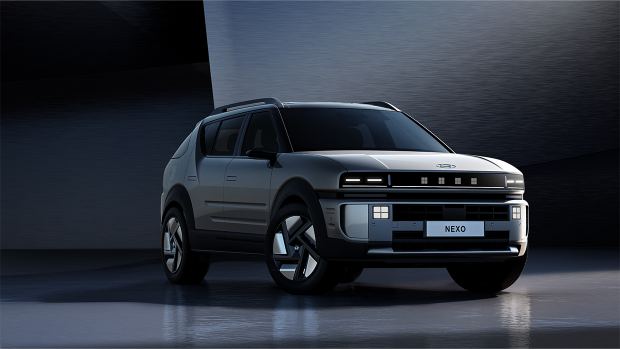
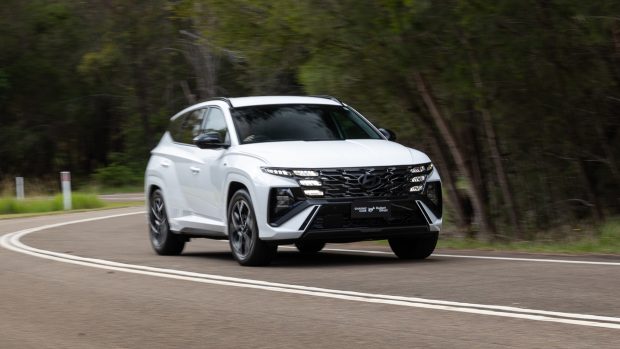
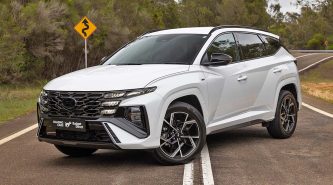
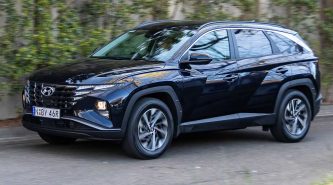
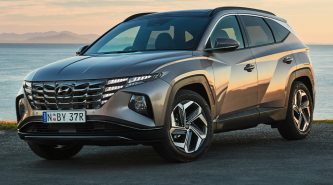
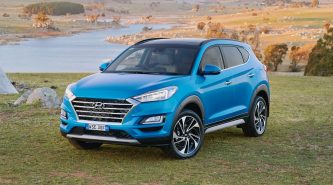
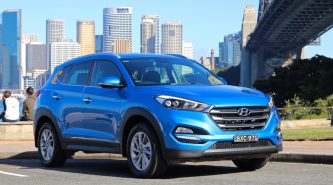
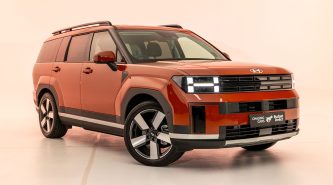
It is a clear departure from the rounded, organic shapes of the current Tucson and a step towards squarer, bluffer styling following the hydrogen fuel cell (FCEV) powered Nexo‘s design language.
Underneath, the fifth-generation Tucson will debut a new, software-defined architecture called Pleos OS, according to KoreanCarBlog, which will likely see more powerful processing inside the cabin.
What’s not clear is if the new Tucson will be made in short and long wheelbase guises for different markets. European-delivered Tucson models measure 4500mm long while Australian and North American examples are currently 4650mm from tip to tail.
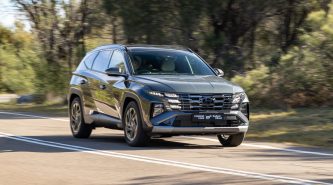
The Tucson currently comes with a 2.0L four-cylinder petrol in base grades though a popular hybrid version, making 172kW, is also available. Expect the electrified powertrain to continue in the new car.
In overseas markets the Tucson is offered with a plug-in hybrid that may be on the cards for Australia. Using a small-ish 13.8kWh battery, North American-market Tucson PHEVs are rated to travel about 50km on electric power in EPA testing.
If Hyundai is able to get the price right, a plug-in hybrid Tucson could be advantageous under New Vehicle Emissions Standards (NVES) as well as providing a rival for the growing number of PHEV family SUVs, including the Geely Starray EM-i, BYD Sealion 6, Mitsubishi Outlander and more.
We expect the new Hyundai Tucson to break cover later in 2026.
Hyundai, along with related companies Kia and Genesis, have long seen value in Australian ride and handling tuning for their vehicles, but this is not that.
Instead, there is currently a fleet of 20 Hyundai, Kia and Genesis vehicles in Australia for summer durability testing.
Chasing Cars understands the combination of high altitude and hot weather found in the Victorian alpine region in summer is of particular interest to Korean engineers when it comes to turbo petrol engines.
Additionally, the Australian time zones line up better with South Korea than those in the United States.
Latest news
About Chasing cars
Chasing Cars reviews are 100% independent.
Because we are powered by Budget Direct Insurance, we don’t receive advertising or sales revenue from car manufacturers.
We’re truly independent – giving you Australia’s best car reviews.