Powered by
-
Car Reviews
Latest reviews
-
Car News
Latest news
-
Car Comparisons
Latest comparisons
- Chasing Deals
Latest reviews
Latest news
Latest comparisons
A growing lineup, upgraded Shark ute, concentration on fleets and 150+ dealers could give BYD the numbers it needs to reach the Aussie podium
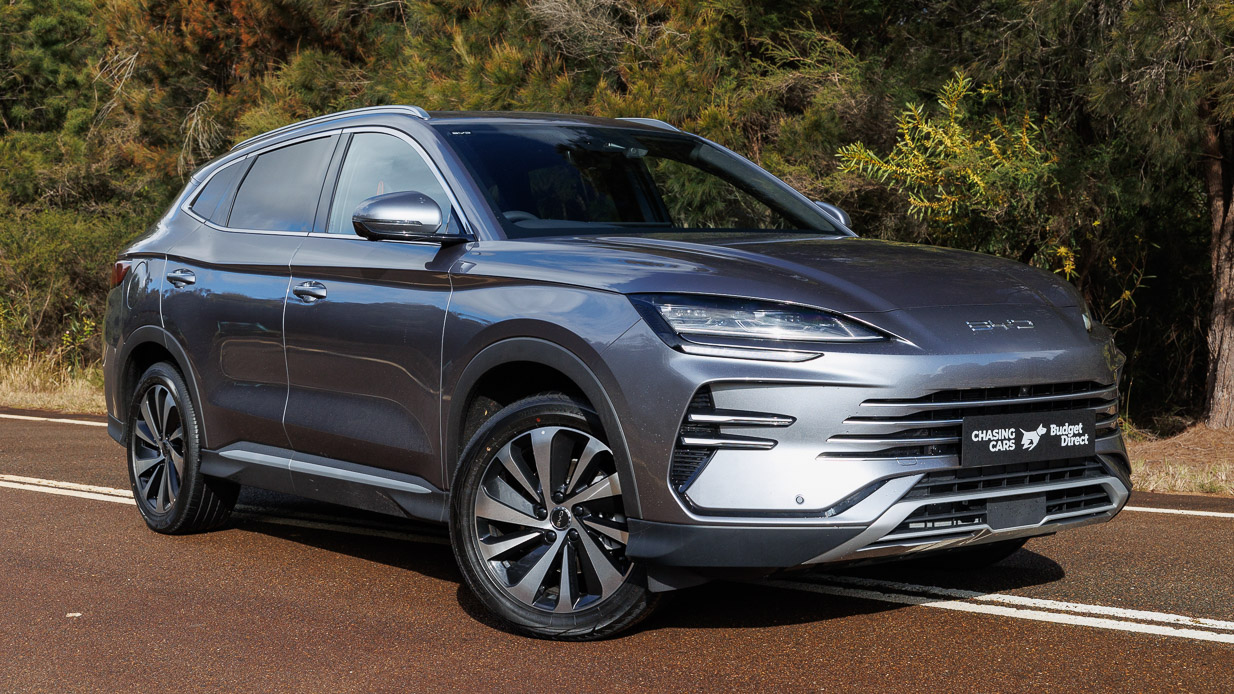
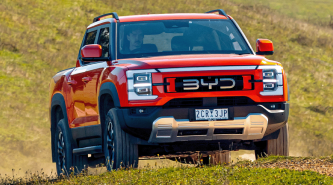
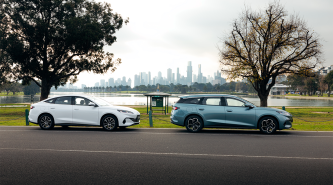
BYD has confirmed its intention to become a top-three brand by sales in 2026, less than four years since it launched in Australia.
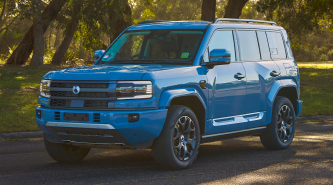
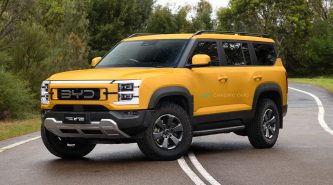
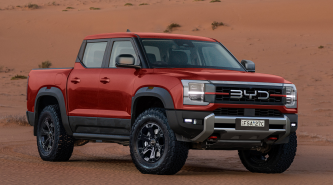
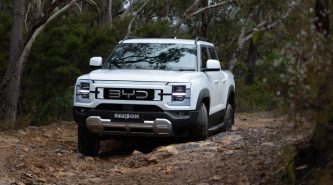
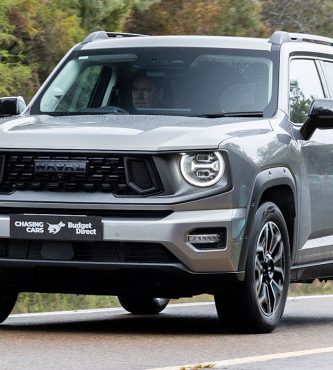
Speaking at the launch of the updated Shark 6 ute, BYD Australia chief operating officer Stephen Collins said he “would be disappointed if we didn’t finish in the top three”.
BYD jumped from 16th position in 2024 to 8th in 2025, thanks to a growing arsenal of affordable vehicles in the increasingly popular plug-in hybrid and fully electric space.
If achieved, it would be a huge moment, not just for the brand but for its home country of China; after rapidly rising to the most popular source of vehicles in Australia, BYD would be the very first Chinese brand to break into the top three.
Despite registering its 100,000th vehicle sale in April of this year, BYD Australia still has work to do to reach this target. Currently, it sits around 5th place in the market with 25,243 sales this year, behind Toyota (59,675), Ford (25,920), Mazda (27,526) and Kia (27,080).
But in an overall market trending downwards by 1.5 percent, BYD has seen sales grow a massive 110.8 percent, year-to-date.
Combined market share for plug-in and EV sales has grown to 21 percent in 2026, up from 13 percent in 2025 and 11 in 2024.
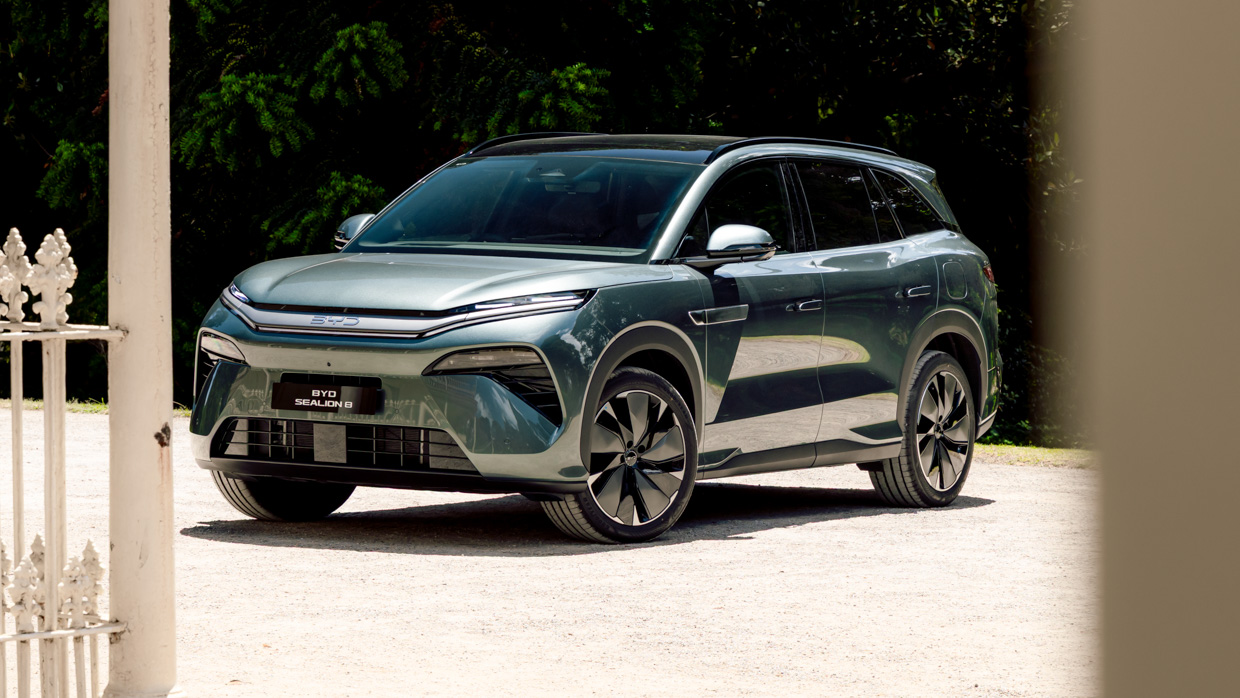
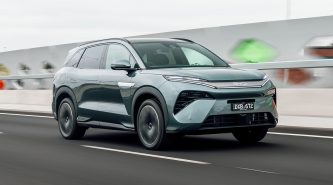
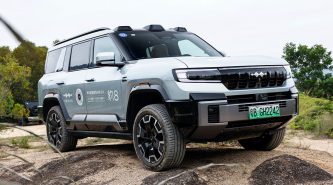
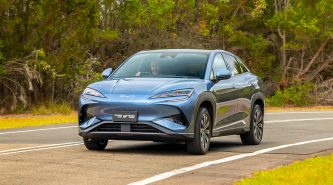
In recent months, BYD has filled yet another segment blind spot with Sealion 8 large SUV and is preparing two more vehicles, along with two key model updates, before the end of the year.
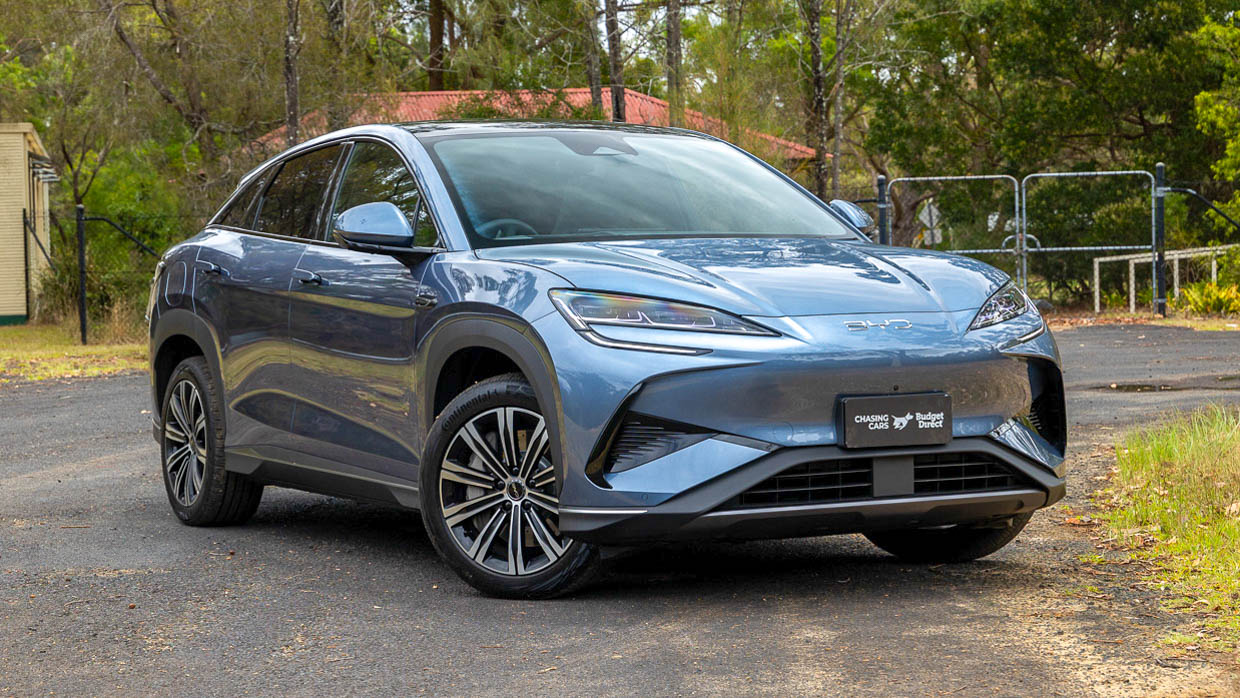
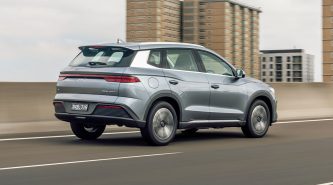
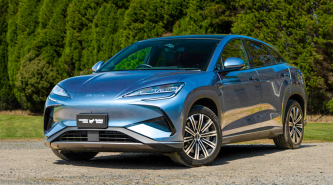
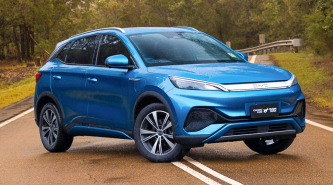
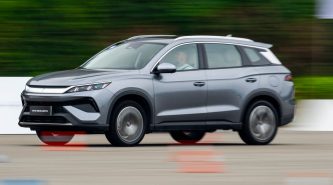
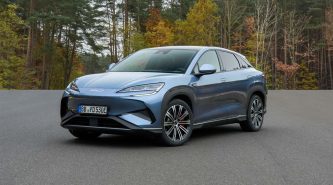
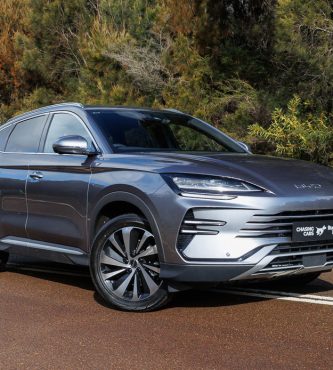
As of April, the Sealion 8 (2491) has become its third best seller, behind the fully electric Sealion 7 (6248) medium SUV and Shark 6 ute (4851), with the latter generating presence for the brand locally.
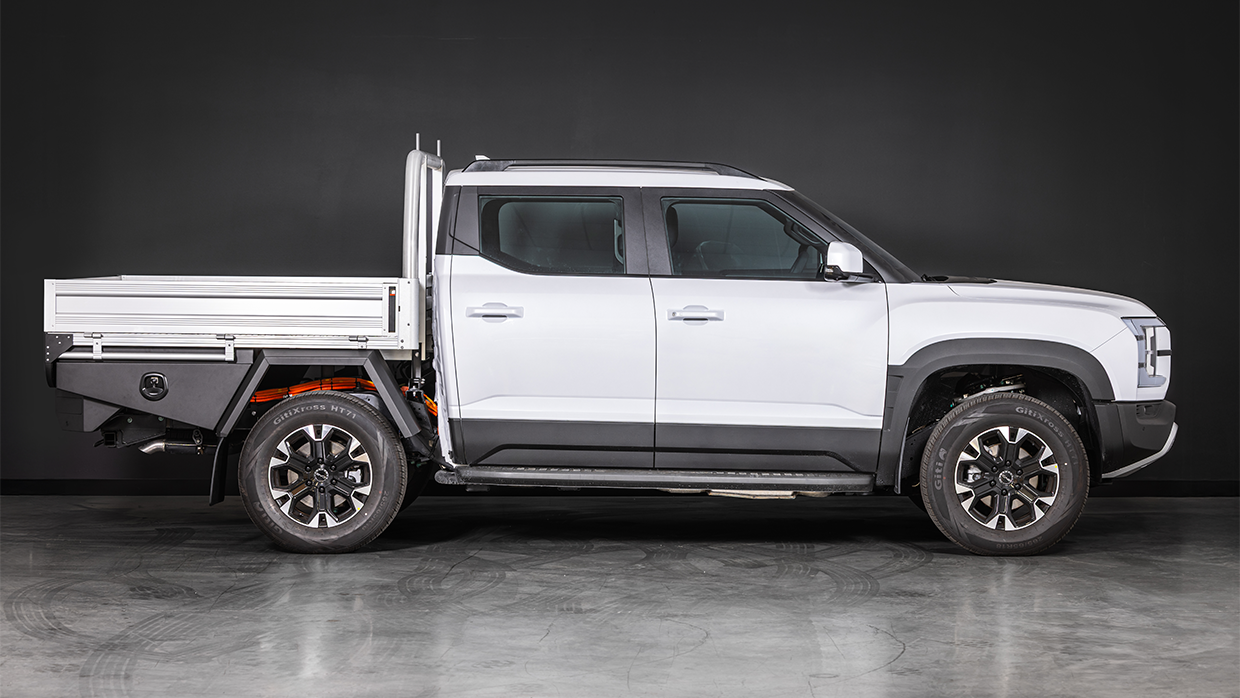
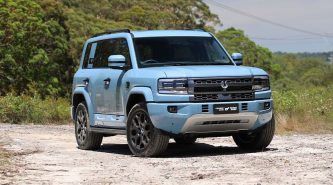
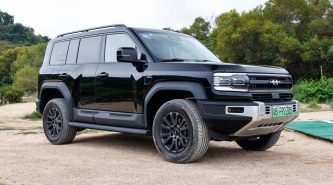
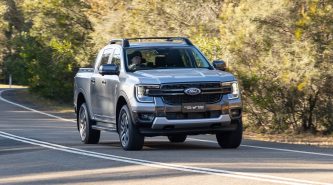
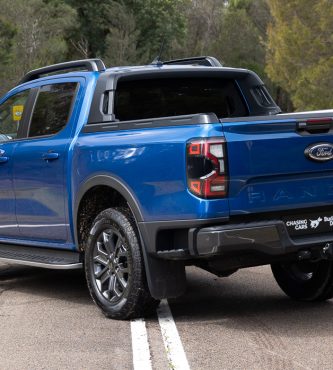
BYD sells more Shark 6s in Australia than anywhere else in the world, with the plug-in ute accounting for roughly 70 percent of the plug-in hybrid ute segment, as Ford makes the previously unthinkable move to slash its entry pricing below its Chinese rival to gain sales footing with its Ranger PHEV.
Following the latest update, BYD expects sales to grow from roughly 1200 per month to 1500 per month, an incremental increase that could give the brand an additional 2100 units by the end of the year, if successful.
Fleets are another big target for BYD, which says it has been virtually ‘nowhere’ with a 10 percent sales share in 2025 against an industry average of 35 percent.
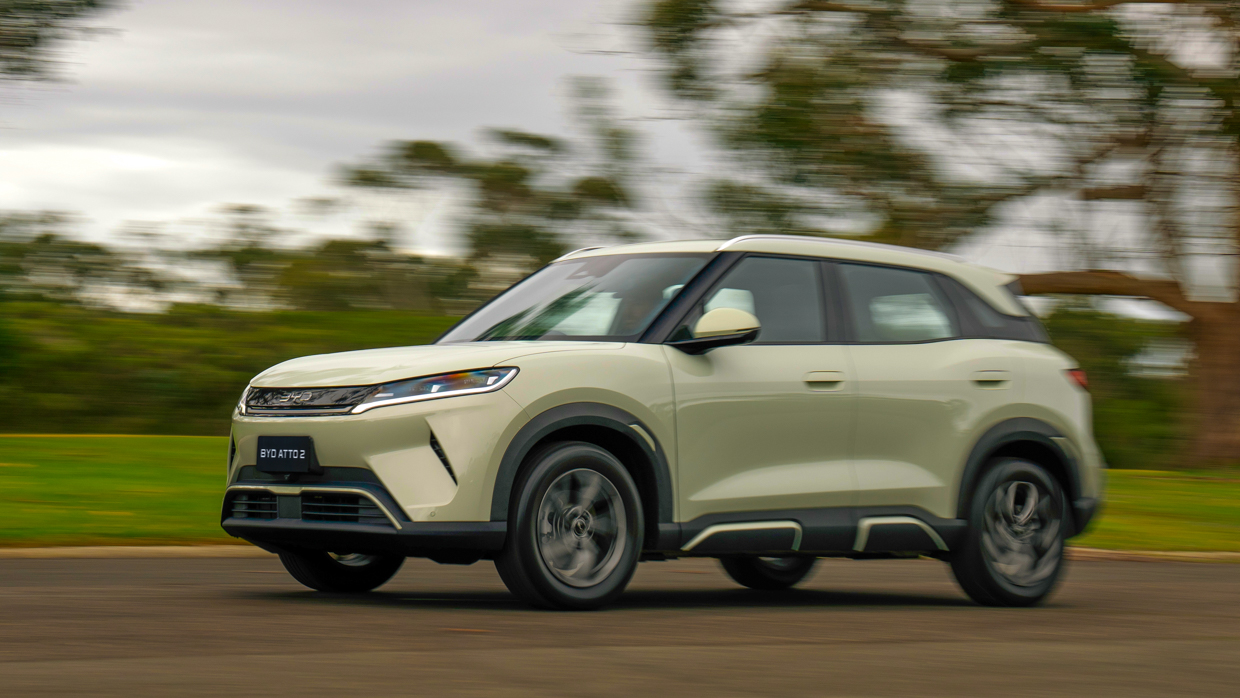
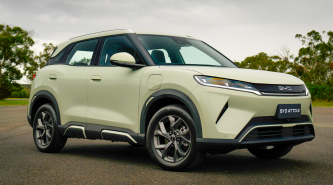
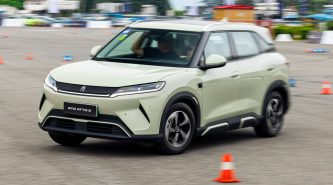
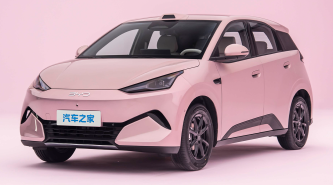
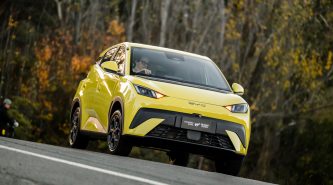
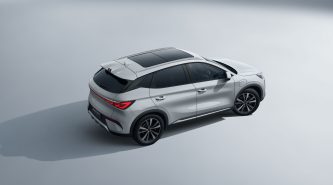
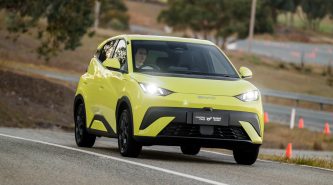
In 2026, it plans for fleets to account for around 20 percent of sales, buoyed by new products such as its new Shark 6 cab-chassis, and circa-$20K, fully electric Atto 1 hatch and Atto 2 small SUV models, which have caught the eye of local councils.
By the third quarter of 2026, Collins aims to have over 150 dealerships wearing BYD branding. That figure would require BYD to add at least 50 dealers to its current network with fewer than 100 registered by the end of 2025.
It’s a growth target not without precedent, however, as in 2024 it had less than 50.
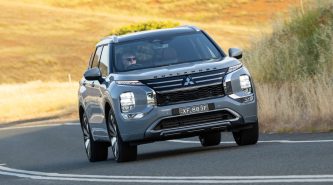
That 150 target is still a fair way off the over 300 registered dealers offered by the likes of Toyota, but it’s uncomfortably close to the circa-200 with Mitsubishi, Hyundai and Mazda badges.
The next, and Collins says ‘most significant’, battleground for BYD is buyer retention. As BYD’s first wave of owners start to consider replacing their cars in what has become a far more competitive market than it was in 2022, he acknowledges that there need to be improvements in parts availability, quicker service turnaround times and better outcomes for customers.
Latest news
About Chasing cars
Chasing Cars reviews are 100% independent.
Because we are powered by Budget Direct Insurance, we don’t receive advertising or sales revenue from car manufacturers.
We’re truly independent – giving you Australia’s best car reviews.