Powered by

-
Car Reviews
Latest reviews
-
Car News
Latest news
-
Car Comparisons
Latest comparisons
- Chasing Deals
Latest reviews
Latest news
Latest comparisons
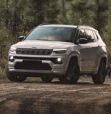
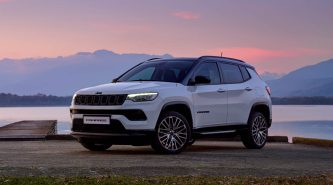
Small SUV lineup is more electrified than ever for its third-generation. But does have enough ‘right stuff’ to rekindle Jeep’s fortunes locally?
The Jeep brand marks its 85th year in 2026. Yet a history founded on the rugged minimalism of a military tool has slowly but surely pivoted towards the mass market.
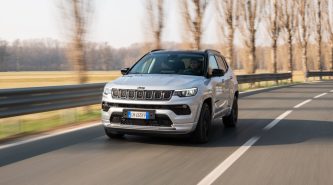
Case in point: this latest 2026 Compass is a natively front-driven small SUV with pure Stellantis bones.
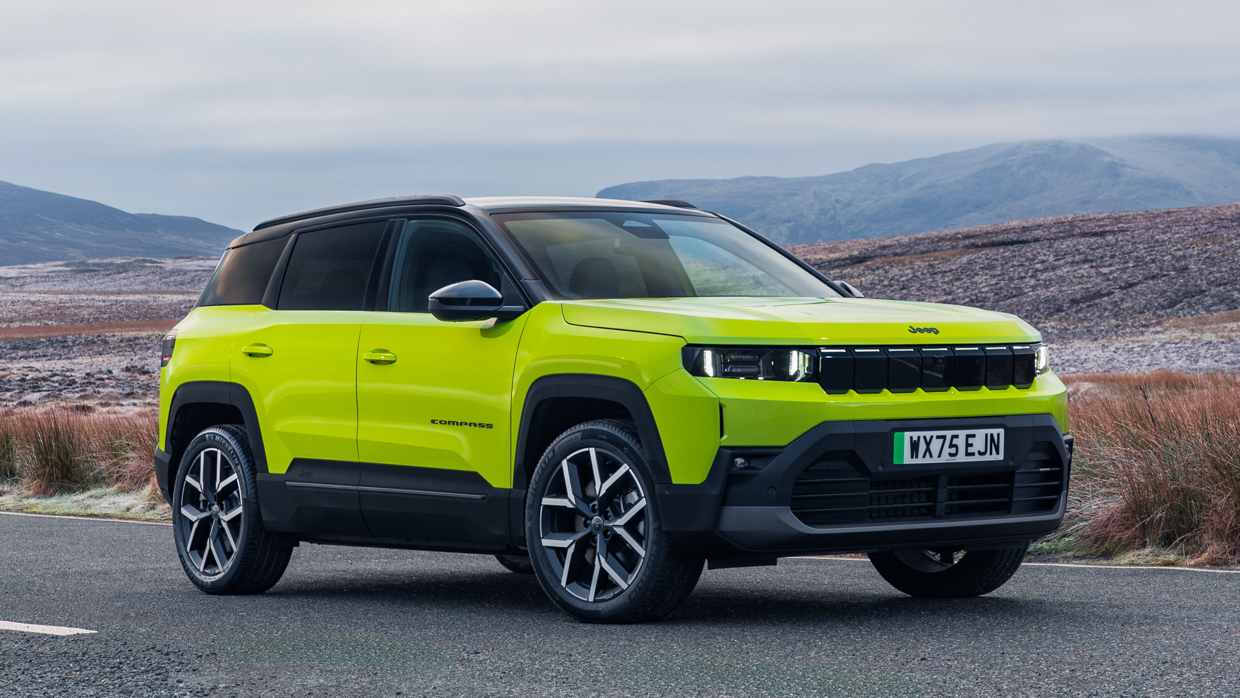
It’s the third generation of a car that, until now, has sold 2.5 million units globally despite its apparent dilution, though. But the Compass hasn’t enjoyed anything like its popularity in other markets here in Australia.
Does the third generation deserve to continue its overseas success while also boosting Jeep‘s fortunes Down Under?
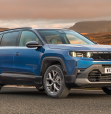
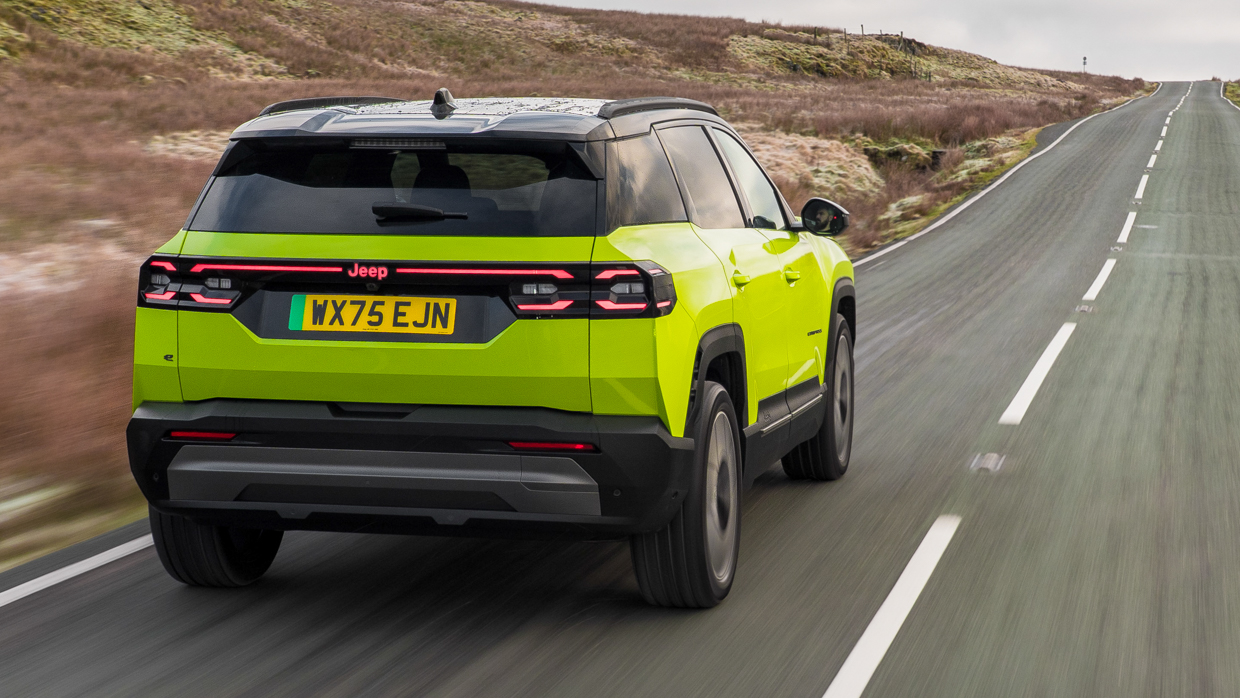
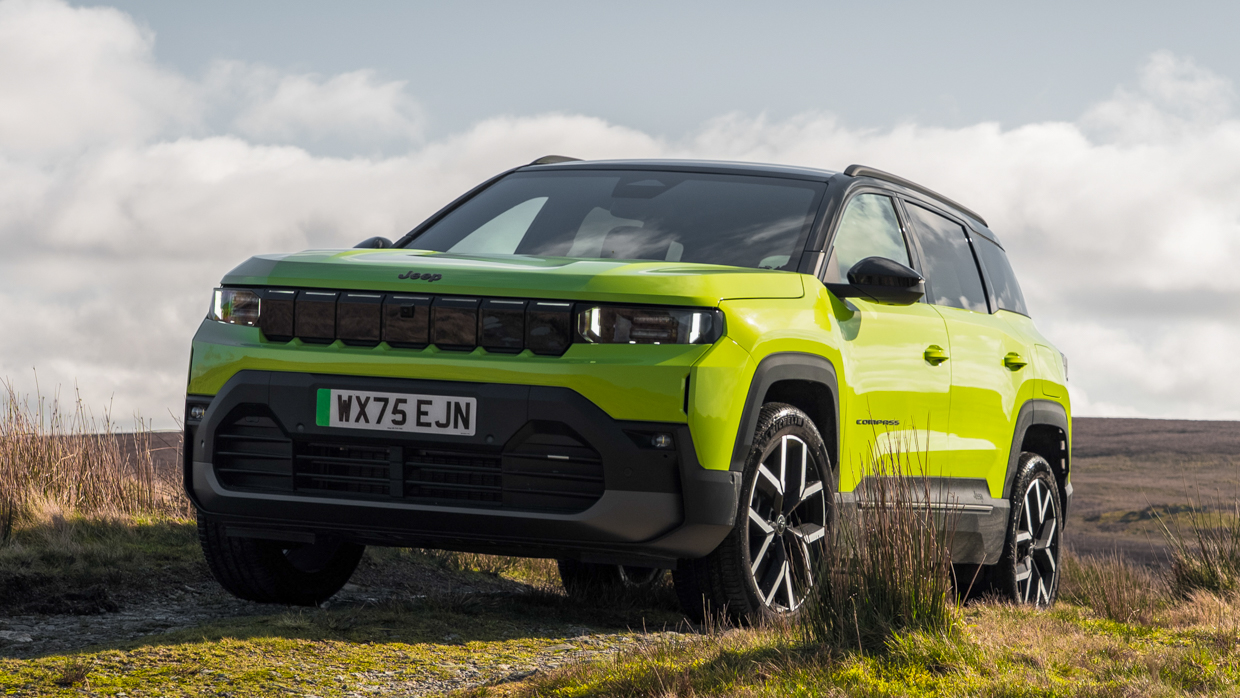
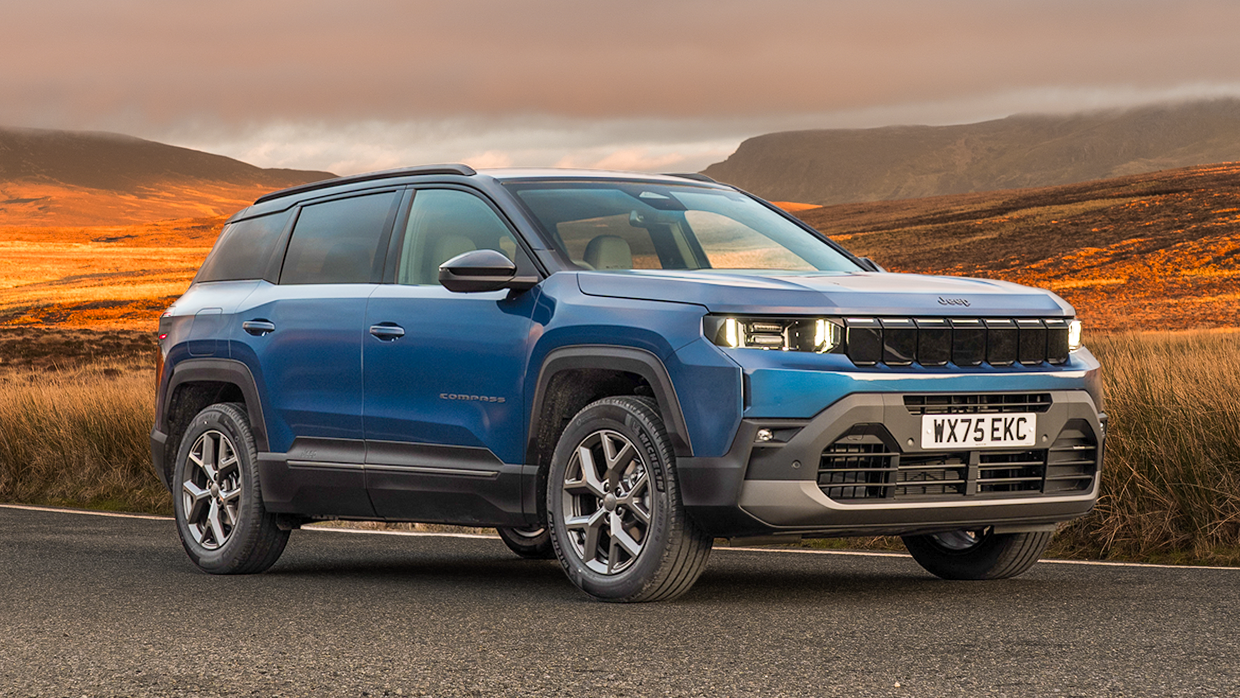
Initial signs are good. Its first impression is of a rather design-led vehicle, and Jeep’s exterior design chief Sacha Barber enthusiastically points out all the clever aerodynamic details that have allowed his team in Turin, Italy, to retain a boxy, muscular Jeep shape, one not unlike a classic XJ Cherokee in places.
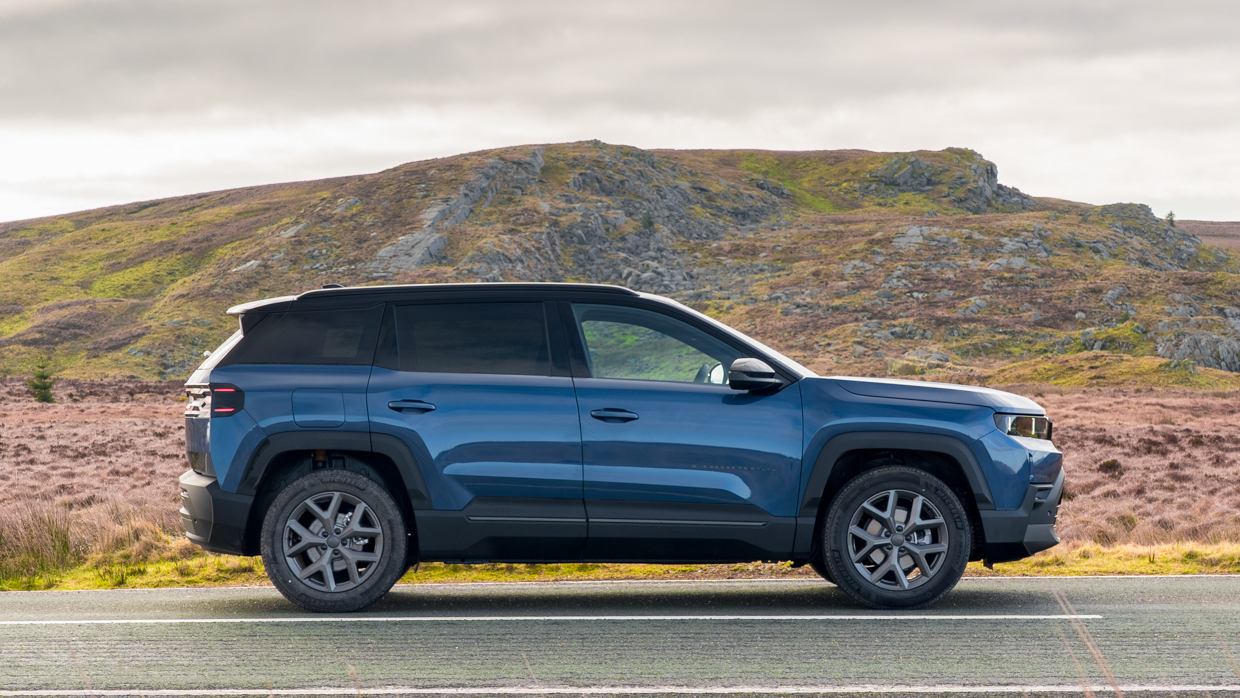
The result? There’s plenty of classic, rugged Jeep style while still achieving a 0.29Cd drag coefficient to ensure its fully electric iterations don’t bludgeon their battery potential. The new Compass is the slipperiest Jeep ever, no less.
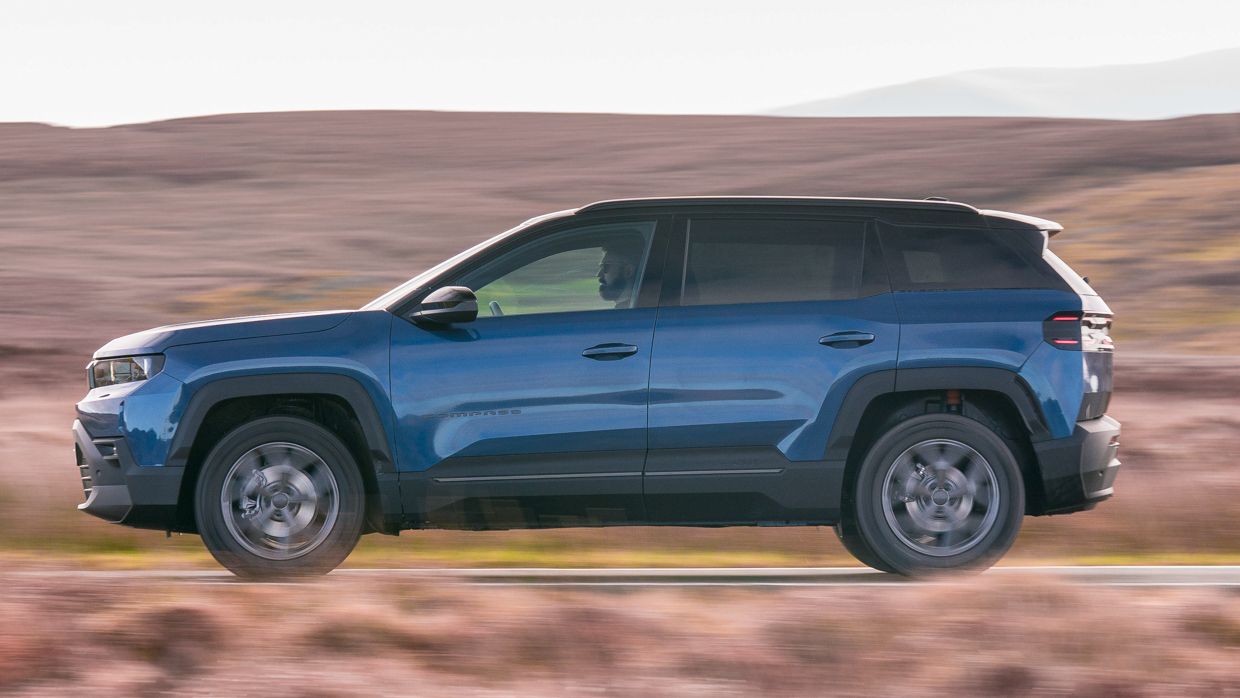
It’s a wee bit bigger than before, its length up 144mm – at 4.55 metres overall, arguably nudging what’s been a small SUV into ‘medium’ status – and the wheelbase of its STLA Medium platform is stretched by 159mm.
So it’s bigger inside but boasts shorter overhangs for not only a neater silhouette, but the potential for some off-road japes.
It claims respective approach, breakover and departure angles of 20, 15 and 26 degrees and up to 470mm of wading depth in front-driven form. An upcoming, more off-road-focused AWD Compass will improve upon all of those figures.
In Europe, where Chasing Cars has sampled the new Compass, its launch range kicks off with a 108kW mild-hybrid powertrain, which pairs a 1.2-litre petrol with a modest e-motor and battery for 5.7L/100km economy and 0-100km/h in ten seconds flat.
While Australian prices are yet to be confirmed, we’d expect them to start at around $55,000 using European costs (and the base price of its littler Avenger sibling on our shores) as a base, or around 10 percent up on the current outgoing gen-two Compass entry point.
A pricier 145kW plug-in hybrid with extended electric-only range will follow in due course.
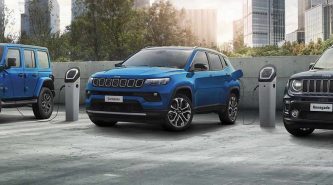
Full electric seems to be the big Compass selling point, however. At launch there’s a single-motor, 159kW version with a 74kWh battery and 18.9kWh/100km efficiency for a claimed 500km range.
The Electric version will hit 100km/h in 8.5 seconds, while a 20 to 80 percent charge at its 160kW DC peak takes around half an hour.
Further down the line it’ll gain both long-range (172kW power, 97kWh battery and 650km range) and dual-motor (280kW power and 600km range) siblings.
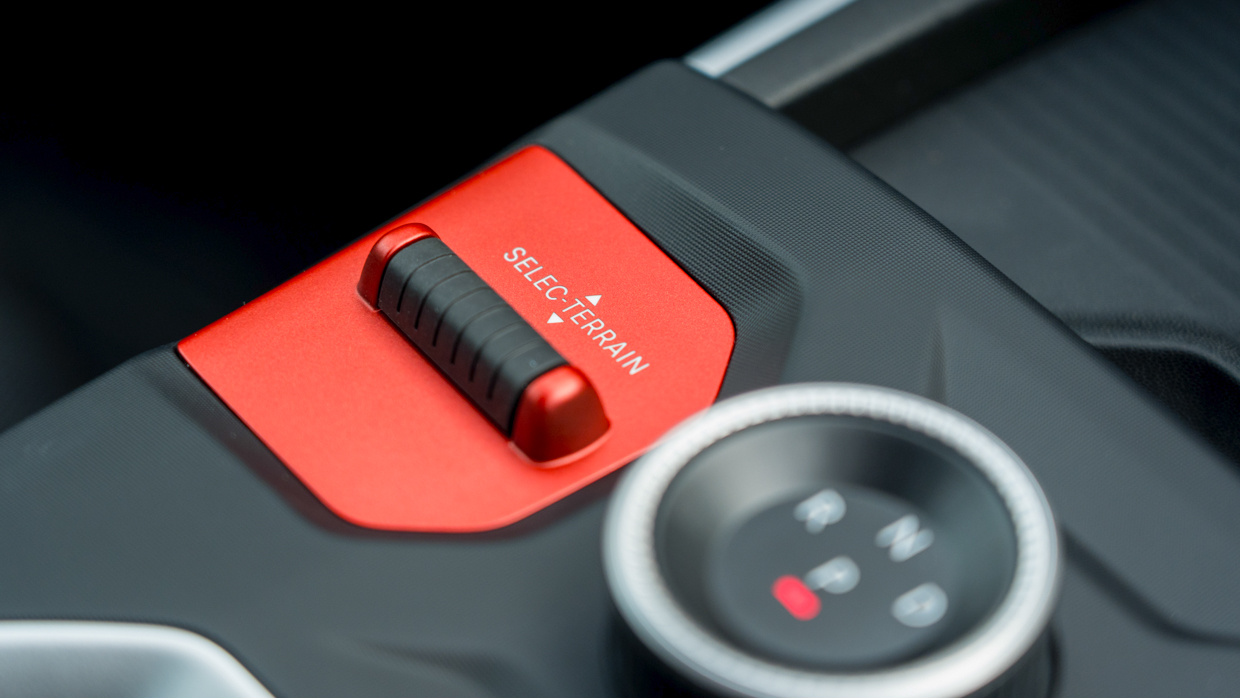
The latter version, dubbed Compass 4XE, is the only AWD variant mooted; all the rest get a ‘Selec-Terrain’ system built into the drive mode toggle to help manage front axle over looser surfaces.
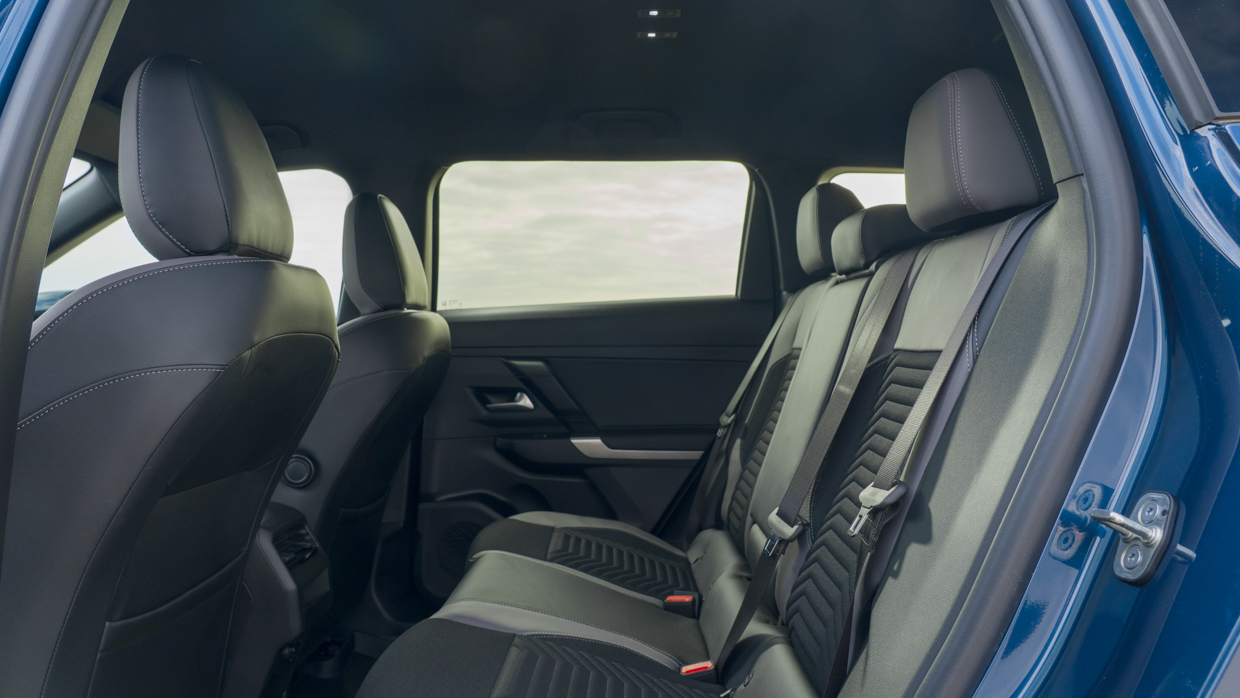
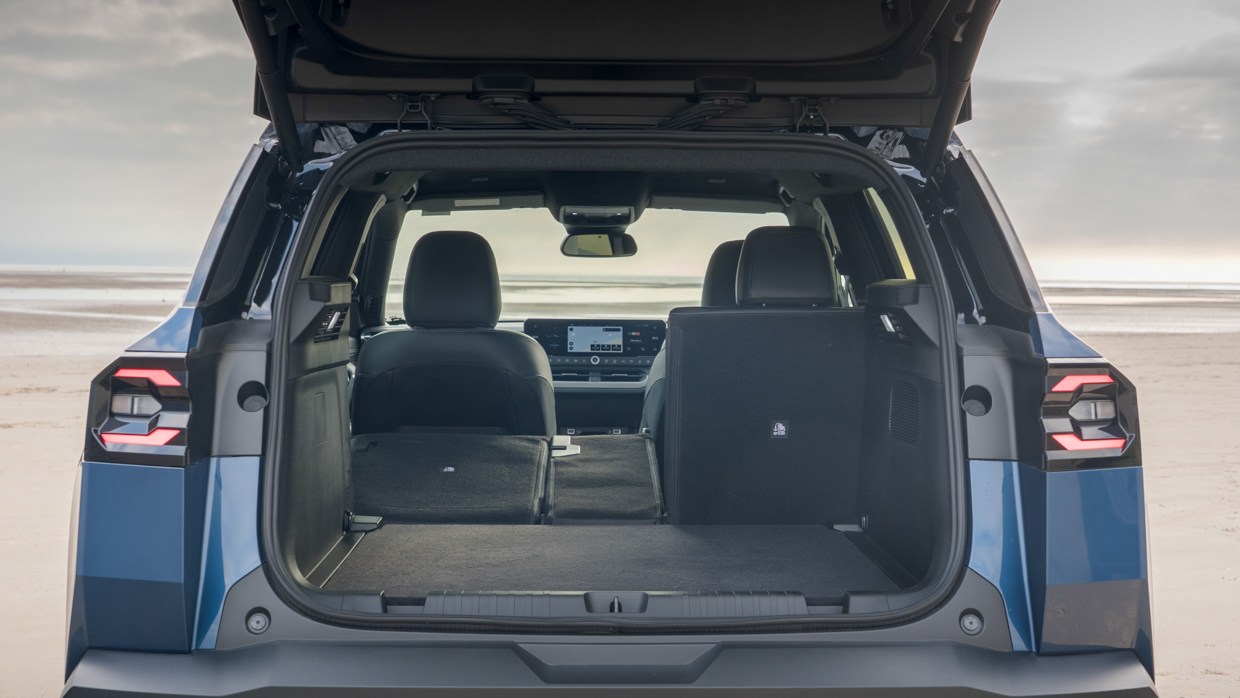
Other business? Towing capacity is rated at 1150kg in the mild hybrid and 1230kg in the base EV, while the boot space is quoted at 550 litres whichever version you choose – with the rear seats splitting 40/20/40 for extra flexibility.
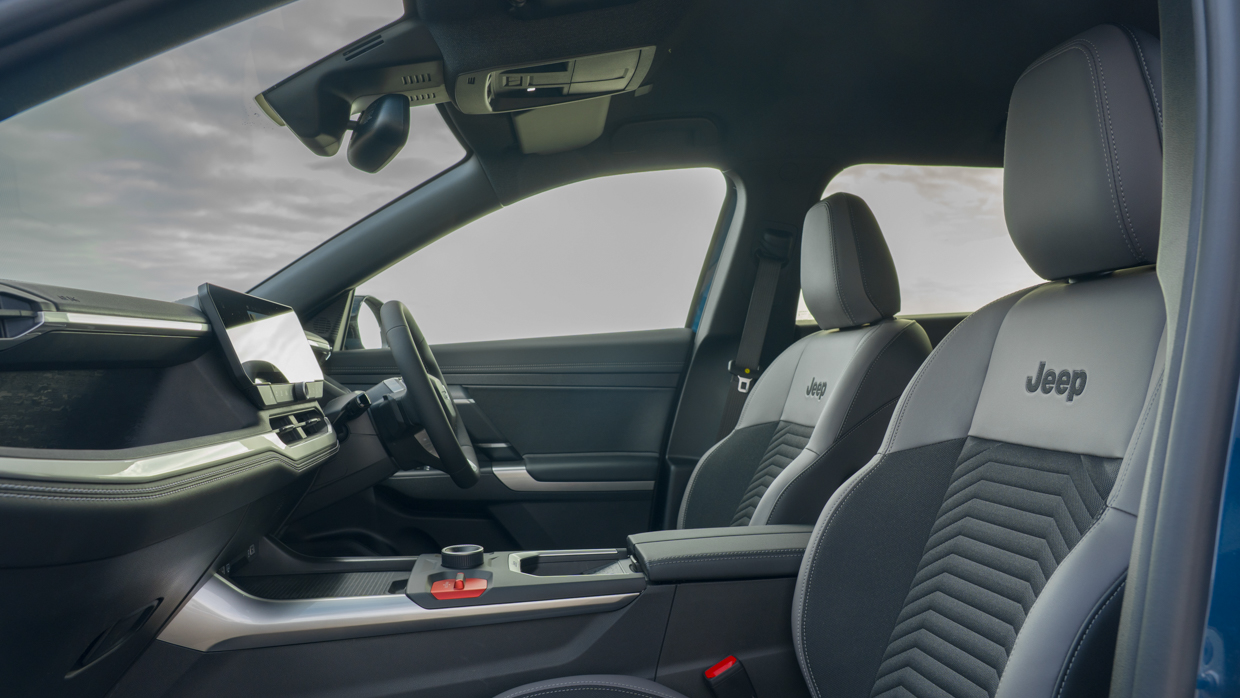
Our own testing revealed the ICE car to have deeper rear footwells and just a mite more room for those perched in the back, though it’s a roomy, flexibly laid out car with either powertrain.
We prefer the e-Hybrid to drive. It rides on smaller 18in wheels (versus the Electric’s 20-inch items) while weighing a colossal 531 kilos less (1667kg versus 2198) and over bumpy or twisting roads there’s a noticeable gulf in their composure and agility.
While neither version is fun to drive in the traditional sense, you have more trust in the hybrid’s reactions as it smothers less cared-for roads with greater panache – its fatter tyre sidewall also makes its alloys more kerb-proof in cities and rut-proof off-road.
Inevitably, the Electric is the perkier performer, however, its chunkier power and torque figures giving it more muscle off the line and more flexibility during mild off-roading.
It can feel as boisterous as an electric Mini JCW out of junctions, its 345Nm enough to demonstrate torque-steer under a heavier right foot, but there’s more precise control when the time comes to scrub off your speed thanks to three levels of regenerative braking (operated through steering wheel mounted paddleshifters) and a one-pedal mode for urban gridlock.
Ultimately, we crave a Goldilocks world where the perkier power of the Electric can pair with the more dexterous responses of the e-Hybrid. But overall, this is a pretty inoffensive car to drive – just one where the design ultimately talks a lot louder than the dynamics.
Thankfully Sacha’s design team have worked hard to distract you from the prosaism beneath.
While some of the plastics err on the cheaper, harder-wearing side of things – perhaps only rightly given the rugged aspirations – the interior borrows minimal parts and switches from other Stellantis products.
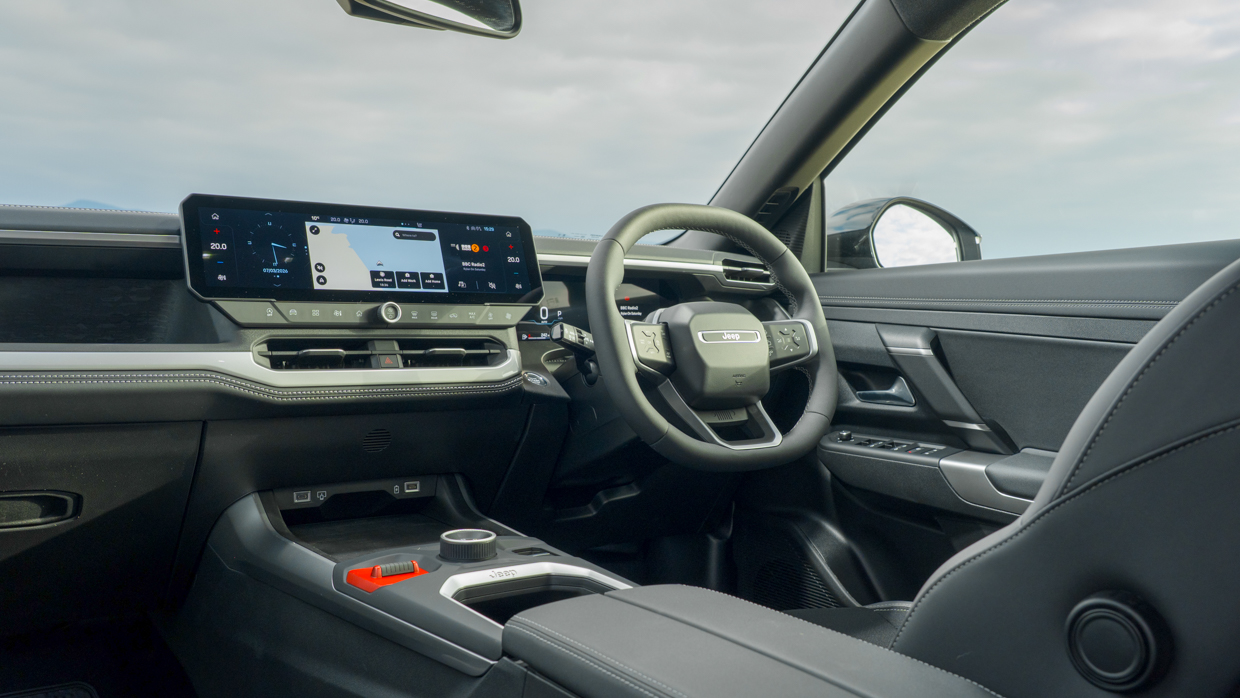
Its key interaction points – the slender, classy 16-inch touchscreen and its chunky, rubberised PRND dial and drive mode toggle – are unique and feel genuinely refreshing as a result. The driver’s screen measures 10 inches.
As per recent Jeep tradition, there’s also a wild abundance of ‘Easter eggs’ dotted across the interior and exterior.
We won’t spoil the fun to reveal them all, but the cute illustration of a Compass camping amid the trees in the windscreen corner is a neat bit of frivolity, as are the ‘NSEW’ compass points oh-so-subtly etched into the sills and bumpers on the outside. That’s a lot of pressure to always park pointing north to ensure their accuracy, mind…
To quite which degree the new Compass is ‘a real Jeep’ is one we could debate all day long, but it’s perhaps enough ‘Jeep’ for most people.
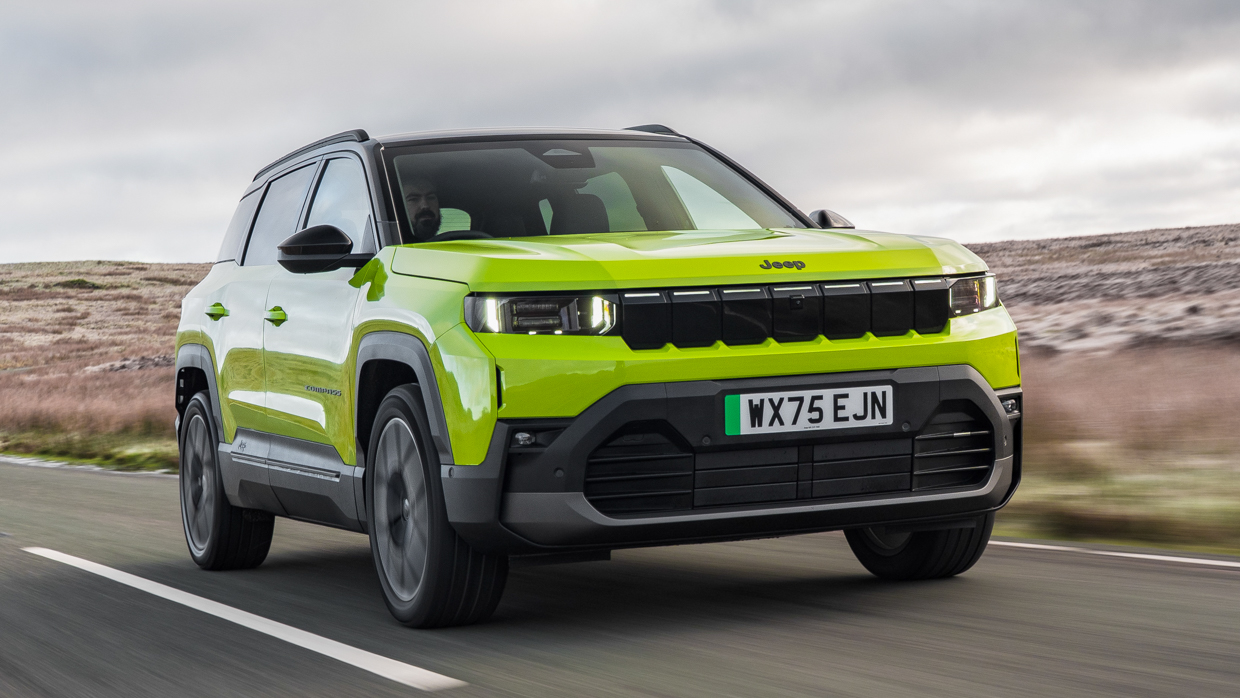
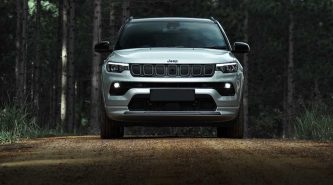
It takes known powertrains and components and clothes them in an unmistakably Jeep skin – the classic seven-bar grille remains, now refashioned to host ADAS radars and parking cameras, for instance – and it has superficial appeal in spades.
The ride and handling are just about good enough on road, though until the 4XE version lands with its driven rear axle and raised ride height, this isn’t a car to make the die-hards trade in their Wrangler anytime soon.
Yet the Compass has always represented a mainstream dilution of Jeep DNA and it’s still sold well – in some markets – across the last two decades.
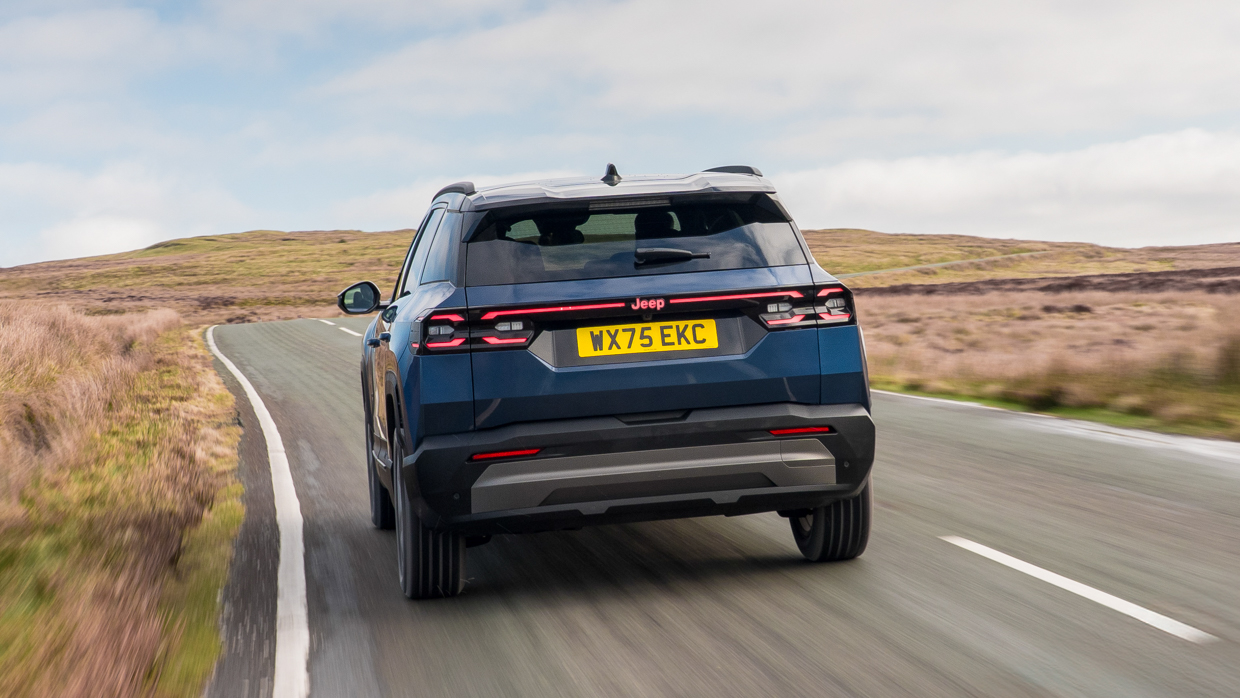
Competition is significantly tougher nowadays, especially in Australia where Compass sales have barely been a trickle.
It’d be nice to see the playful design touches exercised here hold firmer against its myriad crossover rivals Down Under. Here’s hoping that Jeep Australia gives Compass gen-three an official green light.
About Chasing cars
Chasing Cars reviews are 100% independent.
Because we are powered by Budget Direct Insurance, we don’t receive advertising or sales revenue from car manufacturers.
We’re truly independent – giving you Australia’s best car reviews.
The estimate provided does not take into account your personal circumstances but is intended to give a general indication of the cost of insurance, in order to obtain a complete quote, please visit www.budgetdirect.com.au. Estimate includes 15%^ online discount.
^Conditions Apply
Budget Direct Insurance arranged by Auto & General Services Pty Ltd ACN 003 617 909(AGS) AFSL 241 411, for and on behalf of the insurer, Auto & General Insurance Company Limited(ABN 42 111 586 353, AFSL 285 571).Because we don’t know your financial needs, we can’t advise you if this insurance will suit you. You should consider your needs and the Product Disclosure Statement before making a decision to buy insurance. Terms and conditions apply.
Indicative quote based on assumptions including postcode , 40 year old male with no offences, licence suspensions or claims in the last 5 years, a NCD Rating 1 and no younger drivers listed. White car, driven up to 10,000kms a year, unfinanced, with no modifications, factory options and/or non-standard accessories, private use only and garaged at night.
^Online Discounts Terms & Conditions
1. Discounts apply to the premium paid for a new Budget Direct Gold Comprehensive Car Insurance, Third Party Property Only or Third Party Property, Fire & Theft Insurance policy initiated online on or after 29 March 2017. Discounts do not apply to optional Roadside Assistance.
2. Discounts do not apply to any renewal offer of insurance.
3. Discounts only apply to the insurance portion of the premium. Discounts are applied before government charges, taxes, levies and fees, including instalment processing fees (as applicable). The full extent of discounts may therefore be impacted.
4. We reserve the right to change the offer without notice.