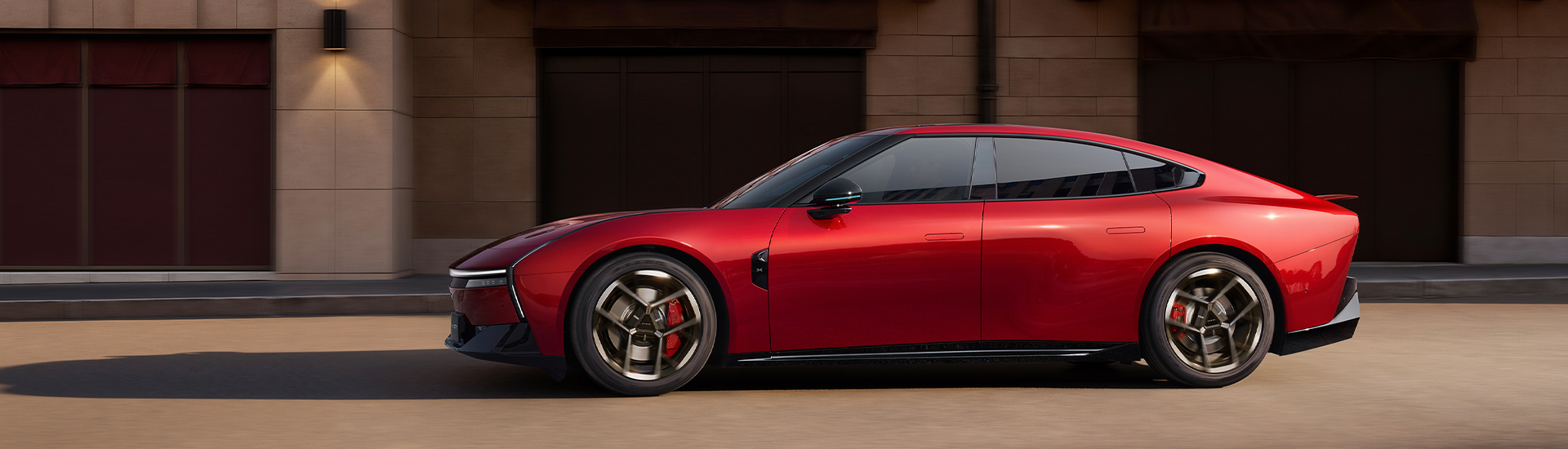
XPeng’s striking P7 electric sports sedan, a rival to the BMW i3, BYD Seal and Tesla Model 3, is about to spread beyond China, with the Chinese brand using today’s Guangzhou Motor Show to announce that the liftback will be exported to overseas markets.
While right-hand drive production has not yet been confirmed, the visually arresting P7 is now a big step closer to being added to XPeng’s growing local lineup – though the initial concentration will be on Europe.
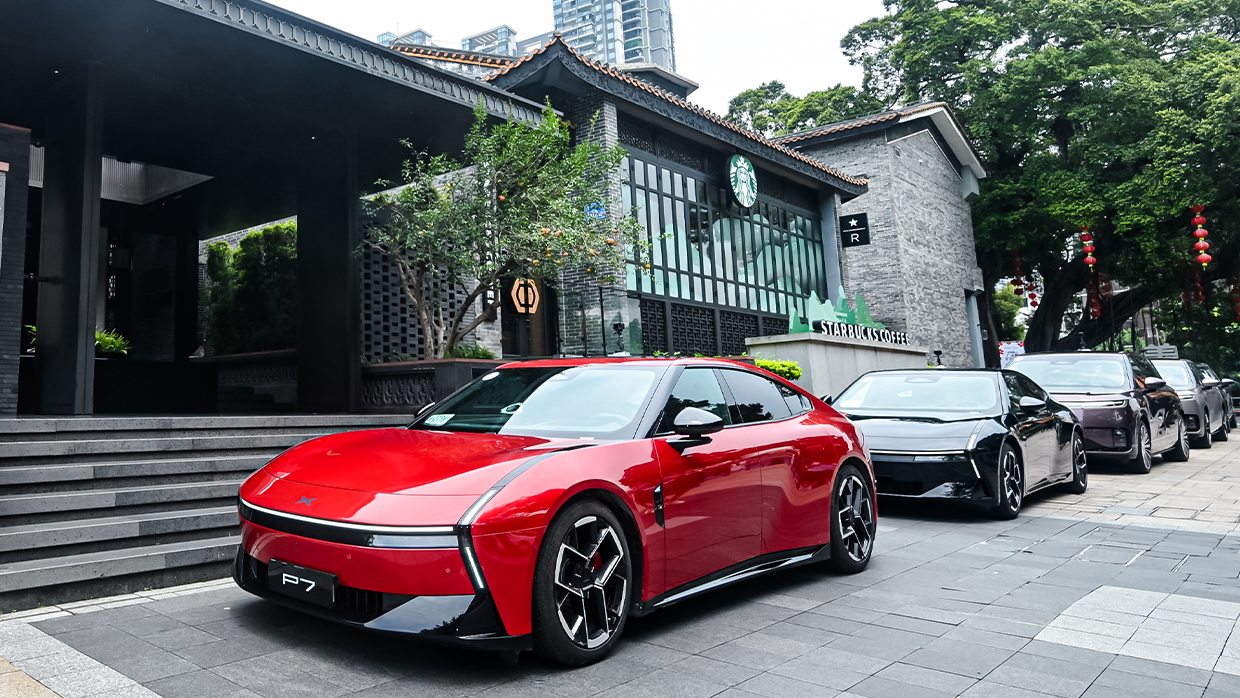
“We have our hand up to bring Next P7 to Australia if right-hand drive production is confirmed. For now however, it remains left-hand drive only,” an XPeng Australia spokesperson said.
Having driven the P7 in China earlier this year, Chasing Cars believes the low-slung liftback has the potential to be one of the more compelling Chinese alternatives to established European luxury cars.
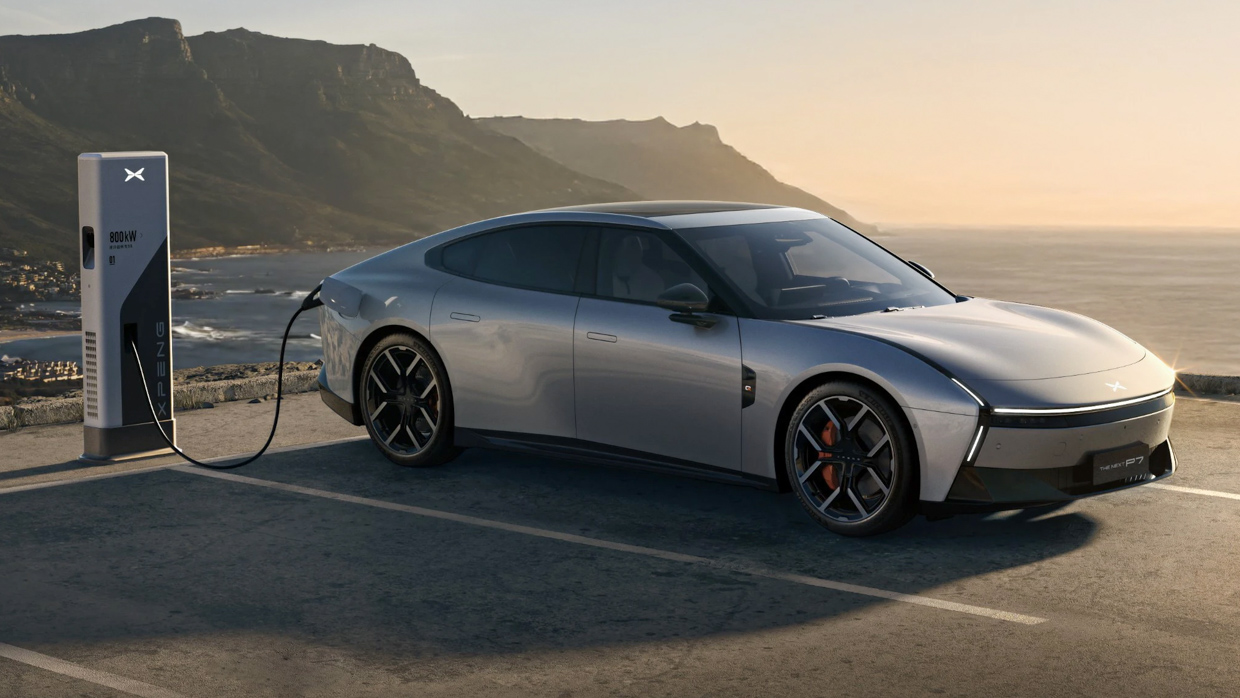
With up to 437kW, sophisticated air suspension and extremely rapid charging capability, there’s some substance beneath those muscle car-inspired looks.
Initially a China-only model, P7 is now going to Europe…and maybe beyond
The second-generation P7 made its European debut at the Munich motor show in September 2025 but it has so far remained a Chinese-market proposition. That is now about to change.
XPeng marketing boss and vice-president Yu Tao indicated in October that European sales would commence soon, while the company recently publicised testing of the P7 on Germany’s autobahn.
XPeng has also exhibited the P7 in the predominantly right-hand drive markets of Singapore, Indonesia and Malaysia this year.
XPeng international markets boss Alex Tang confirmed to Chasing Cars earlier this year that Australia would receive a sedan model in 2027, alongside a growing selection of SUVs.
“We can commit that in the future, all of the new models from the company will develop with both left-hand drive and right-hand drive,” Tang said.
The catch is that the P7 was developed before that commitment and falls outside its scope, and XPeng’s preference until recently appeared to be bringing the roomier, but less exciting, P7+ to Australia.
A British launch for the sportier P7 would significantly strengthen the business case for Australian imports by spreading the cost of right-hand drive development across multiple markets.
We think XPeng should bring the P7 here
While many Chinese EVs compete on price and equipment grounds, the P7 has some genuine emotional appeal. Its hard-edged styling recalls American performance cars of the 1970s, rather than the rounded silhouettes of many contemporary EVs.
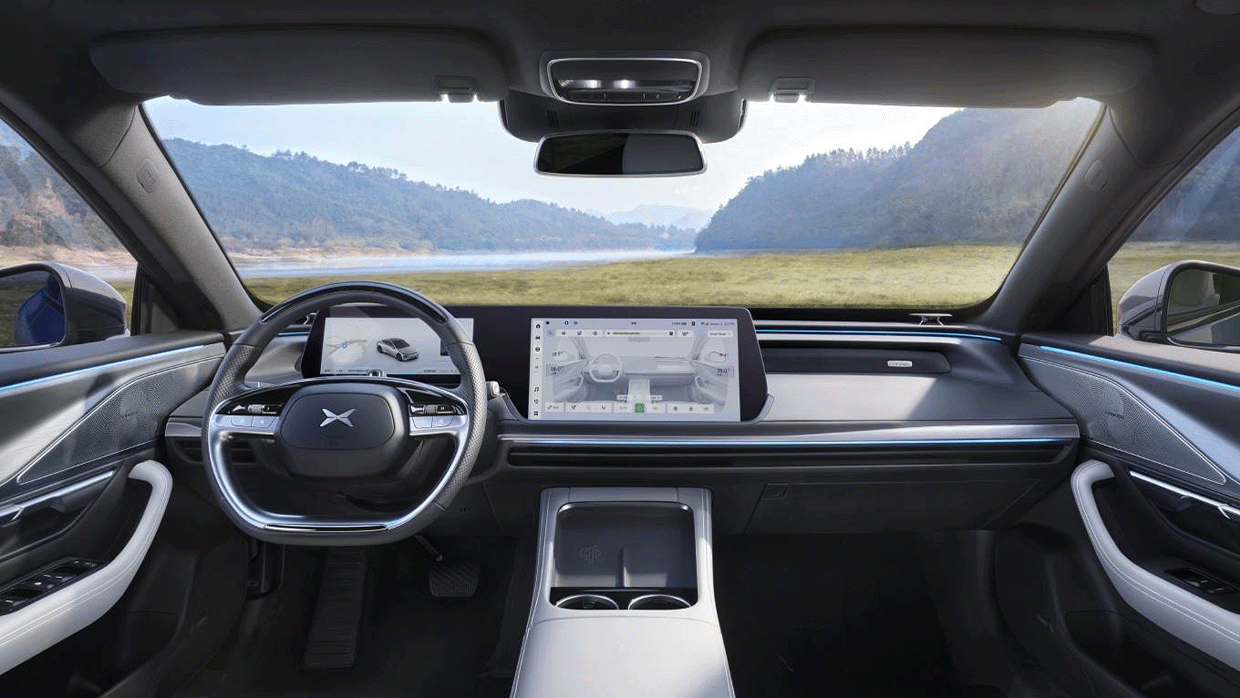
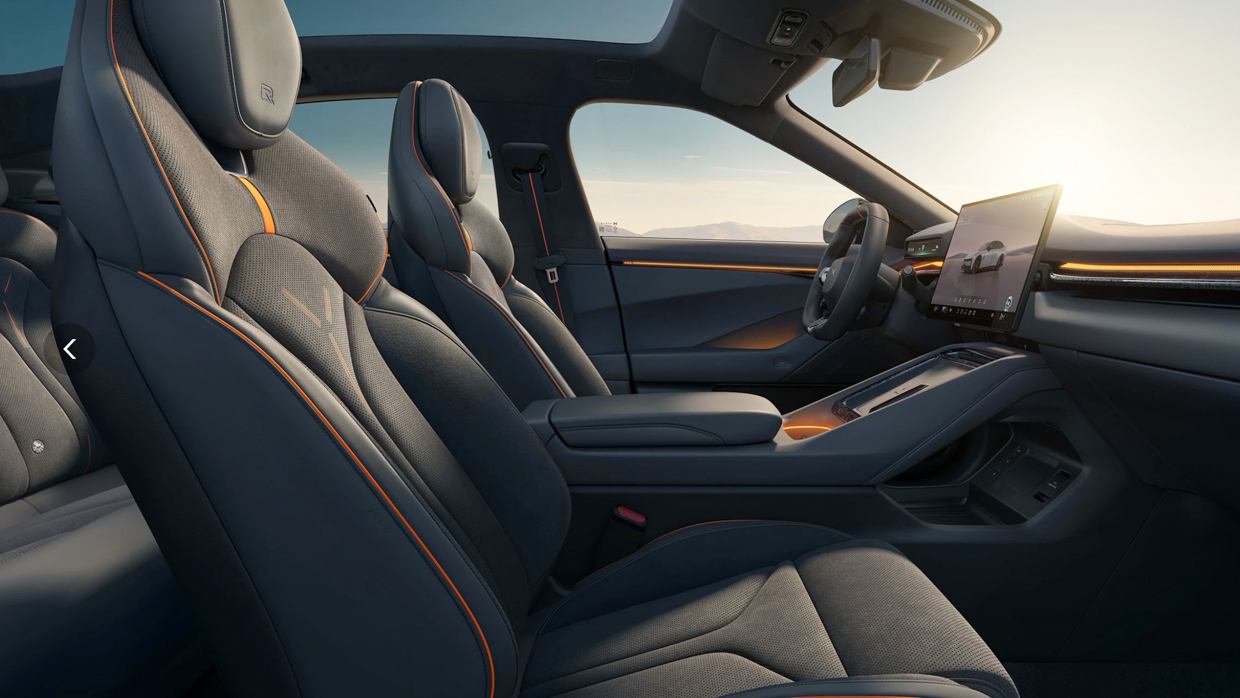
That character extends inside. During our first drive, we appreciated the quality of the Nappa leather, real metal accents and textile trim, while the remarkably low-mounted front seats provided a proper sports sedan driving position.
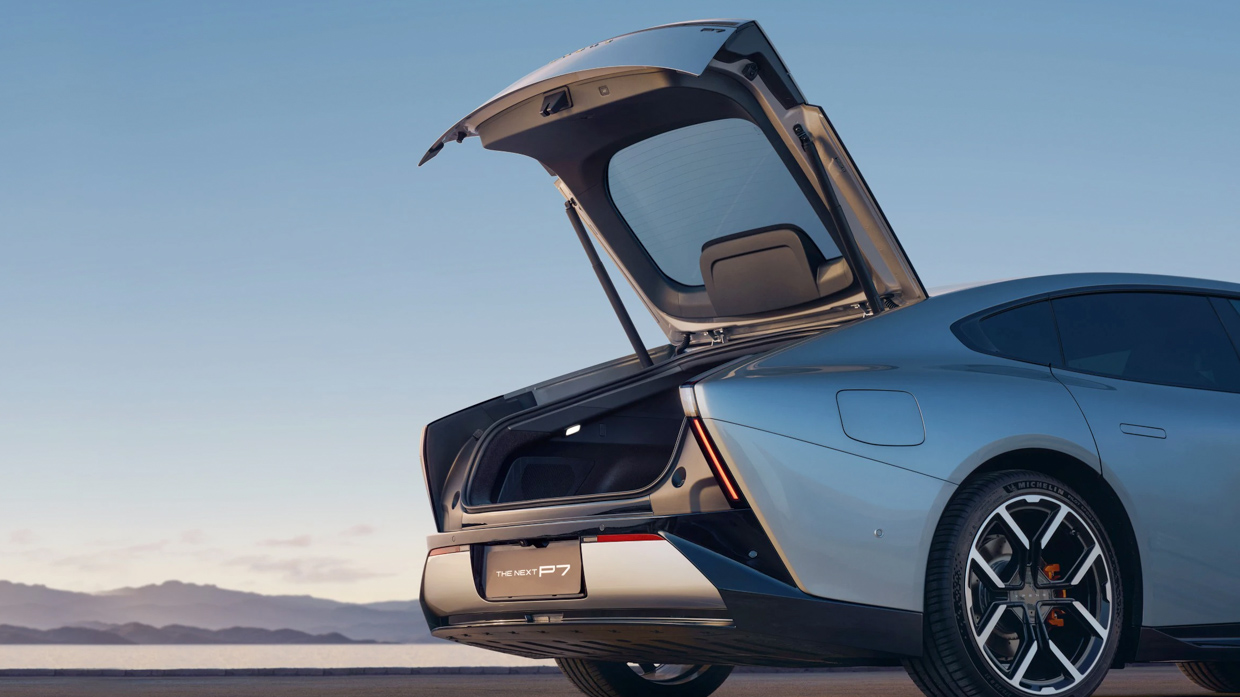
The P7’s body style is akin to the outgoing BMW i4 and is more practical than a Tesla Model 3 thanks to its liftback tailgate, which opens to reveal a 575-litre boot.
Our test car at the time was a long-range 820 Max rear-driver developing 270kW/465Nm, which we estimate could cost $65,000-$70,000 in Australia. Dual-motor versions develop a hefty 437kW/695Nm.
With battery capacities of 74.9kWh or 92.2kWh, the P7 has a claimed Chinese-market driving range of up to 820km, which would be more like 600km WLTP.
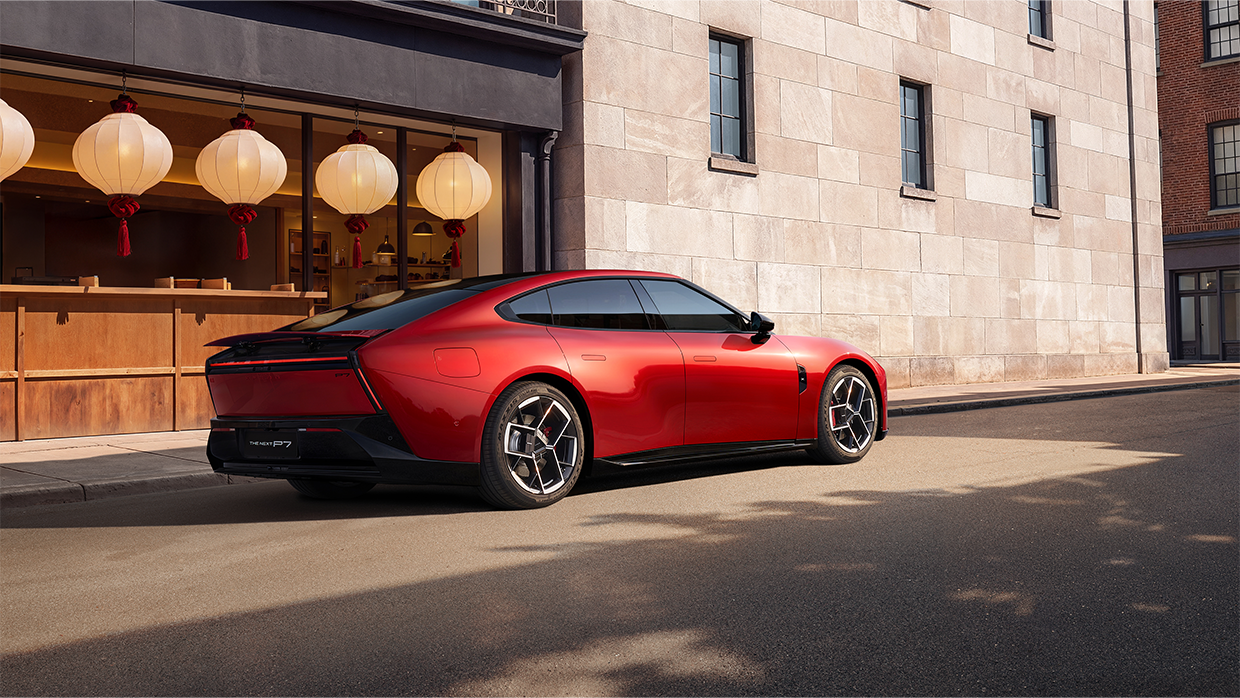
Its peak charging capability of 486kW enables a claimed 10-80 percent recharge in 11-12 minutes, given sufficiently powerful infrastructure.
Where we’d like to see further development is in the P7’s suspension tuning. We found the steering fast and intuitive, but the Chinese-market ride was overly soft and vertical body control needed tightening up.
The standard dual-chamber adaptive air suspension provides an excellent foundation for a European or Australian-market retune.