Powered by

-
Car Reviews
Latest reviews
-
Car News
Latest news
-
Car Comparisons
Latest comparisons
- Chasing Deals
Latest reviews
Latest news
Latest comparisons
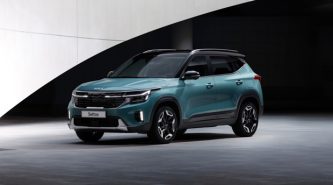
Seltos adds sophistication by switching to K3 platform shared with latest Hyundai Kona, though core petrol engines carry over from outgoing small SUV model
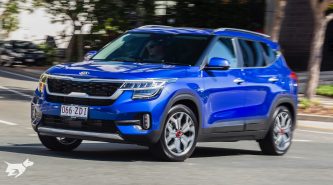
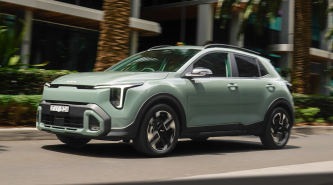
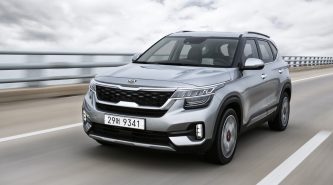
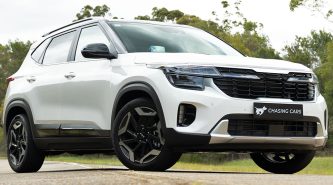
Since launching in mid-2019, the Kia Seltos small SUV has generated more than two million sales for the South Korean brand — so the pressure was on to get the second-generation crossover right.
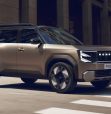
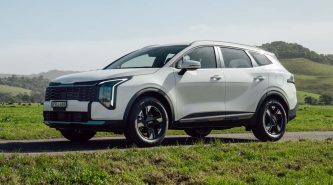
Revealed to media earlier today, next year’s Seltos is a longer, broader and more refined small SUV that Kia global executives have described as sitting at the core of the brand’s future expansion plans.
The second-generation model is ‘majority-new’ rather than ‘all-new’. Under the skin, the Seltos adopts the Kia-Hyundai ‘K3’ platform that has previously ushered in improved driving dynamics for the latest Hyundai Kona and i30 Sedan models, plus the Kia K4 small car.
“Most of the hard points of the chassis and suspension have been [changed]. Some areas have been re-used, but it is a much smaller portion. The new Seltos has… much improved ride and handling characteristics — drive it and you can feel it,” said Kia head of global business planning Spencer Cho.
Growing confidence in the maturity and refinement of the Seltos led to a decision that the small SUV would become a truly global model in second-generation form.
The Seltos will be sold in Europe for the first time, where Kia hopes to find 60,000 sales per year, though North America (130,000) and India (100,000) remain focus markets. Non-Korean Asian markets, including Australia, are expected to account for 30,000 Seltos units annually.
While existing four-cylinder petrol engines carry over from old Seltos to new — including a 110kW/180Nm naturally aspirated 2.0-litre and a 146kW/265Nm turbo 1.6-litre — Kia will respond to changing buyer demand by adding a hybrid powertrain to the Seltos lineup.
The Seltos Hybrid (badged HEV) is expected to use the 104kW/265Nm 1.6-litre petrol-electric powertrain found in the related Hyndai Kona Hybrid.
Kia says its point of difference will be the addition of more sophisticated ‘Smart Regenerative Braking System 3.0’ tech for the Seltos HEV, which adds real-time traffic flow and navigation data to make regenerative braking smoother, while the hybrid will exclusively fit an in-cabin vehicle-to-load power outlet for appliances.
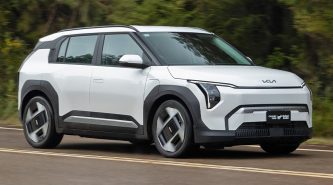
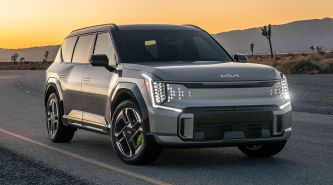
Kia president Ho Sung Song confirmed to media that Kia is not developing a battery electric (BEV) version of the Seltos, with the carmaker’s EV3 and EV5 models already providing options in the small and midsize BEV crossover segments.
“We conducted a number of focus groups and surveys while developing the all-new Seltos. The requests got from customers and dealers was that they wanted to have a bit more space and utility – that’s why we extended the overall dimensions and added a num of new convenience features,” said Cho.
The latter factor drove Kia’s decision to modestly expand the size of the next Seltos. At 4430mm long, 1830mm wide and 1600mm high, the new model is 45mm longer and 30mm wider than before, though height has been subtly reduced by 35mm to 1600mm.
Cabin and cargo room both rise, in part thanks to a 60mm stretch in the wheelbase to 2690mm, while boot space heads north to 536 litres (from 498L) on Korean-spec versions. Kia will offer a range of ‘AddGear’ custom cargo area hooks and attachments for the Seltos.
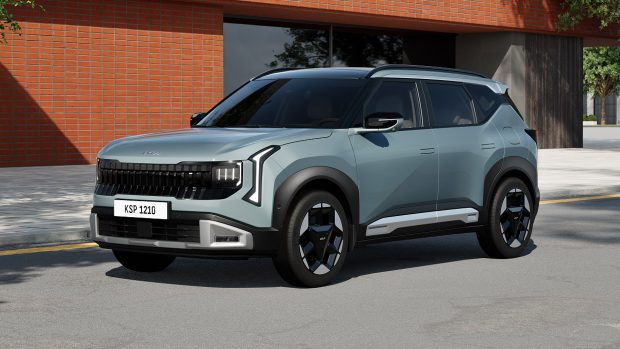
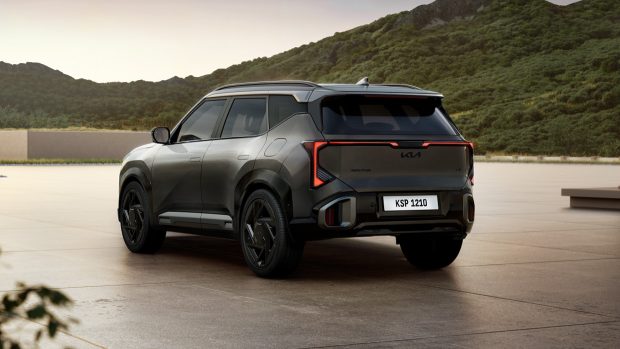
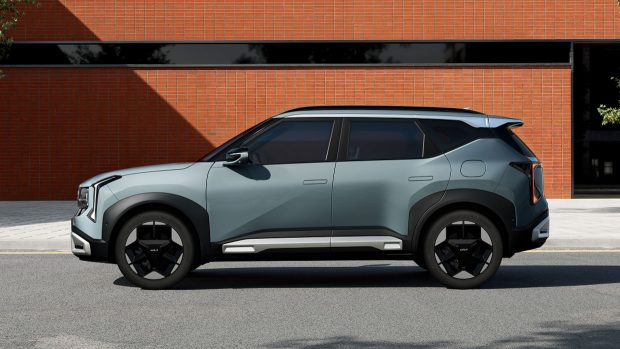
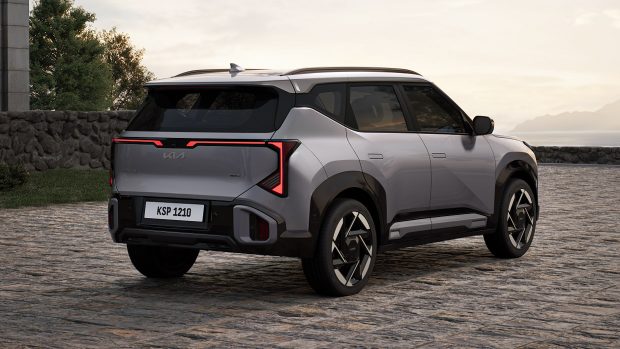
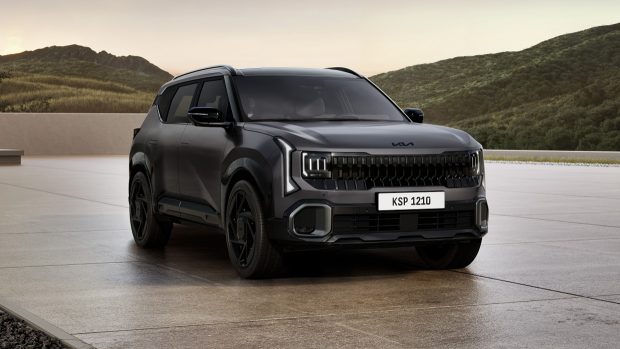
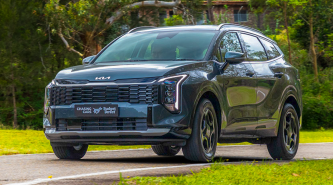
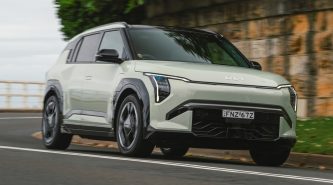
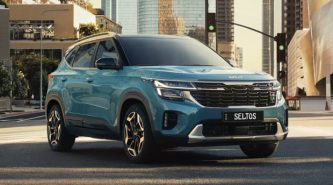
Cosmetically, the new Seltos hews to Kia’s ‘opposites united’ design philosophy — but overall, the styling for this globally critical model is less polarising than some of global design chief Karim Habib’s more radical efforts, such as the K4 and EV4 sedans.
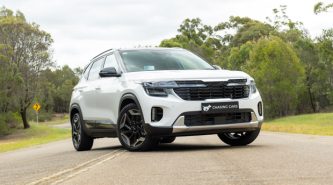
Three exterior styling packages will be available, with familiar lower-end variants like the Seltos S and Sport using a standard ‘look’ with the range capped by two flagships: not only by a returning, sportily styled Seltos GT-Line, but also a more rugged-looking Seltos X-Line with gunmetal-grey accents.
While the side profile is a pastiche of new diagonal character lines and more voluminous cladding, cues from the outgoing Seltos (including its distinctive daylight opening) as well as the more slab-sided EV5 model are noticed, while ‘star map’ headlights are integrated into a new grille design. Wheel size ranges from 16- to 19-inches.
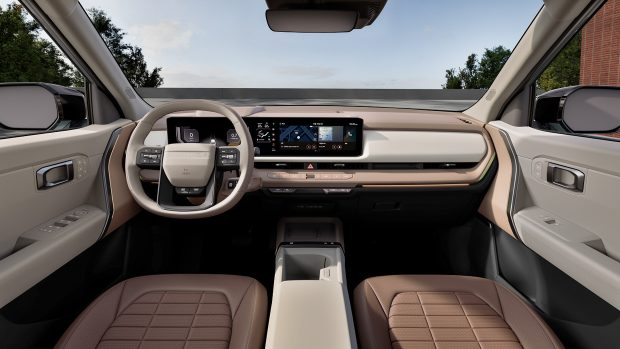
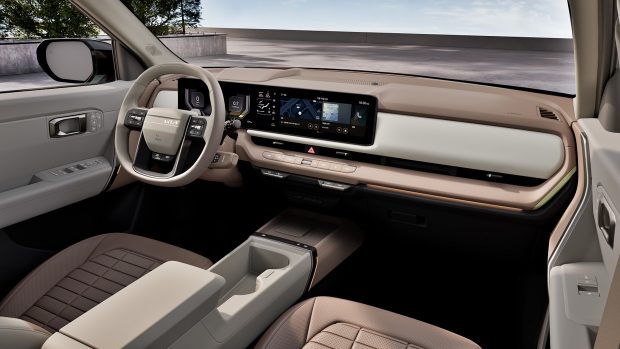
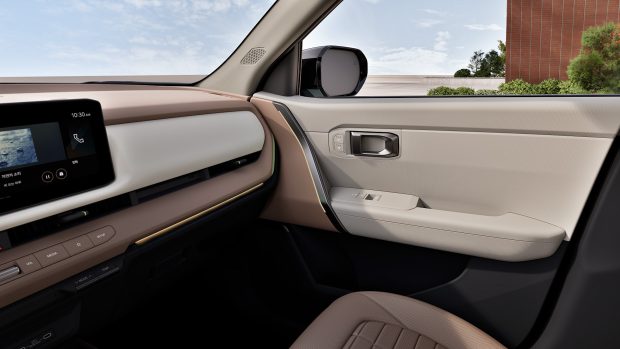
Interior packaging is improved, with expanded second-row legroom and reclining rear seats, while a change to shift-by-wire transmission selection has increased centre console room. A new seat design incorporates mesh headrests on flagship grades while high-power 100-watt USB-C charging is available to make working in the car easier.
While the eye is drawn to the dashboard’s twin 12.3-inch infotainment screens (with wireless Apple CarPlay/Android Auto, Netflix and Disney streaming, ChatGPT integration and over-the-air updates), the presence of clear hard shortcuts for infotainment, a volume roller and both temperature and fan speed toggles is appreciated.
Visually, interior sophistication has stepped up with additional use of sustainable materials with interesting textures while ambient contour lighting stretches across the dash and doors. In a cue lifted from the Kia Tasman ute, the door handles are tab-pull type.
Both front- and all-wheel drive configurations will continue to be available for the Seltos, but not all powertrains will offer AWD.
A beefed-up electrical architecture within the platform of the new Seltos has enabled fitment of newer-generation semi-autonomous driving features, including Highway Driving Assist 2, supported by new ‘hands-on detection’ for the steering wheel.
Smartphone-as-key will be supported with Kia Digital Key 2, which allows vehicle unlocking and start credentials to be stored in the Apple Wallet app and supported equivalents.
Latest news
About Chasing cars
Chasing Cars reviews are 100% independent.
Because we are powered by Budget Direct Insurance, we don’t receive advertising or sales revenue from car manufacturers.
We’re truly independent – giving you Australia’s best car reviews.