Powered by

-
Car Reviews
Latest reviews
-
Car News
Latest news
-
Car Comparisons
Latest comparisons
- Chasing Deals
Latest reviews
Latest news
Latest comparisons
The brief is broad: these SUVs need to be fast and fun, yet genuinely practical to tackle the throes of everyday life – and have six cylinders purring under their bonnets
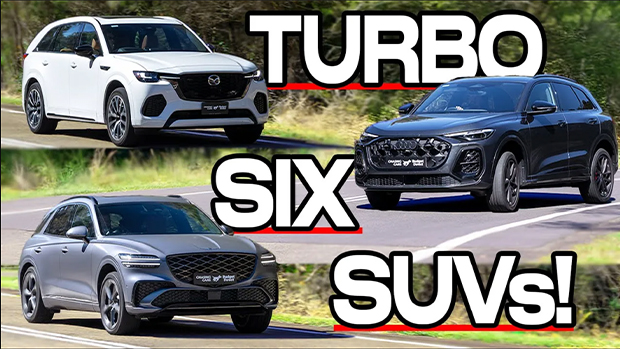
As the saying goes, the best tool you can have is the one you always have with you, so it’s no wonder that SUVs packed with a bit of zest have become so popular in recent years.
Our trio of $100K-ish SUVs all pack ferocious six-cylinder engines, all-wheel-drive systems and 0-100km/h times to dust off rowdy Subaru WRXs at the lights, yet must also be safe and practical vehicles fit for commuting day-in, day-out.
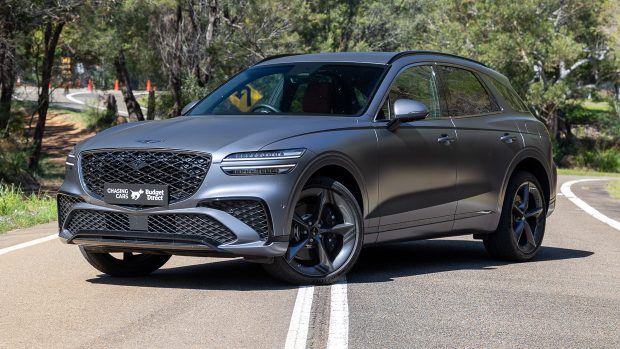
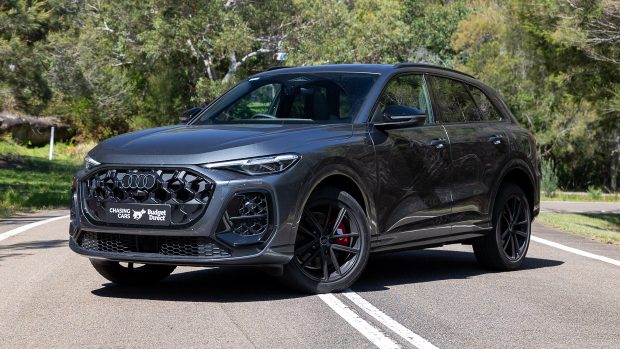
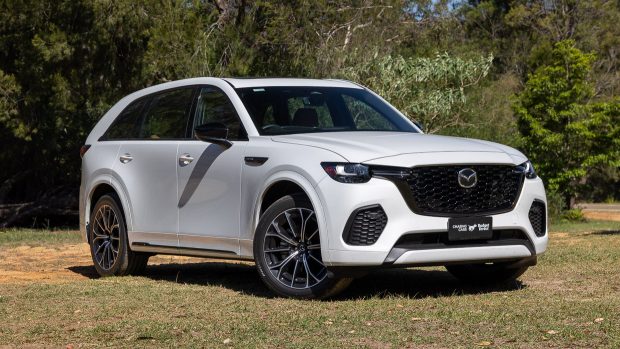
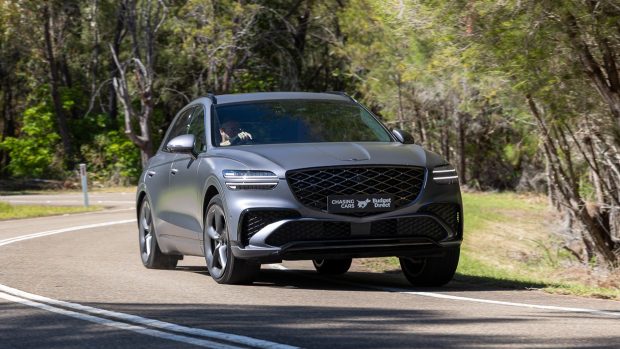
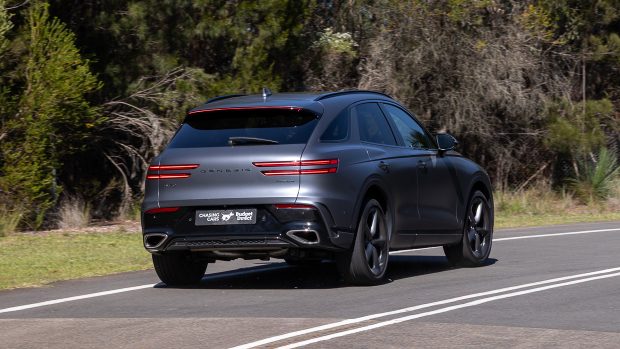
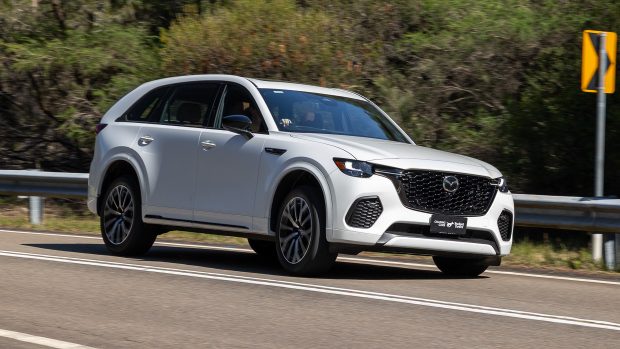
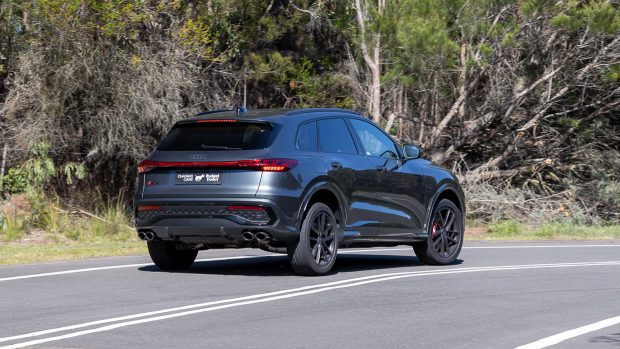
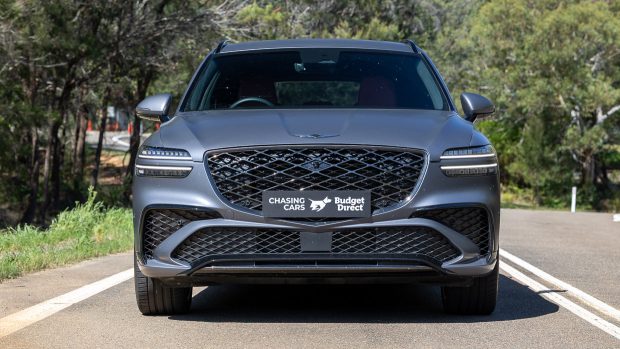
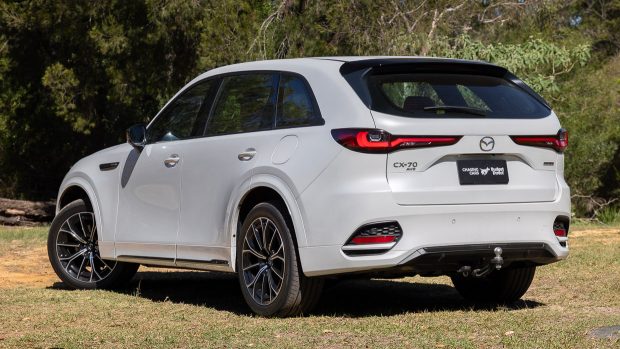
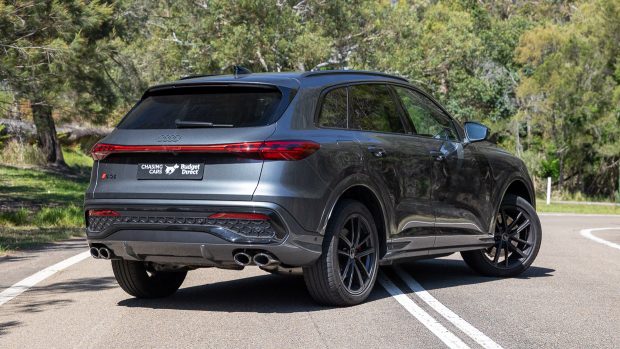
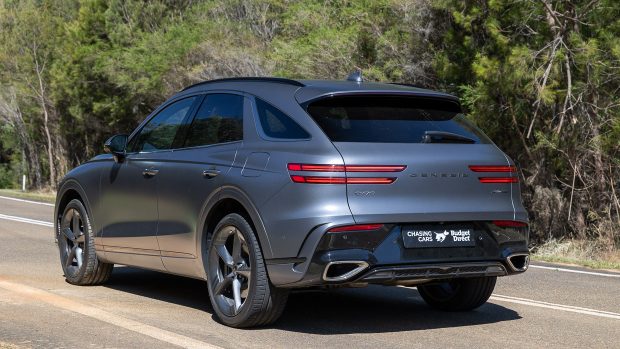
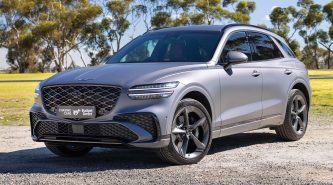
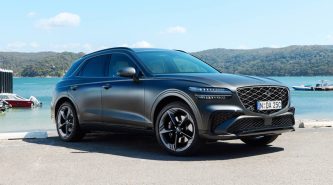
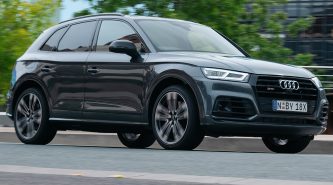
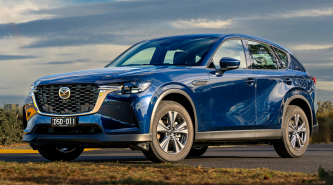
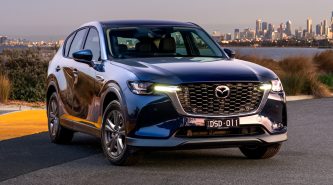
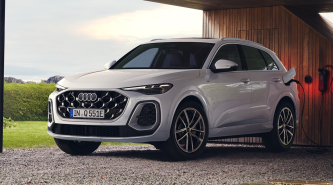
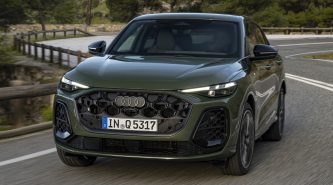
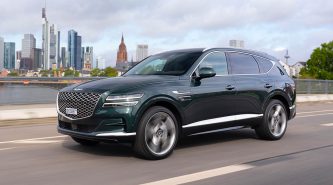
In the spotlight is our long-term Genesis GV70 3.5 Signature Sport ($111,840 driveaway as-tested), flanked by the cheaper, yet larger, Mazda CX-70 G50e Azami SP ($97,280 as-tested) and the more expensive, yet GV70-sized Audi SQ5 Edition One ($117,507 as-tested).
All three take a step back from being fully-fledged performance vehicles, but doing so makes them more attainable and, perhaps, easier to live with.
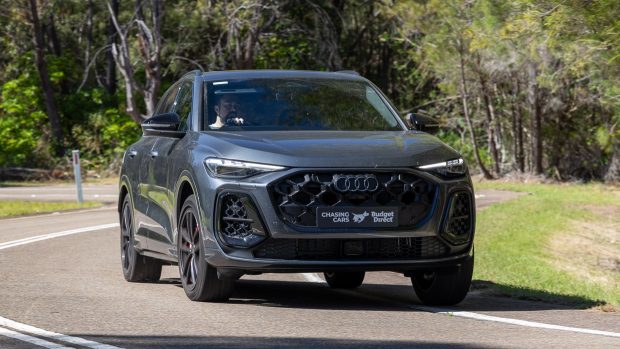
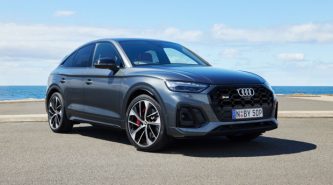
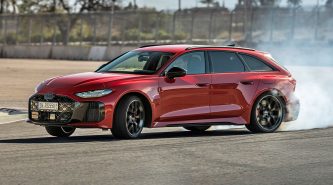
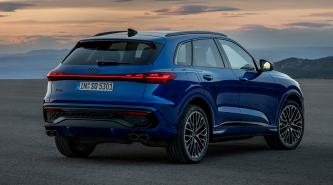
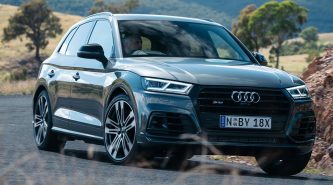
The Audi SQ5 needs little introduction and would ordinarily be $30K out of reach for this circa-$100K comparison, but the Edition One – a limited-but-not-too-limited edition – slashes equipment while retaining much of the mechanical hardware that makes the full-fat SQ5 a force to be reckoned with.
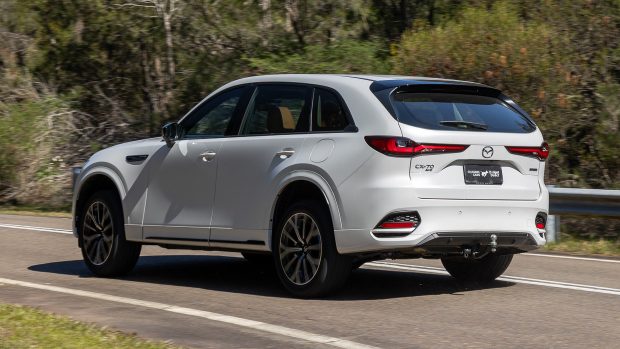
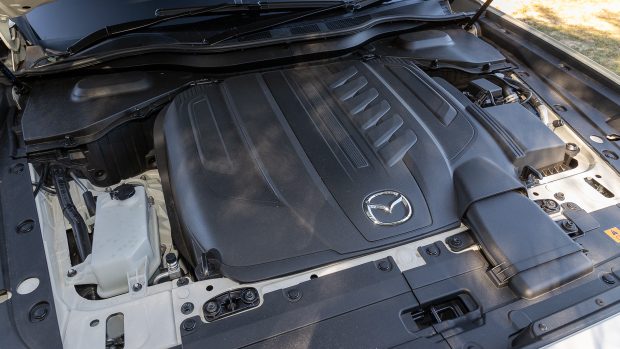
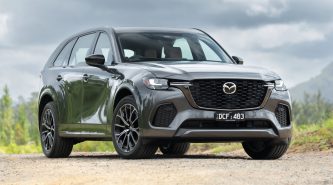
The Mazda CX-70 is essentially a CX-90 large SUV with the third row removed, meaning you get a lot more metal for the money. It’s here in the very top-spec trim with the most prestigious engine configuration, a turbocharged inline-six compared to the single- and twin-turbo V6s of the SQ5 and GV70.
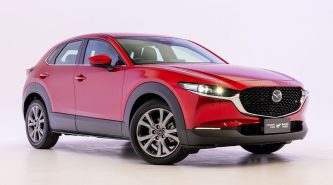
Of course, the Mazda CX-60 is more compatible with this duo in terms of size, and it’s quite a lot cheaper, but we opted for the CX-70 as it’s more on par in terms of price and we wanted to test whether its metal-for-the-money appeal might be enough to sway our verdict.
Despite the heftier price tag, a third of GV70 buyers opt for the V6 engine paired with the Signature Sport trimmings, and from our extensive testing, it appears to be the Genesis’s best foot forward.
We find ourselves at an opportune time when Mazda is pitching higher into the luxury segment, Genesis is ramping up its game and Audi looks to entice new buyers with a tantalising entry into SQ5 ownership.
So let’s find out which of these $100K sporting six-cylinder SUVs is the best. In this comparison, we’ll break down the value proposition, running costs, interiors, and discuss which is the most rewarding to drive, before crowning our winner.
When looking at the core range for each of our three models, all start around $80,000 and feature an appealing set of standard features, though prices quickly begin to diverge at the upper end.
The GV70 and CX-70 on test are the most expensive petrol versions of their respective model ranges with a healthy equipment list to match, but the SQ5 Edition One is different, trading nice-to-have features in the Q5 for a serious step up in drivetrain hardware.
As such, the SQ5 Edition One lacks a premium sound system, a head-up display and other niceties that can be added on as a package with regular Q5 models for less cash overall. The ‘budget’ SQ5 also misses out on the ability to add key packages to enhance the experience, such as air suspension.
At face value, the feature-rich and sub-$100K Mazda looks to be the best value here but how do all of those features come together?
The Audi SQ5 has long stood out as a brilliant all-rounder and for good reason. This third generation, however, features all-new Premium Platform Combustion (PPC) architecture so greatness was indeed expected.
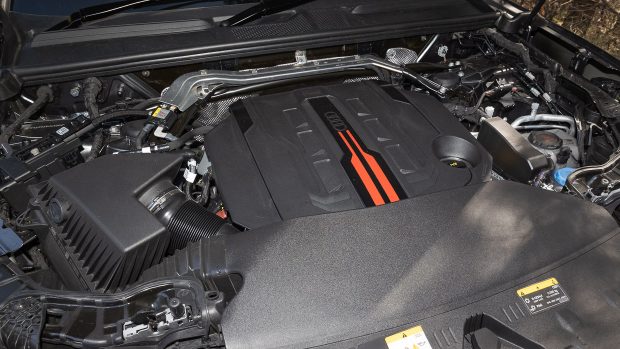
The new SQ5 still packs Audi’s 3.0L single-turbo V6 engine, making the most power and torque in this trio with a peak of 270kW (at 5500-6300rpm) and 550Nm (from 1700-4000rpm), but it’s now joined by a 48V mild-hybrid system that provides an extra 18kW/230Nm at low speeds.
Fed through a seven-speed dual-clutch transmission, the Audi is unbelievably quick off the mark, as suggested by its 4.5-second claim – compared to 5.2 and 6.8 seconds in the Genesis and Mazda, respectively.
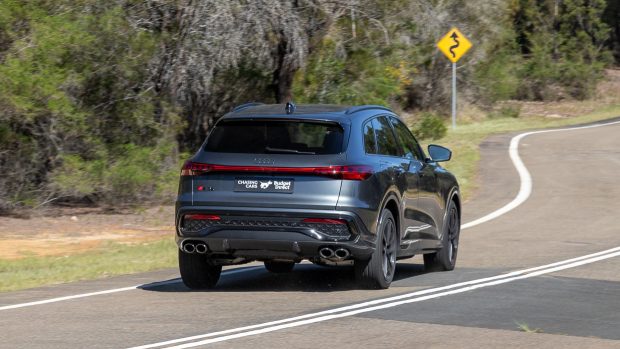
The Audi is undoubtedly the sharpest scalpel here with a keen chassis, responsive drivetrain and an engaging howl coming from that well-honed V6, but it stops short of fully realising its potential due to the lack of a torque-vectoring sport rear differential that has made previous SQ5’s feel so engaging and adjustable.
Audi’s implementation of the mild-hybrid system in the SQ5 is also quite patchy for a technology that has been around for some time, and it hampers the daily driveability of this sporty SUV.
At low speeds, the drivetrain seems confused as to whether the electric motor or petrol engine should be on-call, clashing badly with the seven-speed dual-clutch when fighting through stop-go traffic and crowded carparks.
The ride also leaves much to be desired. The standard passive dampers are firm and help the SQ5 dynamically but feel crashy over bumps and the delightful air suspension option that largely solves this issue can only be fitted on the regular SQ5 for an extra $3800.
For all the snickering around its 3.5-litre twin-turbo V6 being shared with the Kia Stinger, there’s no denying the effect of the GV70’s powertrain when pushed.
Twin turbochargers and the large 3.5L of displacement help the GV70 pull strongly and consistently through the rev range with a 279kW peak at 5800rpm and 550Nm available from 1300rpm right through to 4500rpm.
Paired with an eight-speed torque-converter automatic and no stop-start system of any kind, the GV70’s greatest strength is that it feels smooth at both low and high speeds.
The GV70’s recent facelift has helped strike a better balance between dynamics and comfort that makes it more deserving of its nickname as the ‘cut-price Macan Turbo’.
It doesn’t quite reach the height of athleticism like the Audi does, thanks to factors such as its inconsistent steering feel, but set to ESC Sport and given some patience to adjust its balance in corners, the GV70 is genuinely delightful to hustle along in a GT sort of way.
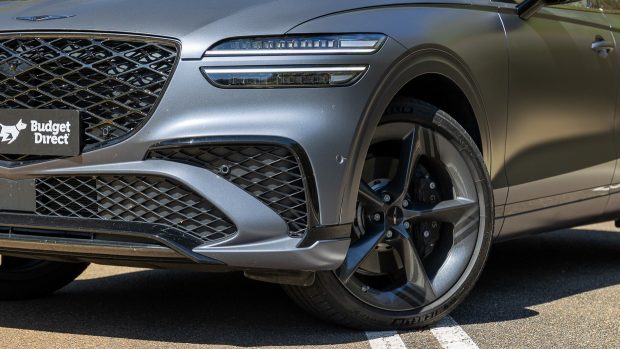
The Genesis is also by far the most comfortable of the three, despite rolling on 21-inch wheels, thanks to its road-scanning adaptive suspension.
So if the SQ5 is the scalpel and the GV70 is the grand tourer, does the CX-70 split the difference? No, unfortunately.
The extra circa-100kg weight and 400mm length of the Mazda is the first thing you feel behind the wheel but that hasn’t stopped Mazdas of the past from being excellent to drive.
By giving the CX-70 a longer wheelbase, it feels definitively more stable than the CX-60, and there is some genuine talent to be found when you tip its long bonnet into a corner with some haste.
But the passive dampers feel limited in their ability to absorb punishment when the car is pushed dynamically and when sailing over a rough country road on the 21-inch alloys fitted to the Azami.
As the only straight-six here, the 3.3-litre engine should sound more refined than it does, with an odd collection of whines and fake noise pumped in as the revs climb higher.
Mazda’s high-output tune of 254kW (between 5000-6000rpm) and 500Nm (2000-4500rpm) for this engine are solid and make the CX-70 feel convincingly muscular – and it even works well with its 48V mild-hybrid system.
Refinement issues persist with the eight-speed automatic fitted to Mazda’s premium range of vehicles and the CX-70 is no exception, making for a jerky and unpredictable experience in the sort of low-speed situations buyers are likely to spend most of their time in.
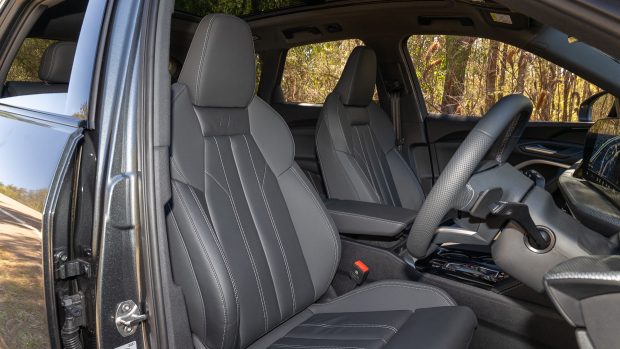
As the established player in the luxury space, it’s no surprise to see the key fundamentals of the Audi’s interior so well nailed, with good storage, a seating position which is spot on, and it’s reasonably roomy inside given relatively compact external dimensions.
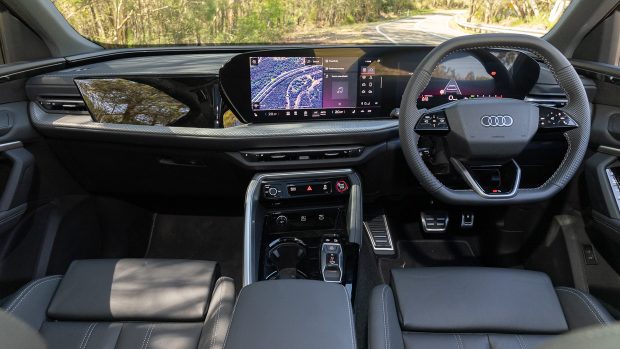
The new generation of Audi’s models have introduced a new cabin design that feels a step backwards in many respects, with the new steering wheel forgoing the SQ5’s delightfully clicky scroll knobs for cheap plastic buttons. Similarly, physical controls have been abandoned elsewhere in favour of a huge 14.5-inch touchscreen, which is thankfully crisp and responsive.
Standard equipment is still quite generous despite the substantial price cut of the Edition One – with adjustable heated leather seats, a panoramic sunroof and an aluminium inlay across the dash that raises the feeling of expense.
Where the SQ5 falls down is the execution, with the new interior design not feeling as premium as it should at this price point thanks to cheaper materials and parts such as the door handles that simply don’t feel that well screwed together.
The standard eight-speaker stereo is underwhelming in comparison to the 16-speaker Bang & Olufsen unit on higher grades and the slab of piano black plastic on the dash, where the 10.9-inch passenger screen can be optioned, looks and feels incredibly cheap.
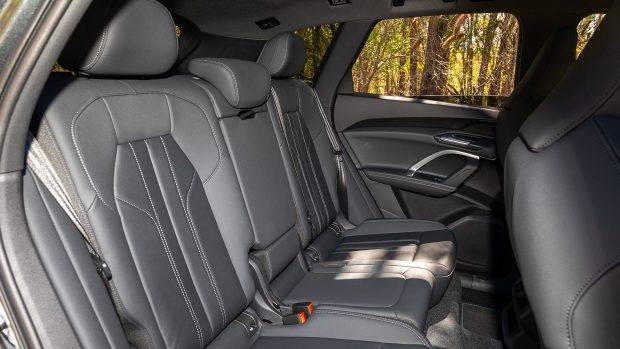
Row two has solid space but anyone taller than 182cm, or who plans on fitting child seats, will find the rear seat restrictive. Amenities are also quite limited for a premium SUV with no pull-up sunshades available, though the back seats do slide to open up more room in the boot.
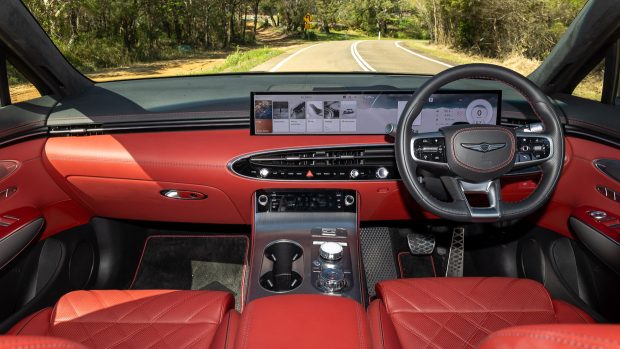
In comparison to the Audi’s uninspiring all-black cabin, the Genesis’s Sevilla Red interior is decidedly flamboyant and offers good visibility complimented by a panoramic sunroof, with a feature set that underlines this GV70’s top-of-the-range status.
A 27.0-inch screen stretching across the dashboard is standard, as is a wireless phone charger and pull-up sunshades in the rear. In Signature Sport trim, the GV70 includes the superior 16-speaker Bang & Olufsen option, along with massaging seats with both heating and cooling.
There’s clearly been a great deal of thought put into how drivers interact with the GV70. Like the Mazda, it features a BMW iDrive-style physical rotary control that makes controlling the touchscreen much easier when driving.
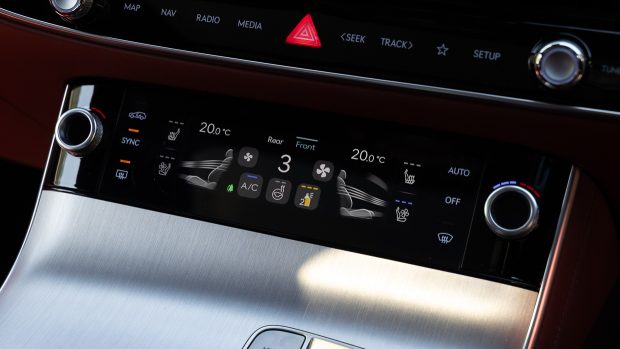
There’s also a separate screen for climate control functions, and yet the design isn’t cluttered in comparison with the Audi.
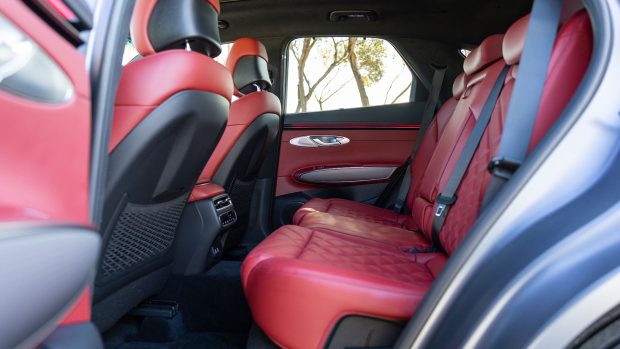
The GV70’s cabin isn’t perfect, however, with shiny materials blinding the driver at times and there is a general lack of storage, particularly in the front row. Row two is better, with seats that are angle-adjustable but not slidable.
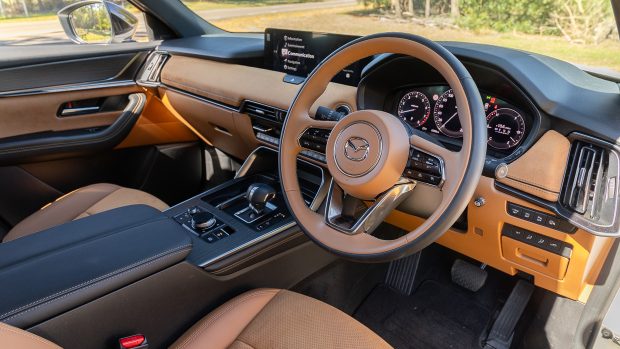
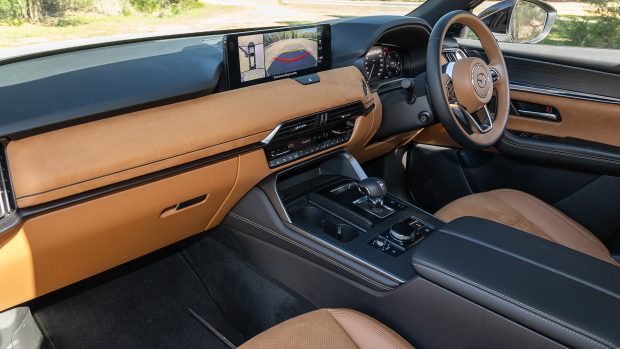
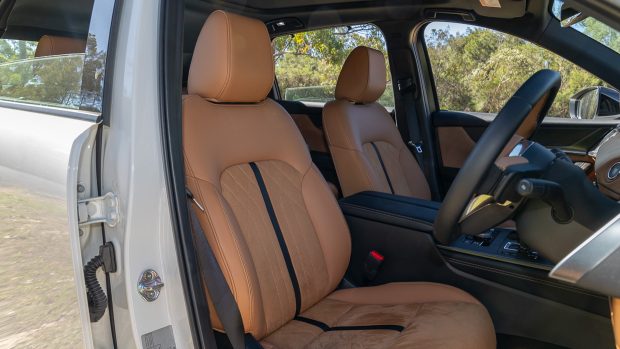
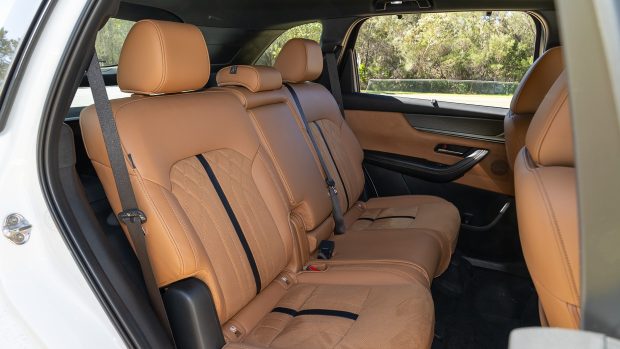
The clear highlight of the Mazda CX-70 experience is the interior, with the Azami SP wrapping the dash and other touchpoints in suede, and the seats in tan nappa leather. It’s an experience far elevated beyond that of older Mazda SUVs.
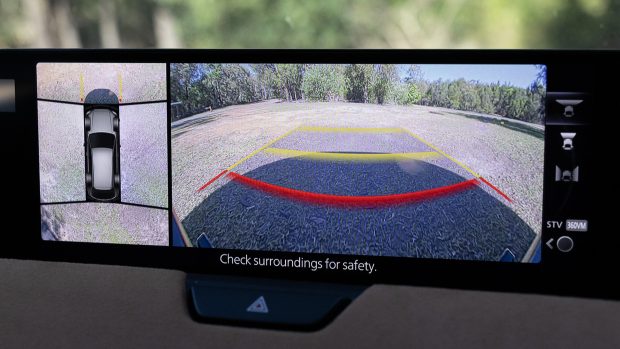
Physical climate-control buttons are retained and a pair of 12.3-inch screens take care of multimedia and the driver’s instruments, though neither are especially sharp and the toggle controlling the former, along with the gear shifter, feel a bit low rent. The 12-speaker Bose sound system is perfectly adequate, though nothing more.
Being the top-grade, the Azami SP’s feature list is impressive but the fact it has a power-adjustable steering column, felt lining inside the glovebox, and a litany of other thoughtful touches makes it feel expensive.
Considering how large the CX-70 is, though, it’s surprising just how little space you’ll find inside the cabin, with the enormous centre console eating into leg room and yet offering little space to store anything in the split glovebox. The seats also lack proper adjustment.
But if you find yourself carting large teens or adults around on the regular, the CX-70 probably makes the most sense, with ample rear-seat leg and headroom available. There is good support from the backrest but the seat base is simply too flat and a bit low.
It wins back points with excellent visibility and the fact it has heating and cooling on the outboard rear seats, which feels very lush indeed.
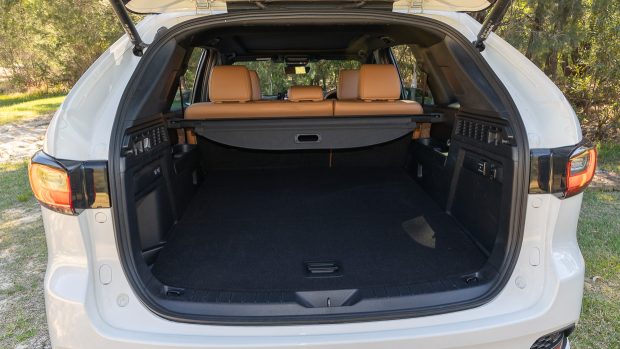
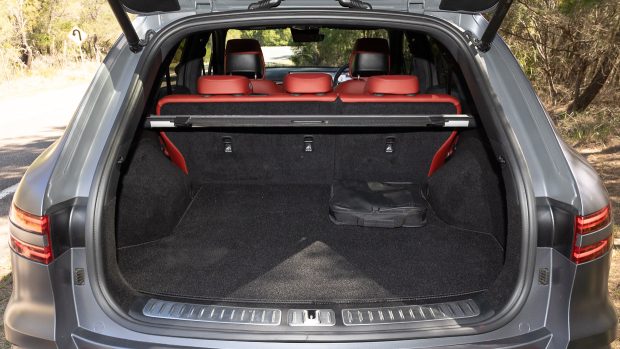
With two seats thrown in the bin and 400mm greater length than its rivals, it’s little surprise that the CX-70 is the boot space winner in terms of raw numbers, but at 598 litres it’s actually smaller than you might think.
The boot floor also slopes up towards the top of the back seats, though it’s at least packed with amenities such as a spare wheel, 220V three-pin socket, 12V outlet and the ability to drop the rear seats at the touch of a button.
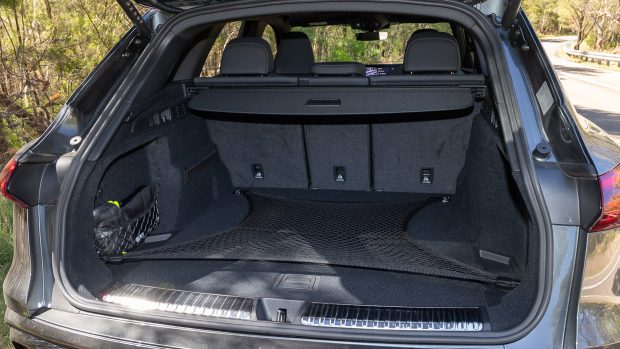
Genesis comes in second with 542 litres of space and also features a space-saver spare under the floor, a 12V outlet and a handy little carpeted mat you can take out and wash if needed.
Despite being a similar length to the GV70, the SQ5 has the smallest boot volume, though not by much at 520 litres.
Amenities include a 12V socket, a luggage net and it’s the only SUV here to feature backseats that fold in a 40/20/40 formation, rather than just 60/40, to give buyers more flexibility. No spare wheel is found under the floor, however.
All three SUVs in our test can be considered safe options, though only the GV70 and SQ5 are technically covered by a five-star ANCAP rating. The CX-70 is unrated but given the related CX-60 and CX-80 have earned five stars previously, we’d feel confident in the Mazda’s crash performance.
The GV70 is the oldest vehicle here but its technology was upgraded in a recent facelift. Unfortunately, the lane-keep assistance, speed-sign recognition and driver monitoring software are all far too sensitive to be helpful.
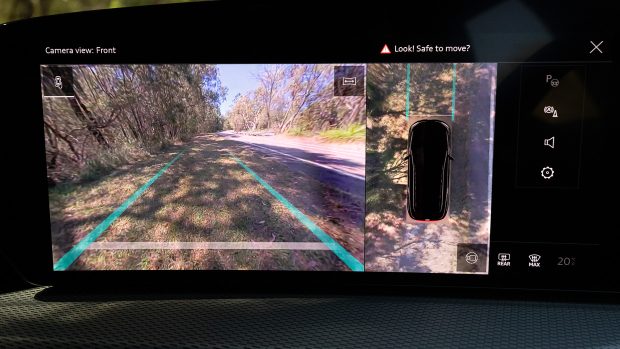
By contrast, the safety assistance technology in the Audi and Mazda is far better tuned, though the former is the clear highlight of this trio.
A little-known fact about the Genesis brand is that the cost of the first five years of servicing is complimentary with every model, putting the GV70 at a pretty good advantage here – but it’s not quite a runaway success.
The warranty for all is five years/unlimited kilometres, matched with 12-month/15,000km service intervals. The Audi is predictably the most expensive to service at $3560 with a five-year pre-paid bundle but the Mazda isn’t that far behind with a capped price of $3527.
All require 95-octane premium fuel at a minimum, with the mild-hybrid-equipped SQ5 and CX-70 claiming an astonishing 7.6L/100km and 8.1L/100km respectively, while the GV70 waltzes in – seemingly from the mid-2000s – with a claim of 11.3L/100km.
In testing, the Audi sat in the high 9L/100km range, the Mazda around 10L/100km and the Genesis true to its claim around 11L/100km.
It’s hard not to think of past Mazdas, such as the excellent turbocharged CX-9 (2016-23), and wonder why ‘more’ has amounted to ‘less’ in many aspects in its Premium line-up. The CX-70 is a decent car, but we feel that it’s too unrefined for the money being asked.
While the interior is convincingly luxurious overall, the CX-70 fails to reflect those qualities on the driving experience for either the weekday grind in the city, or the weekend release in the mountains.
The smarter buy for the CX-70 is further down the range in GT guise. You’ll pocket $12K, still having an impressive equipment list and – unlike the Genesis or the Audi – have a six-pot engine still under the bonnet.
The Edition One is an excellent addition to the SQ5 line-up that manages to be significantly more affordable and perhaps more bloody-minded in its focus.
In doing so, it also loses a great deal of versatility thanks to the inability to add more comfortable air-suspension to fix the overly harsh suspension set-up. It also still suffers from issues that plague the regular SQ5, such as a lack of refinement from the drivetrain at low speeds and an interior that has taken a step backwards in quality.
None of that will matter when you’re dusting off lesser SUVs along the Great Alpine Road in Victoria or wherever else, but that road will eventually come to an end.
It might seem odd that the winner of the comparison between sporting-focused SUVs isn’t the vehicle that’s the best to drive on the limit, but our assessment criteria is broader than just one factor.
That’s not to say the GV70 is bad to drive, far from it in fact, with the Genesis showing a delightful playfulness when pushed on the right road, but its comfortable and quiet ride at all other times is what seals its success.
It still suffers from poor fuel consumption and safety tech you’ll need to disable every time you get in the car, but the GV70 makes a case for itself that is built with logical factors such as its intuitive interior, impressive equipment list and included servicing costs – along with just enough zest to please your emotional side, too.
Latest comparisons
About Chasing cars
Chasing Cars reviews are 100% independent.
Because we are powered by Budget Direct Insurance, we don’t receive advertising or sales revenue from car manufacturers.
We’re truly independent – giving you Australia’s best car reviews.