Powered by

-
Car Reviews
Latest reviews
-
Car News
Latest news
-
Car Comparisons
Latest comparisons
- Chasing Deals
Latest reviews
Latest news
Latest comparisons
Korean mid-size SUV facelift brings key changes but does it improve the popular front-drive hybrid enough?
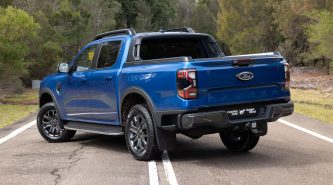
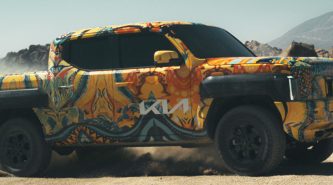
It’s been a big 2025 for Kia and its Australian arm for new and revised metal, including (in chronological order) EV6 update, K4 sedan, EV4 (global reveal), EV3 and looming PV5 vans, all dovetailed amongst the high-profile slow-burn that was everything and anything Tasman ute.
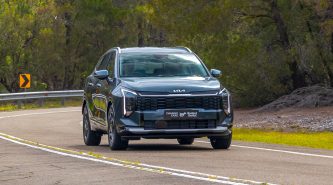
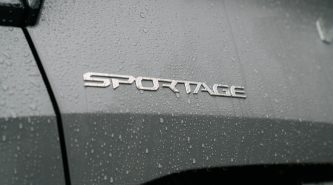
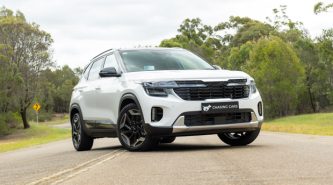
Almost slipping under the radar was May’s 2026 facelift for Kia‘s volume-selling, fifth-generation Sportage midsize SUV.
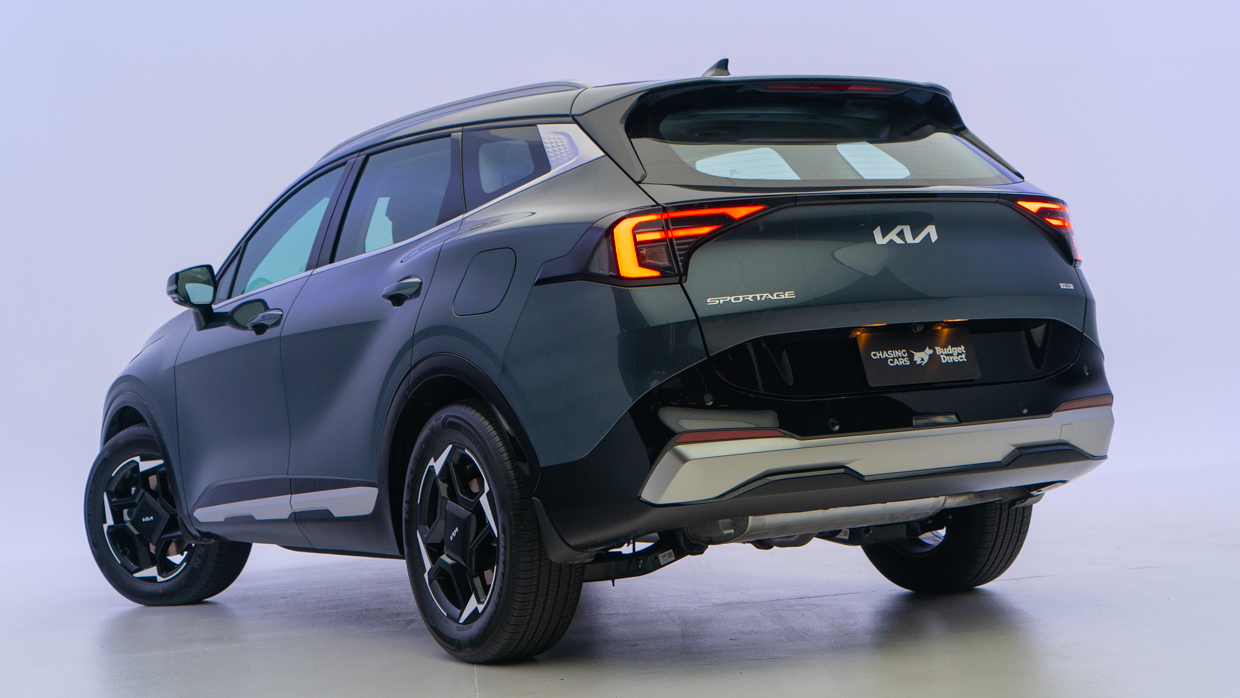
We covered off Sportage‘s range-wide changes in our launch review, but the elevator synopsis includes refresh styling outside and in, an AWD choice for hybrids, an eight-speed transmission update for the turbo petrol, and a smattering of tech and safety realignment.
In short, some of the burgeoning 11-strong variants get more updates than others, the feature change count essentially tied to which of the four available variants you opt for. Our test subject is the SX front-driver in hybrid guise, a setup also referred to as ‘HEV’ meaning ‘hybrid electric vehicle’ – and it’s not one you need to worry about plugging in, either.
The SX is one up from the rental car rank S grade and the most affordable entry point to Sportage ownership fitting a turbo-petrol/electric self-charging hybrid powertrain. Which, when it comes to Aussie buyer tastes, makes our test subject a potentially hot seller.

Also add the new AWD hybrid option to the powertrain menu of 2.0L petrol FWD, 2.0L diesel AWD and turbo 1.6L AWD and that a helluva lot of choice spread throughout the four – S, SX, SX+ and GT-Line – trim tiers, more or less.
Unfortunately for SX, it’s the least-upgraded variant of the 2026 line-up: bar an update to the full-fat ‘Connected Car Navigation Cockpit’ 12.3-inch media format, there’s little to talk about on the specifications list.
Not listed on the form guide, but beneficial nonetheless, is the new Australian power steering tune that, as noted in our launch review, better fits the existing localised ride and handling tune that carries over in this facelift, which Kia refers to as the ‘PE’ update.
As the thriftiest Sportage hybrid option, the front-driven SX HEV lists for $46,490 in MY26 guise (around $51,130 driveaway), a price rise of $540 over the pre-facelifted MY25.
Want the (new-for-MY26) AWD option? That’s another $3000. The only other HEV choices are to step up to the GT-Line in either front-drive ($57,370) or all-wheel-drive ($60,370) guises, the latter positioned as the flagship of the Sportage lineup.
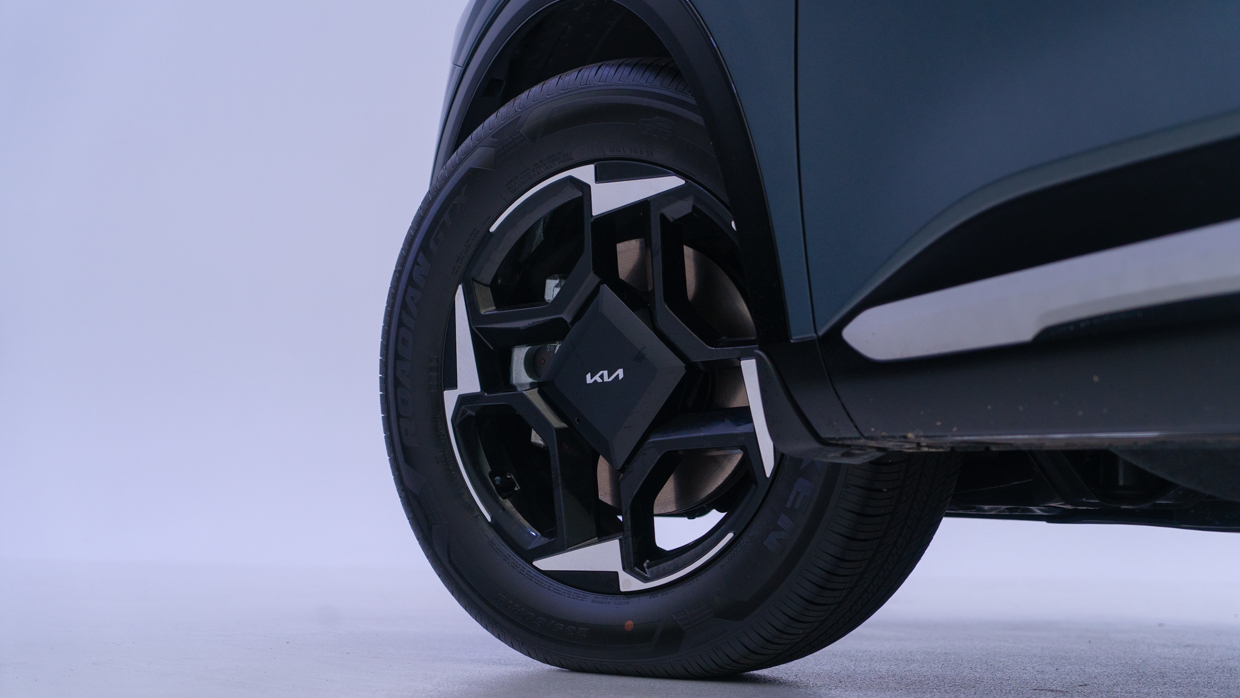
Standard features for the SX trim (in any powertrain choice) include:
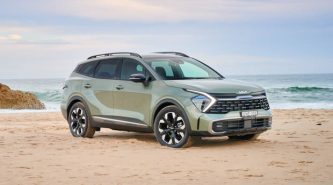
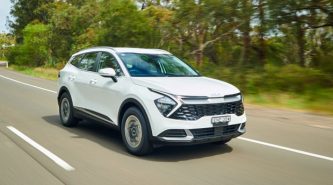
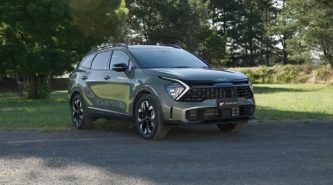
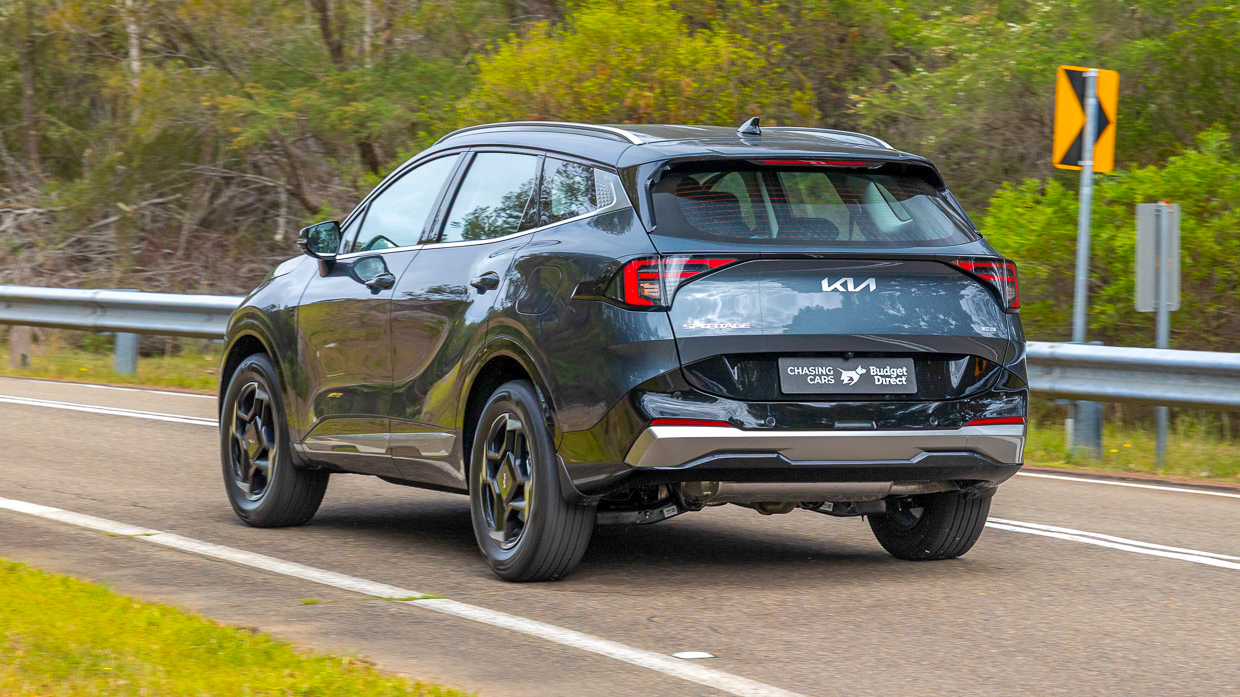
The SX grade is available in a choice of seven different colours, with anything other than Clear White – such as the Gravity Grey of our test car – commanding an additional $600 of outlay.
As with the prefacelift, the HEV powertrain system’s turbo 1.6 engine outputs 132kW/265Nm, while the electric motor, mounted in the six-speed automatic transmission, adds 44kW and 264Nm.
However, via some mid-life polish, combined outputs are now up four kilowatts (to 173kW) while an added 17Nm (now 367Nm) gets the 1733kg SUV moving. And quite nicely at that.
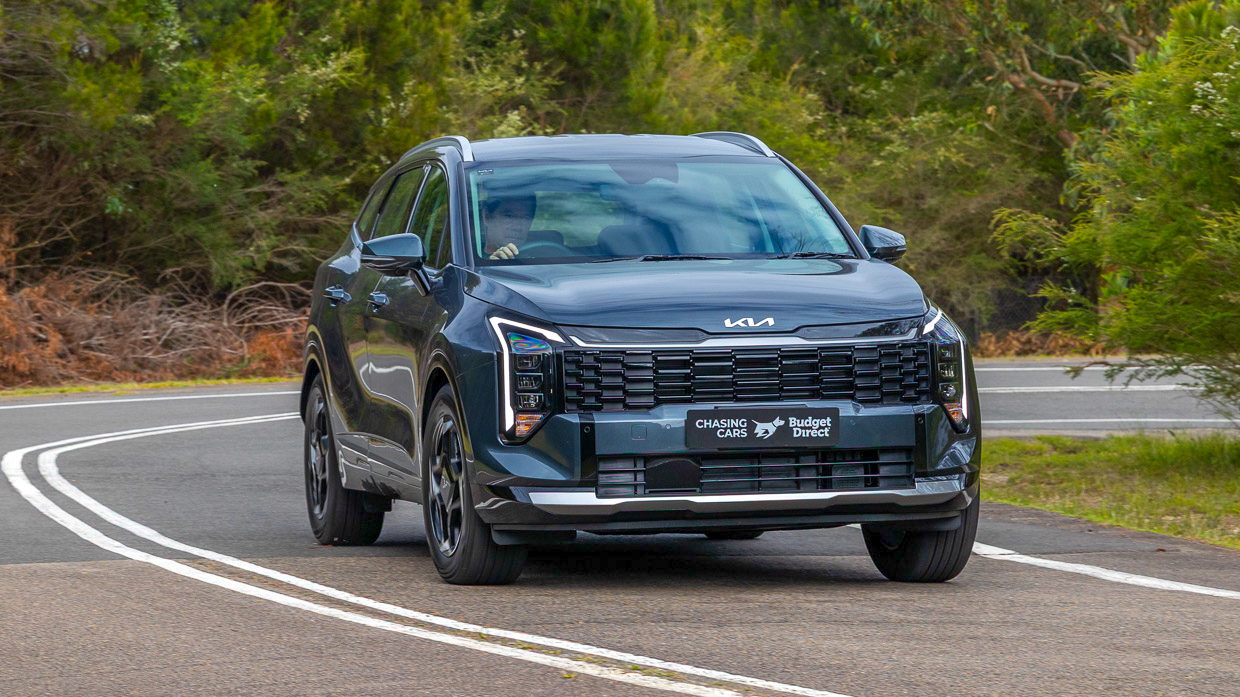
Thrust is plentiful and there’s a keen sense of urgency in Sport drive mode, without the sort of histrionics that will set the front wheels crying freedom if with some clear sonic effort from the internal combustion side of the equation. It’s not a mild-mannered powertrain under load.
As is customary, urbanites will rarely find a need for the all-wheel drive option, though it’s a prudent choice for regional buyers or those in regularly cold climates. Not only does it make Sportage a more complete lineup, it keeps Kia neatly up with the corporate cousins Hyundai (and its related Tucson) as well as the huge-selling Toyota RAV4.
The penalty for AWD, outside of the $3K of added upfront expense, is that at 5.3L/100km combined advertised it’s 0.4L thirstier than the front driver. However, it’s not that simple…
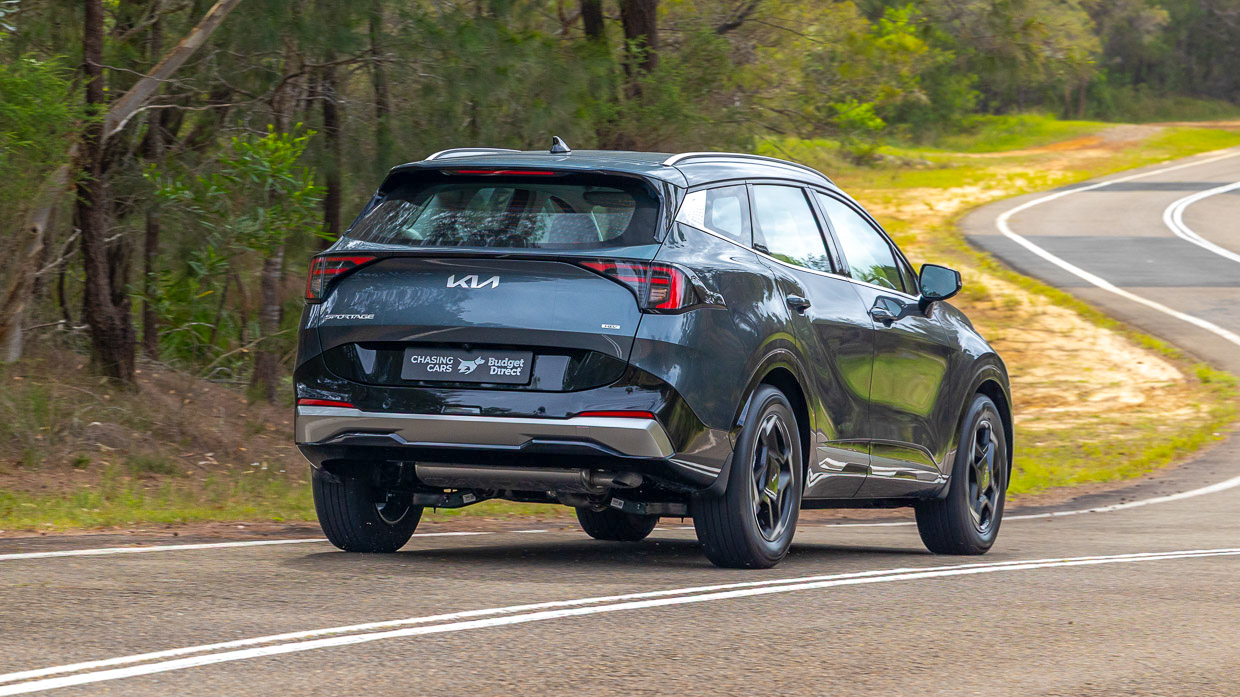
For reasons not entirely clear, the FWD is, at 4.9L/100km combined, a whole 1.2L thirstier (claimed) on an urban cycle than the AWD (3.6L). But, conversely, the bum-dragger is said to be 1.4L/100km more frugal (at 4.9L) than the all-paw alternative (6.5L!) on the open road.
Whatever the academia, our tester returned sixes in the Sydney metro area, which includes a lot of 90km/h cruising in its tunnel network.
The updated SX lopes along with a cushy manner to its ride that I don’t recall from the old Chasing Cars’ MY24 GT-Line hybrid long termer, which I’d swear was terser and more brittle across road acne.
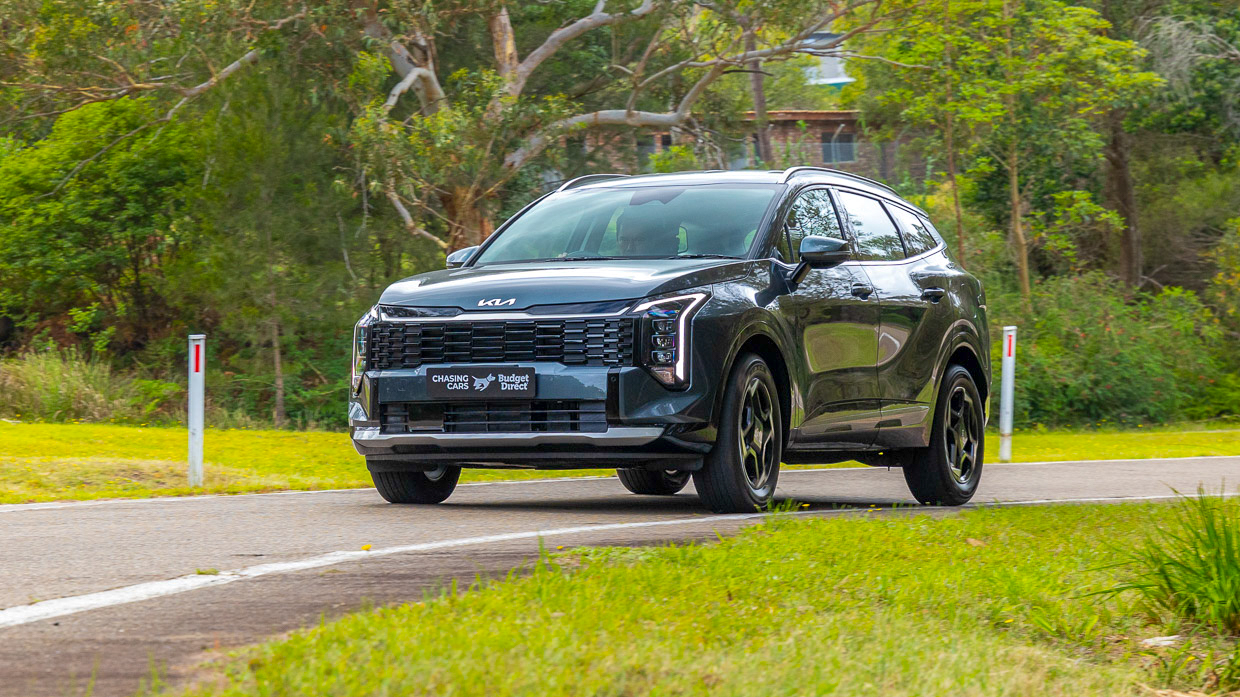
It smothers bumps just fine without excessive floatiness or robbing the Sportage of bona-fide connection between the driver and the road. The locally developed chassis tune also has a nice crispness to it in the corners, where the SUV is nicely balanced and even fun once you push on.
The electric power steering is one area that has been tweaked significantly in facelift form, from a global to a locally tailored tuning. And while it’s light, clear and more effortless in manner, it remains far from the last word in feel (at least for your reviewer’s tastes).
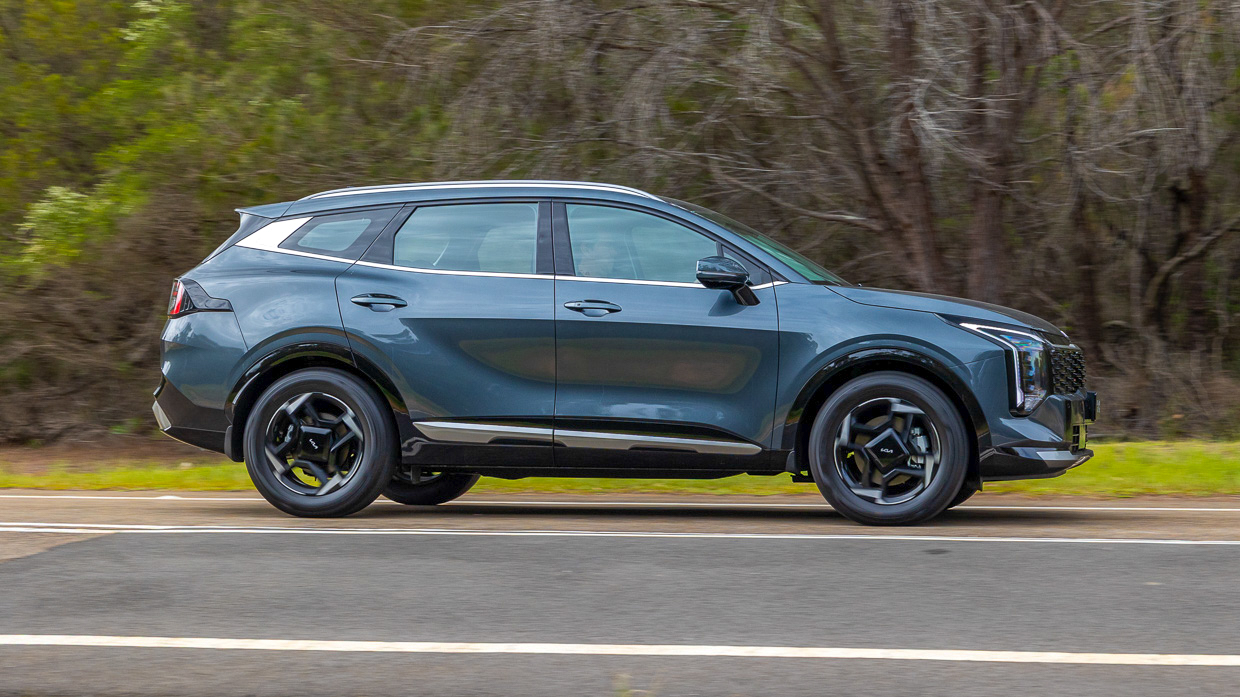
There’s a slightness and sense of disconnect that the Sportage brings across the balance of driving that, one suspects, doesn’t quite match the quality of the likes of Tucson (especially the N-Line stuff) and Honda’s CR-V RS, both of which have been recent Chasing Cars long-term (six-month, 10,000km) loans in recent times.
We look forward to a future mainstream midsize SUV shootout to see where the Kia genuinely sits in its segment.
Sportage’s neatly designed, well-packaged interior was already a strong point in pre-facelift, so it’s of no surprise that little has been changed for the MY26 revamp.
The conspicuous tweak was the change from the ‘classic’ three-spoke steering wheel to the new flat-top/flat-bottom two-spoke unit that looks lifted straight out of the Kia’s electric car lineup. Surely not a coincidence, this…and it works a treat.
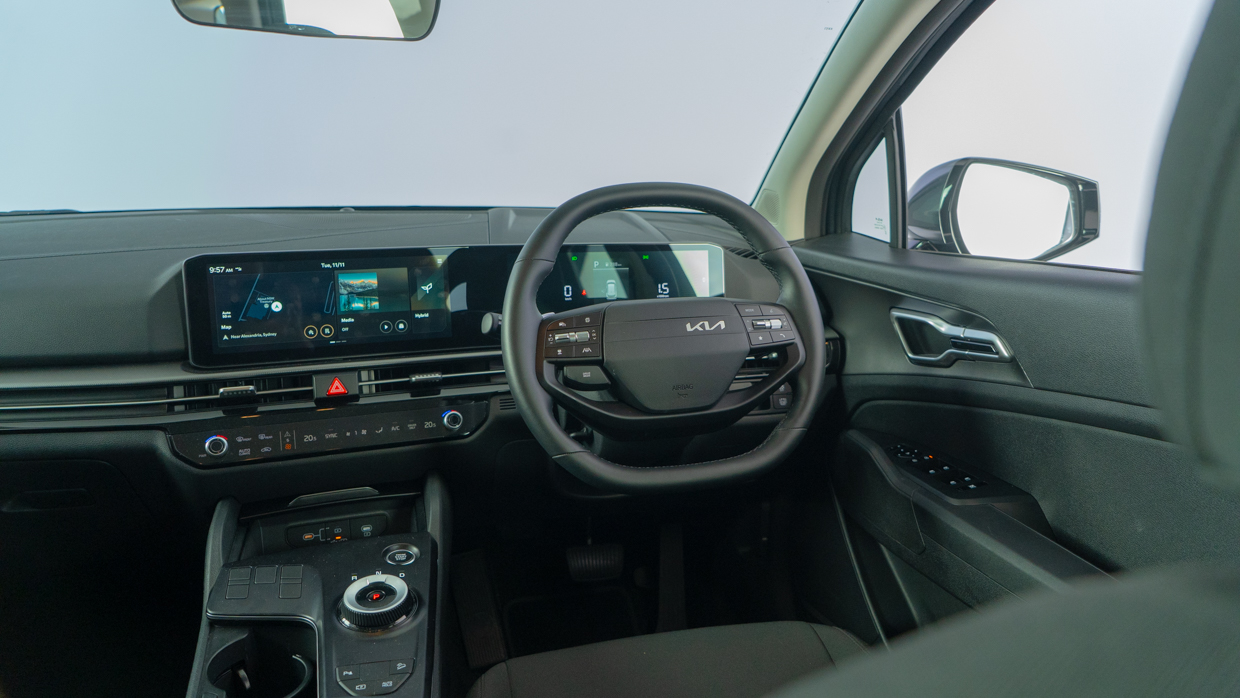
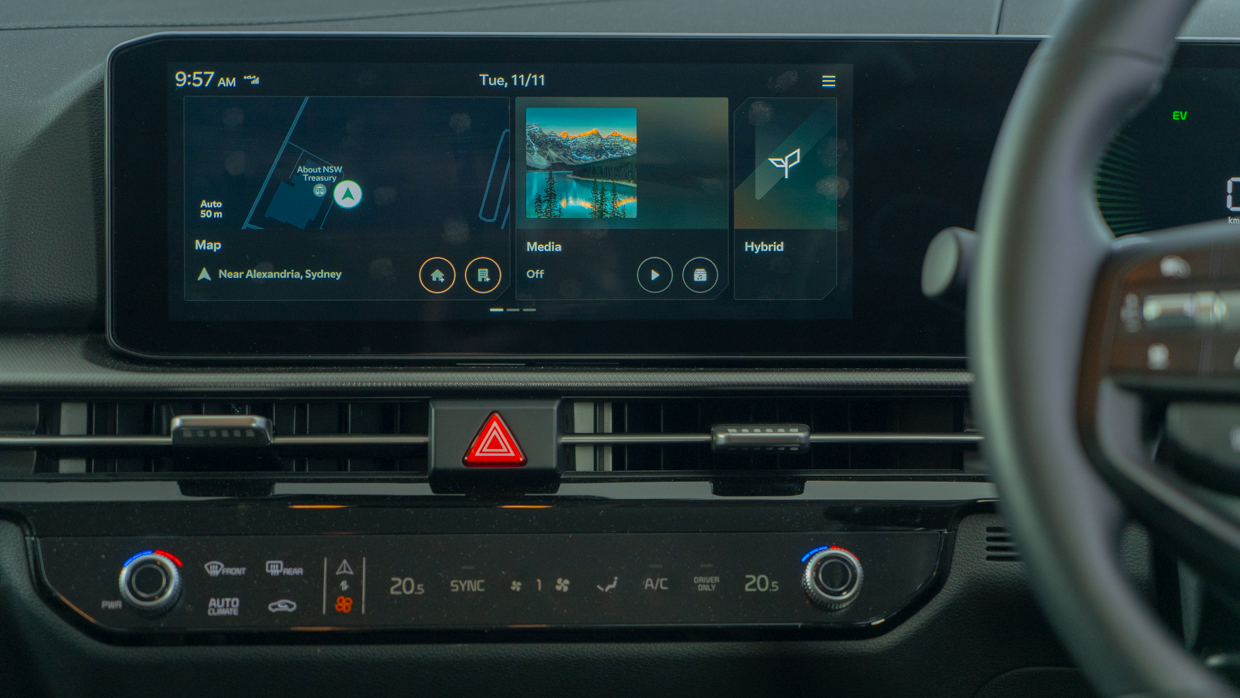
Key change number two is the 12.3-inch media system – as now fitted in all Sportage grades – fitted with the latest Connected Car Navigation Cockpit, or ‘ccNC’. At least, in everything bar the entry S grade, which gets a ‘lite’ version of the software, somewhat ironically without sat-nav…
With this new format comes a seven-year subscription to Kia Connect data connectivity allowing nifty features such as real-time traffic and weather, plus over-the-air software updates, otherwise saving buyers the hassle of visiting a service centre for periodic tech tweaks.
The media system is paired with a 12.3-inch driver screen…yet it’s not, because while it appears fully digital, it’s in fact a clever blend of a small 4.0-inch colour centre screen and some clever non-digital fakery for the remainder of the screen. Only the highest-grade GT-Line gets wide-screen digital eye candy.
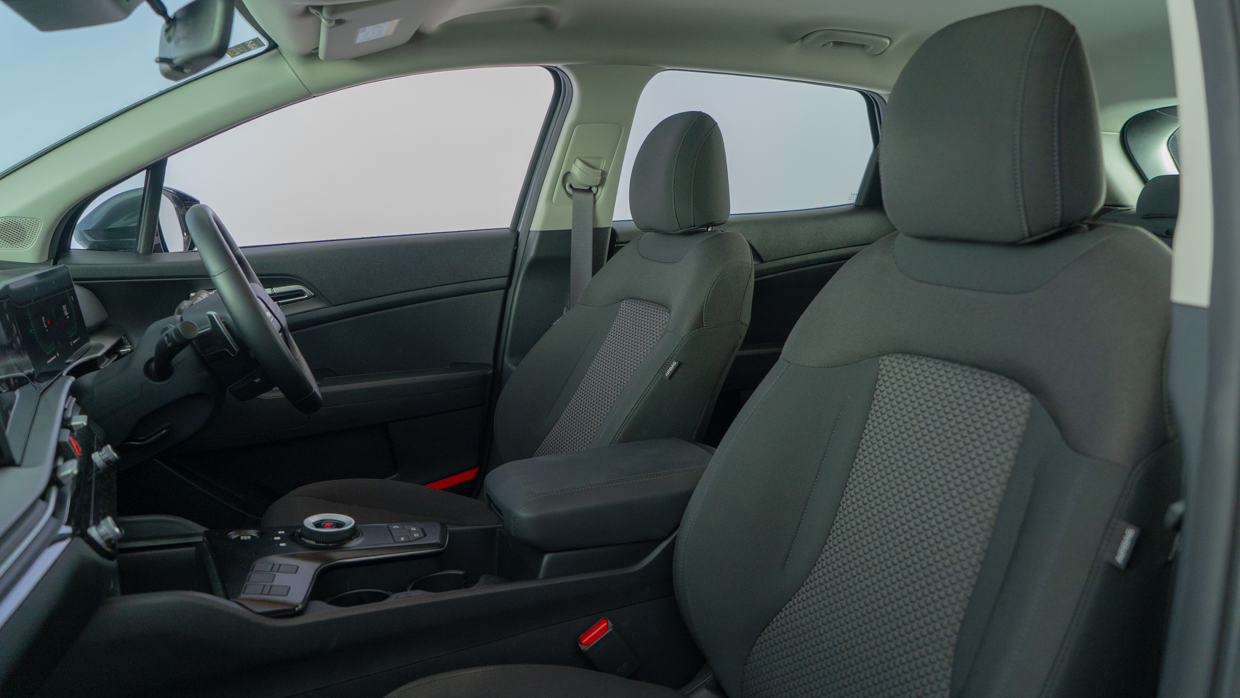
The SX is essentially the base S with some added glitz – dual-zone climate, for instance – and it does suffer for it conspicuously in the low-rent material usage, such as the entirely hard plastic door cards (including the armrest). Dragging the sense of occasion down further is the dour grey-on-grey theme that brings a particular gloom to the cabin ambience.
But the worst of it are the front bucket seats. They’re cloth, of course, though not to a fault, but the mechanical adjustment with no way of tuning out an uncomfortable lump in the lower seatbacks is the single worst aspect of the Sportage SX experience.
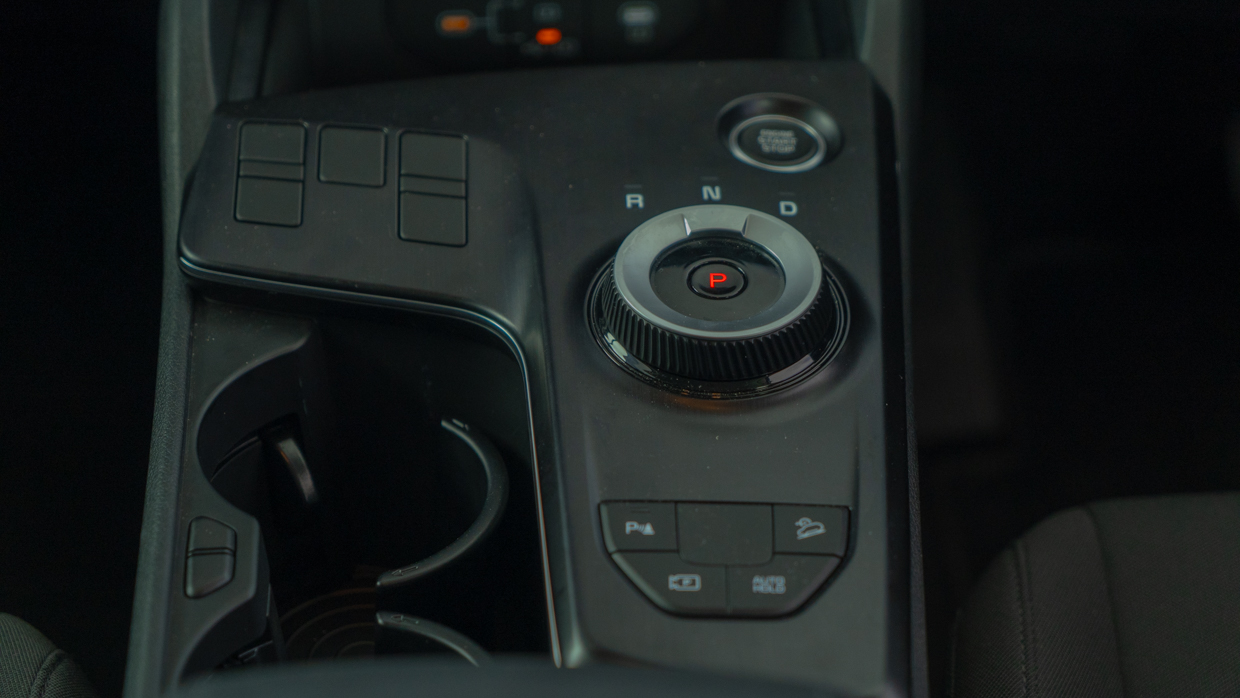
Other downmarks? The absence of inductive phone charging is a solid miss for a $50K on-road proposition (it comes in SX+) and the five button blanks in the console top – where the GT-Line’s seat heating/ventilation and wheel heating switches sit – are constant reminders that you bought the ‘cheap’ variant. Hmm…
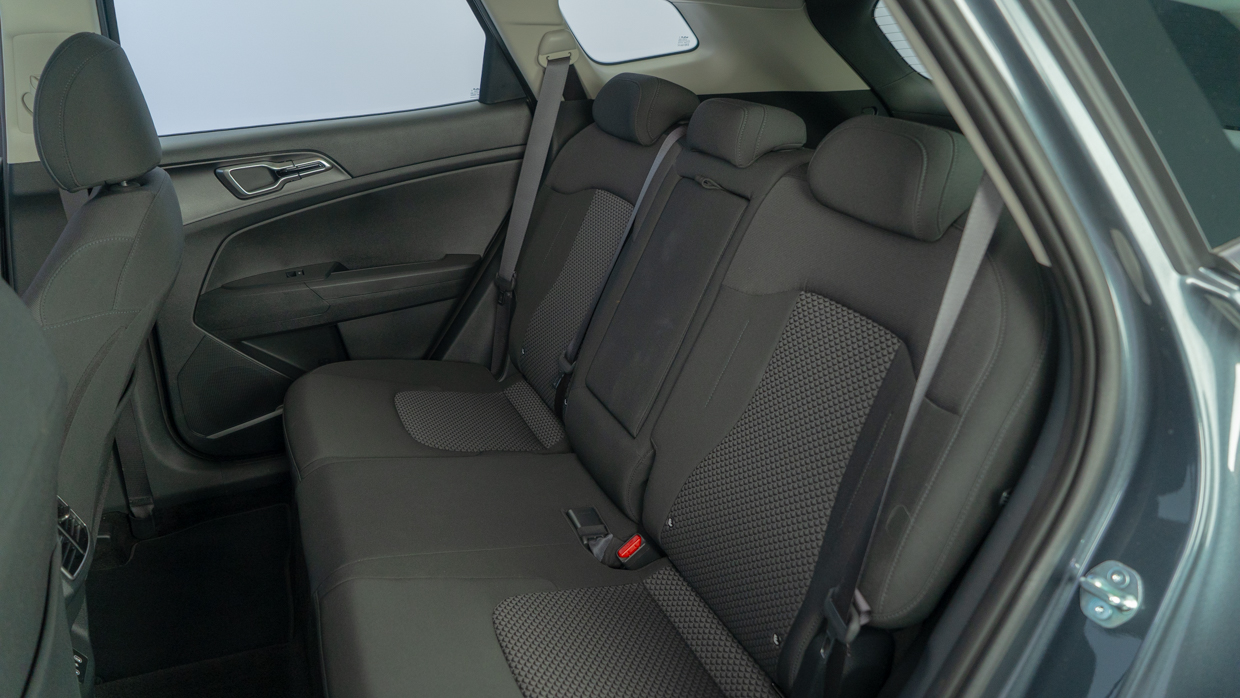
Row two improves the seating markedly, mainly because the splitfold seatbacks are lump-free, though the proud lumps in the centre position make it really only a comfortable arrangement for two adults in the rear.
Knee room is excellent, and the Sportage does tick off family car essentials such as rear air vents, dual USB-C outlets and cupholders in the armrest.
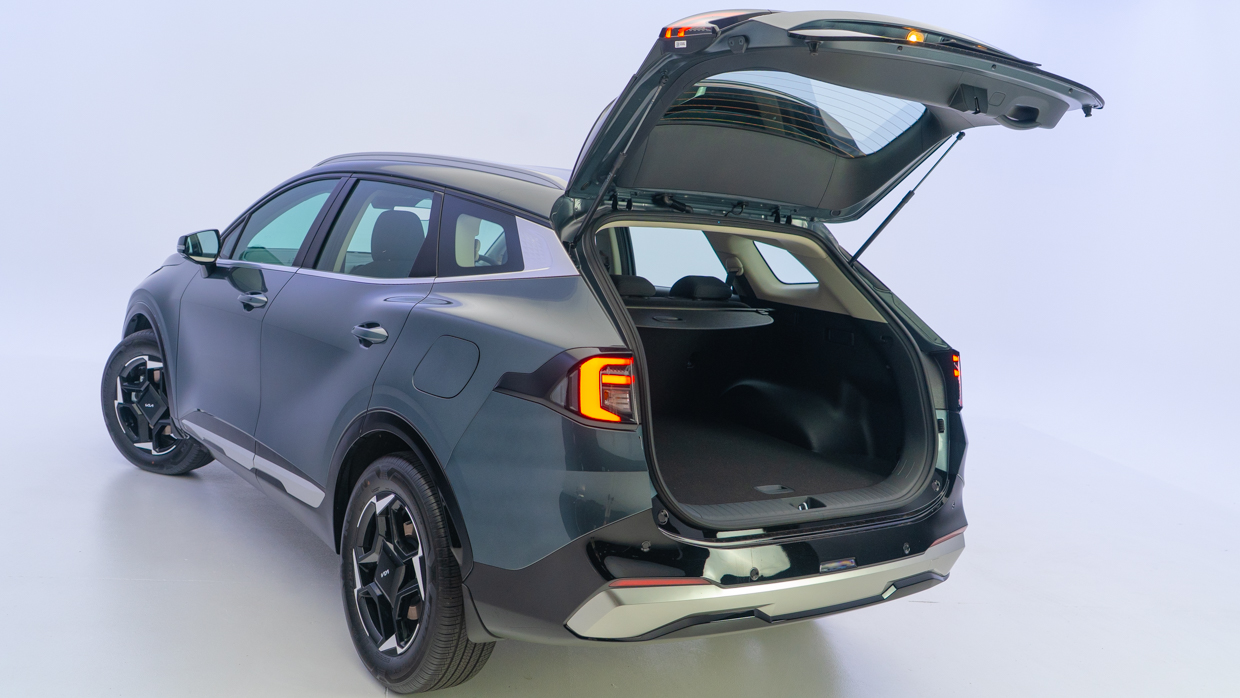
Bootspace is unchanged at 586L, which is larger than the ICE variants (543L) the fit full-sized spare wheels rather than the hybrids’ space saver spares. However, there does appear enough room under the floor for a full-size spare to be fitted. Space grows to 1872L as a two-seater.
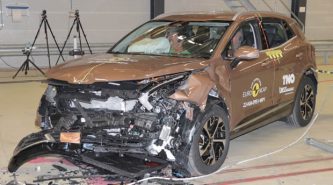
The Sportage is currently rated five stars with ANCAP based on an assessment conducted by Euro NCAP in 2022. In testing it scored 87 percent for both adult and child occupant protection, with 66 percent for vulnerable road user and 74 percent for safety assist.
Standard features fitted to the SX grade include:
Absent from SX HEV but fitted in higher-grade GT-Line HEV are Highway Driving Assist, reversing AEB, Surround View Monitor, Blind Spot View Monitor (camera system) and auto-dimming rear-view mirror.
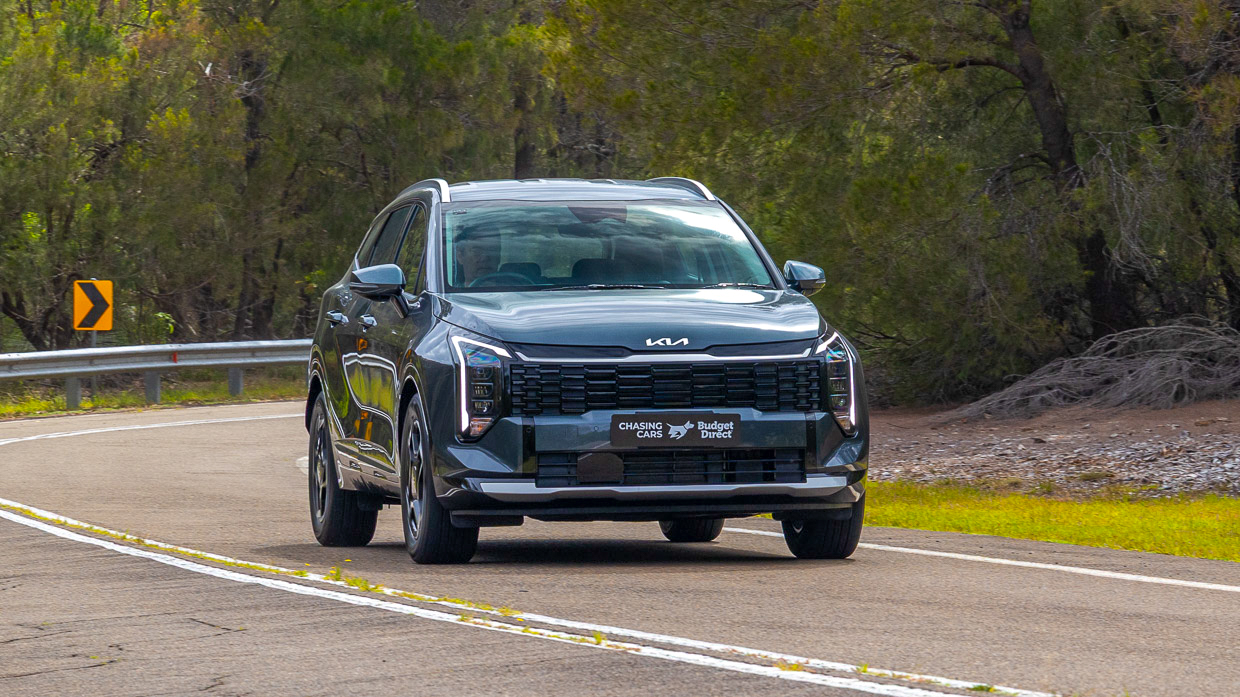
On test, some ADAS systems demand the same old tiresome pre-trip button prodding and submenu digging to defeat the same old annoying features packaging the same old (generally overzealous) active safety functionality. At least the convoluted audible speed camera alert can be deactivated easily.
These are now commonplace in many Korean cars, presenting annoyances less common in many segment rivals. That said, the Sportage doesn’t fit the oppressive driver monitor functionality found in the likes of cousin Hyundai’s Kona and Santa Fe models.
The turbo-petrol hybrid powertrain will run happily on cheapy 91-octane or E10 fuel, keeping costs down at the bowser. With sub-six-litre consumption, the Sportage ought to return around 900 kilometres of touring range from its 51-litre tank.
Less enticing is servicing. Five years costs $2613 with intervals of 12 months and 10,000kms between visits (50,000km total).
By comparison, a front-drive Toyota RAV4 hybrid costs $1350 – or nearly half the outlay – with longer 15,000km (75,000km total) service coverage.
Warranty is a good at seven years of unlimited-kilometre coverage, with seven years and 150,000km coverage for the high-voltage components.
As we covered in our launch review, the facelifted Sportage makes quite a different pitch to the relentless waves of Chinese competitors spruiking maximum specification and glitz for minimum outlay.
Given Kia reserves the most convincing package of features for the flagship GT-Line, lower grades – specifically our SX tester – are left feeling a little slim picked. As a $50K on-road proposition (and quite a bit more in all-wheel-drive guise) the SX ought to fit the likes of electric seat adjustment and inductive phone charging.
And it could do with a stronger sense of celebration, particularly inside.
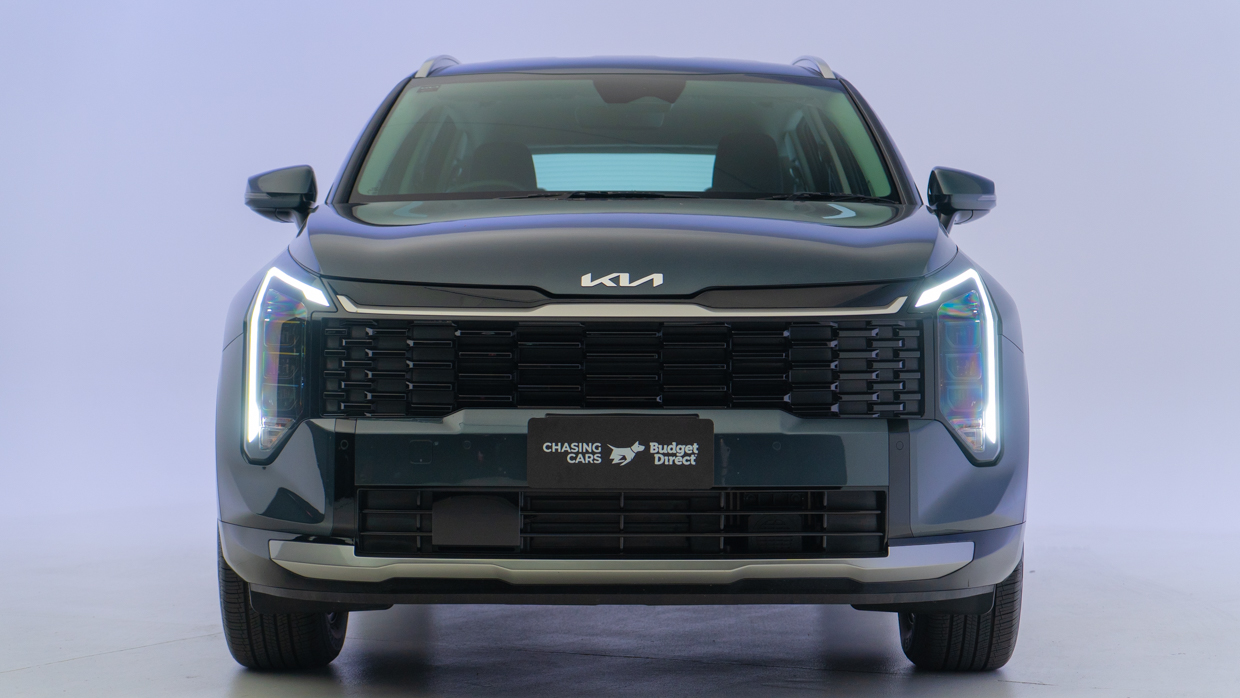
While it might appear a lazy facelift, the revamped Sportage did and continues to smash so many flashy upstarts with the polished finesse of the driving experience. It’s a great powertrain paired with a fine ride quality and an excellent chassis…and now improved steering.
Because of this we would recommend shortlisting Sportage if you’re shopping for a midsize hybrid SUV, though the sweet spot is probably the GT-Line. It’s not surprising that the flagship is the biggest seller.
Key specs (as tested)
About Chasing cars
Chasing Cars reviews are 100% independent.
Because we are powered by Budget Direct Insurance, we don’t receive advertising or sales revenue from car manufacturers.
We’re truly independent – giving you Australia’s best car reviews.
The estimate provided does not take into account your personal circumstances but is intended to give a general indication of the cost of insurance, in order to obtain a complete quote, please visit www.budgetdirect.com.au. Estimate includes 15%^ online discount.
^Conditions Apply
Budget Direct Insurance arranged by Auto & General Services Pty Ltd ACN 003 617 909(AGS) AFSL 241 411, for and on behalf of the insurer, Auto & General Insurance Company Limited(ABN 42 111 586 353, AFSL 285 571).Because we don’t know your financial needs, we can’t advise you if this insurance will suit you. You should consider your needs and the Product Disclosure Statement before making a decision to buy insurance. Terms and conditions apply.
Indicative quote based on assumptions including postcode , 40 year old male with no offences, licence suspensions or claims in the last 5 years, a NCD Rating 1 and no younger drivers listed. White car, driven up to 10,000kms a year, unfinanced, with no modifications, factory options and/or non-standard accessories, private use only and garaged at night.
^Online Discounts Terms & Conditions
1. Discounts apply to the premium paid for a new Budget Direct Gold Comprehensive Car Insurance, Third Party Property Only or Third Party Property, Fire & Theft Insurance policy initiated online on or after 29 March 2017. Discounts do not apply to optional Roadside Assistance.
2. Discounts do not apply to any renewal offer of insurance.
3. Discounts only apply to the insurance portion of the premium. Discounts are applied before government charges, taxes, levies and fees, including instalment processing fees (as applicable). The full extent of discounts may therefore be impacted.
4. We reserve the right to change the offer without notice.