Powered by

-
Car Reviews
Latest reviews
-
Car News
Latest news
-
Car Comparisons
Latest comparisons
- Chasing Deals
Latest reviews
Latest news
Latest comparisons
New Volkswagen Group “full hybrid” engine pairs a 1.5-litre turbo with an electric motor on the front axle to slash real-world fuel consumption and CO2 emissions
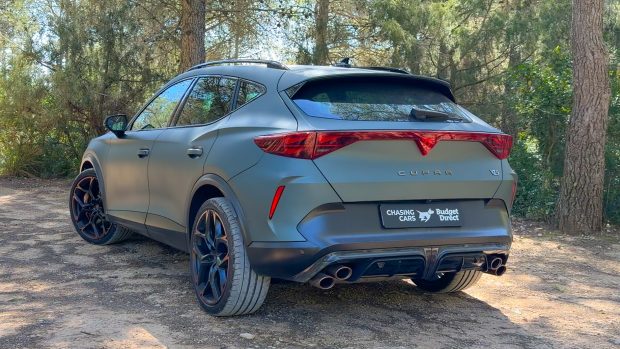
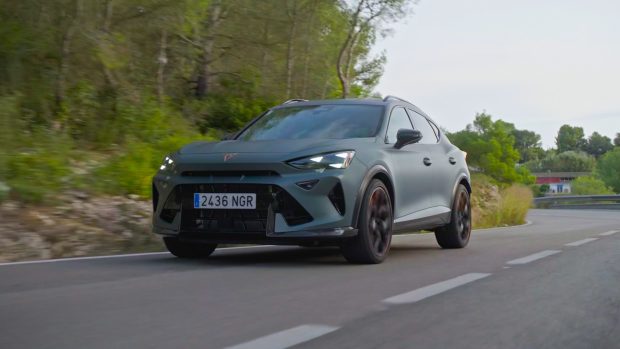
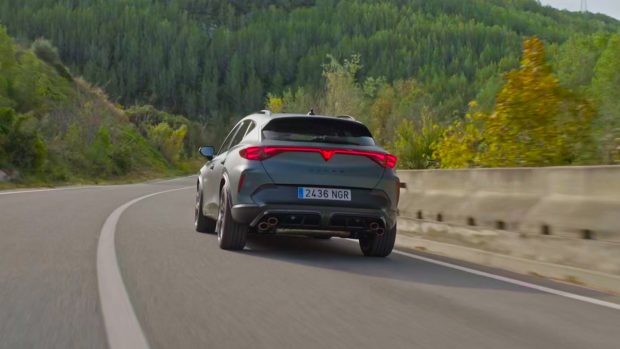
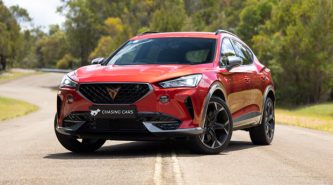
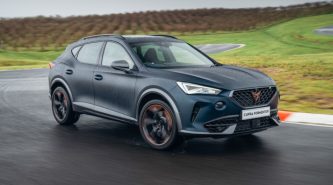
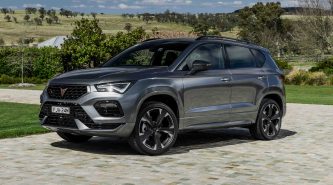
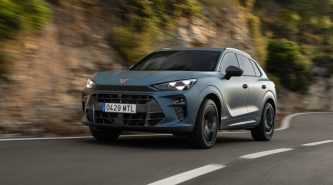
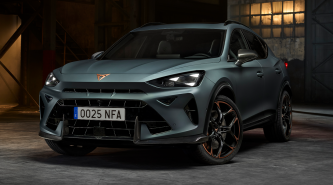
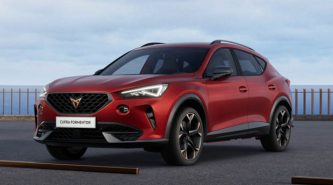
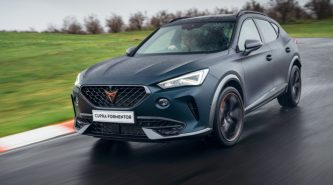
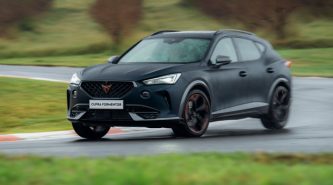
Cupra will add a full hybrid powertrain to its best-selling Formentor midsize SUV in 2028 as part of a further upgrade to production lines at the company’s Spanish factory that assembles the model.
The arrival of the “full hybrid” Formentor will probably coincide with a second facelift of the first-generation Formentor, which will be kept alive for longer than initially planned as the Volkswagen Group calibrates its electrification strategy.
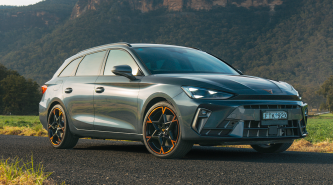
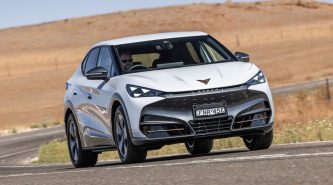
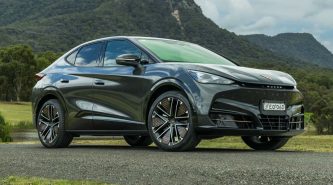
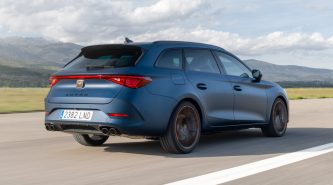
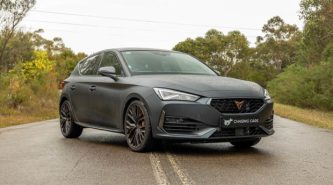
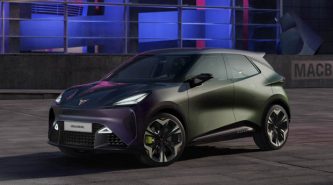
Currently, the sporty Formentor crossover is sold in Australia and Europe with a choice of pure petrol or plug-in hybrid (PHEV) powertrains, while buyers seeking a fully electric alternative are guided towards the Tavascan EV.
Now, the Volkswagen Group is moving towards broadening its hybrid offer further by introducing a ‘full hybrid’ powertrain, initially with the Volkswagen brand, that Cupra will have access to.
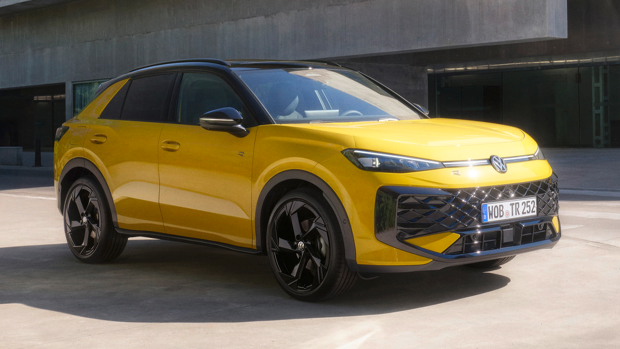
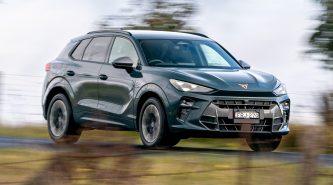
Launching later in 2026 in the second-gen’ Volkswagen T-Roc small SUV (which is closely related to the Formentor under the skin) the “full hybrid” system is closer in execution to the hybrids seen locally in Toyota or Hyundai products.
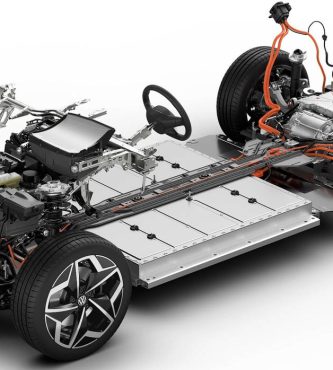
The “full hybrid” pairs Volkswagen’s 1.5-litre turbocharged four-cylinder engine to a more powerful electric motor on the front axle fed by a small battery that is recharged by braking or by the petrol engine.
Simply badged “Hybrid”, the T-Roc HEV powertrain will allow the petrol engine to shut down when not needed, with the electric motor capable of drive the vehicle under light load.
Volkswagen has already confirmed that the T-Roc Hybrid will be offered with power outputs of 100kW or 125kW when the system is ready for launch in Europe later in 2026.
At first, only front-wheel drive “full hybrid” trims will be sold, but by the time the Cupra Formentor picks up the powertrain in 2028, more powerful versions or an all-wheel drive system could be on the table.
When the Formentor Hybrid eventually launches in Australia towards the end of the decade, the system will likely replace pure petrol options at the bottom of the Formentor range.
In the interim period, Cupra Australia is expected to transition the most affordable versions of the Formentor to a mild hybrid 1.5-litre turbo petrol producing 110kW/250kW while consuming around 6.5L/100km.
Sources expect the “full hybrid” to be much more efficient, at least in T-Roc guise, where it may consume around 4.0L/100km on official cycles with correspondingly lower CO2 production — with the latter a crucial metric under NVES vehicle emissions legislation.
The “full hybrid” will not replace PHEV versions of the Formentor when it arrives. Instead, the HEV system will supplement the range further.
It is also possible that Cupra will seek to keep at least one pure-petrol variant alive at the top of the range for buyers willing to pay a premium for the associated CO2 emissions.
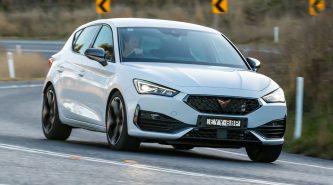
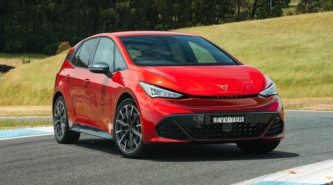
The Formentor is easily Cupra’s most popular car in Australia. Last year, it delivered 1490 units of the crossover model — or 52 percent of its 2830 total sales. Across the first three months of 2026, 255 units have been sold, competing more closely with the Terramar EV (140 cars).
All versions of the Formentor will continue to be assembled at Cupra’s plant in Martorell, Spain, which is being steadily upgraded to support more electrified vehicle production and on-site battery manufacturing.
Latest news
About Chasing cars
Chasing Cars reviews are 100% independent.
Because we are powered by Budget Direct Insurance, we don’t receive advertising or sales revenue from car manufacturers.
We’re truly independent – giving you Australia’s best car reviews.