Powered by

-
Car Reviews
Latest reviews
-
Car News
Latest news
-
Car Comparisons
Latest comparisons
- Chasing Deals
Latest reviews
Latest news
Latest comparisons
Ford top brass to meet government this weekend as it weighs up cost of engineering hub in Australia versus Asia
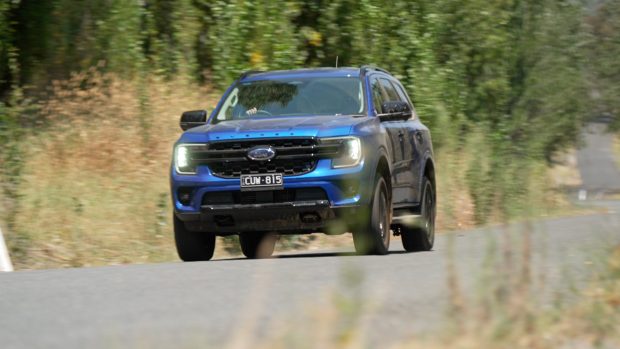
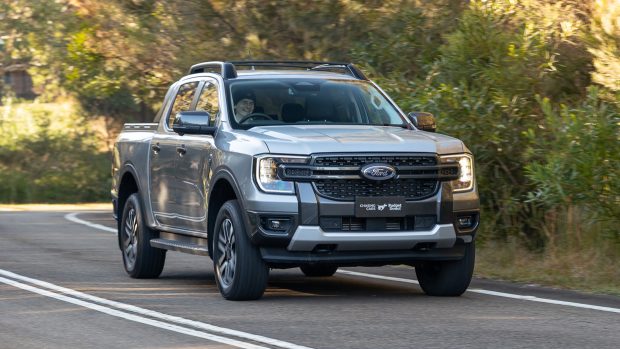
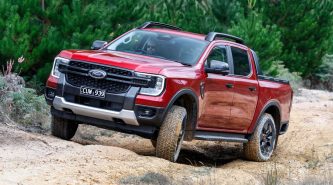
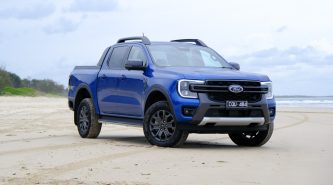
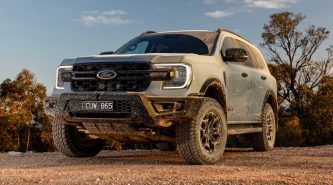
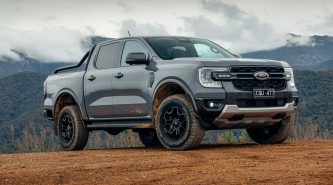
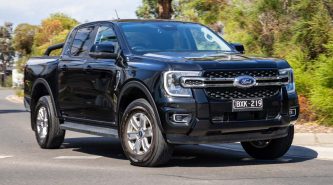
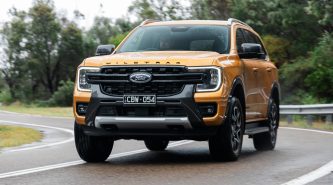
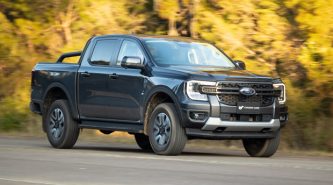
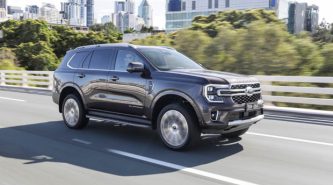
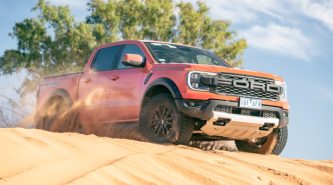
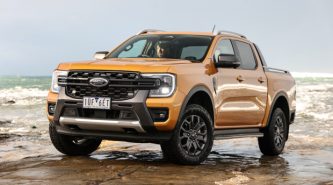
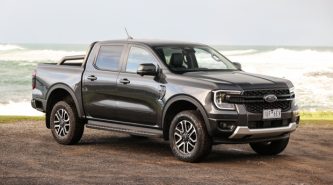
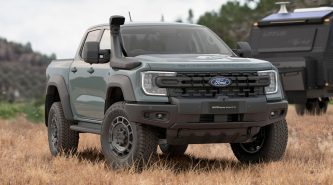
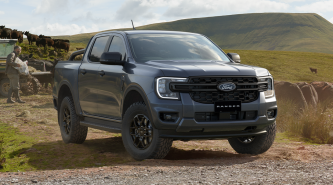
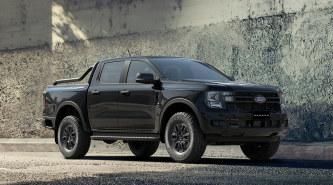
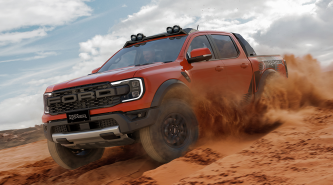
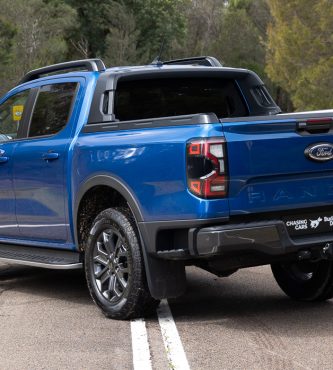
The Australian development team behind the successful Ranger ute and Everest 4WD faces an uncertain future, after Ford revealed it is seeking crucial financial support from the government.
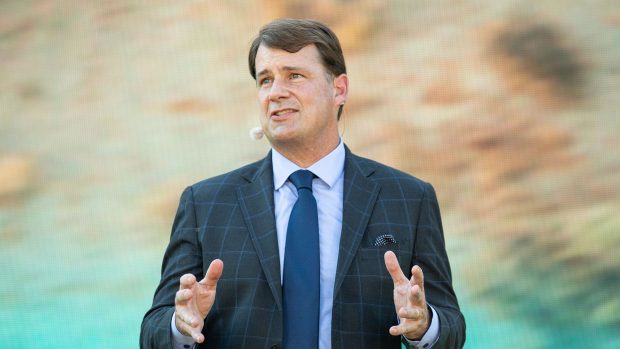
Ford’s CEO Jim Farley, in Melbourne this week for the F1 grand prix, told a small group of media including Chasing Cars that its Australian design and engineering hub was economically challenging.
Farley said the government had a choice to make, while also criticising its newly introduced C02 emissions regulations.
“We have to work with your government,” he said, “because we have to be competitive on speed and cost here in Australia versus China or Vietnam, or other places [where we could employ engineers].
“And there is a premium for innovation. So, we’re willing to pay, but your government has to decide if they want engineers in your country or do you want to be a country of hairdressers and bankers?”
The Ford Australia design and engineering team comprises about 1400 employees, making it the country’s largest automotive workforce despite 400 redundancies in 2023 that were related to the end of the Ranger/Everest development cycle.
It was formed just prior to Ford ending local manufacturing in 2016. In addition to developing the Ranger and Everest for Australia and global markets, it has developed other cars for markets including India and China.
When pressed on how the government could help, Farley said: “Well, they need to decide if they want to help us equalise the cost differential, because [Australia] is among the most expensive place to have engineers on the planet.
“It can’t sit on the sidelines and pretend like that’s not a choice. It’s a choice because that engineering can be done in a lot of other places cheaper and faster.”
Ford will meet with government officials this weekend, when they plan to also raise the topic of Australia’s New Vehicle Emissions Standard (NVES).
NVES was introduced in 2025 to encourage car makers to sell more fuel-efficient cars, notably EVs and plug-in hybrids – with financial penalties for brands selling too many new vehicles that exceed CO2 thresholds.
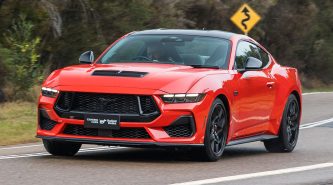
Although Ford was in credit after the first phase of NVES, fines are set to grow as C02 thresholds are lowered each year. The company also admitted NVES contributed to significant price rises for the Ford Mustang last year.
“What we’ve seen around the world with this kind of pressure on [building] pure EVs, is that ultimately all the OEMs develop [regulatory] compliance vehicles,” said Farley. “They’re not designed for customers. That’s not a natural market. And over time that winds up not being sustainable.
“Any government has to be very sensitive around the CO2 glide path. We want to reduce our CO2 footprint, but there’s a level that the customer can’t afford, and not all duty cycles can be electrified.
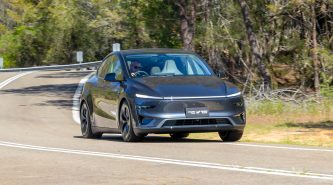
“There’s a lot of electric vehicles out there that just don’t make sense if you have heavy towing.
“So, from my standpoint, those are the two policy issues that this country has to face. You want to prioritise mining and extraction of raw materials? Fine. But then you’re going to have to make some tough choices. Is the CO2 roadmap sustainable for customers? I think Australia may be on the wrong side of that right now.”
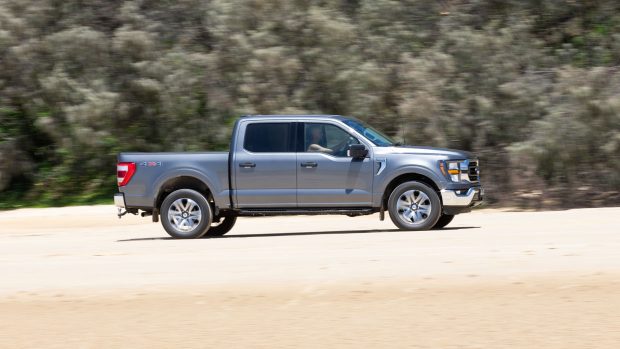
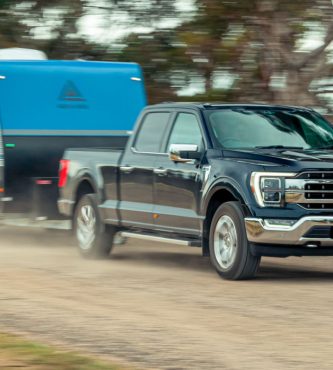
Ford had previously mooted the potential of the Ranger and the larger F-150 pick-up moving onto a shared modular platform towards the end of this decade, though that plan remains unclear for now.
Farley, however, acknowledges the challenge from China to the likes of the Ranger.
“The reality is that the competitive landscape has completely changed now in the last three or four years, globally.
“And body-on-frame, medium [size] pickup trucks are a global profit pool that every Chinese company is looking at.
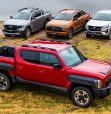
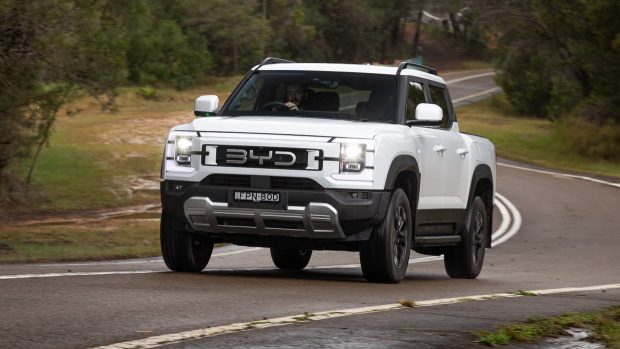
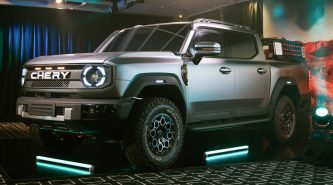
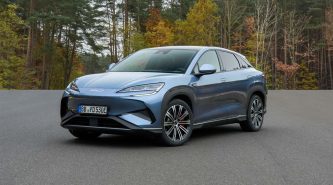
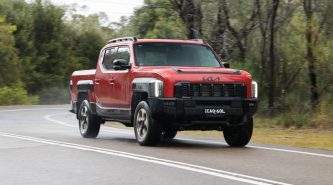
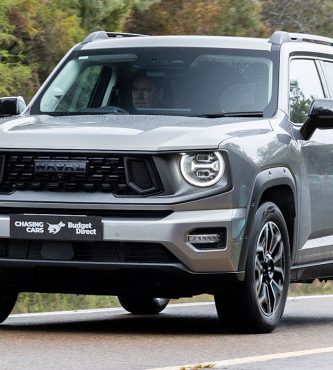
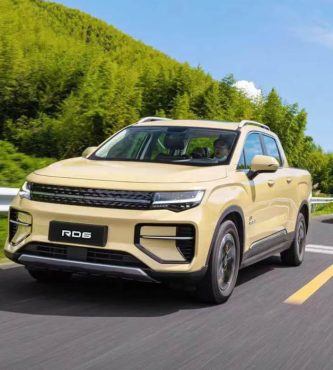
“I drove the [BYD] Shark and Great Wall [Cannon] product… They’re different animals [to Ranger]. If you put 500kg in the back, it’s not a Ranger [for payload capacity], but for someone who doesn’t do that every day and they want electrification, it’s a pretty competitive product.”
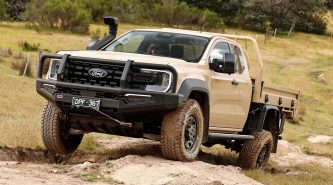
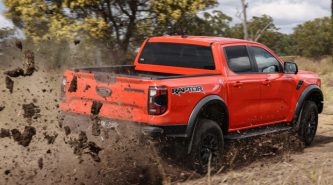
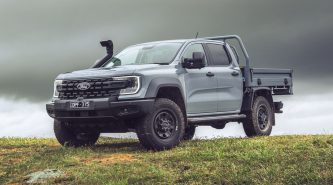
Farley said he was impressed with the Super Duty ute, the latest Ranger project to be developed in Australia.
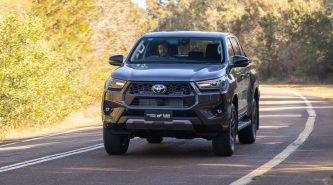
“If that team could do that with limited resources and beat the LandCruiser 70, which in my career has been an icon of a global industry…
“I think they have a bright future, but we have to have a good plan for Australia.”
Latest news
About Chasing cars
Chasing Cars reviews are 100% independent.
Because we are powered by Budget Direct Insurance, we don’t receive advertising or sales revenue from car manufacturers.
We’re truly independent – giving you Australia’s best car reviews.