Powered by

-
Car Reviews
Latest reviews
- Car News
-
Car Comparisons
Latest comparisons
- Chasing Deals
Latest reviews
Latest comparisons
Huge capital expenditure in 2025 to build four new EVs and their batteries in Cupra’s Spanish factories saw profit crash by 99 percent last year, but execs aren’t worried
Cupra today reported that its operating profit collapsed to just one million euros ($1.6 million) in 2025 from 633 million euros ($1 billion) in 2024, as the Spanish arm of the Volkswagen Group invested heavily to convert its Martorell manufacturing plant to build fully electric cars.
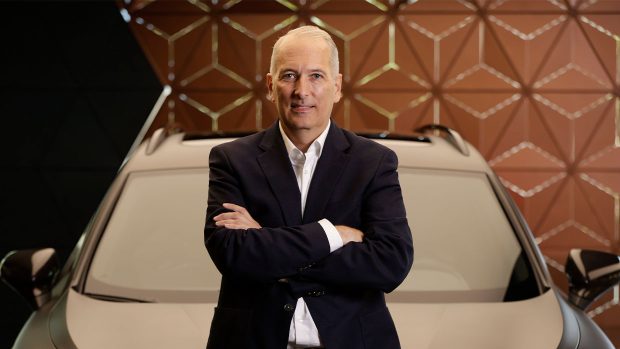
“Let’s be clear – our results are not where we want them to be,” Cupra chief executive officer Markus Haupt told media including Chasing Cars.
“But they are also not unexpected. They reflect exactly the result we are in – an investment phase. This is the price of leading electrification, but also of a competitive market environment and an unstable geopolitical context.”
Haupt, accompanied by executive vice president for finance Patrik Mayer, said high product costs, import duties, competitive pressure in EV sales in Europe and other markets and huge capital expenditure on plant upgrades conspired to eat away nearly all profit last year.
Net cashflow at Cupra was recorded at negative 431 million euros (negative $701 million) as the brand splashed 1.3 billion euros ($2.12 billion) in capital expenditure and vehicle research and development in just one year.
Cupra bosses say 2025 was scheduled to be the most expensive year for the company, with the results chalked up to a necessary transition period away from building combustion vehicles at Seat/Cupra plants in Spain to adding EV production lines plus a huge new battery plant located on site.
It’s a matter of the rubber hitting the road for Cupra, which lobbied hard – and received – approval within Volkswagen Group to execute the conglomerate’s affordable EV platform, dubbed MEB21.
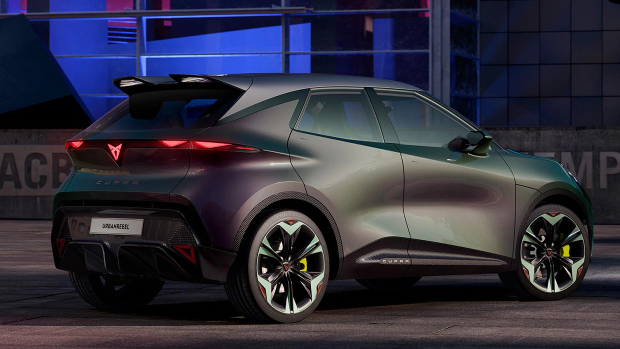
The first MEB21 vehicle to to be released will be the 4000mm-long Cupra Raval hatchback, which is set to be priced from 26,000 euros ($42,000) when it is launched mid-way through 2026 in Europe ahead of a likely Australian release in early 2028.
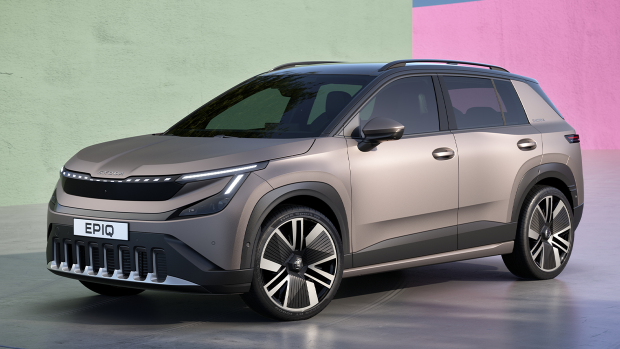
Cupra will build the Volkswagen ID Polo hatch and ID Cross small SUV – plus the Skoda Epiq compact crossover – in Spain on behalf of its Volkswagen Group siblings.
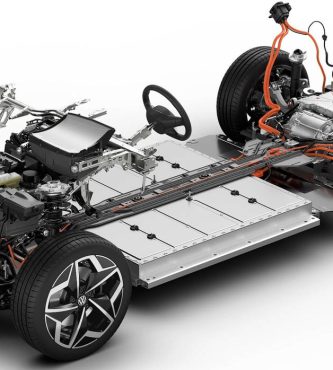
The batteries used by all four of the MEB21 models are built in Spain, meaning the quartet should all be exempt from punitive pricing measures in Europe, enhancing profitability.
Volkswagen Group head of Brand Group Core (which includes VW, Skoda and Seat/Cupra) told media that Cupra has now been assigned ongoing responsibility for maintaining the MEB21 platform, enhancing the marque’s status within the company.
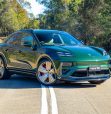
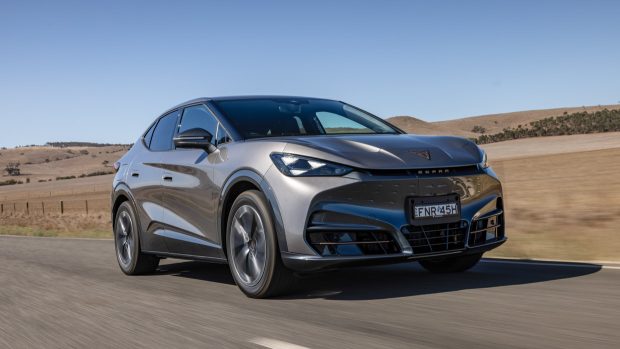
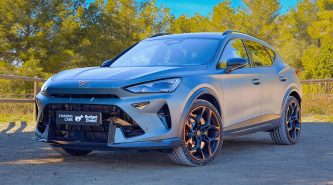
A massive blow to profitability in 2026 was the imposition of punitive tariffs on the Chinese-built Cupra Tavascan electric midsize SUV in Europe.
The European Union cracked down on what it perceives as unfair competition from Chinese EVs last year.
Cupra was affected by way of a margin-destroying 20 percent tariff on the Tavascan, but a confidential undertaking agreement was struck between EU bureaucrats and the Volkswagen Group in recent months exempting the Tavascan from tariffs from now on.
“The relief on the Tavascan is a big step forward,” finance boss Mayer told Chasing Cars.
Mayer also said that product improvements across other model lines, including the introduction of the Raval, a facelifted version of the Born (which may come to Australia) and enhanced battery technology for the Tavascan should boost customer demand.
Beyond full EVs, Cupra CEO Haupt also said the brand was doubling down on plug-in hybrid technology as a popular bridging technology, while range extender hybrids – foreshadowed by last year’s Cupra Tindaya concept – are also being examined by the Volkswagen Group.
“We will keep the flexibility [of hybrids] as long as we need. Don’t forget, we are not only operating in Europe, but also overseas.
“Range extenders are being discussed. We need to look in great detail at [market] trends, and we need to take these decisions at a Group level to assure that we have the right powertrains for the future. This will depend on the market and the consumer.”
Latest news
About Chasing cars
Chasing Cars reviews are 100% independent.
Because we are powered by Budget Direct Insurance, we don’t receive advertising or sales revenue from car manufacturers.
We’re truly independent – giving you Australia’s best car reviews.