Powered by

-
Car Reviews
Latest reviews
- Car News
-
Car Comparisons
Latest comparisons
- Chasing Deals
Latest reviews
Latest comparisons
Stellantis’s Chinese electrified upstart brand lob a new choice into the hotly contested hybrid midsize SUV landscape, with a 1150km range claim
Numbers. They’re a dizzying discussion point for Leapmotor, the fresh-faced China-originated “new energy vehicle” start-up predominantly owned (a 51-percent stake) by the multinational Stellantis corporation.
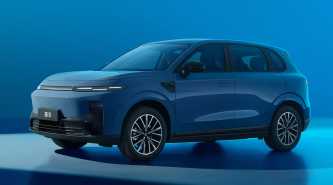
For instance, the 2015-founded company debuted at 2024’s 90th running of the Paris motor show, showcasing its B10 small SUV, C10 medium SUV, a 2+2+2-seater C16 large SUV and T03 hatch models. Hang onto your calculators, folks, there’s more…
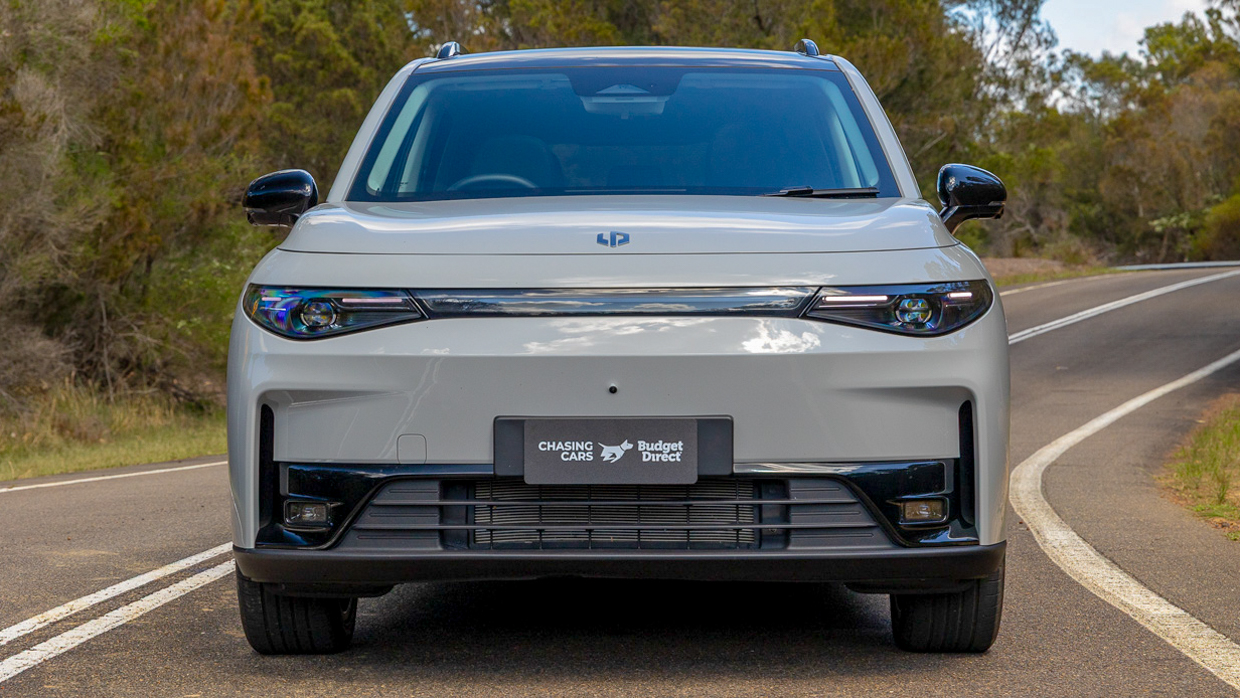
The following month, the debut C10 electric SUV – with 160kW, 320Nm, 420km range, (not-really) 30min DC-chargeable 69.9kWh battery, 14.6-inch media display, 26 storage cubbies – and lobs locally priced from $45,888 list in two variants.
Five months later, a C10 petrol-based “Ultra Hybrid“, also called REEV, follows, headlined with a 1150km range claim (by iffy NEDC measures) for its 1.5L four-pot petrol-generated 28.4kWh battery, claiming 0.9L/100km consumption and 170km of (again NEDC) pure EV drive. More on that ‘hybrid’ bit later…
A 14.6-inch touchscreen, 10.25-inch driver’s display, 12-speaker 840-watt 7.1 sound, 180-degree folding seat, 17 ADAS features, 546 litres of boot space… and the numbers tumble on, as if to bamboozle new car buyers into seduction… Even the REEV’s $43,888 entry price, $2000 less than the regular BEV, riffs on a number (888) considered lucky in its native China.
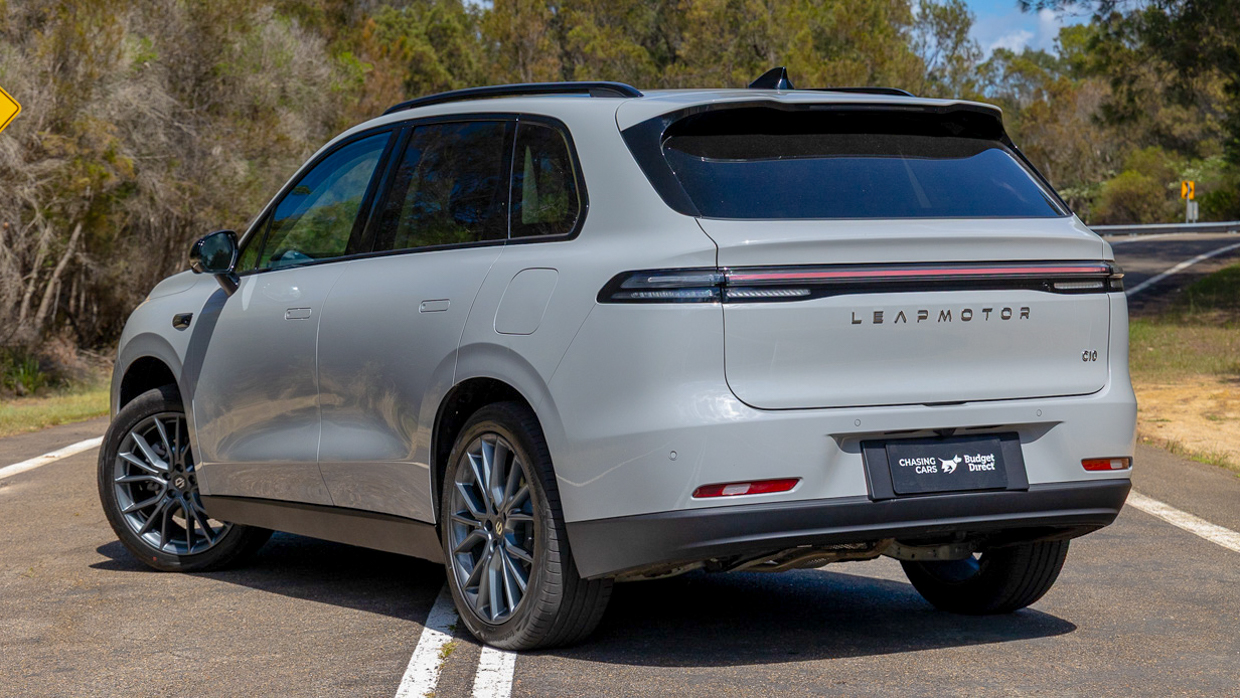
And it seems to work. Despite not existing over 12 months ago (at the time of this review), Leapmotor’s sales locally to date (to the end of November) of 606 units has outpunched established Stellantis Australia brands Alfa Romeo (427) and Abarth/Fiat combined (377). Only Jeep (1521) appears fighting fitter, though its sales are heading in the wrong direction.
Stats are one thing (or indeed a good many things). Having virtues beyond sheer numbers worth of consideration beyond its segment’s sales smashes in Toyota RAV4 (35,118), Mazda CX-5 (17,029), Mitsubishi Outlander (16,828) and 27 – and counting – other nameplates, is something else entirely.
The C10 REEV kicks off at $43,888 list for the low-grade Style. Meanwhile, the high-grade Design variant on test here is priced from $47,888 before on-roads.
The BEV versions of Leapmotor’s sole model on sale in Australia are priced at $45,888 list for the Style and $49,888 for the Design – both REEV and BEV variants share the same feature sets.
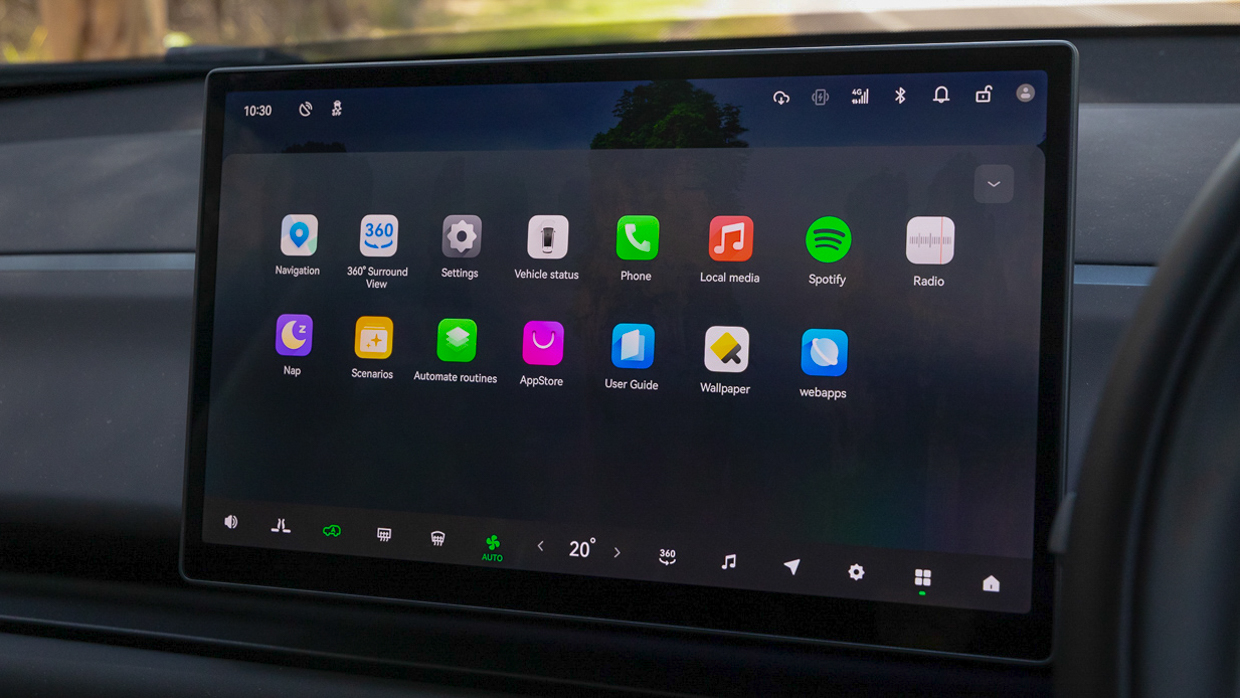
The Style fits the following as standard:
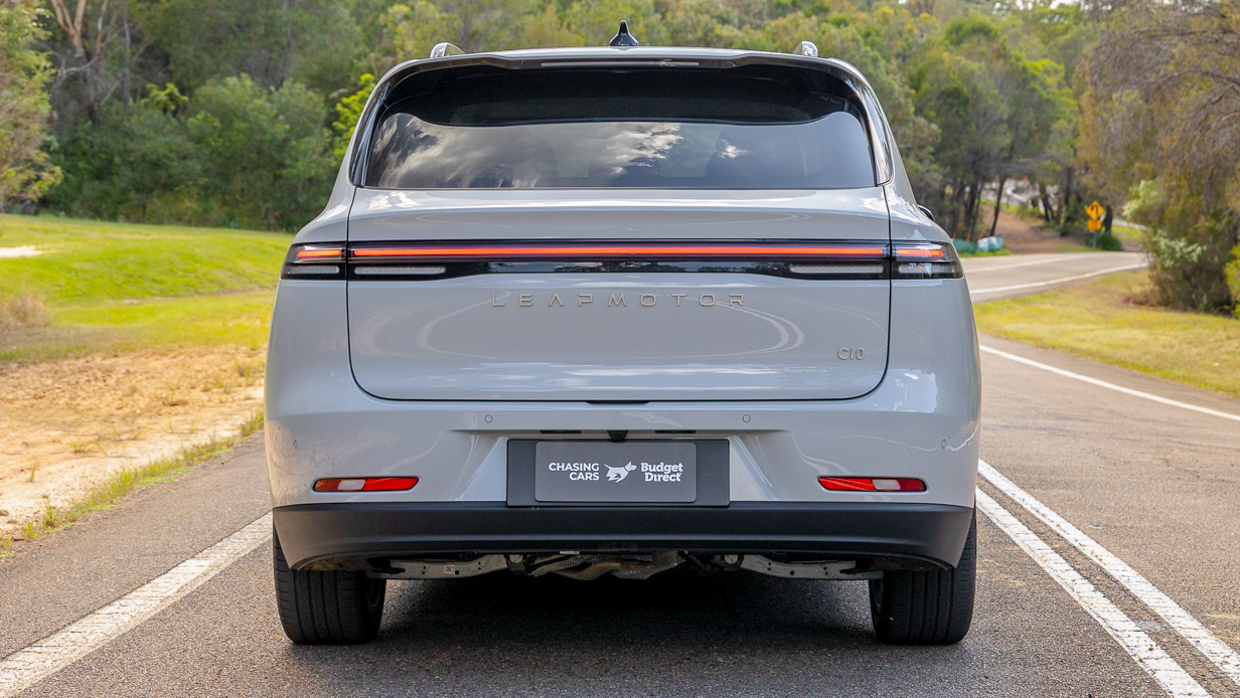
The walk up to the Design adds features such as:
Five colours are available, with a choice of no-cost Pearl White or four hues commanding an additional $990 such as Terra Grey, Jade Green, Midnight Grey and Metallic Black. Two interior colour schemes – black and Camel Brown – are offered. Our Terra Grey Design clocks in at $50,890 driveaway.
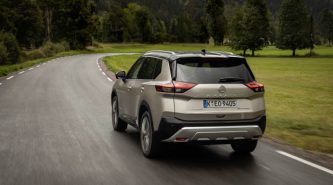
Competitors? Logical plug-in hybrid alternatives include BYD Sealion 6 (from $44,400 driveaway), Haval H6 GT PHEV (from $45,990 D/A) and MG HS (from $50,990 D/A), though given the C10 REEV is a range-extender electric and not a hybrid (see below), the Nissan X-Trail e-Power (from $48,990 D/A) is arguably the Leapmotor’s closest nemesis.
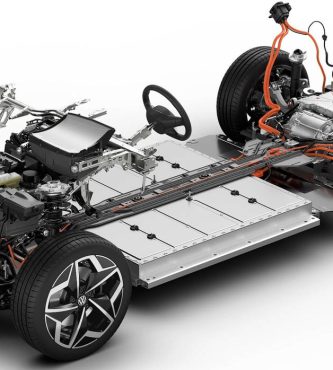
Here we go… Put simply, petrol cars (ICE) are propelled by petrol engines. Electric cars (EV/BEV) are propelled by electric motors. Hybrids (HEV/PHEV), as the name implies, are propelled by internal combustion engines and electric motors, in ‘either’ or ‘both together’ scenarios.
No more complicated is the ‘range extender electric vehicle’ (REEV), an electric vehicle, of course, where the motor’s battery is charged – wholly or situationally – using an internal combustion generator that never, ever drives the wheels. Its generator is not an engine. The REEV is not a hybrid.
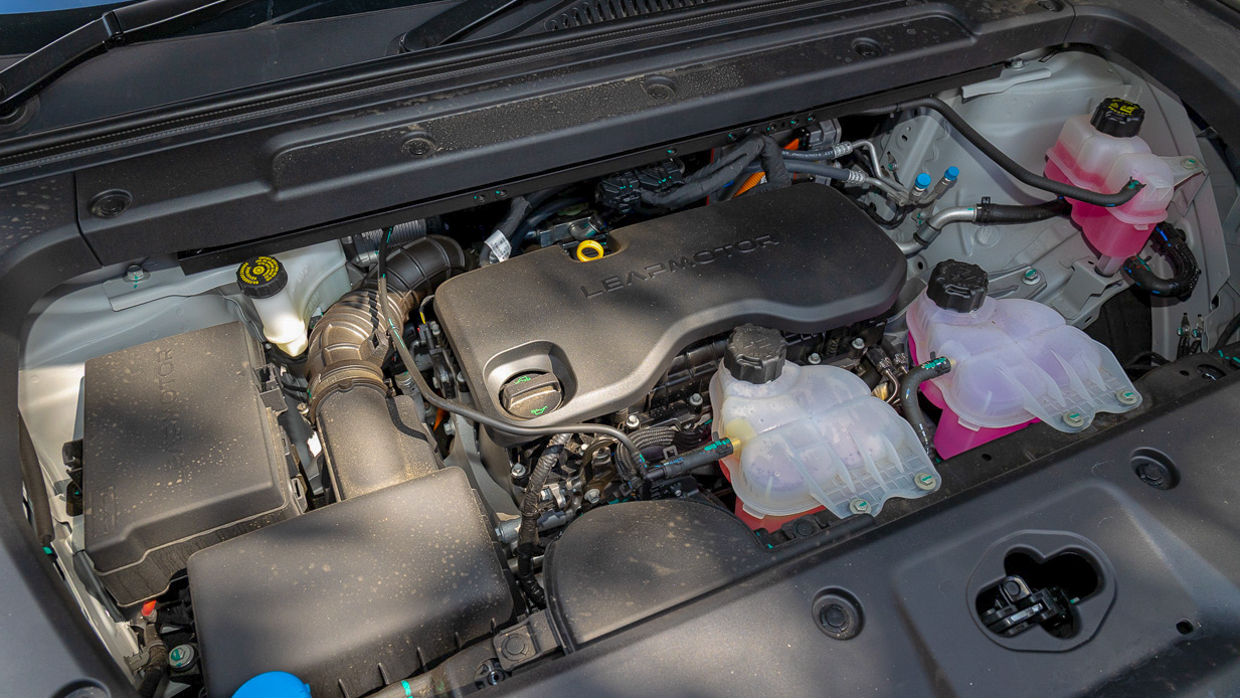
Still, basic principles seem lost on Leapmotor International (and seemingly half of Australia’s motoring media) given the model variant here is called C10 REEV (there’s the clue)…if also with “Ultra Hybrid” branding and “an engine” including in marketing copy (with some media outlets parroting the “hybrid” or “plug-in hybrid” line). Wrong.
So…a single 160kW/320Nm motor drives the rear wheels, powered by a 28.4kWh battery significantly smaller than the BEV version’s 69.9kWh unit. Fully charged (via plugging in), it brings a claimed 170kms of electric range NEDC (or 145km-ish using the more accurate WLTP measures), after which the 65kW petrol generator charges the battery ‘on the move’.
With its range-extending 50-litre petrol tank brimmed, the real-world mileage ought to hit 1000km, as claimed by the C10’s onboard telemetry.
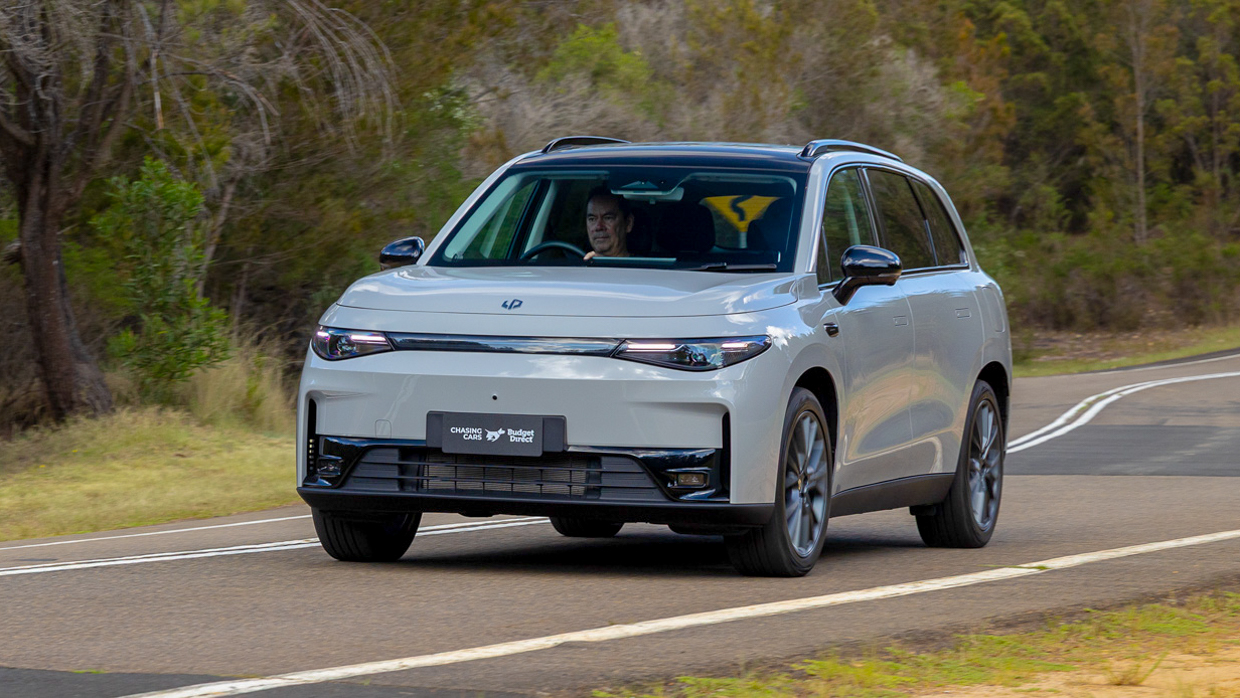
In effect, the C10 drive splits itself into two subtly different characters. Battery fully charged, it’s a quiet and moderately enthusiastic EV experience for around 120km – well short of its claim – until the battery depletes to around 10 percent. Then the generator kicks in. Sometimes.
Continue driving without recharging and the generator sporadically clocks on, climbing RPM seemingly to redline often, usually at low urban speeds. It’s been described as “hybrid-like” in effect but, realistically, it sounds like a 4×4 stuck in low-range or a manual vehicle with chronic clutch slippage.
Further, the C10’s thrust feels less enthusiastic while the generator redlines attempting to recharge the mostly depleted battery, than it does when it’s loaded with electrons.
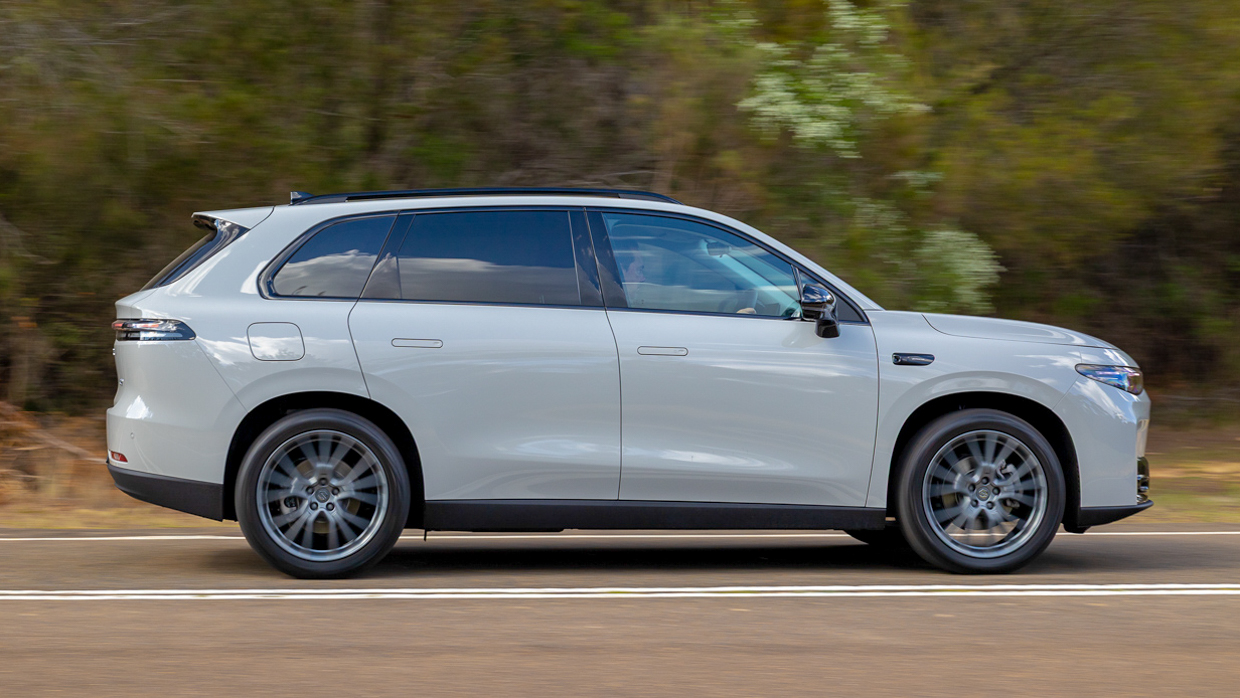
Thus, on a Sydney to Melbourne road trip, the first 120km will be silent, the last 700-odd kilometres will sound like you have a nest of angry hornets living under the C10’s bonnet.
And it ought to make the trip non-stop, too. Just. Onboard telemetry indicates a not-very-hybrid 7.0L/100km with a depleted battery, or around 760km-ish of ‘generated’ EV drive added to the fully charged battery drive (120Km-ish). Handily, the same computer has logged efficiency for our example’s entire 7000km lifecycle, with an average of 6.5L/100km.
The rest of the drive is a mixed bag. Ride comfort and compliance is very decent indeed and the quality 245mm Continental EcoContact 6 fitted offers impressive grip in all conditions. The chassis is stable at pace and as quiet as you’d expect from a modern fully electric, with little in the way of road or wind noise.
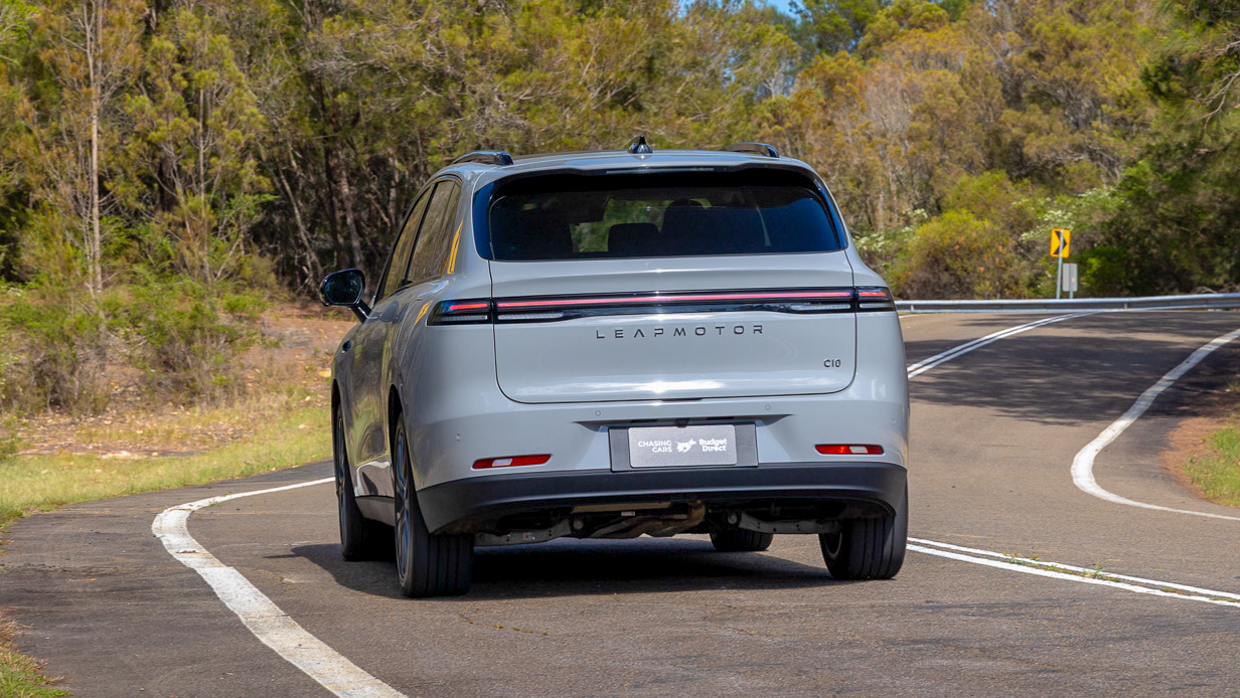
But the brakes are incredibly touchy, abrupt at pace and demanding precise input at low speed. The steering is quite the opposite: quite aloof if not entirely bereft of feedback. It’s fundamentally not a machine tuned for driver engagement.
It’s as if the driving calibration of the C10 went through preliminary R&D and was signed off prematurely. To be fair, the Leapmotor isn’t, from a driving perspective, nearly the least co-operative nor most annoying new car in showrooms. But it’s well in the bottom half of its segment.
Further evidence is the brake regeneration…or lack thereof. Some level or regen adjustment – even simply on-off, to aid battery regen – is now the EV norm, helping you keep off the brakes around town. Instead, you’re stuck constantly on the C10’s touchy, brickwall brakes, everywhere.
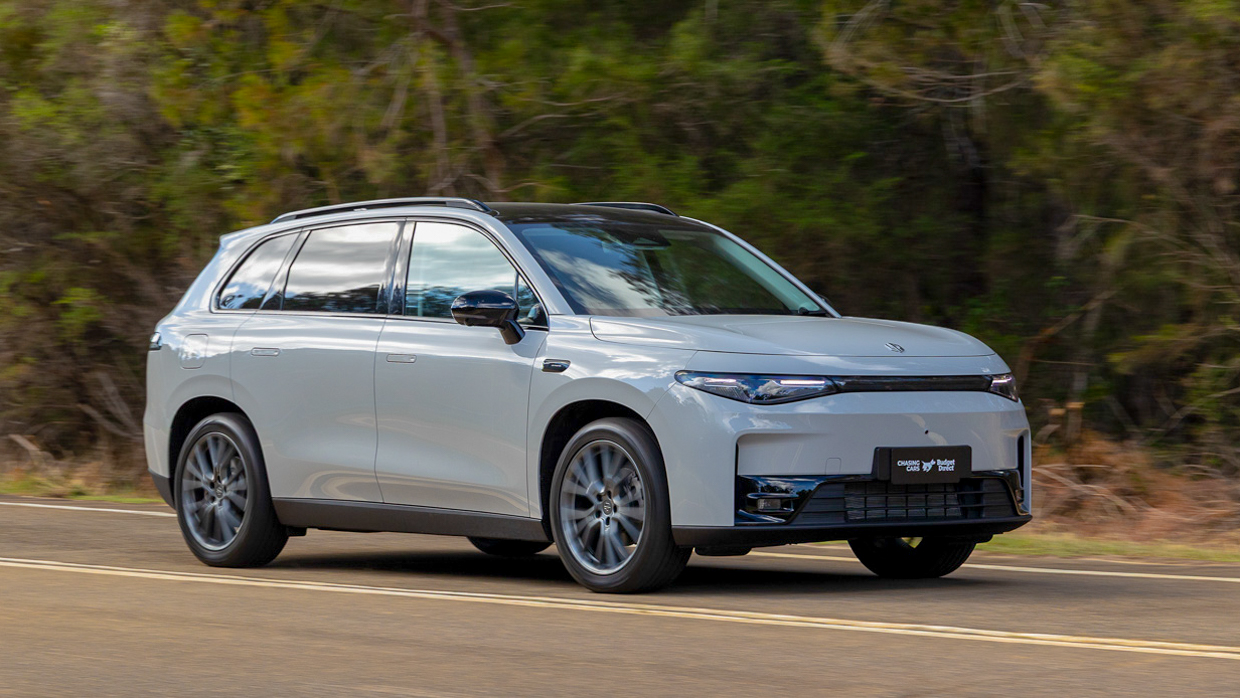
But stopping isn’t nearly as dysfunctional in the C10 as its wayward active lane keeping. Rather than strong-arming the vehicle into the centre of the lane – as poor systems do – the C10 wants to ‘lock’ the steering onto the closet line marking for a time before suddenly releasing its grip. Not ideal.
You can turn it and the dimwitted speed advisory system – convinced a 50km/h signpost side street entering a school zone was 110km/h capped in one occurrence – through a succession of distracting submenu digging. If only after negotiating a legalese disclaimer page prompt…
To enter the C10 you need to tap a flat plastic card on the driver’s side wing mirror. At trip’s end, you exit the C10 (whilst it’s still running, hoping in P for park) and tap the mirror again, after which the vehicle shuts down and locks itself. But why?
Want to open it remotely? Tough. Want to grab your young child from row two kerbside or your bag from the front passenger footwell? Tough. Because you need to return to the street side, with a free hand available to tap the card on the mirror, with passing traffic at your back…
There is a phone app. Dead phone or device not handy? Tough. And you can only pair one phone to vehicle access.
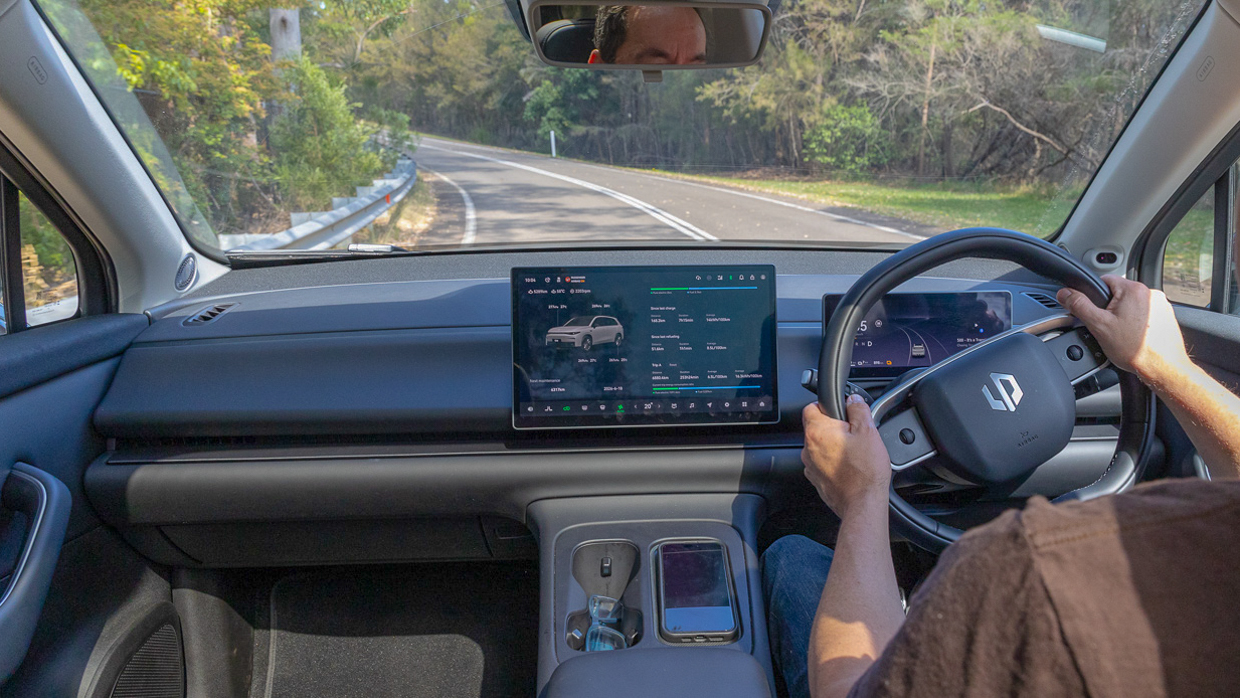
Leapmotor, as a very new company, clearly took a big bag of leaves out of Tesla’s book for user interface inspiration. And appear not to have workshopped a lot of it for sound design functionality. There’s more than a little evidence to support this presumption, beyond the clumsy ‘flush’ exterior door handle execution…
Electric mirror adjustment? Buried in the touchscreen submenu. Air vent adjustment? Electronic and buried in another submenu. The old, tried and true designs address the need for small constant tweaks to both while driving and – importantly – keeping your gaze mostly on the road. Leapmotor’s method demands staring at the screen…while driving.
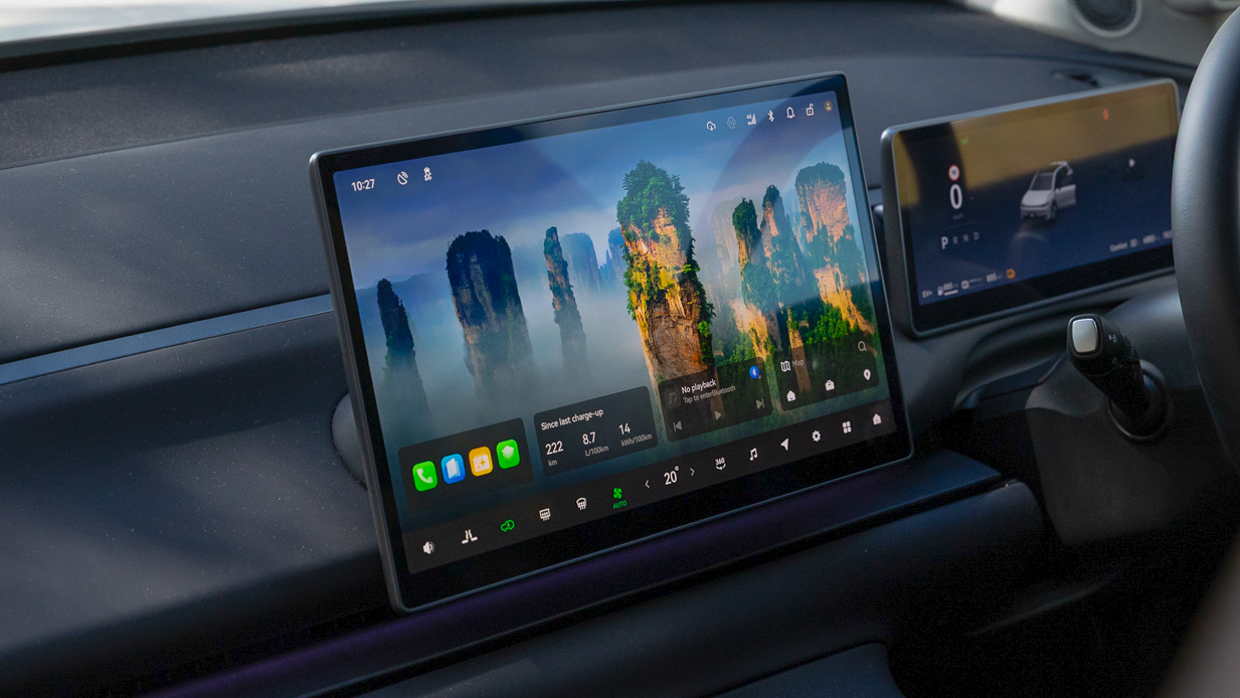
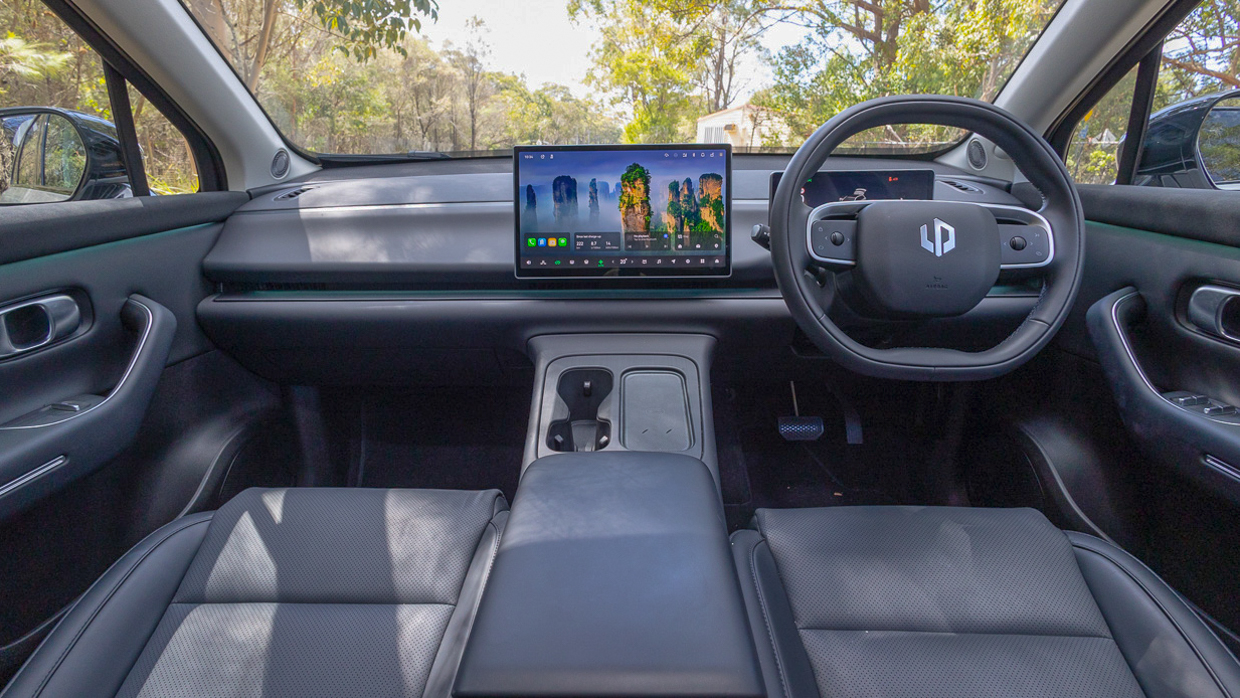
The 14.6-inch central screen is huge. So why make the icons so small and illegible for basic functions. Bluetooth streaming audio? You need to change screens to get to the phone icon. Nor can you let Apple CarPlay or Android Auto do what’s easily a far more resolved job of multimedia negotiation, because (like Tesla) neither is currently available in the C10.
WiFi with 4G and over-the-air updates (hopefully with Apple and Android brands in the pipeline) as well as a 360-degree Dashcam and a Qualcomm Snapdragon chip are included in the tech haul.
But it is nice to see proprietary sat-nav fitted (even in the base Style variant) and the C10 surely has one of the largest, clearest 360-degree camera systems in mainstream motoring. But Bluetooth streaming is unstable at times and it seems to refuse to inductively charge some iPhone models.
At least Leapmotor – unlike Tesla – fits a proper driver’s screen, a decent 10.25-inch unit. And the oh-so-2025 flattened top-n-bottom steering wheel has straightforward controls.
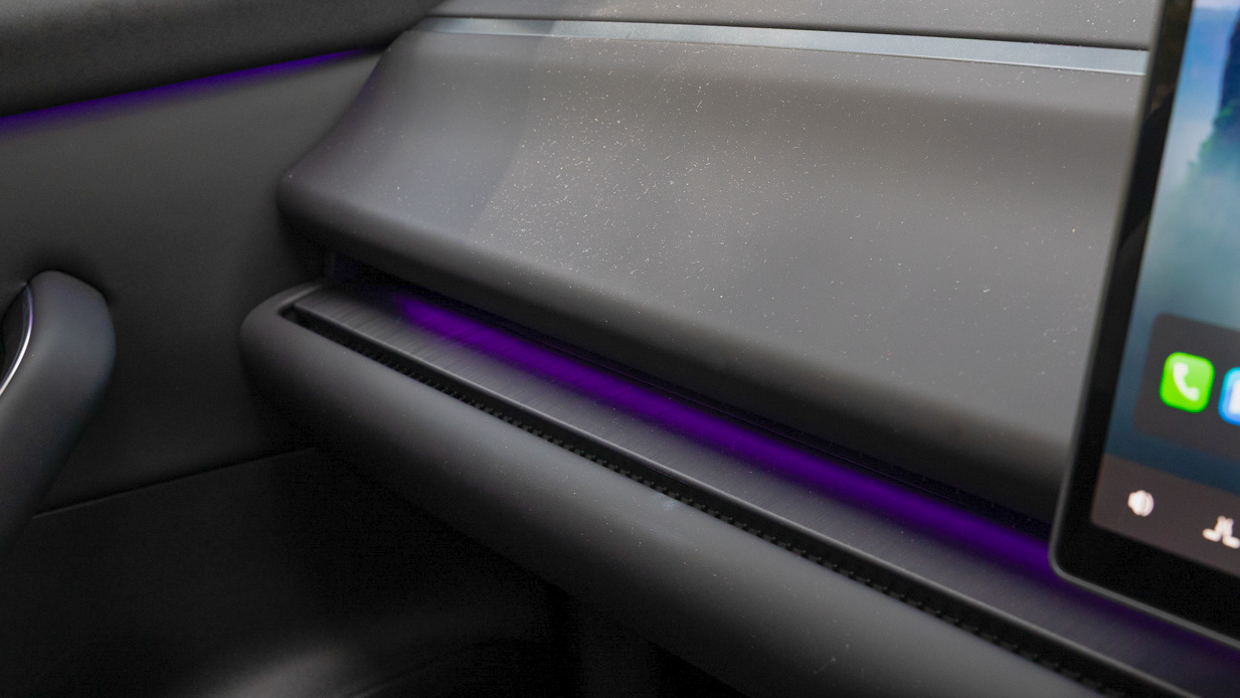
The cabin design is, much like the SUV’s exterior, plain and simple. Better yet, most of the surfaces in eyeshot are trimmed in pleasing, mostly soft-touch satin materials, bringing a sense of class to the ambience.
Storage is okay, with a large storage tray with USB-A and -C outlets below the console arm rest for devices not occupying the single inductive charging pad.
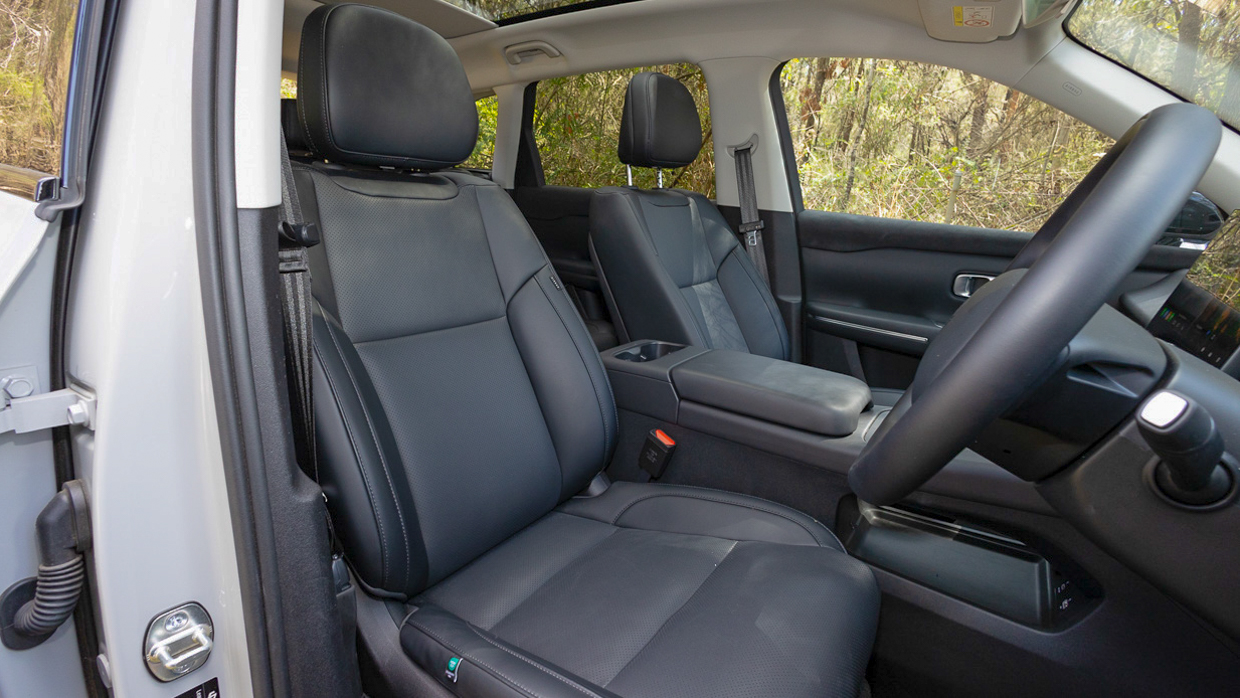
The seats are fine: electrically adjustable both sides up front with heating and ventilation, seemingly paired to a climate control system that, like so many other fundamental features, have a user interface that’s three steps too complicated for the otherwise simple task it serves.
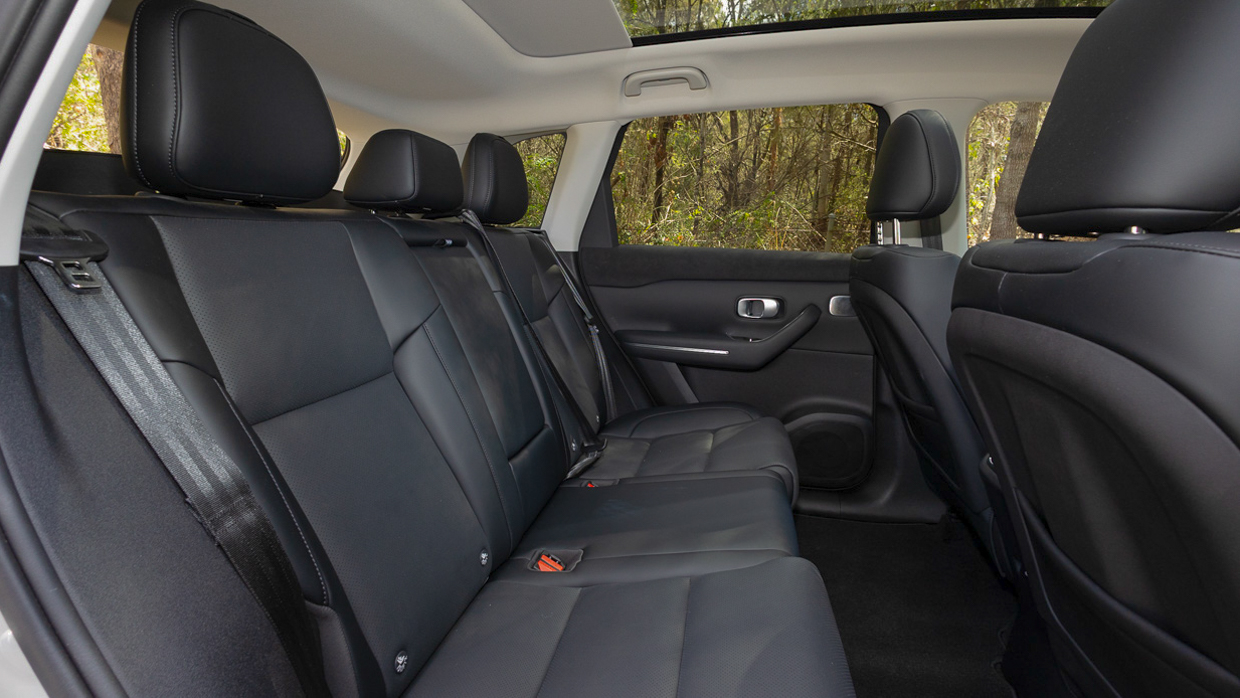
Despite its quite high floor, row two is impressively roomy, the squishy rear bench trimmed in the same fairly supple if imaginatively branded “silicone leather with Oeko-Tex”, or fake hide, as the front pews. Generous knee room, a glass roof and good width makes it feel spacious.
Rear features include rear air vents and both USB-A and -C type outlets, with the same decent material choice migrated rearward from the first row, including same suede-like garnish on the door top and the same window switchgear that seems intuitively backwards (push forward for up).
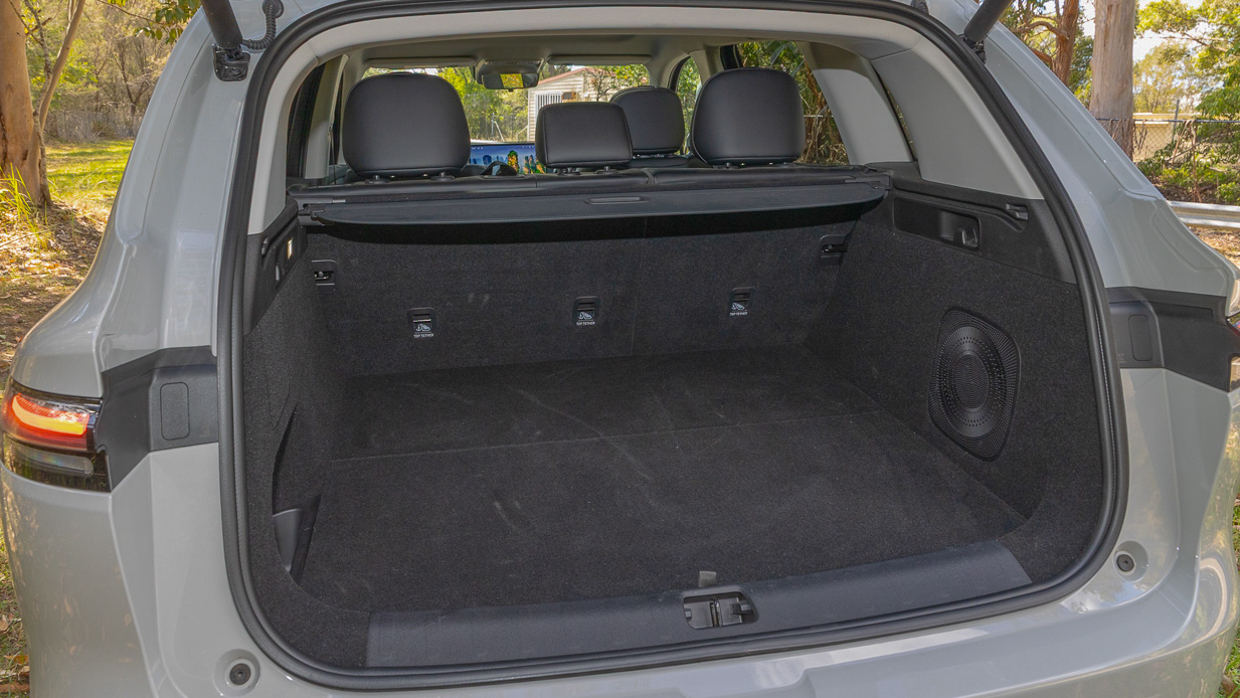
The boot is said to be 546 litres (expandable to 1375L), which appears segment competitive on paper but proves practicably modest in size in practice. Its high-set floor (no spare wheel underfloor) and modest width does seem to restrict the size of objects you can load.
The range-extender electric version of the C10 fits the following features as standard:
The C10 does not fit front parking sensors in any variant trim.
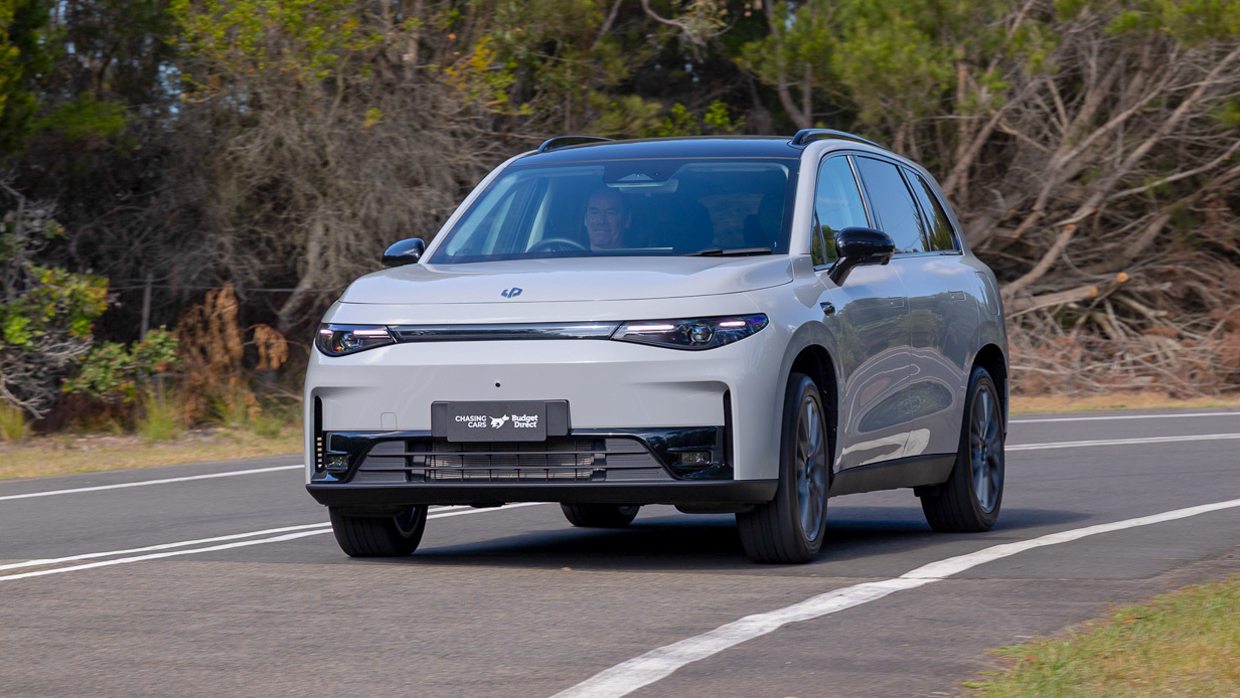
Beyond lane assist foibles outlined above, evidence suggests the systems rearm themselves after being specifically switched off mid-trip. Its strong-arm effect fights the driver, the so-called Intelligent Speed Assist is frequently inaccurate, and either the adaptive cruise control or reversing AEB can grab the brake automatically with alarming ferocity.
ANCAP has rated the C10 as five stars for “battery electric variants” though, given the ambiguity of Leapmotor’s powertrain designation, it’s fair to interpret that ‘hybrid’ variants are currently unrated.
As mentioned above, the C10 REEV comes with a 0.9L/100km fuel consumption claim using the overly optimistic NEDC rating system (rather than the more accurate and widely accepted WLTP methodology).
On test, our C10 returned zero fuel consumption across the first 100kms of range on a full charge with around 15.5kWh/100km consumption. Once the battery depletes to around 10 percent, generator consumption is up to 8.0L/100km. So, erm, results will vary…
Recharging is stated as 18 minutes for a DC charge at its 65kW power peak for a “30 to 80 percent” charge. But using the more commonly accepted 10 to 80 percent EV measure – and presuming a constant recharge rate, which is not necessarily the case – returns a figure of over 25 minutes.
Servicing for the REEV version is twice as frequent as the C10 BEV on mileage, at a short 10,000km between visits. Or 12 months, whichever comes first. Capped price servicing is $4000 for the eight years.
Warranty is six years, capped at 150,000 kilometres, with eight years and 160,000km on the high-voltage battery.
Despite a far from glowing assessment, the C10 REEV isn’t fundamentally a bad car. It’s simply one that’s below segment average in some areas and brings annoyances in others.
Still, in many ways it’s not a bad first effort for a relative newcomer to car-making. But here is a major caveat to Leapmotor, and other fledgling and unfamiliar Asian brands entering the Australian market: at over $50K on road, it wants for the sort of money asked of established competitors with stronger track records and in, some cases, more resolved execution.
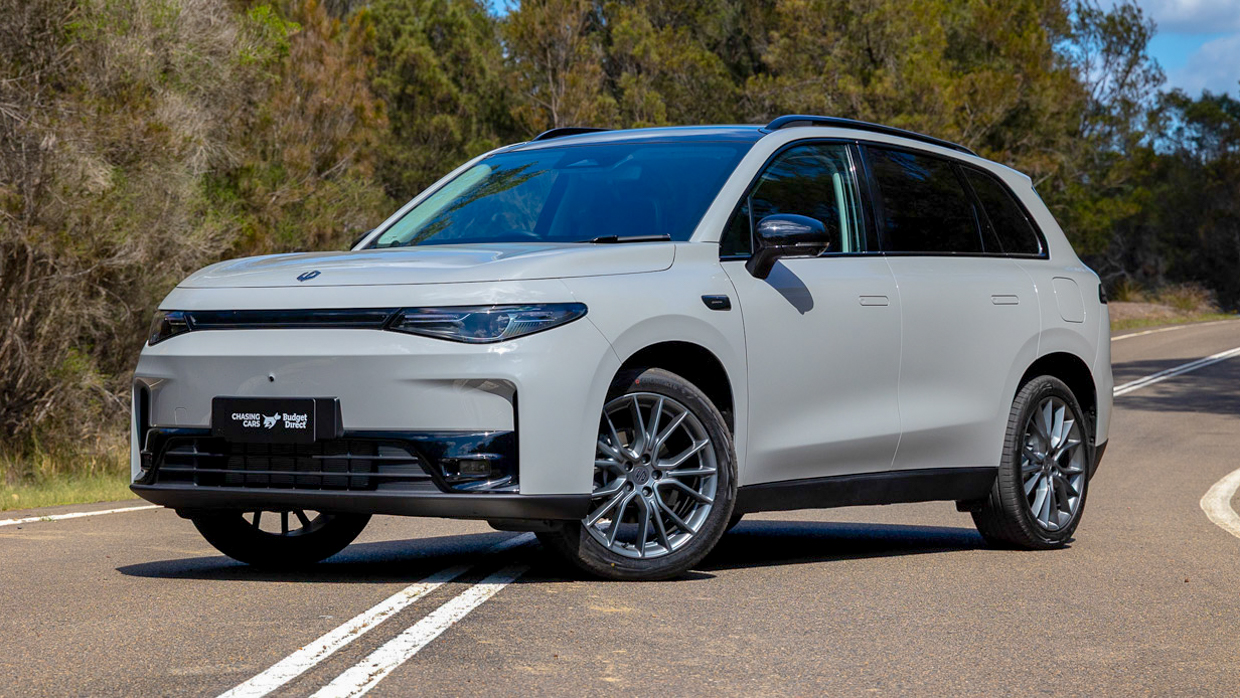
At the time of writing, MY25-plated entry C10 REEV Style variants (in white paint) could be had on a (seemingly) limited offer for $43,990 driveaway. That’s very enticing for a roomy and comfy 1000km-plus capable electric midsize SUV and sharp enough to compensate somewhat for the model’s, ahem, various compromises.
However, outside of specials and offers, the C10 REEV is a tough package to recommend in such a hotly contested segment that seems to be ever expanding in breadth and choice.
Key specs (as tested)
About Chasing cars
Chasing Cars reviews are 100% independent.
Because we are powered by Budget Direct Insurance, we don’t receive advertising or sales revenue from car manufacturers.
We’re truly independent – giving you Australia’s best car reviews.
The estimate provided does not take into account your personal circumstances but is intended to give a general indication of the cost of insurance, in order to obtain a complete quote, please visit www.budgetdirect.com.au. Estimate includes 15%^ online discount.
^Conditions Apply
Budget Direct Insurance arranged by Auto & General Services Pty Ltd ACN 003 617 909(AGS) AFSL 241 411, for and on behalf of the insurer, Auto & General Insurance Company Limited(ABN 42 111 586 353, AFSL 285 571).Because we don’t know your financial needs, we can’t advise you if this insurance will suit you. You should consider your needs and the Product Disclosure Statement before making a decision to buy insurance. Terms and conditions apply.
Indicative quote based on assumptions including postcode , 40 year old male with no offences, licence suspensions or claims in the last 5 years, a NCD Rating 1 and no younger drivers listed. White car, driven up to 10,000kms a year, unfinanced, with no modifications, factory options and/or non-standard accessories, private use only and garaged at night.
^Online Discounts Terms & Conditions
1. Discounts apply to the premium paid for a new Budget Direct Gold Comprehensive Car Insurance, Third Party Property Only or Third Party Property, Fire & Theft Insurance policy initiated online on or after 29 March 2017. Discounts do not apply to optional Roadside Assistance.
2. Discounts do not apply to any renewal offer of insurance.
3. Discounts only apply to the insurance portion of the premium. Discounts are applied before government charges, taxes, levies and fees, including instalment processing fees (as applicable). The full extent of discounts may therefore be impacted.
4. We reserve the right to change the offer without notice.