Powered by

-
Car Reviews
Latest reviews
- Car News
-
Car Comparisons
Latest comparisons
- Chasing Deals
Latest reviews
Latest comparisons
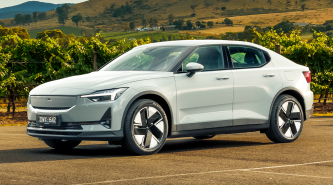
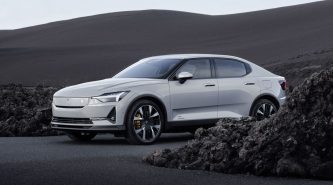
On the right road, rear-wheel-drive versions of the Polestar 2 satisfy with cracking dynamics, though the ride quality is still considerably firmer than you expect
The Polestar 2 is a fine example of how a car can be improved across its lifespan, and not necessarily with conventional changes.
Initially launched in 2021 as Polestar’s fast-but-flawed second model — and its first full EV — the 2 underwent an unusual transplant procedure in 2024.
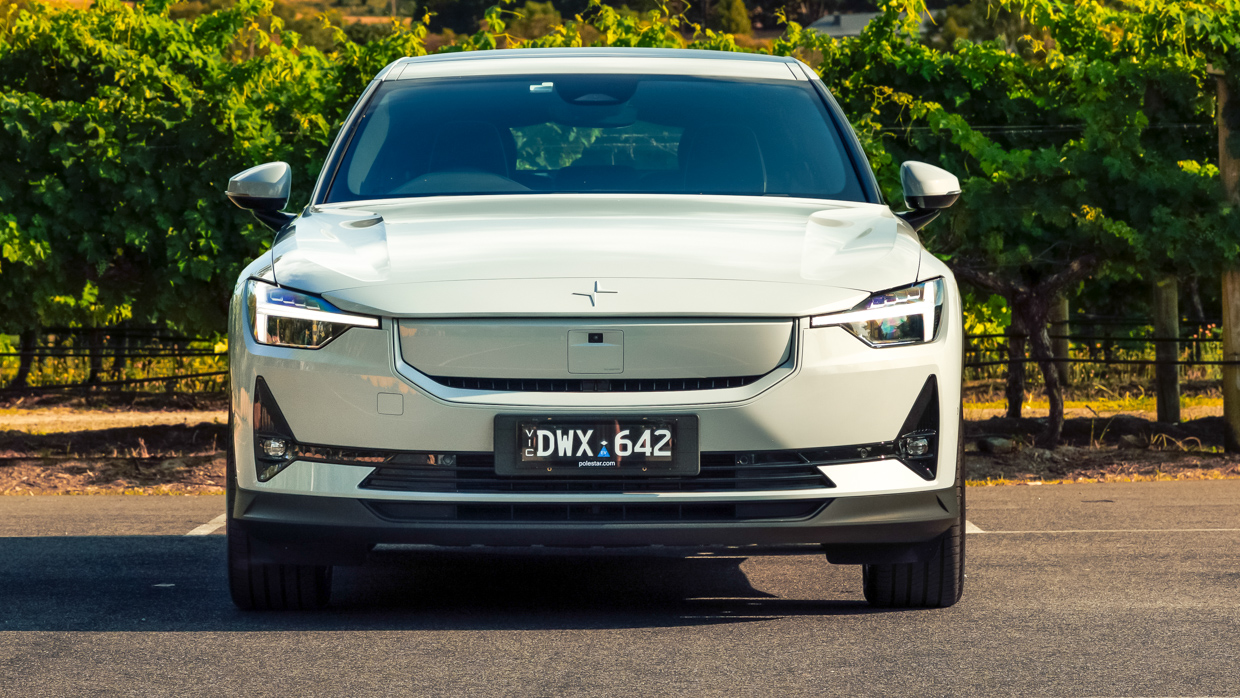
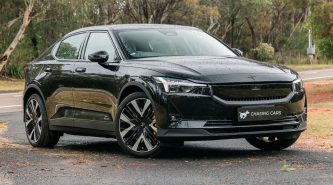
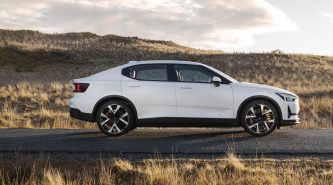
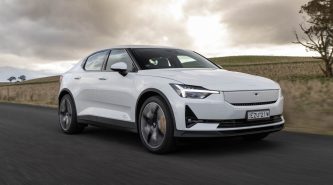
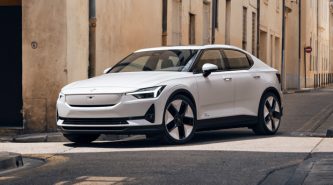
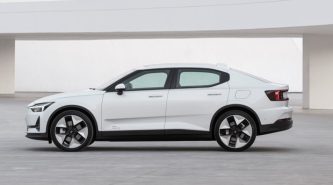
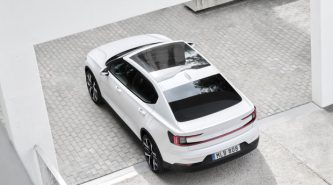
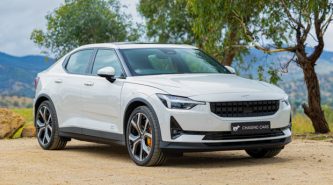
Crisp styling, penned by (recently returned) Volvo chief designer Thomas Ingenlath, remained mostly untouched but the dominant driving wheels were switched from front to rear in a win for keen drivers.
Few cars have shifted from front- to rear-wheel drive during their production run as the Polestar 2 (and its Volvo EX40 cousin) did, though anoraks might recall V8 versions of the Rover 75.
This swap was a monumental change to the character of the Polestar 2 that altered virtually everything about the dynamics — chiefly the handling character, but also the ride, acceleration and braking as the weight balance of the vehicle shifted.

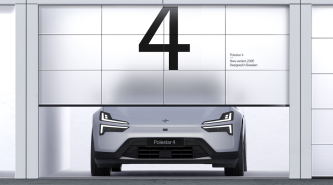
More recently, Polestar’s attention has shifted to its 3 large SUV and 4 midsize coupe-SUV but for 2026, the 2 has received some love.
Subtle the MY26 changes may be, buyers benefit from fewer infotainment headaches as a new Qualcomm Snapdragon processor behind the touchscreen cuts lag time in half.
Audiophiles will also note Bowers & Wilkins audio has trickled down from the Polestar 3 and Volvo models to the humble Polestar 2 and the quality jump is noticeable.
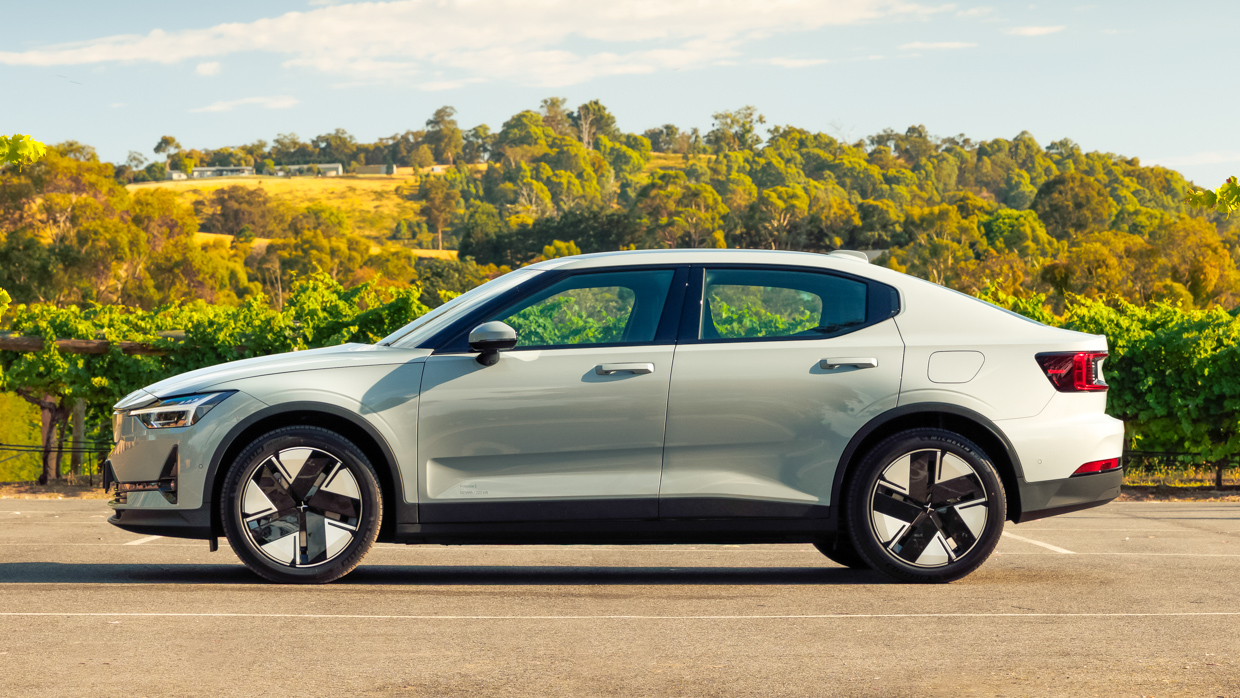
Adjustments to the colour palette (flat Dune replaces glossy Jupiter beige), new wheel designs and a quilted design for the MicroTech fabric upholstery option round out visual changes.
Under the skin, Standard Range Single Motor (SRSM) variants (from $62,400 plus on-road costs) nab a slightly bigger 70kWh battery pack from Chinese firm CATL boosting range from 546 to 554km while improving peak charging speeds to 180kW.
We travelled to the Yarra Valley, Victoria, to sample the MY26 updates, spending most of our time in the sweet-spot grade: the Long Range Single Motor (LRSM), priced at $66,400 before on-road costs, but discounted steeply to $59,764 driveaway until the end of March 2026.
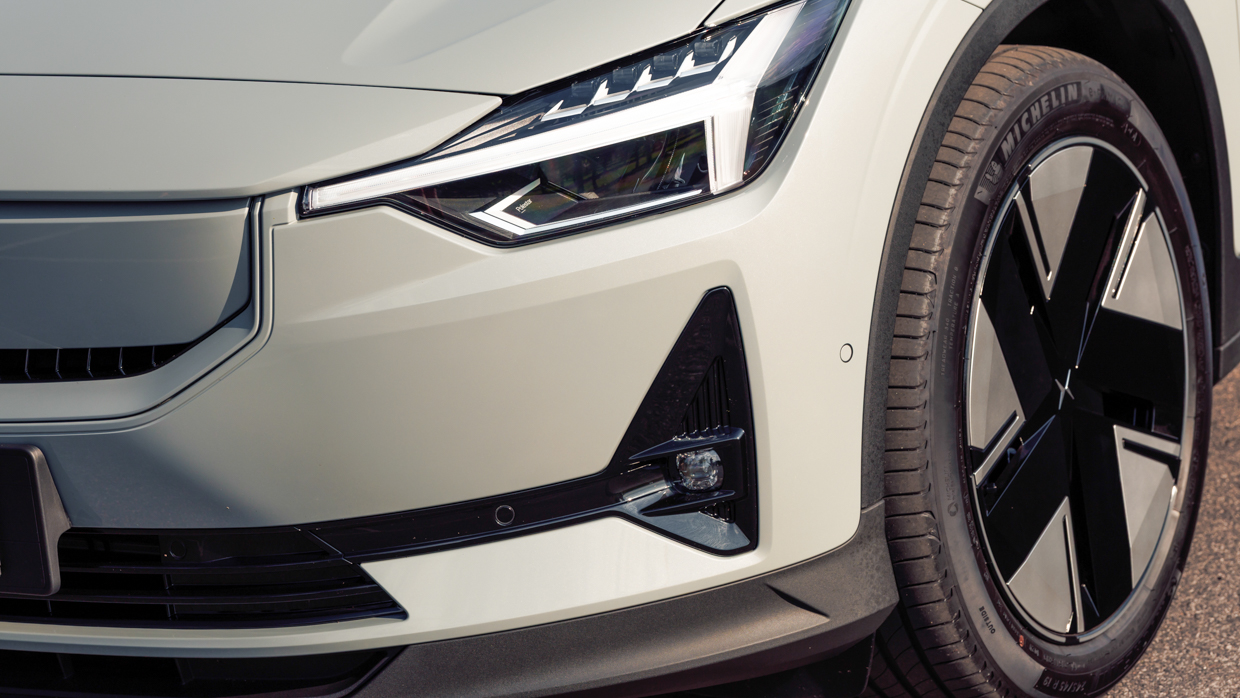
Standard features include LED headlights, 19-inch wheels, 11.2-inch touchscreen and 12.3-inch digital instruments, wired Apple CarPlay/Android Auto, power tailgate, heated front seats, dual-zone climate control, wireless charger, eight-speaker stereo, and 12 months of complimentary connected services.
That’s a touch bare for a premium car and most private buyers will want to tick various options boxes.
Plus Pack ($4700) adds a glass roof (without shade), power front seats with driver’s memory, and Harman-Kardon audio; the $1900 Pro Pack swaps in 20-inch alloys, gold valve caps and gold-stripe seat belts; and the Climate Pack ($1500) suits cold-region buyers with heated rear seats, wipers and steering wheel plus a heat pump.
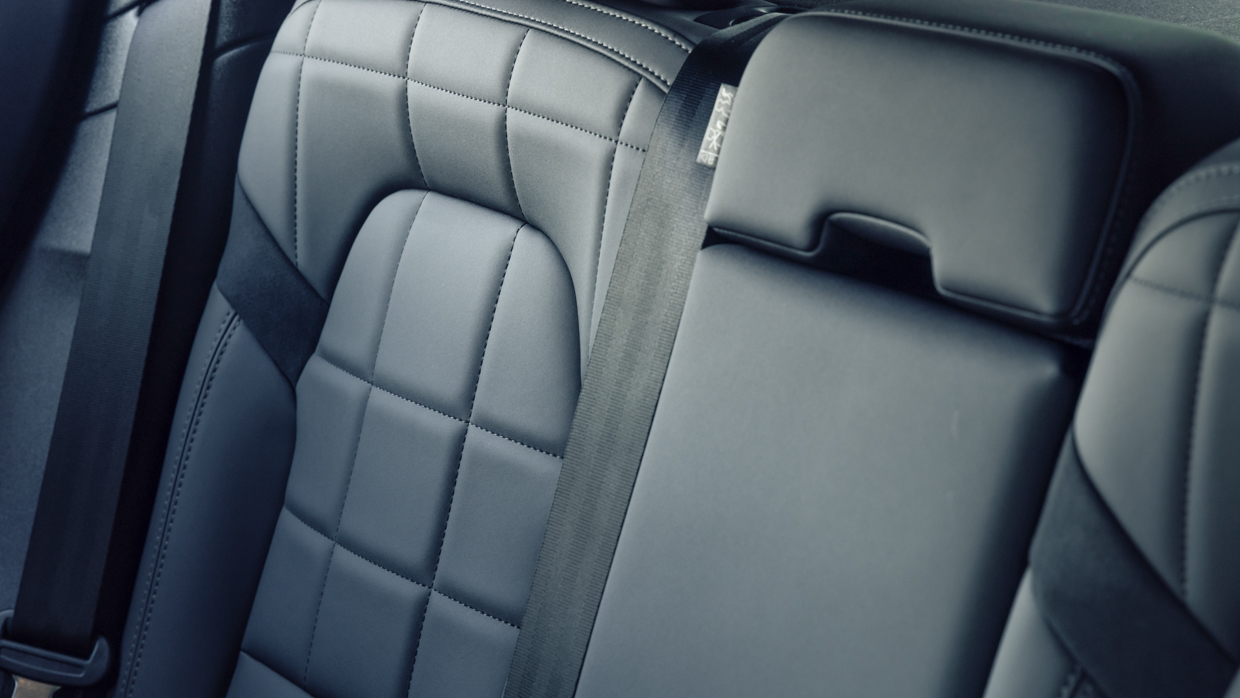
More expensive but worthwhile is Bridge of Weir nappa leather seat upholstery ($4400 black, $4800 white) and the new Bowers & Wilkins high-end audio system ($3500 with Plus Pack).
Safety kit, including autonomous emergency braking, adaptive cruise control, lane-keep assist, road sign information and tyre pressure monitoring system are standard, and the Polestar 2 has a five-star ANCAP safety rating.
Polestar’s warranty is five years/unlimited kilometres (for the vehicle) and eight years/160,000km (for the battery). Service intervals are every two years/30,000km.
Budget Direct told us the median annual premium purchased for the first time between 1/12/24 and 1/12/25 to comprehensively insure a new Polestar 2 was $1588. Individual circumstances and policy terms may vary.
Of course, everybody’s situation is different, and the premium will vary according to make and model, and other things insurers take into account, such as your postcode, driving history, who drives the car, where you garage the car and more.
Please quote for yourself. Subject to meeting underwriting criteria. Insurance issued by Auto & General Insurance Company Limited. See PDS & TMD at budgetdirect.com.au.
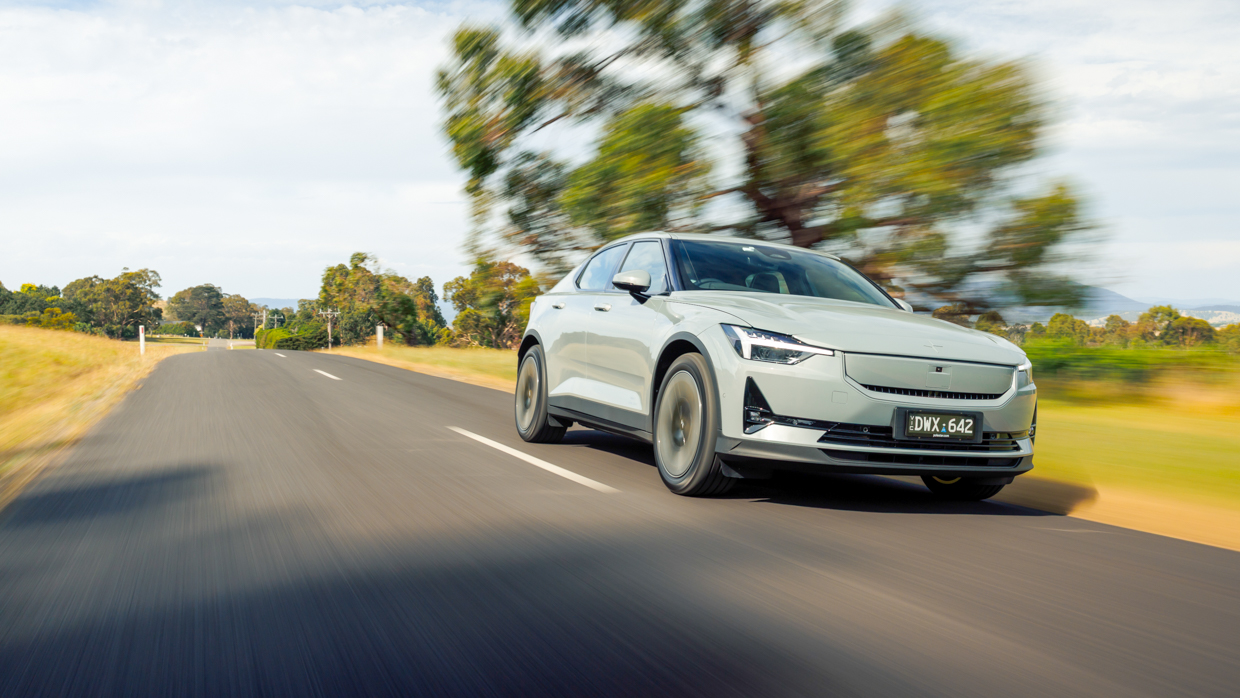
The driving dynamics of the Polestar 2 haven’t changed since the FWD to RWD swap of 2024.
That change altered the handling and turned the Polestar 2 into a bit of a hidden gem — a driver’s car in disguise, with plentiful on-throttle adjustability and uncorrupted steering.
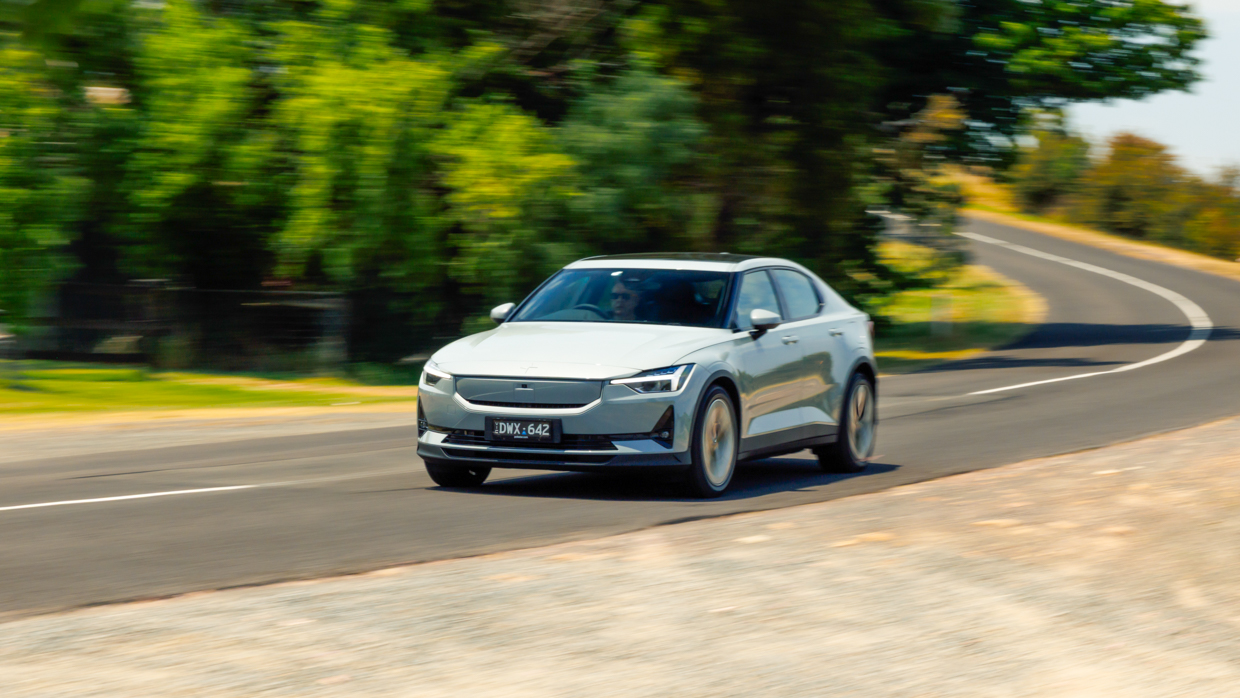
We were reminded how significant the change was because our drive in the hills north of Melbourne was punctuated by a back-to-back comparison with a FWD MY22 version.
But the rear-wheel drive Polestar 2 is not perfect on the road. A pockmark is the ride quality. While compliance over bumps has been improved over time, the ride remains very firm, bordering on abrupt when recovering from big hits.
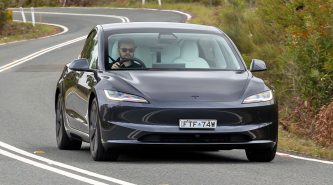
An upside of the firm ride and stiff vibe is disciplined body control. Unlike the Tesla Model 3, which has a softer suspension but more isolating dynamics, the Polestar 2 gives the driver clear chassis feedback.
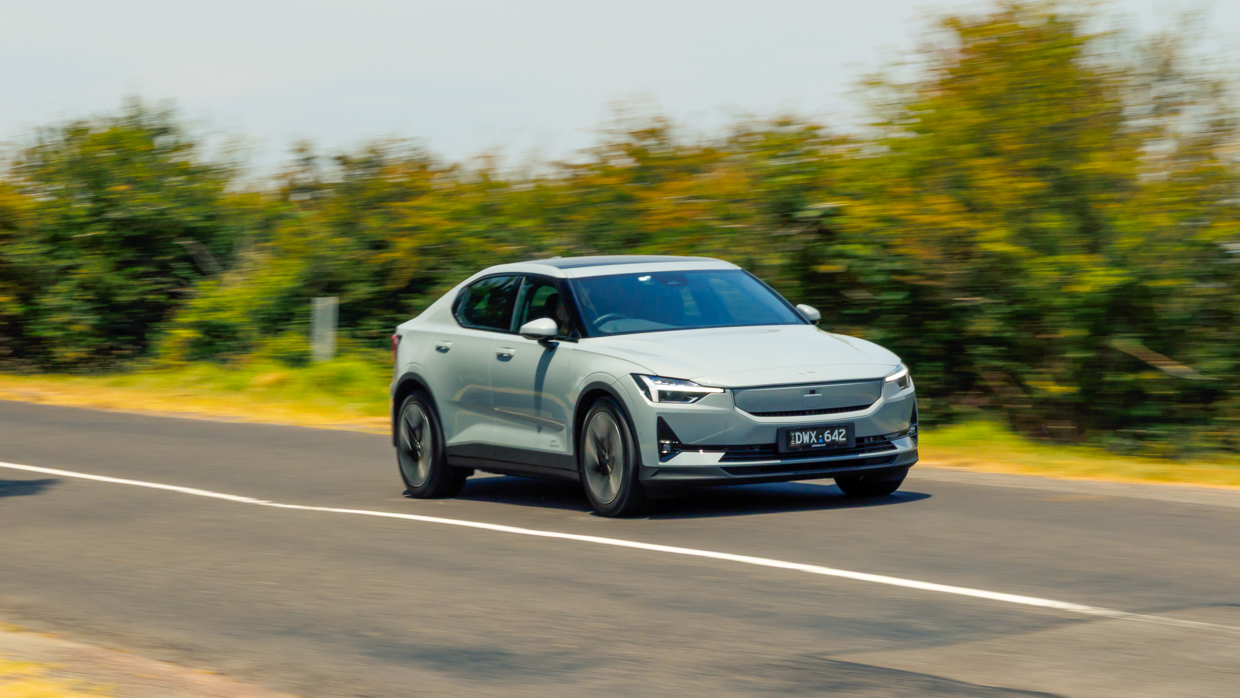
If your commute involves time on poorly surfaced roads, the Polestar 2 won’t be your bag.
Alternatively, if you like driving and attacking corners in a nicely balanced rear-drive sports sedan, this could be an EV that appeals to you.
A hill climb route in the Yarra Valley revealed advantages to the Polestar 2’s taut body control, on-throttle adjustability and brilliant, Swedish-tuned ESC Sport setting.
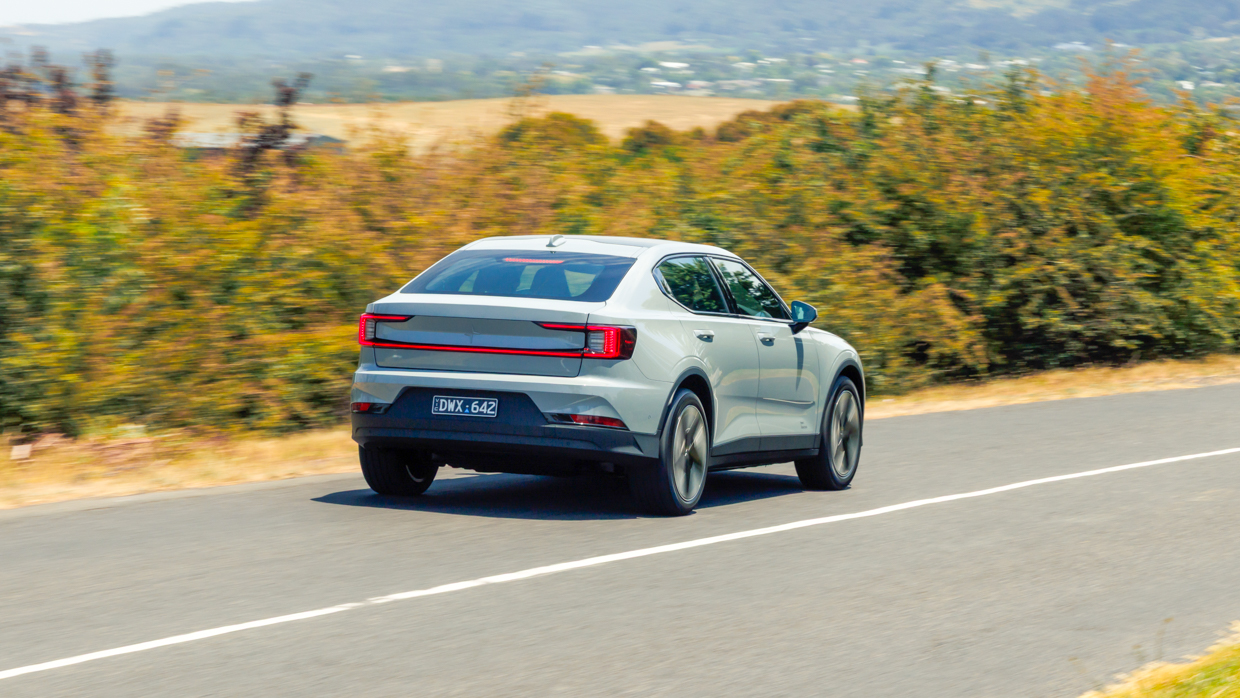
Drivers get into flow state in the corners in this car; it feels natural and hides its circa-2009kg tare mass quite well.
The LRSM variant has the right amount of power (220kW/490Nm), being sufficient to make the Polestar 2 feel quick rather than unapproachably fast.
Sampling the 350kW/740Nm Long Range Dual Motor with Performance pack revealed much more straight-line speed but a balance diluted by the foursquare-feeling AWD system.
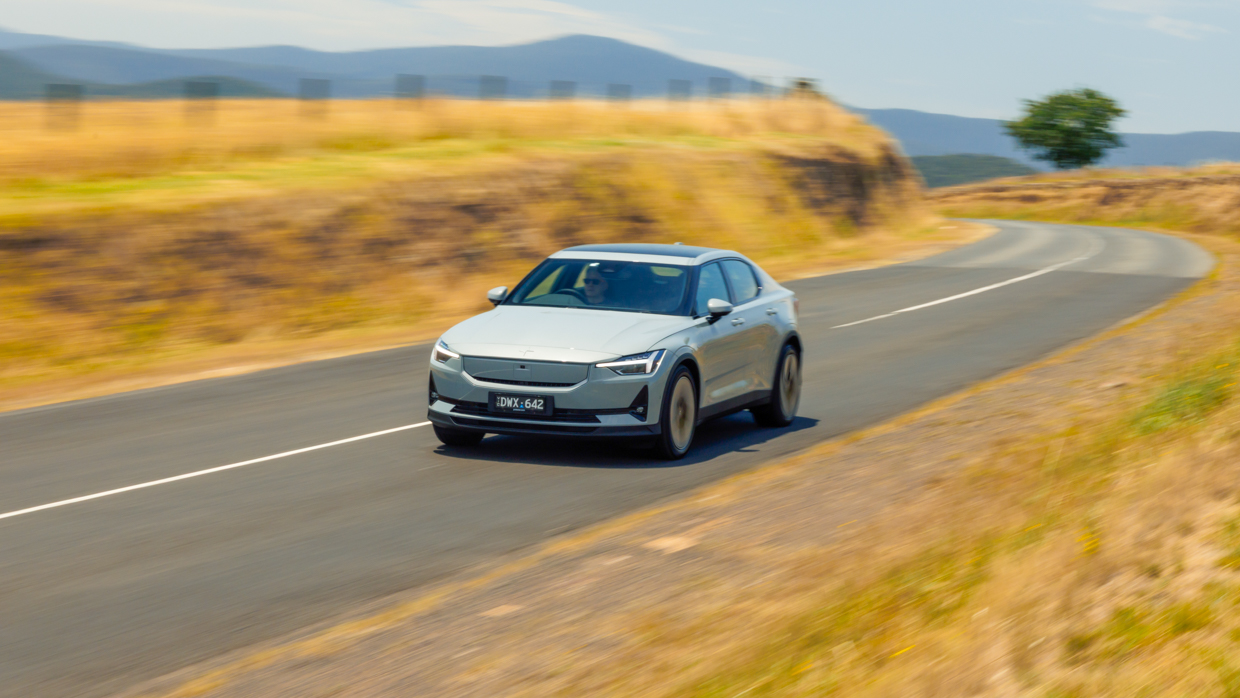
Regenerative braking is adjustable (off, light and strong) and is well-tuned though the brake pedal itself, when needed, is aloof and wooden.
Safety systems are slick with smooth adaptive cruise control and lane-keep assist, while audible speed monitoring stays off once switched off.
The LRSM has a 79kWh (usable) nickel manganese cobalt battery. Previous tests have shown this grade to be far more efficient for urban driving than on country roads or highways.
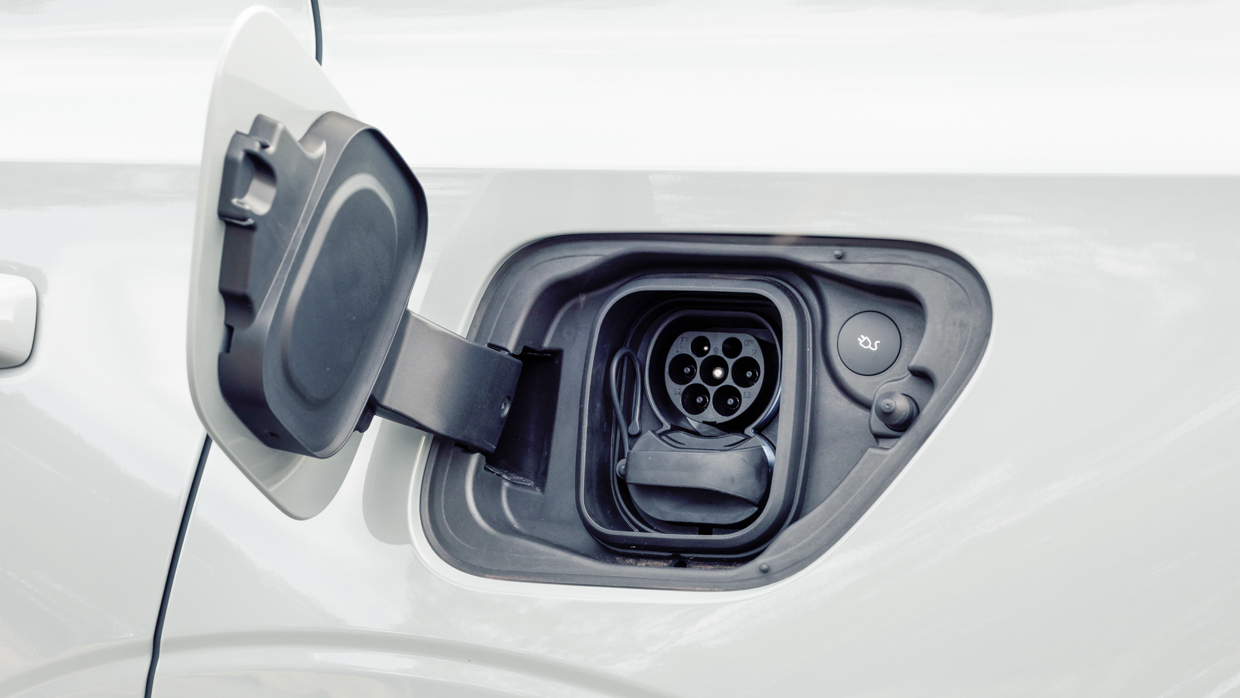
We’ve previously managed as low as 12kWh/100km in the suburbs (658km range) — which matches Polestar’s ambitious claims — and 15kWh/100km highway (526km range).
But the hillier Victorian route used to test the MY26 car yielded about 18kWh/100km (438km range). To be fair, our driving was a touch spirited.
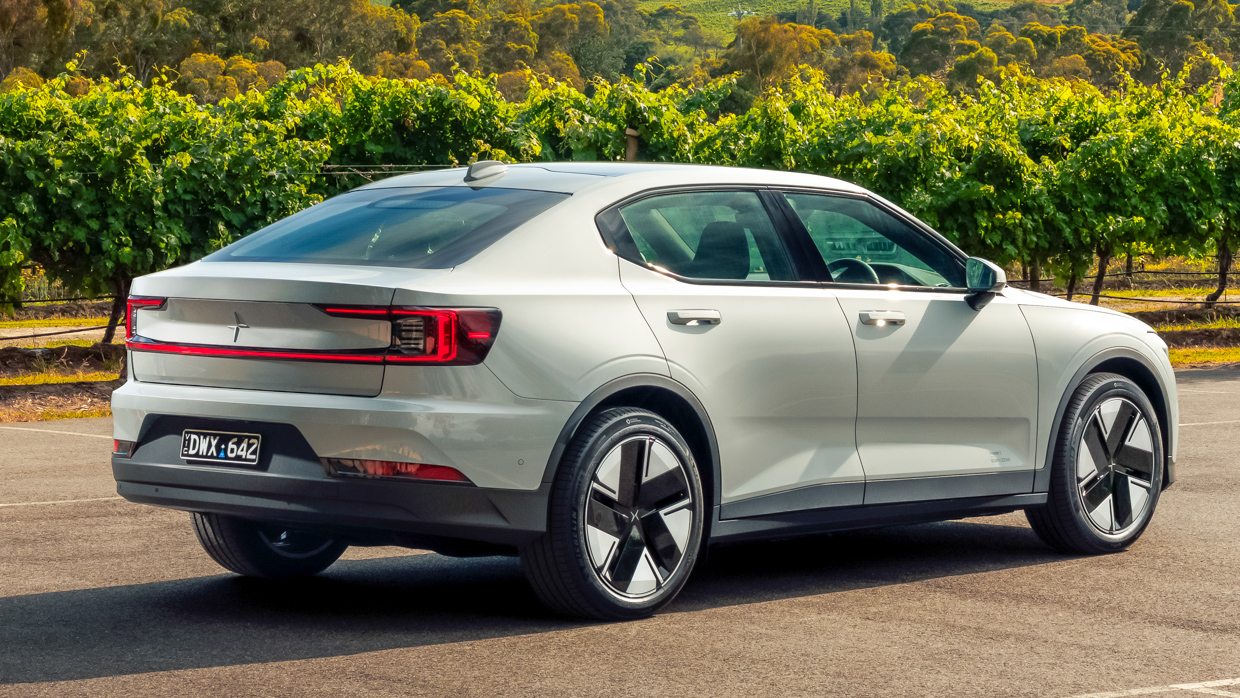
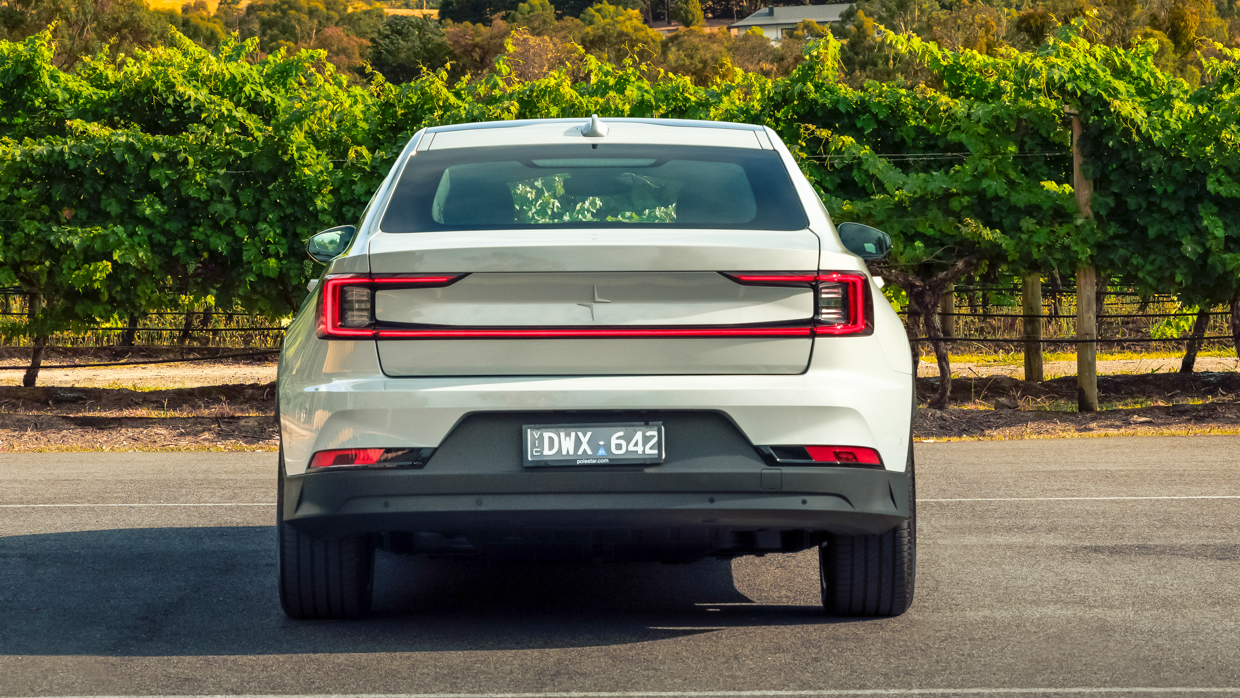
Outside, the Polestar 2’s lines are ageing well — particularly considering the design effectively turns 10 this year, being near-identical to the 2016 Volvo Concept 40.2.
Inside the appearance is dating a bit faster but mostly in a graceful manner.
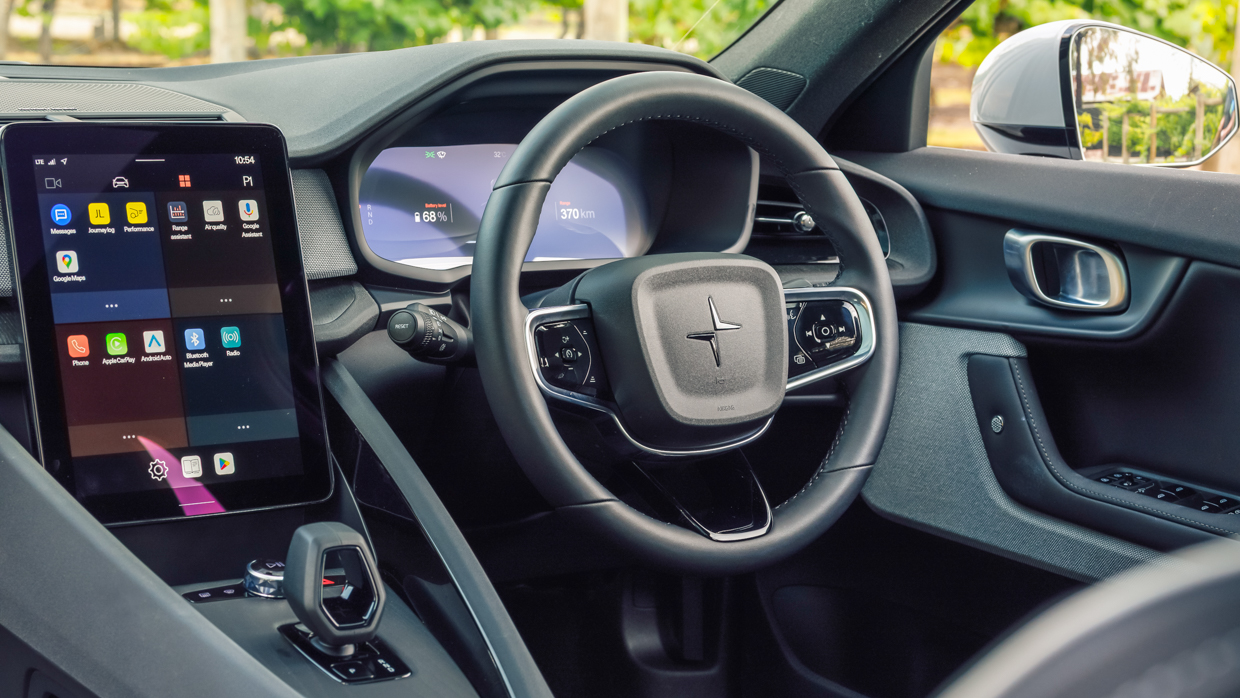
You can tell the Polestar 2 isn’t a product of the 2020s in part because it has real indicator and wiper stalks and physical switches for the windows and mirror adjustments — all good things.
Other indicators of a just-bygone era include the prominent cowl for the 12.3-inch instrument cluster (also good) though the wide bezels of the 11.2-inch touchscreen look a bit outdated.
Visuals are one thing, but an underrated update to the Polestar 2’s cabin is the far more powerful Snapdragon processor behind the dash that radically improves software response.
The Polestar 2 was the first car to have an infotainment system powered by Google Android Automotive — many cars have since followed, and the decision is affirmed in how clear and easy this car’s screens are to use.
4G-based connectivity enables integrated Google Maps, Spotify and other apps on the go but this is only included gratis for 12 months.
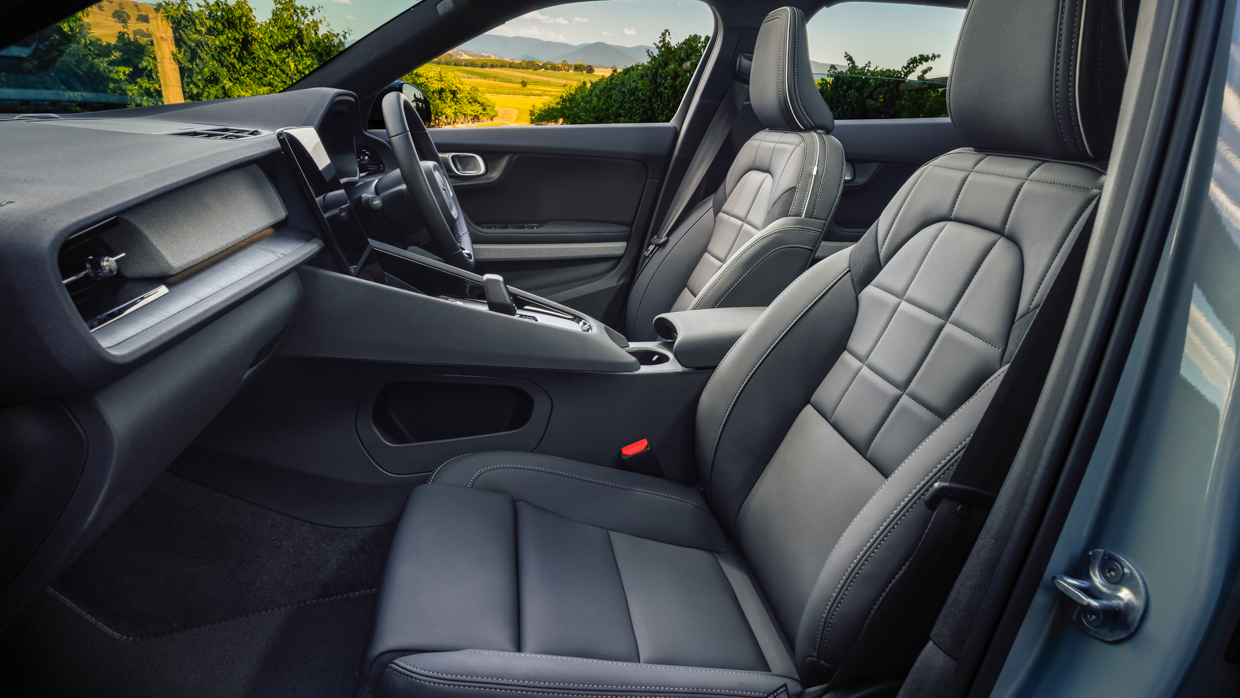
Material quality inside is more mainstream than premium. After the 2’s market launch, Polestar decided to embrace more luxurious positioning.
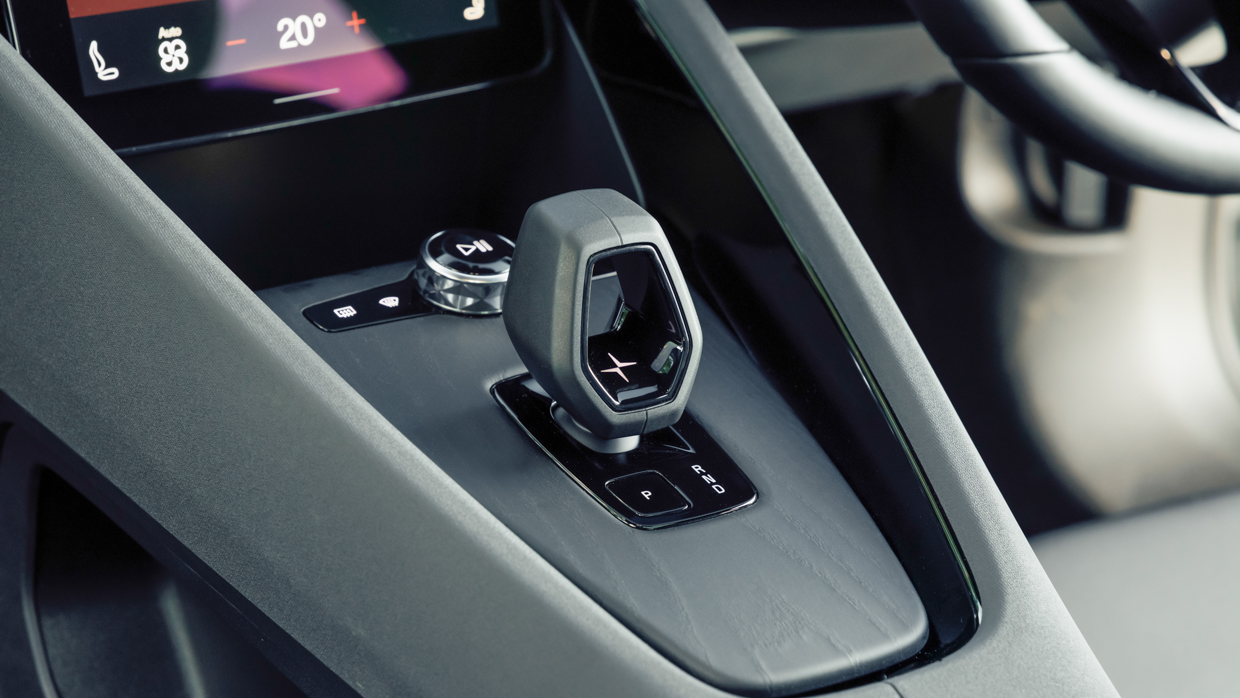
Still, it’s pleasant inside even if the secondary trim bits (such as the centre console surround and dash) mark when brushed.
Seats are Swedish and supportive if not Volvo-lush. The fabric trim options have more give and heating is standard — but in Australia, buyers should consider the expensive nappa leather as this adds active ventilation to keep front occupants cool.
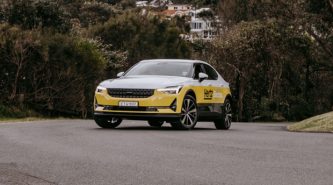
A few years ago Polestar sold a bulk quantity of 2 sedans to a rideshare fleet company, making this EV a common sight when ordering an electric Uber in Sydney or Melbourne.
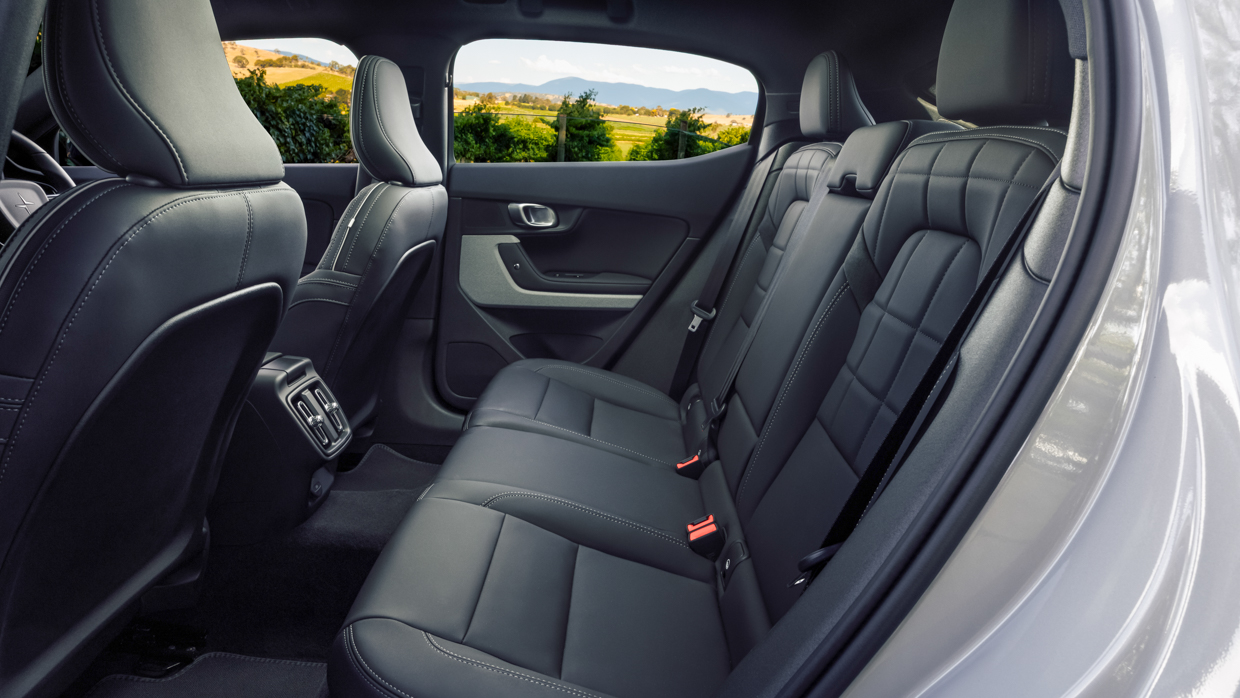
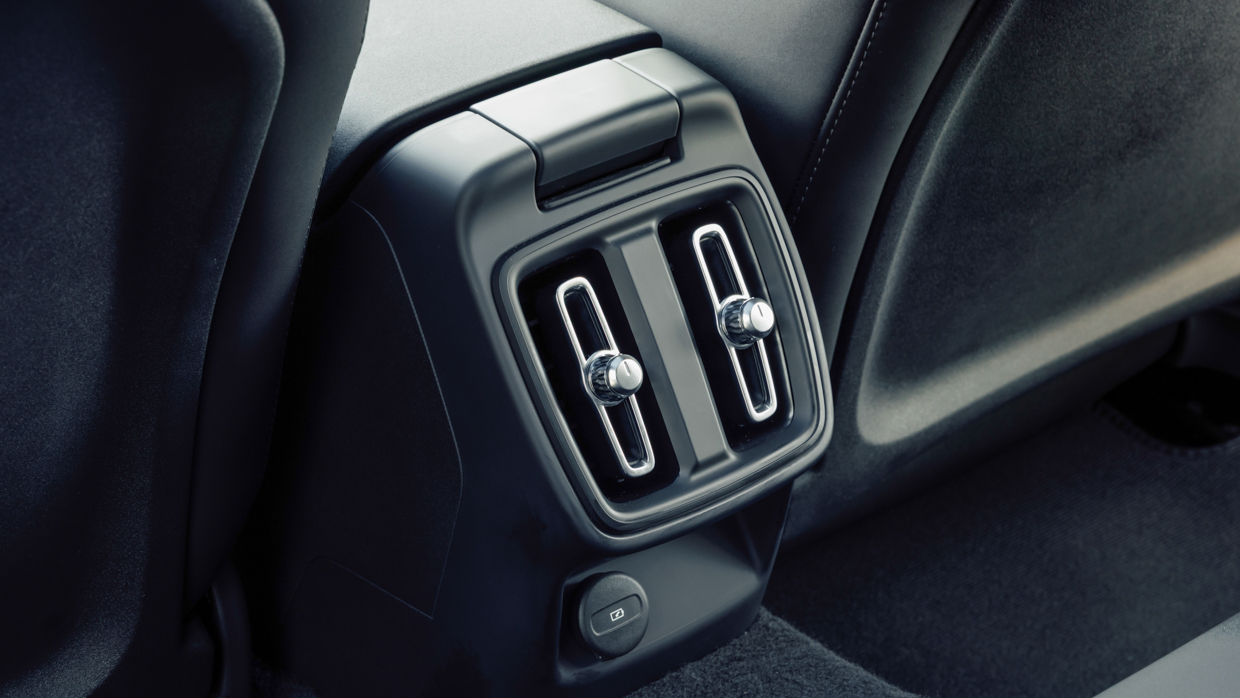
That is ironic as back seat comfort is a weak spot for the Polestar 2, with an unsupportive rear bench, high floor (forced up by the battery) and small windows.
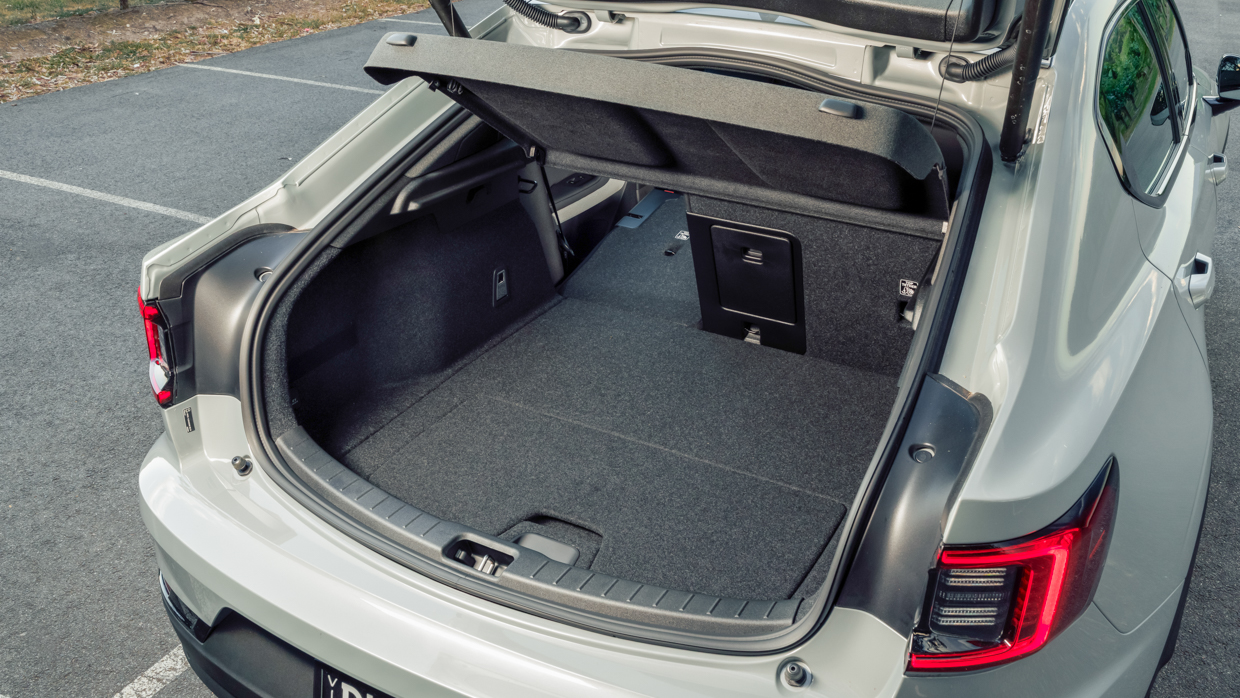
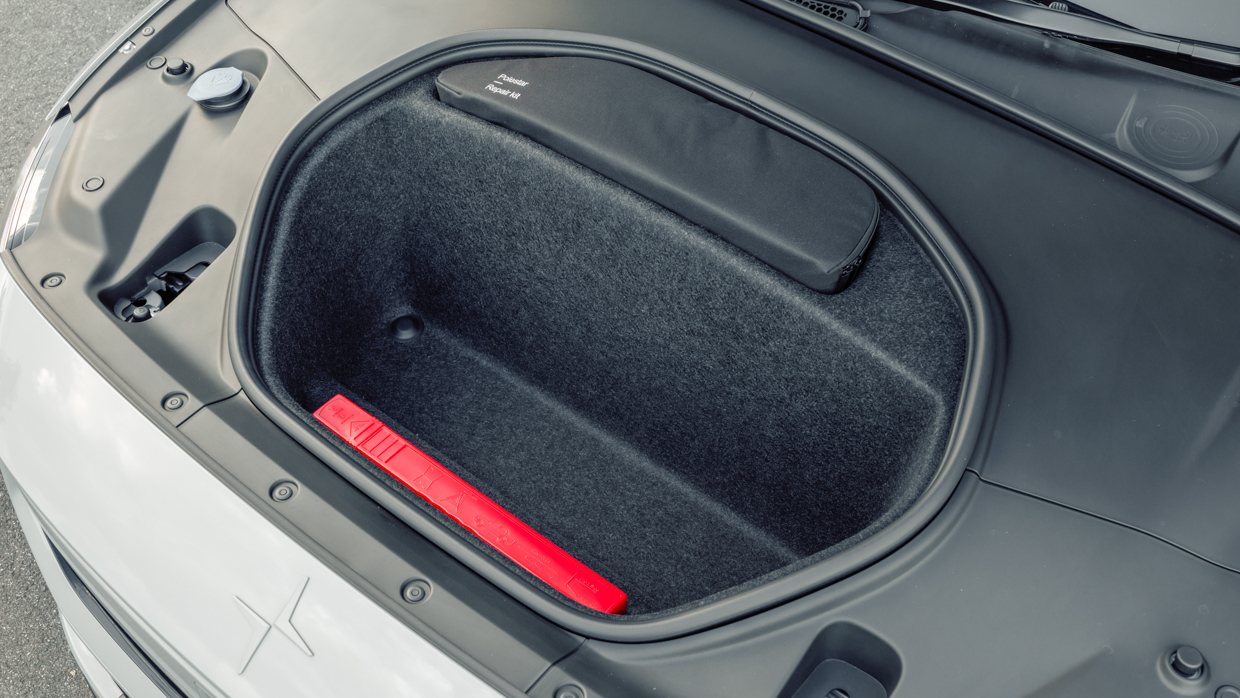
Boot space behind a power tailgate measures 407 litres (expanding to 1097L with the rear seats folded) while there is a small 41L frunk.
The Polestar 2 is a niche car that will appeal to a choice set of buyers — and its maker acknowledges this fact.
In previous years, Polestar sold plenty of 2s to bulk fleet operators, that strategy has been binned in favour of making this sporty sedan more appealing to private owners.
Last year, Polestar sold 746 units of the 2 in Australia and in 2026 it expects to deliver slightly fewer than that.
With the Polestar 4 SUV now doing the heavy lifting for the brand, the 2 no longer has to be all things to all people.
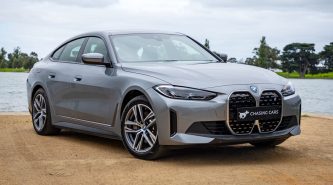
As a firm-and-fun option for keen drivers, the Polestar 2 exists in a desirable mid-ground between the Tesla Model 3 and the shorter-range but even better-handling BMW i4.
We suspect most people would probably be better served by the Model 3, which has superior efficiency, softer ride quality and great software, but that brand is not everybody’s cup of tea.
For buyers that like both the aesthetic presentation of the 2 and its rear-drive balance in the corners, we’d recommend taking the LRSM for a spin to check if the ride quality is liveable.
About Chasing cars
Chasing Cars reviews are 100% independent.
Because we are powered by Budget Direct Insurance, we don’t receive advertising or sales revenue from car manufacturers.
We’re truly independent – giving you Australia’s best car reviews.
The estimate provided does not take into account your personal circumstances but is intended to give a general indication of the cost of insurance, in order to obtain a complete quote, please visit www.budgetdirect.com.au. Estimate includes 15%^ online discount.
^Conditions Apply
Budget Direct Insurance arranged by Auto & General Services Pty Ltd ACN 003 617 909(AGS) AFSL 241 411, for and on behalf of the insurer, Auto & General Insurance Company Limited(ABN 42 111 586 353, AFSL 285 571).Because we don’t know your financial needs, we can’t advise you if this insurance will suit you. You should consider your needs and the Product Disclosure Statement before making a decision to buy insurance. Terms and conditions apply.
Indicative quote based on assumptions including postcode , 40 year old male with no offences, licence suspensions or claims in the last 5 years, a NCD Rating 1 and no younger drivers listed. White car, driven up to 10,000kms a year, unfinanced, with no modifications, factory options and/or non-standard accessories, private use only and garaged at night.
^Online Discounts Terms & Conditions
1. Discounts apply to the premium paid for a new Budget Direct Gold Comprehensive Car Insurance, Third Party Property Only or Third Party Property, Fire & Theft Insurance policy initiated online on or after 29 March 2017. Discounts do not apply to optional Roadside Assistance.
2. Discounts do not apply to any renewal offer of insurance.
3. Discounts only apply to the insurance portion of the premium. Discounts are applied before government charges, taxes, levies and fees, including instalment processing fees (as applicable). The full extent of discounts may therefore be impacted.
4. We reserve the right to change the offer without notice.