Powered by

- Car Reviews
-
Car News
Latest news
-
Car Comparisons
Latest comparisons
- Chasing Deals
Latest news
Latest comparisons
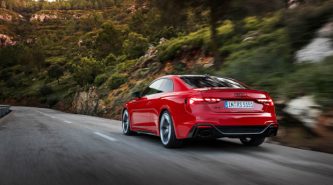
The new V6-hybrid Audi RS5 kicks restraint to the kerb and declares more is more. It’s heavier than ever…but it’s also faster, better, smarter, and cooler, too
Early in the planning for the new B10-generation Audi RS5, it dawned on the engineering team that a plug-in hybrid was probably going to be necessary to keep the V6 alive.
There may have been a few grumbles in the room. PHEV systems of the era were underbaked, unrefined and underpowered.
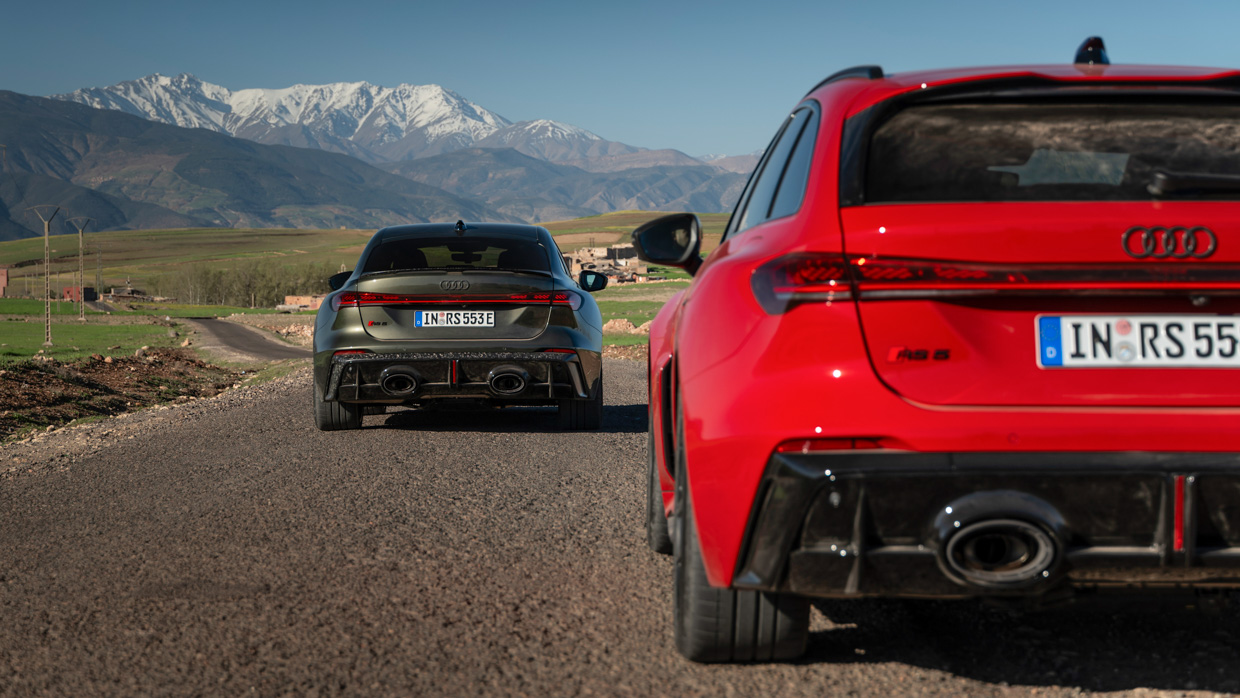
Accepting the necessary evil, Audi Sport set about developing one of the best plug-in hybrid systems we’ve ever tested.
The trick is that the RS5’s plug-in tech is basically dual-use technology.
Let this car run in default ‘efficiency’ mode and it’ll slash fuel use and emissions by biasing electric running.
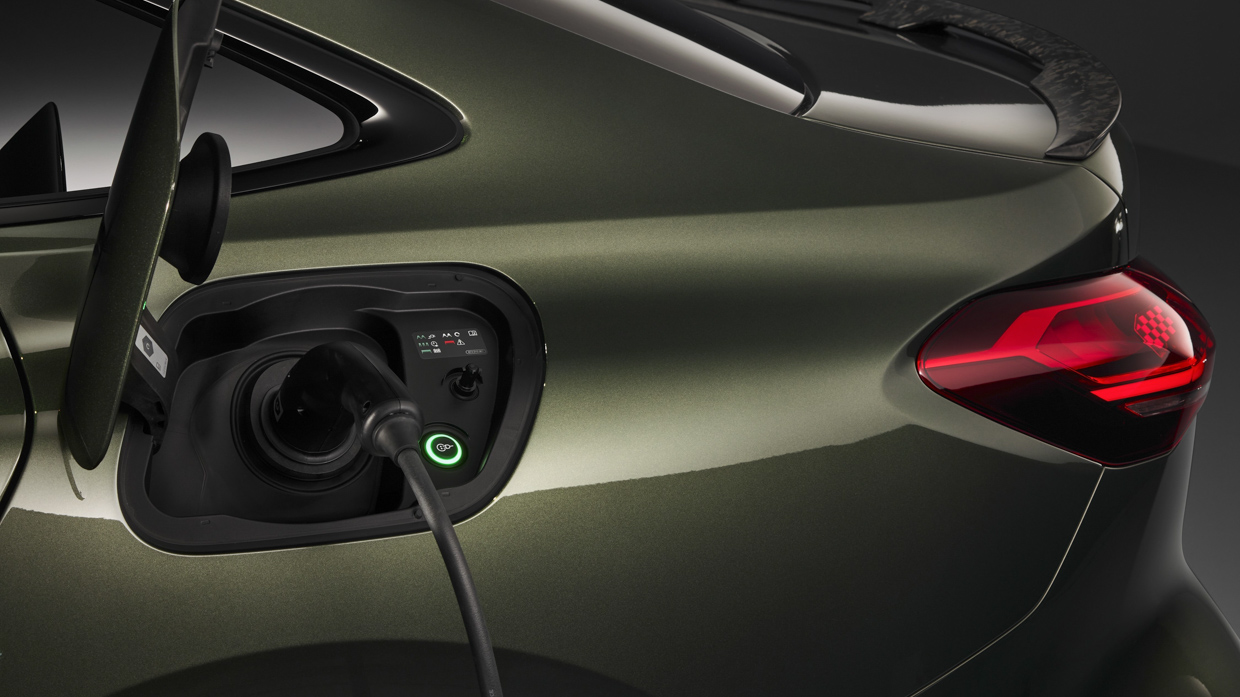
But flick a switch to the RS modes, and the seductive 2.9-litre twin-turbo V6 shrieks into life to hurl you forward in combination with electric torque.
The RS5 can be a near-silent, comfortable commuter but when you’re up it for the rent, the beefy hybrid system throws off the environmental cloak and dedicates itself to maximum thrust and, if you want it, outrageous oversteer.
Any grumbling in the B10 program turned to reserved German chuckling when it was discovered the PHEV would comply with CO2 regulations while feeding 400 volts of power to a world-first electrified dynamic torque vectoring (DTV) system.
Plug-in tech is now so central to how the new RS5 handles that engineers say they’d keep things the same even if regulations did not require it.
Performance car fans suspicious of electrification in cars like the RS5 meant Audi had to go above and beyond. The result is not a simple car. The new RS5 is complex, and it is very heavy, at 2355kg.
The heart of the system remains the EA839 2.9-litre V6, which scores new turbos and Miller-cycle injection to make more power and equal torque (375kW/600Nm). Sitting ahead of the eight-speed automatic is an electric motor making 130kW/460Nm on its own.
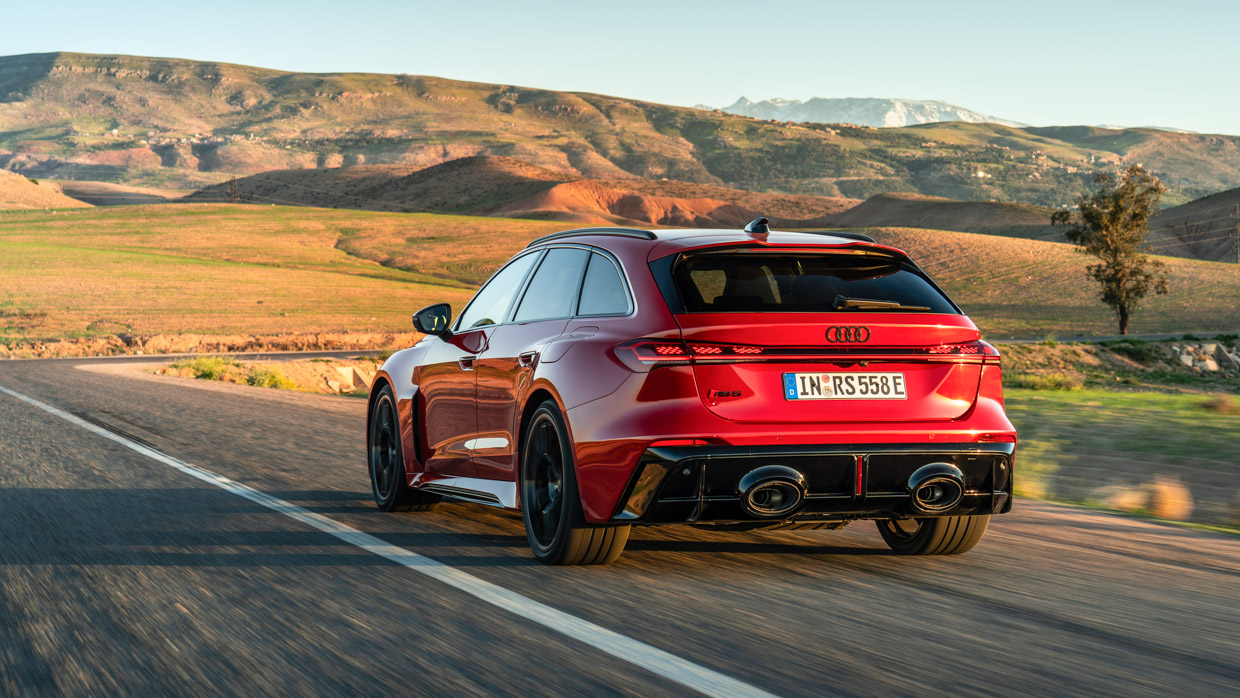
With forces joined, total output is 470kW/825Nm, with a claimed 0-100km/h of 3.6 seconds. An updated quattro AWD system can send 85 percent of drive to the rear.
Audi noticed nearly every customer for the old B9 RS4/RS5 ticked all the options, so full-fat specification is now standard.
That has triggered a 20 percent price increase in Germany, but the leap in Australia should be cushioned by the fact local cars had fuller equipment anyway.
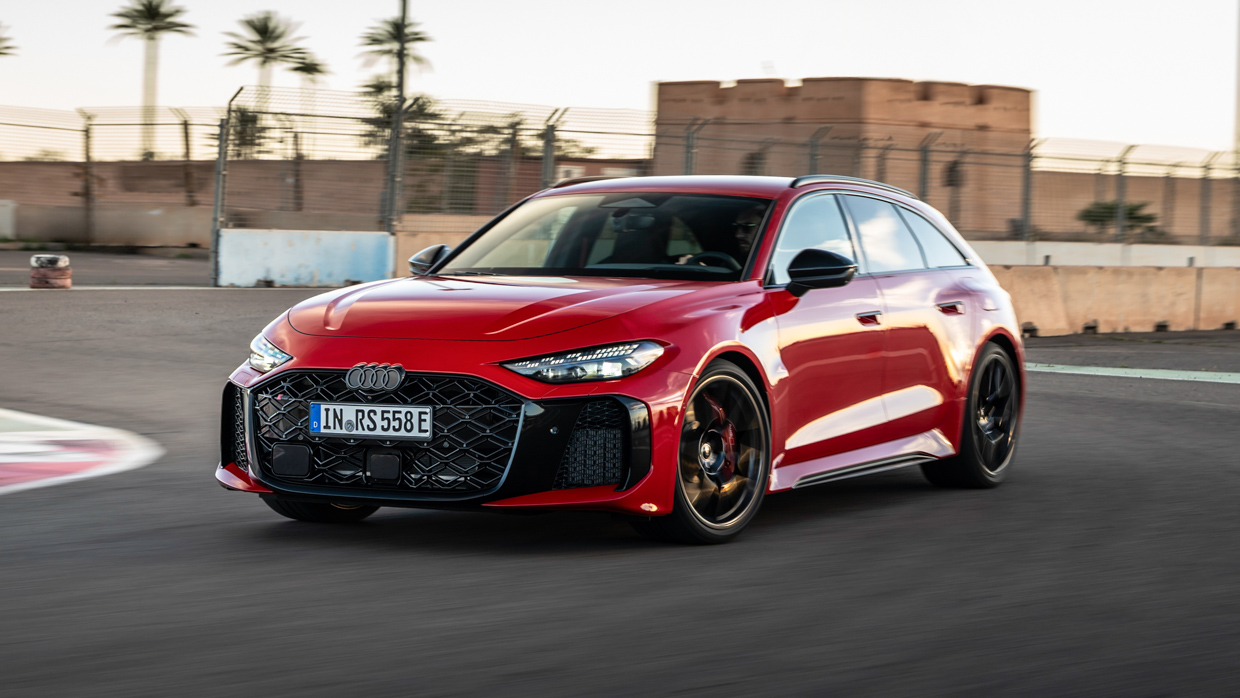
Inclusions for the RS5 take in larger wheels and tyres than before (20s by default, 21s optional) to cover larger brakes. Steel discs measure 420mm front/400mm rear from the factory.
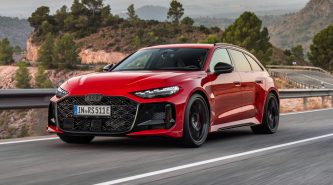
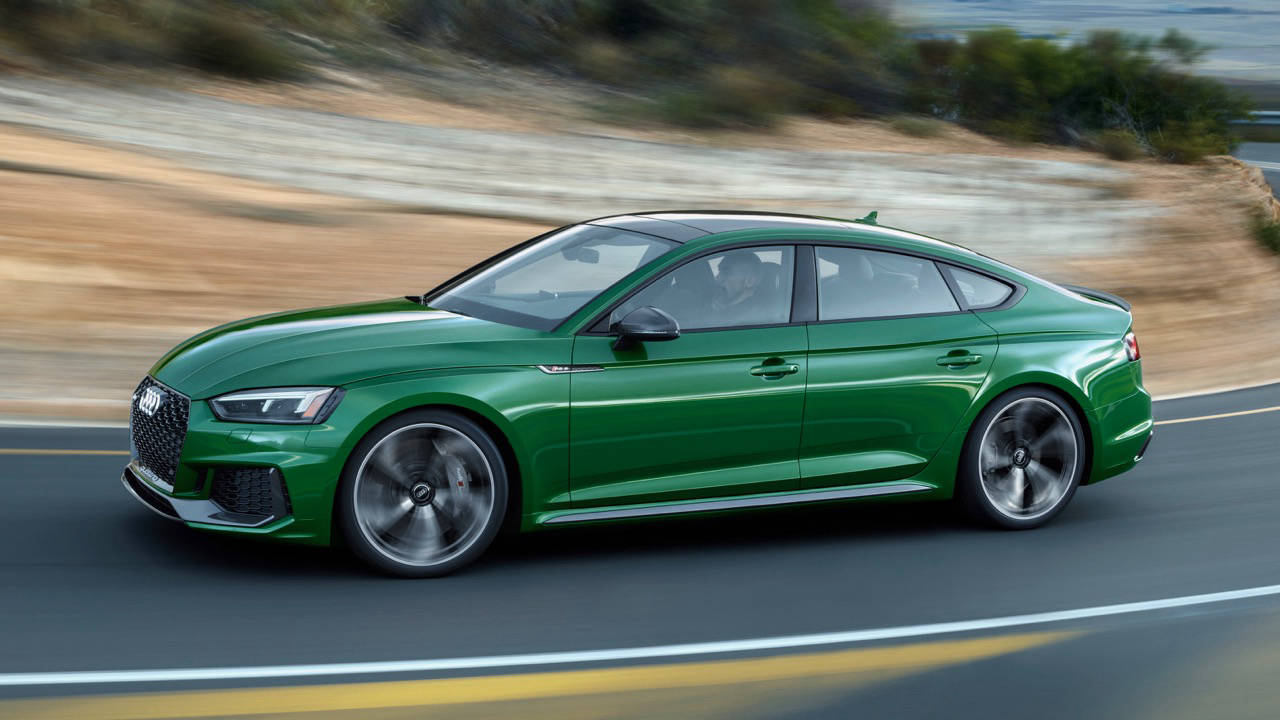
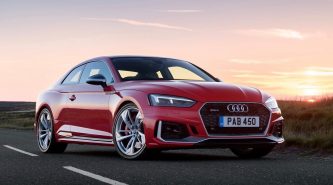
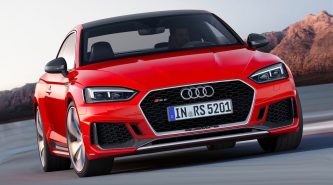
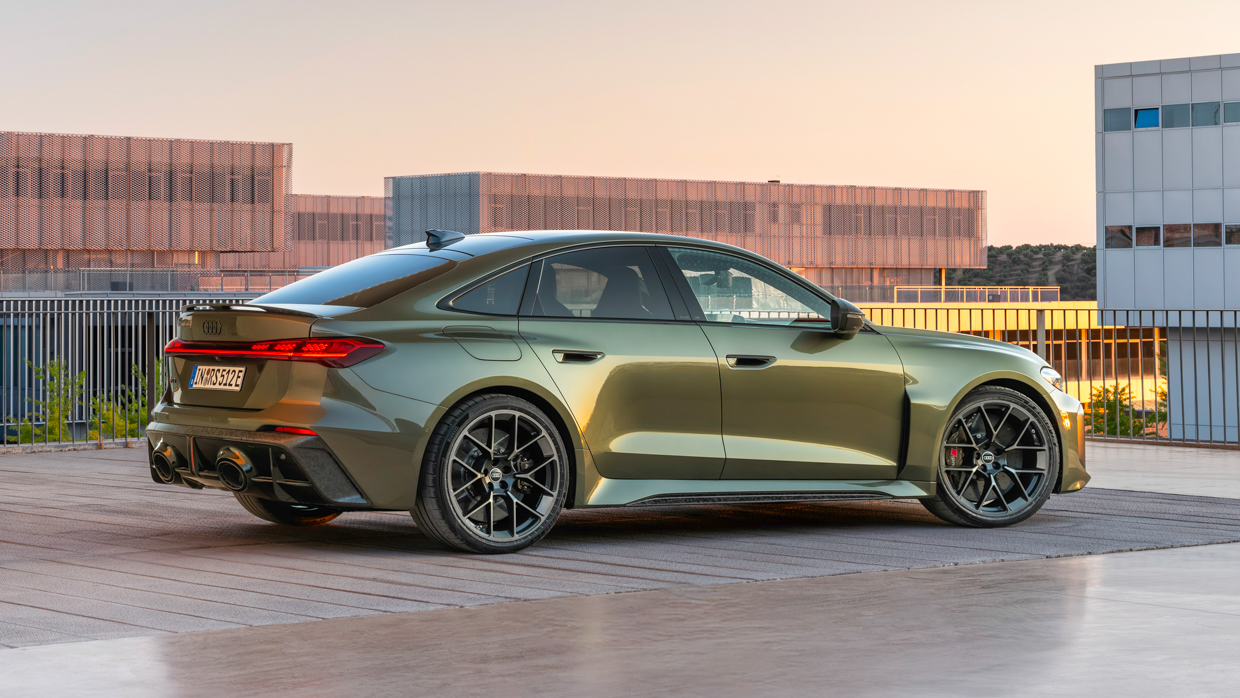
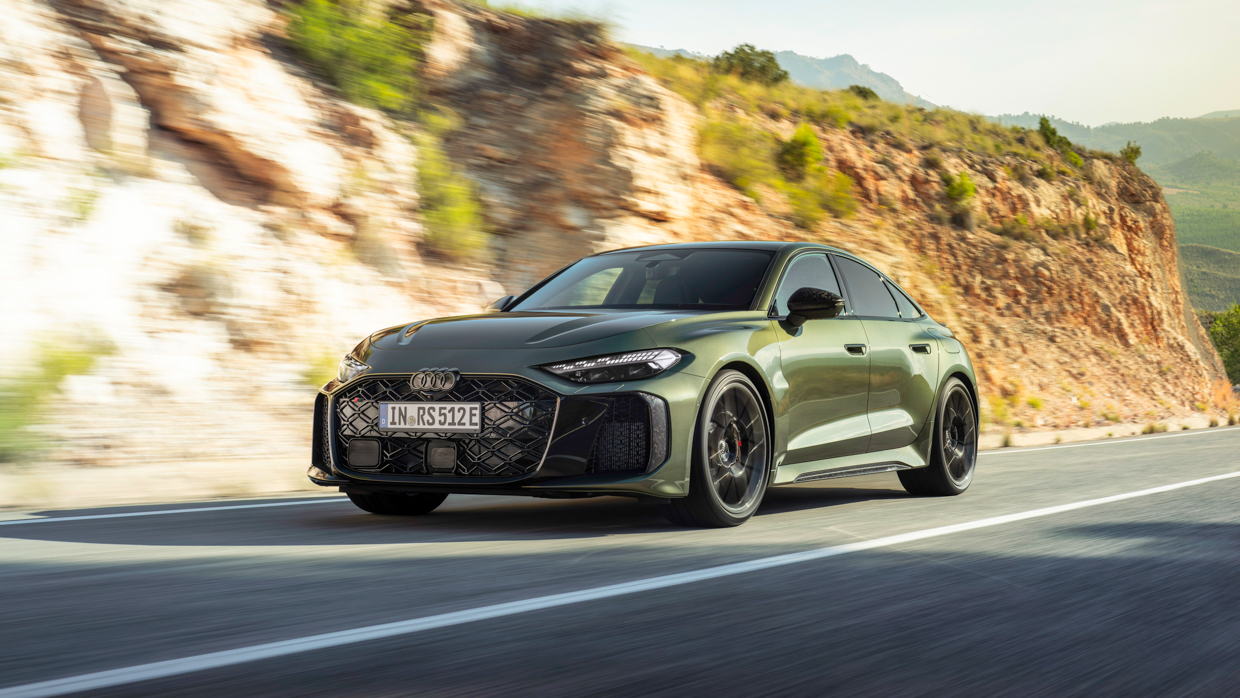
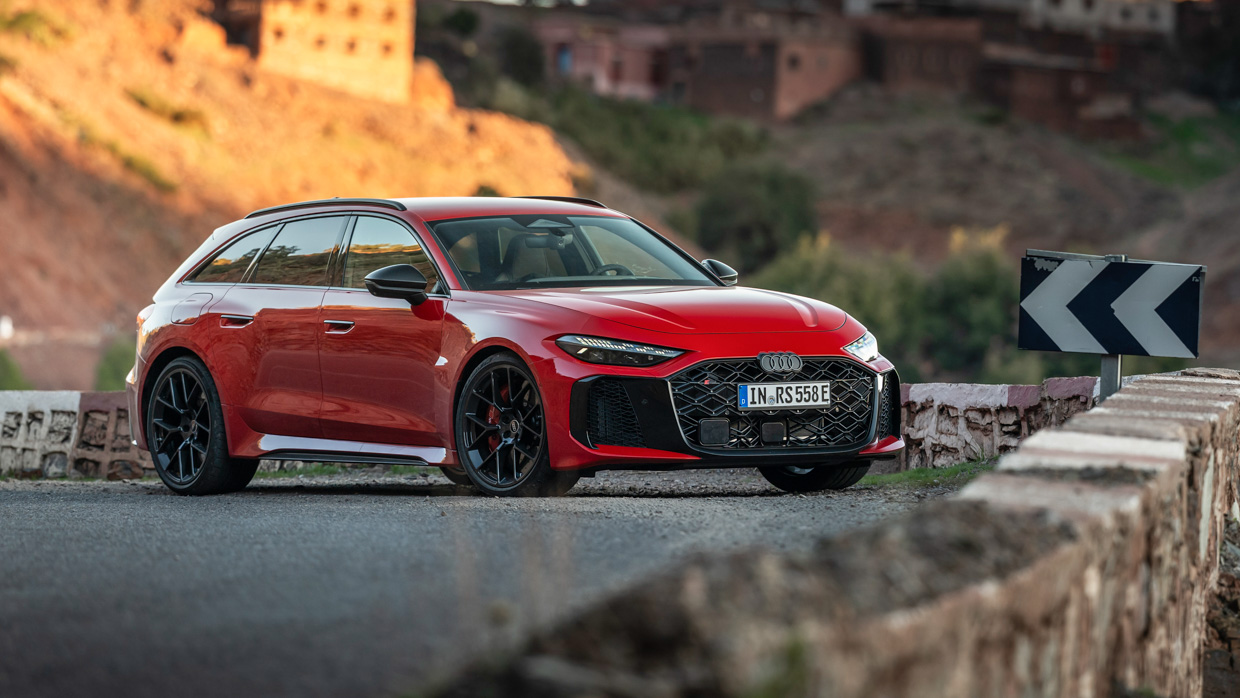
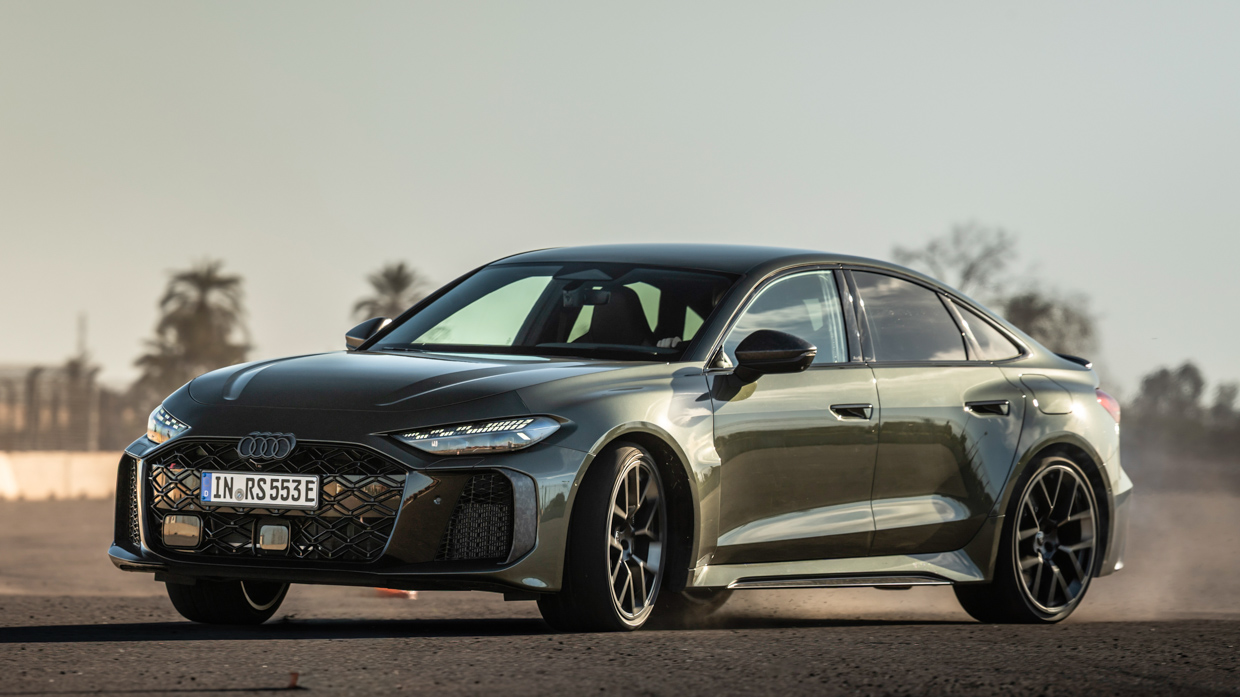
The RS5 has unique bodywork (it’s 90mm wider in the hips than an A5!) plus larger air intakes and even bigger exhaust outlets. A black pack is now standard but silver wheels can be had.
Inside, a 14.5-inch OLED touchscreen presents wireless Apple CarPlay/Android Auto and Audi Driving Experience pages with automatic or manual track mapping and pilot analysis.
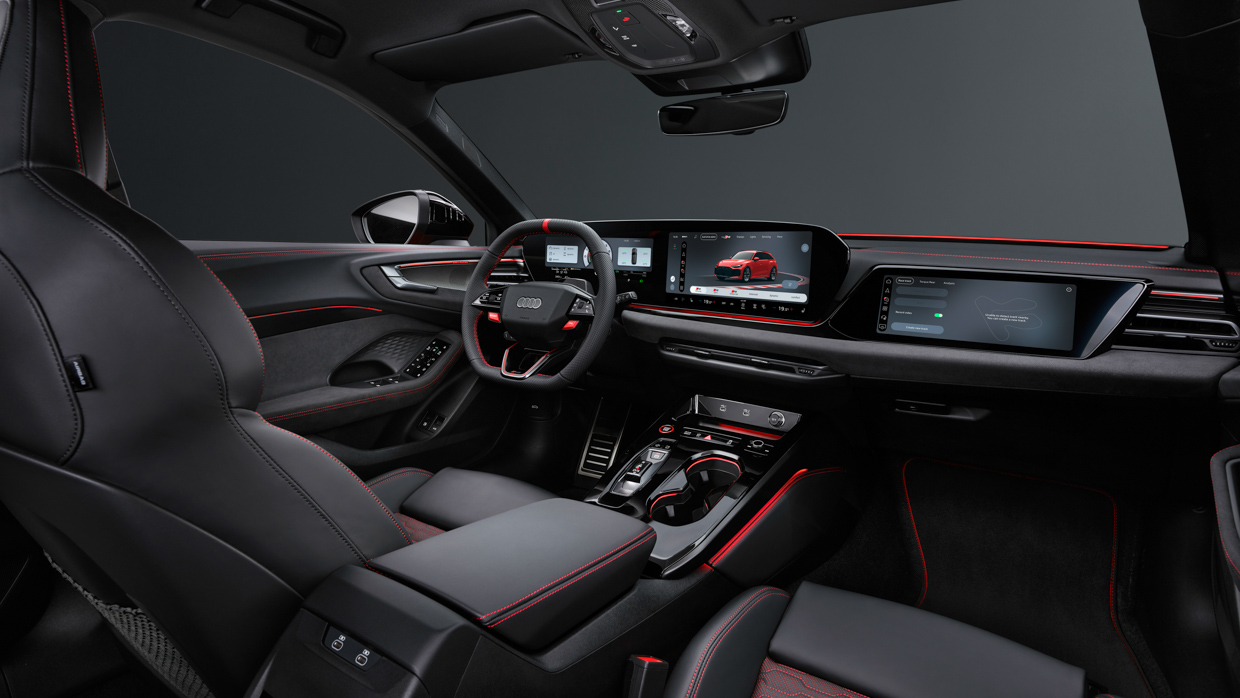
Audio is care of Bang & Olufsen, while softly leather-trimmed pews have standard 12-way power adjustment, heating, cooling, and massage. Devices can be charged wirelessly or by way of rapid 100-watt USB-C ports.
One key option will be offered at launch. The Audi Sport package adds diamond-cut 21s and ceramic brakes with bronze callipers (and 440mm front discs!), bespoke bumpers, a sports exhaust system, higher top speed (285km/h), and green/brass highlights inside — plus camouflage carbon trimmings.
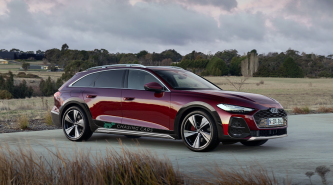
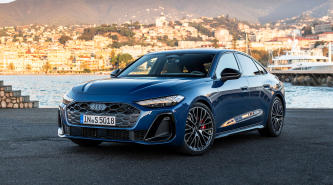
Avant and sedan formats are available — the latter is really a liftback — and both have definite yet distinct visual appeal.
The genius of the new RS5 is how it manages to elevate plug-in hybrid from the pedestrian to preeminent.
We glimpsed what was coming when Chasing Cars tested the regular Audi A5 e-hybrid and found that car’s 270kW turbo-four/plug-in mixture very agreeable.
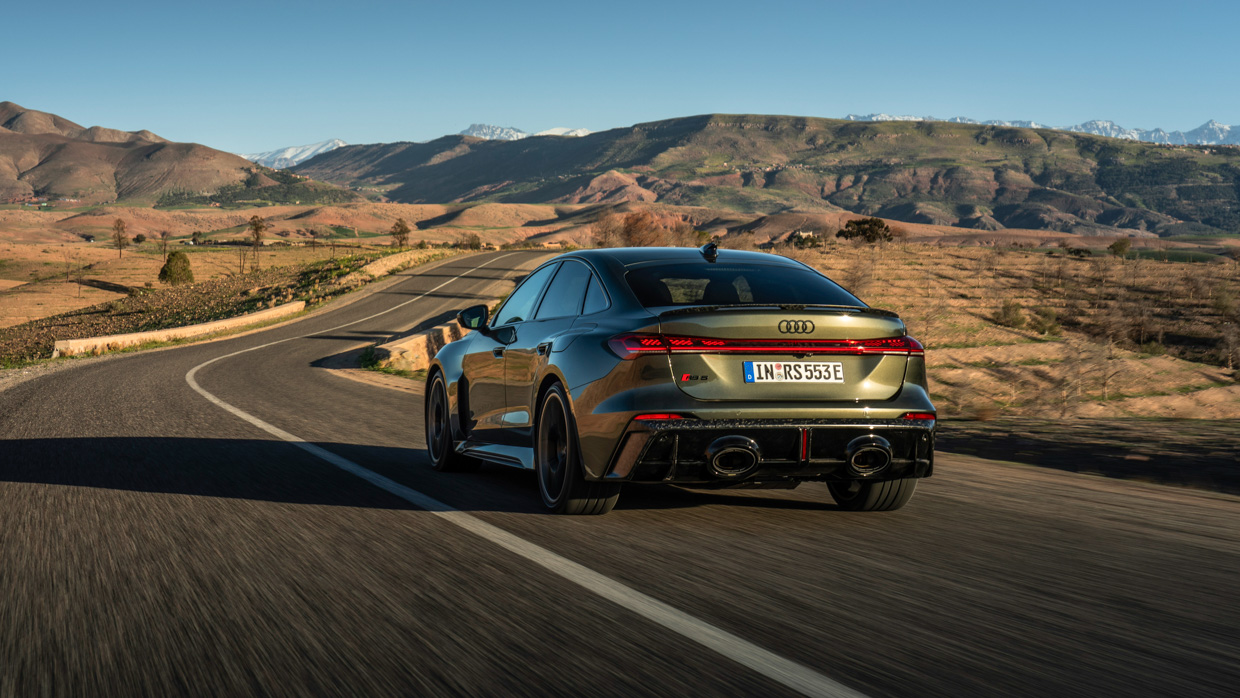
With a six-cylinder basis and 470kW to play with, the RS5 is in a different league but the takeaway is the same: electricity boosts and broadens the appeal of the combustion heart.
On paper, Audi gets the RS5 through emissions because you can drive it in EV mode for 84km with 130kW on tap. It even has a cool RS-specific artificial noise in electric drive.
But when the driver wakes up any of the RS drive modes, it’s magic, RS Sport (designed to be scalpel-like in the corners) and RS Individual (which you can tailor to be more rear-biased while adjusting damping and steering) trigger the battery to charge to 90 percent.
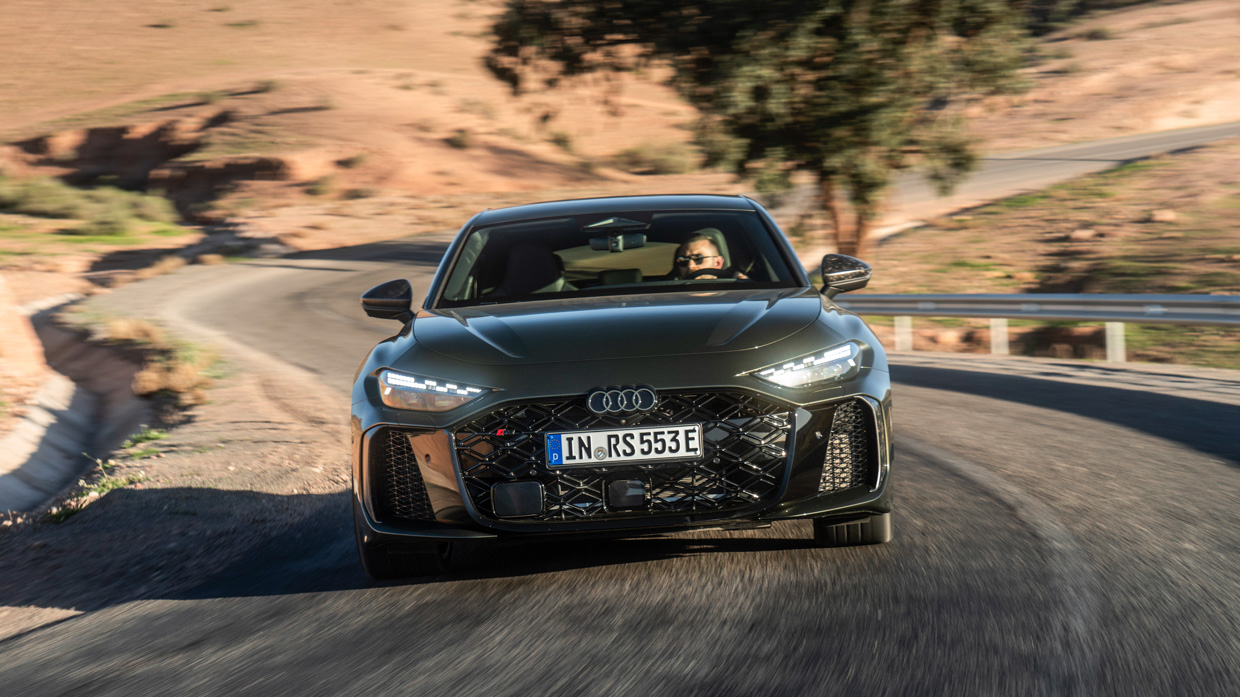
The reason is because the RS5 is at its most devastating at a high state of battery charge, so Audi worked out how to force the car there quickly.
Once peak performance is reached, the RS5 is a blisteringly fast point-to-point car. Balanced ride and handling parameters combine with a hugely effective powertrain to cover ground rapidly.
While the V6 sounds rich, revs cleanly and has two turbochargers, it’s the immediate response of the electric motor you notice first. This car has no lag at all.
Audi’s 3.6-second 0-100km/h claim sees the RS5 just trail a BMW M3 but the feeling of speed is strong, as is the sense of refinement – the eight-speed automatic is quick but smooth.
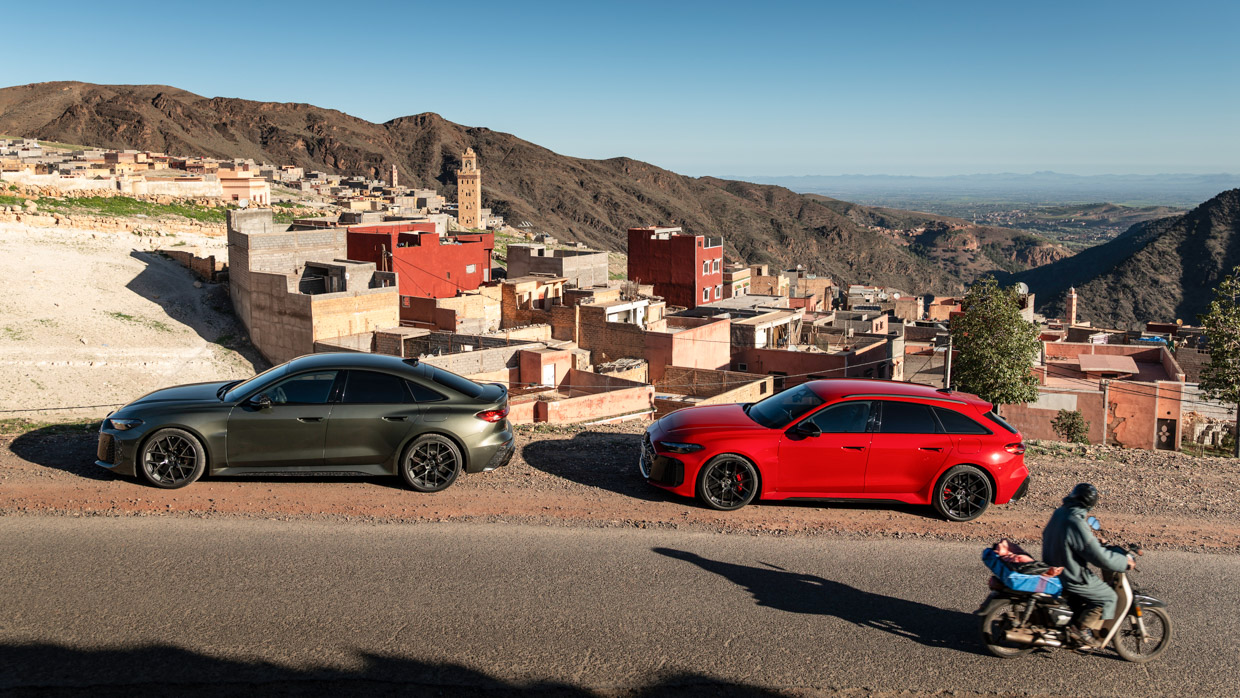
Audi conducted the first drive of the RS5 in Morocco which sounds exotic but is actually very useful as the roads are as broken up as in Australia.
Like the B9 RS4/RS5, the new car impresses with pleasant compliance and ride comfort, even on large 20-inch wheels that come standard to get over the monstrous brakes.
The adaptive dampers have twin valves to independently control rebound and compression.
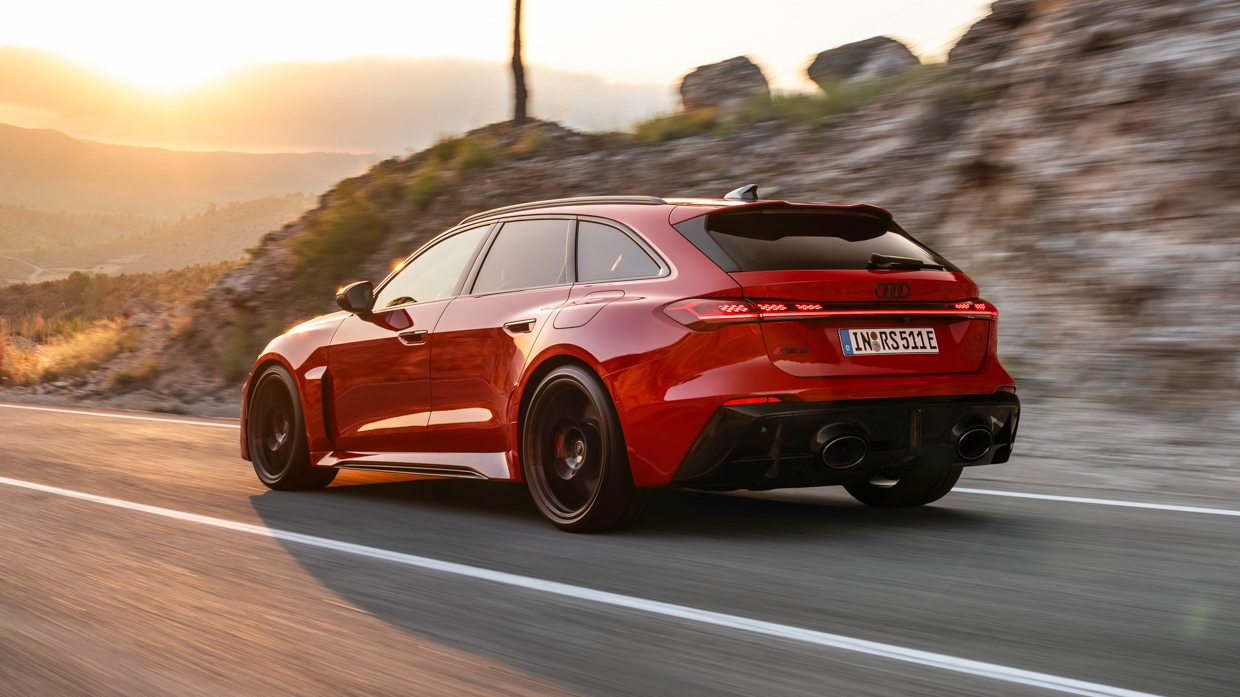
Perhaps surprisingly for a heavy car, the best dynamic attributes are saved for the corners.
Grip levels are very high, especially with the 285/30 R21 Pirelli P Zero R tyres that come with the Audi Sport package. The V6 has been slid rearward thanks to adjusted hard points of the PPC platform and turn-in is zealous.
Impeccable fine-tuning of the geometry means the RS5 really wants to turn, and the Audi rewards keen drivers with a pivot sensation precisely around the centre-point.
A benefit of the hefty battery lodged beneath the boot is that the weight distribution is nearly 50:50.
While the latest generation of the quattro system can send 85 percent — or 700Nm — of torque to the rear, it is how the new RS5 handles acceleration out of corners that counts.
Re-enter the PHEV system: not only does the 400-volt tech power the main electric propulsion, but it also feeds a smaller 8kW/40Nm motor on the rear axle that distributes torque left and right.
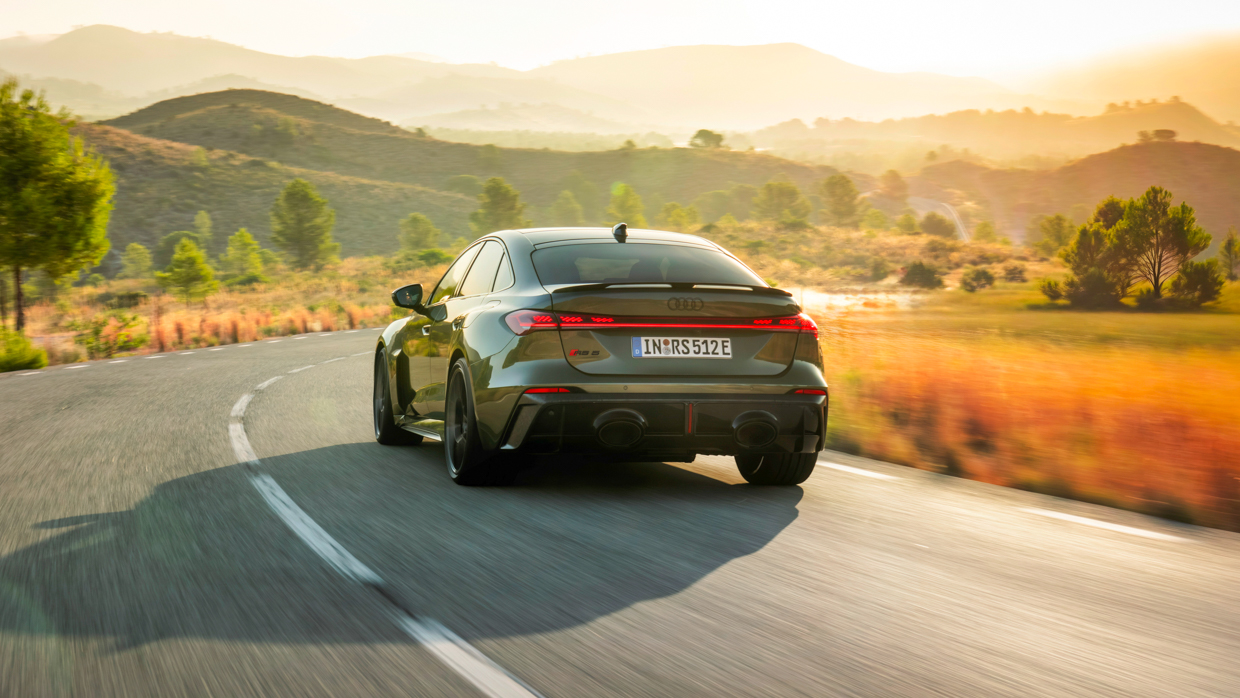
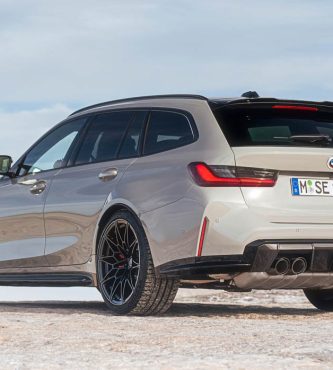
With the AWD system set to ‘dynamic’, the RS5 feels as rear-biased as an M3 Touring.
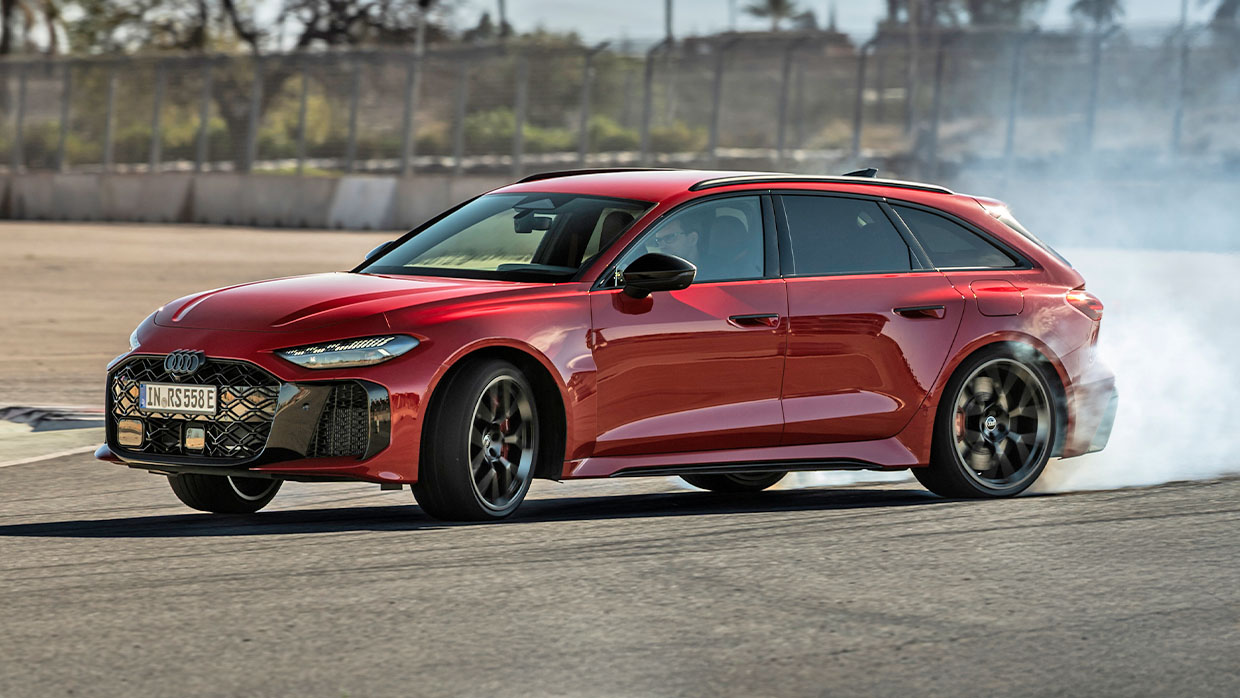
Or you can select RS Torque Rear and indulge in very serious power oversteer. The long wheelbase means you get a slide started quite easily — but there’s always a sense that the RS5 is very big, and very heavy.
We finished off the rear tyres in sub-60 seconds of drifting. Normally hidden effectively, the weight shows up in the extremes.
Sitting at the apex of the B10 A5 range but the last of the family to arrive, the RS5 lands with some meaningful tweaks inside that its siblings will receive later this year.
The first is a return to a pair of physical scroll wheels on the (perforated leather) steering wheel spokes — above red RS mode shortcuts — providing easier control of the 11.9-inch Virtual Cockpit instrument cluster when on the move.
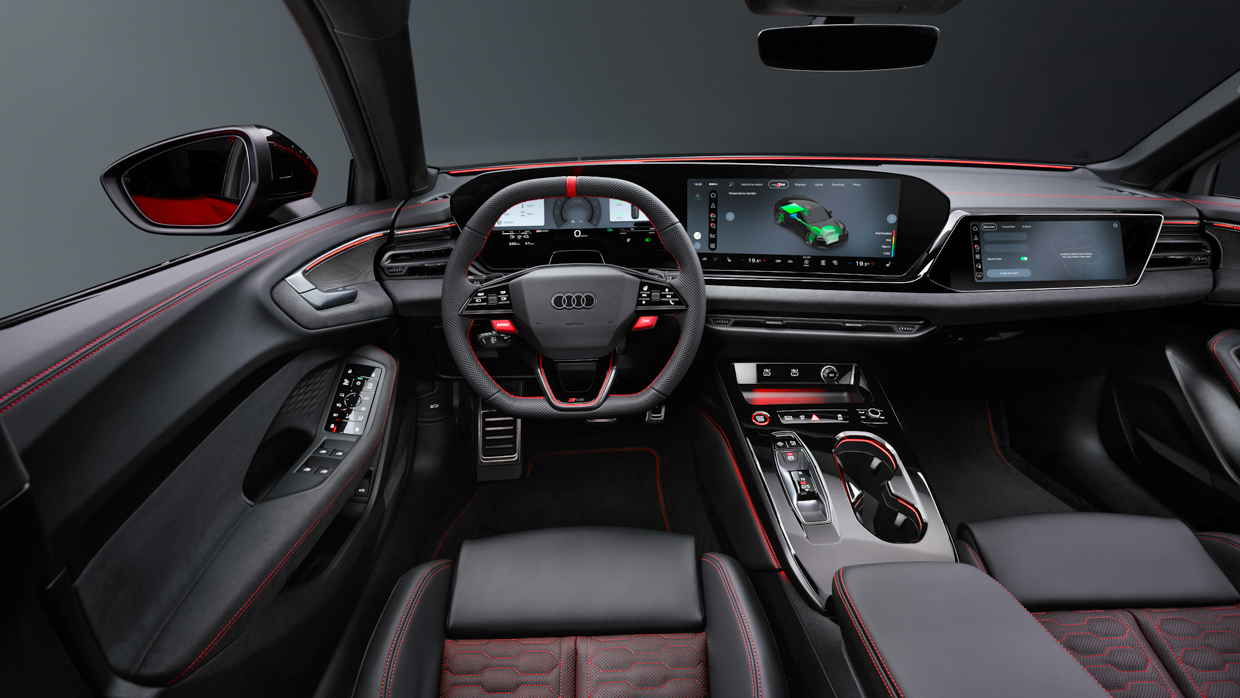
And the Virtual Cockpit itself has been restyled to look somewhat like older Audi models which could put a full map in front of the driver. That functionality has returned.
Why can’t you have a recreation of old-school speedo and tacho dials? Maybe we’re living in the past, but the graphics on the RS5’s interior displays feel unnecessarily cold.
At least the displays are snappy and easy to use, and the wireless Apple CarPlay/Android Auto connection was solid. Audio quality was also rich and deep from the Bang & Olufsen unit.
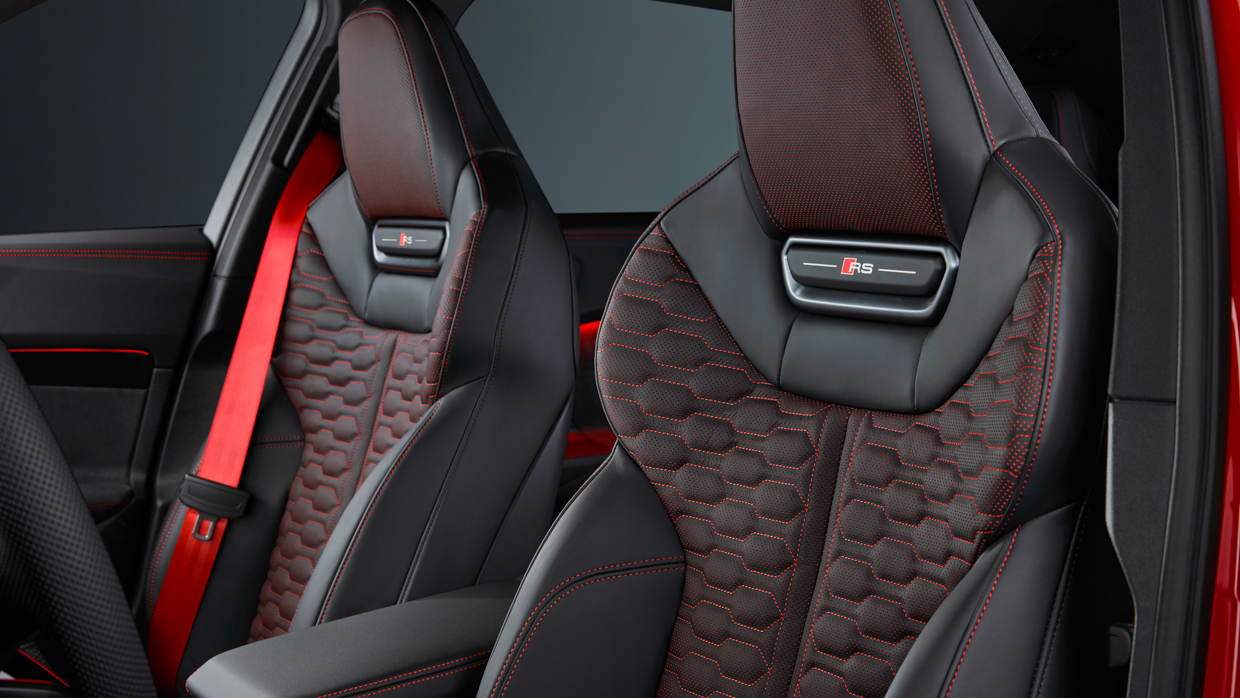
Because the new RS5 is kitted out with almost every available feature from the B10 chassis, that means it scores a 10.9-inch passenger touchscreen by default.
We’re not mad about passenger screens but at least that means RS5 owners avoid the bare piano black panel you get as standard on some A5 models.
Other core elements of the interior impress, especially the seats. The cooled/heated RS-specific pews are comfortable, supple and supportive and the driving position felt right to us.
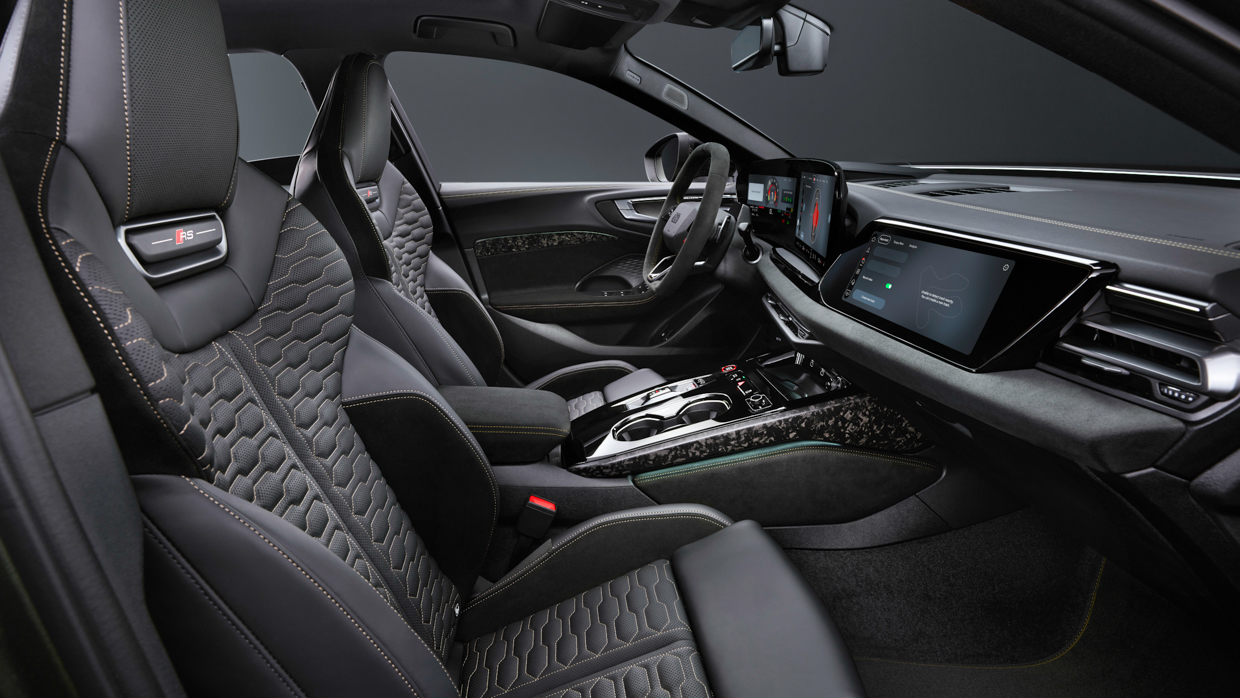
Black, light grey or red leather can be selected but buyers seeking to get exactly what they want can order the new RS5 through the Audi Exclusive program.
That means a near-endless choice of exterior and interior colours, and even the interior inlays are customisable with the ability to replace carbon fibre with aluminium or even wood.
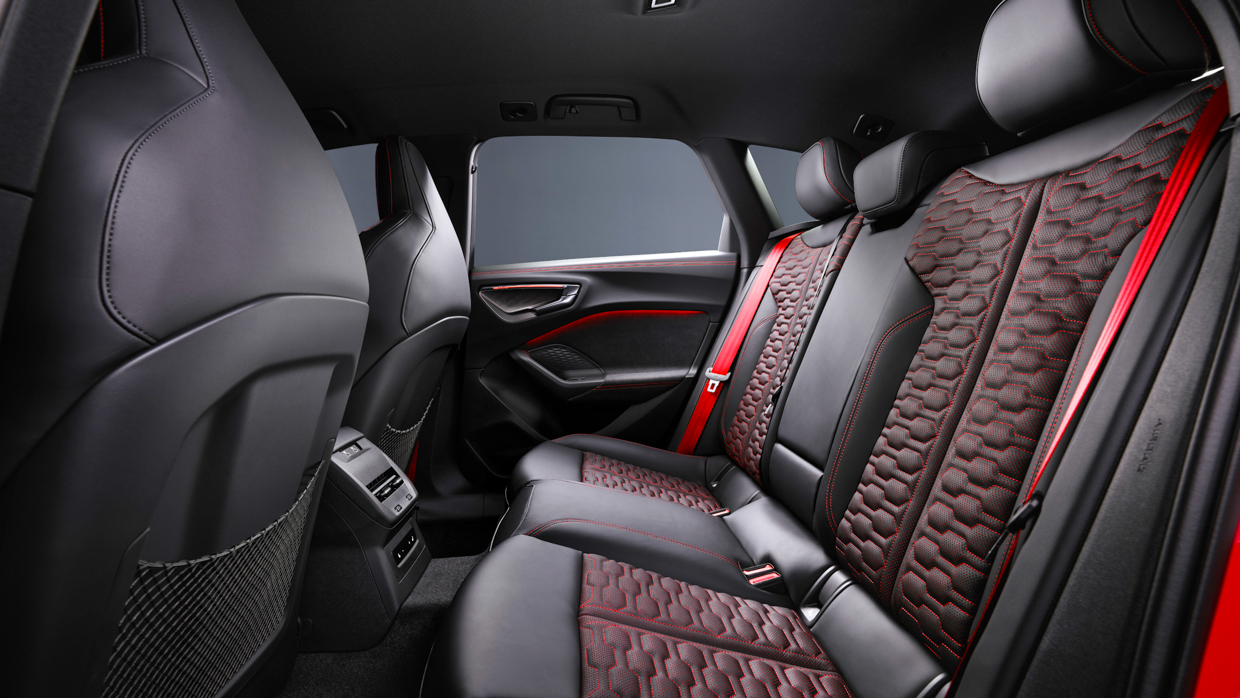
Back seat space is also solid, with a supportive base keeping adults comfortable. Headroom and legroom are sufficient for six-footers and even if the middle pew is a bit tight, amenities like air vents and cupholders will keep kids happy.
There are, however, a couple of downsides inside the RS5.
The first is that some of the secondary materials don’t feel up to Audi standards of old. Knurled switchgear and cold aluminium surfacing were once consistent cues for this brand, and they are slated to make a return to future models.
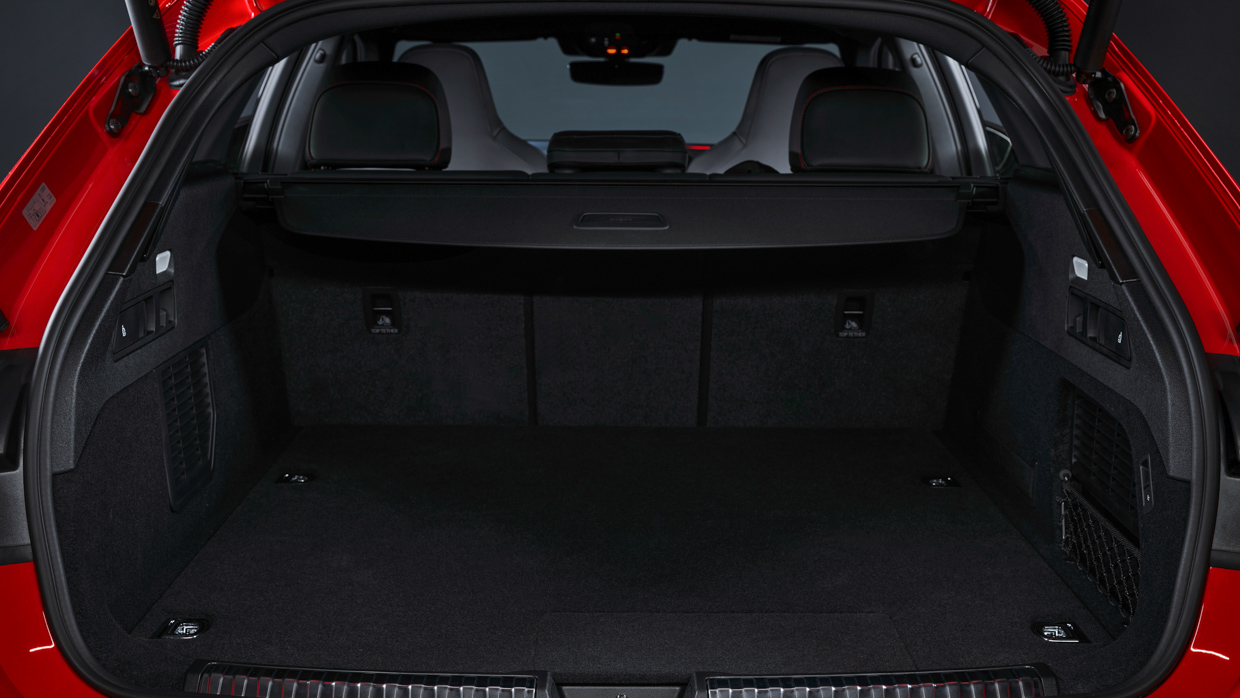
The second issue is boot space, which is limited at 361L in Avant form as the PHEV battery drives the cargo floor up. In the real world it’s perhaps not as snug as the numbers suggest and 40/20/40 folding seats helps, but ultimately the packaging is compromised.
In Europe, Audi makes a range of reasonably achievable efficiency claims. The brand says the RS5 can do 84km of electric driving (when charged to 100 percent), and that this model will than consume 9.5-10.2L/100km once the battery is fully discharged.
Our real-world results weren’t too far off. Driving moderately on the EV setting, we appeared to beat the claim, with our trip computer reading 23kWh/100km for 95 km electric range.
Then, with the V6 fired up and even charging the battery a little in the RS modes we managed 11.5L/100km on a hilly route.
The small 48-litre fuel tank limits combined range to around 500km, which is tight. Audi is working on a larger tank option.
Servicing pricing will be announced closer to the RS5’s Australian launch.
Based on first impressions when driven abroad — and on Moroccan roads more representative of Australia than you might think — the RS5 is shaping up to be seriously impressive.
When this model was revealed to the world last month, online sentiment seemed to appreciate the appearance and fear the weight.
The commenters were right about the looks, the RS5 is an attractive car, though the anxiety about the weight may be misplaced. For sure, the RS5 is heavy and we wish it were at least a few hundred kilos lighter.
Unfortunately, there is no such thing as a free lunch, and enthusiasts demanding the retention of big and beefy petrol engines should know that, in Europe and Australia, that burdens carmakers with finding CO2 savings elsewhere.
Plug-in hybrid is the obvious answer and in the RS5, Audi has possibly the best implementation of that technology we have ever seen.
The other available option to carmakers is to cut CO2 throughout the rest of the range while leaving a few halo performance cars with only mild-hybrid combustion power.
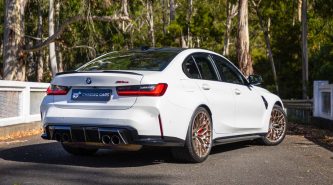
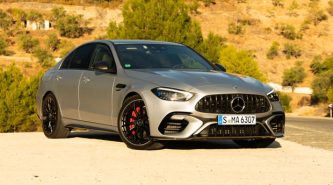
That’s what BMW plans to do with the next M3 (an inline-six petrol will be sold alongside a fully electric version), while AMG will shortly reverse course from a four-cylinder C63 PHEV to a mild-hybrid ‘six badged C53.
Audi bet big on blending PHEV with six-cylinder power, but only a comparison test against those key rivals will tell whether Ingolstadt got the mix right.
In isolation, however, the new RS5 rocks.
About Chasing cars
Chasing Cars reviews are 100% independent.
Because we are powered by Budget Direct Insurance, we don’t receive advertising or sales revenue from car manufacturers.
We’re truly independent – giving you Australia’s best car reviews.
The estimate provided does not take into account your personal circumstances but is intended to give a general indication of the cost of insurance, in order to obtain a complete quote, please visit www.budgetdirect.com.au. Estimate includes 15%^ online discount.
^Conditions Apply
Budget Direct Insurance arranged by Auto & General Services Pty Ltd ACN 003 617 909(AGS) AFSL 241 411, for and on behalf of the insurer, Auto & General Insurance Company Limited(ABN 42 111 586 353, AFSL 285 571).Because we don’t know your financial needs, we can’t advise you if this insurance will suit you. You should consider your needs and the Product Disclosure Statement before making a decision to buy insurance. Terms and conditions apply.
Indicative quote based on assumptions including postcode , 40 year old male with no offences, licence suspensions or claims in the last 5 years, a NCD Rating 1 and no younger drivers listed. White car, driven up to 10,000kms a year, unfinanced, with no modifications, factory options and/or non-standard accessories, private use only and garaged at night.
^Online Discounts Terms & Conditions
1. Discounts apply to the premium paid for a new Budget Direct Gold Comprehensive Car Insurance, Third Party Property Only or Third Party Property, Fire & Theft Insurance policy initiated online on or after 29 March 2017. Discounts do not apply to optional Roadside Assistance.
2. Discounts do not apply to any renewal offer of insurance.
3. Discounts only apply to the insurance portion of the premium. Discounts are applied before government charges, taxes, levies and fees, including instalment processing fees (as applicable). The full extent of discounts may therefore be impacted.
4. We reserve the right to change the offer without notice.