Powered by

-
Car Reviews
Latest reviews
-
Car News
Latest news
-
Car Comparisons
Latest comparisons
- Chasing Deals
Latest reviews
Latest news
Latest comparisons
Growing demand for luxury off-road vehicles has led BMW to consider whether to take the top-end of its X SUV lineup in a more hardcore direction
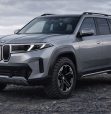
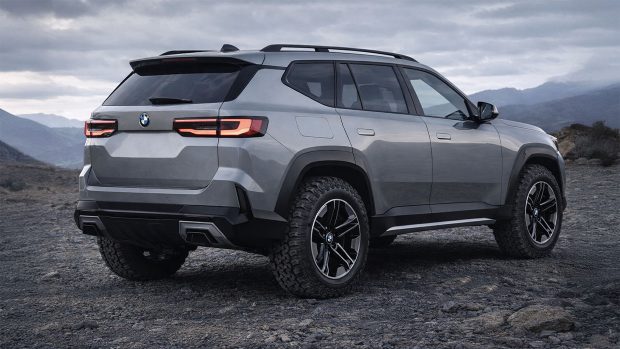
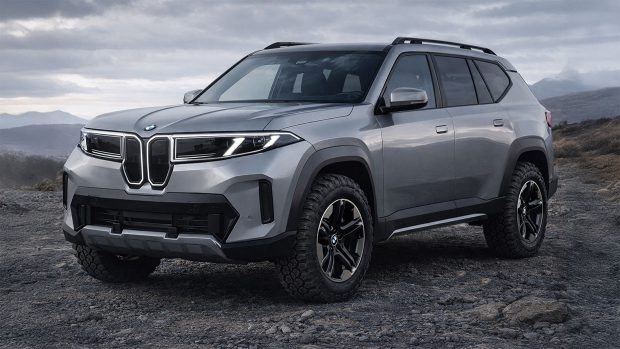
BMW is seriously weighing a move to shift the top end of its X-badged SUV lineup into the burgeoning luxury off-roading segment, though executives are yet to add a final signature to send the ultimate BMW SUV to production.
Speaking with Chasing Cars at the world premiere of the BMW i3 sedan in Munich, BMW head of Neue Klasse models Dr Mike Reichelt acknowledged the brand is looking at opportunities to push the boundaries of its lineup.
“In principle, we look at the market, and we look at options to increase our product portfolio,” Reichelt said. “That is a strategic option, every day.”
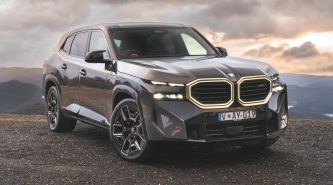
Previously broken by trade publication Automotive News, BMW’s plan — internally dubbed ‘Project Rugged’ could look to replace the XM halo model with a beefed-up 4WD by 2029.
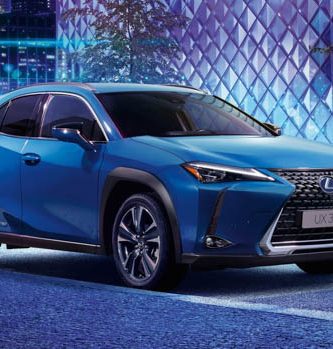
BMW executives have noted escalating interest for SUVs of all sizes, and particular attention has been given to demand for high-margin, high-capability luxury off-roaders like the Mercedes G-Class, Range Rover, and Lexus LX.
“What we are also seeing is that the trend towards SUV, SAV, that is not changing,” said BMW’s sales head for the Asia-Pacific, Africa, Eastern Europe and Middle East markets Ritu Chandy, noting the latter region’s interest in hitting the sand dunes.
While Neue Klasse boss Reichelt acknowledged “no decision” had yet been made, he shared with Chasing Cars that there are open questions for the project.
“In principle, Neue Klasse technology would also be possible to integrate in such a car,” Reichelt said.
“But there are many questions. Is it a fully electric vehicle only, or do we use another architecture that we have?”
The reason the platform question is being asked is because BMW’s much-hyped Neue Klasse platform has hardened as an EV-only proposition.
The well-regarded Cluster Architecture (CLAR) platform, which first appeared in 2015, will continue in service at BMW for some models which need to be able to accept EV, petrol, diesel and hybrid engines on one production line.
However, CLAR has been modernised to accept the superbrain zonal computing technology developed by Reichelt’s team for Neue Klasse models.
That would mean that a rugged BMW 4WD based on CLAR would be smarter than any existing X5, X7 or XM model — but like those cars, it could still accept six- or eight-cylinder combustion engines with or without a hybrid system.
A fully electric version would also be possible if demand for an EV four-wheel drive was found to be strong enough in future.
Use of the unibody CLAR platform would make a BMW 4WD more similar in execution to a Range Rover or Rivian than to a frame vehicle like a G-Class or Toyota Land Cruiser.
With a possible launch date of 2029 discussed in trade media, final calls on these questions would need to be made soon.
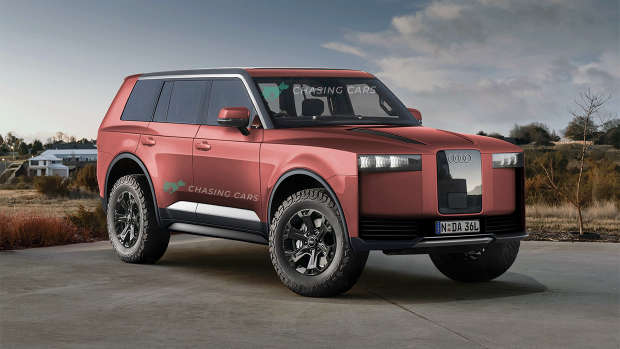
Key rival Audi is in a similar position, with the Ingolstadt-based brand also investigating whether to enter the Range Rover segment with a hardcore off-roader of its own.
Audi may adopt the ladder-frame platform and electrified powertrains developed by Volkswagen Group brand Scout Motors, with an available combustion range-extender to boost battery charge.
That would position Audi’s entrant as EV-first, with combustion playing a supporting role.
That’s a markedly different approach to BMW’s “Technology Openness” strategy, which will see the brand offer pure-ICE and plug-in hybrid drivetrains as an alternative to EV in segments where customer demand still favours combustion.
By contrast, a CLAR-based BMW off-roader would likely be driven primarily by its combustion engine.
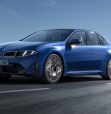
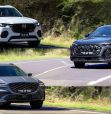
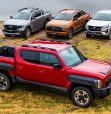
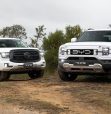
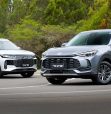
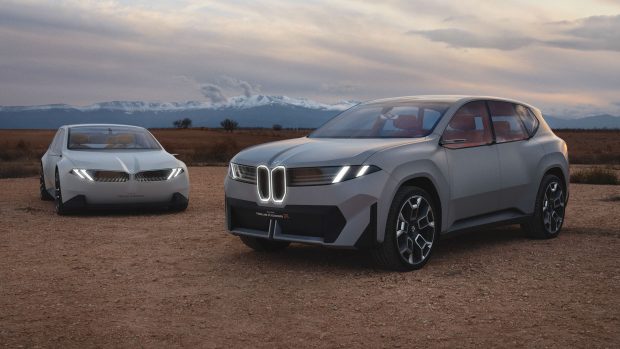
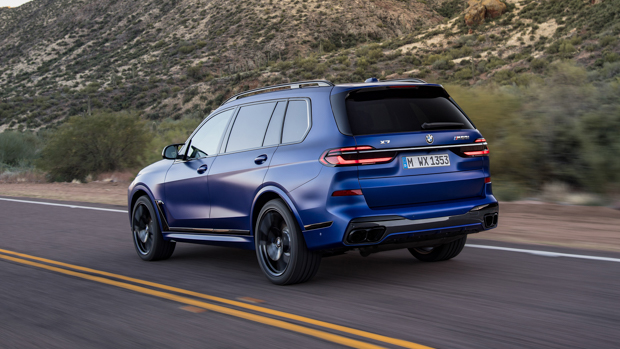
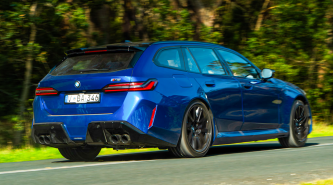
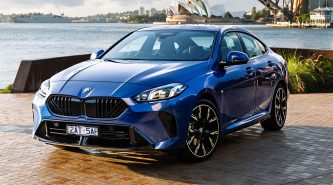
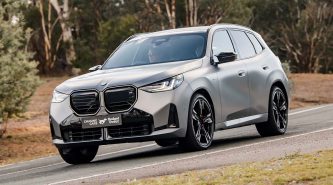
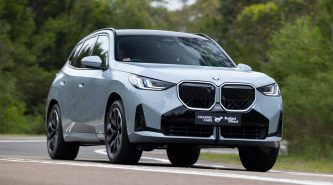
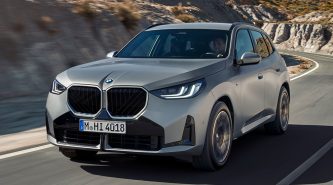
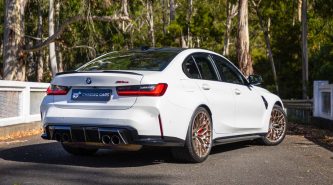
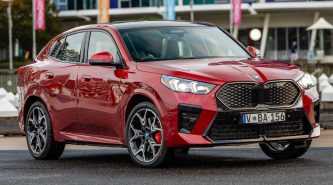
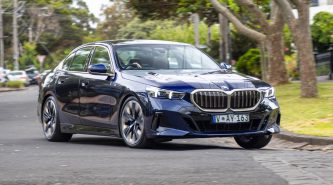
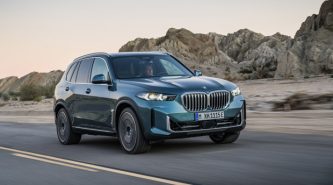
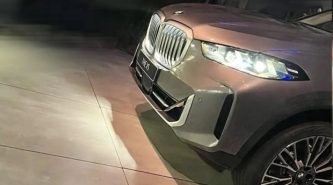
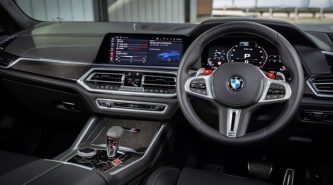
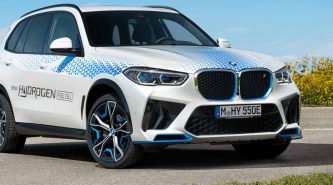
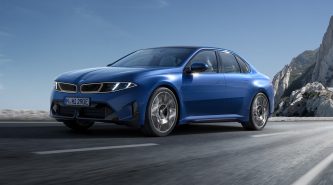
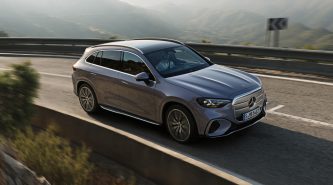
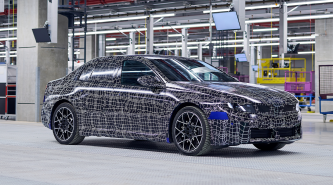
Editor’s note: The lead images for this story were generated with the assistance of artificial intelligence
Latest news
About Chasing cars
Chasing Cars reviews are 100% independent.
Because we are powered by Budget Direct Insurance, we don’t receive advertising or sales revenue from car manufacturers.
We’re truly independent – giving you Australia’s best car reviews.