Powered by

-
Car Reviews
Latest reviews
- Car News
-
Car Comparisons
Latest comparisons
- Chasing Deals
Latest reviews
Latest comparisons
Mazda admits that lessons have been learned about launching its Large Product Group architecture models before they were ready for market
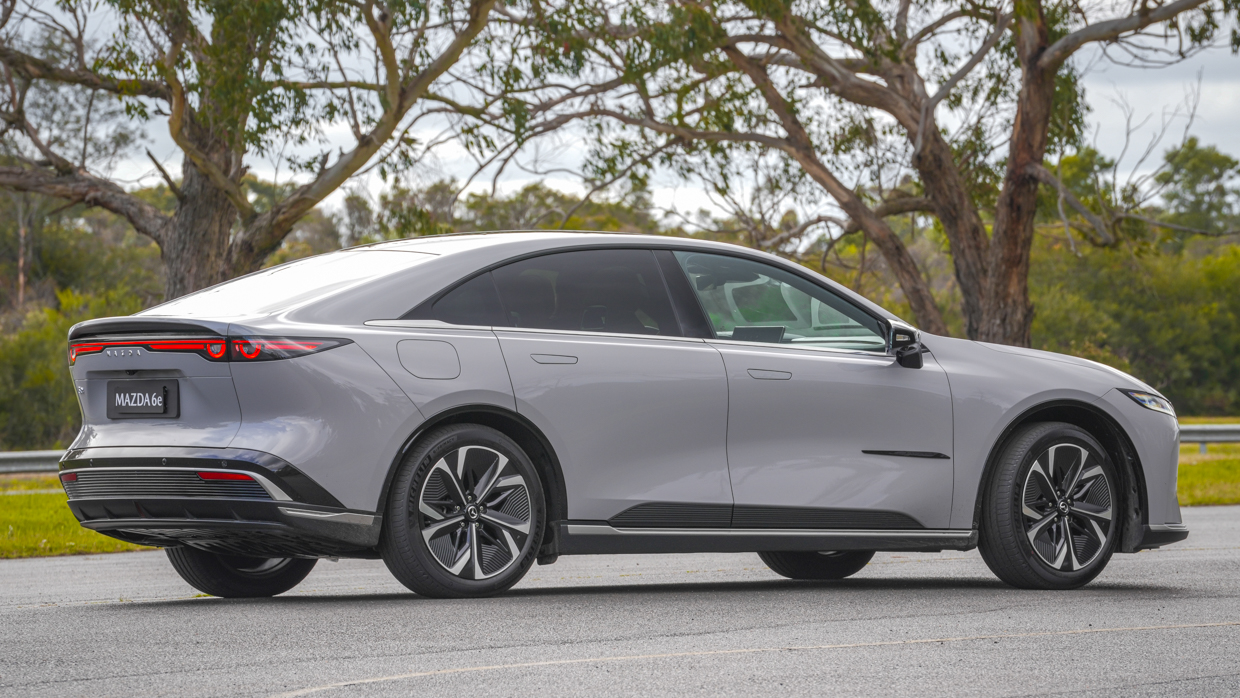
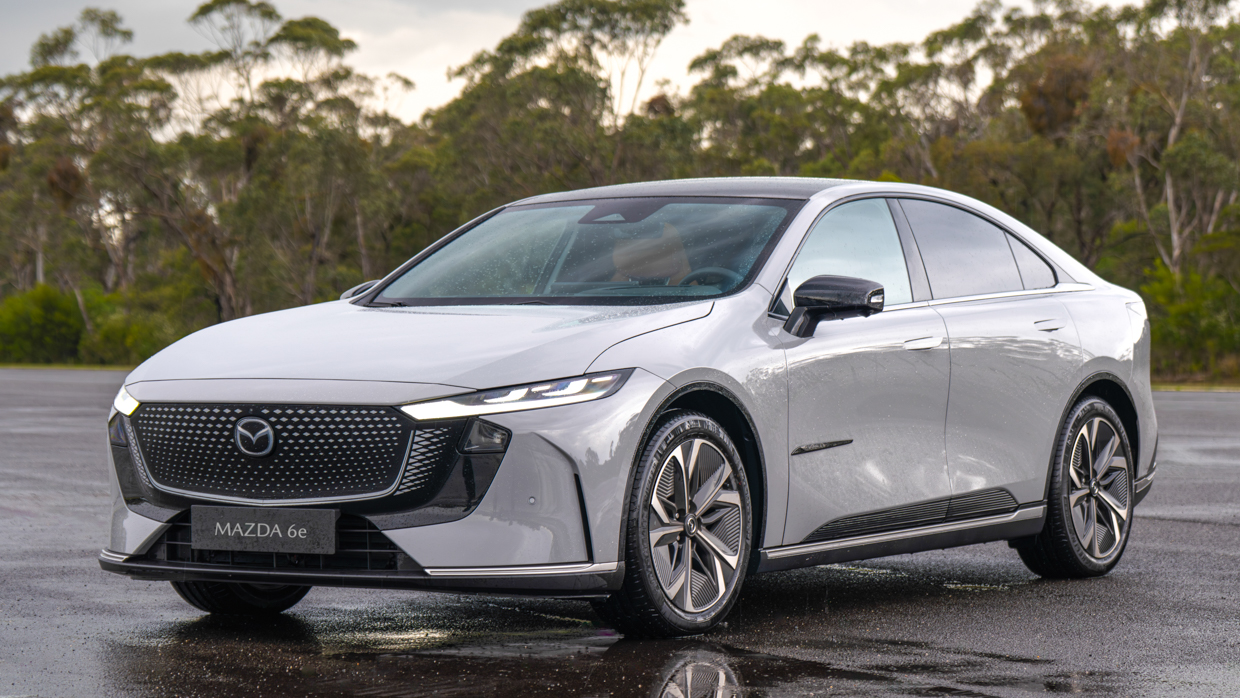
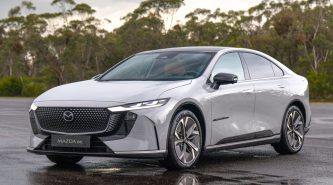
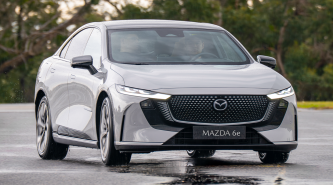
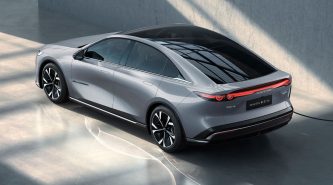
As Mazda Motor Corporation continues to fine-tune the dynamics and overall calibration of its Chinese-made, all-electric Mazda 6e sedan in preparation for sales expansion into more markets (including Australia in Q2 2026), a European engineering manager has admitted that the brand won’t repeat the mistake of rushing its products to market like it did with its Large Product Group vehicles in 2022.
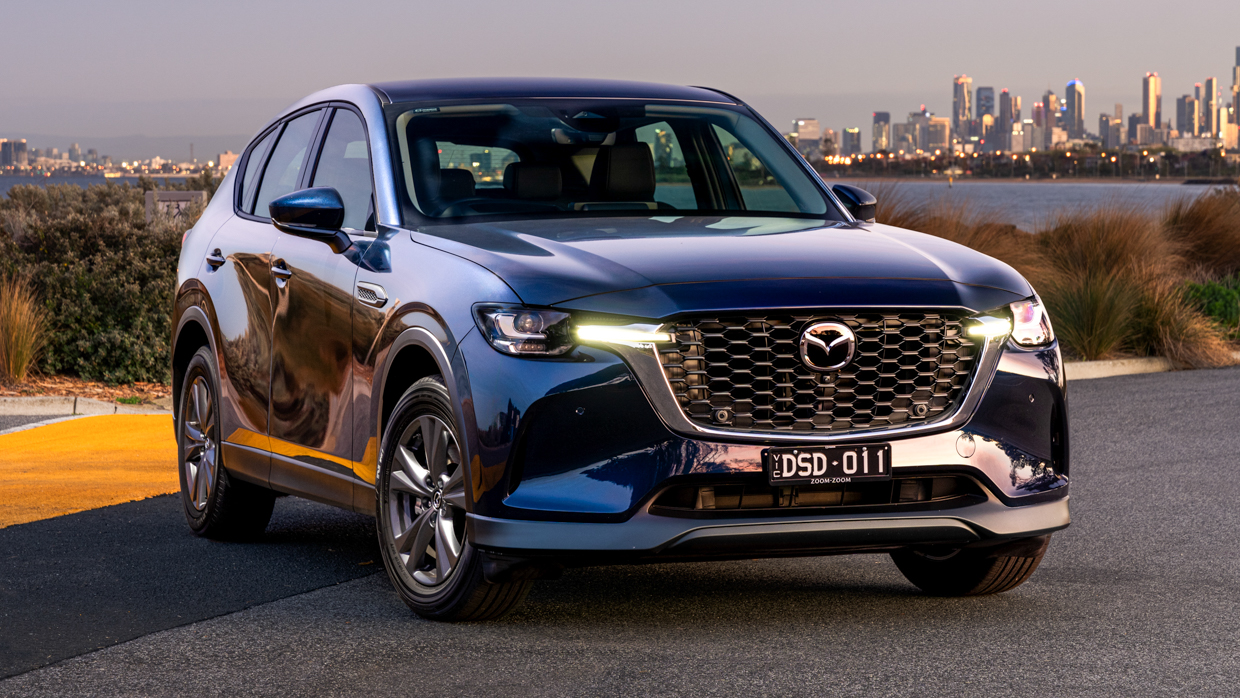
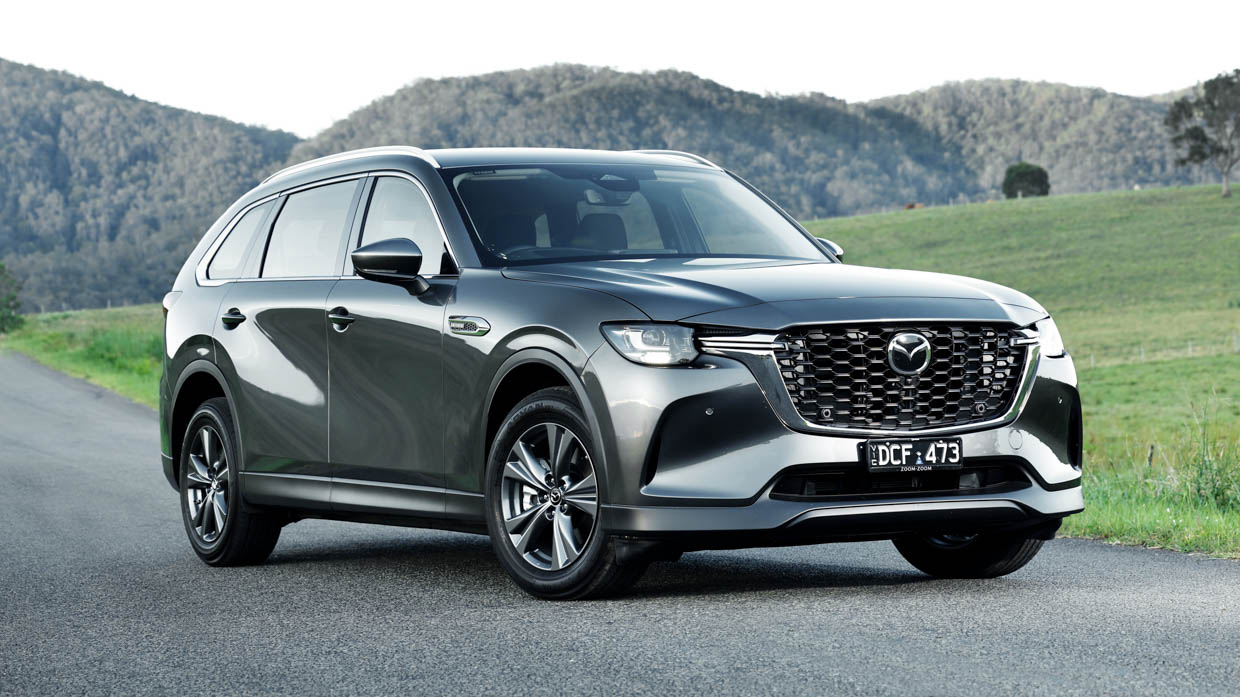
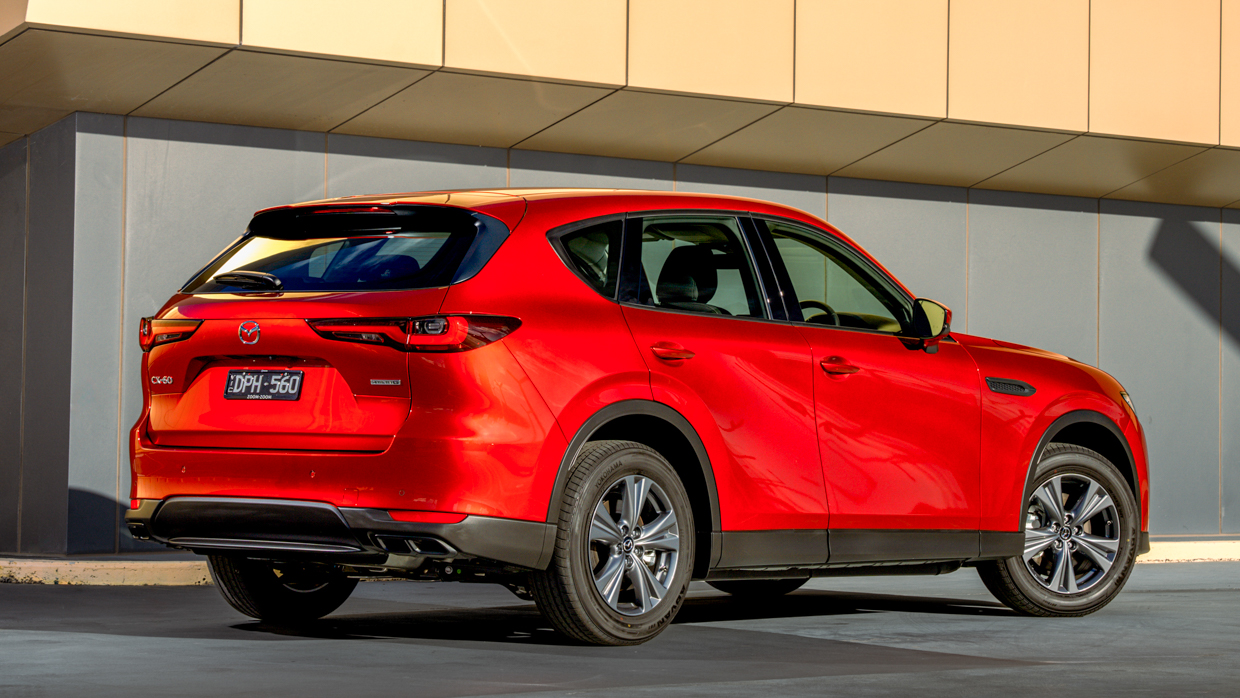
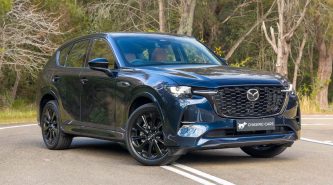
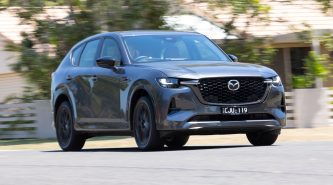
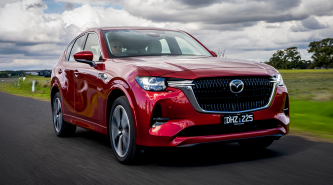
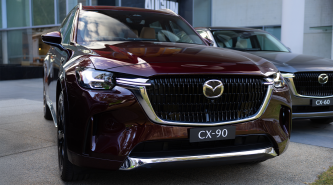
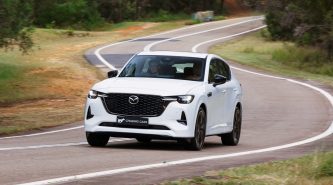
The chief model in question is Mazda’s crucial CX-60 premium-medium SUV, which has received two engineering revisions in two years – the most comprehensive of which appeared in May 2025, further overhauling the suspension tune and tweaking drivetrain software – but the criticism also relates to the mechanically related CX-90 premium large SUV, and its CX-70 five-seat twin.
Responding to a question about the speed of Chinese vehicle development, Mazda Motor Europe’s senior manager product development and engineering, Alexander Fritsche, said that he feels that many manufacturers have been introducing vehicles to market before they’re ready, leaving many R&D loose ends to be sorted once the cars are already with customers – and that includes some Mazdas.
“In China, they have a huge pool of workers who can instantly support if necessary. This is limited in Europe and Japan, and we have to cope with the resources we have. Also … the western style or Japanese style seems to be still linked to very strategic and long-term planning. The Chinese act quicker on changes,” he said.
Fritsche admitted that Mazda Motor Corporation is reconsidering how it can be more dynamic and efficient in its vehicle development – “[there’s] a need worldwide to have our products quick but good in the market” – but not at the expense of engineering quality and finesse, or indeed durability.
“I think in recent years, this for me is the problem – what I’ve seen in many, many areas [with] all car makers is that the vehicles are too quick [to] market, and all the durability processes have been reduced by many, many makers, so the final tuning is then done in the market.
“And this is basically what Mazda never wanted. So I hope we can find a way to have the ideal balance in future,” he said, referencing vehicle developments beyond the Large Product Group architecture, as well as ongoing tuning of the Mazda 6e electric sedan.
“Our history, if you look back into the vehicles [of previous generations] we had fantastic products, well-engineered. Also the [pre-Covid] generation, small, very good product. And then we have some, let me say, ‘quick start’ with one product [the CX-60] – I admit that actually was not 100 percent [when it launched],” said Fritsche.
“We had also in Europe a couple of issues with this vehicle in the market [the plug-in hybrid CX-60], that all the resources available in Mazda really tried hard to rework. And now the car is, I think, well done. Also the bigger vehicle we have also in Europe here [the CX-80]. So there were big, big, big learnings,” he said.
The issues Fritsche was referring to included refining the smoothness of the CX-60’s four-cylinder plug-in-hybrid powertrain – the initial offering in Europe – which received clutch-control improvements for the eight-speed auto in the 2025 update to achieve “smoother and more responsive combustion-engine-to-electric-motor transitions and a wider gear range for the best balance of enjoyable driving dynamics and environmental performance.”
Yet internal sources have hinted that the eight-speed auto’s tendency to occasionally thump gearchanges during kickdown – especially when everything is warm or hot – relates to the negligible space between the transmission and its housing, so as the bushings heat up and become squidgier, it’s the sound of the two making contact that passengers can hear. And it can’t be fixed without costly re-engineering – the software tweaking being merely a band-aid solution.
“There were some other things happening about the drivetrains, where it was difficult to implement measures quickly as the pressure came from the market to have the product in the market,” said Fritsche. “So learnings were done, believe me.”
“There were heavy, heavy discussions and heavy consequences to make sure that [Mazda] products satisfy the customer from the first one [delivered],” he said.
Latest news
About Chasing cars
Chasing Cars reviews are 100% independent.
Because we are powered by Budget Direct Insurance, we don’t receive advertising or sales revenue from car manufacturers.
We’re truly independent – giving you Australia’s best car reviews.