Powered by

-
Car Reviews
Latest reviews
-
Car News
Latest news
-
Car Comparisons
Latest comparisons
- Chasing Deals
Latest reviews
Latest news
Latest comparisons
Pivot to multi-pathway powertrain strategy will see petrol, plug-in and electric Cupra models supplemented by new Volkswagen Group hybrid tech in future
Cupra will continue to produce cars with petrol, plug-in hybrid (PHEV) and electric powertrains for the foreseeable future as the Spanish brand navigates uneven global EV adoption rates and divergent CO2 regulations around the world.
Speaking to media including Chasing Cars at the brand’s annual conference, Cupra chief executive Markus Haupt said a multi-pathway powertrain strategy is now an essential hedge during a rocky transition period for the car industry.
“For us, it is super important to stay flexible during the next [few] years, because the speed of acceptance of EVs, and the speed of infrastructure for charging, is different between countries,” he said.
“We are betting, still, on combustion for some countries — we [shouldn’t] forget that we serve many overseas markets where electrification is not even being discussed — and we have PHEVs as a very good transition technology,” said Haupt.
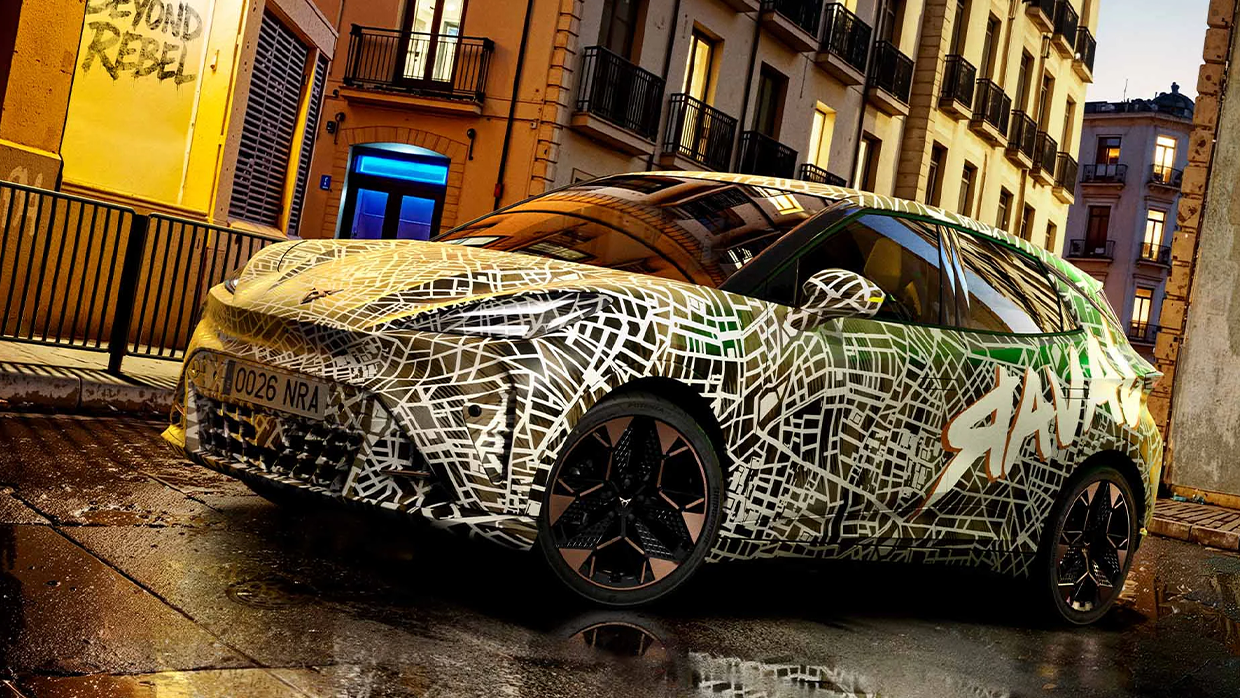
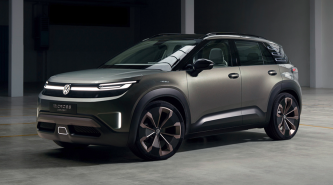
The comments clarify Cupra’s medium-term product direction as the Volkswagen Group marque prepares to launch its most important electric model yet — the Raval city car, set to be priced from just 26,000 euros ($42,000) in its home market.
Cupra sees the Raval as essential to building market share in the European Union, which continues to steam full speed ahead towards widespread EV adoption due to strict vehicle taxation and emissions policies.
Closer to home, Australia’s New Vehicle Efficiency Standard (NVES) laws have aligned the direction of the local market with the European approach.
Under NVES, carmakers like Cupra are heavily incentivised to tempt customers into buying an EV — or a PHEV — instead of a non-electrified vehicle.
PHEVs are currently seen by car manufacturers as a palatable solution for Australian buyers, combining some electric driving with extended driving range from a combustion engine.
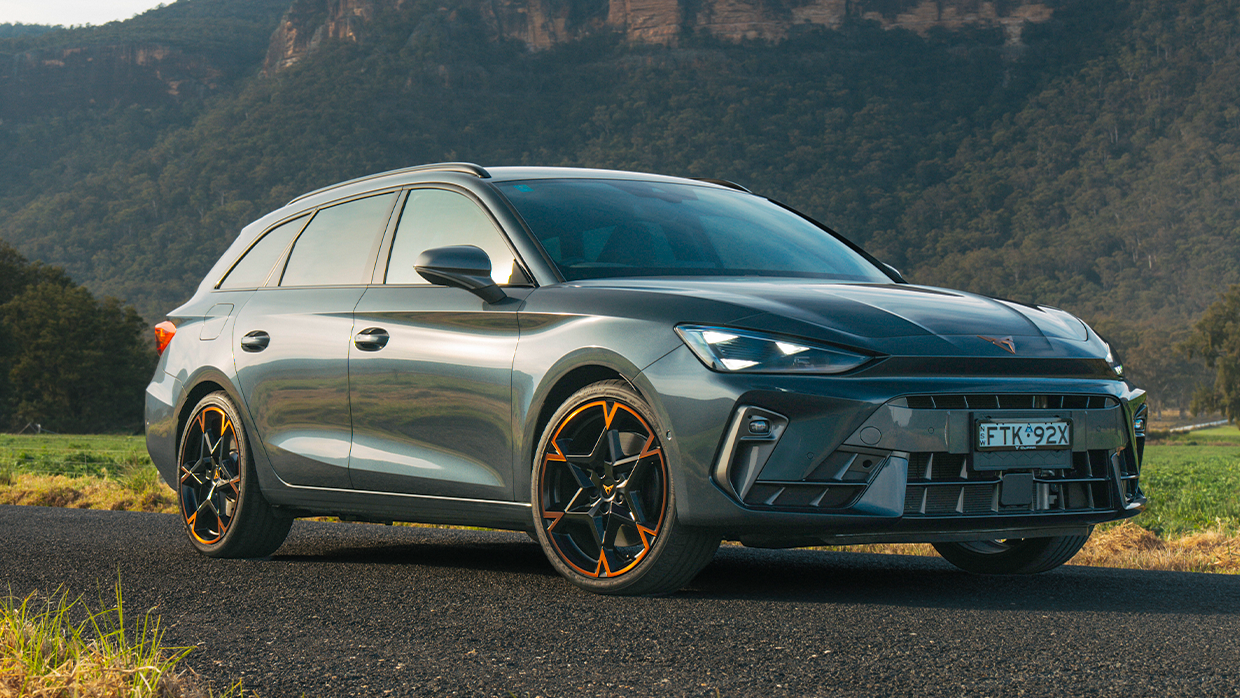
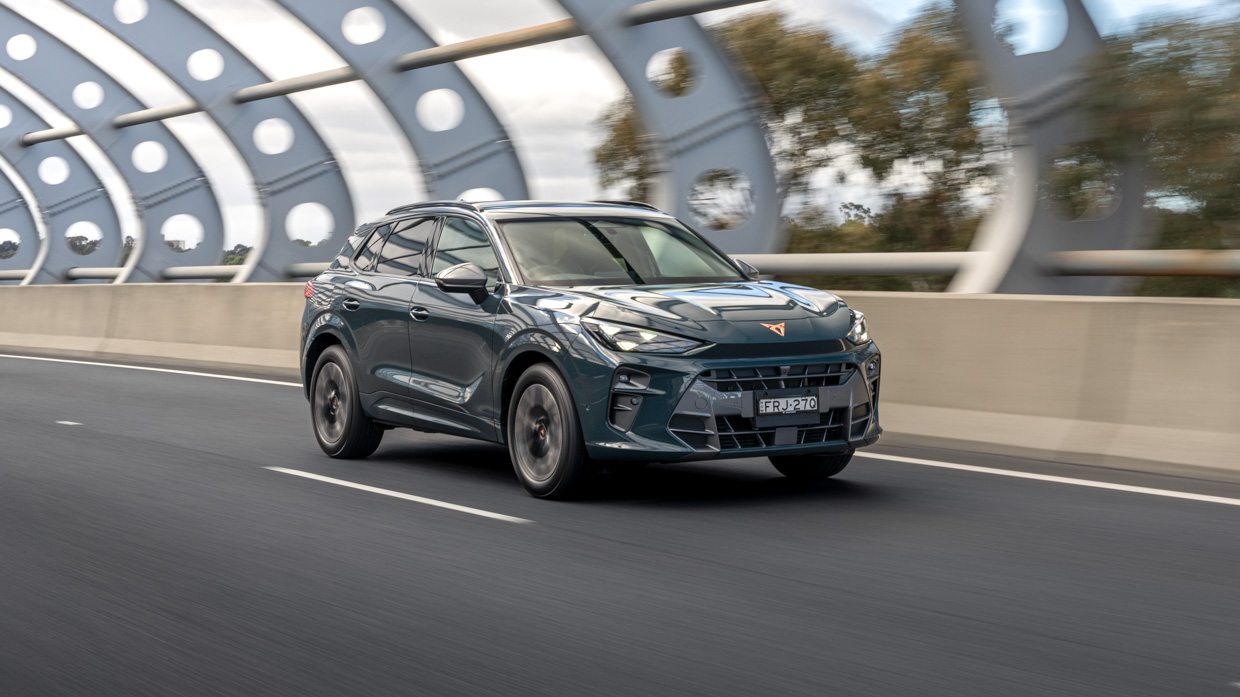
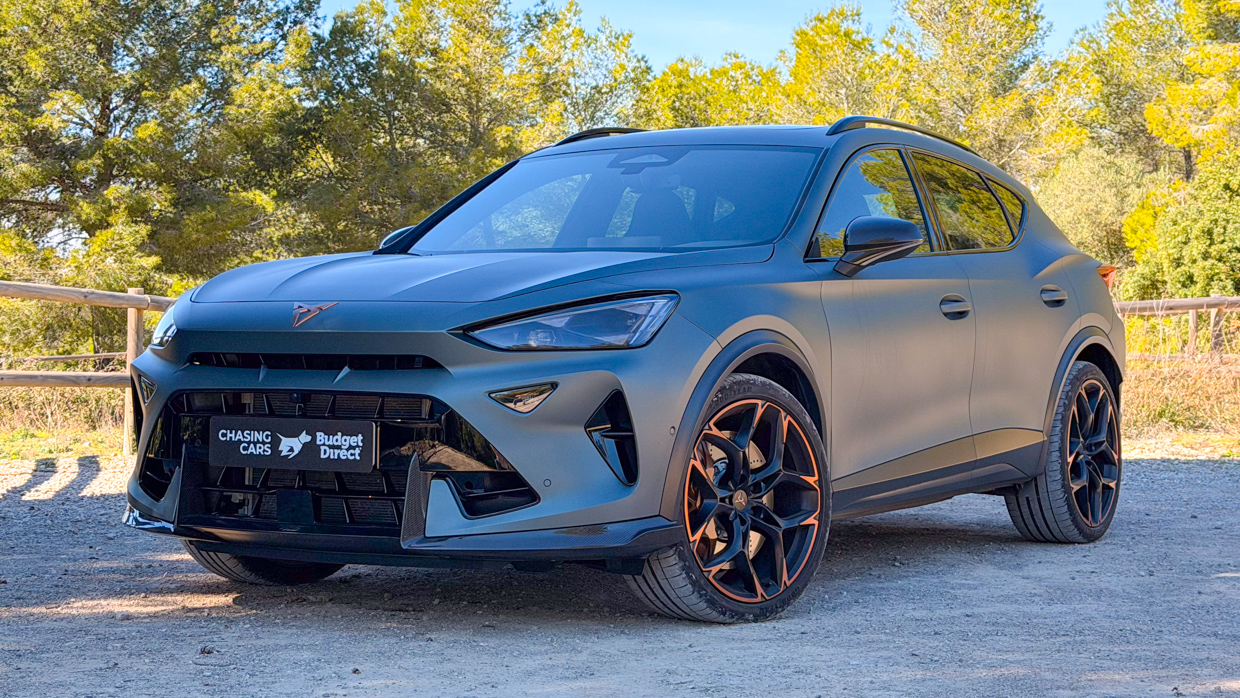
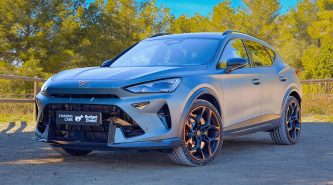
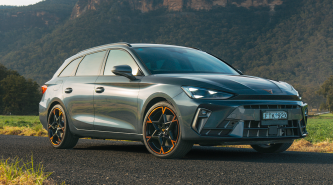
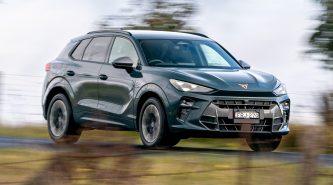
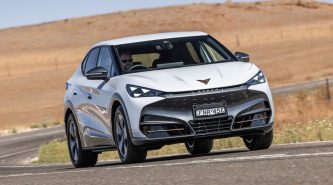
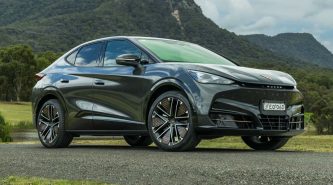
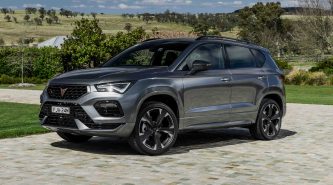
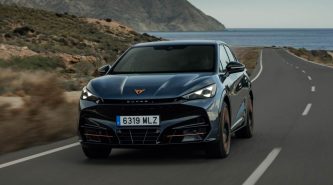
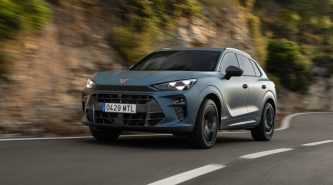
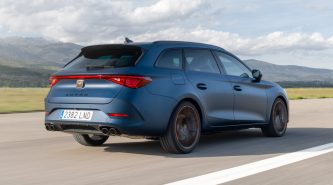
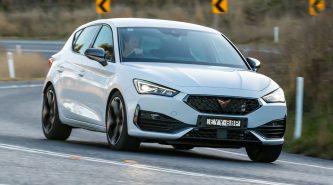
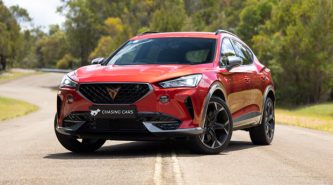
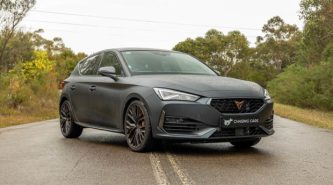
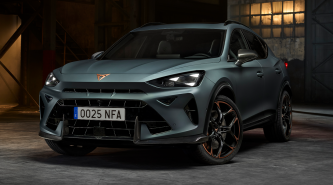
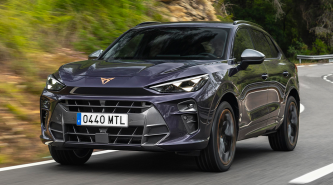
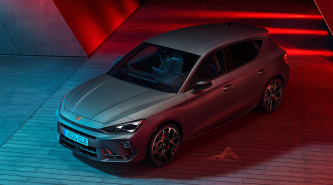
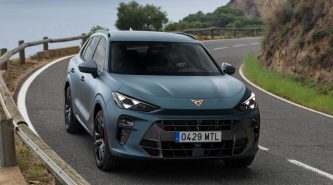
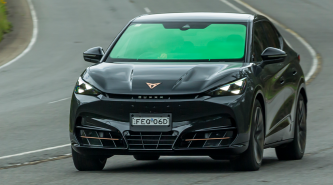
Cupra, which sells the Leon small car, as well as the Formentor and Terramar SUVs, with the option of PHEV power, initially committed in 2021 to selling 100 percent EVs by 2030.
By early 2025, the fully electric commitment had been walked back due to faltering growth in EV demand.
Chief financial officer Patrik Mayer said that electrification remains central to Cupra’s future profitability, with the affordable Raval set to spearhead improved margins for EV models.
“The margin on BEVs will look completely different with the Raval, and any other car that might come on ththis platform, than what we currently have in our portfolio,” he said.
Even so, Cupra executives repeatedly emphasised that electrification will not happen at the same pace in all markets, making a flexible powertrain strategy essential.
The flexibility doctrine will result in more types of hybrid powertrains joining the Cupra lineup in future.
With a full hybrid powertrain under study, Cupra is also actively considering whether to add a range extender hybrid (REEV) into the lineup, which would have around 200km EV range and a petrol engine to generate electricity on the go for a further 400-800km.
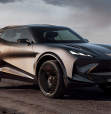
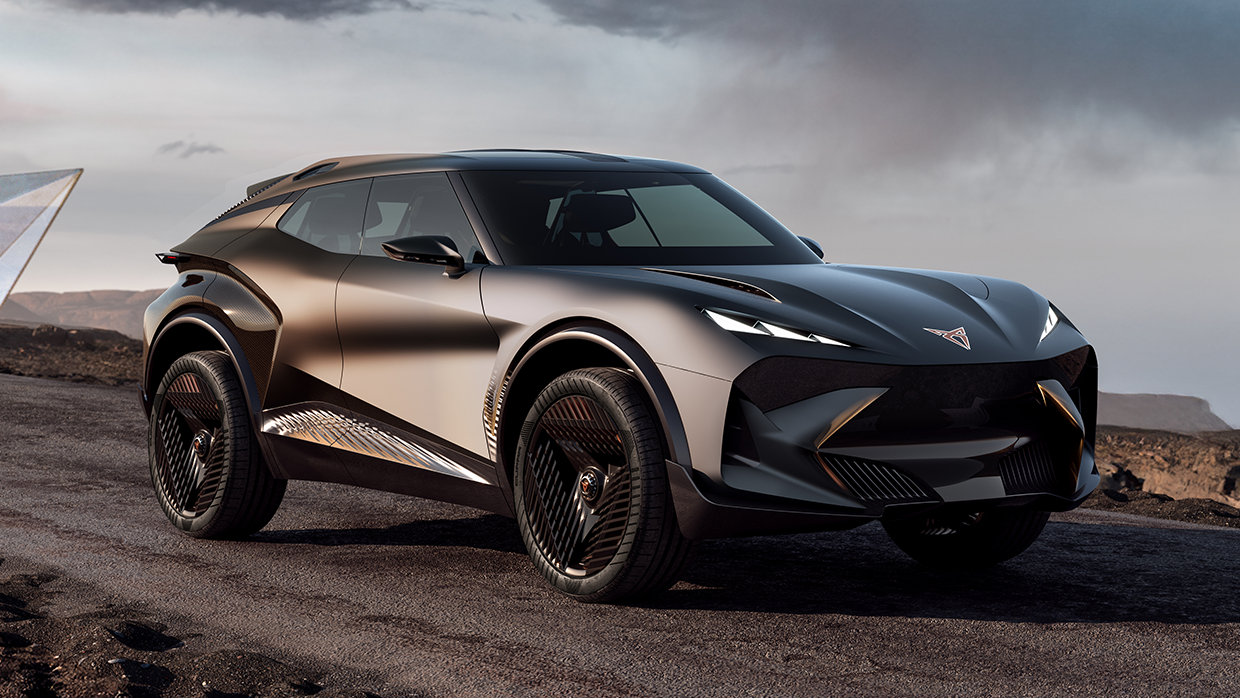
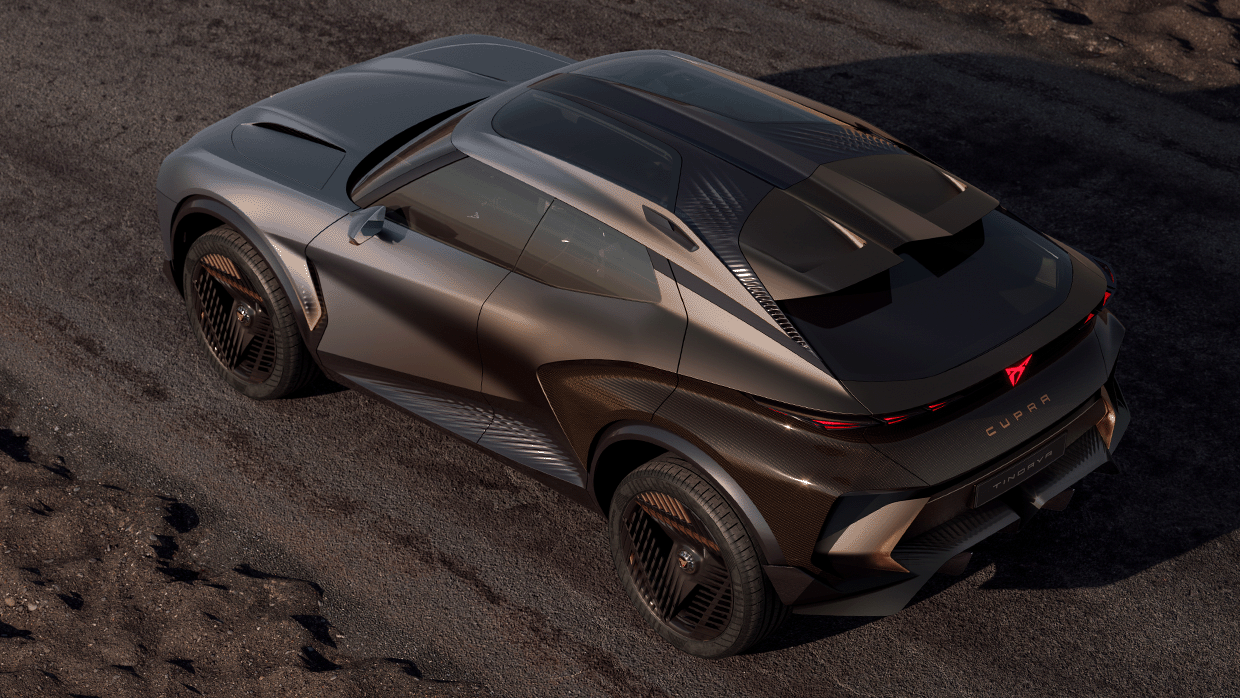
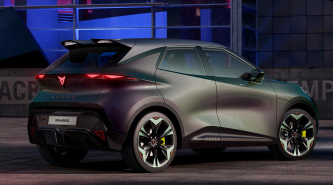
Brand chief Markus Haupt confirmed that the Cupra Tindaya REEV concept shown at the 2025 Munich motor show was not a mere design exercise, but a preview of the brand’s future thinking.
“That car, as a concept, had a range extender, and range extenders are being discussed. Some brands are already starting with it.
“We need to take a very detailed look at the trend, and we need to make these decisions on a group level to ensure we have the right powertrains for the future. This will depend on the market and the consumer.”
REEVs combine an electric-first drivetrain (with one or more motors) with a small engine used solely as a generator to recharge a midsized battery, allowing drivers to travel long distances without relying entirely on charging infrastructure.
While still a rare powertrain type in Europe, the REEV concept has already gained traction among Chinese manufacturers, with models like the Geely Starray, Leapmotor C10 REEV and BYD Sealion 8 demonstrating the approach.
Latest news
About Chasing cars
Chasing Cars reviews are 100% independent.
Because we are powered by Budget Direct Insurance, we don’t receive advertising or sales revenue from car manufacturers.
We’re truly independent – giving you Australia’s best car reviews.