Powered by

-
Car Reviews
Latest reviews
- Car News
-
Car Comparisons
Latest comparisons
- Chasing Deals
Latest reviews
Latest comparisons
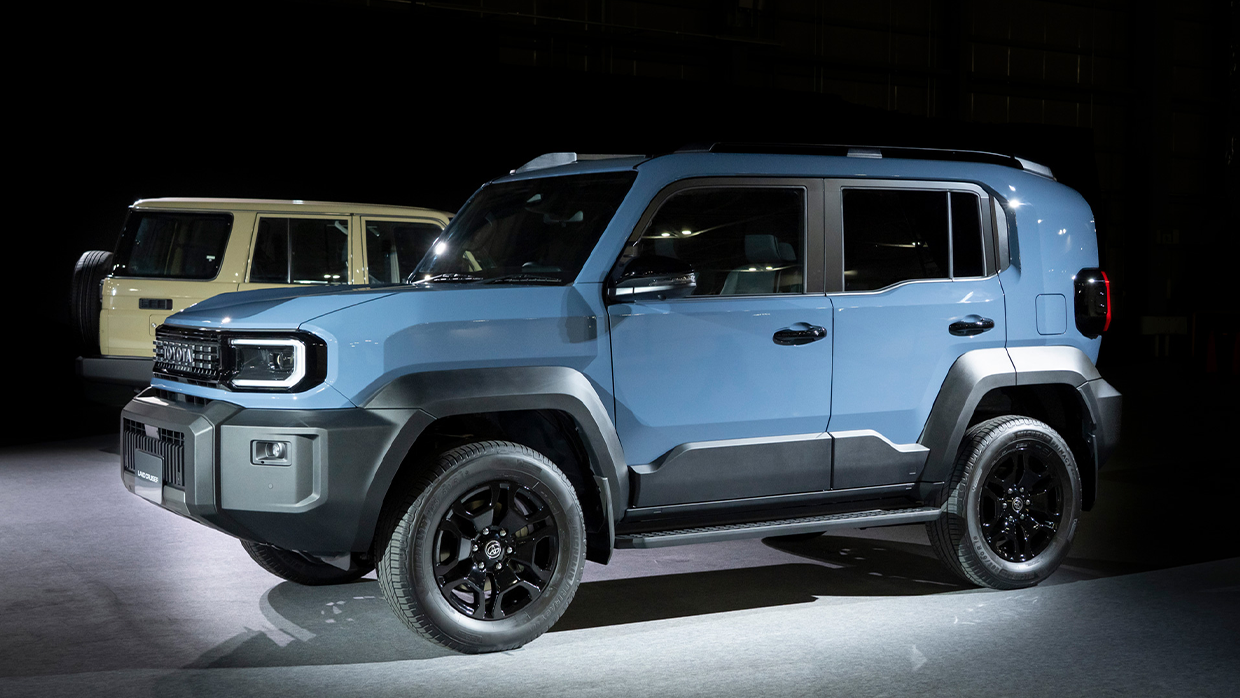
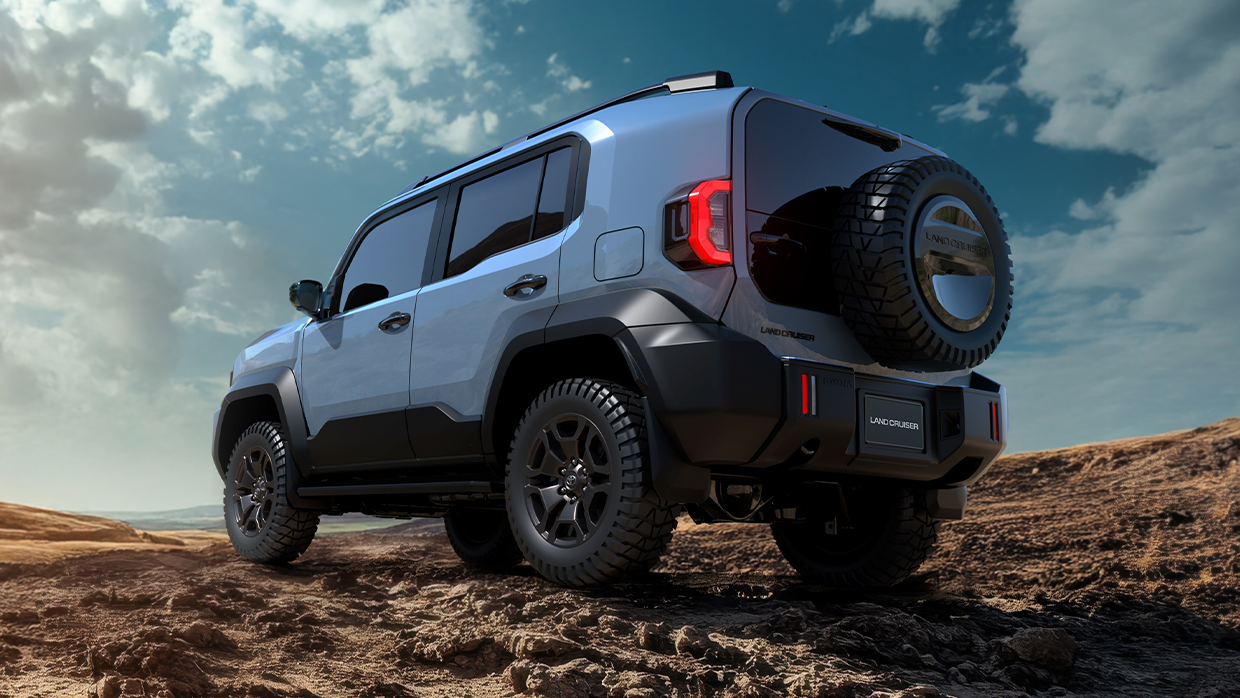
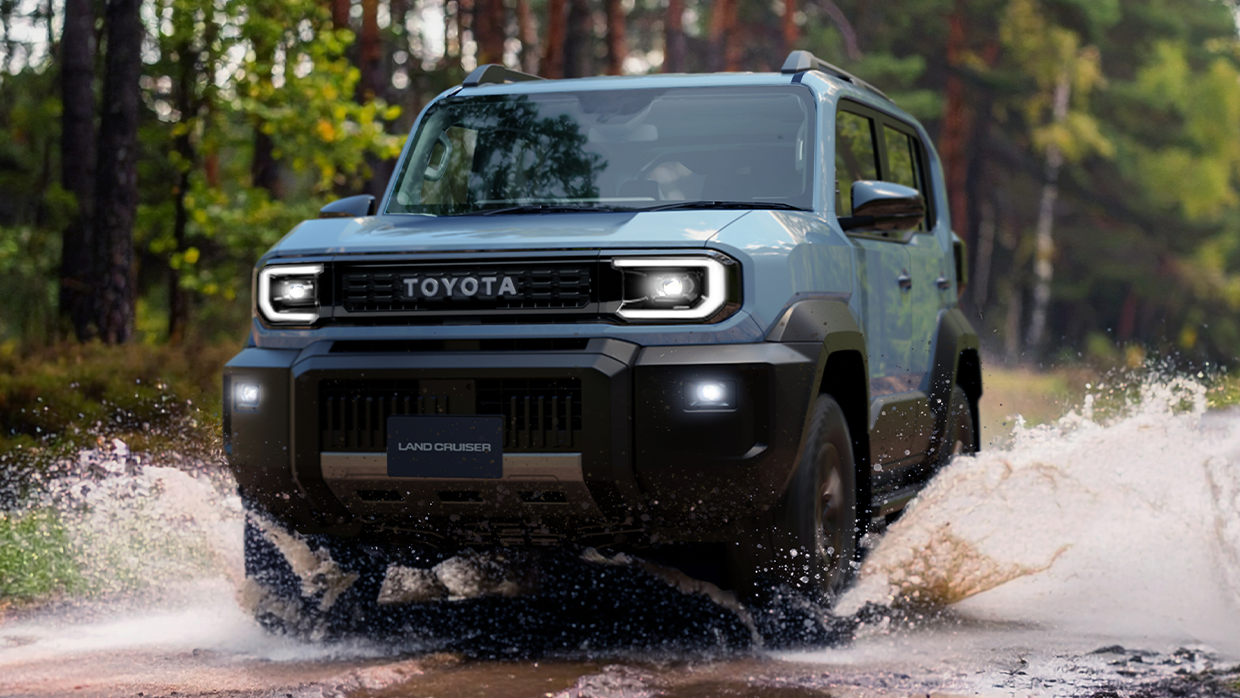
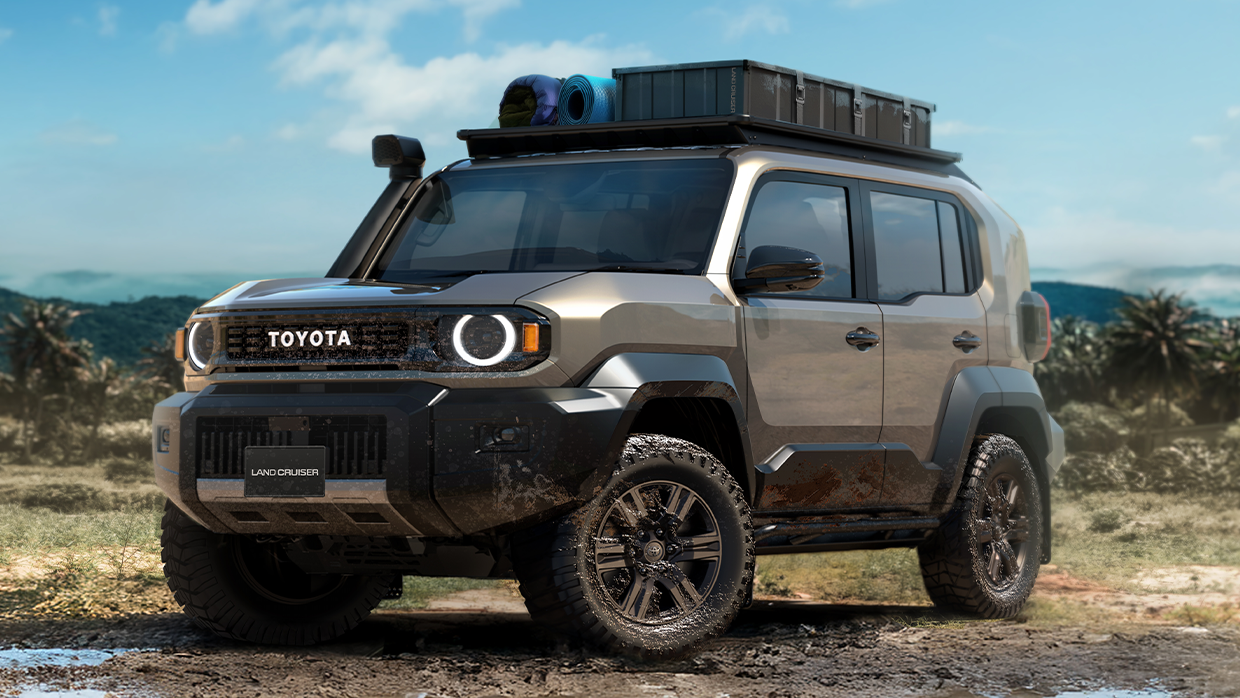
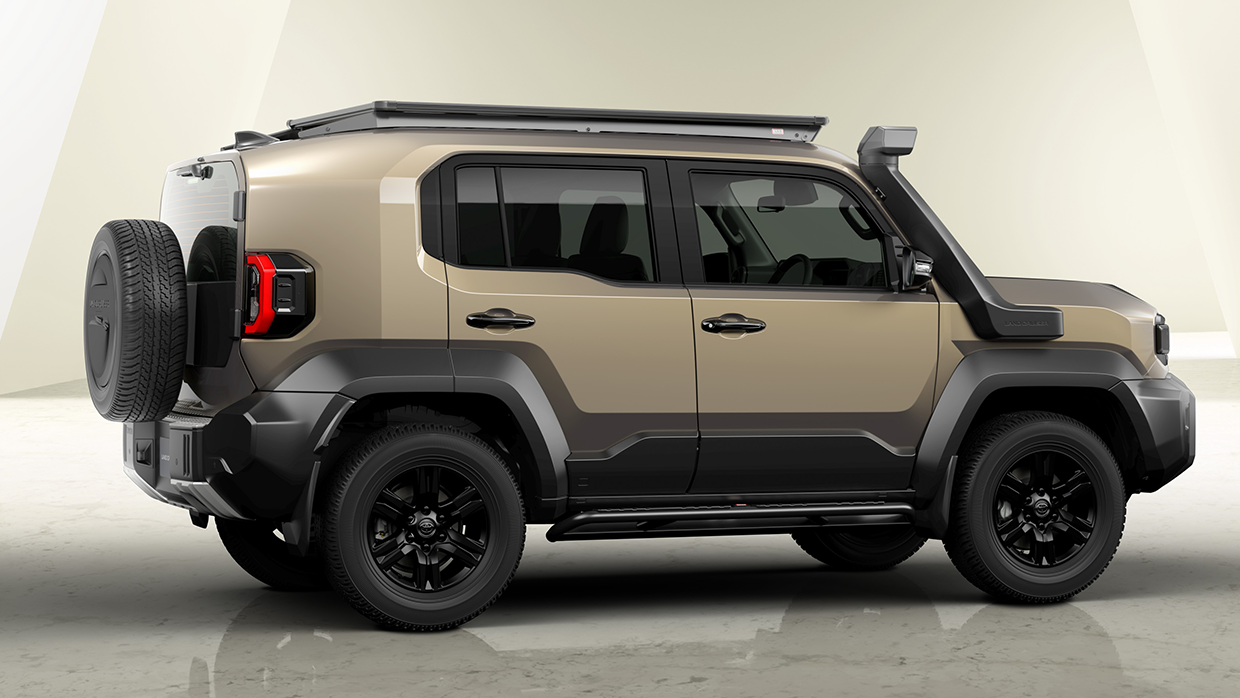
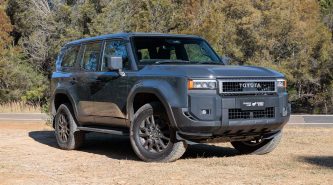
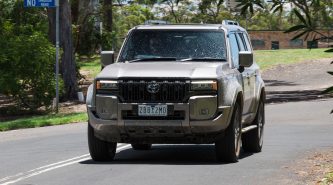
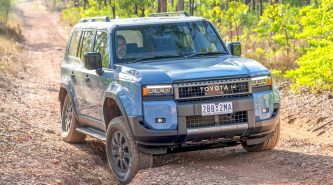
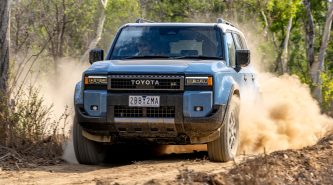
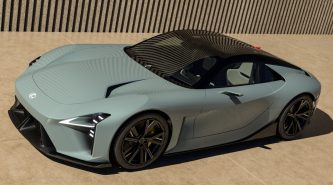
The 2026 LandCruiser FJ has fired the internet up, but how much does it actually have in common with the FJ Cruiser, and does it even deserve the nameplate?
While Toyota Australia has not confirmed we will be getting the 2026 LandCruiser FJ, it’s safe to say the demand is there for a smaller, more affordable four-wheel drive with genuine off-road capabilities. Not everyone wants or needs a full-size Tundra at the end of the day.
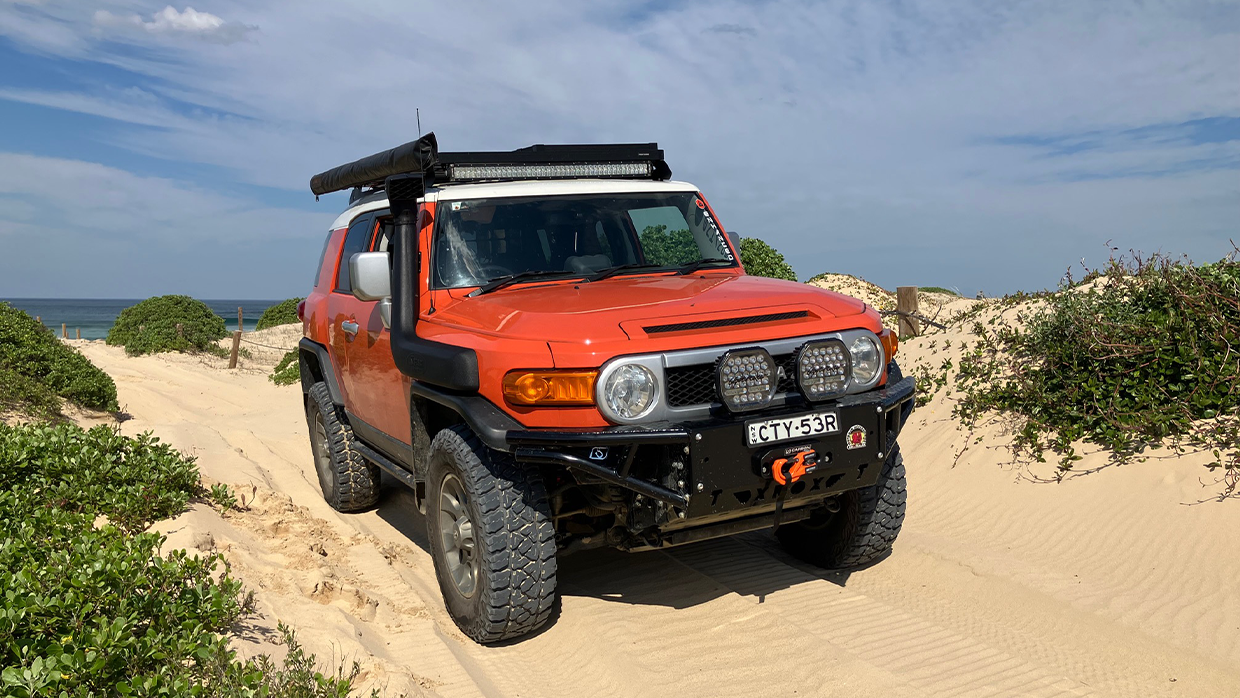
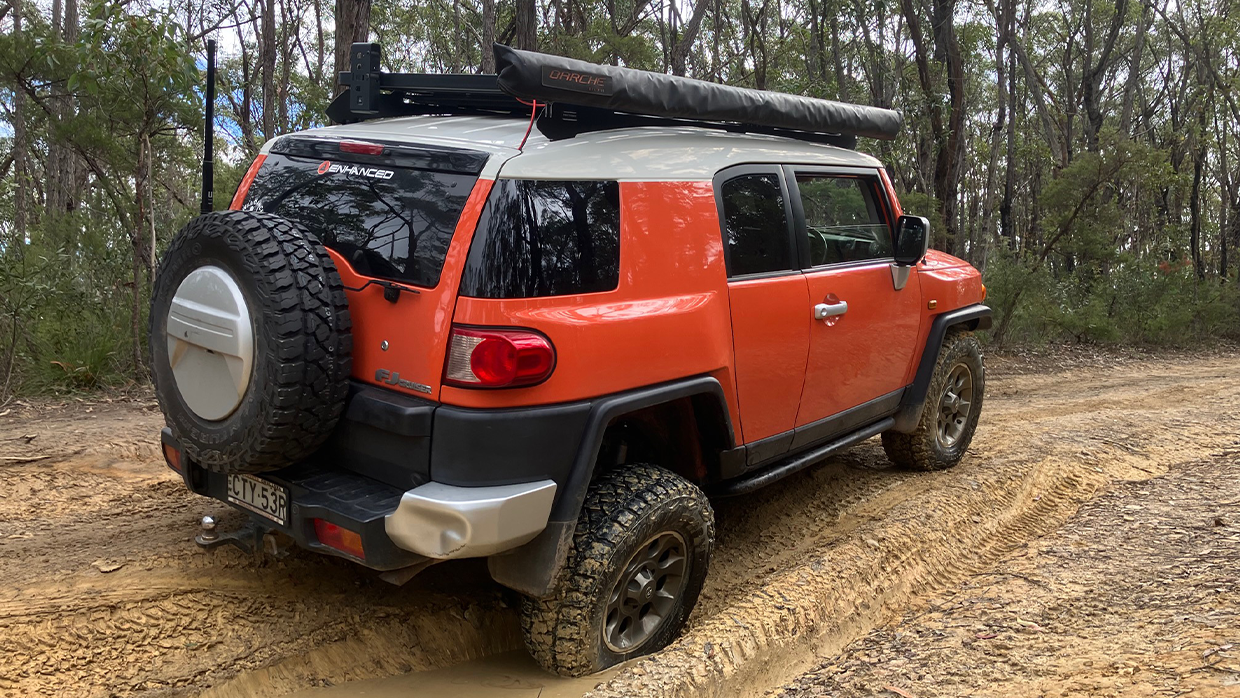
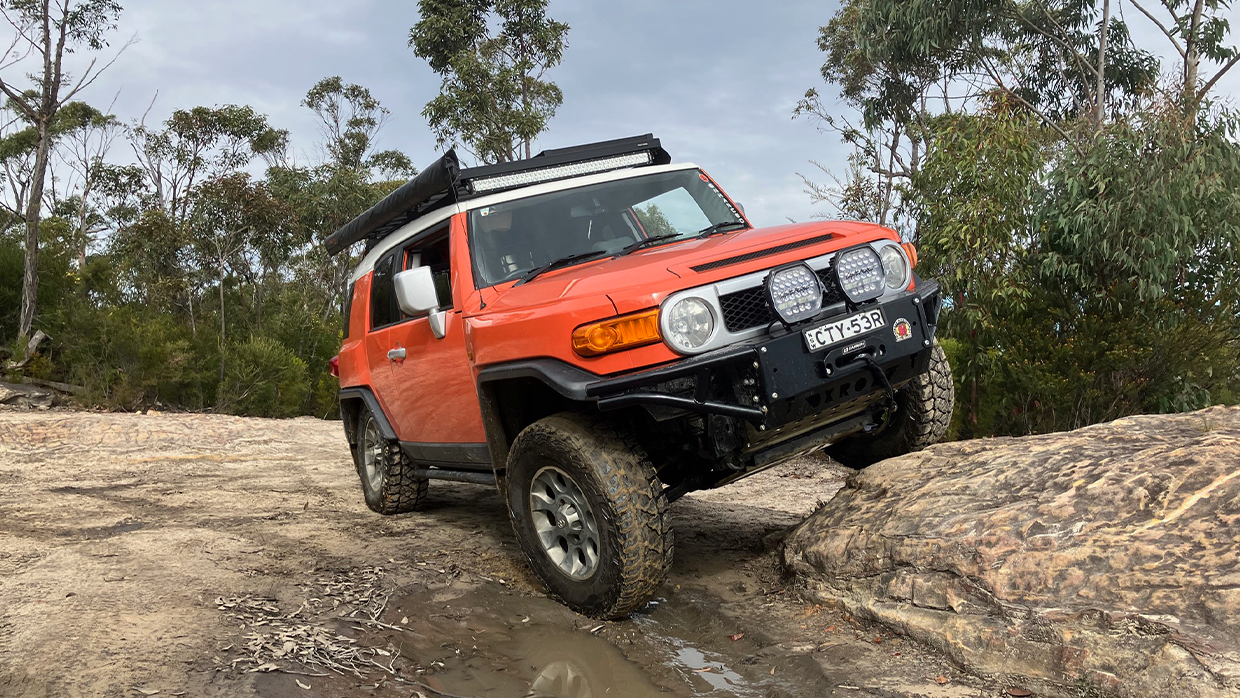
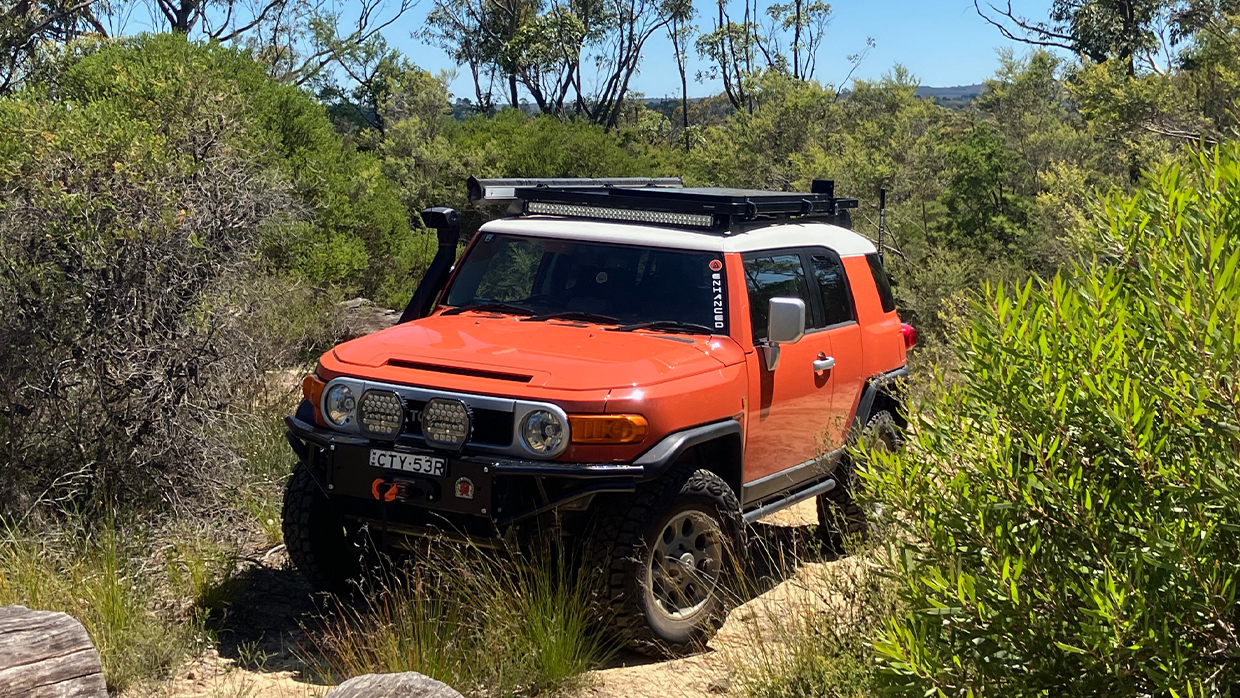
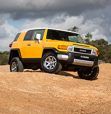
When the original FJ Cruiser launched in Australia back in 2011, it also received much hype. Sadly, this was in an era when diesel-powered 4x4s were gaining huge popularity in Australia, meaning the FJ Cruiser was instantly polarising thanks to its petrol-only powertrain.
While these nods to the past are cool for Toyota fanatics, on the other side of that coin, others simply didn’t gel with the looks of the retro FJ Cruiser. Combined with the perceived negative blow of petrol power only, and many ignored what has proven to be a fun, durable and reliable 4×4 globally.
With the recent announcement of the new 2026 LandCruiser FJ, we thought it would be only fitting to sit down and compare specifications on paper between these two off-roaders considering the amount of hype and interest that surrounds it.
Once again, people are divided on what we have seen so far – but which one comes out on top when compared specs wise?
This one is slightly different, as one vehicle is now only sold on the used market, and one doesn’t exist yet. But let’s run through some scenarios to paint a picture.
When released in 2011, a new FJ Cruiser would cost $44,990 before on-roads. Taking into account inflation, that figure would represent between $62,000- $68,000 today. In 2025, that same vehicle on the used market costs roughly $24,000 to $31,500.
If we look at the more desirable 2013 and up models, which have twin-fuel tanks and CRAWL Control (works as off-road Cruise Control) standard, these started at $47,990 when new and now sell for between $31,000 and $42,000 on the used market.
That’s insanely good resale value, proving there is demand for the FJ brand in Australia.
It is expected the LandCruiser FJ would be priced at approximately $60,000 if it lands on local soil according to our recent report. The closest logical competitor to this vehicle, the Suzuki Jimny XL, starts at nearly $40,000 drive-away.
This is only speculation, and the best information we could source at the time of publication. But it’s clear that the new model will be more expensive than the classic FJ Cruiser.
That’s a win for the used FJ Cruiser, however, as already mentioned, the strong resale value will only continue to climb.
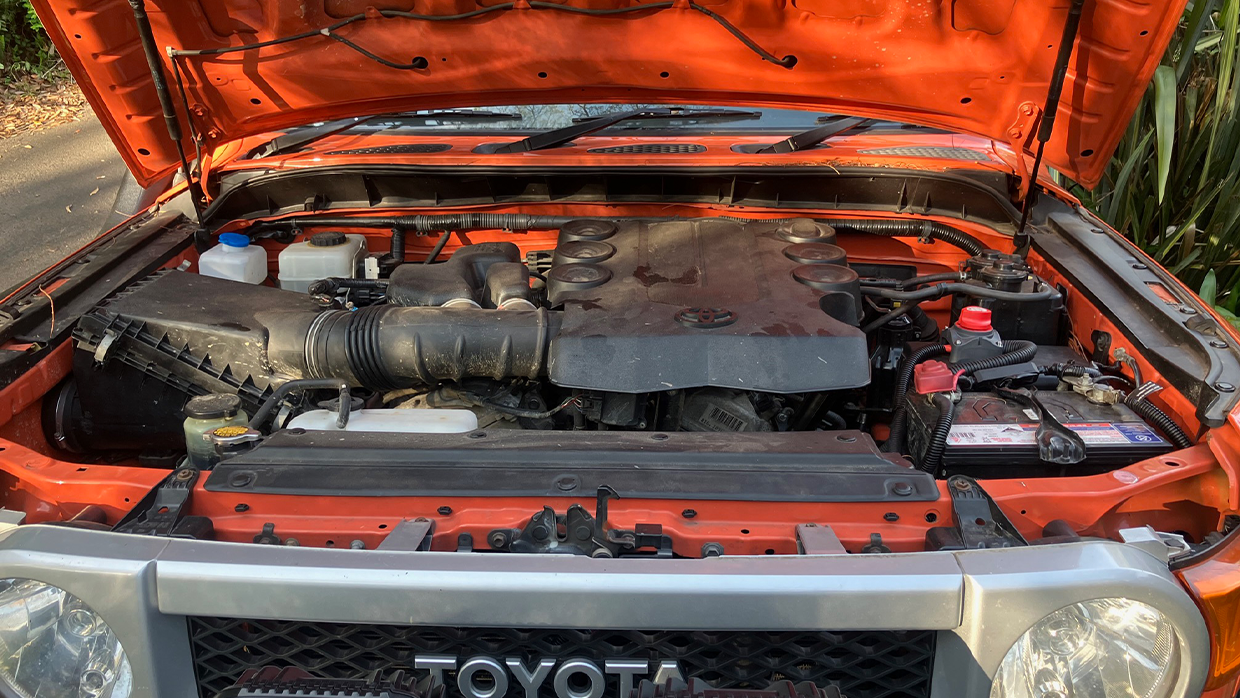
The 1GR-FE 4.0L V6 naturally aspirated engine found in the FJ Cruiser is a solid reliable unit. The only real downside to them is they like a drink. Budget around 12-15L/100km of premium fuel (or E10 if so inclined) and you’ll be on the money.
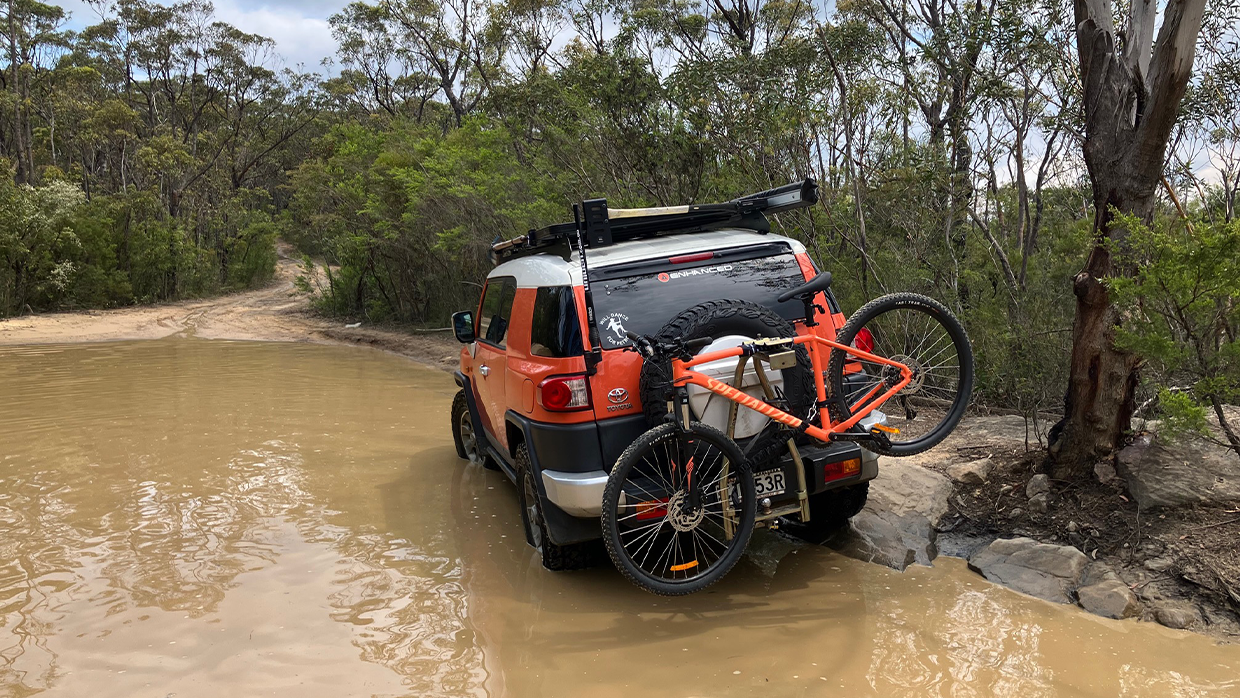
On the plus side, 2013 models and up come with twin-fuel-tanks totaling 159L fuel capacity, you’ll be able to travel at least 1000-1200km without refuelling (Editorial Note: I’ve tested this and made it 1250km before refuelling when stock – now modified and I dare not keep record anymore).
Power wise, later models of the FJ Cruiser produced 200kW and 380Nm. All came with a five-speed automatic transmission, and rear-wheel drive when on-road with shift-on-the-fly 4×4 with low-range reduction gearing in Australia.
Fun fact, the American market also received the option of a manual transmission that used the full-time 4×4 system from the Prado. Why we didn’t receive full-time 4×4 here is a mystery.
The new FJ LandCruiser is down on power compared to the FJ Cruiser, coming in with 120kW and 246Nm. It also doesn’t use a six-cylinder engine, which is traditionally found in anything FJ.
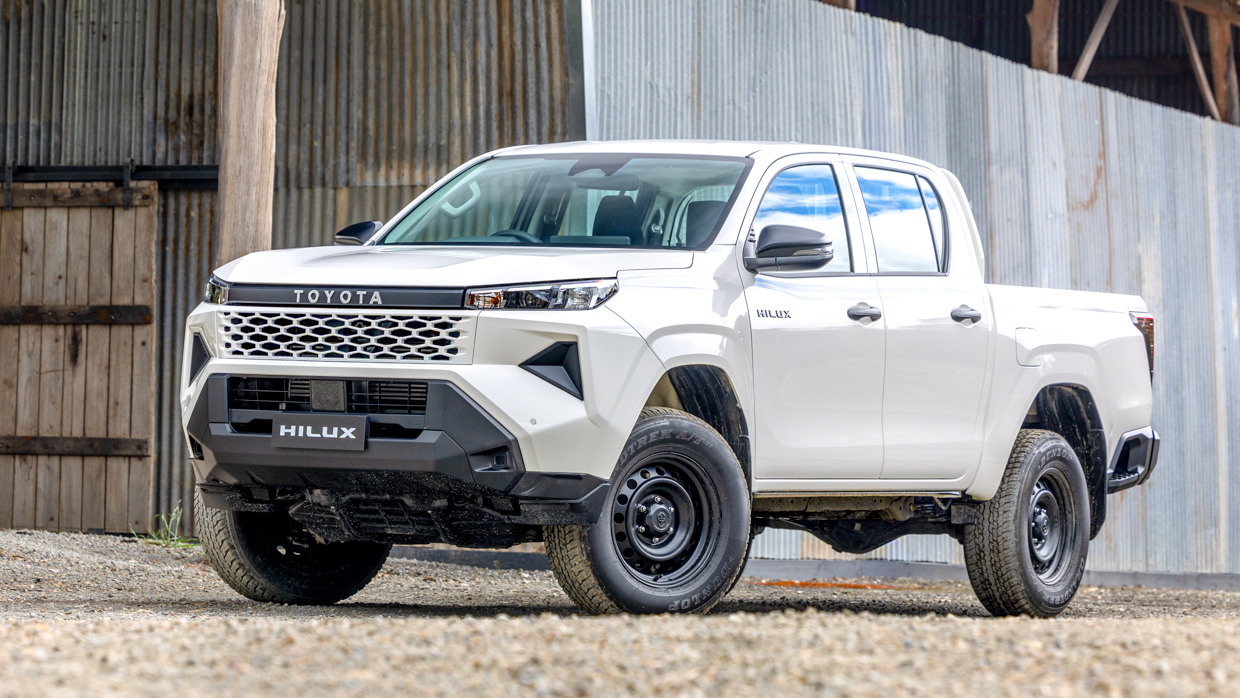
What Toyota has initially offered globally is their 2.7L four-cylinder naturally aspirated petrol engine with a six-speed automatic transmission. This has been around for a decade, and used locally in entry level Toyota Hilux models.
While both are proven engines, the FJ Cruiser gets the win when it comes to the engine and power output. That 4.0L V6 has plenty of grunt, with many owners reporting hitting well over 500,000km without issue.
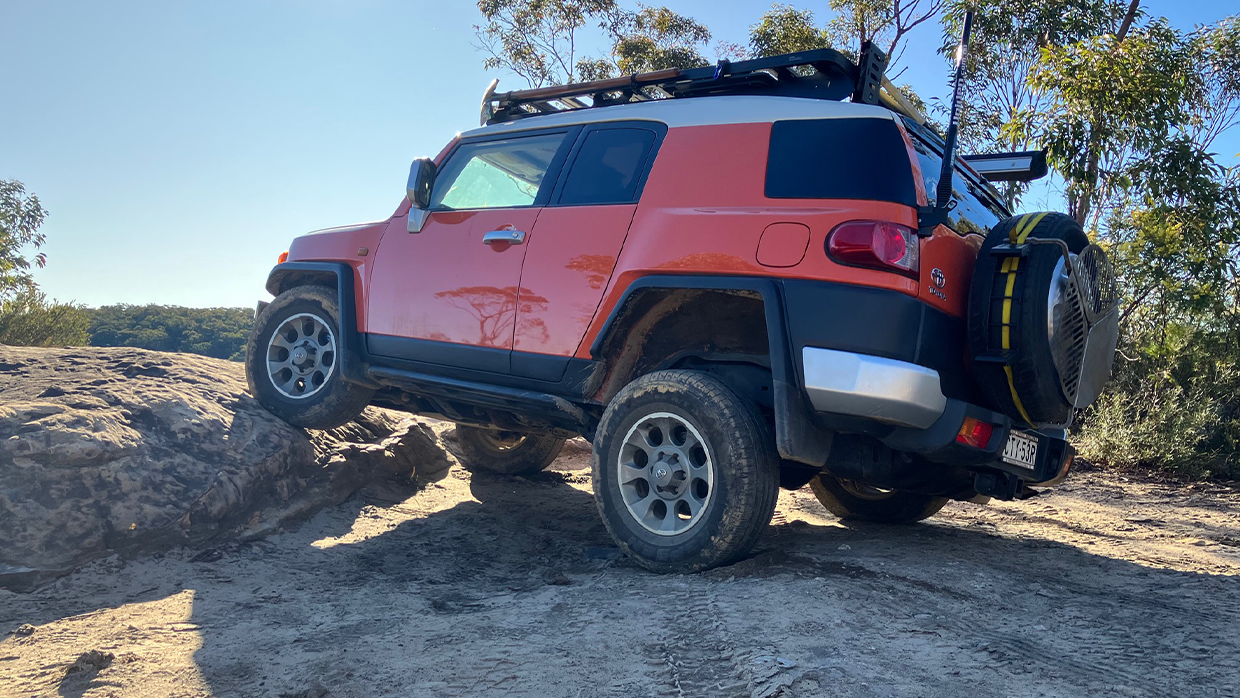
The FJ Cruiser is one of the most capable four-wheel drives to roll off the Toyota production line. With a shorter wheelbase than the Prado chassis it is based on, as well as excellent approach and departure angles, it was built for off-road adventure.
Then there’s the rear-selectable electronically activated differential lock and fantastic traction control system called A-TRAC.
This essentially operates like a front diff lock that doesn’t impede the driver’s steering feel or operation like a locked front diff does. Clever stuff indeed, that actually works in the real world.
Well, the good news is that technology has trickled down to all modern Toyota 4x4s. Everything from the LandCruiser, to Hilux and Fortuner has what many would call class-leading traction control systems, which help send power to tyres with grip, and stop spinning tyres using the vehicle’s braking system.
First observations see a rear differential lock fitted to the LandCruiser FJ, as well as a low-range transfer case, indicating this indeed will be a capable off-roader.
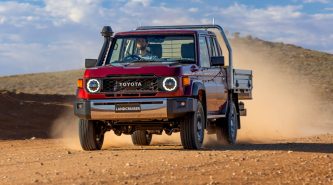
Toyota says the LandCruiser FJ has the same amount of suspension travel as a 79 Series LandCruiser, which is not the flex they think it is (pun absolutely intended). 70 Series ‘Cruisers have the suspension travel of a house brick.
With nimble dimensions, a lighter footprint and modern technology though, there’s no reason to think it won’t keep up off-road. Let’s call this a tie between the two for fairness.
While reports from owners indicate the FJ Cruiser is a solid vehicle being essentially an egg shaped body, there’s no way to verify this. The FJ Cruiser was never tested at ANCAP, nor given an official safety rating.
Safety features included are sparse compared to modern vehicles, with only front-and-side airbags. There’s certainly nothing like lane keeping assist or self driving, which brings a refreshing lack of beeps and bongs to the driving experience on the flip side.
The FJ Cruiser did receive Anti-Lock Brakes, Stability Control, Traction Control and Electronic Brake Force Distribution though, so it’s not a total dinosaur.
It’s a safe bet to make that the 2026 LandCruiser FJ would be aiming to receive a five-star ANCAP rating, if it were to be tested locally. And would have far more safety systems, and airbags.
In the official press release, Toyota mentions the LandCruiser FJ will receive their Safety Sense active safety package with functions such as Pre-collision Safety System.
The newbie gets the nod in the safety department.
This is a tricky one to answer as we can’t compare the pair on equal ground, and ultimately we are just looking at specs, for now at least.
On one hand it’s great to see a new, smaller four-wheel drive enter the market with Toyota’s genuine off-road ability. Even if it’s not confirmed at all if Australia will even see the thing. But, it’s really a scaled-down version of the FJ Cruiser. It’s the FJ Cruiser-lite if you will.
We do hope that Toyota Australia does bring the LandCruiser FJ to local markets, however, and especially look forward to seeing what our smart aftermarket industry does to the platform.
Until that moment, it’s safe to say the high resale value the FJ Cruiser experiences is set to hang around. And for good reason.
(Full disclosure, the author owns a 2013 FJ Cruiser – but he was told to keep his biased opinions to himself… he has tried).
Latest news
About Chasing cars
Chasing Cars reviews are 100% independent.
Because we are powered by Budget Direct Insurance, we don’t receive advertising or sales revenue from car manufacturers.
We’re truly independent – giving you Australia’s best car reviews.