Powered by

-
Car Reviews
Latest reviews
- Car News
-
Car Comparisons
Latest comparisons
- Chasing Deals
Latest reviews
Latest comparisons
The first all-new Navara in over a decade becomes a joint-venture vehicle with the Mitsubishi Triton, defined by its classy styling makeover and much-needed suspension improvements
Tuning a dual-cab Ute for Australia presents an enormous challenge for suspension engineers, given just how broad the talent spectrum needs to be to make a Ute great. That’s something the previous D23-generation Navara (2015-25) battled with throughout its life.
Despite multiple attempts at making the D23 ride acceptably and be capable of comfortably towing 3.5 tonnes (while keeping component cost down), it ultimately succeeded at neither… unless it was the Warrior version – a flagship, off-road-biased variant developed by Premcar in Melbourne.
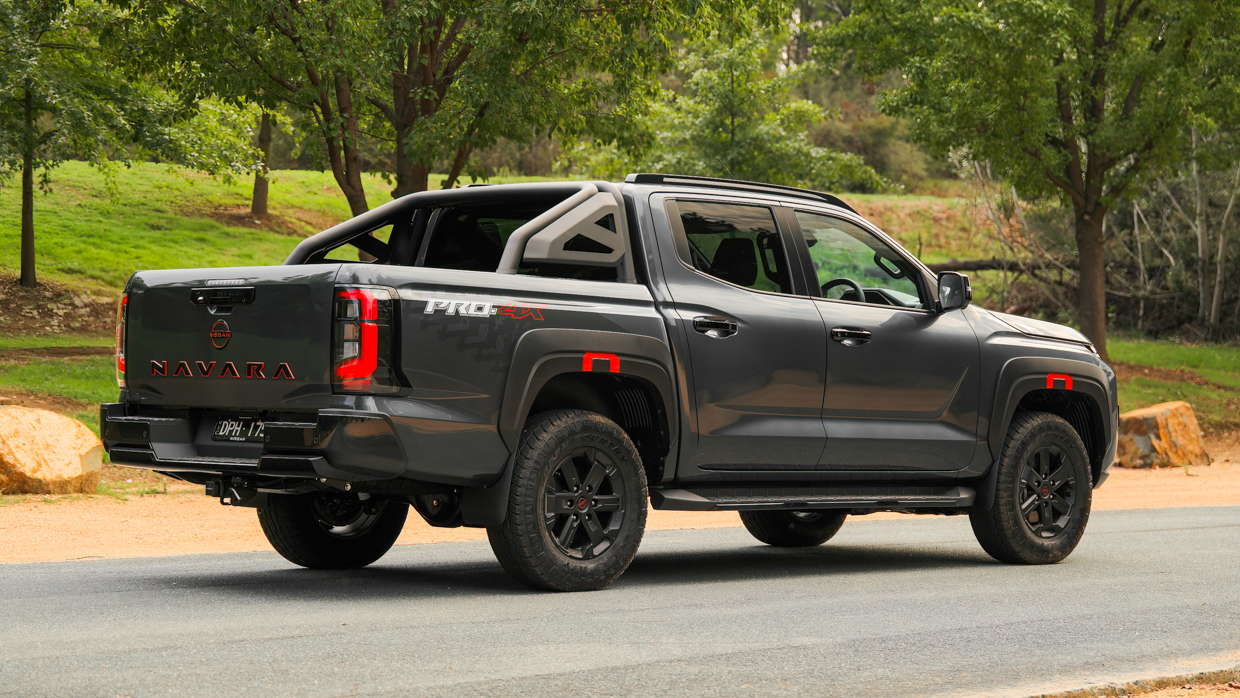
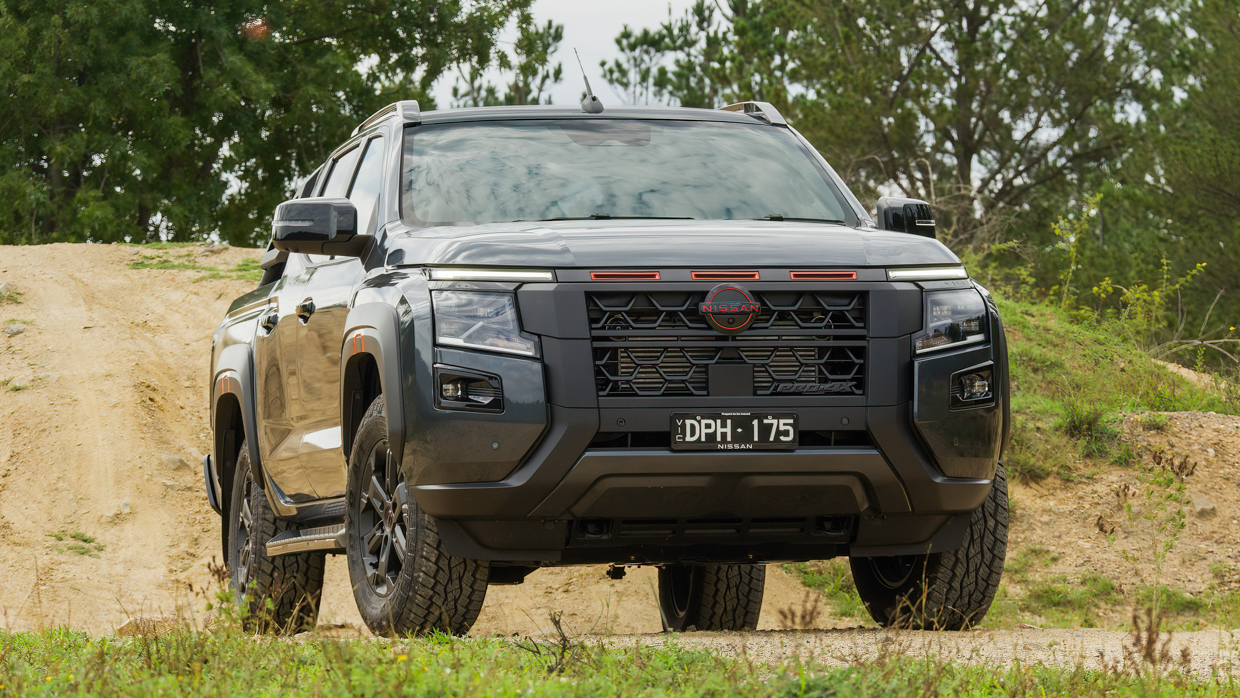
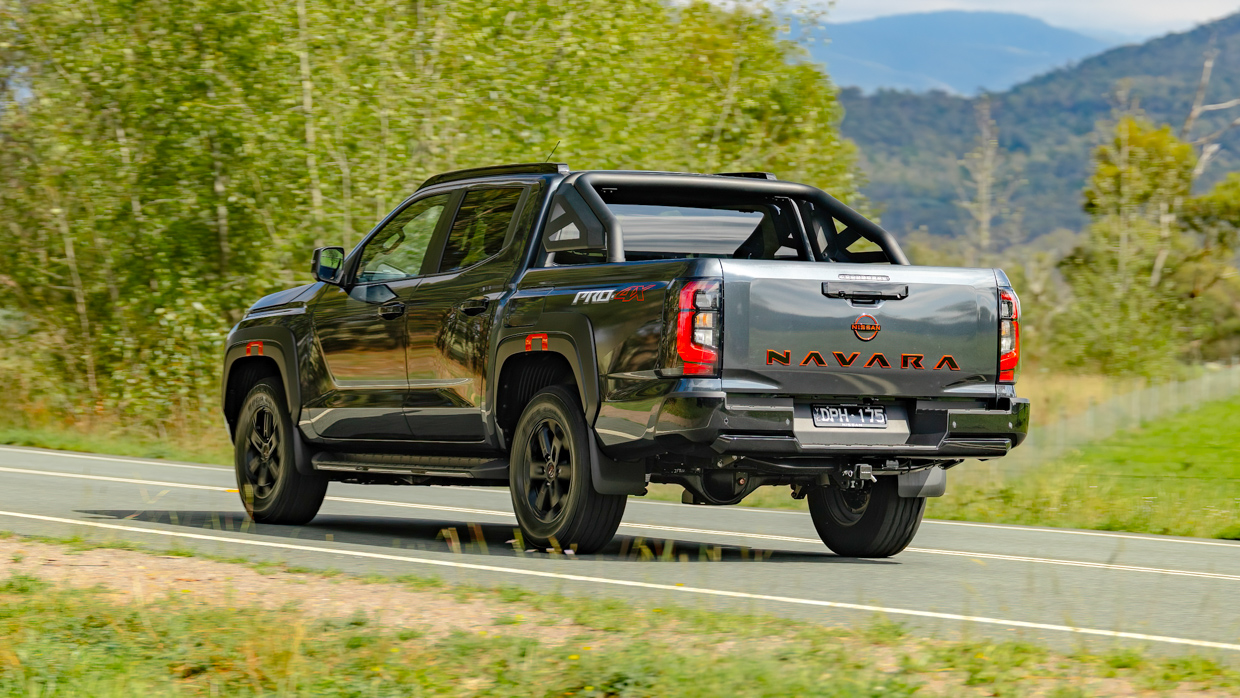
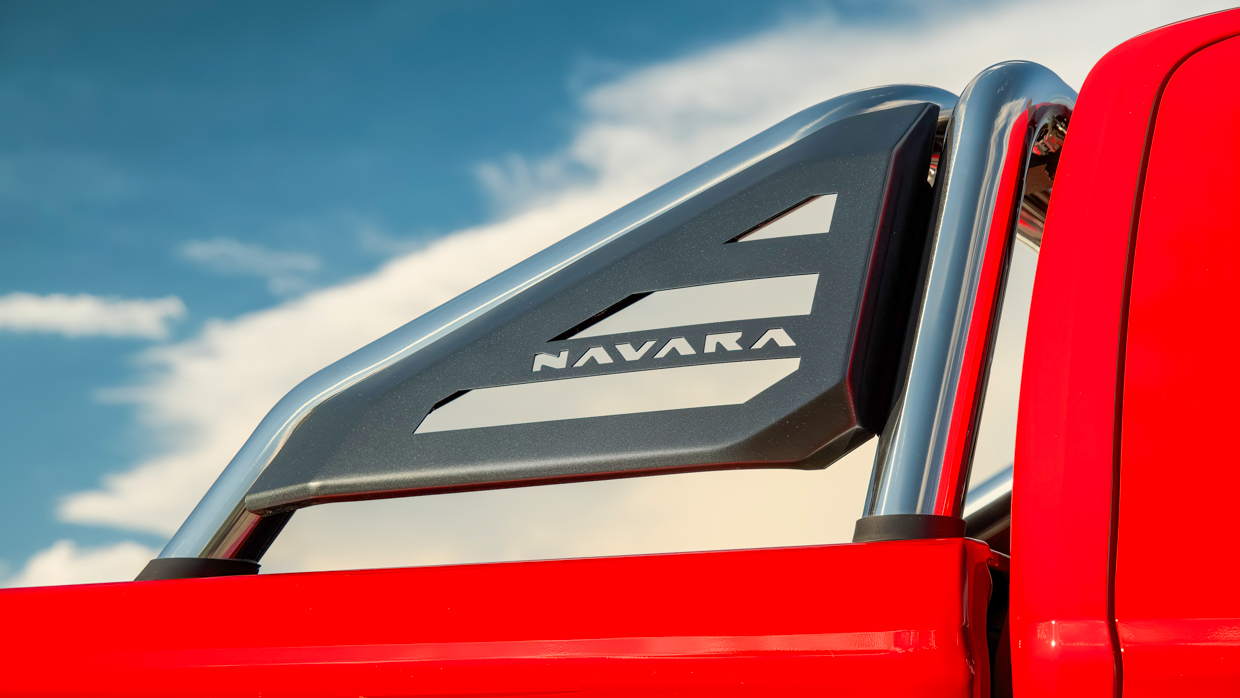
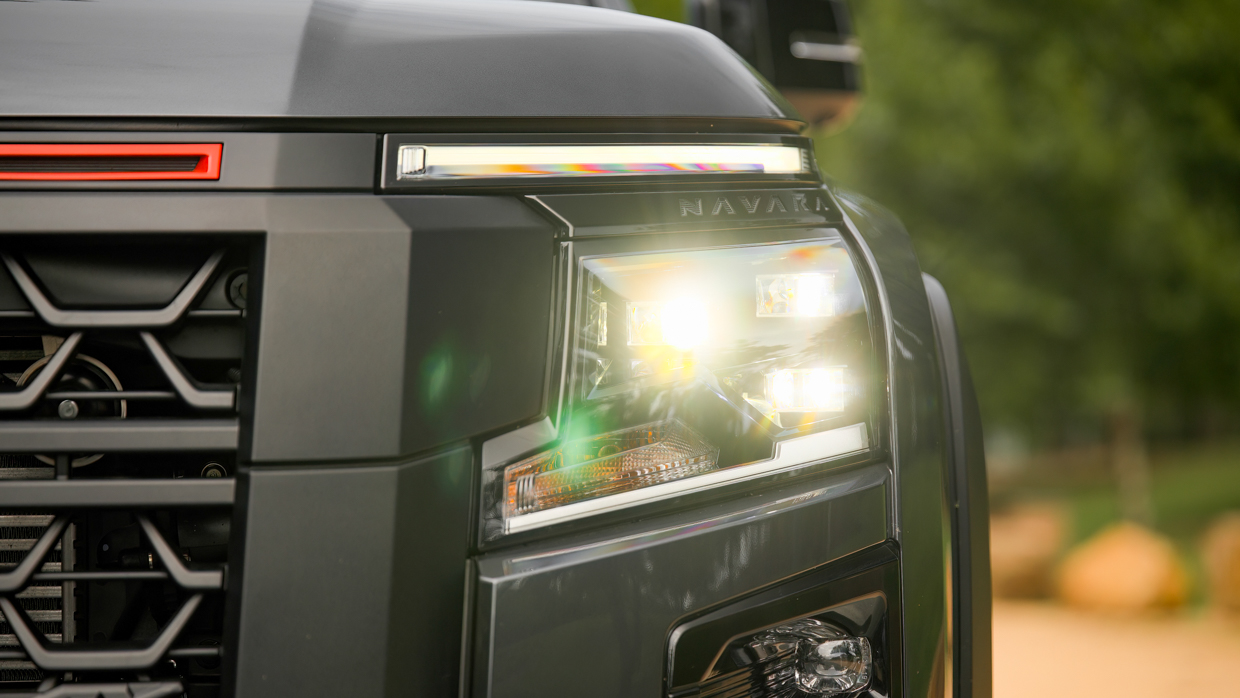
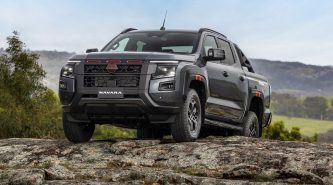
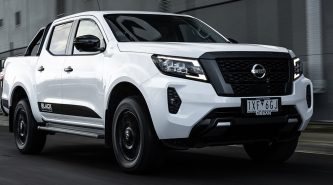
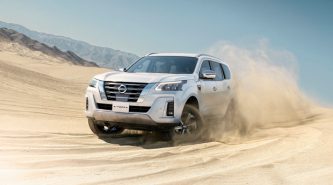
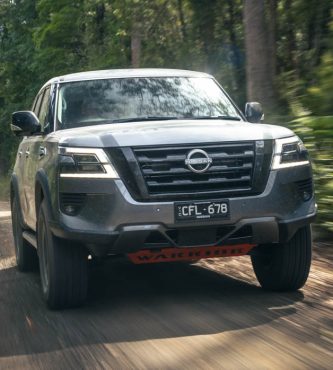
Pictured: 2026 Nissan Navara D27 PRO-4X
Wisely, Nissan Australia realised it was onto a good thing and enlisted Premcar’s engineering expertise to improve the incoming D27 Navara – now a Mitsubishi Triton clone, a vehicle which itself was suffering from similar shortfalls as the previous D23 Navara, despite being based on an all-new, Mitsubishi-engineered platform designed specifically for the six-generation Triton and fifth-generation Nissan Navara.
So the dual-cab Ute you see here is essentially a made-over MY26 Mitsubishi Triton, built in the same factory in Thailand to a near-identical specification (apart from trim and equipment differences), and fitted with a completely new set of Premcar-tuned dampers during pre-delivery at Nissan dealers.
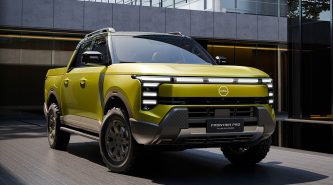
Given North America’s switch to the larger, V6-engined Nissan D41 Frontier back in 2021, and the emergence of the Chinese-developed Frontier Pro plug-in-hybrid ute (which is a joint-venture between Nissan and Dongfeng, and appears destined for Australia in 2027), the only way a turbo-diesel Navara Ute could survive was by pairing development with another Ute.
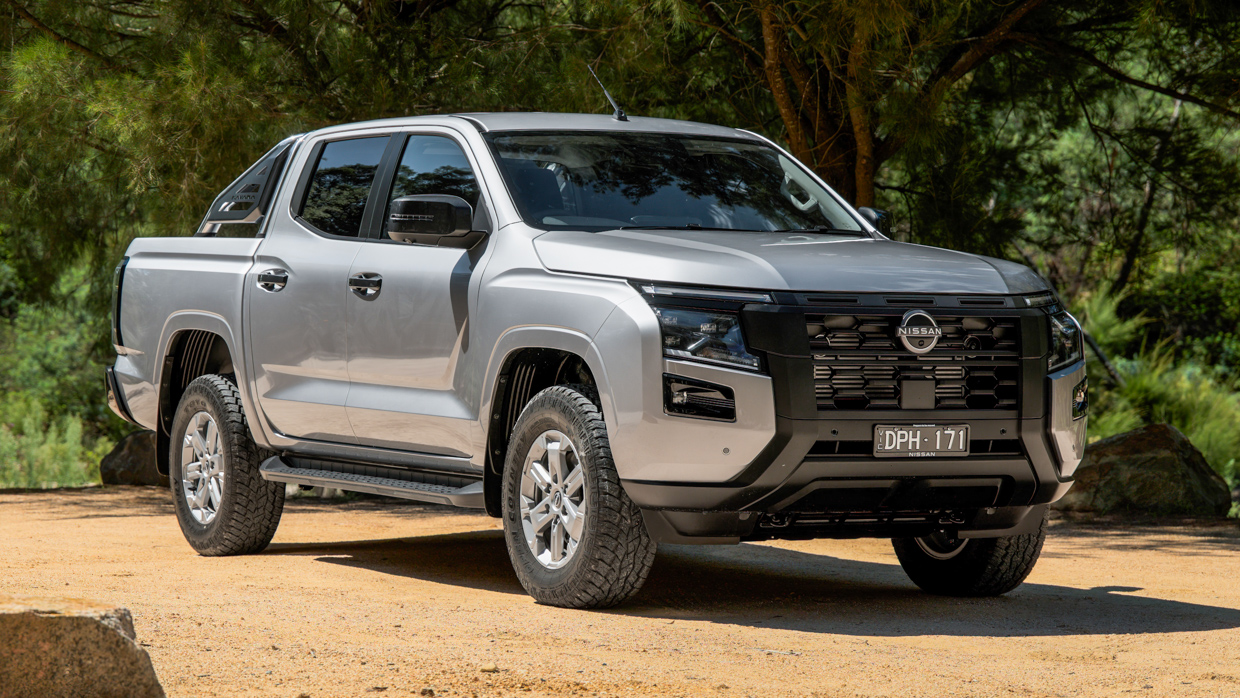
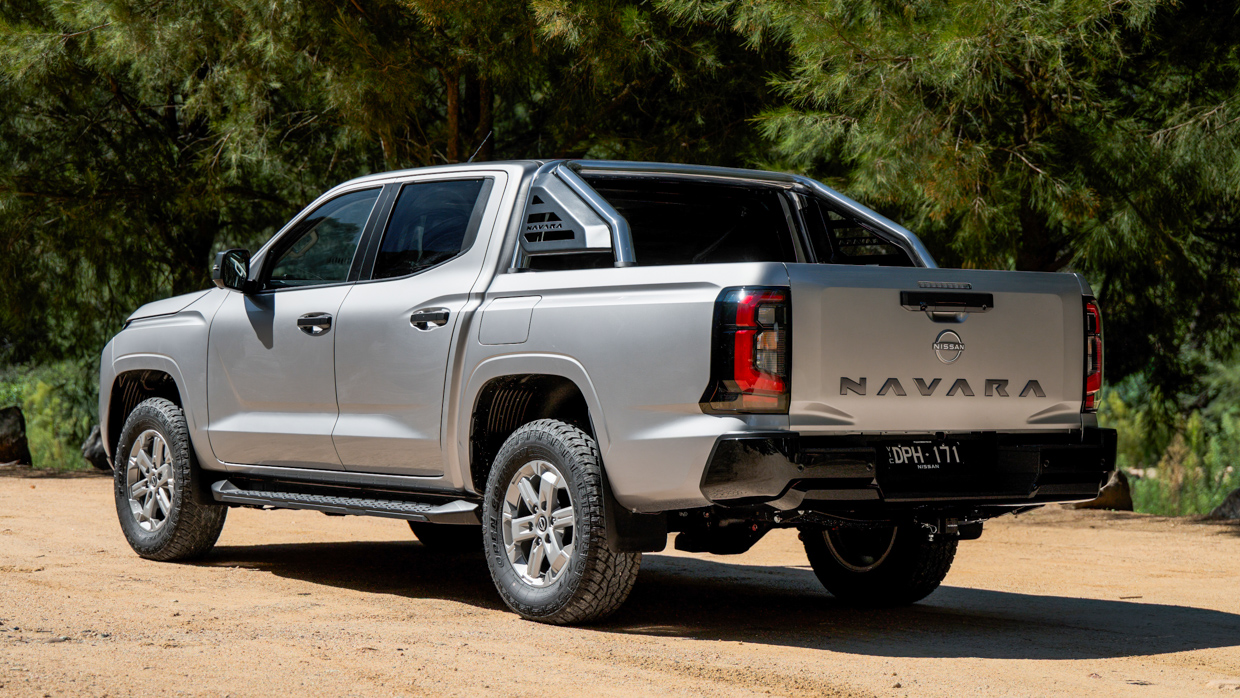
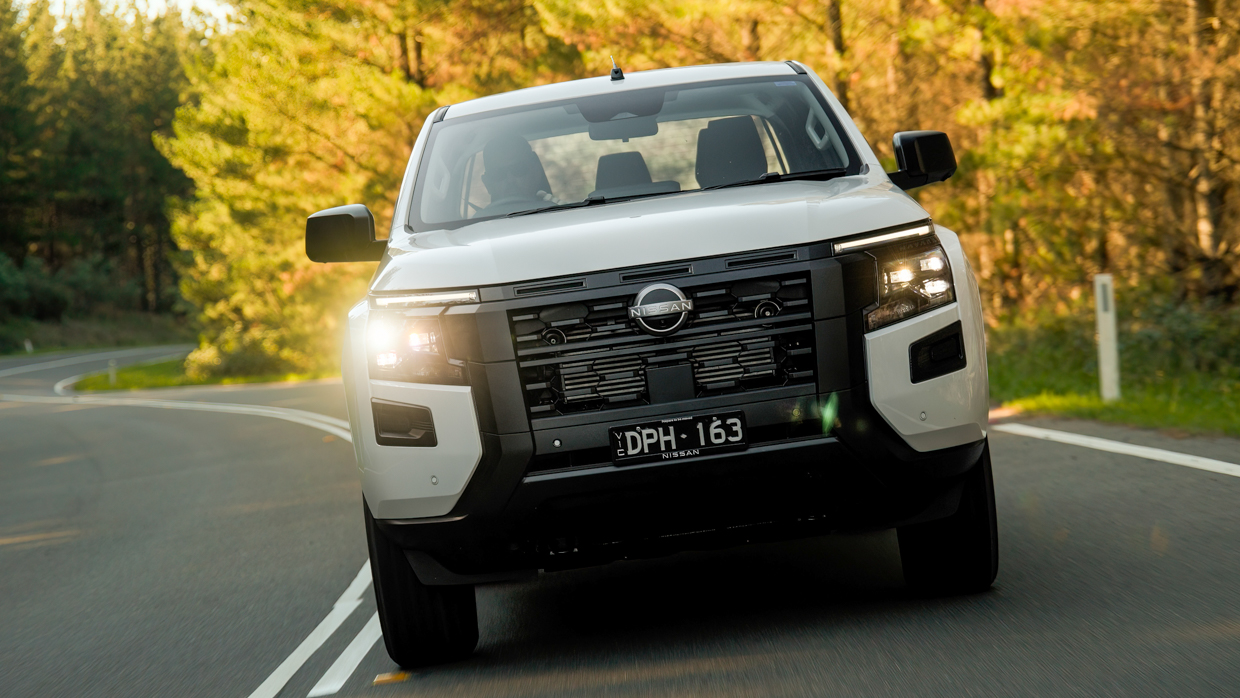
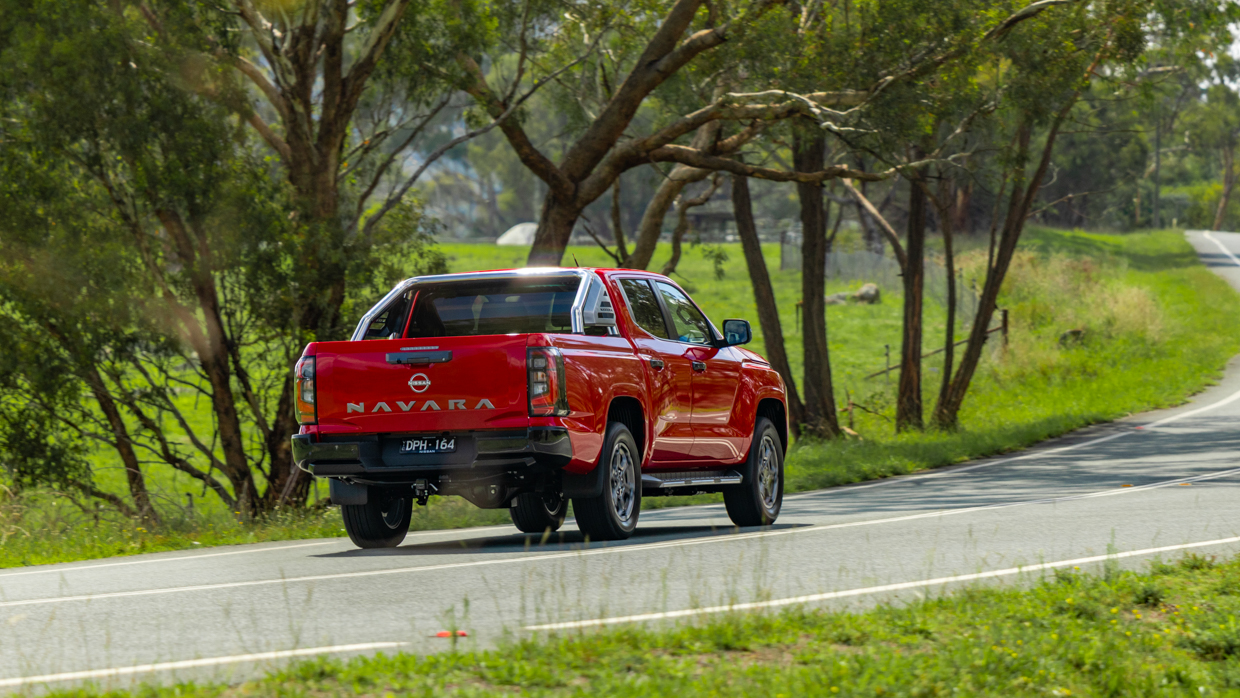
Pictured: 2026 Nissan Navara D27 ST
But is the new Mitsubishi-engineered Navara better than the previous Nissan-developed version? And have Premcar’s engineering changes fixed the Triton’s flawed suspension tune?
Nissan offers four distinct D27 Navara variants in Australia – all with dual-cab pick-up bodies, a 2.4-litre twin-turbo diesel engine and a six-speed automatic transmission. Because this is the set-up preferred by 90 percent of Navara buyers, the King Cab, cab-chassis, and manual models have all been killed.
The base D27 Navara SL starts at $53,348 (before on-road costs), followed by the Navara ST ($56,765), Navara ST-X ($63,177) and Navara PRO-4X ($68,418) – all substantially more than an equivalent D23 Navara spec apart from the ST auto, which has only increased by $932.
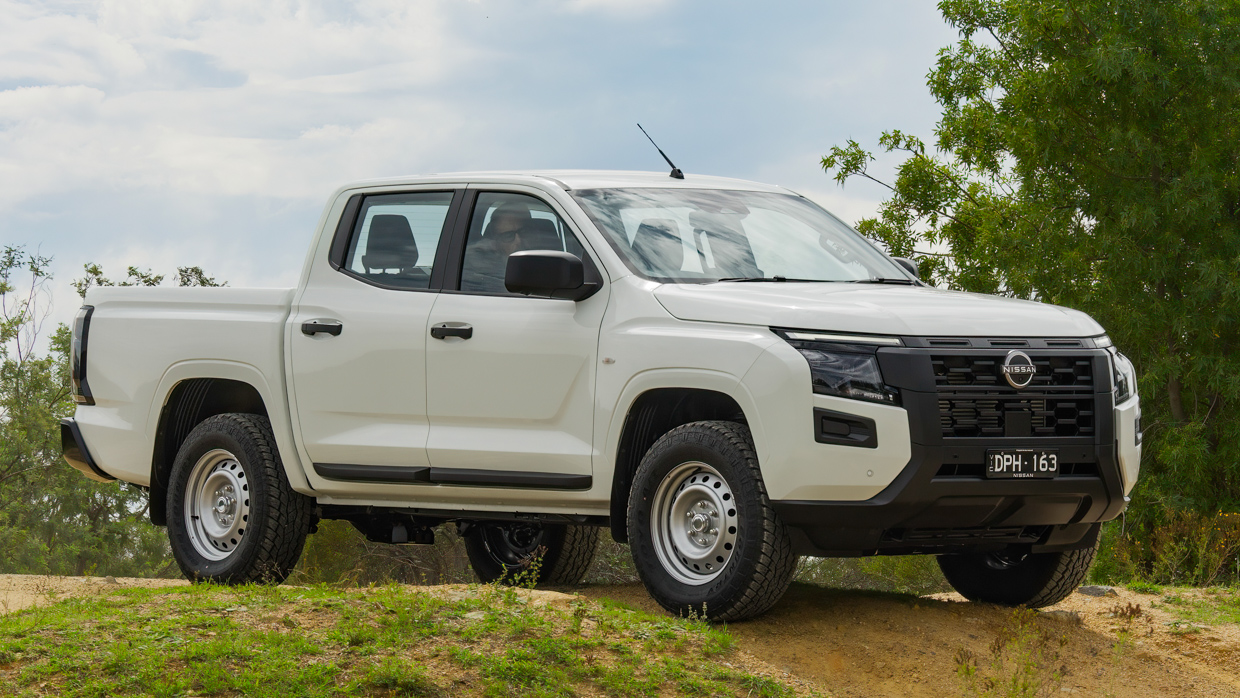
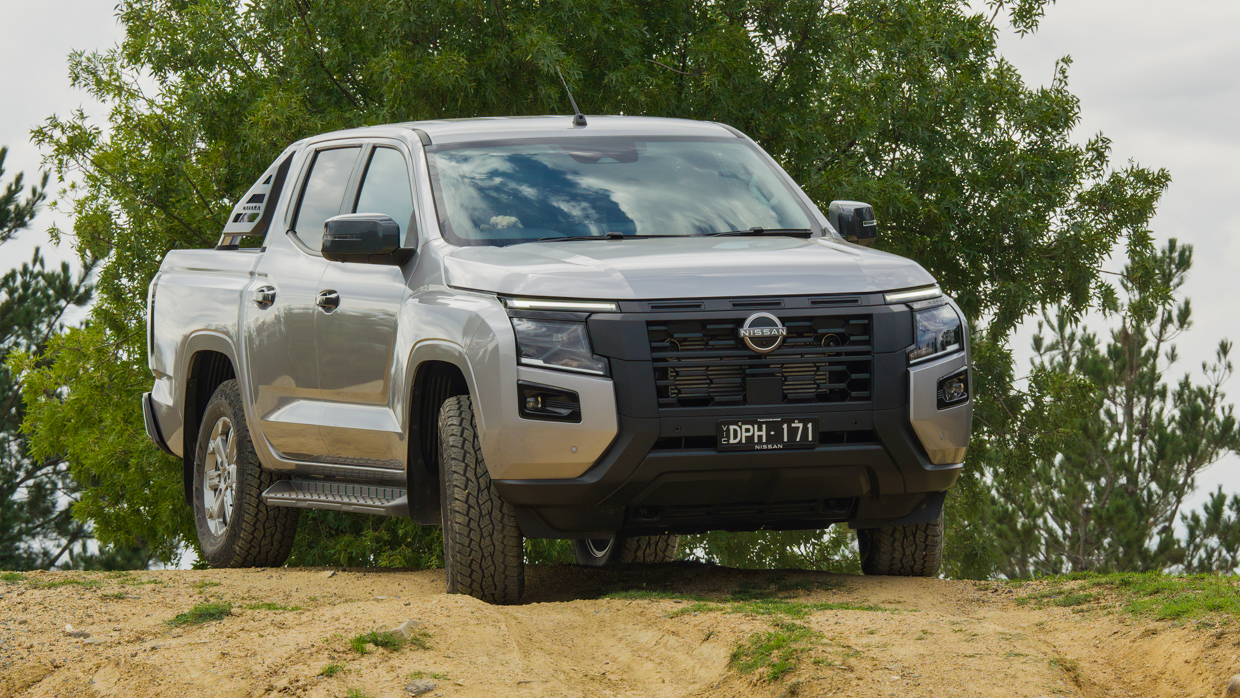
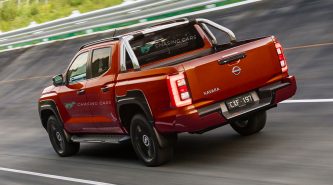
Pictured: 2026 Nissan Navara D27 ST-X
In comparison, Mitsubishi Triton pricing spans base GLX auto ($51,440 before on-road costs), GLX+ ($53,790), GLX-R ($57,240), GLS ($59,840) and GSR ($64,590) – positioning the Nissan as a slightly more premium alternative to the Mitsubishi.
Standard equipment on the Navara SL includes:
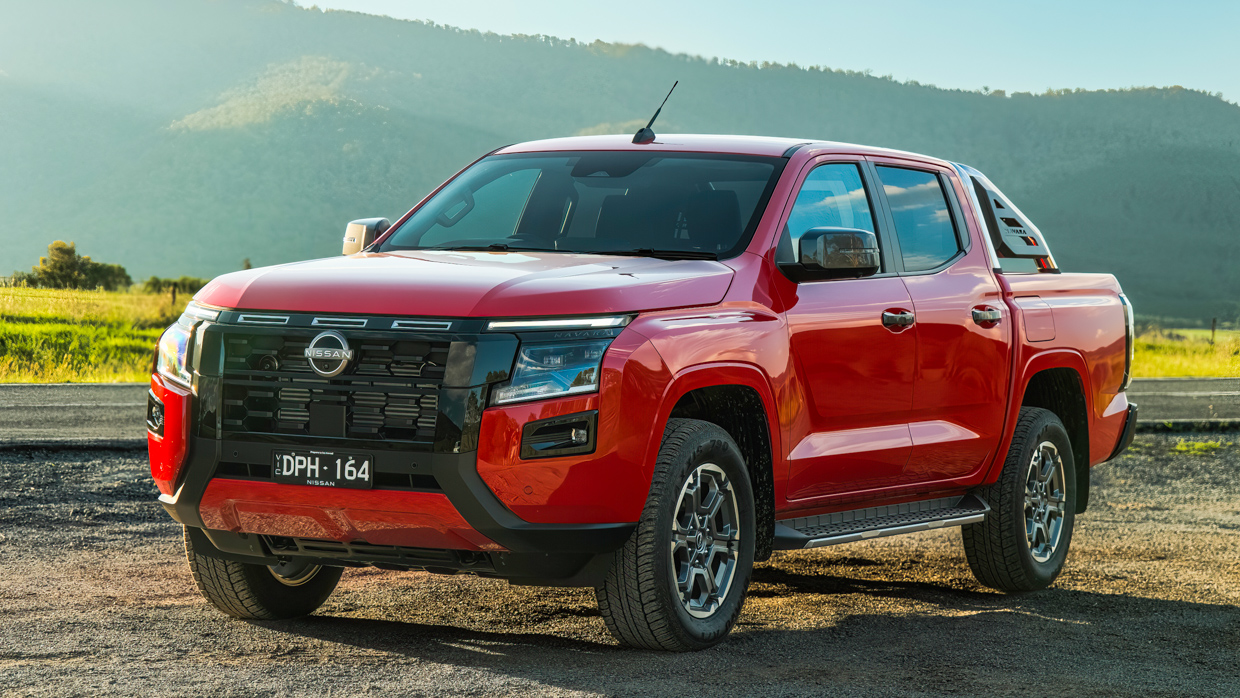
Pictured: 2026 Nissan Navara D27 SL
The Navara ST introduces:
Pictured: 2026 Nissan Navara D27 ST
The Navara ST-X introduces:
Pictured: 2026 Nissan Navara D27 ST-X
The Navara PRO-4X introduces:
Pictured: 2026 Nissan Navara D27 PRO-4X
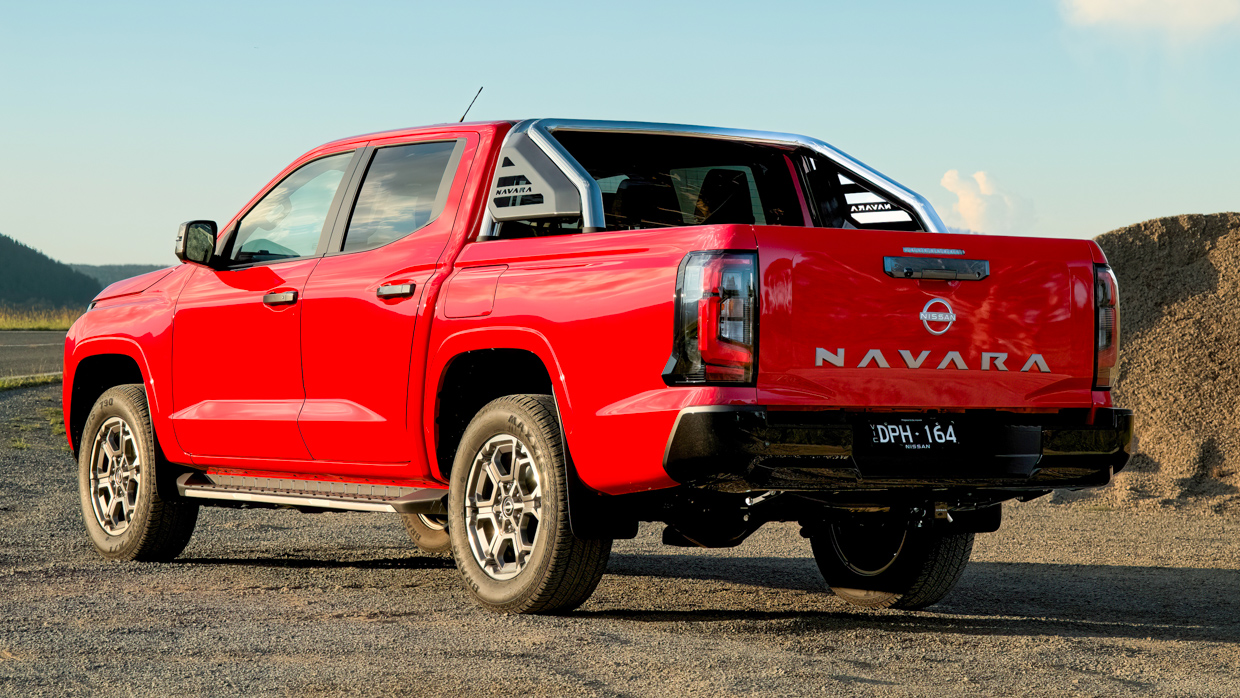
The D27 Navara is offered in three standard colours – Alpine White (not PRO-4X), Midnight Black, Outback Red (not PRO-4X), and five premium colours (for $995 extra) – Blizzard White (not SL), Summit Silver (not PRO-4X), Boulder Grey, Horizon Blue (ST-X and PRO-4X only) and Kimberley Orange (ST-X only).
Given its decades-long experience with separate-chassis utes, Mitsubishi was given the lead to develop the all-new platform that underpins its own sixth-generation Triton as well as the dual-cab you see here, the fifth-generation Nissan D27 Navara (as part of the Renault-Nissan-Mitsubishi Alliance).
Pictured: 2026 Nissan Navara D27 ST-X
Thing is, it’s been a long time since Mitsubishi has distinguished itself with genuinely good ride and handling in any car. And with vehicles like the current Outlander (which has already seen several revisions to its suspension tune), it’s clearly an inferior drive compared to its closely related Nissan X-Trail cousin.
To cure the current Triton’s multiple deficiencies when it comes to dynamic performance and load-carrying effectiveness, Nissan Australia enlisted the help of Premcar in Melbourne (who have engineered the last two Navara Warriors, as well as the Patrol Warrior) to enable the regular Navara range to fulfill its potential as a rough-and-ready, match-fit dual-cab ute.
The only hardware that’s been changed is the dampers – larger Australian-made units with an internal rebound spring in the front pair for greater finesse in balancing a degree of absorbency in primary ride and some proper damping discipline in secondary ride. All springs remain the same, meaning coils up front and either three-leaf (ST-X and PRO-4X, from the standard Triton) or four-leaf (SL and ST, from the heavy-duty Triton) rear springs.
Pictured: 2026 Nissan Navara D27 SL
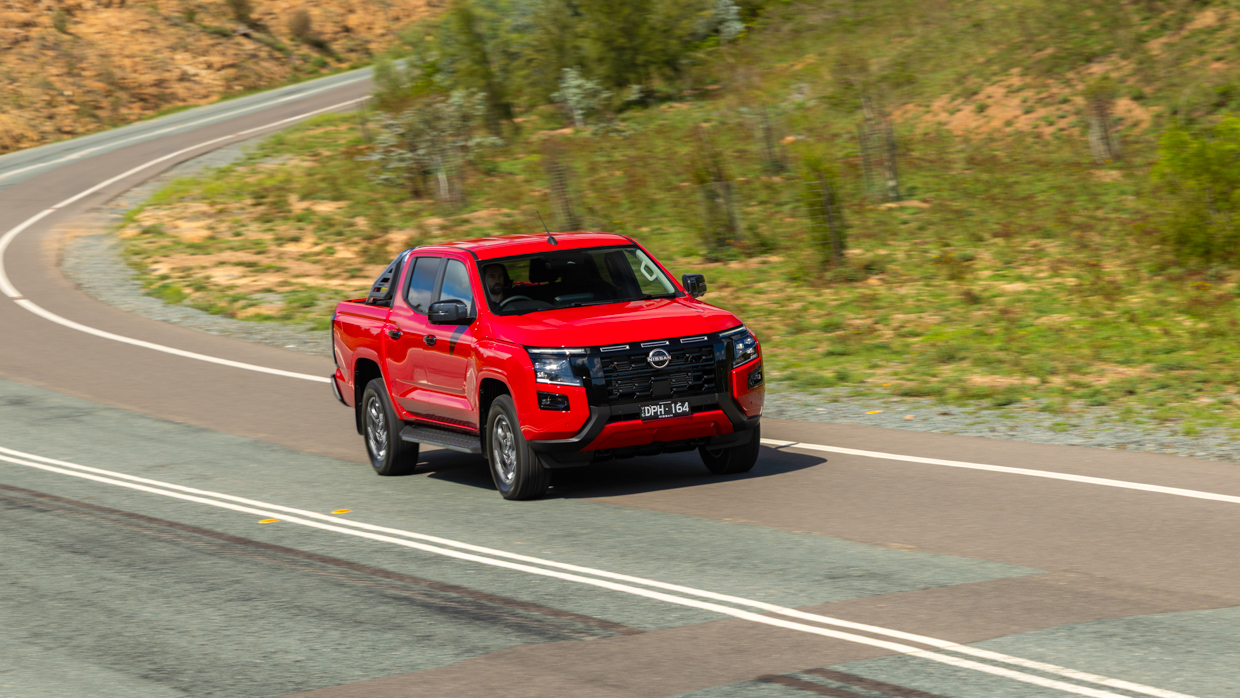
Compared to the Mitsubishi, the difference is dramatic. The Navara responds promptly to steering inputs, feeling poised and precise (for a ute) when turning into corners, and yet has managed to reduce much of the jiggle and wheel patter associated with this type of vehicle.
On challenging dirt roads, the D27 Navara displays a much-needed resilience when pounding over big potholes and corrugations, though it ultimately can’t overcome the physics associated with its leaf-sprung live rear axle. At times, the Navara’s rear end will jump sideways over bumps, however it’s the way it recovers that deserves praise here.
Unlike the heaving Triton with its lack of body control and poor damping discipline when loaded, the Navara requires no secondary movement to rein itself in. If it steps the tail out it’s quickly back into line. And as it bounds over bumps, the Premcar-spec dampers are instantly on their game.
Pictured: 2026 Nissan Navara D27 PRO-4X
Even carrying a significant load off-road – four-up, with 450kg in the rear tray of a Navara ST – there’s a newfound level of control that finally realises the potential of this long-travel, highly capable chassis.
And while a ‘4WD auto’ setting would be preferable (meaning instantaneous activation of 4WD in low-traction situations), Mitsubishi’s useful ‘shift-on-the-fly’ 4WD (at speeds up to 100km/h) is easy to use and makes the new Navara feel even more surefooted on dirt roads and/or wet surfaces.
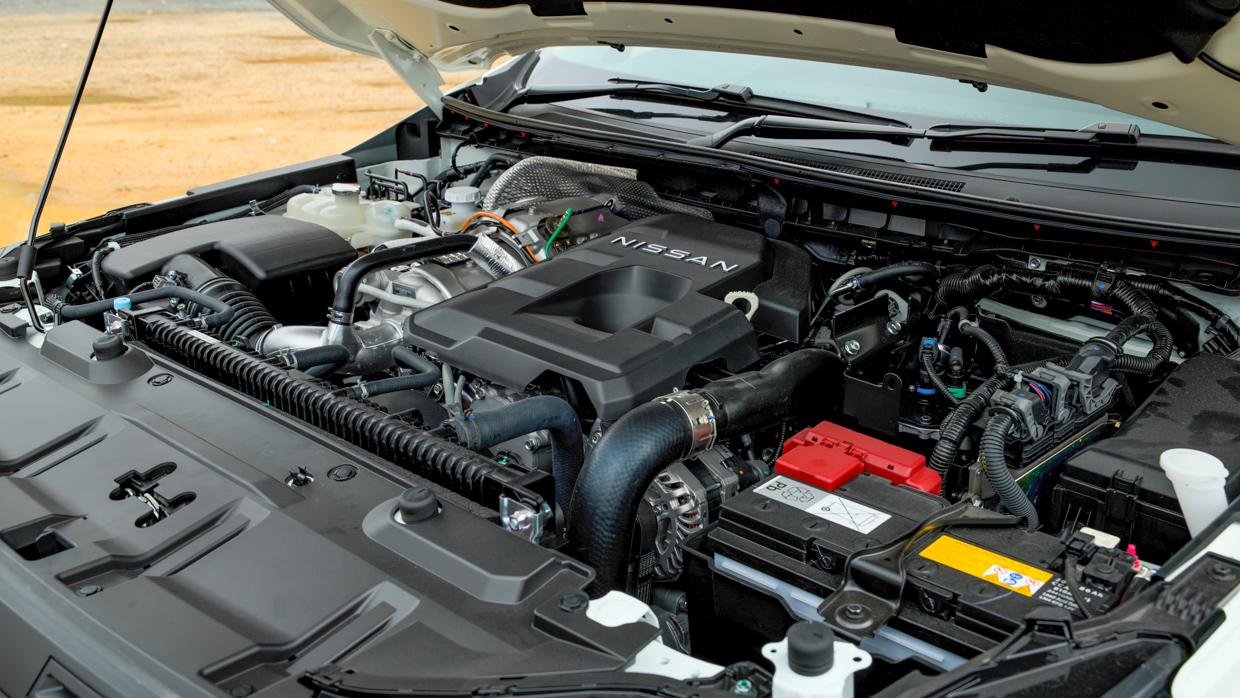
The new Navara also inherits a Mitsubishi drivetrain – a 2.4-litre twin-turbo diesel four-cylinder offering 150kW at 3500rpm and 470Nm from 1500-2700rpm, tied exclusively to a six-speed automatic.
Pictured: 2026 Nissan Navara D27 ST
It’s a stronger (if seemingly louder) drivetrain than the previous 140kW/450Nm 2.3-litre twin-turbo Renault-sourced diesel and feels well-calibrated in choosing the correct gear for a situation, without hunting through ratios. In that respect, it feels torquey and strong.
There ultimately isn’t a great deal of performance, however – especially compared to any V6-engined rivals – and there are moments of lag as a reminder that this is a relatively simple and basic ute, rather than a sophisticated one.
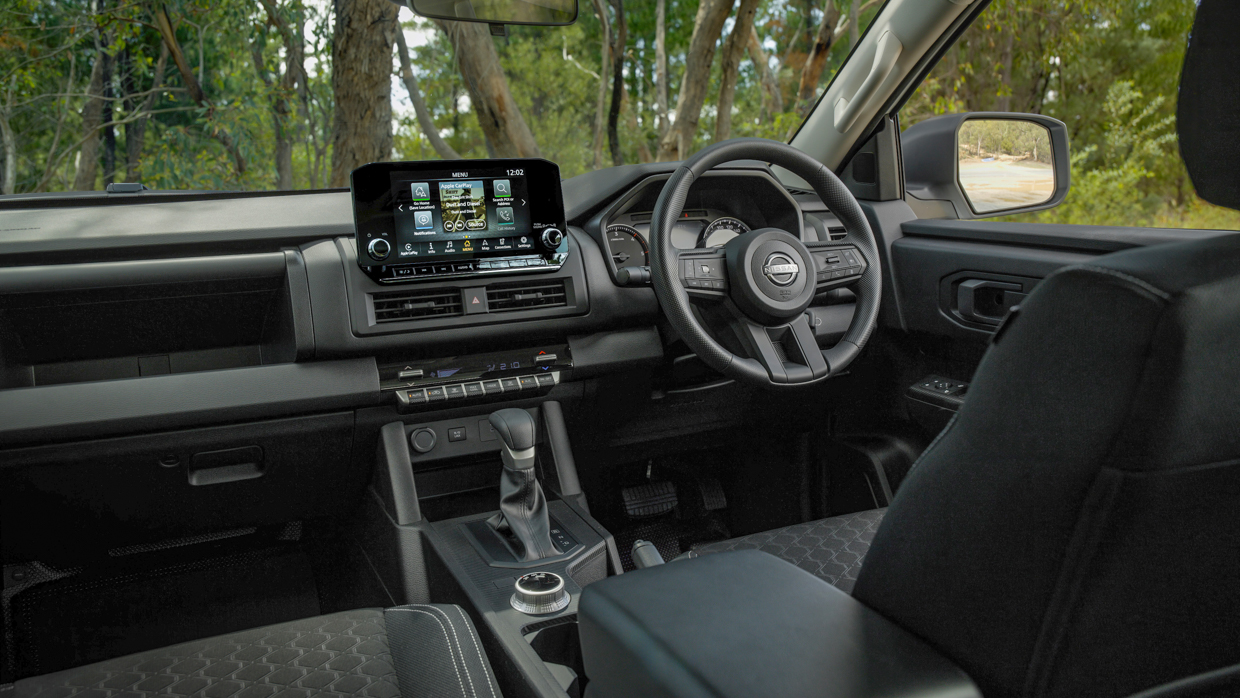
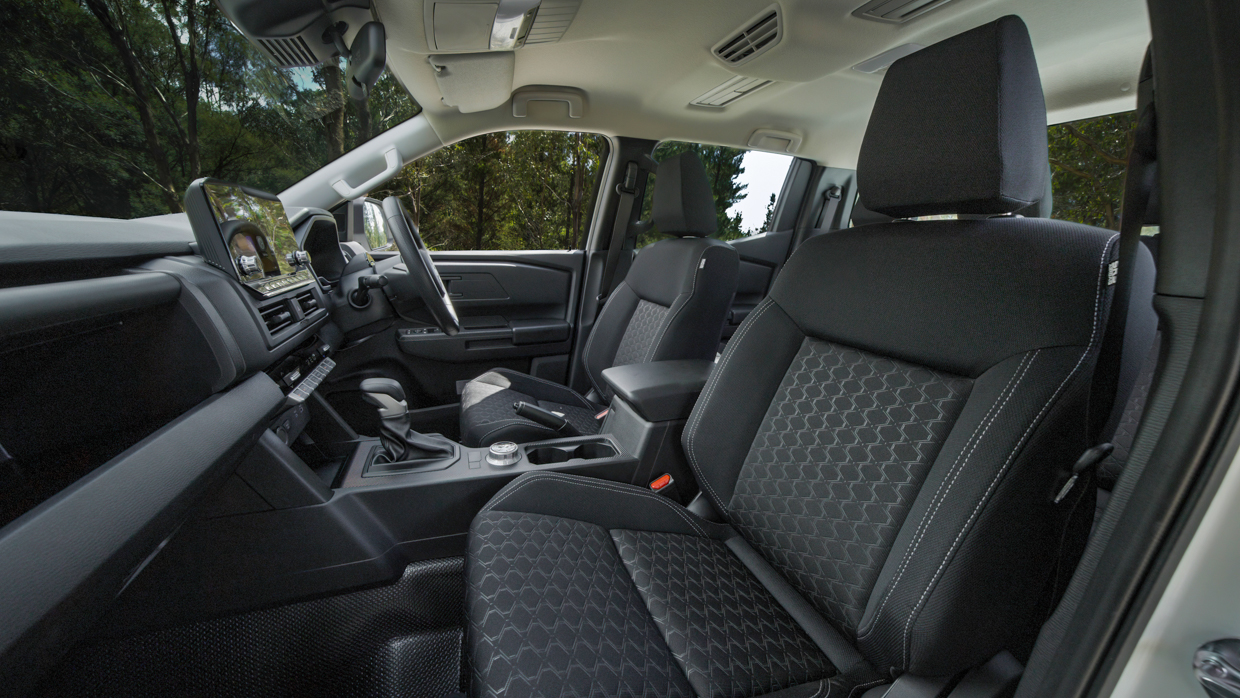
If you’ve been in a current Mitsubishi Triton then you’ll be more than familiar with the interior architecture and packaging in the new Navara, which only changes the seat upholstery, steering-wheel boss and standard equipment compared to the Triton.
Pictured: 2026 Nissan Navara D27 ST interior
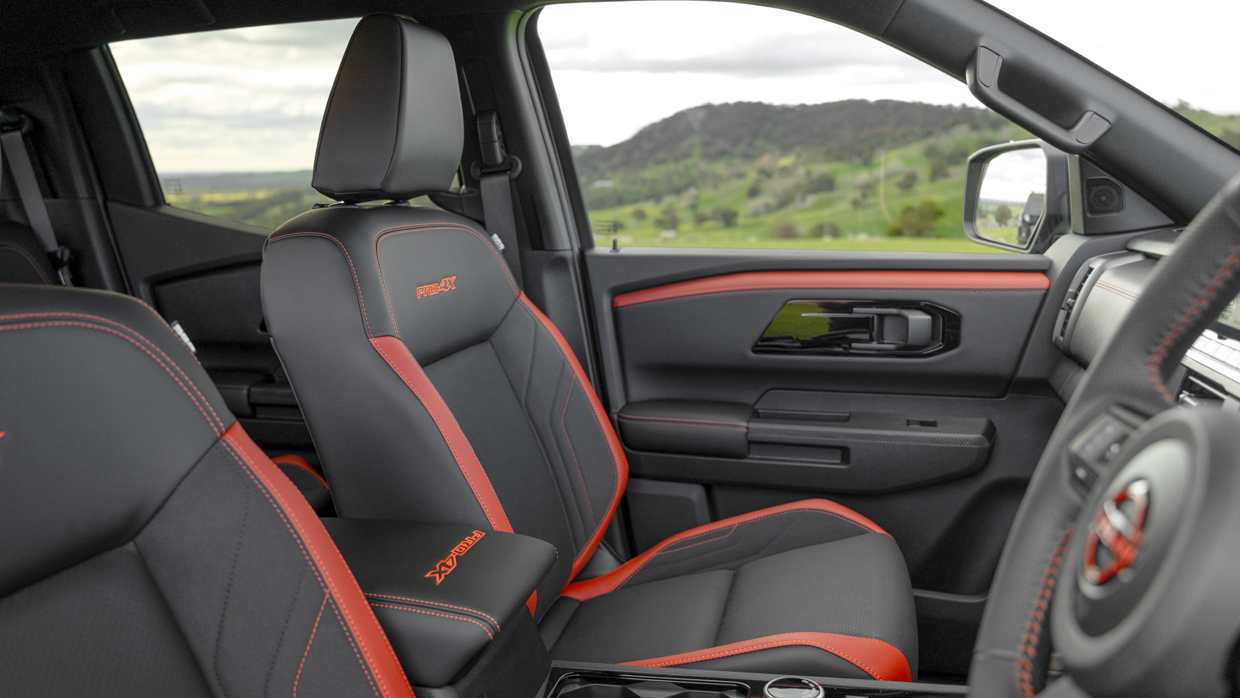
What that means is a superior driving position and front-seat comfort compared to the old D23 Navara, which always made you feel like you were sitting too high in a slightly awkward position. Instead, the new Navara envelops its driver in a supportive seat that feels a lot more natural. And the front passenger’s seat is quite comfy too, despite lacking height adjustment.
There’s decent storage in the front doors (though much less in the rear pair), some well-sized centre cupholders, a phone tray ahead of the gearlever, and a front centre bin (with padded lid in ST-X and PRO-4X) that’s modestly sized and offers limited elbow comfort.
Pictured: 2026 Nissan Navara D27 PRO-4X interior
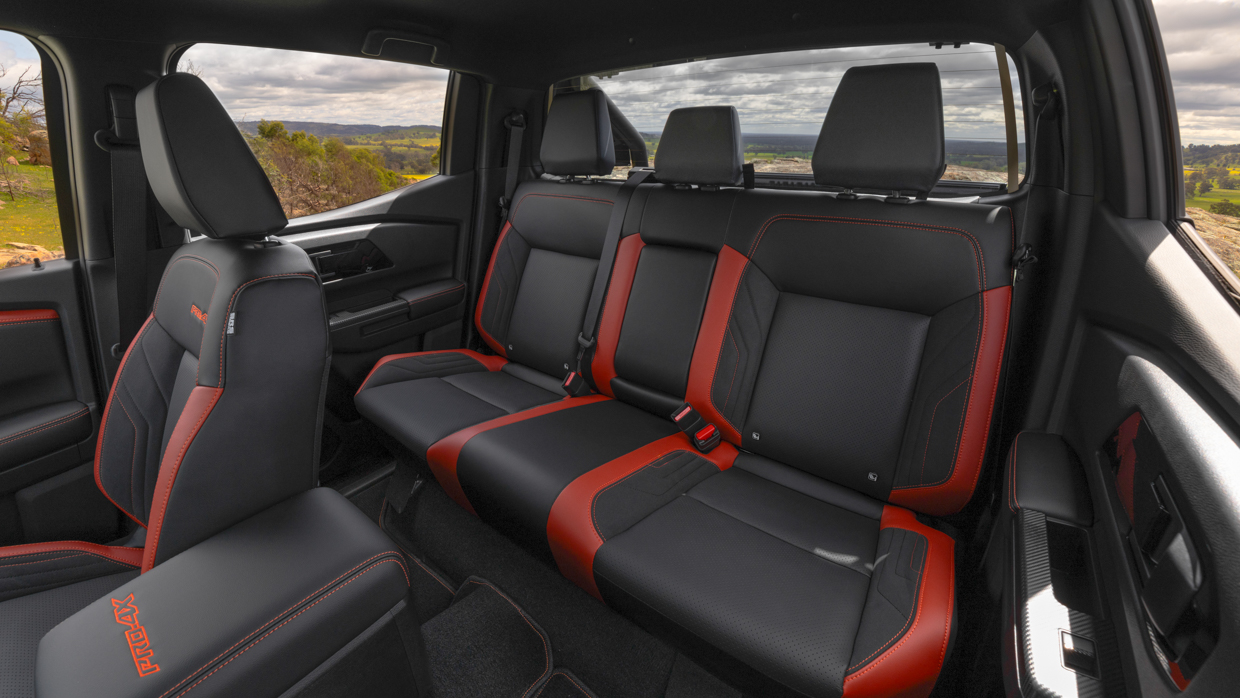
Pictured: 2026 Nissan Navara D27 PRO-4X interior
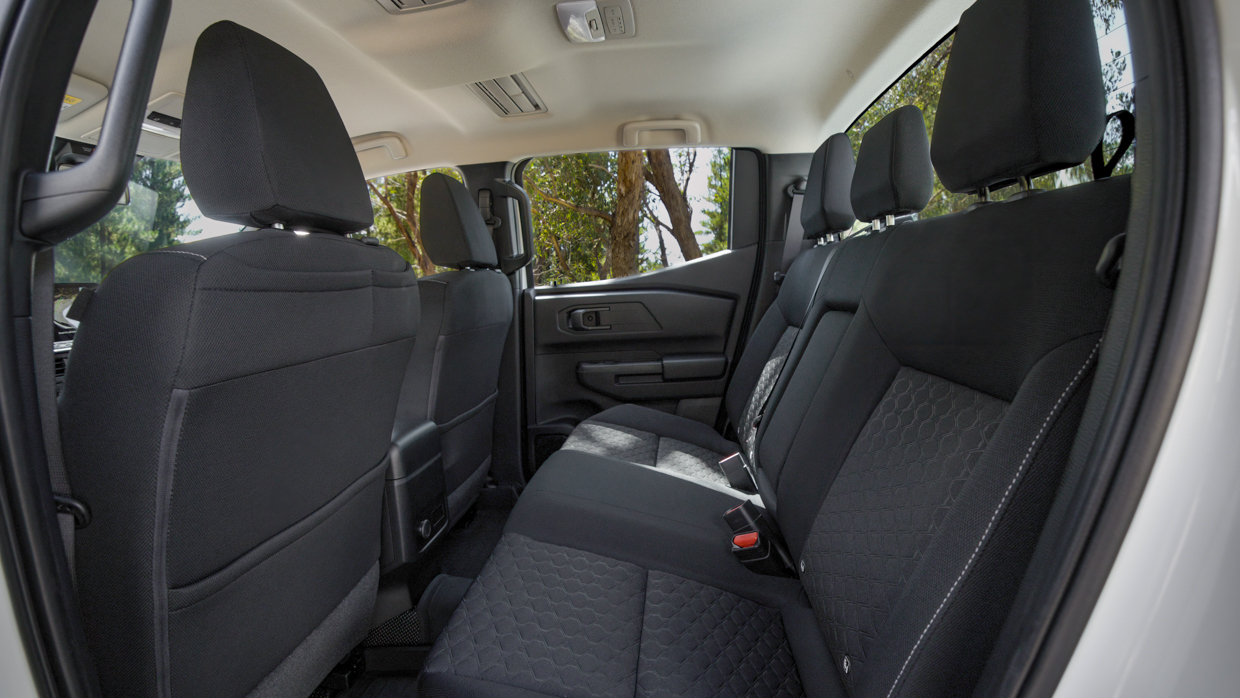
Indeed, that’s the theme with the new Navara’s interior – modest. Not because of its lack of room, even though the rear seat is nowhere near as accommodating as the front section, but because it’s all fairly basic … which many people may see as an advantage.
The upholstery and trim in many sections are quite nice, but the underlying plastics are hard (and hopefully hard-wearing), and the correlation between list price and interior ambience isn’t an obvious one. Still, at least Nissan hasn’t cheapened things by fitting clammy vinyl upholstery, as per much of its Chinese competition.
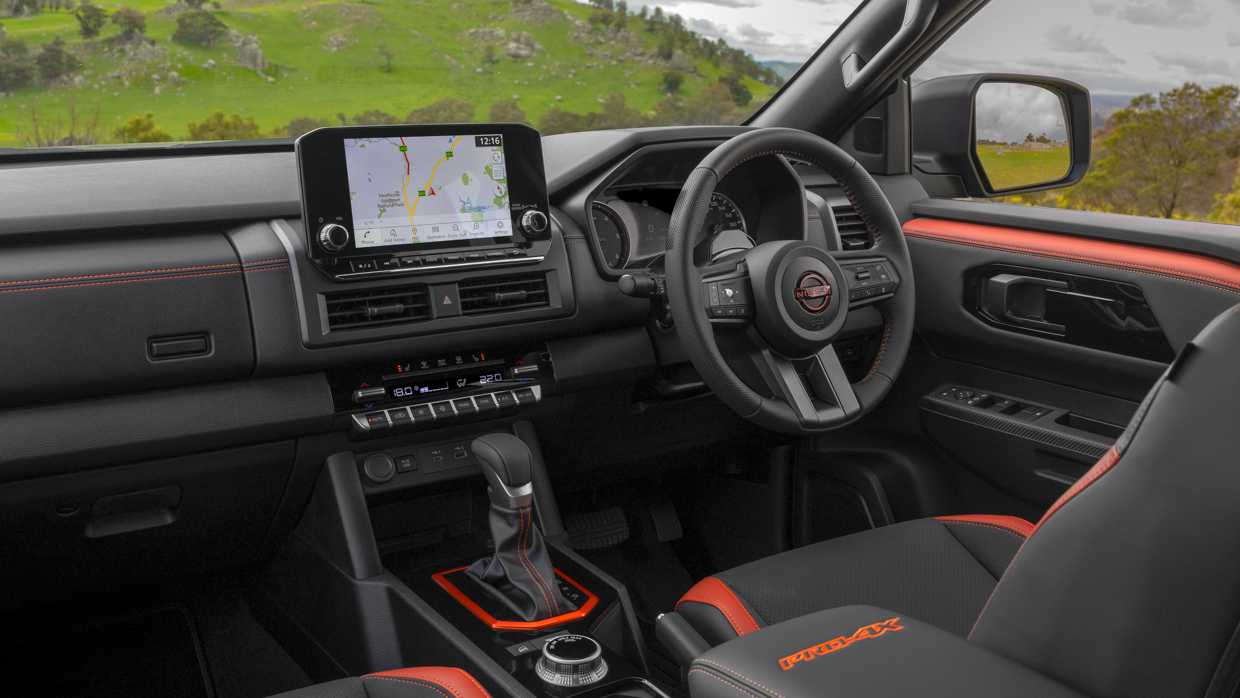
Pictured: 2026 Nissan Navara D27 PRO-4X interior
The 9.0-inch touchscreen is commendably simple to use, if basic in operation, and is saved by offering wireless Apple CarPlay (but wired Android Auto) in ST-X and PRO-4X. Pretty decent audio quality too, from just six speakers in ST-X and PRO-4X.
You also get used to using the 7.0-inch TFT screen between the analogue instrument dials to adjust settings and disable active-safety features – the fonts and functionality being familiar to Nissan owners anyway.
Pictured: 2026 Nissan Navara D27 ST interior
Pictured: 2026 Nissan Navara D27 ST interior
And then there’s the second row, which is mounted high for decent vision but doesn’t offer a whole lot of under-thigh support or toe room, and gets a rudimentary alternative for rear-seat air vents in the form of an air blower built into the headlining, that sucks air from the front and distributes it via angled flaps to the rear.
It could be argued it’s better than nothing but it’s also bulky and noisy. And given the strength of the main climate-control cooling in the dashboard, potentially unnecessary.
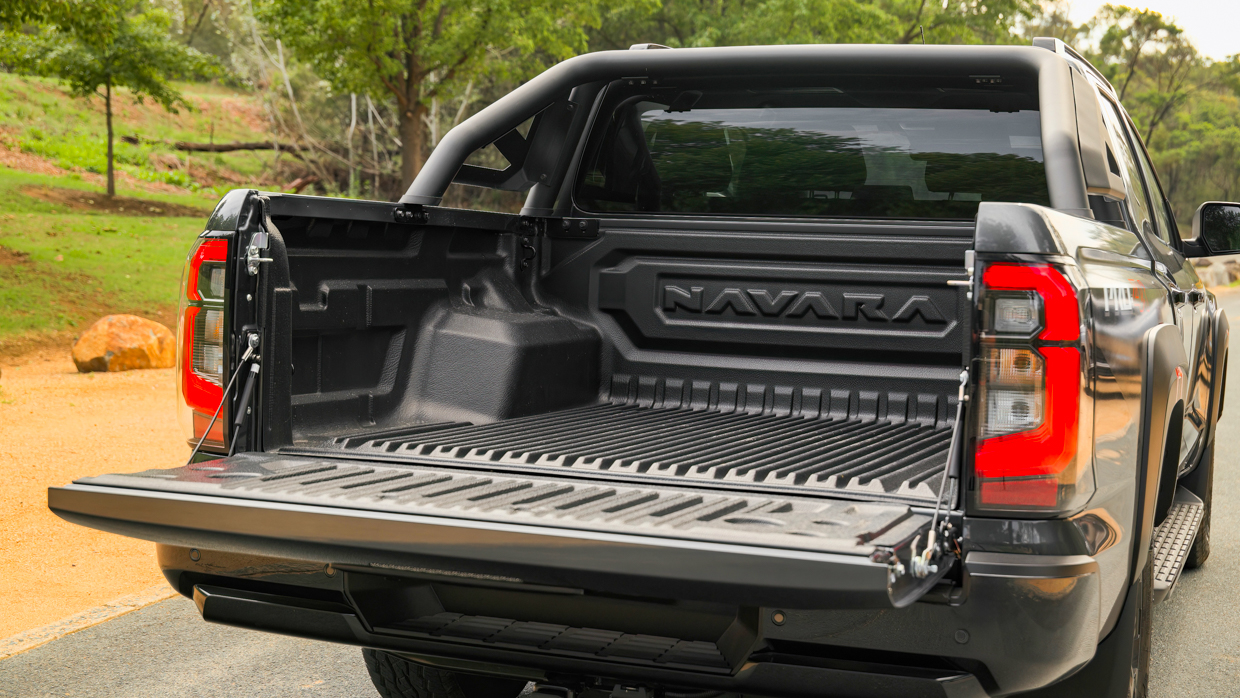
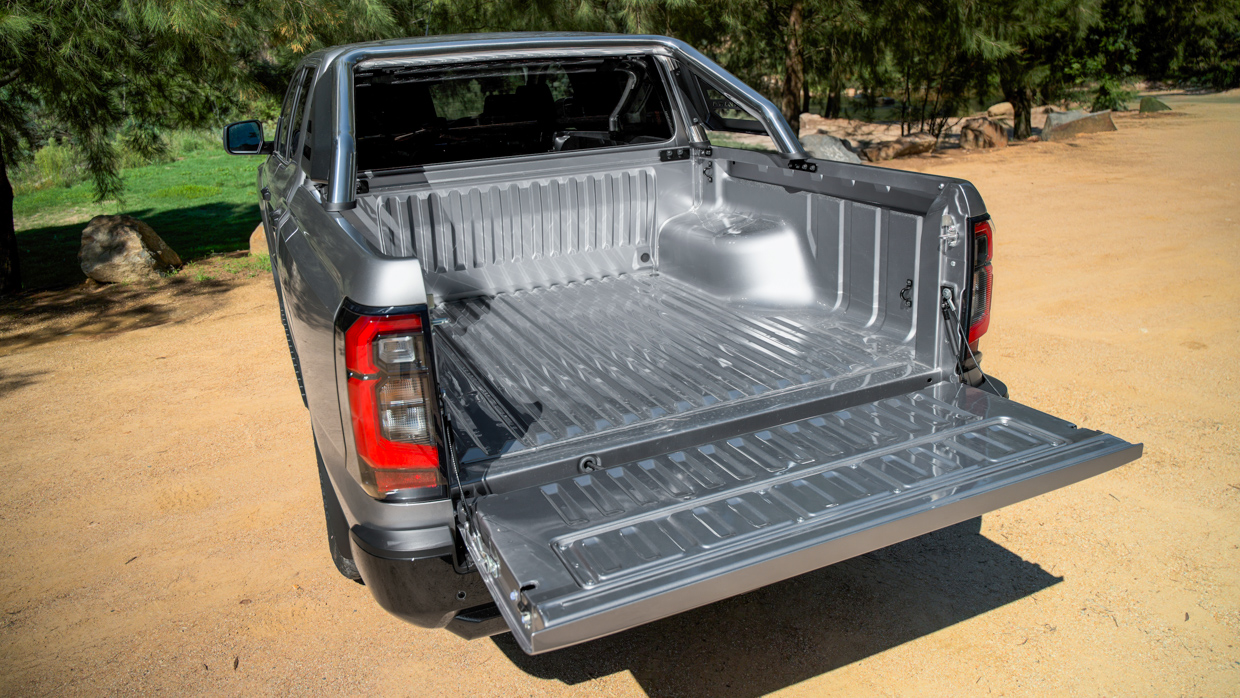
Finally, to the tray, which gets a built-in tub liner in ST-X and PRO-4X, and is notable for being relatively short in length but also impressively deep. The tailgate is damped in all variants, and lockable via an ignition key.
Pictured: 2026 Nissan Navara D27 PRO-4X lined tray
Pictured: 2026 Nissan Navara D27 ST tray
As for the payload, it spans 964kg (in PRO-4X) to 1019kg (ST-X), 1047kg (ST) and 1064kg (SL).
The D27 Navara has been given a five-star rating by ANCAP for its crash-test performance and electronic active-safety features.
It received 86 percent for adult occupant protection, 89 percent for child occupant protection, 74 percent for vulnerable road user protection and 70 percent for safety-assist systems.
Pictured: 2026 Nissan Navara D27 ST-X
Standard safety equipment on all variants of the 2026 Nissan D27 Navara includes:
Most safety systems will remain turned off if you disable them, though the emergency lane assistance switches on each time you start the car. Some people will love that, but anyone attuned to the art of driving will notice the constant steering interference, even though much of it is mild.
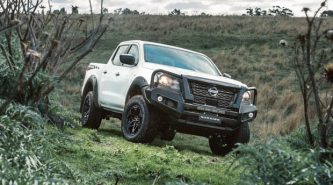
Pictured: 2026 Nissan Navara D27 PRO-4X
The Navara’s adaptive cruise control works well much of the time but is far too sensitive in braking for vehicles parked well away from the road, or vehicles in other lanes. On a winding road, it occasionally stabs the brakes quite alarmingly.
Despite much work by Mitsubishi, the driver distraction monitoring remains over-zealous in its intrusion and frustratingly persistent – though it’s easily disabled using steering-wheel buttons for controls in the instrument pack.
The combined fuel-consumption figure for the D27 Navara is 7.7L/100km, for a theoretical range of 974km from its 75-litre tank.
On test, in extremely varied testing including off-roading, our test PRO-4X averaged 9.4L/100km for a range of 798km. And on a trip from Canberra to Sydney, it averaged 7.5L/100km.
These figures compare favourably with the Navara’s rivals including the Mitsubishi Triton 4×4 (also 7.7L/100km combined), Toyota Hilux Rogue and Rugged X (7.6L/100km), Isuzu D-Max X-Terrain (7.8L/100km), Ford Ranger Wildtrak Bi-Turbo (7.2L/100km) and V6 (8.4L/100km), and Mazda BT-50 SP (7.8L/100km).
Recommended service intervals are every 12 months or 15,000km, capped at $499 per year, for a five-year/75,000km servicing cost of $2495.
Pictured: 2026 Nissan Navara D27 SL
Nissan’s new-vehicle warranty in Australia is five years/unlimited kilometres, including 12 months’ unlimited-kilometre roadside assistance, though both coverage amounts can be extended to 10 years/300,000km if you maintain your recommended servicing schedule within the Nissan dealer network.
Nissan’s D27 Navara is a likeable ute – for precisely the reasons why its donor twin, the Mitsubishi Triton, is not. The one thing the Triton needed most was a suspension retune, so in commissioning Premcar to throw away the dampers and start afresh, Nissan has belatedly realised the potential of the all-new platform that underpins the new Navara.
Pictured: 2026 Nissan Navara D27 ST-X
For this crucial reason, it’s a far-superior dual-cab compared to its Mitsubishi sibling (for now). And it’s a much better ute than the decade-old D23 Navara it replaces – in particular for its front-seat accommodation and its improved acceleration and dynamics. But it’s still some way from being a class-leader in its category.
It lacks the sophistication of its best rivals and is particularly disappointing in its rear-seat packaging compared to the excellence of a Kia Tasman. Instead, the D27 Navara is just another ute – one that should prove reliable, pleasant to drive, and capable of handling what’s thrown at it, but little beyond the ordinary.
We’d also question the value of stretching to a PRO-4X when, aside from lacking a standard tow bar, the better-looking ST-X seems to be a better all-round ute. Perhaps the forthcoming Warrior version of the PRO-4X (due late 2026) will give this all-terrain flagship a more obvious reason for being.
Key specs (as tested)
About Chasing cars
Chasing Cars reviews are 100% independent.
Because we are powered by Budget Direct Insurance, we don’t receive advertising or sales revenue from car manufacturers.
We’re truly independent – giving you Australia’s best car reviews.
The estimate provided does not take into account your personal circumstances but is intended to give a general indication of the cost of insurance, in order to obtain a complete quote, please visit www.budgetdirect.com.au. Estimate includes 15%^ online discount.
^Conditions Apply
Budget Direct Insurance arranged by Auto & General Services Pty Ltd ACN 003 617 909(AGS) AFSL 241 411, for and on behalf of the insurer, Auto & General Insurance Company Limited(ABN 42 111 586 353, AFSL 285 571).Because we don’t know your financial needs, we can’t advise you if this insurance will suit you. You should consider your needs and the Product Disclosure Statement before making a decision to buy insurance. Terms and conditions apply.
Indicative quote based on assumptions including postcode , 40 year old male with no offences, licence suspensions or claims in the last 5 years, a NCD Rating 1 and no younger drivers listed. White car, driven up to 10,000kms a year, unfinanced, with no modifications, factory options and/or non-standard accessories, private use only and garaged at night.
^Online Discounts Terms & Conditions
1. Discounts apply to the premium paid for a new Budget Direct Gold Comprehensive Car Insurance, Third Party Property Only or Third Party Property, Fire & Theft Insurance policy initiated online on or after 29 March 2017. Discounts do not apply to optional Roadside Assistance.
2. Discounts do not apply to any renewal offer of insurance.
3. Discounts only apply to the insurance portion of the premium. Discounts are applied before government charges, taxes, levies and fees, including instalment processing fees (as applicable). The full extent of discounts may therefore be impacted.
4. We reserve the right to change the offer without notice.