Powered by
-
Car Reviews
Latest reviews
- Car News
-
Car Comparisons
Latest comparisons
- Chasing Deals
Latest reviews
Latest comparisons
Can the 2.2L turbo-diesel engine find a home in the hearts of Australian enthusiasts, or is it purely a powertrain destined for work-site duties ?
The Isuzu D-Max has long been offered with the choice of the common ‘4JJ3’ 3.0L diesel that Australian outdoor enthusiasts hold in high regard, or the 1.9L with six-speed combo that’s been run in overseas markets for years.
But in late 2025, the 1.9 was ditched for a more powerful and economical 2.2-litre diesel backed by an eight-speed automatic transmission, partly to improve the breed, partly to counter Australia’s New Vehicle Efficiency Standard (NVES) set to increasingly punish high-CO2-emitting vehicles, year on year.

Which poses an obvious question: is the new 2.2 primarily to lure private buyers away from the much-loved 3.0L, or is it mostly a workhorse powertrain for the job site?
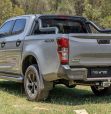
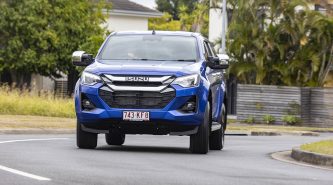
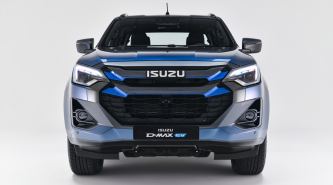
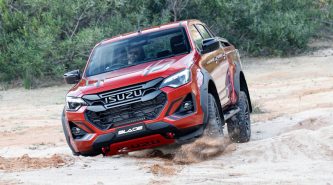
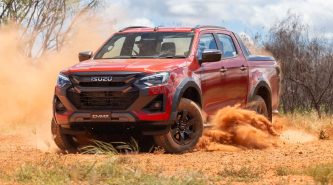
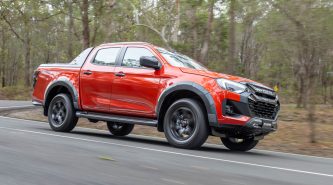
To help answer this, we’ve opted for the mid-range 2026 D-Max X-Rider, a grade that’s pretty well suited on paper to both work and play.
Price? This 2.2L starts at $59,500, before on-road costs, which is a fair bit of change for a dual-cab outright — let alone one purely for the worksite. However, at the time of review, it was on offer for a more enticing $56,990 driveaway.
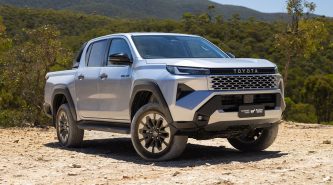
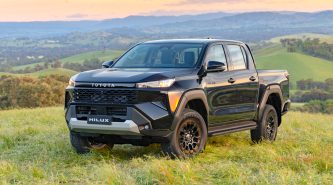
That said, if you consider a bare-bones, base-model Toyota Hilux Workmate will set you back $59,990 before on-roads, it quickly shows there is value with the Isuzu D-Max platform.
Just like the technically related Mazda BT-50, the Isuzu D-Max in 2.2 guise is matched to an Aisin eight-speed automatic transmission.
There’s a method to the madness of adding what looks like a fleet-spec engine to an existing ‘lifestyle’ grade: Ford did it with the current model Ranger and sold well. It gives new life to a chassis that’s already engineered, while saving end users a few dollars when signing on the dotted line.
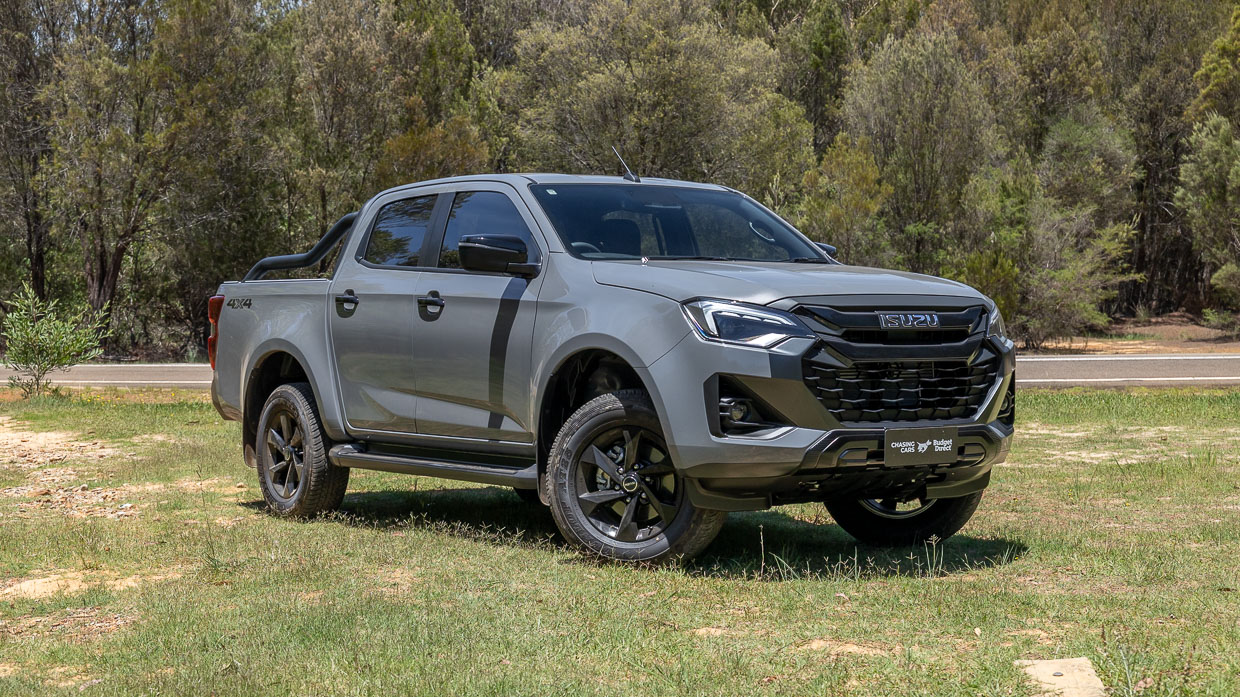
Additional features for the X-Rider model include an 8.0-inch display with Apple CarPlay, Android Auto and voice recognition.
Bi-LED headlights with LED day time running lights give a boost over halogen headlights found in many base model utes. Elsewhere, 17-inch alloy wheels round out the list of key features, which are finished in a black gloss.
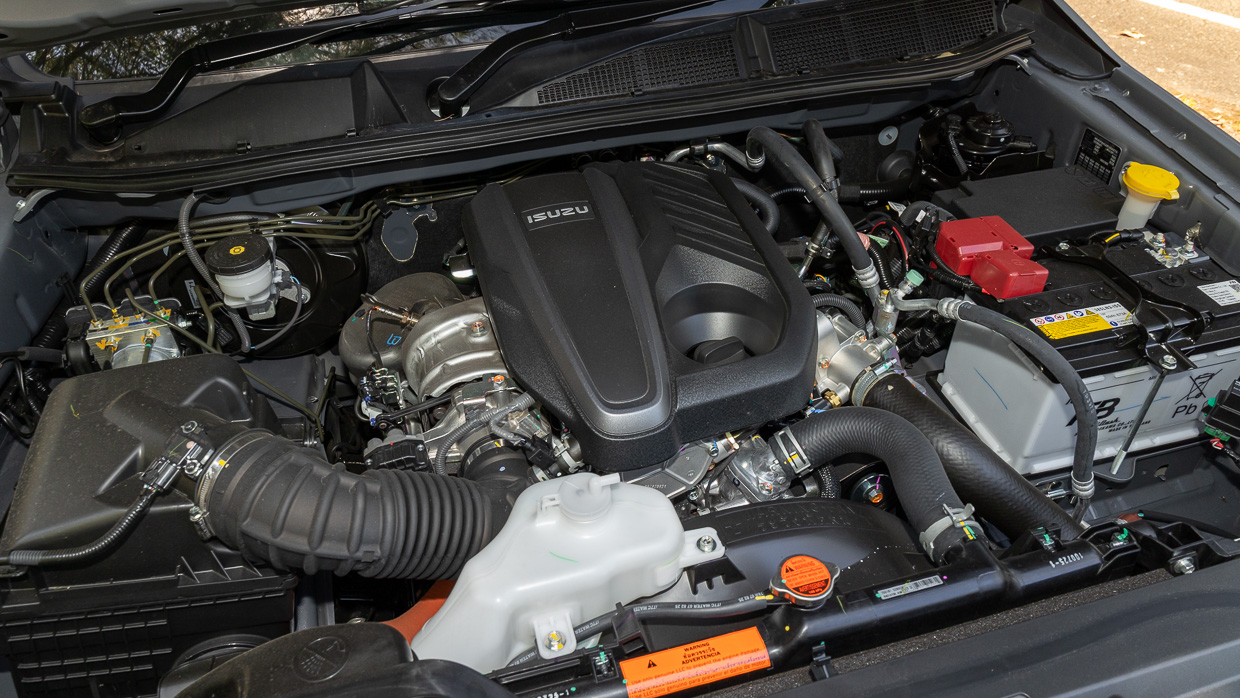
Performance-wise, the D-Max’s 2.2L engine simply lacks torque, with only 400Nm to play with between 1600-2400rpm. And with just 120kW at 3600rpm all up, it’s no powerhouse either.
There’s no magic performance tune advantage between one or the other. Even when you bury the throttle, the D-Max fails to chirp a tyre on take-off, even completely unladen.
The eight-speed transmission upgrade is great to see, though as a whole the powertrain lacks refinement in the tuning calibration. It has a tendency to flare on upshifts rather than changing gears quickly and with authority.

The engineering concept behind having a smaller capacity turbo-diesel engine with more gearing is sound – this just needs refinement via a transmission tune recalibration.
We know that a large number of D-Max owners tow, the good news here, the 2.2L powered D-Max still has a 3500kg braked towing capacity.
The steering feel is decent but the suspension brings a fairly rough ride quality, especially in the rear. And then there’s a spongy brake feel with a noticeable amount of free play in the brake pedal on initial takeup apparent in both brands’ related ute models.
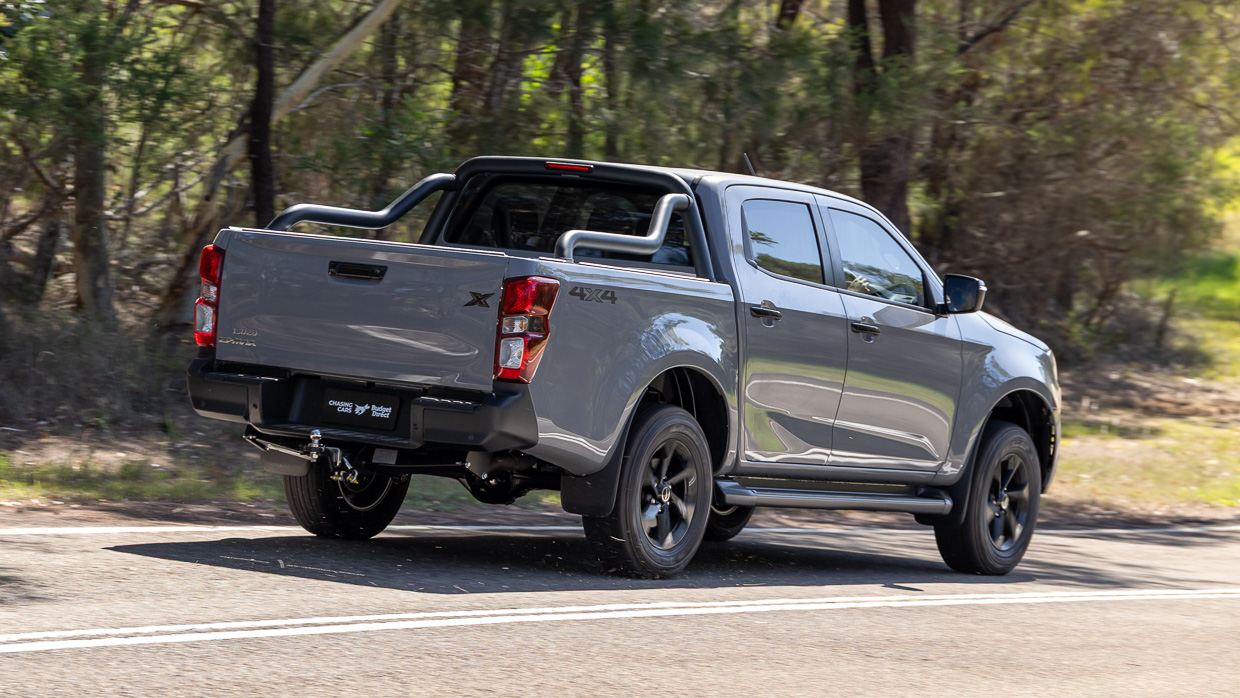
The D-Max feels quite well planted on rough roads. This is something appreciated as a daily driver, as there’s no full-time 4×4 option, which could bring additional on-road grip and traction, especially in the wet.
Stiff rear suspension plays a part here, and this D-Max platform rides particularly rough in the rear thanks to the well-documented design that rides on primary and secondary leaf springs, even unladen.
There is a fix. A trip to your local 4×4 shop or suspension specialist to purchase a more progressive rate leaf spring designed to carry the constant load you are anticipating is money well spent. At least for owners who are happy to dip into the aftermarket and outlay more money.
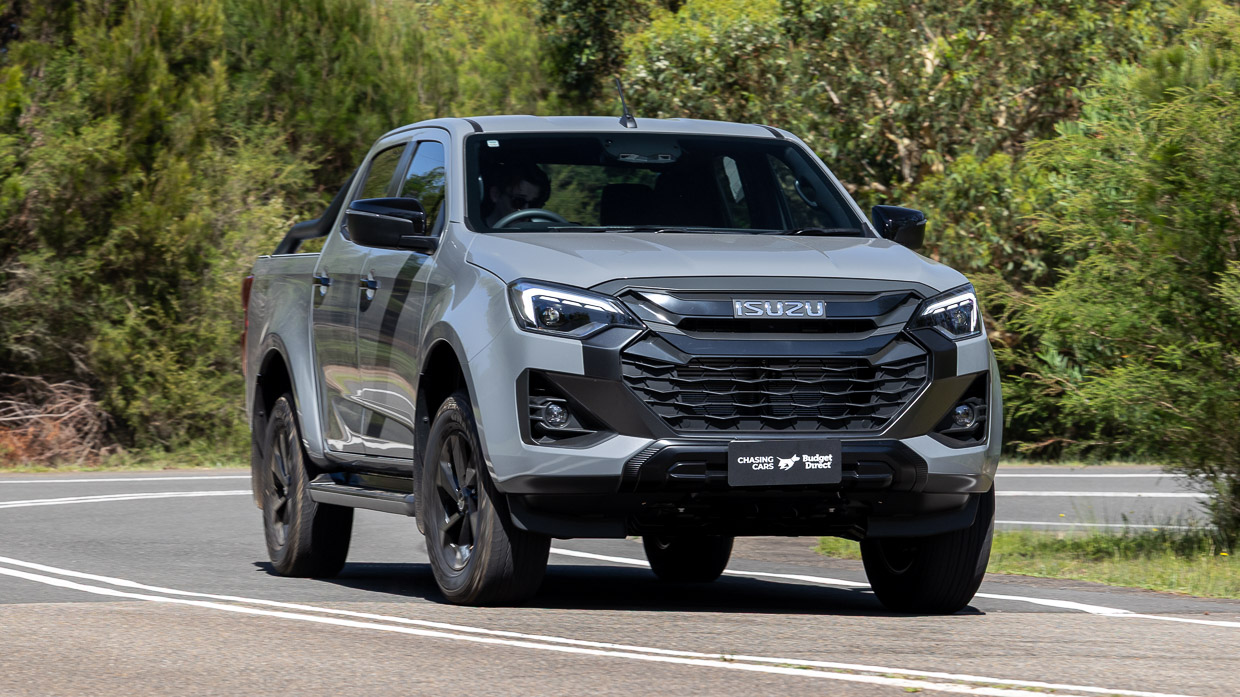
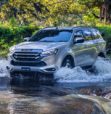
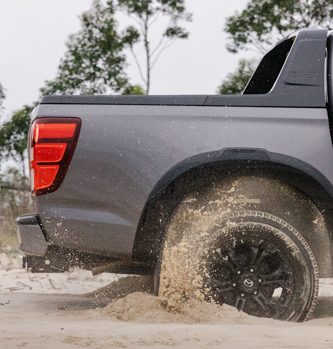
Off-road, the D-Max is a solid performer. This is thanks to the addition of a rear differential lock back in 2019. Off-road performance was further bolstered in the recent facelift with the addition of a clever little button that activates Isuzu’s ‘Rough Terrain Mode’.
Rough Terrain Mode now works in conjunction with the rear differential lock. It also works in two-high, which can be useful at the boat ramp.
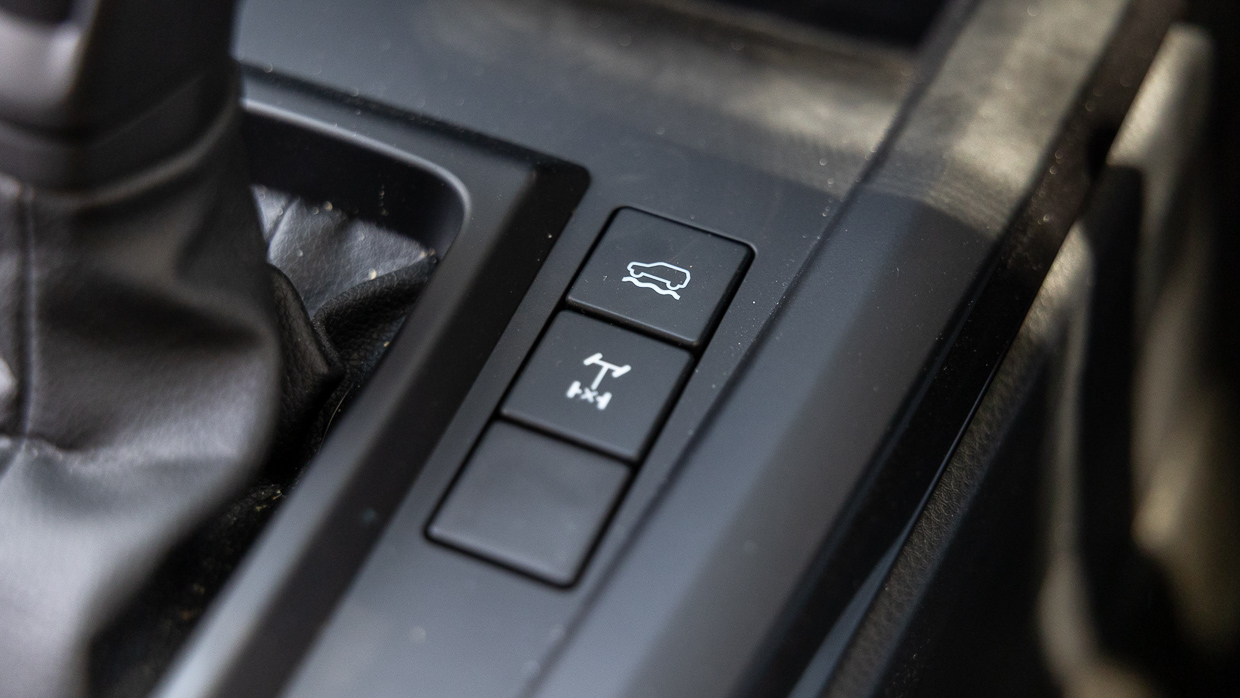
Your reviewer prefers to use Rough Terrain Mode first, however, as it tightens up the vehicle’s traction control calibration to actively brake wheels that are spinning and send drive to the wheels with traction. The locker is there to back you up.
It’s not, however, Toyota Hilux-good, the benchmark in the dual-cab ute market for off-road traction control, but it’s still quite effective. If all else fails, you have that rear electronic differential lock to help provide drive to at least three wheels at a time.
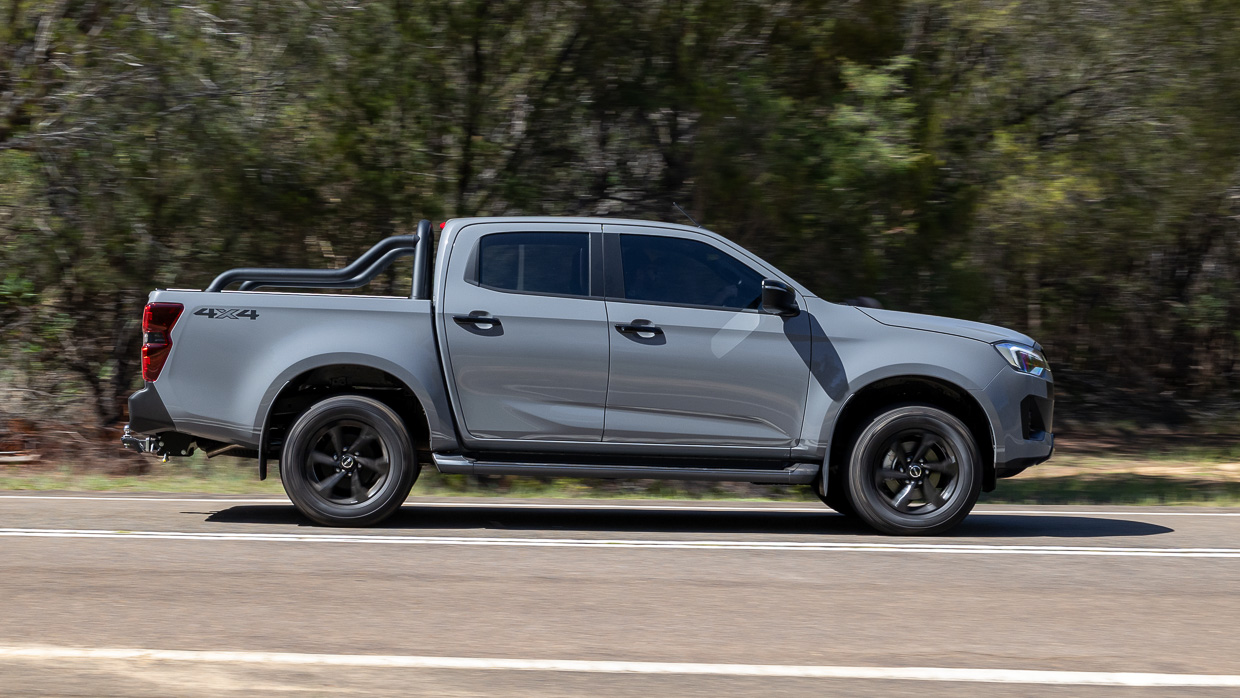
We wonder why it doesn’t just work all the time without the need to engage Rough Terrain Mode. But, we suppose, it’s hard to market a button if there’s no button to market…
Fuel economy is better with the 2.2L, but not by much compared to the 3.0L.
The published claim is of a 10 percent benefit, though on test we saw 6.6L/100km for the 2.2L versus 7.1L/100km for the big-block D-Max. Is that enough of a saving in fuel use to sway your decision away from the larger engine?
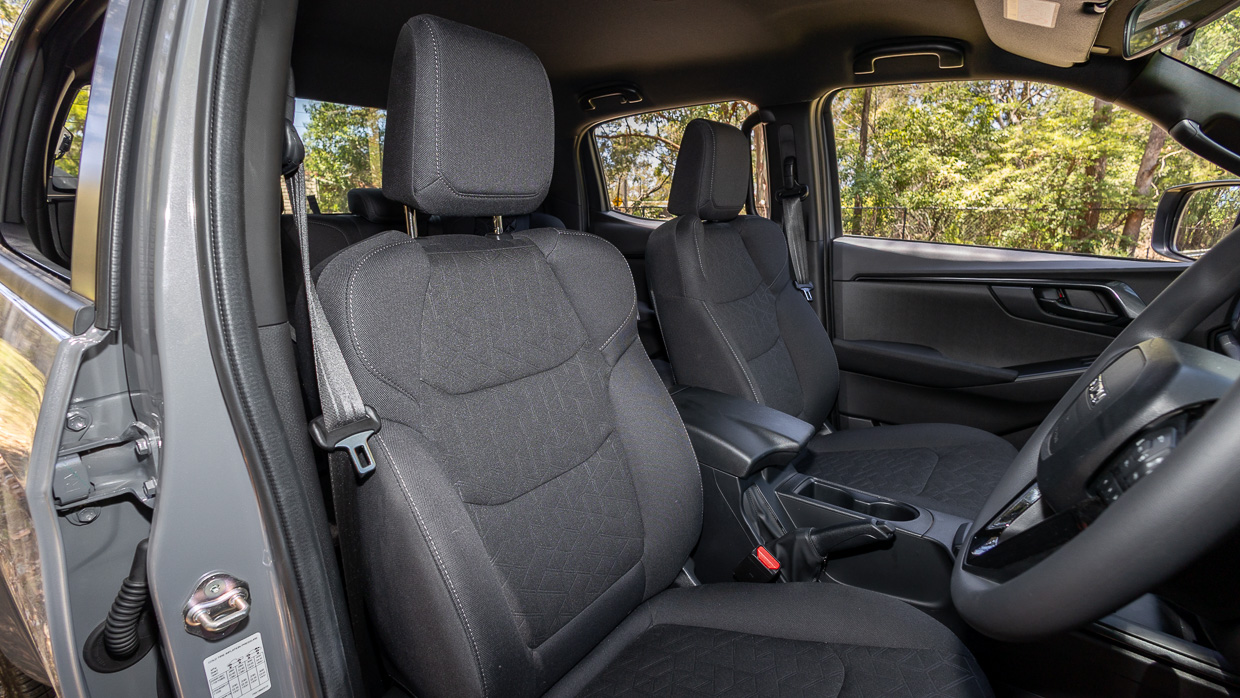
Our favourite thing about the interior of the 2026 Isuzu D-Max is the seats. In terms of comfort, side bolstering and the sense of durability from the cloth trim, they’re up there with the best.
While leather-appointment trim is offered in higher grades, it’s not a preferable choice for serious four-wheel drives: they get hot, and sliding side-to-side while off-roading can put strain on your lower back and hips.
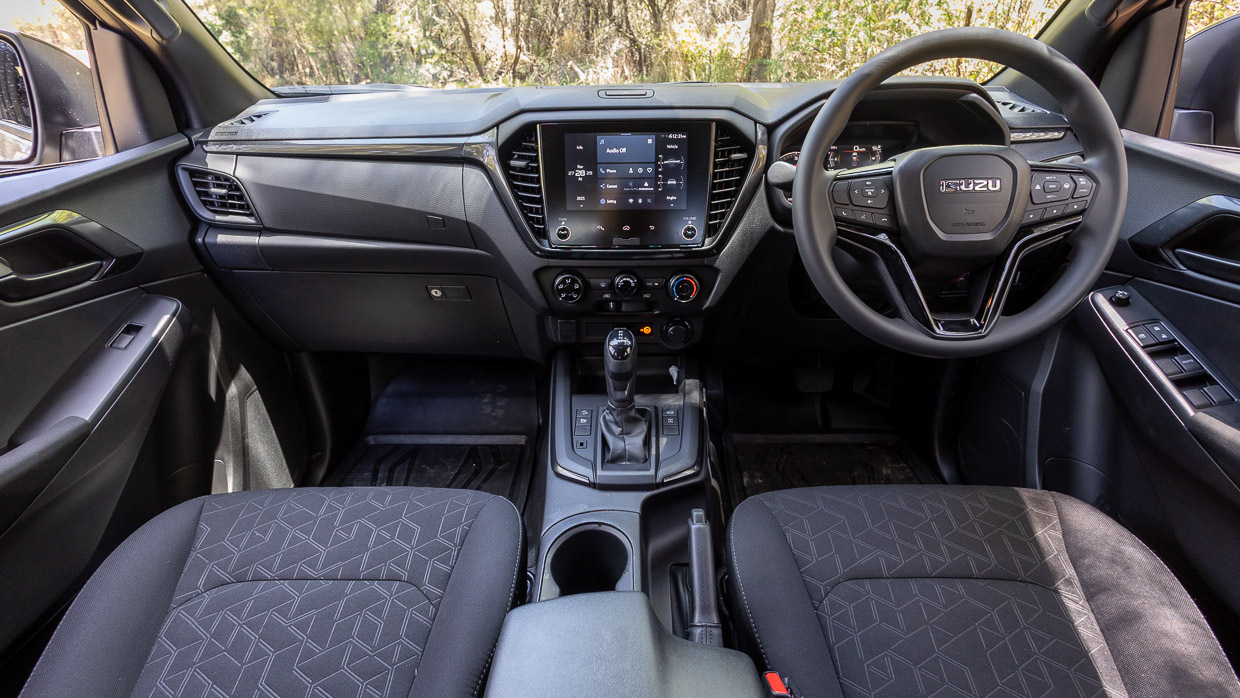
The mid-range X-Rider’s cabin tech isn’t bad, with an 8.0-inch touchscreen married with wireless Apple CarPlay and Android Auto. But higher grades, from LS-U up, fit a larger 9.0-inch unit with proprietary sat-nav.
Our test ute also fits a urethane steering wheel, rather than the nicer leather-bound unit in higher-grade variants, and you’ll have to look elsewhere in range for dual-zone climate control as the X-Rider only gets basic manual air-con.
The back seat area greatly improved. There’s a load of space behind them for storage or adding accessories. A slimline lithium auxiliary battery with DC-DC charger is a popular addition – this works a treat by maximising space that would otherwise be reserved for umbrellas.
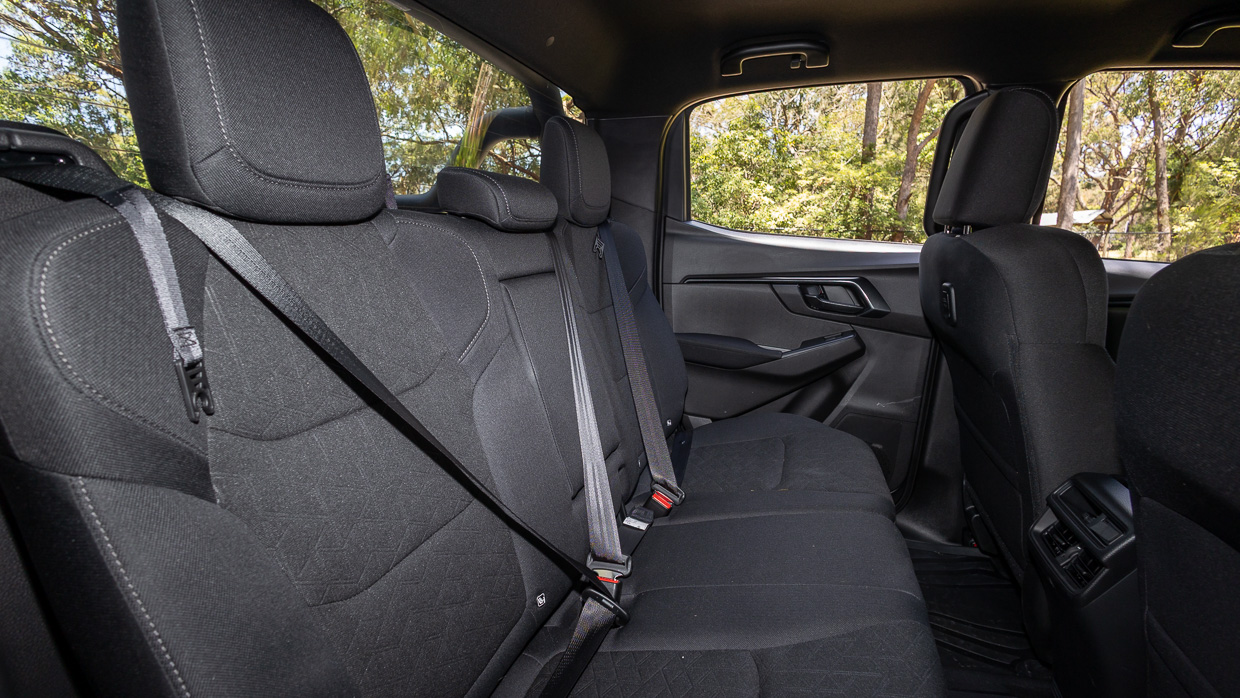
Instrumentation is simply laid out, which is a novelty in this tech-obsessed climate, and everything feels well built. It’s almost like Isuzu and Mazda know their target market of tradies, fleet operators and grey nomads.
Build quality is best described as robust. It’s neither great nor bad, just solid. You sense this interior can easily endure harsh Australian conditions.
It’s also a really easy vehicle to work on in general. Tasks like installing an aftermarket UHF radio are utterly straightforward. There are grommets located on the firewall allowing for simple cable management, and power can be tapped into from the fuse panel next to the driver’s side knee.
Installing roof racks is also painless, with simple captive nuts located on the roof under a protective cover of paint.
Yes, not an interior component, but a decent roof rack means you’ll have more space inside the vehicle. There’s a reason why vehicle fitters and mechanics like this vehicle — it’s an honest steed.
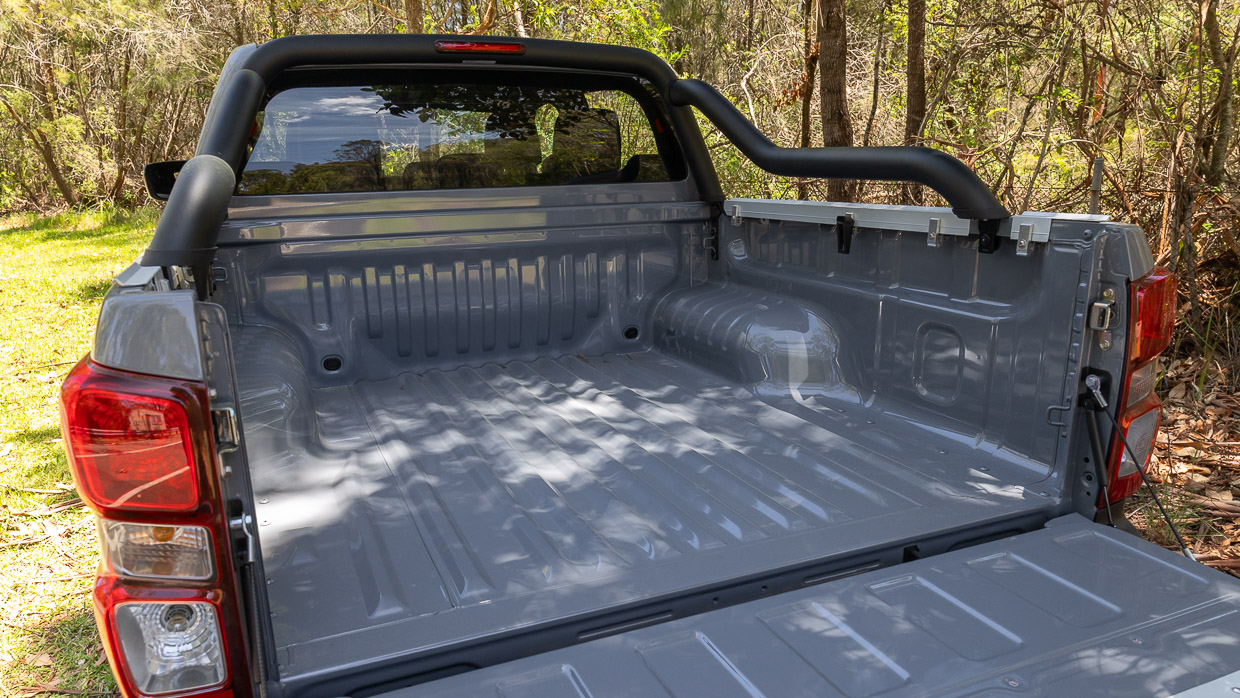
The tub of the D-Max measures 1495 mm long, 1530 mm wide (1122 mm between the arches) and 490 mm deep – figures that will be more than enough for most, though notably won’t accommodate a 1200 mm Euro pallet like a Volkswagen Amarok or Ford Ranger.
Servicing for the D-Max is capped at $489 per 12-month/15,000-kilometre visit each interval for the first five years and 75,000kms. It also requires a free complimentary inspection at the 3000km/three-month mark of ownership.
Warranty is six years of coverage, capped at 150,000kms.
Budget Direct told us the median annual premium purchased for the first time between 1/12/24 and 1/12/25 to comprehensively insure a new Isuzu D-max was $1475. Individual circumstances and policy terms may vary.
Of course, everybody’s situation is different, and the premium will vary according to make and model, and other things insurers take into account, such as your postcode, driving history, who drives the car, where you garage the car and more.
Please quote for yourself. Subject to meeting underwriting criteria. Insurance issued by Auto & General Insurance Company Limited. See PDS & TMD at budgetdirect.com.au.
Should the new 2.2L be recommended over the evergreen and trusted 3.0L? If you want to save some upfront outlay, yes, but that about where the real advantages end. The smaller engine is barely more economical, and yet it’s far less gutsy.
So the 2.2L isn’t really a better lifestyle choice, as a family hauler or as a recreational off-roader. Nor is it necessarily a better tool for the worksite.
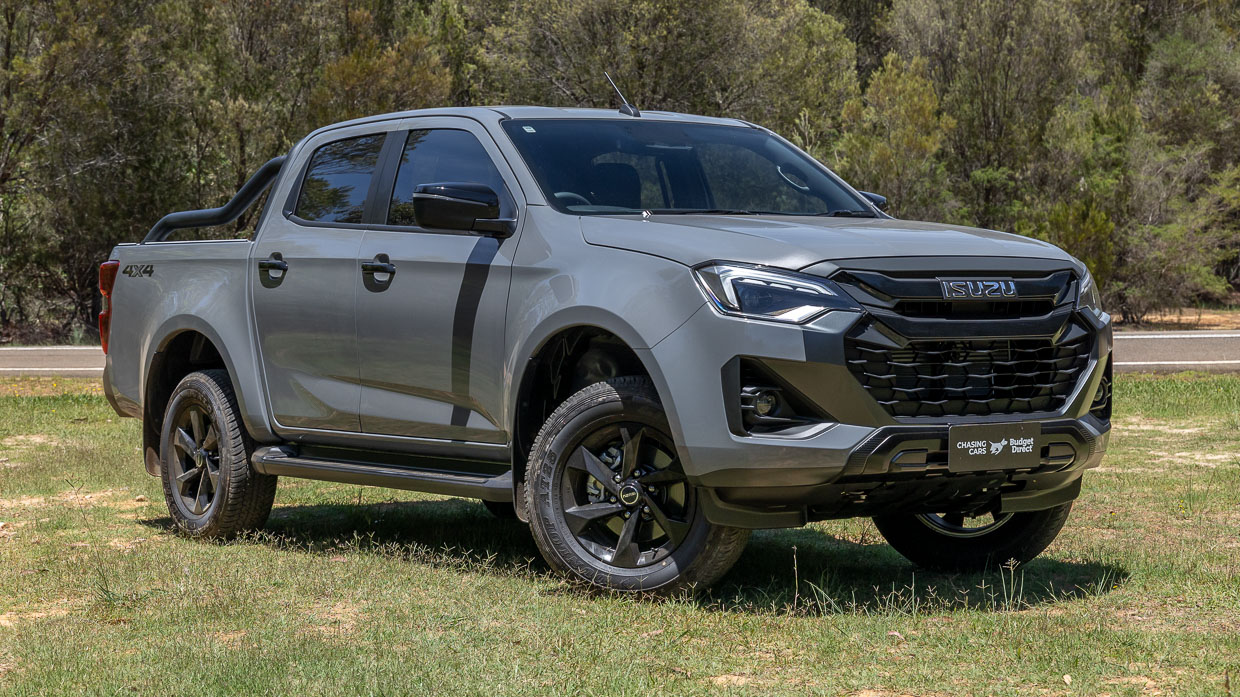
Because of this, the X-Rider 2.2L makes a hard case for itself at $59,500 list, though it’s worth noting that the more palatable $56,990-driveaway offer has been available since the variant was launched last year.
The Isuzu D-Max is a good platform. Parts, knowledge and experience with the 4J engine can be found in most major cities and there’s a long list of accessory suppliers available if you want to push further. It’s also proven to be a long distance winner for those that tow…provided you stick with the tried-and-true 3.0L…
Ultimately, it’s the three-litre versions that are not only a better fit for most owners’ needs, you’d have to think resale values would be advantageous come time to sell.
Key specs (as tested)
About Chasing cars
Chasing Cars reviews are 100% independent.
Because we are powered by Budget Direct Insurance, we don’t receive advertising or sales revenue from car manufacturers.
We’re truly independent – giving you Australia’s best car reviews.
The estimate provided does not take into account your personal circumstances but is intended to give a general indication of the cost of insurance, in order to obtain a complete quote, please visit www.budgetdirect.com.au. Estimate includes 15%^ online discount.
^Conditions Apply
Budget Direct Insurance arranged by Auto & General Services Pty Ltd ACN 003 617 909(AGS) AFSL 241 411, for and on behalf of the insurer, Auto & General Insurance Company Limited(ABN 42 111 586 353, AFSL 285 571).Because we don’t know your financial needs, we can’t advise you if this insurance will suit you. You should consider your needs and the Product Disclosure Statement before making a decision to buy insurance. Terms and conditions apply.
Indicative quote based on assumptions including postcode , 40 year old male with no offences, licence suspensions or claims in the last 5 years, a NCD Rating 1 and no younger drivers listed. White car, driven up to 10,000kms a year, unfinanced, with no modifications, factory options and/or non-standard accessories, private use only and garaged at night.
^Online Discounts Terms & Conditions
1. Discounts apply to the premium paid for a new Budget Direct Gold Comprehensive Car Insurance, Third Party Property Only or Third Party Property, Fire & Theft Insurance policy initiated online on or after 29 March 2017. Discounts do not apply to optional Roadside Assistance.
2. Discounts do not apply to any renewal offer of insurance.
3. Discounts only apply to the insurance portion of the premium. Discounts are applied before government charges, taxes, levies and fees, including instalment processing fees (as applicable). The full extent of discounts may therefore be impacted.
4. We reserve the right to change the offer without notice.