Powered by

- Car Reviews
-
Car News
Latest news
-
Car Comparisons
Latest comparisons
- Chasing Deals
Latest news
Latest comparisons
Big battery and fulsome base spec a recipe for the most enticing Ioniq 5 yet – with the help of a sizeable price haircut
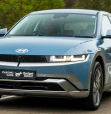
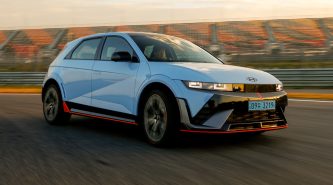
At the tail end of 2025, Hyundai Australia consolidated its now five-year-old Ioniq 5 electric figurehead – from a choice of 14 variant combinations to just four – in an effort to boost the model’s slovenly sales fortunes.
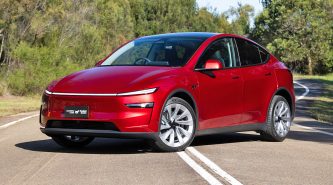
During that year, the Ioniq 5 was outsold by key rival – and the biggest-selling EV in Australia – Tesla Model Y 35 to one. And sales for the Korean had slumped by 33 percent since 2024.
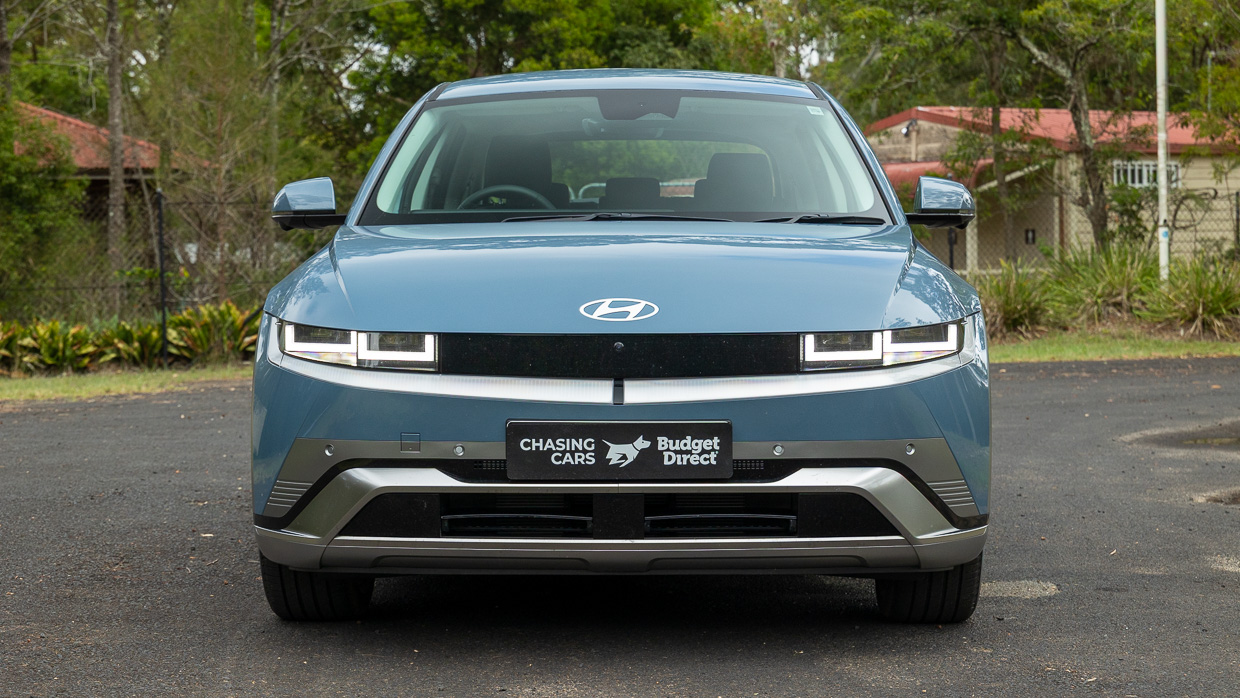
Hyundai Australia really needs its Ioniq models – and, indeed, its new, cut-priced Elexio EV – to pull their weight to help offset ICE-powered models in the face of the federal government’s New Vehicle Emission Scheme (NVES) regulation penalties.
Dynamiq and Techniq nameplates? Gone. No less than five different batteries – 58kWh, 63kWh, 72.6kWh, 77.4kWh, 84kWh… – distilled down to one across-the-board fitment, the latter and largest unit (80kWh useable) originally reserved for the mighty high-performance N version.
And the lowly former base spec of a paltry 125kW and off-the-pace 440km (WLTP) range was put to pasture.
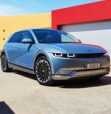
MY26 yields arguably Ioniq 5’s most compelling value variant yet: the Ioniq 5 RWD ‘no name’, essentially the old extended-range variant repurposed at the lineup’s ground floor. It lists for $76,200 – marginally up on its logical longer-range MY25 technical twin – if launched on offer for a more palatable $71,990 drive-away (valid to 30th March).
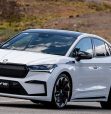
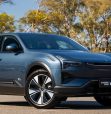
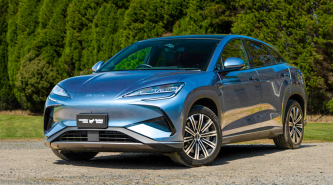
Undoubtedly Hyundai hopes that that price point, together with 570kms of WLTP range and a healthy 168kW/350Nm, is a combination that will fight fit against the Chinese-built Model Y, Euros such as Skoda Enyaq, and Chinese-branded newcomers racing to the bottom on price while seducing with lofty features, performance and range claims.
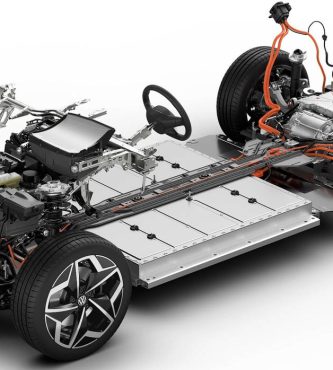
The Ioniq 5 continues to trade on the high-brow technical DNA – its 800-volt-capable e-GMP architecture – together with striking design and a semi-premium execution that garnered critical acclaim when the modern EV icon launched five years back.
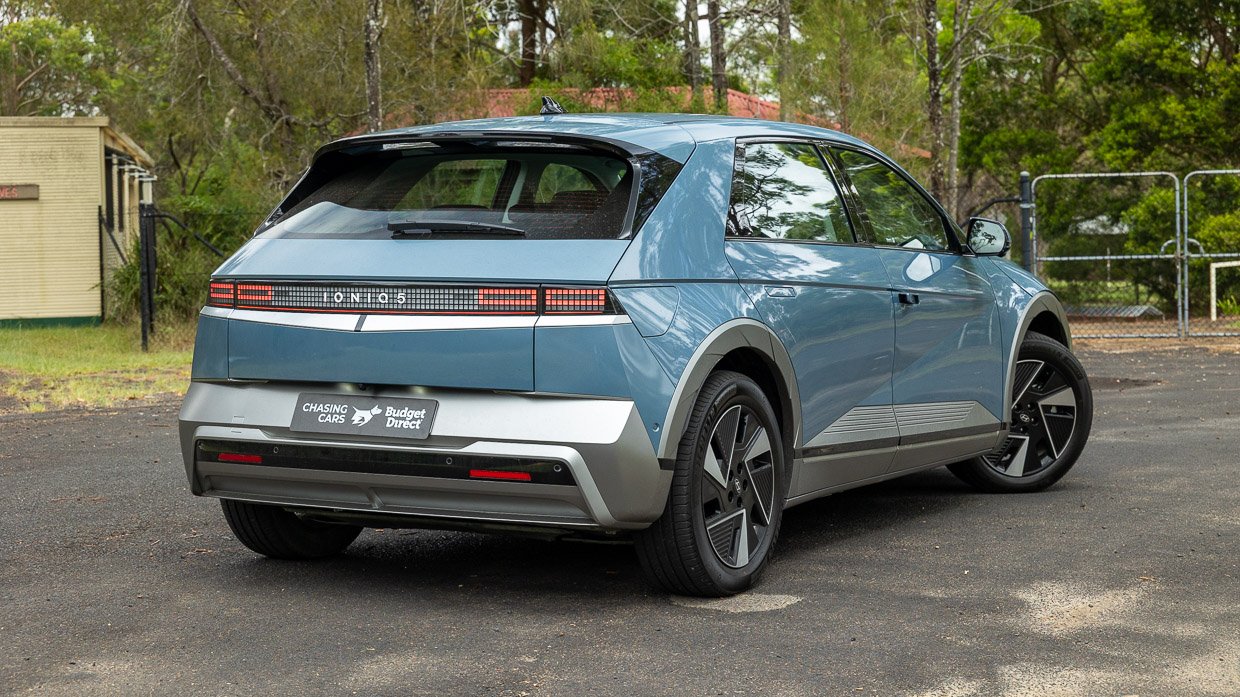
However, it’s still price, range and performance, wrapped in a contemporary enough tech bow, that primarily wins over Aussie EV buyers, the numbers of which are dwindling in recent times despite Hyundai Australia’s almost constant fiddling to improve its ‘jumbo hatchback’s appeal.
So, how does the base guise of this half-decade-young electric stalwart stack up right now in the 2026 climate?
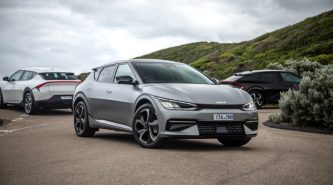
Mid-seven-second 0-100km/h times are nothing to brag about in EV Land, but the Ioniq 5 RWD more than compensates for a lack of sheer pace with a natural and cooperative driving character a cut or three above so many mainstream electric newcomers. The Ioniq 5 – and related Kia EV6 – were always solid vehicles, and still are five years on.
The 168kW and 350Nm feels ample, its torquey and linear nature, one adding a layer of genuine gusto in Sport mode, masking nearly 2.1 tonnes of heft well. But it’s really the paddleshift-adjustable regen that’s so useful and effective for daily driving that, once you’re used to it, this electric ally is tough to live without.
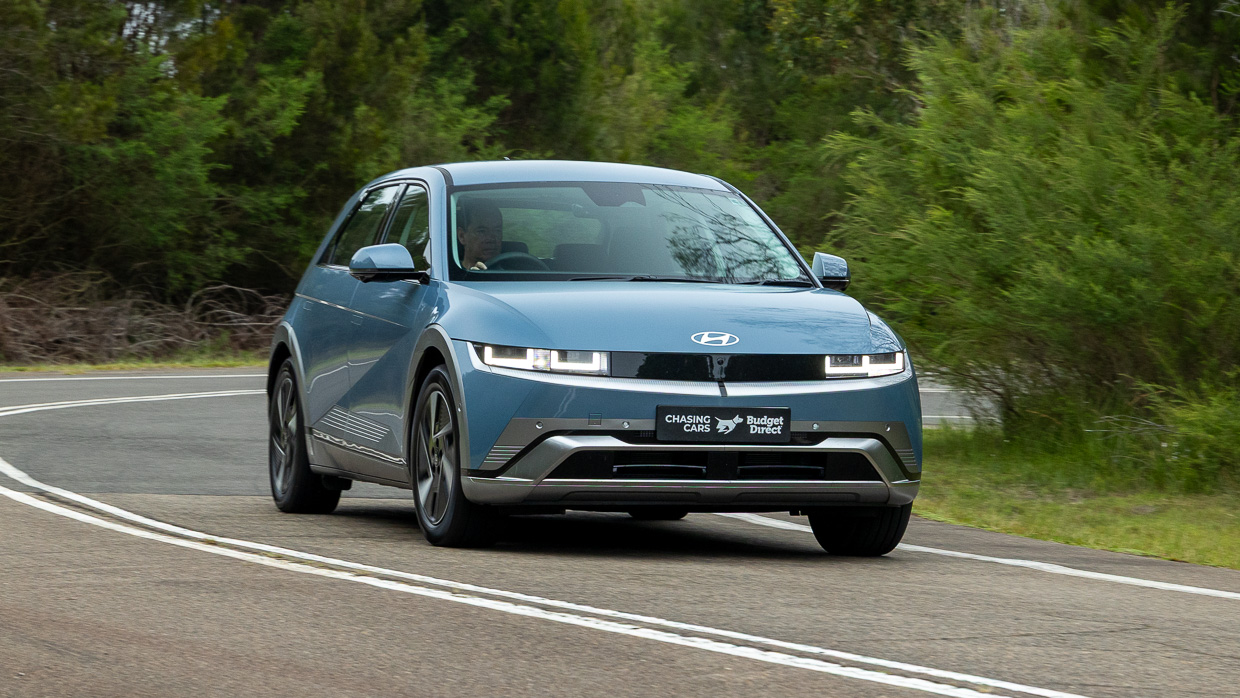
The Ioniq 5 RWD feels lighter on its tyres than its weighbridge ticket suggests. Despite the huge three-metre wheelbase, it’s dynamically eager and offers quite assertive body control, with a crispness to its nature in part due to the clear and fluid steering unburdened by front-axle drive.
This EV is so often referred to as an SUV. But, one counters, if it looks like a hatchback and walks and talks like a hatchback – as this five-door does in corners – then the reality is otherwise…
The quality of technical DNA is apparent in the ride and handling balance that Hyundai spent some effort getting right years ago, albeit one not as impressively resolved as its cousin, the EV6.
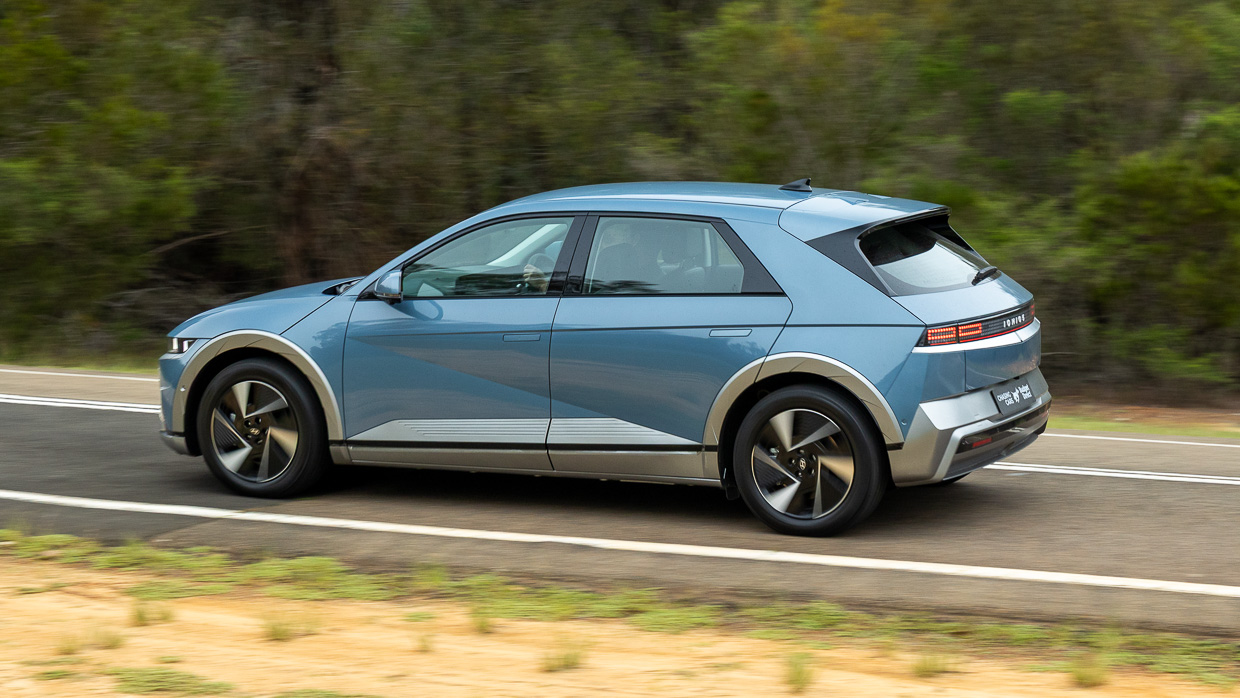
On one hand, the ride strikes a nice balance between comfy compliance and supportive control across undulating bumps.
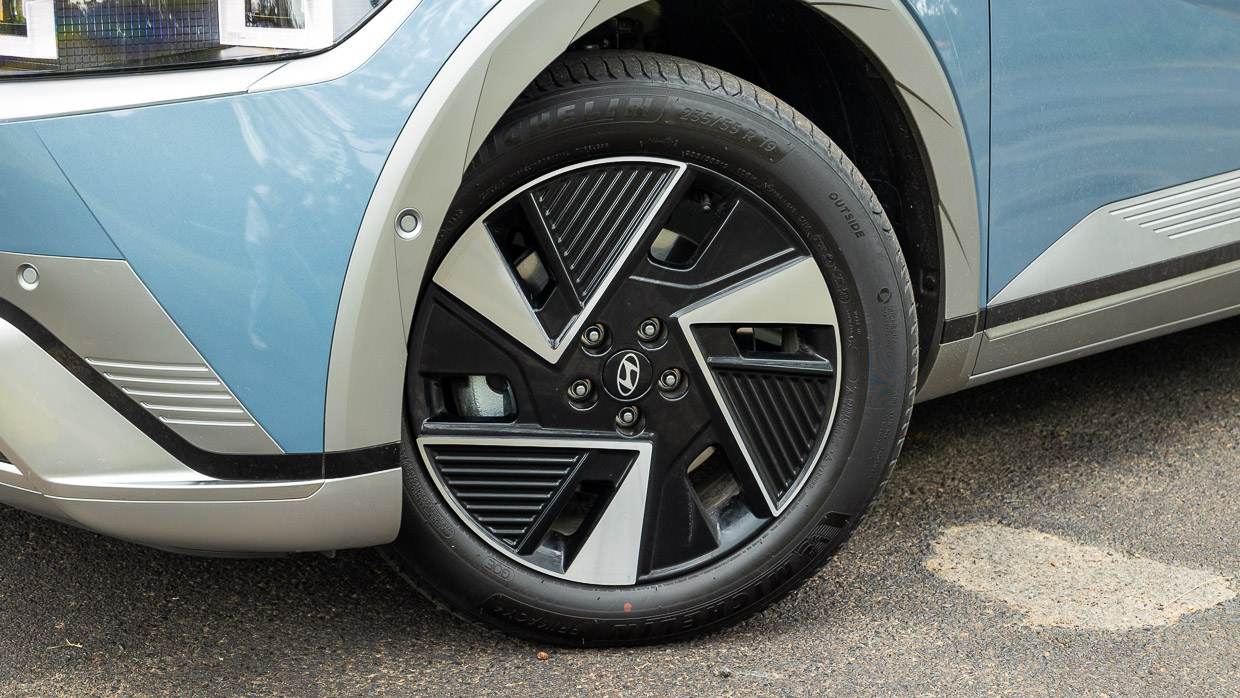
But drop the road speed and/or hit sharp-edged road imperfections and hits can transmit shock through the chassis. Even on the base car’s relatively chubby 19-inch rubber (higher grades get 20s).
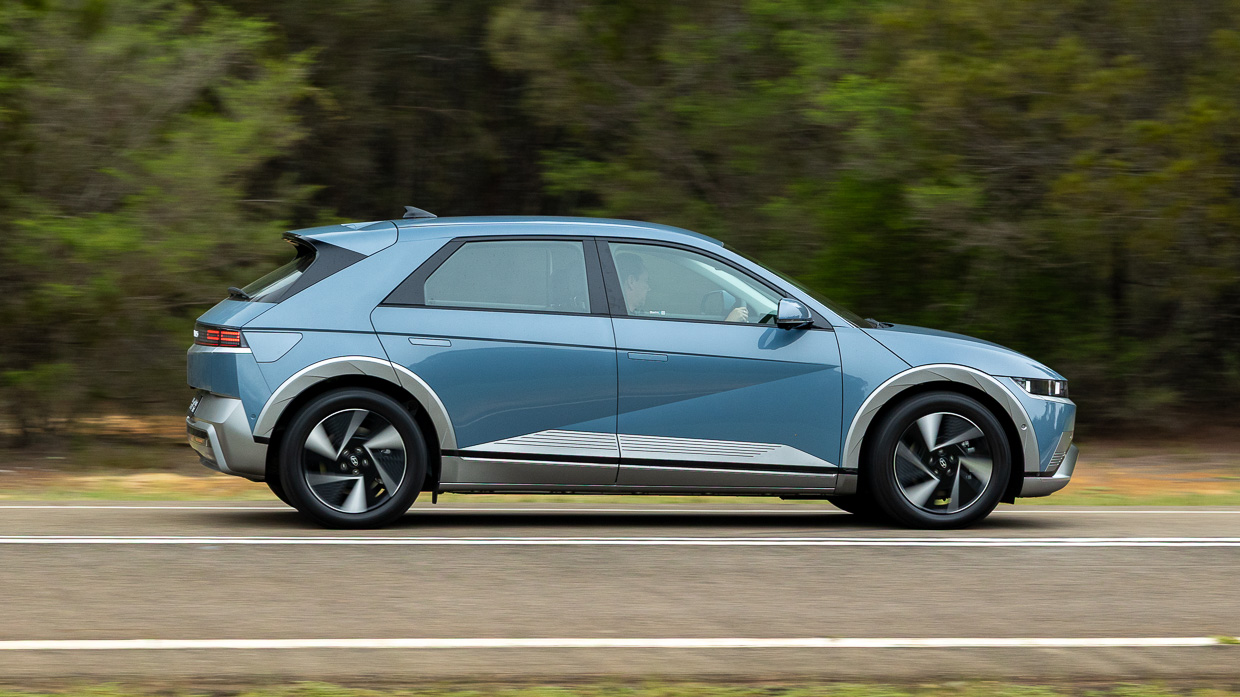
There’s none of the sonic fakery that brings so much drama to the vaulted go-fast N version, but bar some faint suspension noise and tyre slap the entry rear-driver is a serene drive. It’s partly due to the sheer solidity of the thing, aided by spec boosting refinement such as its acoustic glass for the windshield and side windows.
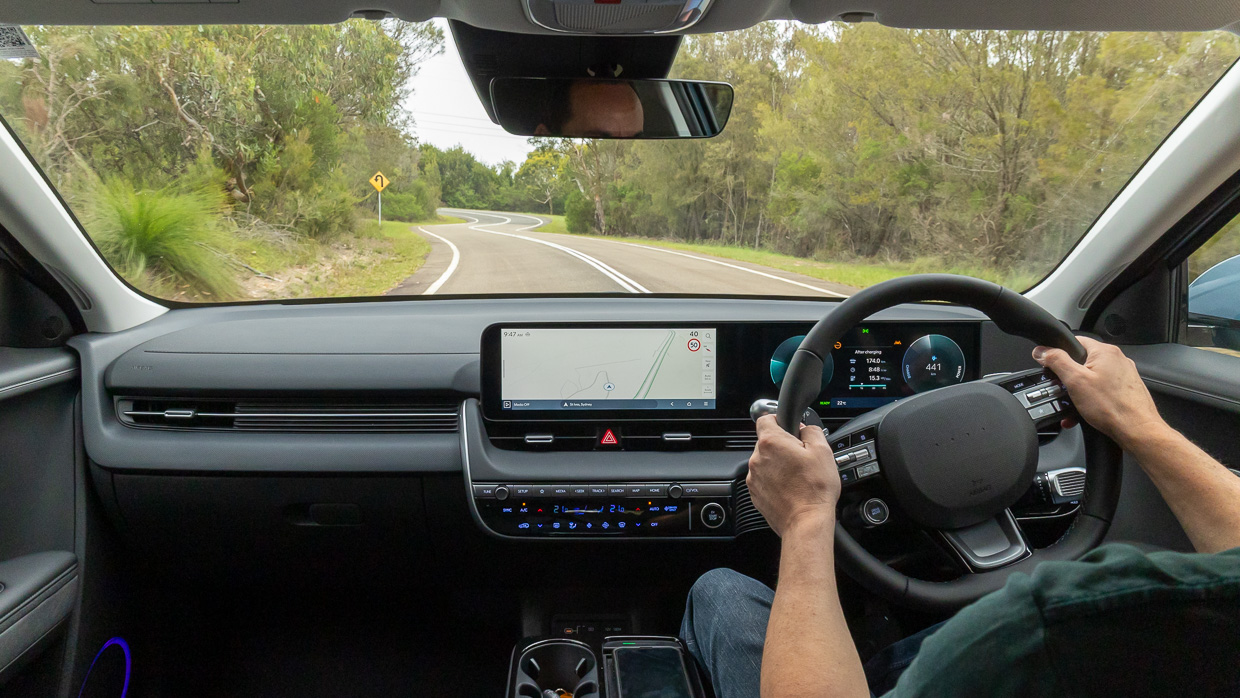
That 570km (WLTP) range claim? It’s quite genuine, driving style permitting. During our week with our test car we saw consumption lows of 13.5kWh/100km and highs around the 15kWh mark, translating to full charge range bang on its claim from the big 80kWh usable battery.
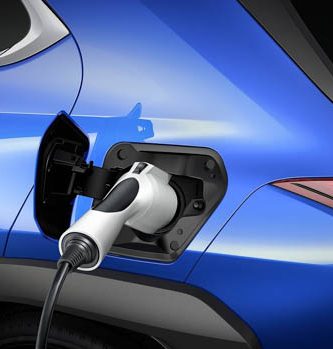
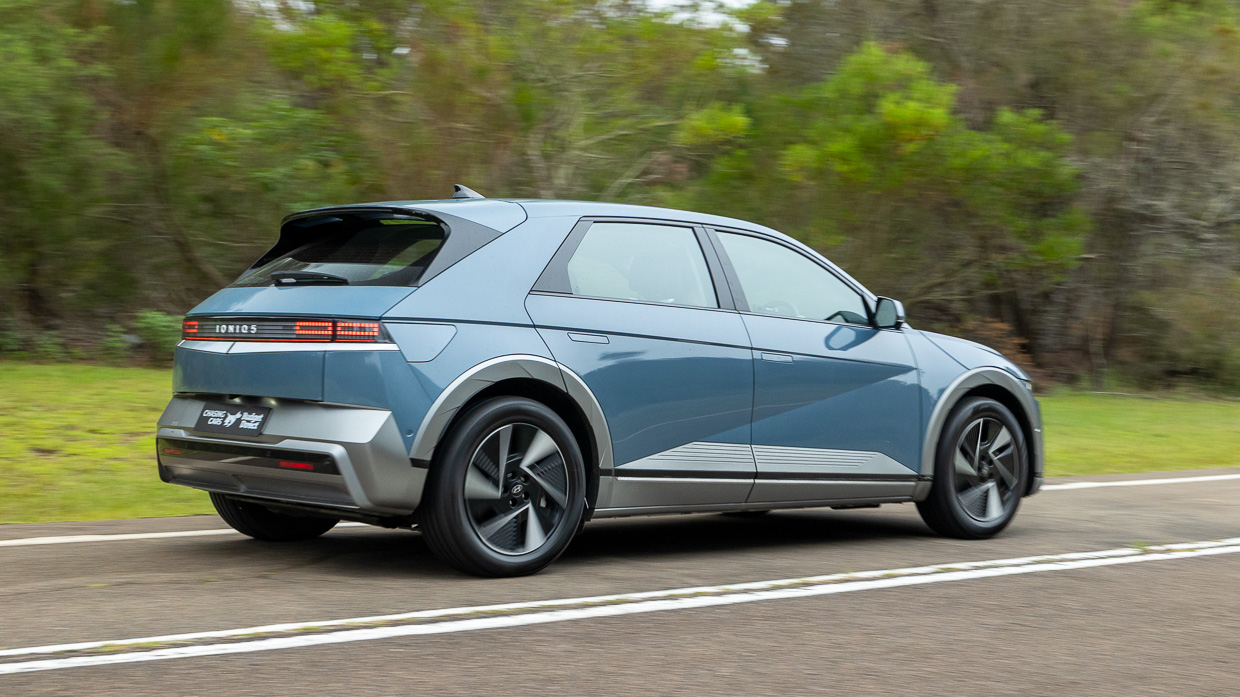
Charging, too, is rapid: a 233kW DC peak yielding a brisk 18 to 20 minutes thanks to the tricky 800-volt architecture that’s long pegged the Ioniq 5 as a fairly pricey proposition.
Downside? As is the case with most Korean offerings today, annoying and non-mandatory active safety systems rearm each restart and need to be defeated each time you drive the vehicle. The button shortcuts offered still don’t entirely alleviate the ongoing annoyance.
The range claim on the onboard computer can also be grossly inaccurate. Some “670km”, a while 100km over the form guide claim, displayed at a 100-percent charge? We don’t think so…
The Ioniq 5 interior remains impressively fresh for good reason: key elements of a design worked so well on debut in 2021 that its essence has migrated mostly – though not identically – to Hyundai’s ICE-based models such as Tucson, Kona, Santa Fe and more. The look still seems more ‘recent’ than it is.
As so many mainstream EV newcomers continue ape Tesla’s cabin unorthodoxy and/or fumble through usability faux pas – and overreliance on touchscreen system controls – the Ioniq 5 maintains a straightforward clarity that elevates it a cut or two above many rivals.
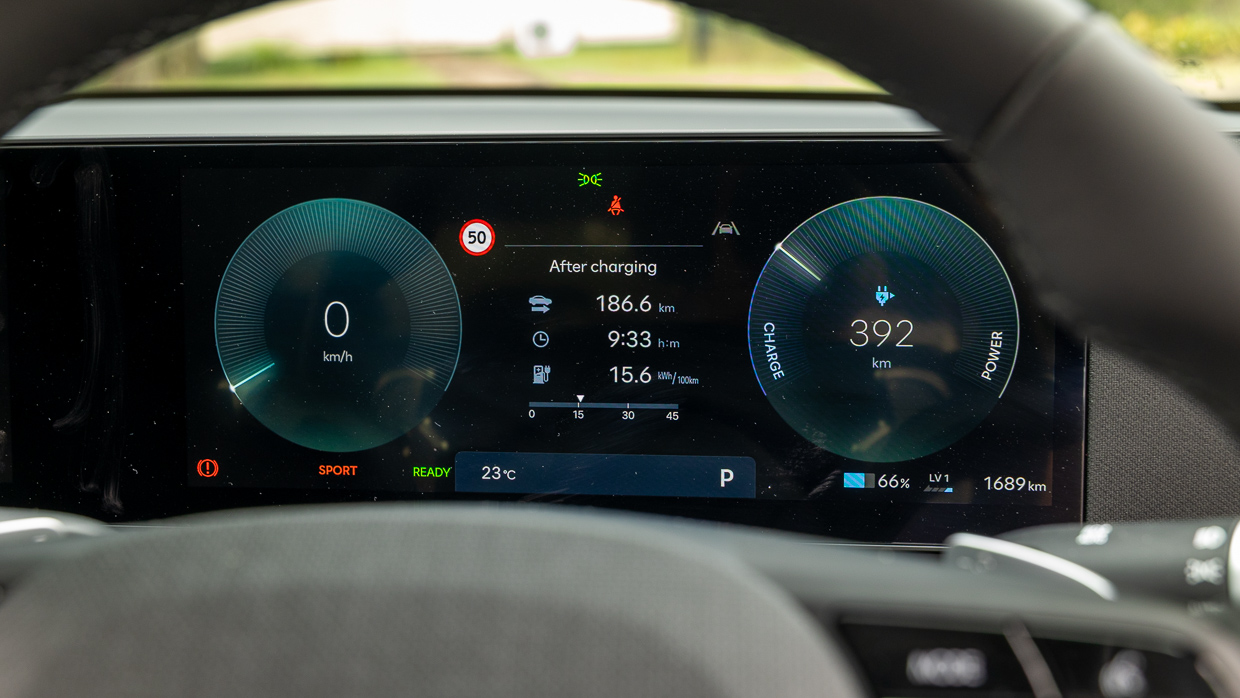
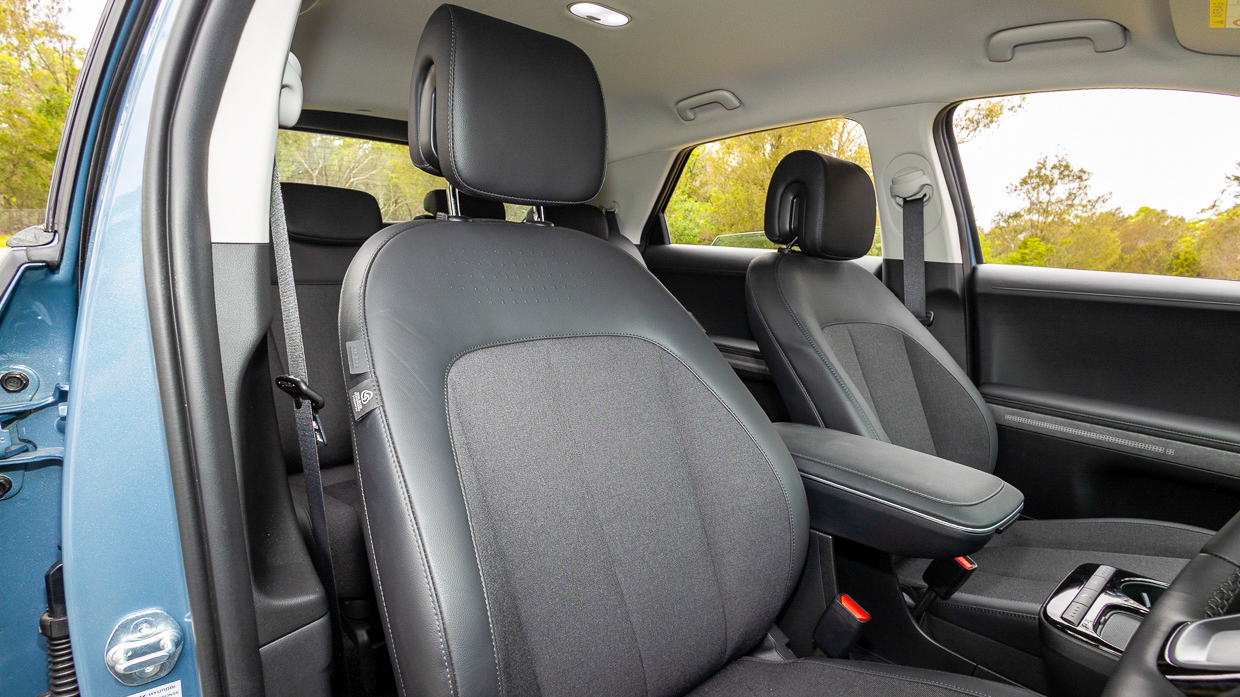
Obsidian Black, with subtle satin silver and purple mood lighting, is the sole base variant interior colour theme. Not only does it suit the futuristic theme to a tee, it brings a sense of convention that ought to please some EV newcomers. Bolder two-tone schemes – Dove Grey, Dark Teal – are offered in higher-level trim grades.
Nicely sculpted front seats are trimmed in a wood and partial leather blend that’s measurably more welcoming than the heat-sink vinyl that’s in EV vogue, and the lovely tactility and quality of the build and material choice extends through both rows. The regen-paddleshifter steering wheel, with its woven horn cap, is lovely.
The dual 12.3-inch displays that have served for five years are now commonplace in many Korean models on the market, though the Ioniq 5 omits the (Kia-esque) 5.0-inch climate screen for an expansive and perhaps more intuitive dual-zone climate control panel.
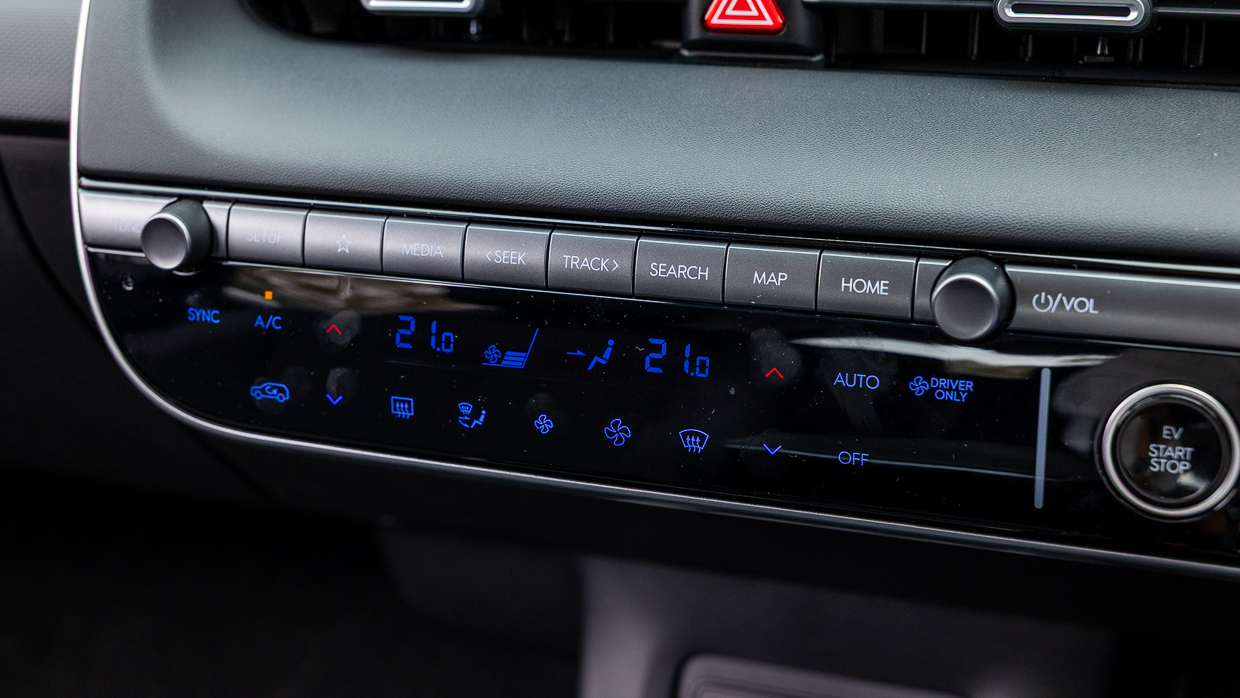
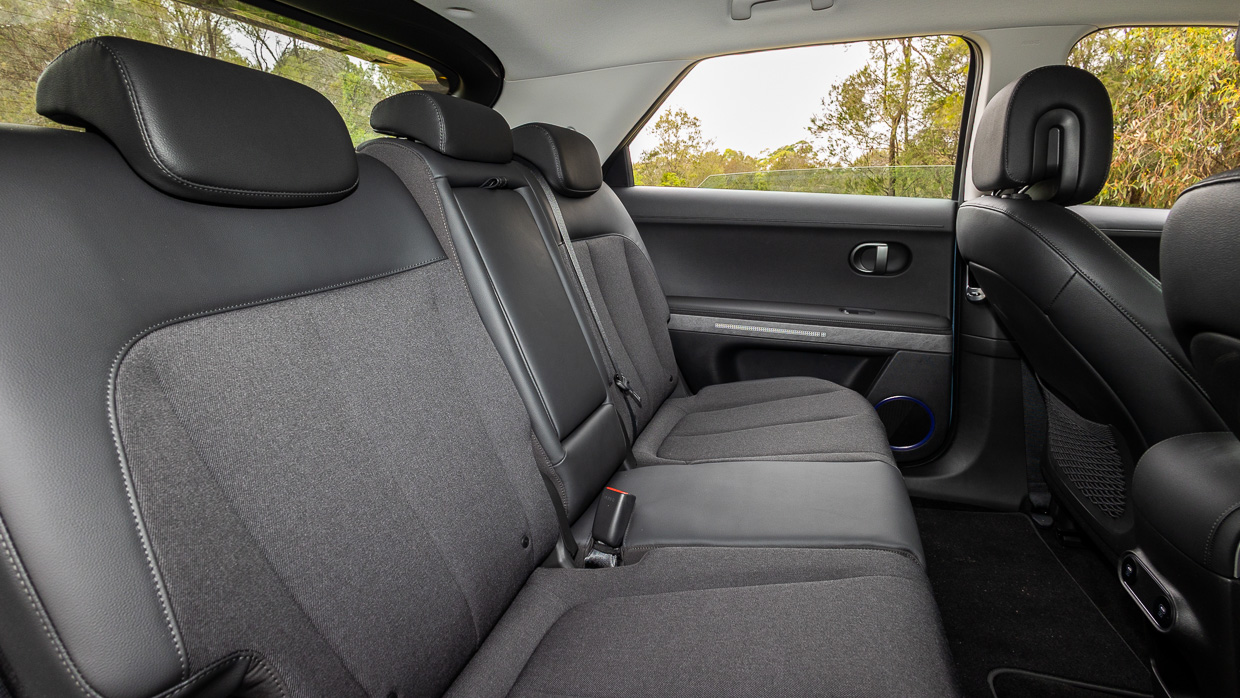
It’s very well appointed for a base variant, right down to a complement of four USB-C ports up front (plus two in the rear) in the expansive central storage area with plenty of phone/device storage beyond the sole inductive charging pad.
Row two is exceptionally roomy, rivalling a Tucson for sheer space, with massive door apertures and handy slide and tilt for the rear bench to tune in optimum comfort. There’s also plenty of space to fit a forward- or rearward-facing child seat.
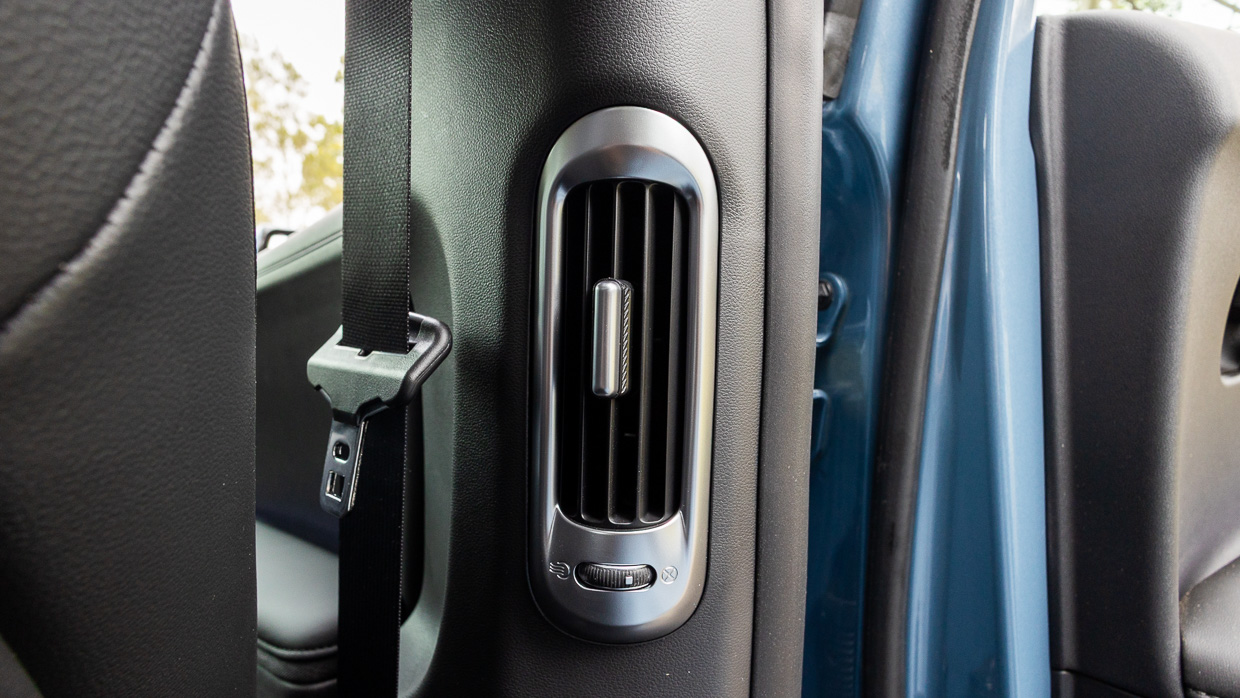
Rear air vents are located in the B-pillars, and if there’s one markdown it’s that the high floor (due to the battery pack) leaves under-thigh support a little lacking.
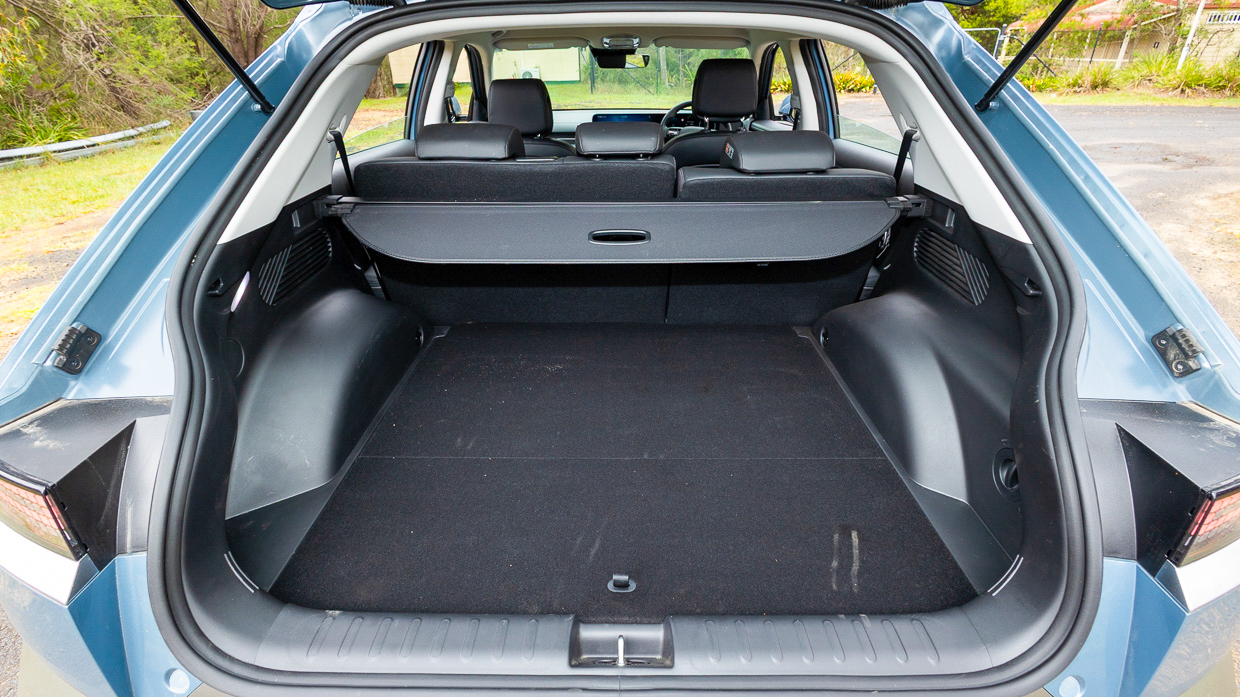
The boot is 531 litres expandable to 1591L with the rear seat stowed, a wide and deep space if shallow in height mostly due to an underfloor cubby for cables and the tyre repair gubbins, in place of a space wheel.
So while the ‘jumbo hatchback’ schtick might dissuade some buyers, it’s functionally friendly as a family SUV if that’s a requirement.
During our test, consumption fluctuated between 13.5kWh/100kms and around 15kWh/100kms depending on the driving conditions.
Given the battery’s 80kWh usable size, it’s possible to stretch beyond this variant’s 570km of range (if you drive slowly enough). The relative expense of Ioniq 5 affords its 800-volt architecture, which returns rapid 10-80 percent DC charging of around 18 minutes.
Servicing? Hyundai pivoted to a 24-month/30,000km interval schedule (from 12mth/15,000km) during Ioniq 5’s lifecycle, with $667 per visit capped for the first two services. Not cheap, but not outrageous either.
Budget Direct told us the median annual premium purchased for the first time between 1/1/25 and 1/1/26 to comprehensively insure a new Hyundai Ioniq 5 was $1242. Individual circumstances and policy terms may vary.
Of course, everybody’s situation is different, and the premium will vary according to make and model, and other things insurers take into account, such as your postcode, driving history, who drives the car, where you garage the car and more.
Please quote for yourself. Subject to meeting underwriting criteria. Insurance issued by Auto & General Insurance Company Limited. See PDS & TMD at budgetdirect.com.au.
From its hatchback-esque design to Hyundai Australia’s incessant spec and naming fiddling, and from its $70-plus entry in an ever cheapening segment to some underbaked cost cutting (that 125kW motor), there are complex reasons why Ioniq 5 has failed to ignite volume sales in Australia. And five years in, it’s not getting any younger…
However, it was a great car out of the block, built on high-brow engineering and quality execution, with arresting style and inspired interior design, packaging and smarts.
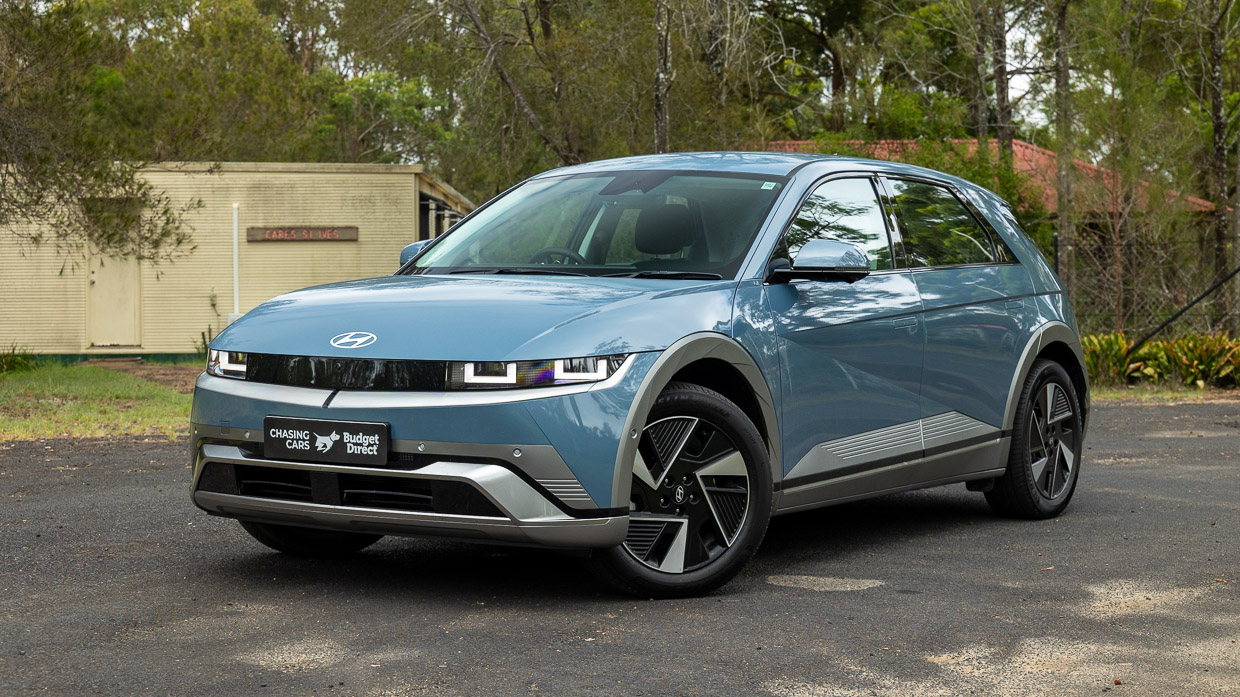
It’s still a hugely impressive car and one that, now, finally, hopefully, arrives in a spec where its blend of quality, performance, range and price have neatly aligned. Because of this, the new base Ioniq 5 is arguably the most compelling variant yet offered.
Sure, 168kW/350Nm and mid-seven-second performance is merely acceptable for a $70K-something electric proposition nowadays, but Hyundai’s electric figurehead is so accomplished – and superior in so many ways to many rival EV newcomers – that it perhaps deserves more popularity than it’s enjoyed to date.
Key specs (as tested)
About Chasing cars
Chasing Cars reviews are 100% independent.
Because we are powered by Budget Direct Insurance, we don’t receive advertising or sales revenue from car manufacturers.
We’re truly independent – giving you Australia’s best car reviews.
The estimate provided does not take into account your personal circumstances but is intended to give a general indication of the cost of insurance, in order to obtain a complete quote, please visit www.budgetdirect.com.au. Estimate includes 15%^ online discount.
^Conditions Apply
Budget Direct Insurance arranged by Auto & General Services Pty Ltd ACN 003 617 909(AGS) AFSL 241 411, for and on behalf of the insurer, Auto & General Insurance Company Limited(ABN 42 111 586 353, AFSL 285 571).Because we don’t know your financial needs, we can’t advise you if this insurance will suit you. You should consider your needs and the Product Disclosure Statement before making a decision to buy insurance. Terms and conditions apply.
Indicative quote based on assumptions including postcode , 40 year old male with no offences, licence suspensions or claims in the last 5 years, a NCD Rating 1 and no younger drivers listed. White car, driven up to 10,000kms a year, unfinanced, with no modifications, factory options and/or non-standard accessories, private use only and garaged at night.
^Online Discounts Terms & Conditions
1. Discounts apply to the premium paid for a new Budget Direct Gold Comprehensive Car Insurance, Third Party Property Only or Third Party Property, Fire & Theft Insurance policy initiated online on or after 29 March 2017. Discounts do not apply to optional Roadside Assistance.
2. Discounts do not apply to any renewal offer of insurance.
3. Discounts only apply to the insurance portion of the premium. Discounts are applied before government charges, taxes, levies and fees, including instalment processing fees (as applicable). The full extent of discounts may therefore be impacted.
4. We reserve the right to change the offer without notice.