Powered by

-
Car Reviews
Latest reviews
- Car News
-
Car Comparisons
Latest comparisons
- Chasing Deals
Latest reviews
Latest comparisons
Your guide to every new Toyota model coming to Australia this year
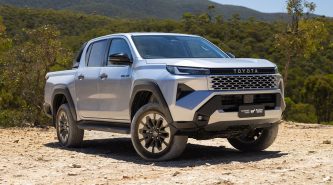
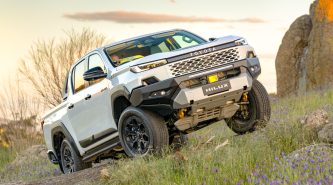
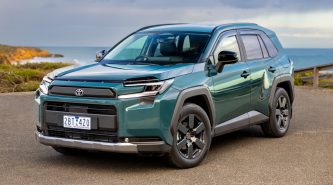
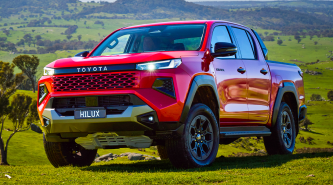
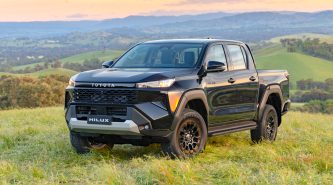
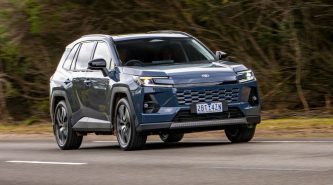
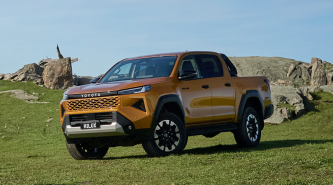
Starting with the new-generation Hilux in December ’25, the next 12 months will see tech changes across most of Toyota’s line-up, with by far the biggest news being the arrival of an all-new RAV4 Hybrid in late-March, followed by a plug-in hybrid (PHEV) version in the third quarter.
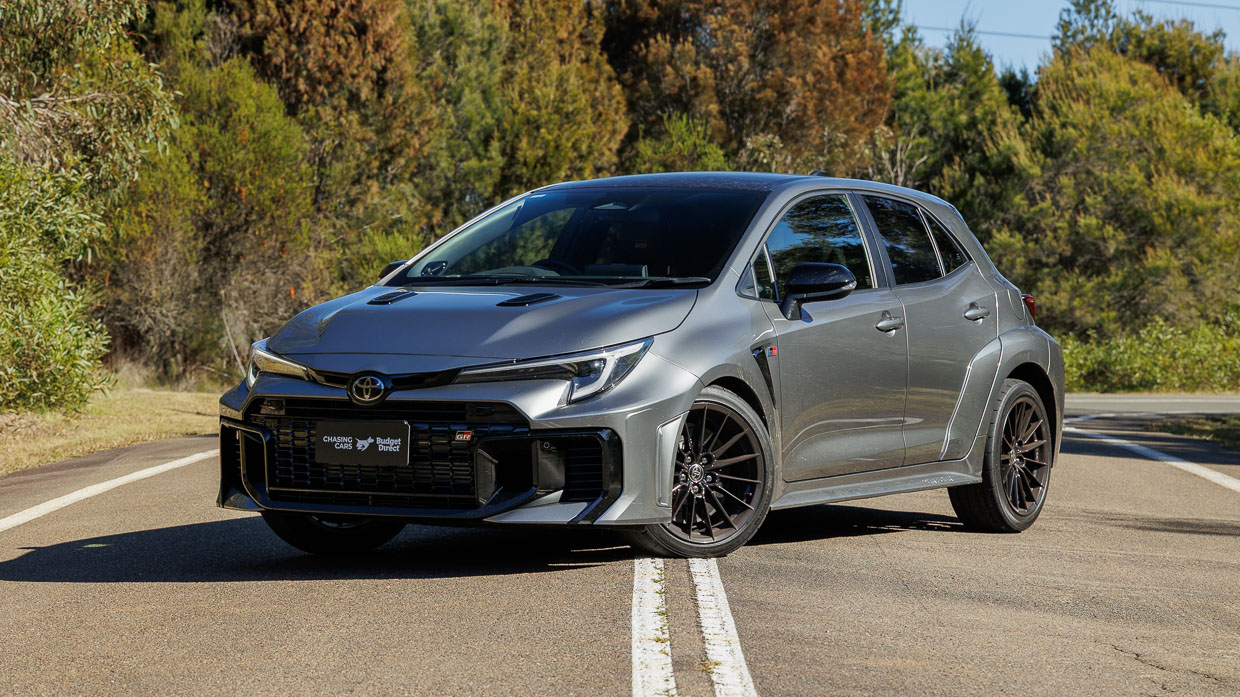
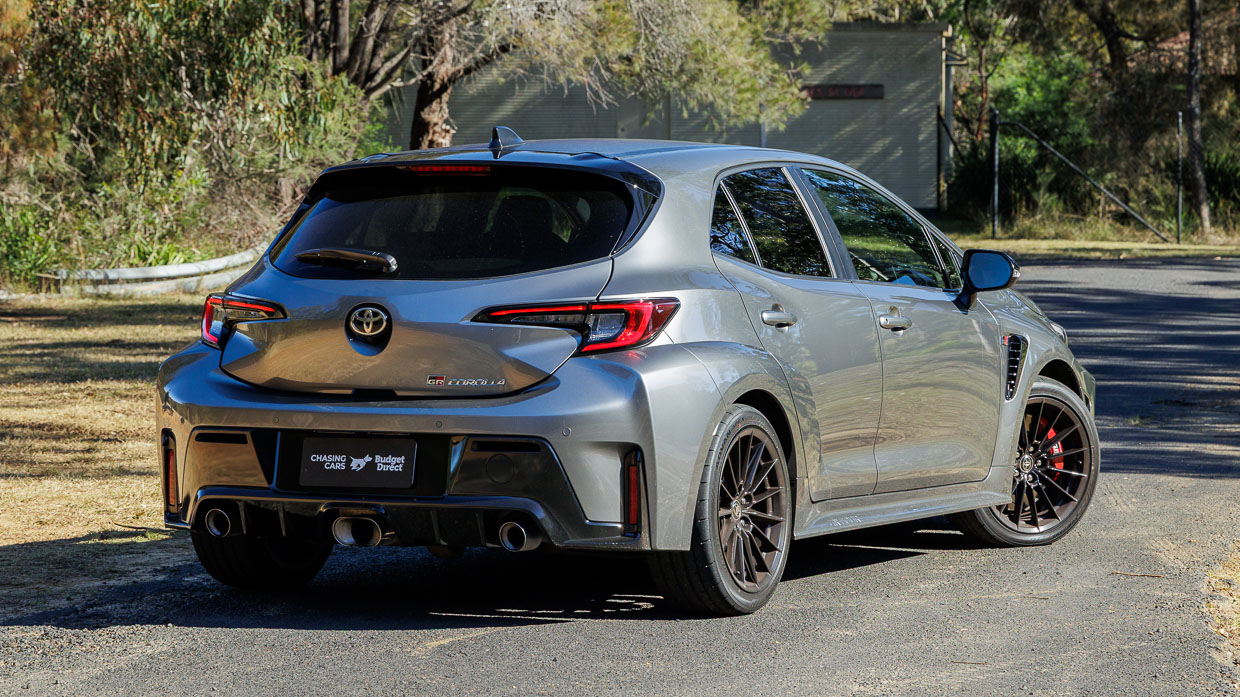
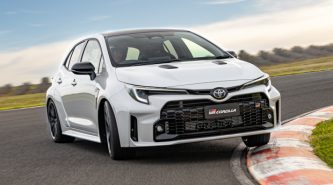
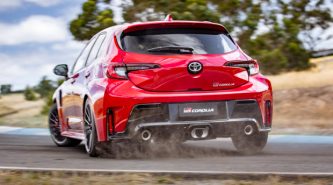
For MY26, the GR Corolla gains several “motorsport-inspired” improvements, each intended to deliver greater driveability and engine cooling performance when driven on the limit at a racetrack.
The chassis has been strengthened via a 74 percent increase in structural adhesive, mainly around the underbody and rear wheel wells to better deal with extreme g-forces when the GR is being driven hard. And a new cool-air duct has been added to the secondary intake duct, which opens at high engine speeds to further reduce the air-intake temperature.
The previous eight-speaker JBL stereo now gets nine speakers via a new boot-mounted subwoofer, while the GR’s Active Noise Control has been re-tuned the further reduce unwanted engine noise and other sounds.
Active Sound Control debuts to electronically augment the GR’s induction note, with three different levels of intensity matched to each Drive Mode.
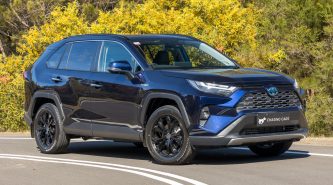
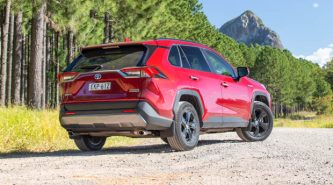
Expected to arrive in showrooms in April, the entire sixth-generation RAV4 Hybrid range has already been announced, including the variant line-up (GX, GXL, Edge, XSE, Cruiser), pricing ($45,990 to $60,340 before on-road costs) and powertrain (a 143kW 2.5-litre petrol-electric four-cylinder hybrid engine with a CVT automatic transmission, and front- or all-wheel drive).
Offered in 10 single-tone colours and four two-tone paint options (depending on model grade), the base GX specification brings dark-grey 17-inch alloys, LED headlamps, acoustic front-windscreen glass, roof rails, dual-zone climate control, a 12.3-inch digital instrument cluster, cloth upholstery with six-way manual front seat adjustment, a 10.5-inch multimedia touchscreen, six speakers and five USB-C ports.
The Edge gets repositioned as an adventure-focused upper-spec variant, now sitting beneath the XSE which gains 20-inch alloys and part-suede trim, while the flagship Cruiser scores machined 20s, a panoramic sunroof, leather, a head-up display, dual wireless phone charging and a nine-speaker JBL stereo.
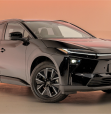
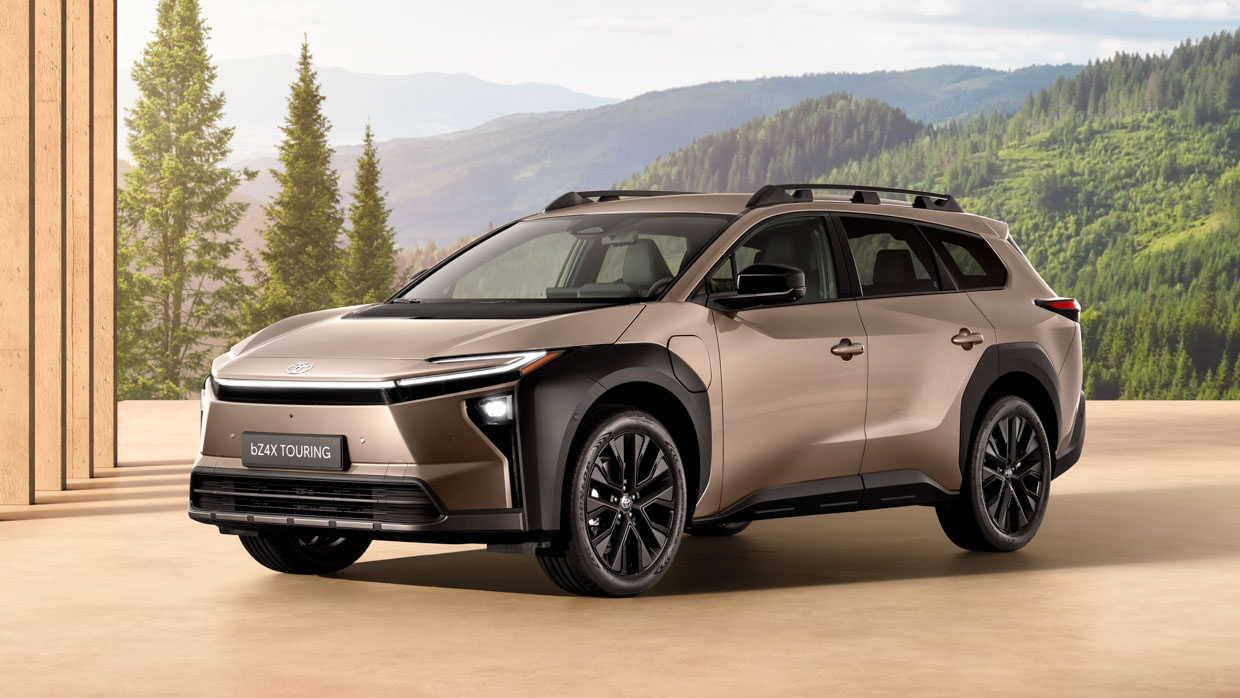
Revealed in May ’25, the bZ4X Touring arrives in Australia during the second quarter of ’26 as a cargo-focused wagon version of the recently updated regular bZ4X SUV crossover.
Adding 140mm in length behind the rear axle and a more upright tailgate expands the bZ4X Touring’s luggage volume by approximately 30 percent. In combination with being offered solely in dual-motor AWD form packing 280kW (compared to 252kW for the regular bZ4X AWD), the bZ4X Touring will instantly become the most powerful Toyota SUV so far.
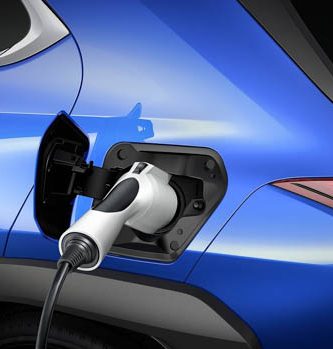
The Australian bZ4X Touring will feature the same 74.7kWh lithium-ion battery, 150kW DC charging maximum and 22kW three-phase AC charging as the regular 2026 bZ4X. The European bZ4X Touring manages a 10-80 percent charge in 28mins and 0-100km/h in a claimed 5.5sec.
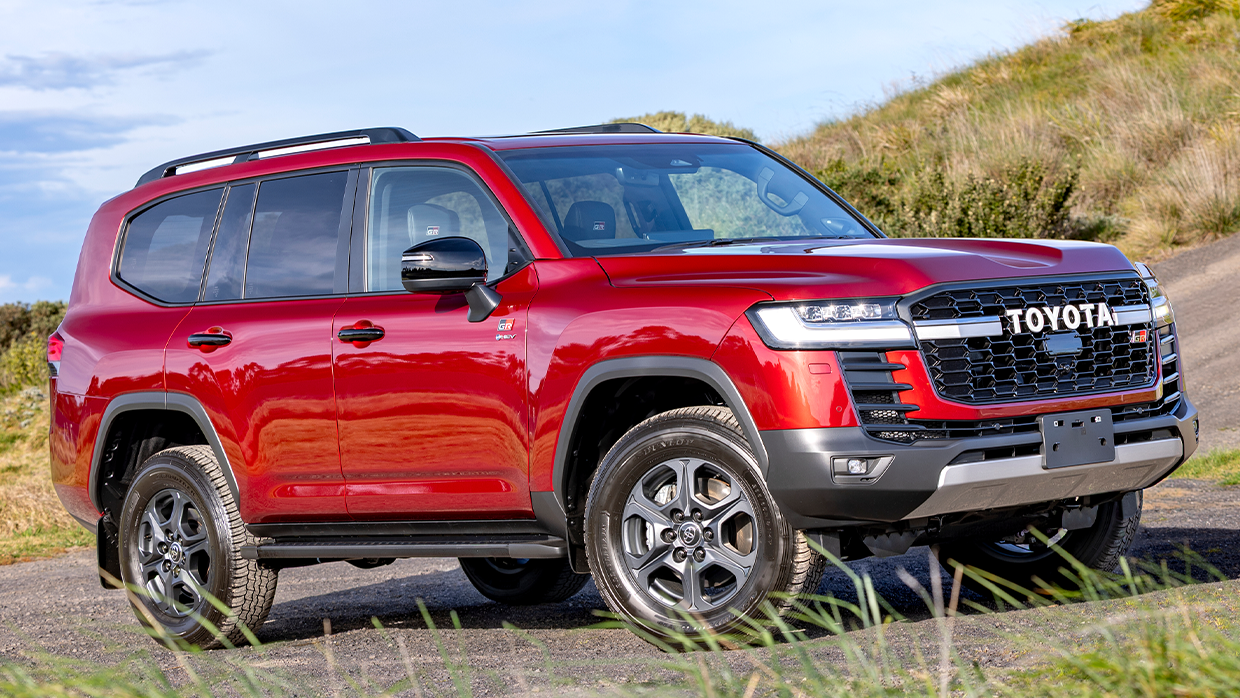
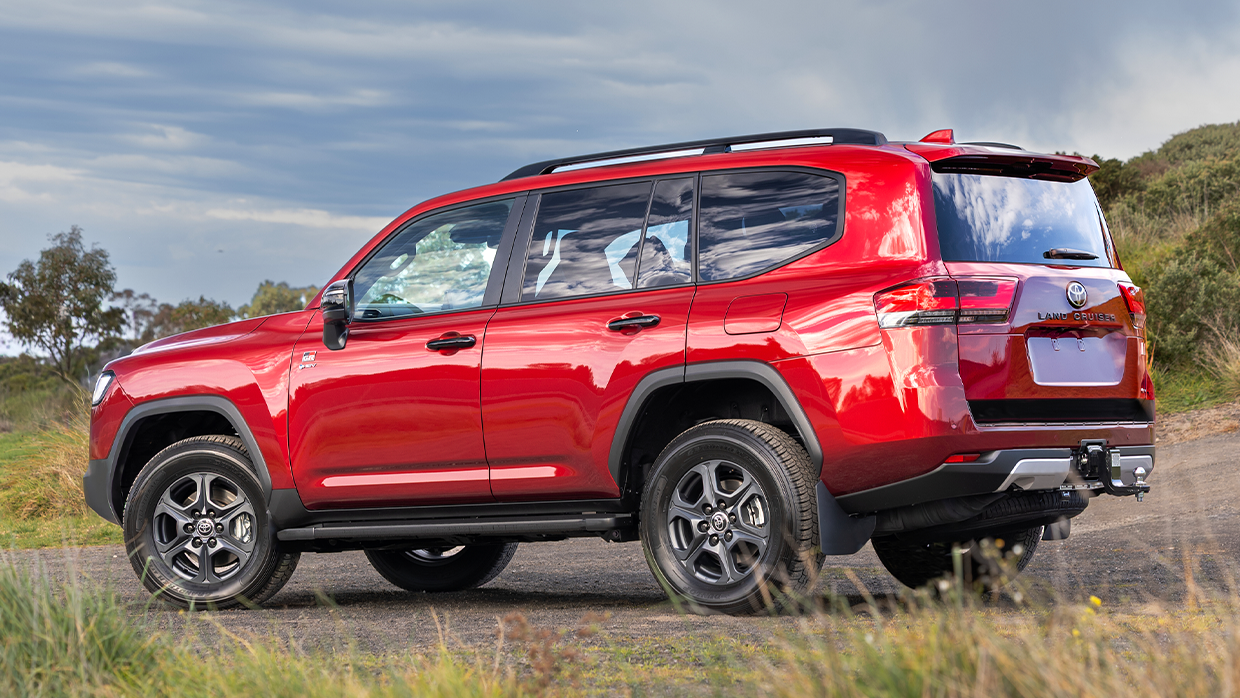
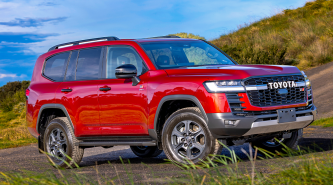
The first half of 2026 will see the Tundra pick-up’s hybrid powertrain migrate to up-spec Sahara ZX and GR Sport grades of the LandCruiser 300 Series.
Featuring a twin-turbo 3.4-litre petrol V6 and a single electric motor-generator, this combination gives the ‘performance hybrid’ powertrain instant torque and strong acceleration when maximum response is required.
In the Tundra, this ‘i-FORCE MAX’ powertrain is good for 326kW and 790Nm, tied to a 10-speed torque-converter automatic transmission.
The petrol engine is constantly in operation at speeds above 30km/h, while the performance hybrid can run solely on the electric motor at speeds below 30km/h. Yet the electric motor is more about boosting rolling response or enhancing torque when under heavy load or when towing than providing an EV-like experience.
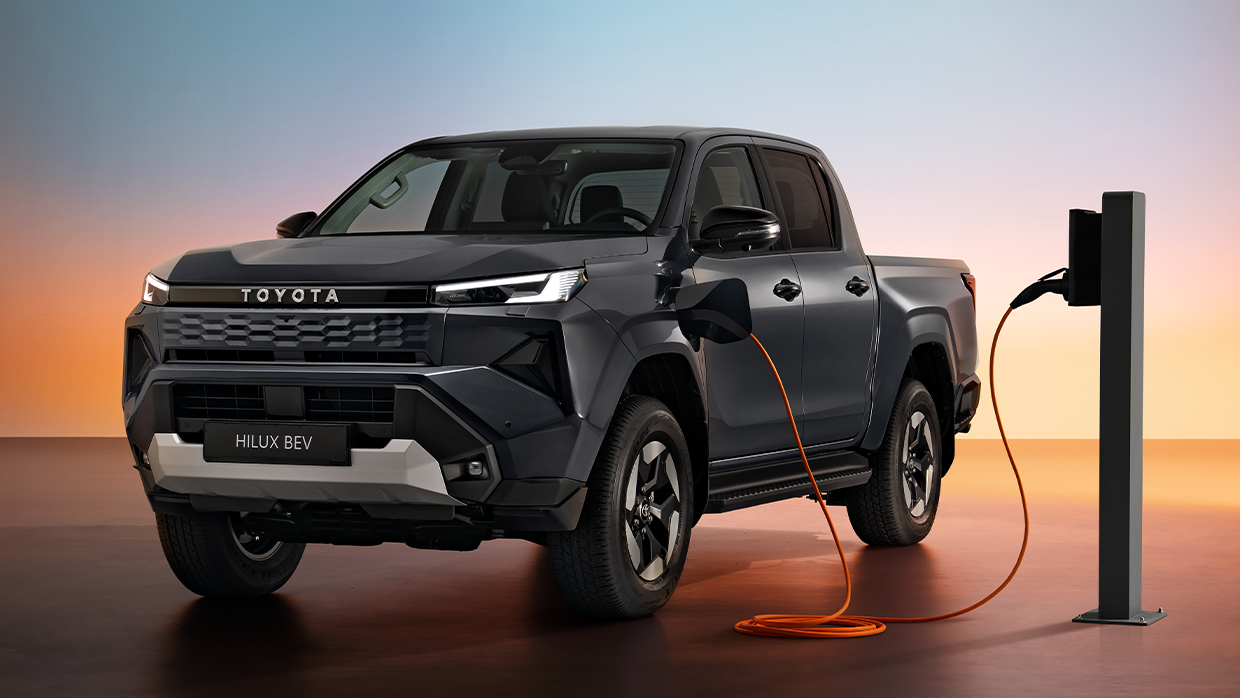
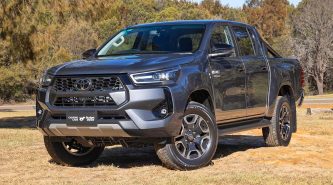
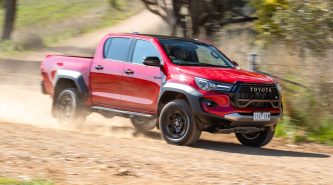
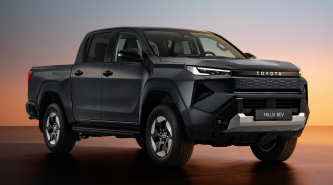
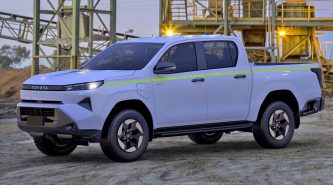
Some specifications of the all-electric Hilux have been revealed prior to its launch here in the first half of 2026, with Toyota Australia claiming it will predominantly be aimed at fleets and will sacrifice electric range in favour of payload.
Based on European-market data, the Hilux BEV will feature dual electric motors, an overall torque output of 473Nm, and a 59.2kWh battery providing a WLTP range of just 240km. But the electric Hilux will counter its limited range with a “tentative, pre-homologation” payload figure of 715kg – making it competitive with the diesel version
Toyota has also announced it will import a fuel-cell electric (FCEV) hydrogen-fuelled Hilux, promising circa-500km range and greater towing capacity than the BEV, though this won’t happen until 2028.
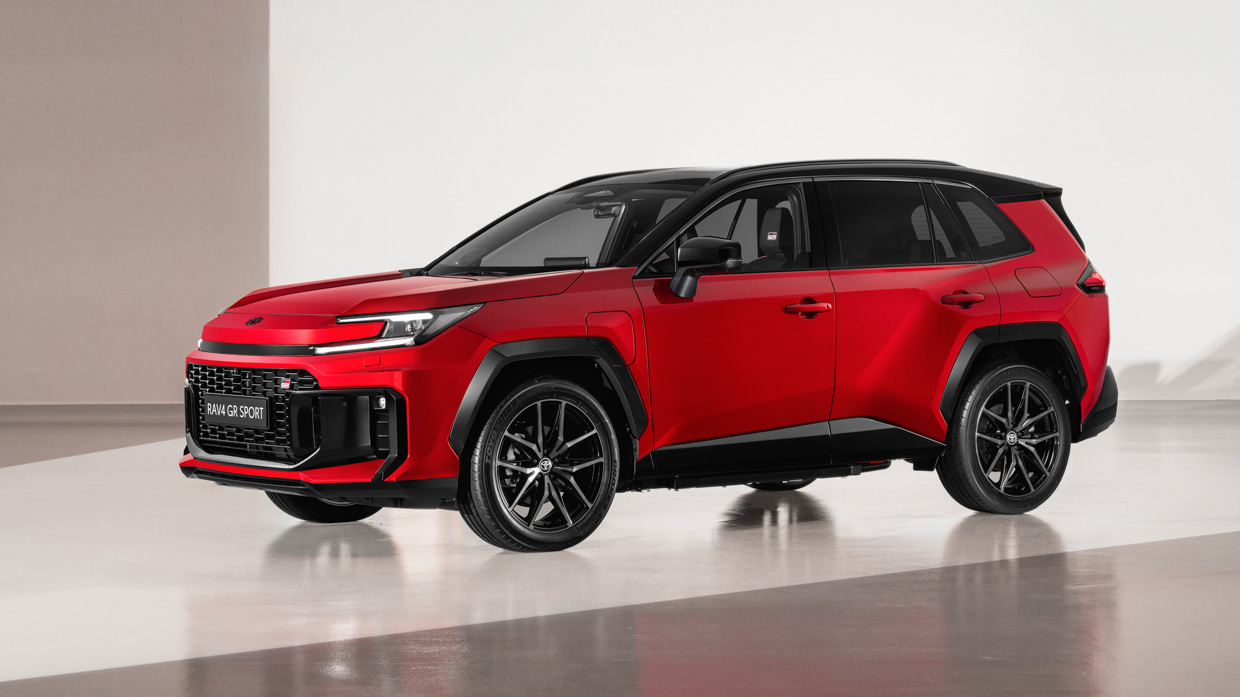
Australia’s first-ever plug-in hybrid RAV4 arrives in the third quarter in two trim levels (XSE and GR Sport), with the XSE offering a single electric motor and front-drive with 200kW and the dual-motor AWD (shared with the GR Sport) packing 227kW and a rapid 0-100km/h claim of 5.8sec – making it easily the fastest RAV4 in history.
The GR Sport ($66,340) will be uniquely offered as a performance variant, with 20mm-wider front and rear tracks, performance front dampers, a rear body brace, and unique spring rates all round, plus a GR Sport-specific electric steering tune. It also gets unique front and rear bumpers, widened wheelarches and black 20-inch alloys with red brake calipers.
A 22.7kWh lithium-ion battery supports 50kW DC charging and 11kW three-phase AC charging, and offers around 100km of electric WLTP range, plus a 10-80 percent charging time of around 30mins.
Hungry for more Toyota? Chasing Cars provides exclusive coverage of several upcoming models with notional launch timings. While unconfirmed, it is likely that several of these vehicles will debut into the Australian market for 2027 and beyond.
Latest news
About Chasing cars
Chasing Cars reviews are 100% independent.
Because we are powered by Budget Direct Insurance, we don’t receive advertising or sales revenue from car manufacturers.
We’re truly independent – giving you Australia’s best car reviews.