Powered by

-
Car Reviews
Latest reviews
- Car News
-
Car Comparisons
Latest comparisons
- Chasing Deals
Latest reviews
Latest comparisons
Combination of increasing government regulations and Toyota’s goal of zero traffic accidents are forcing hard questions about turning safety technology off
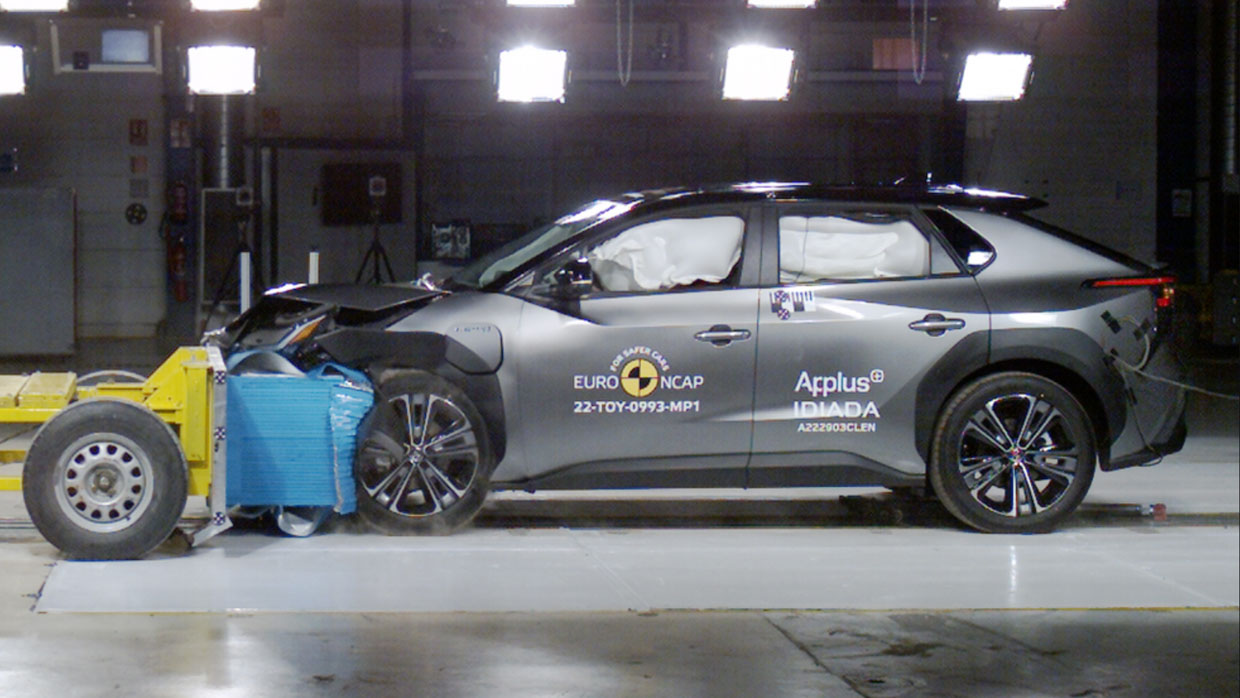
Toyota’s most senior software executive has revealed that the carmaker is considering banning drivers from switching off vehicle safety features in the future.
Government regulations normally shape the degree of strictness a carmaker imposes, and Australian and European safety regulations in recent years have started to impose various lane keeping, speed limit awareness and driver monitoring systems in cars.
At present, those systems can typically be switched off manually at the touch of a button or swipe of a screen, if the driver deems that they would prefer to manage these processes themselves.
But Toyota software development centre president Akihiro Sarada says that the Japanese carmaker is serious about its mission of “zero traffic accidents” — not just deaths, but all car accidents.
“Our ultimate goal is to eradicate all traffic accidents, and of course, autonomous driving is a technology that is necessary to realise a safe environment,” said Sarada.
“We have to study and decide if we would enable an ‘off’ button.”
Allowing drivers to operate the vehicle however they see fit, including by exceeding the speed limit or approaching lane markings to hit a corner apex, may not be compatible with achieving Toyota’s goal of eliminating accidents.
Sarada said that Toyota was considering allowing drivers to temporarily disable safety features — or drive in the manner they see fit — in two environments: on roads where the car’s software knows no other cars or pedestrians are around, and on the racetrack.
“If it is safe, for example, if it is on the circuit, [autonomous driving and sporty human driving] can co-exist,” said Sarada.
“In the area[s] where drivers are able to have fun driving, then we want them to have the discretion to decide the way they drive their cars.
“We have to really study in detail whether or not it is really mandatory for us to control that detail, to the level where we have to forbid them to enjoy their driving.”
Toyota’s software boss also hinted that connected-car technology — online systems that detect other cars, pedestrians and road conditions — might even allow keen drivers to drive as they see fit on the public road, but that warnings would kick in if risks increased.
“Drivers want to have excitement in driving. By using connected data, they can receive announcements that under [certain] conditions they can have more fun, that right now it is safe, but several seconds later, [if] there is a risk [they can] receive a warning beforehand,” Sarada explained.
But even this ‘leniency’ could, in theory, stop a driver from disabling safety technologies like lane-centring or speed limit controls on country roads if other cars, cyclists or particularly pedestrians are present in the area.
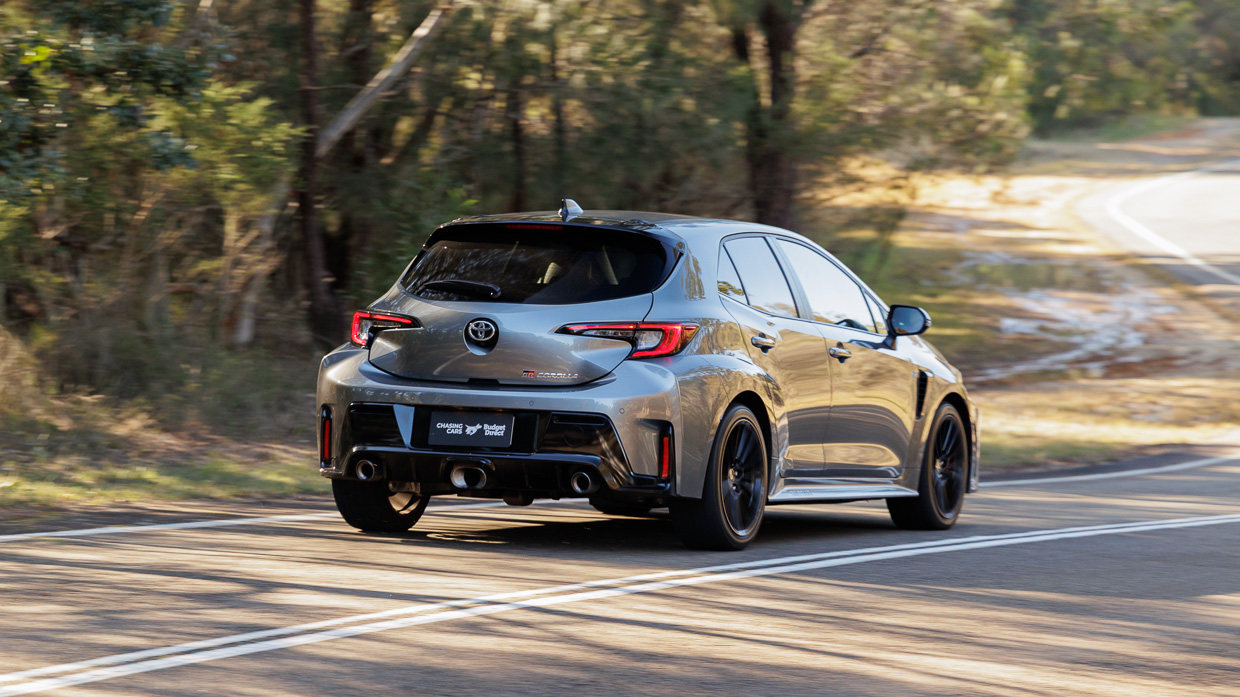
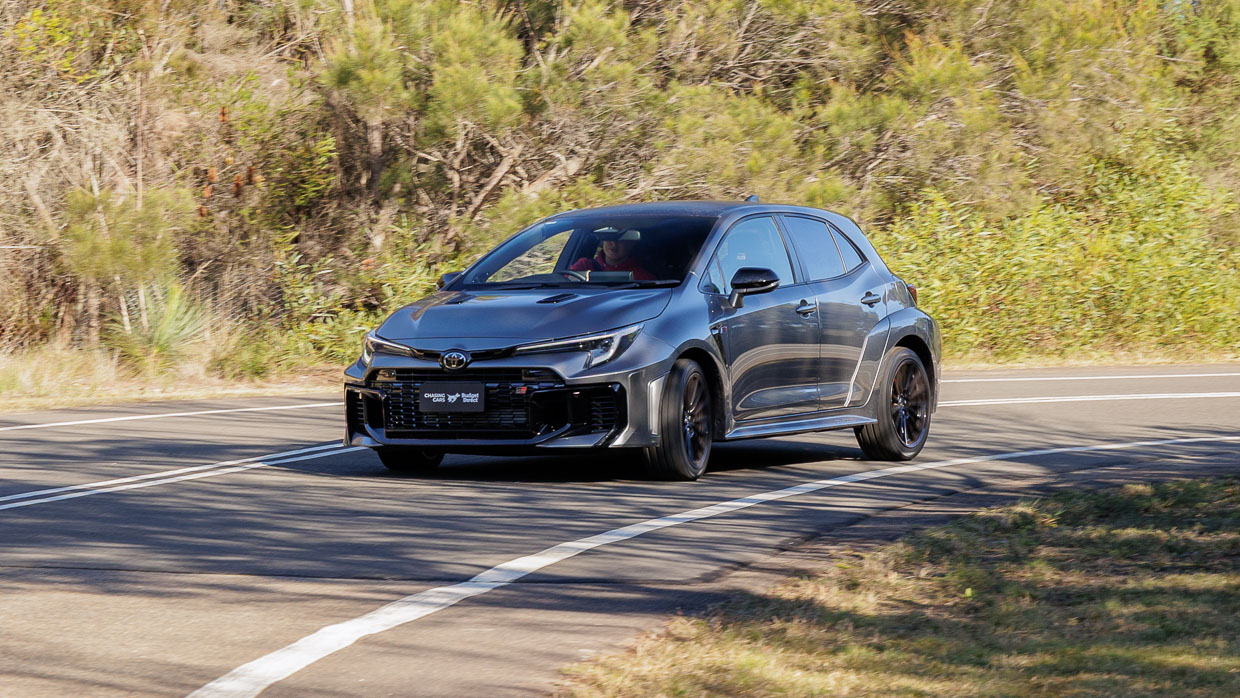
It’s a balancing act within Toyota between departments like Sarada’s — tasked with deploying software that reduces accidents, injury and death — and performance-arm GR, which must convince buyers that they should spend their cash on sporty, fun-to-drive cars.
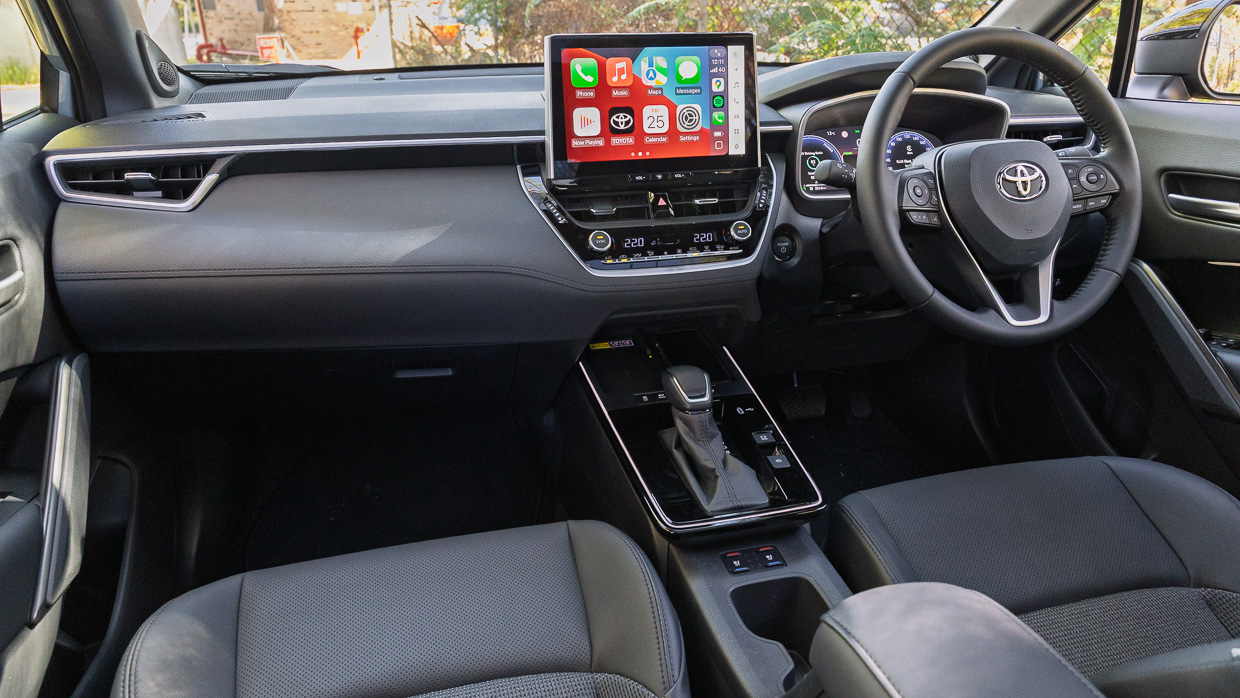
For decades, Toyota has run ahead of some vehicle safety regulations. For more than 20 years, drivers and passengers in Toyota and Lexus models have been unable to input satellite navigation destinations while the vehicle is in motion.
That’s a common practice that other carmakers would typically allow, sometimes via rotary dials — often perceived as ‘safer’ to use while moving — but also often via simple touchscreen inputs.
In recent years other firms have followed Toyota’s lead on blocking some touchscreen functions while the vehicle is in motion. The two key smartphone mirroring products, Apple CarPlay and Android Auto, both prevent most on-screen keyboard use while driving.
European regulations have also started to encroach on touchscreen use via that continent’s Advanced Driver Distraction Warning requirements, which will come into force for all new vehicles registered in the EU from July 2026.
Even in the EU, however, safety features — including speed warning, stability control and lane-keeping are typically allowed be switched off, though all restart at the next vehicle ignition and a driver would be held responsible for increasing the risk of a crash if a safety system is deactivated.
Typically, governments — including in Australia and Europe — issue broad guidelines for how safety features should work, leaving precise implementation decisions up to carmakers.
Latest news
About Chasing cars
Chasing Cars reviews are 100% independent.
Because we are powered by Budget Direct Insurance, we don’t receive advertising or sales revenue from car manufacturers.
We’re truly independent – giving you Australia’s best car reviews.