Powered by
-
Car Reviews
Latest reviews
-
Car News
Latest news
-
Car Comparisons
Latest comparisons
- Chasing Deals
Latest reviews
Latest news
Latest comparisons
In a tumultuous year dominated by emissions standards, unpredictable demand for EVs and an influx of options from China, these are the numbers that tell the story
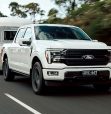
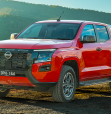
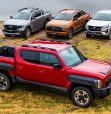
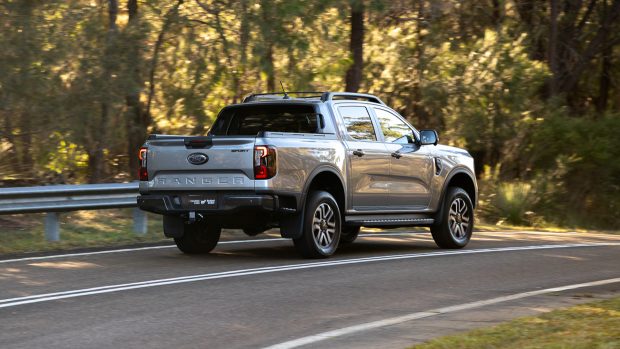
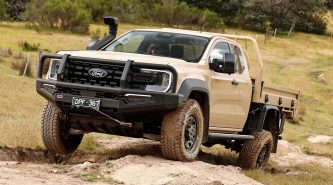
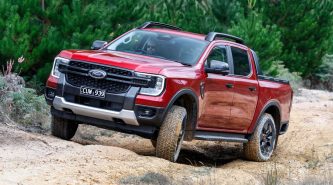
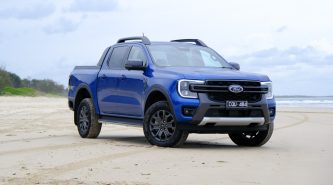
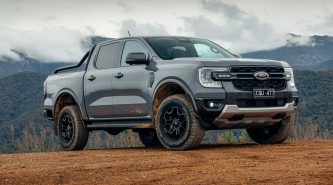
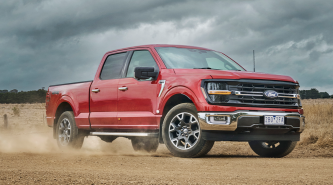
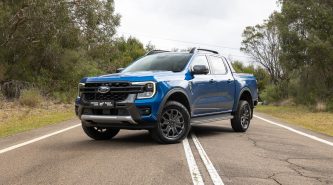
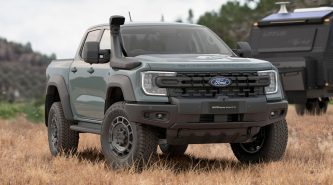
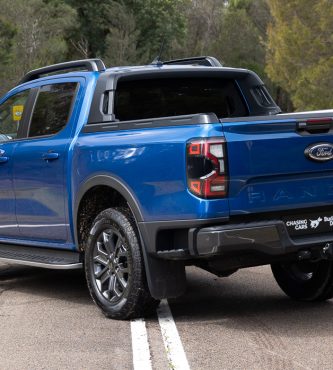
The Ford Ranger ute has become the best-selling vehicle in Australia outright for the third year in a row, with Toyota returning as the best-selling brand by miles.
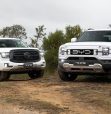
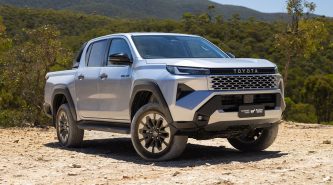
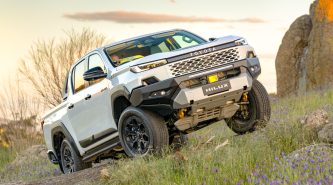
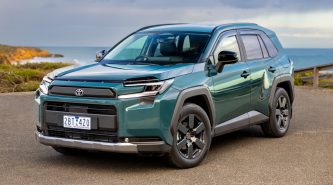
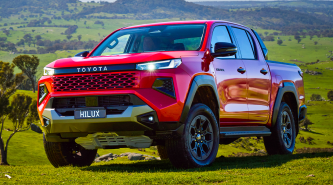
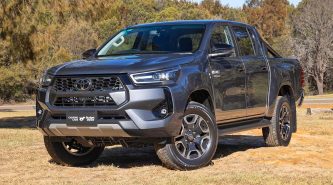
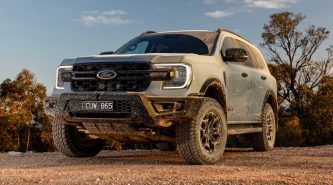
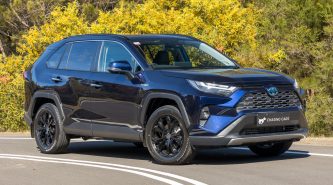
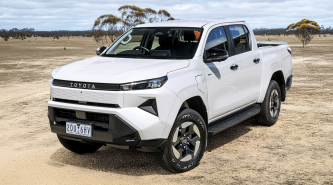
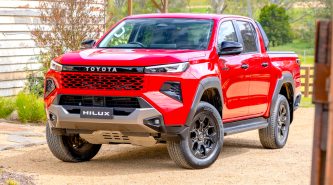
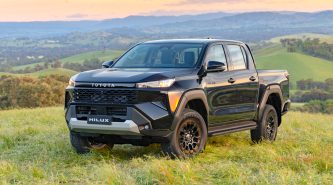
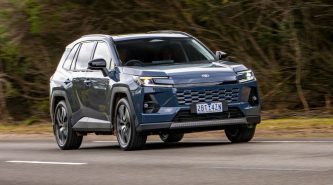
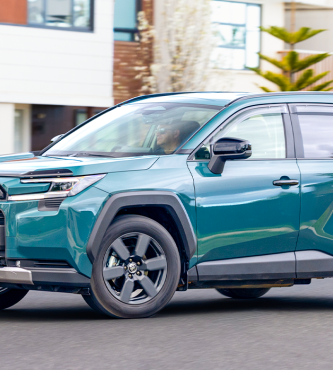
A total of 56,555 Rangers were sold, bolstered by the introduction of the Super Duty, followed by the outgoing Toyota RAV4 midsize SUV (51,947), recently updated Toyota Hilux ute (51,297), along with the Isuzu D-Max ute (26,839) and Ford Everest 4×4 wagon (26,161).
Although December 2025 sales were up by three percent compared to December 2024, overall sales up for the year grew to 1,241,037 – an increase of just over 20,000 sales.
The data has been largely sourced from the Federal Chamber of Automotive Industries, though Tesla and Polestar sales are now reported exclusively by the Electric Vehicle Council.
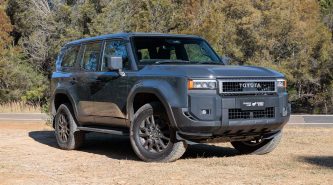
Toyota resumed its place as Australia’s most popular car manufacturer in 2025 with 239,863 sales representing approximately 19.3 per cent of the market.
Ford and Mazda accounted for 94,399 and 91,923 sales, respectively, taking slight dips in market share while Kia took a bigger slice of the pie than it did in 2024, with its 82,105 sales though its market share dipped slightly to 6.6 percent. Hyundai wasn’t far behind with 71,664 sales.
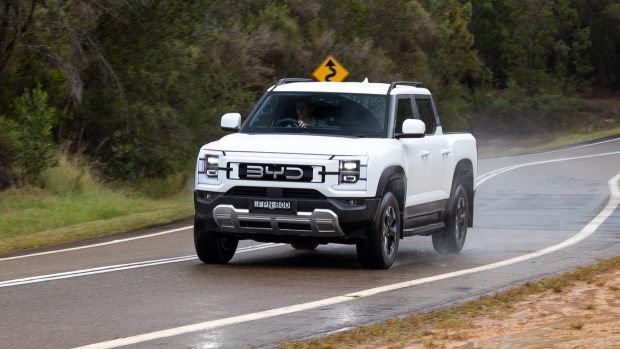
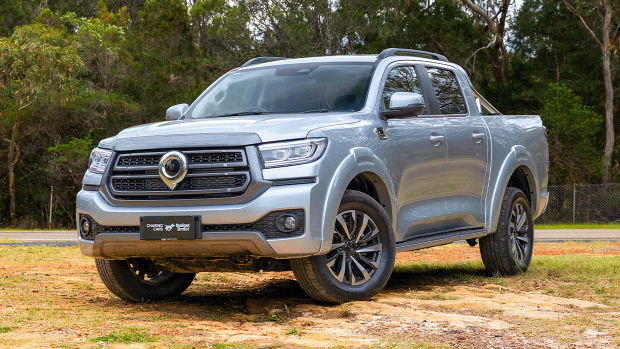
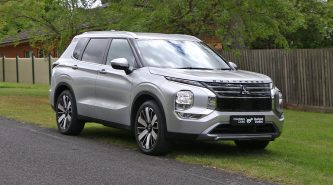
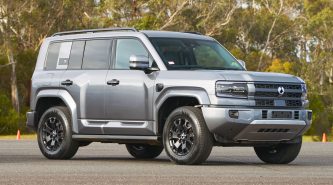
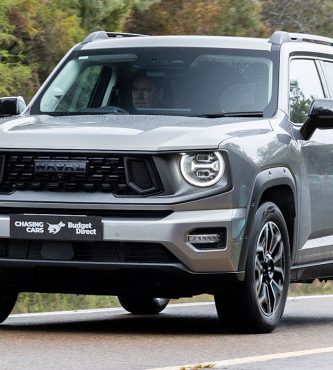
With much of its lineup taking a leave of absence in 2025, Mitsubishi’s sales dropped to 61,198 as it took sixth position, while GWM (52,809) and BYD (52,415) ascended the sales charts.
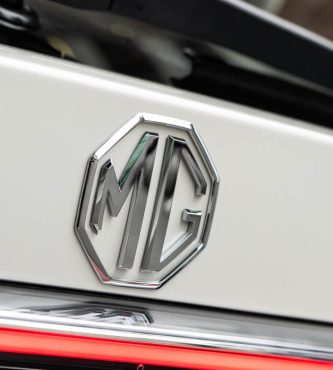
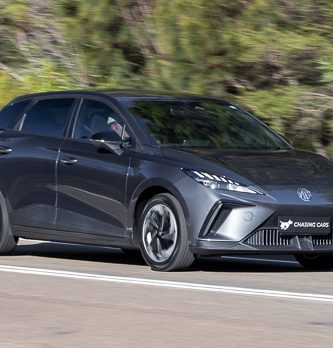
Rounding out the ninth and tenth spots were Isuzu Ute (42,297) and MG (41,298), who both saw notable declines in 2025.
With a combination of affordably priced popular options such as the BYD Shark 6, and favourable tax conditions on leasing for part of the year, plug-in hybrids have seen significant growth in popularity, accounting for 53,484 sales – an increase of 130 percent over 2024.
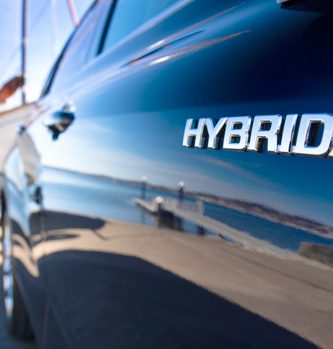
Traditional, self-charging hybrid systems saw continued growth, with 199,133 vehicles sold, an increase of 15.3 percent, amid Toyota’s bold decision to only offer hybrid drivetrains on its core passenger and SUV lineup.
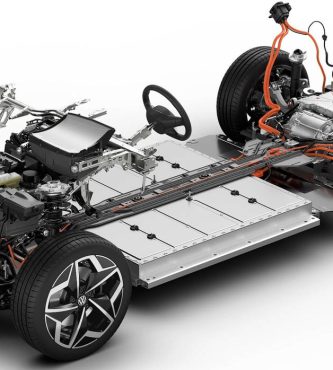
Fully electric vehicles accounted for 8.3 percent of the market, up from 7.5 percent in 2024, showing slower than expected growth in the segment.
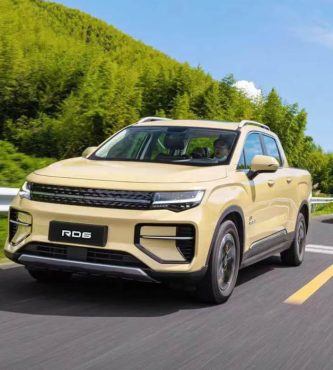
With new Chinese brands joining by the week in 2025, and established brands switching manufacturing to China in pursuit of greater affordability, it was perhaps unsurprising to see the country assume the number three position in the manufacturing race.
China accounted for a total of 18 percent of all vehicles sourced for Australia, though Japan remained on top with 30 percent followed by Thailand at 21 percent with Korea dropping to 12 percent of the market.
Notably, though, Japan, Thailand and Korea contributed fewer vehicles in 2025 than they did in 2024.
Latest news
About Chasing cars
Chasing Cars reviews are 100% independent.
Because we are powered by Budget Direct Insurance, we don’t receive advertising or sales revenue from car manufacturers.
We’re truly independent – giving you Australia’s best car reviews.