Powered by
-
Car Reviews
Latest reviews
-
Car News
Latest news
-
Car Comparisons
Latest comparisons
- Chasing Deals
Latest reviews
Latest news
Latest comparisons
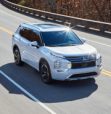
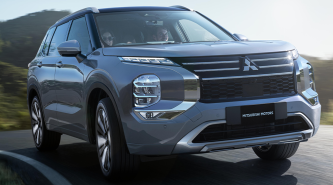
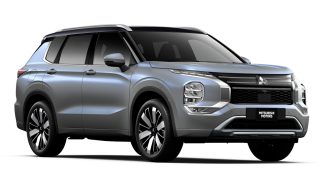
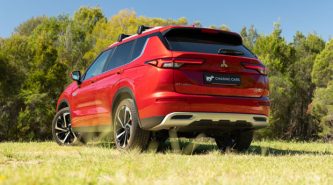
The reinvigorated, Aussie-tuned and still sharply priced Outlander is in fighting form in Aspire trim, but its frugal mentality only stretches as far as the first fuel stop
If Holden was the casualty of ceasing Australian car manufacturing, and Ford became the big winner that entrenched itself into the fabric of the country, then Mitsubishi would have to be the quiet success story humming away in the background.
Following Mitsubishi’s departure from local manufacture in 2008, the simple but effective Triton ute, the Pajero Sport 4WD wagon and the ASX small SUV have gained favour with so many Aussies, yet it’s the Outlander that has become the vehicle underpinning the brand’s popularity.
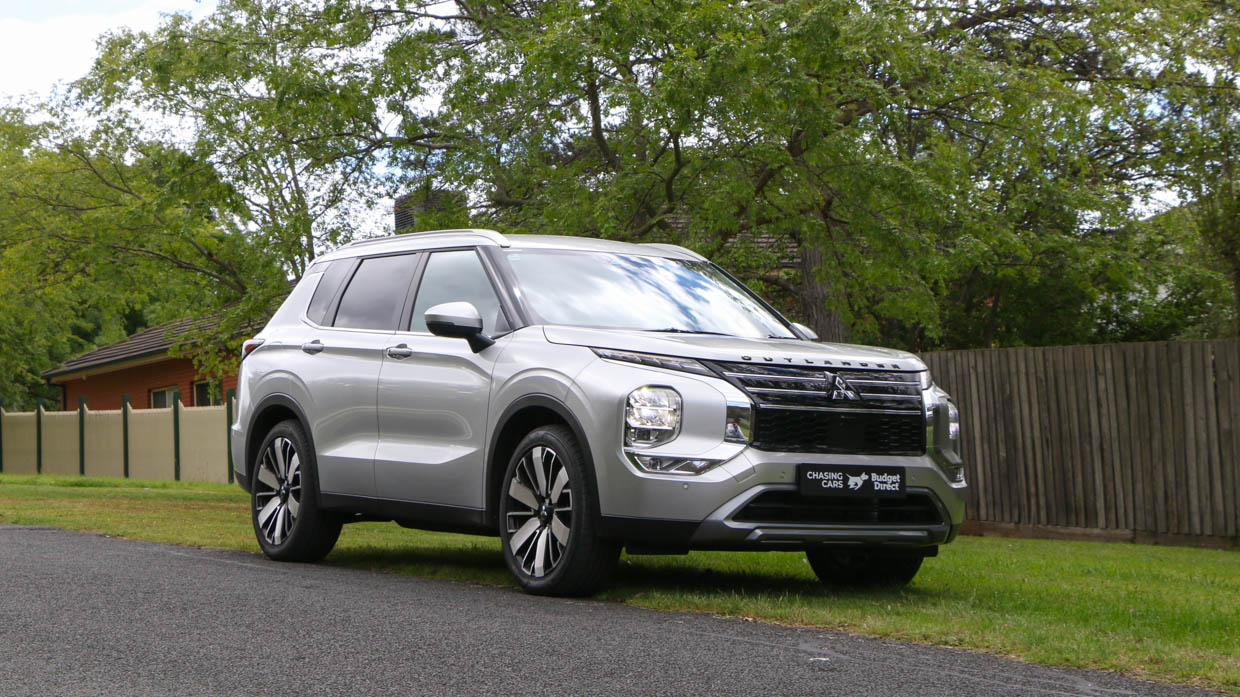
At the time of writing, it’s tussling with the Mazda CX-5 (20,721) for second place in the mid-size SUV sales charts with 20,523 registrations – though it’s still a long way from the matching Toyota RAV4 (45,909).
To be frank, we wouldn’t attribute the entirety of the Outlander’s success solely to merit; not with its noisy, inefficient engines and wayward driving dynamics.
These are downfalls that Mitsubishi sought to rectify in a recent mid-life update (with mixed success), led by the introduction of an Australian-developed steering and suspension tune.
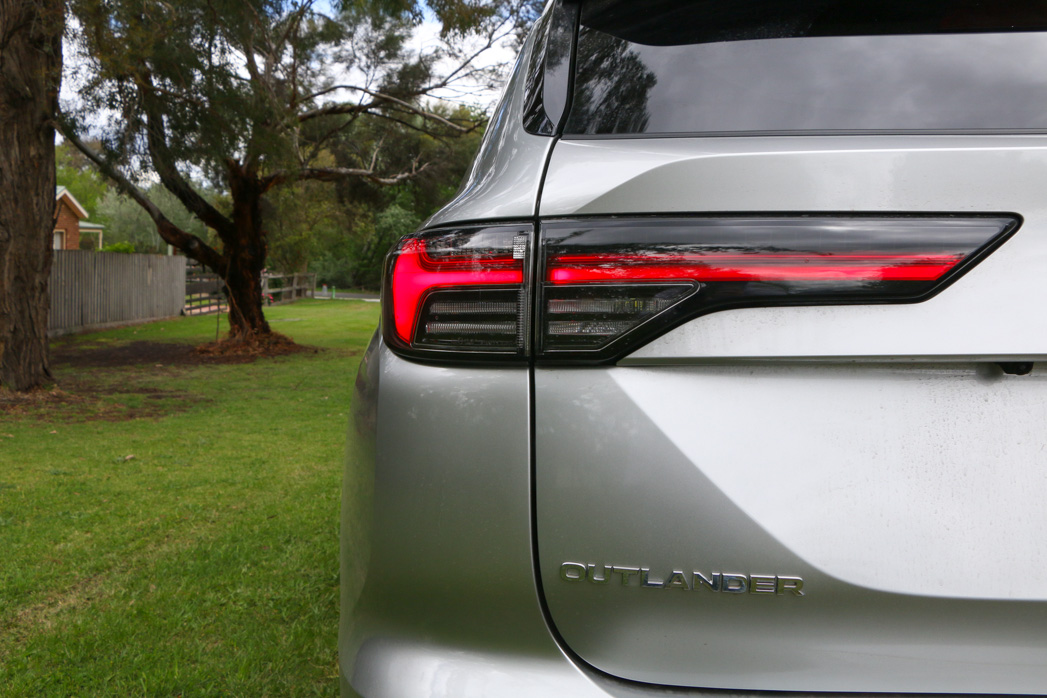
We’ve already reviewed the flagship Exceed Tourer, which walked away with a passing grade, however the mid-spec Aspire, packing two more seats and a sharper price, looks to be the value point in the Outlander range.
So how does the Aspire hold up under closer inspection, and why do so many Aussies flock to the imperfect Outlander?
The Outlander range kicks off at $39,990 before on-road costs for the five-seat, front-wheel-drive ES, which is limited in equipment but still receives all the highlight features from the recent facelift, including the larger 12.3-inch multimedia screen, new Yamaha stereo and key safety features we’ll touch on later.
Third-row seating is added on the LS ($43,290) and Aspire grades ($47,790) above the ES. All-wheel-drive traction will cost an extra $2500-$3000, but is standard on the full-fruit Exceed and Exceed Tourer.
Since the facelift, however, those flagship Outlander grades have reverted back to five-seat-only propositions, meaning the Aspire is the most well-equipped grade available with three rows of seating. Read the full price and specs here.
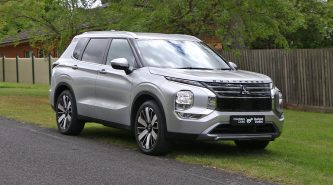
As tested, our AWD-equipped Aspire commands a driveaway price of $53,300 in NSW and includes the following highlight features:
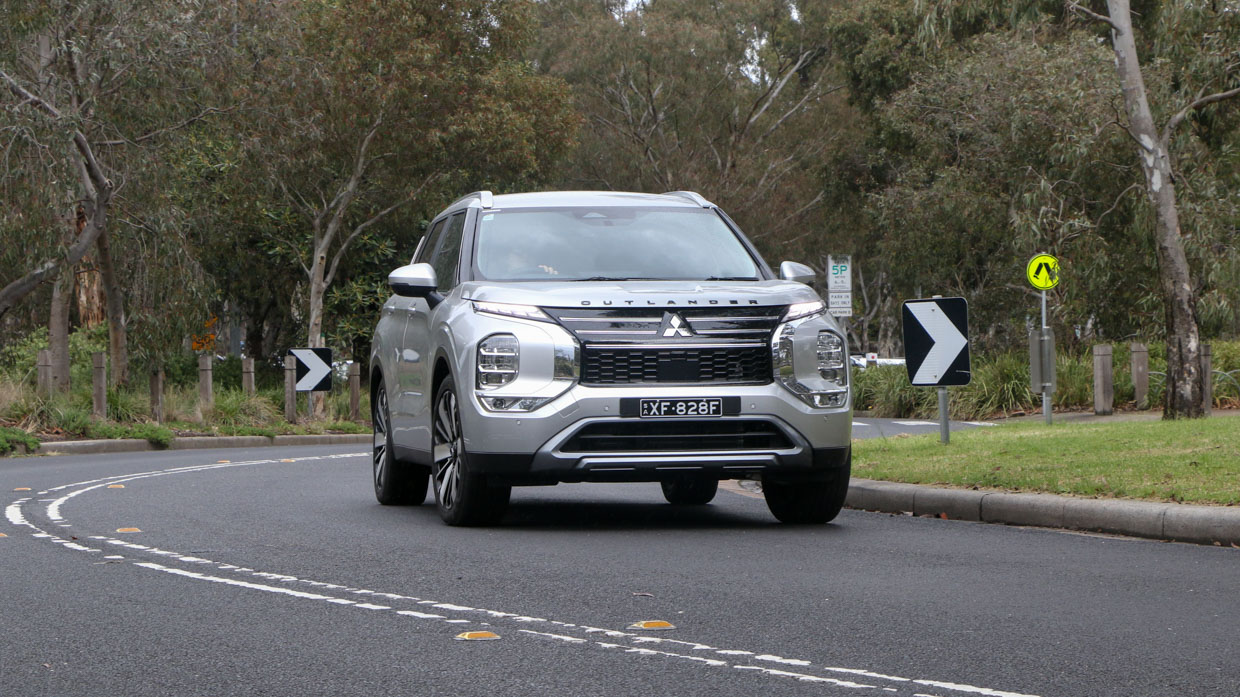
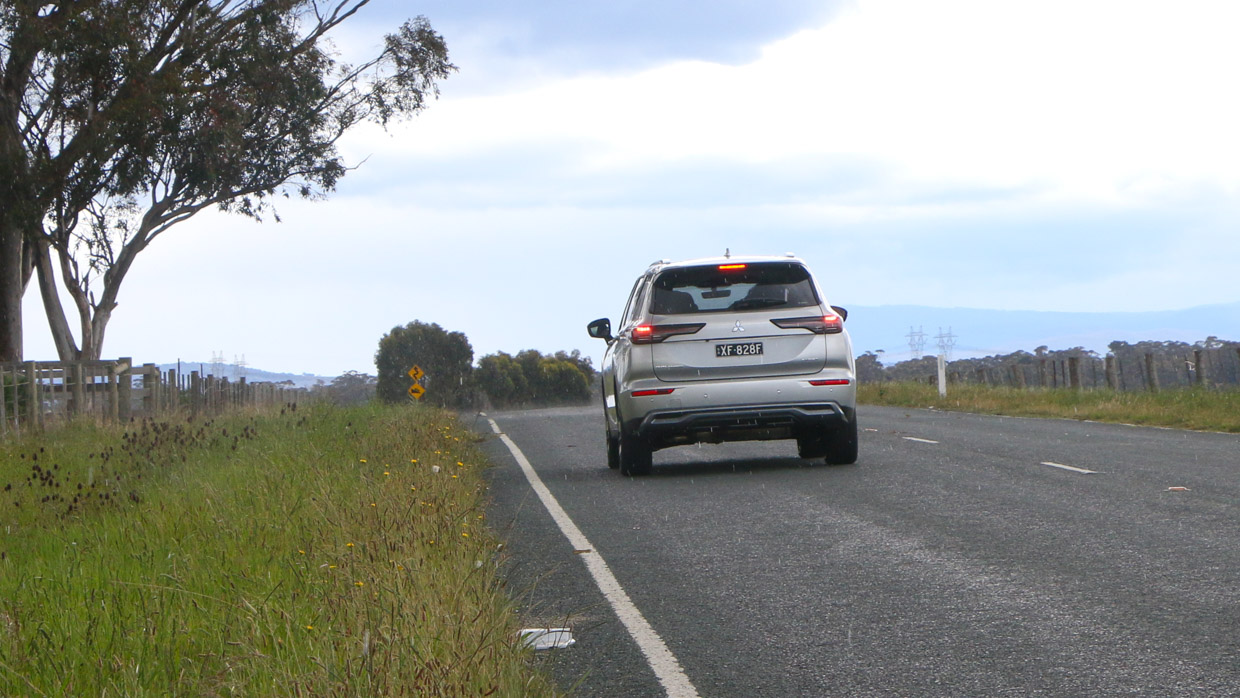
Jumping straight out of a string of keenly priced rivals from China and into the facelifted Outlander reflected well on the recent Aussie enhancements to the steering and suspension tune of this much-loved Japanese family hauler, though the end result still places it in a mid-pack position.
The steering is now smoother and more communicative, the suspension more comfortable and the ride generally more cohesive as the body is thrown from one corner to the next.
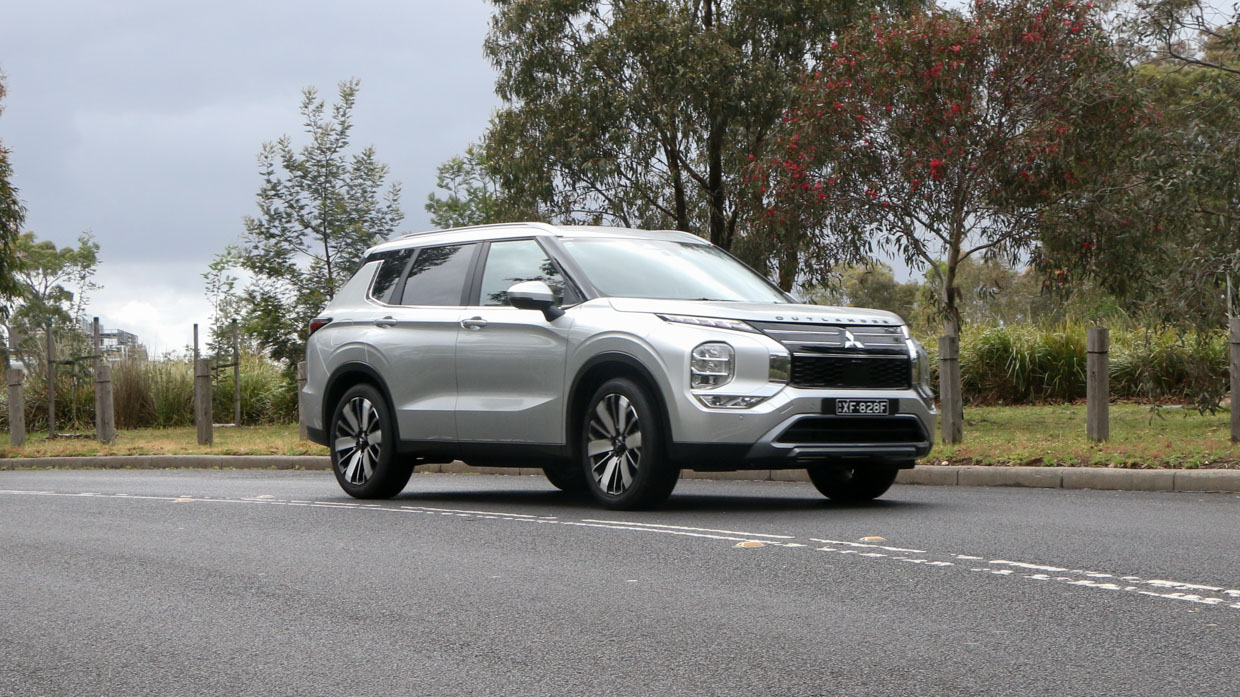
There’s a sense of maturity about the way the budget-friendly Outlander drives that is still lacking in many of its Chinese rivals, even though mainstream competitors such as the Subaru Forester, Volkswagen Tiguan and Toyota RAV4 offer better performance overall.
The 20-inch wheels on the Aspire leave little rubber left for absorbing bumps around town, where speed humps and road joins feel positively fierce.
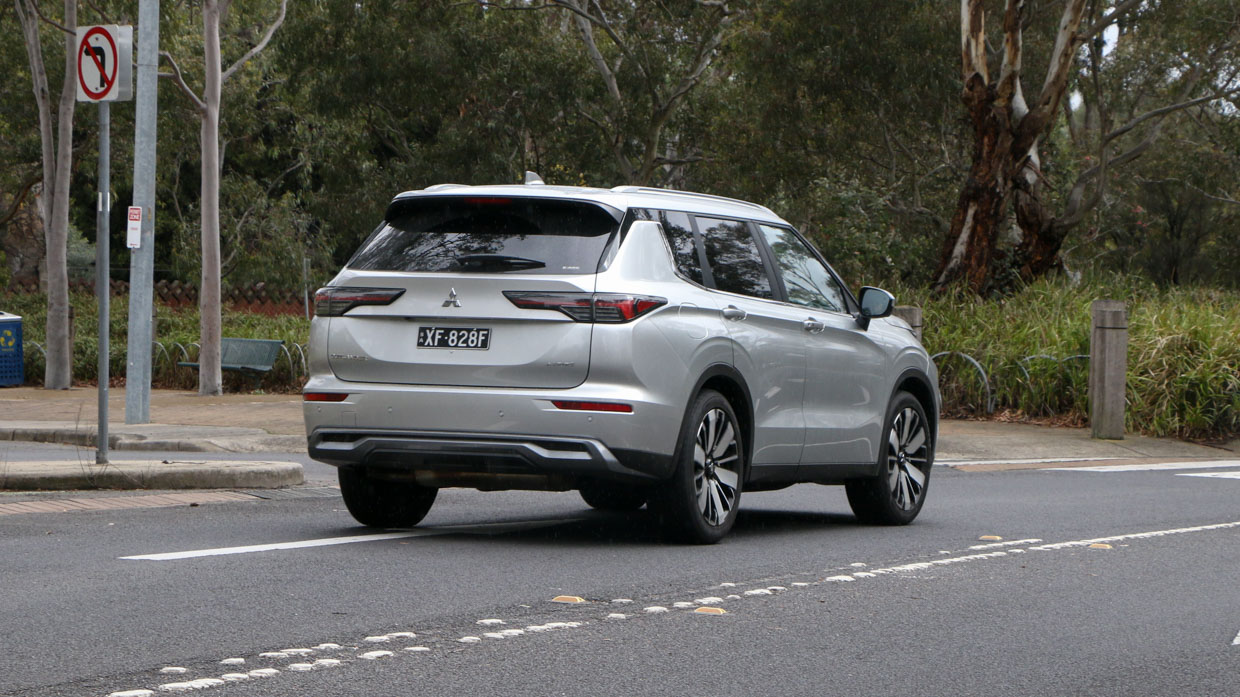
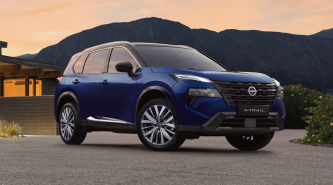
Buyers can opt for chunkier and possibly more comfortable 18s (though we have not driven them yet to confirm), though we do wish Mitsubishi would split the difference with a 19-inch option, as is offered on the DNA-related Nissan X-Trail to good effect.
Mitsubishi has worked to make the Outlander quieter with a series of chassis tweaks, including the addition of a steel bonnet to dampen the racket from the rowdy 2.5-litre naturally aspirated four-cylinder engine and CVT transmission combination.
The improvement is noticeable, but wind and tyre noise are still quite loud inside the cabin.
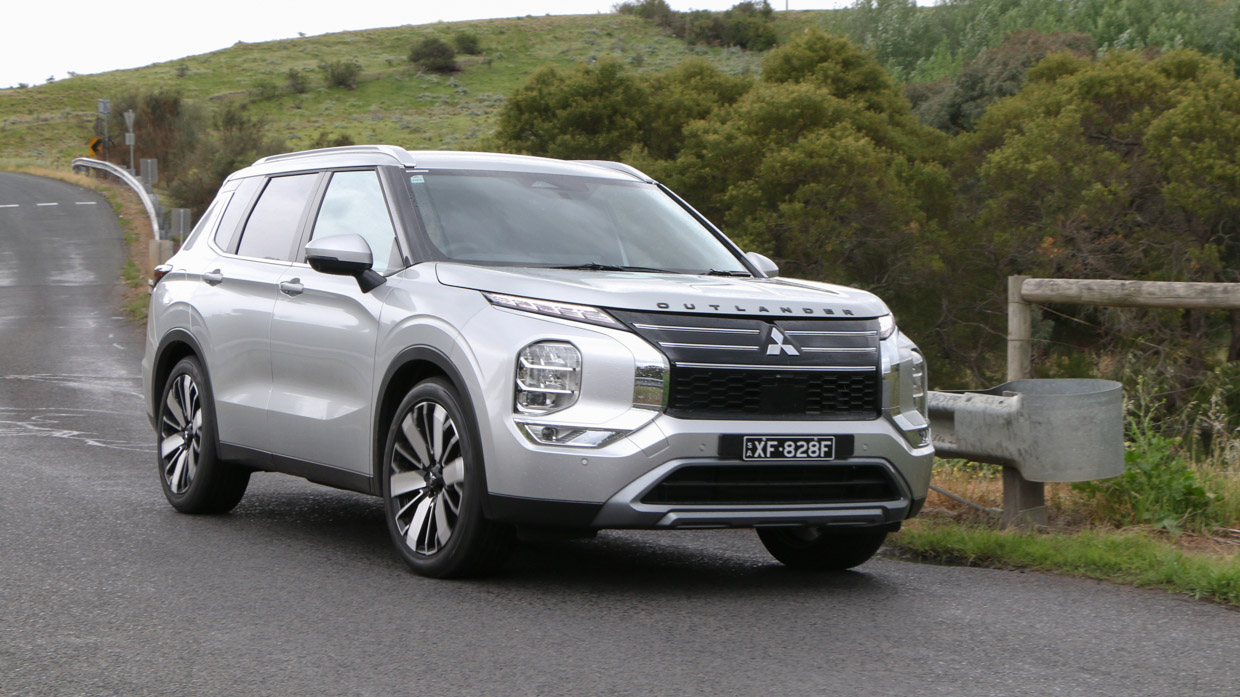
Outputs of 135kW/244Nm from the 2.5 are merely adequate, deceptively paired with a touchy throttle calibration to give the driver the perception of ample power on tap, but this feeling quickly fades above 80km/h.
We hope Mitsubishi looks to replace this undernourished engine sooner rather than later.
A new 120kW/280Nm 1.5-litre turbo-petrol four-cylinder mated to a 48-volt mild-hybrid system is being rolled out in markets such as China and the USA, potentially bringing better fuel efficiency and driveability to the Outlander.
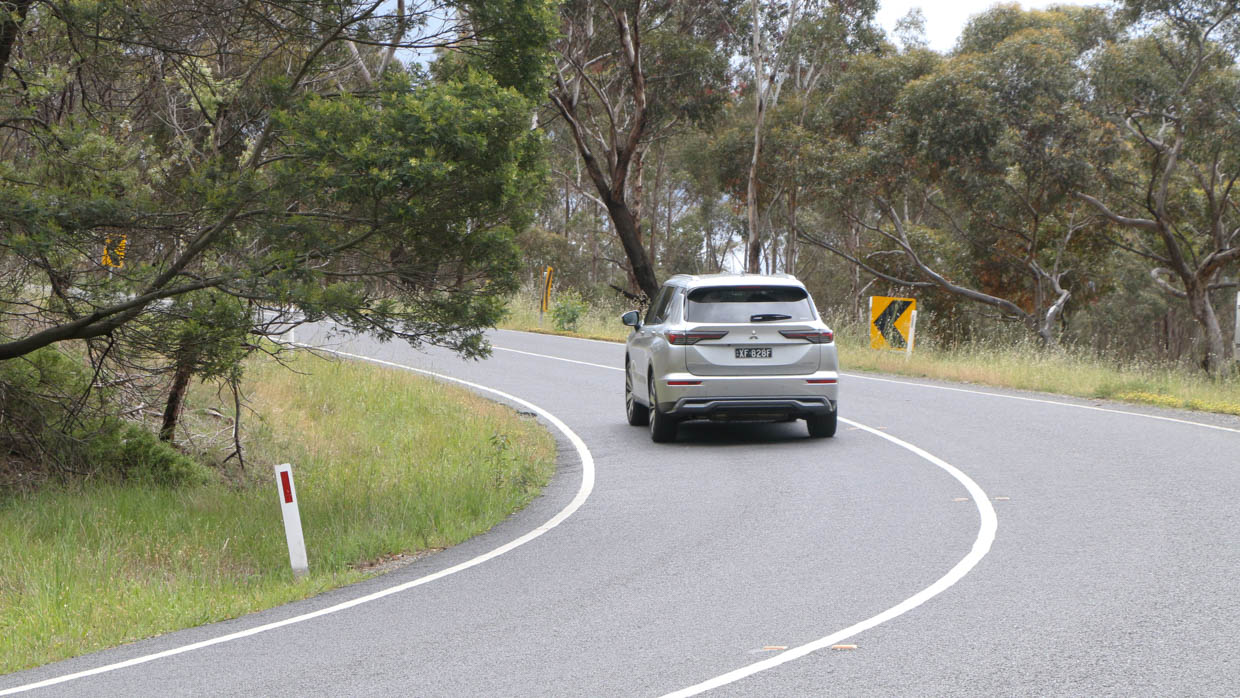
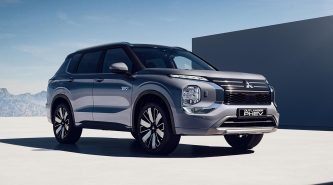
This has not yet been confirmed for Australia but an upgraded plug-in-hybrid version will arrive within months, offering claimed electric range of 86km (WLTP), staunch performance and a quieter driving experience.
Pricing has not been confirmed at the time of writing but expect to pay in excess of $10K extra for the PHEV powertrain.
The cabin space of the current-generation Outlander has always been pleasantly functional and familiar for the many Australians who aren’t looking to drive a science experiment, and the facelift only improves this formula.
Controls for everything from the drive modes, indicators and the cabin climate are all large and well labelled, even if they feel a touch cheap compared to rivals from Europe.

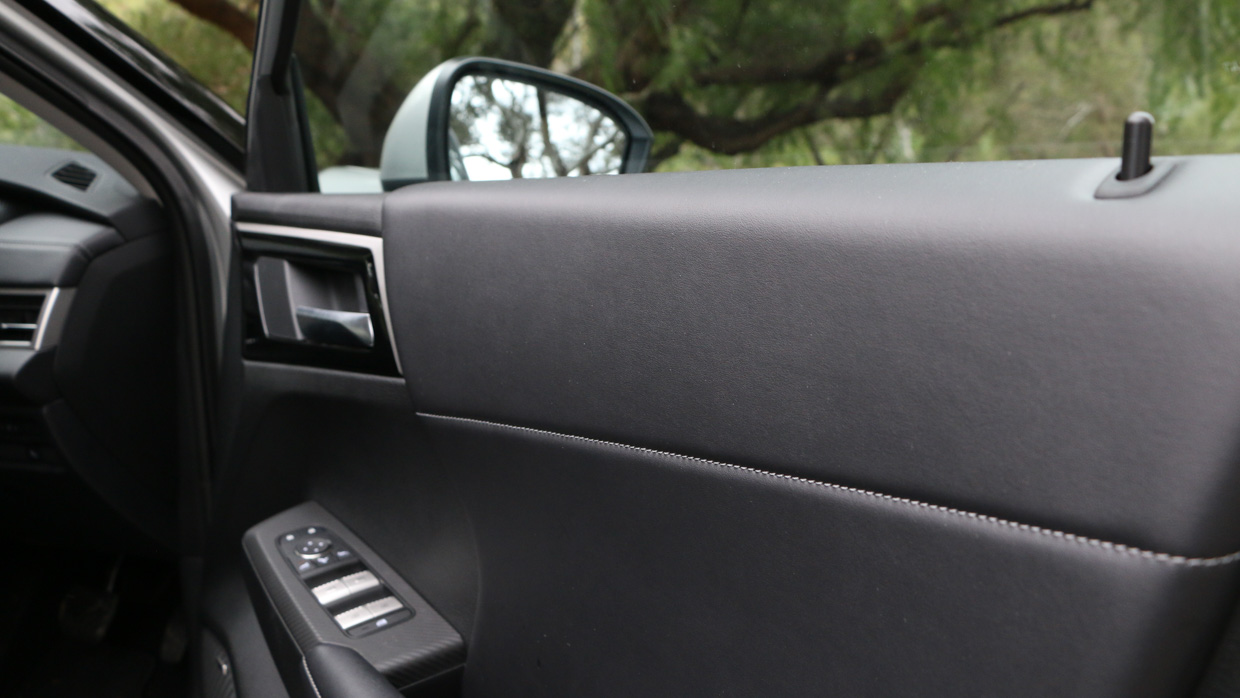
As before, the leather-wrapped and heated steering wheel feels good to hold, with thoughtful padding to the side of the transmission tunnel for your knee, the tops of the doors, and the centre armrest.
Mitsubishi has made some attempt to dial back the cheap plastics, though the brand’s unhealthy addiction to gloss plastic remains – material that was noticeably scratched on our test car despite being just a few thousand kilometres into its life.
Elsewhere, sound-reflecting hard plastics can be found on the dash and doors, but these are at least hardwearing.
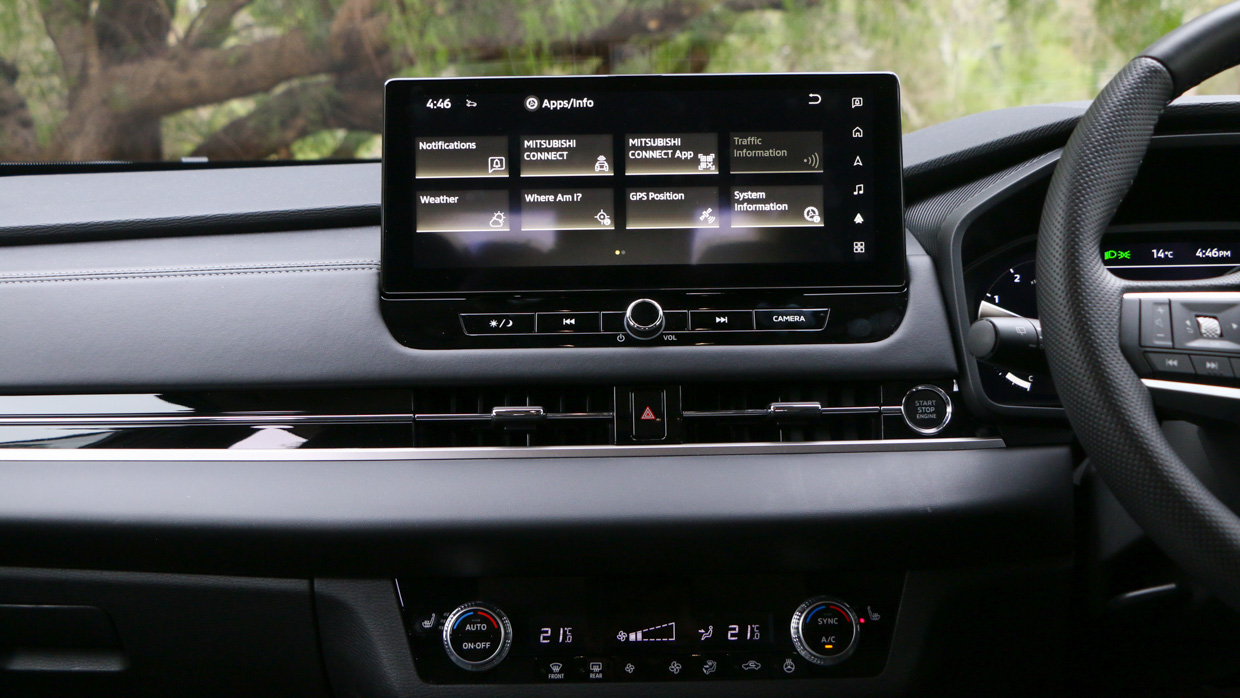
Along with a wireless phone charger that’s now been redesigned to fit bigger devices, storage is generally excellent with a deep centre console and massive door bins big enough to swallow a 1.25L-plus water bottle with ease.
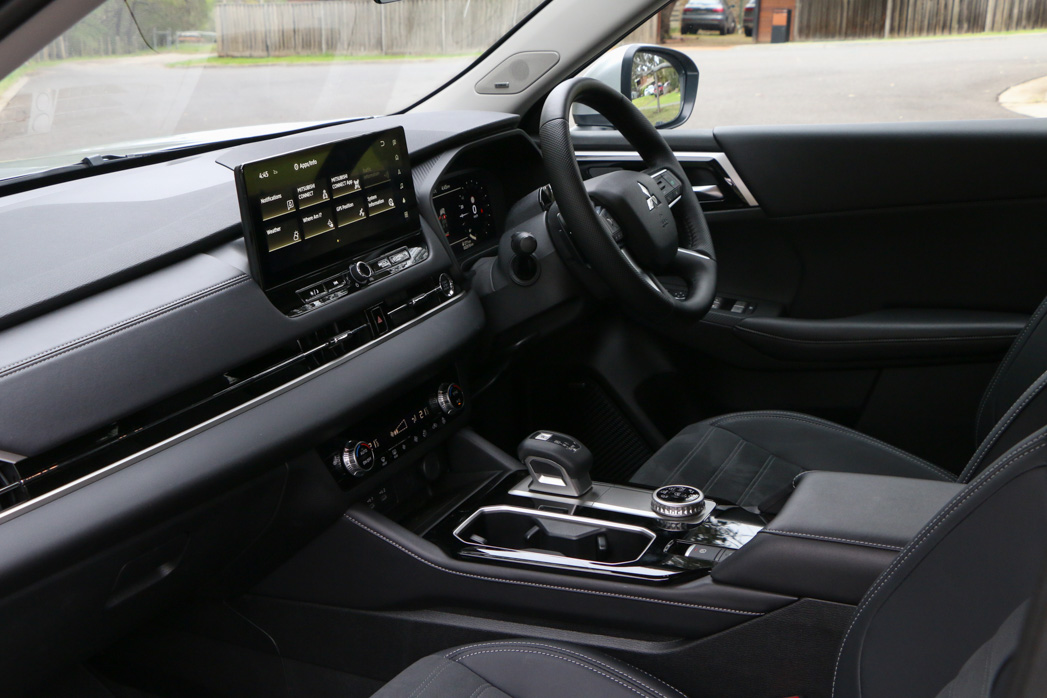
The Outlander finally matches its mechanically related Nissan X-Trail twin by fitting an enlarged 12.3-inch multimedia display that now offers wireless functionality for both Android and Apple users.
It joins the accompanying full-width 12.3-inch digital driver’s display in modernising and boosting the functionality of the Outlander’s cabin, if only slightly.

Although it lacks the wow factor of the 12-speaker sound system fitted only to the Exceed Tourer, the standard eight-speaker Yamaha stereo is a welcome upgrade, providing a good balance of talents across music genres.
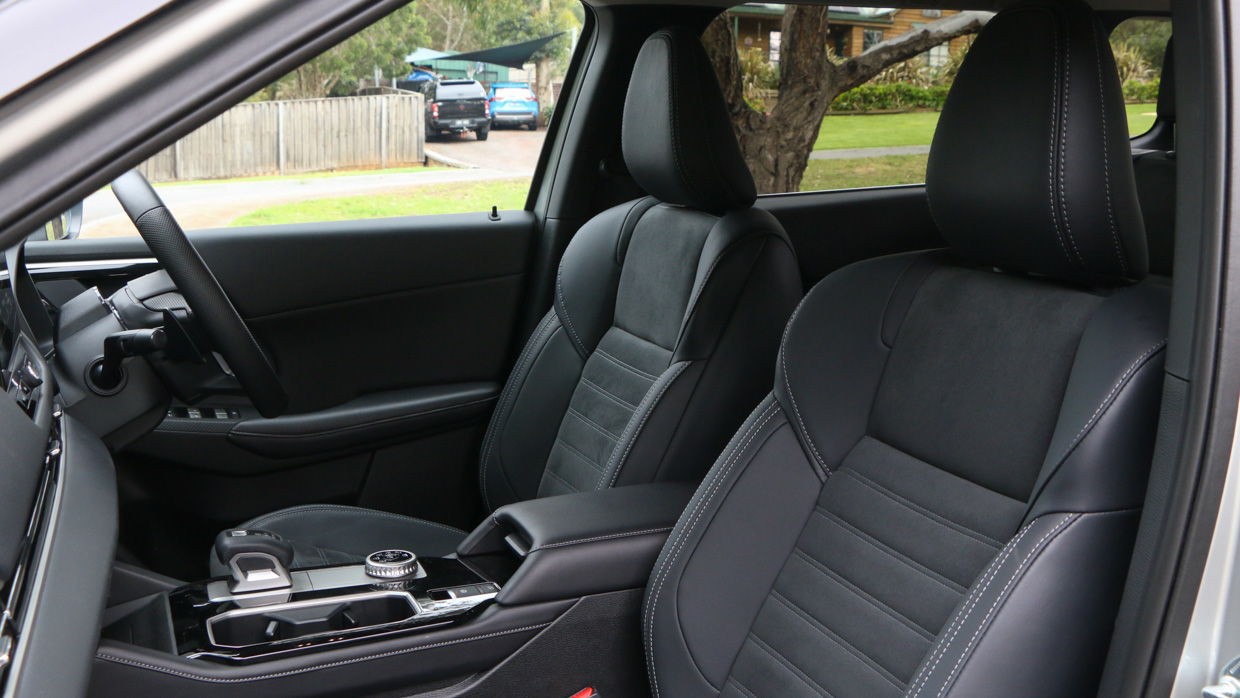
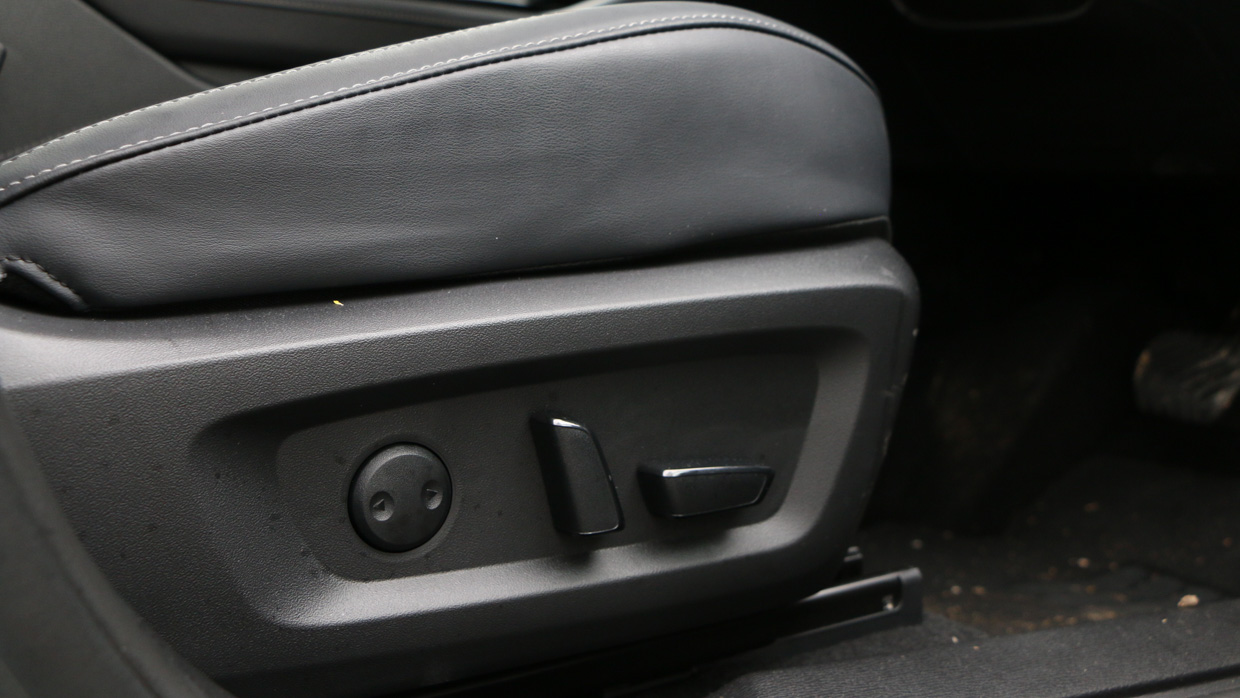
The front seats provide adequate support with a softer approach that may be to the tastes of some buyers, but it lacks general adjustability to suit all body types. The lack of power adjustment for the front passenger is also disappointing at this price point and a definite downside.
This is offset to a degree by the standard three-stage heating built into the seats, while the Microsuede/synthetic-leather material combination feels durable without feeling too cheap.
Row two is a brilliant example of just how spacious mid-size SUVs have become, with the slideable and reclinable seats providing more than enough room to stuff a pair of adults or even a rear-facing child seat behind my own driving position at 182cm tall.
Visibility is decent for those in the second row, even if comfort and support could be better – particularly in the centre, where the seat base is very hard.
We also found it quite bizarre that the rear windows were unable to roll all the way down – a limitation most rivals have overcome in the modern age.
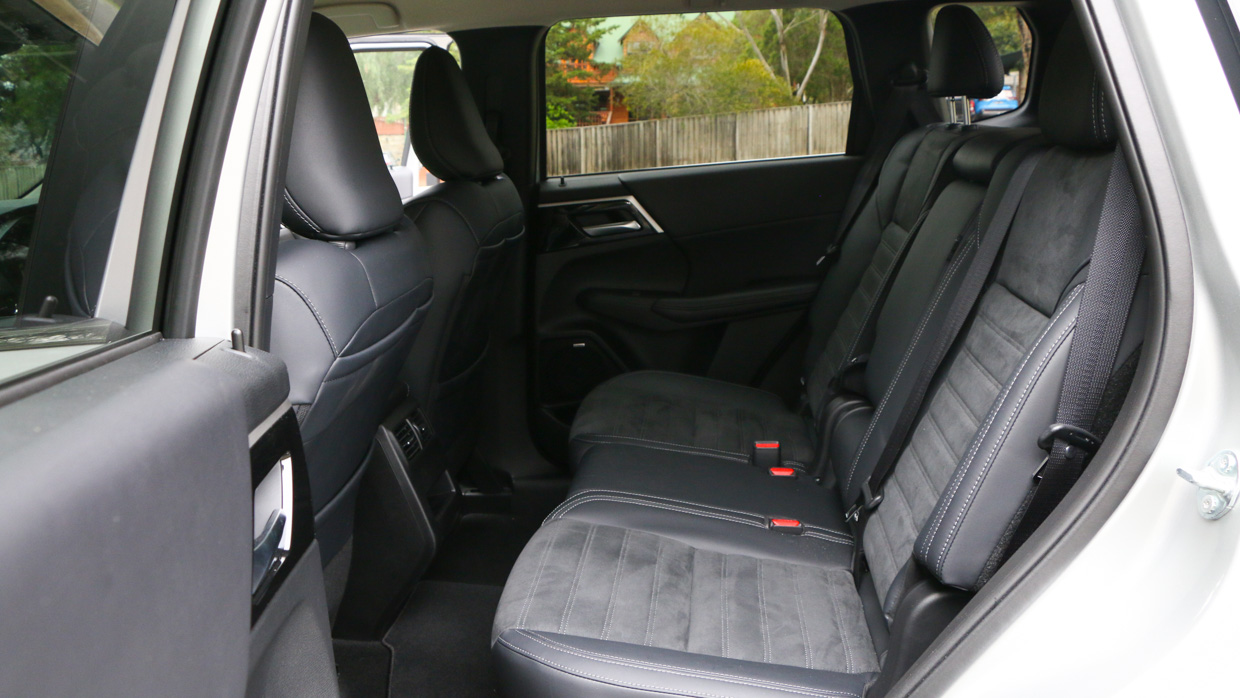
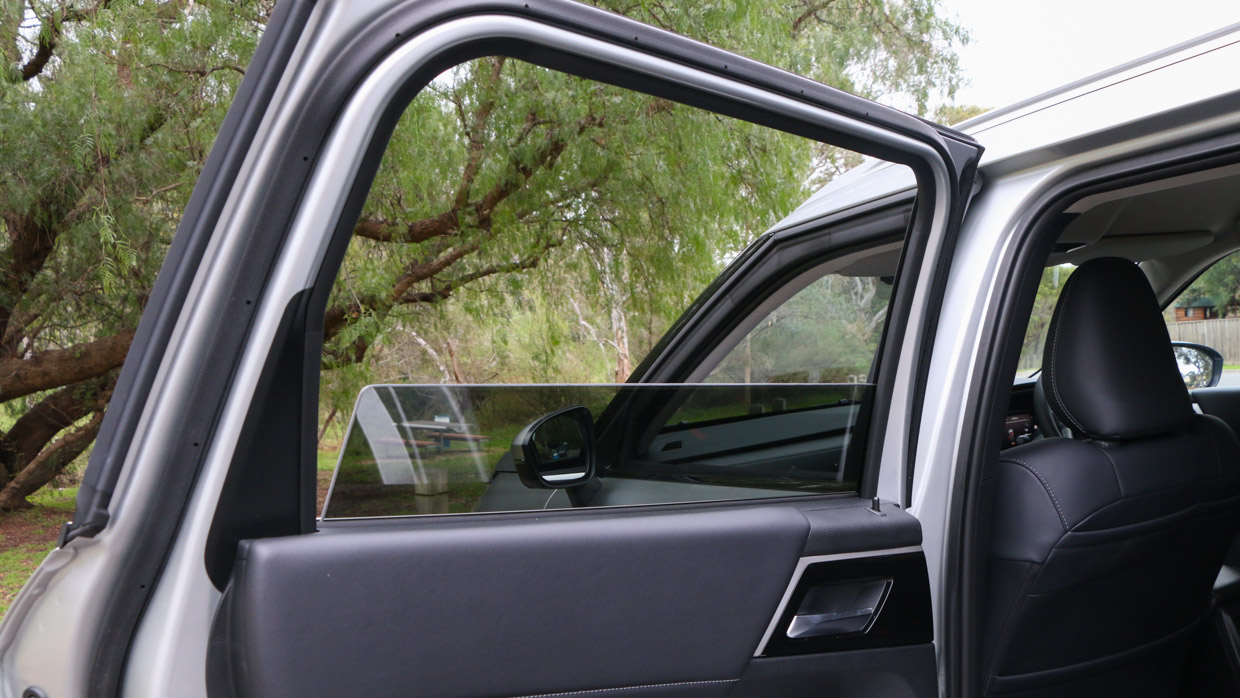
Aspire buyers miss out on creature comforts found on the higher grades such as heated outboard seats and built-in sunshades, but the latter can at least be added as a $585 option and key fundamentals such as large air vents, 12-volt outlet and USB-A and C ports are all fitted.
Mitsubishi describes the Aspire’s seating layout as a five-plus-two, rather than a ‘seven-seater’ and for good reason. Like almost all mid-size SUVs attempting to offer three rows, the end result is severely compromised.
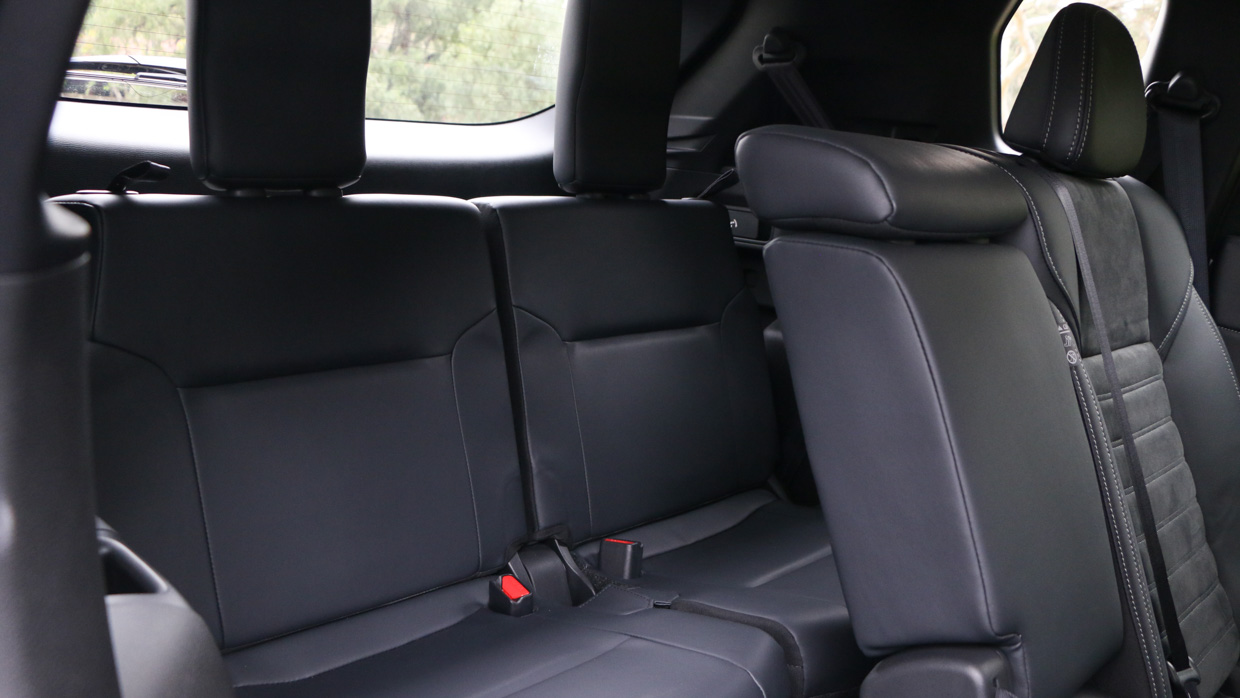
While the second row can slide forward to open up room, the third row is only designed to accommodate children, though even this is difficult to recommend due to the persisting lack of side airbag coverage for occupants six and seven – unlike rivals such as the Skoda Kodiaq.
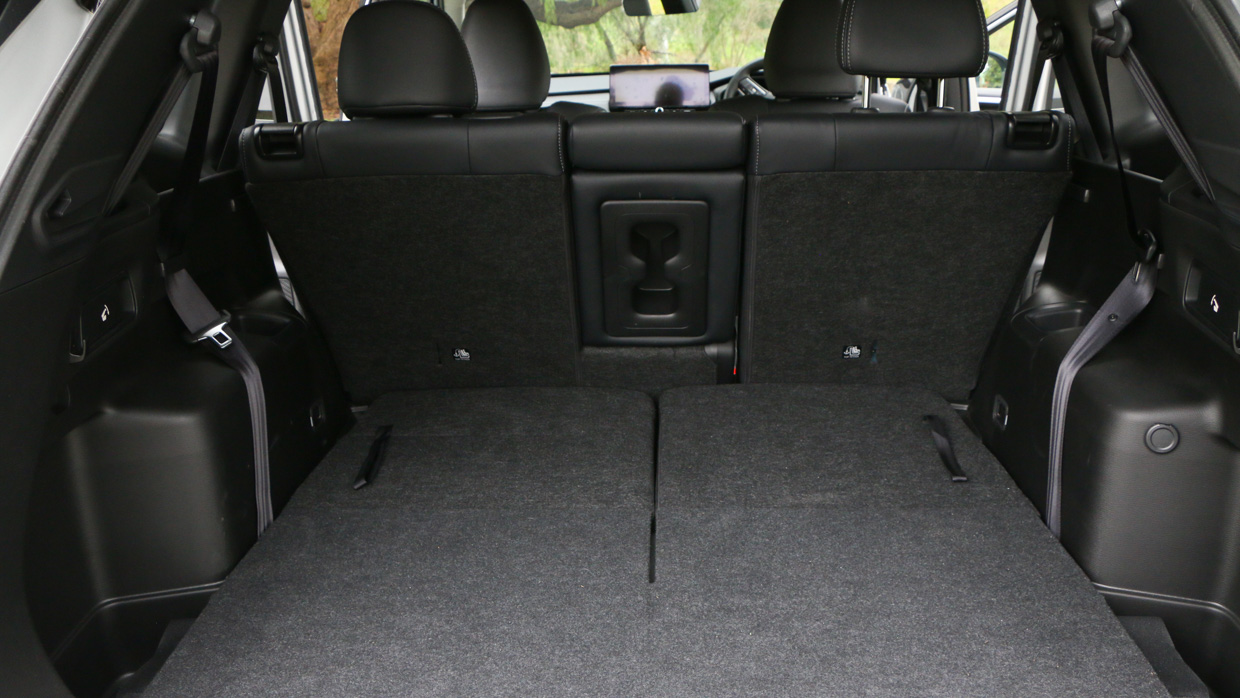
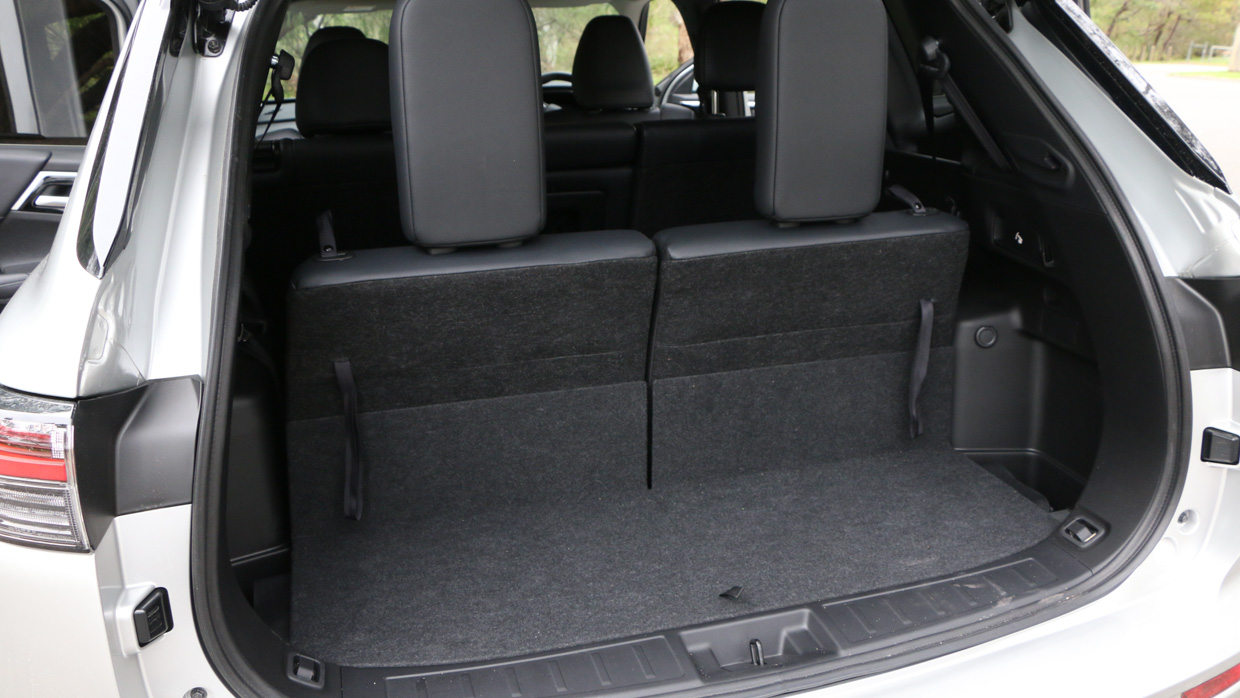
With three rows in place, just 163 litres of boot storage remains but fold the third row flat and a more respectable 478 litres opens up. Commendably, Mitsubishi engineers have found enough space to stow the cargo blind, a space-saver spare wheel and third-row headrests when not in use.
In September of this year, Mitsubishi announced it had renewed the Outlander’s five-star ANCAP safety rating by making a series of upgrades, but not all have been welcomed.
After fitting an imprecise and aggressive advanced driver monitoring system on its Triton ute back in 2024, Mitsubishi has now fitted a similar system to the Outlander. The system doesn’t reach the lows of the Triton at launch, but it still falls behind rivals for real-world use.
Although the experience does improve with practice, the chorus of false positives are more likely to take your eyes off the road than to keep your attention on it. Lane-keep assistance is also too hot-and-cold in how it assists the driver’s steering inputs.
Gains have been made to passive safety, with adult occupant protection increased to 85 percent after tweaks to the front-centre airbag, but against ANCAP’s stricter new standards, the Outlander’s score dipped in other areas such as vulnerable road user protection (79 percent), safety assist (70 percent) and child occupant protection, which fell from 92 to 84 percent.
Mitsubishi should be applauded, however, for fitting meaningful safety features such as a 360-degree camera, and front and rear parking sensors, along with a spare wheel – either full size or space saver – on every grade.
A standard five-year/100,000km warranty is offered on the Outlander but coverage is extendable to 10 years or 200,000km if buyers continue to service their car with a Mitsubishi dealer. The brand’s capped-price servicing also falls under the same conditions.
Notably, Mitsubishi has recently thrown in 10 years’ worth of roadside assistance but you’ll need to have your Outlander serviced within the dealer network from 12 months onwards to qualify.
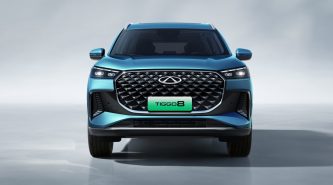
Over five years, prices are capped at $1825, making it cheaper than an X-Trail ($1995) or Subaru Forester ($2299), though Chinese rivals such as the Chery Tiggo 8 Super Hybrid undercut it with a $1595 fee over the same period.
Official fuel consumption for the 2.5-litre petrol engine is rated at 8.1L/100km in combined conditions using 91RON fuel, though we saw 9.2L/100km with a slight urban bias, which is pretty mediocre for a mid-sized family vehicle in the modern age.
It’s no surprise that Mitsubishi has recently doubled down on its ‘10/10’ scheme that offers a decade of warranty and capped-price servicing, to also now include roadside assistance, making it 10/10/10.
Rather than just a car, Outlander buyers are looking for assurance from a brand they know well for offering solid reliability and one of the more extensive dealer and service networks in Australia. That’s something its encroaching Chinese rivals at the affordable end of the field can’t yet match.
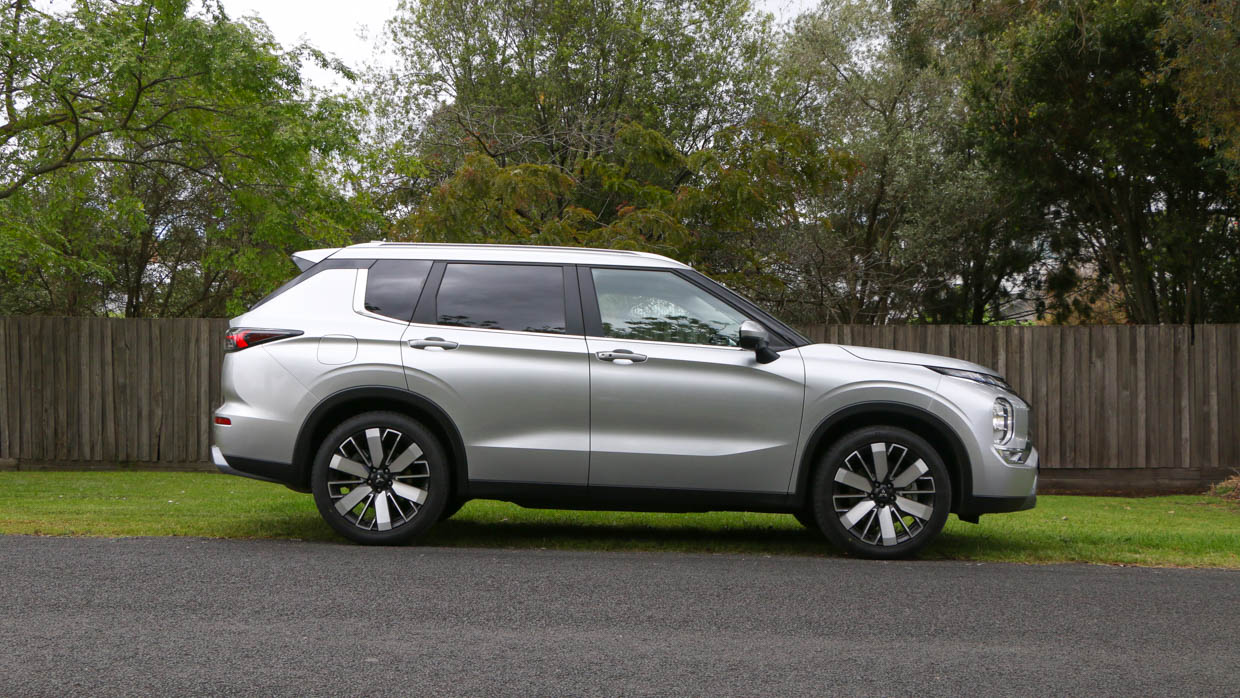
That’s not to say the Outlander is without merit because it remains a solid all-rounder with a spacious and comfortable interior, enhanced features and newly improved driving dynamics, even though it’s undermined by a thirsty, gutless engine that feels as if it wandered in from 2005.
Prices might be up for this facelift but a driveaway price of $53,300 for our as-tested Outlander Aspire AWD in NSW still makes this model approachable, though we would consider how much its thirsty engine is going to cost you over the longer term.
Key specs (as tested)
About Chasing cars
Chasing Cars reviews are 100% independent.
Because we are powered by Budget Direct Insurance, we don’t receive advertising or sales revenue from car manufacturers.
We’re truly independent – giving you Australia’s best car reviews.
The estimate provided does not take into account your personal circumstances but is intended to give a general indication of the cost of insurance, in order to obtain a complete quote, please visit www.budgetdirect.com.au. Estimate includes 15%^ online discount.
^Conditions Apply
Budget Direct Insurance arranged by Auto & General Services Pty Ltd ACN 003 617 909(AGS) AFSL 241 411, for and on behalf of the insurer, Auto & General Insurance Company Limited(ABN 42 111 586 353, AFSL 285 571).Because we don’t know your financial needs, we can’t advise you if this insurance will suit you. You should consider your needs and the Product Disclosure Statement before making a decision to buy insurance. Terms and conditions apply.
Indicative quote based on assumptions including postcode , 40 year old male with no offences, licence suspensions or claims in the last 5 years, a NCD Rating 1 and no younger drivers listed. White car, driven up to 10,000kms a year, unfinanced, with no modifications, factory options and/or non-standard accessories, private use only and garaged at night.
^Online Discounts Terms & Conditions
1. Discounts apply to the premium paid for a new Budget Direct Gold Comprehensive Car Insurance, Third Party Property Only or Third Party Property, Fire & Theft Insurance policy initiated online on or after 29 March 2017. Discounts do not apply to optional Roadside Assistance.
2. Discounts do not apply to any renewal offer of insurance.
3. Discounts only apply to the insurance portion of the premium. Discounts are applied before government charges, taxes, levies and fees, including instalment processing fees (as applicable). The full extent of discounts may therefore be impacted.
4. We reserve the right to change the offer without notice.