Powered by

-
Car Reviews
Latest reviews
-
Car News
Latest news
-
Car Comparisons
Latest comparisons
- Chasing Deals
Latest reviews
Latest news
Latest comparisons
Does the latest version of one of the most popular family 4WDs in Australia deliver on its promises in the long-term experience?
The launch of the Toyota Land Cruiser Prado 250 Series in Australia was accompanied by some initially lukewarm feedback — cool styling, shame about the old engine — while questions also abounded about the durability and necessity of a new mild-hybrid system.
Despite that, Australians have flocked to the new Prado in their thousands. A generationally popular nameplate, the Prado’s success has translated to strong local sales of the new version, with nearly 16,000 units delivered in the first six months of 2025 alone.
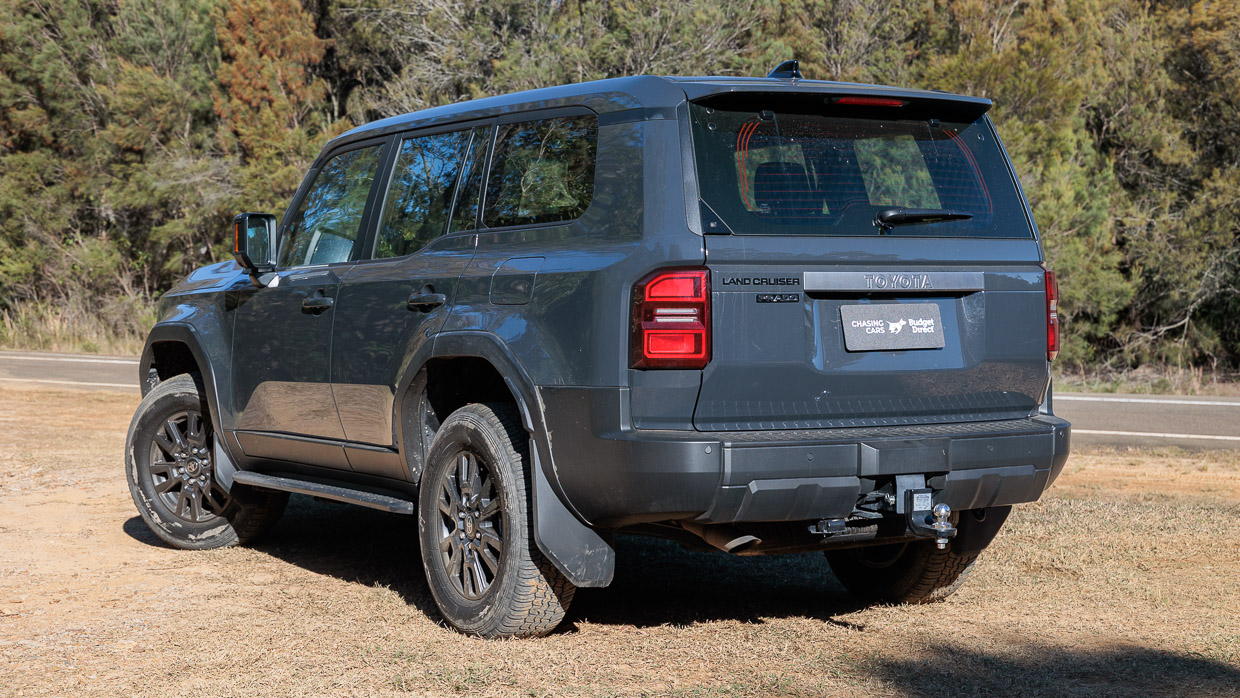
With the noise about the new Prado across traditional and social media appearing to clash with buyer sentiment, we decided the only way to solve it was to spend a decent amount of time with the Prado.
That meant five months: while that’s not a bona fide ownership period but for a car reviewer that’s in and out of new metal daily, this duration allows for far deeper insights to be gleaned about a model while allowing time for issues to come to the fore.
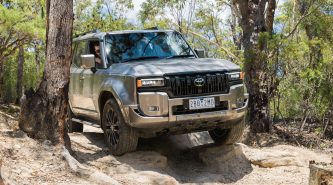
The general plan is to do with our GX as most owners of a brand-new Prado would: no deep mudding, but rather mostly daily tarmac work, plus mild to moderate off-roading.
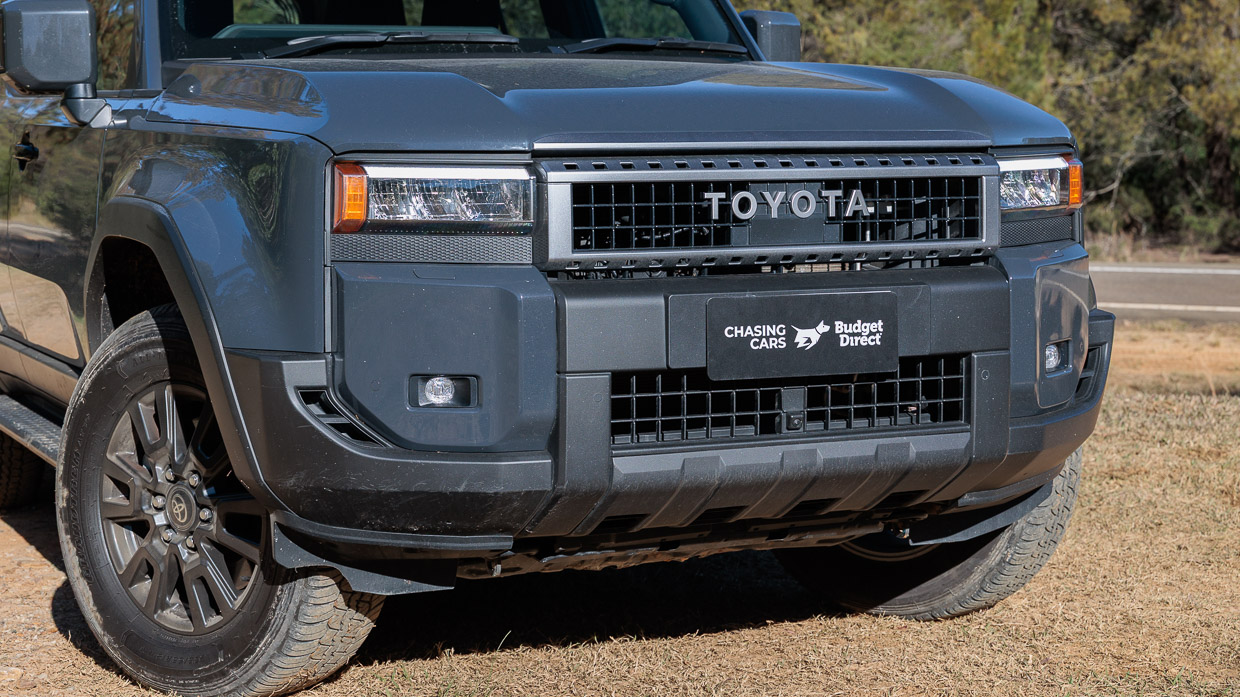
While some punters perceive Toyota as conservative and even lethargic when it comes to innovation, it is clear that an enormous amount of time and effort has been poured into getting the 250 Series right for Australia.
Further, there is great potential to improve the product further in the future, particularly in the powertrain department—though the 2.8-litre turbo diesel four-cylinder making 150kW/500Nm will suit most people just fine.
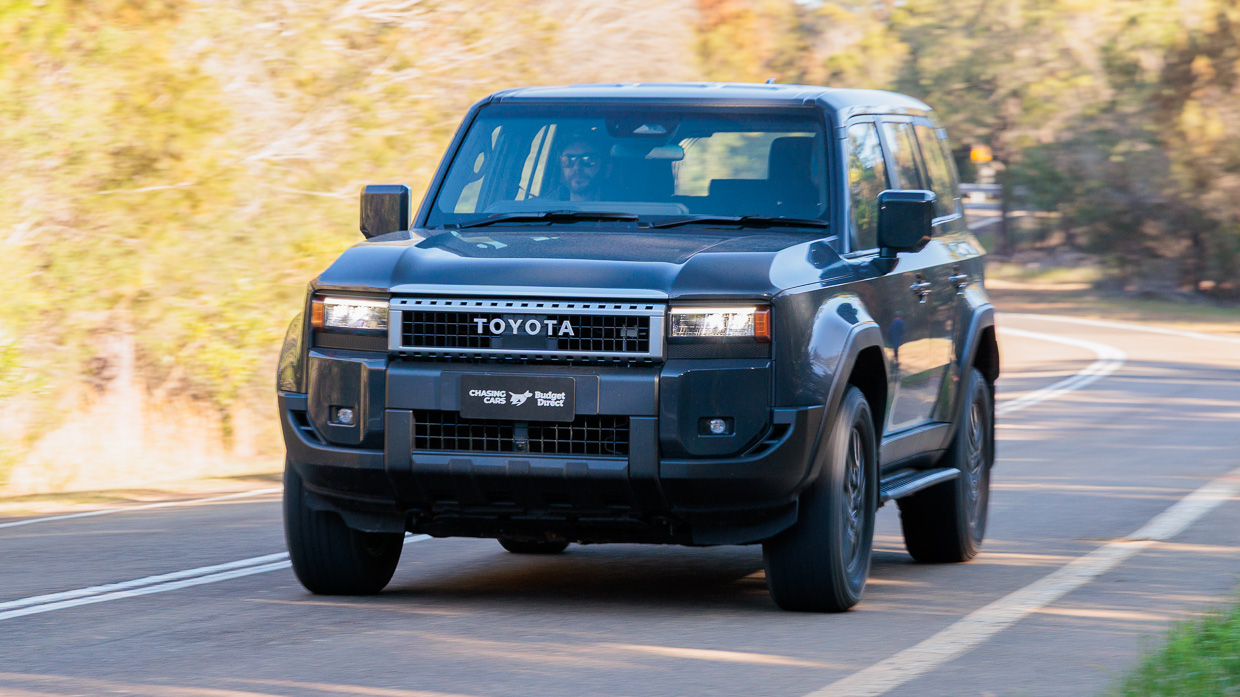
Still, despite its overall suitability, there’s a feeling the Prado is standing on the precipice of great change. Strict new vehicle emissions laws in Australia will make it hard to sell pure-diesel (or pure-petrol) cars, 4WDs and utes in future, and innovation will be required to maintain sales momentum.
Whatever that looks like, the basis of the new Prado is solid.
As Prado’s popularity in Australia continues to march on through 2026, can we recommend it? And what’s in store for the big 4WD’s future
After nearly half a year behind the wheel of the Prado GX (and other variants here and there), it is obvious why Toyota continues to sell so many Prados in new-gen form: this 4WD nails the basics of family motoring.
Prado is big, tough and refined in a way that matches Australian sensibilities, as well as fleet customer needs. While the GXL is a superior choice for private buyers, the GX’s simplicity underscores the appeal with strong build quality, comfortable seating, solid road manners, and a well-executed interior that is easy to live with.
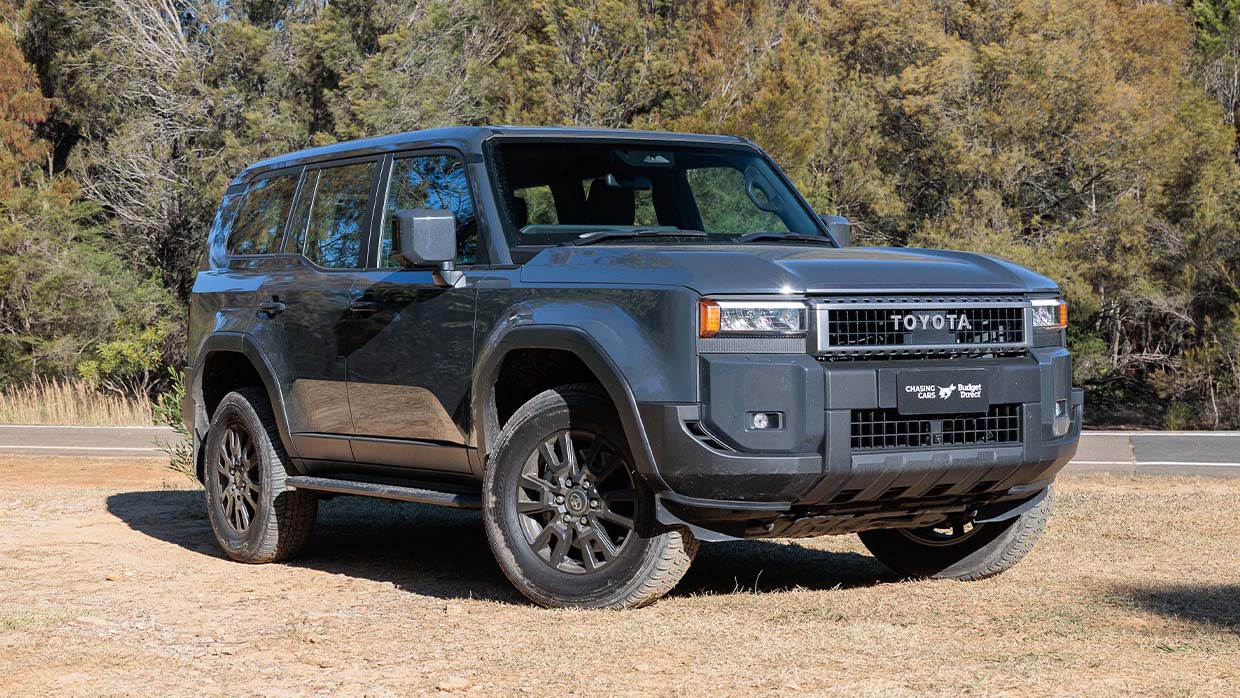
The Prado ultimately feels like a vehicle designed to last a decade or two rather than a short-term churn/burn cycle.
For buyers needing a new family 4WD now, and who are not put off by the relatively premium pricing and relatively modest four-cylinder diesel engine, the Prado is a good option in 2025.
It probably will not affect current buyers, the future of the Land Cruiser Prado is cloudy. Australia’s New Vehicle Efficiency Standard (NVES) tightens quickly and the current Prado relies only on high-CO2, pure-diesel power.
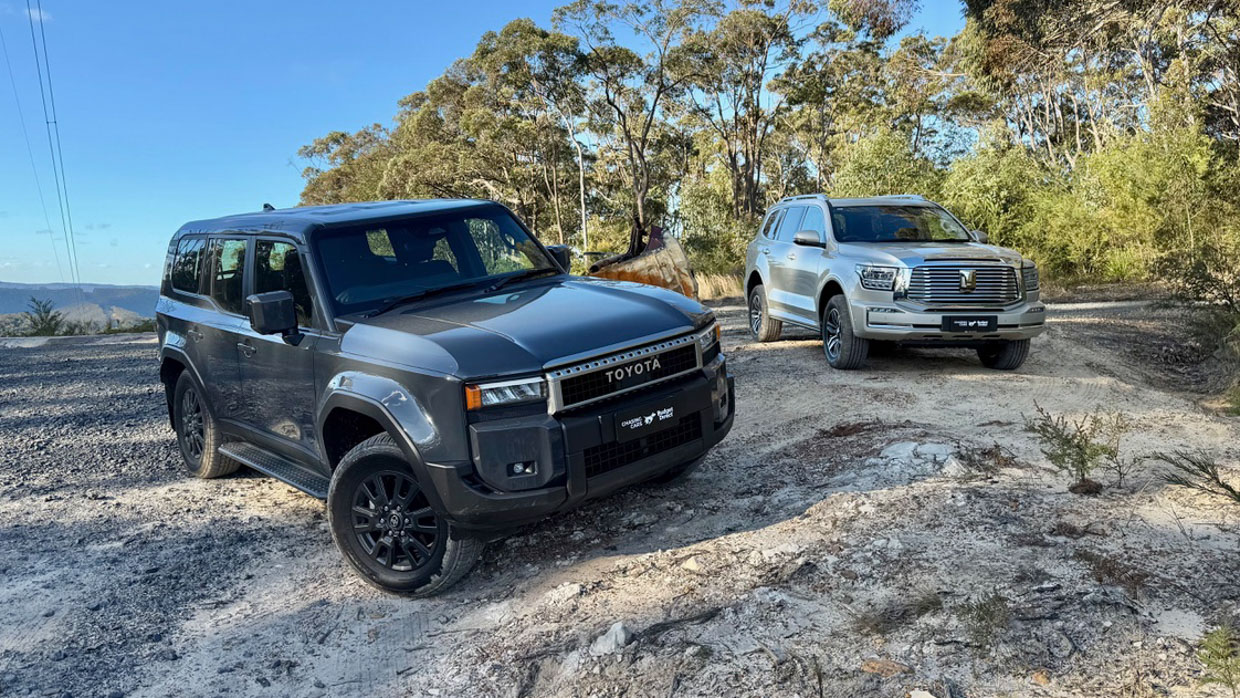
Toyota has promised hybrid options down the track, but right now, the future powertrain of the Prado is in doubt. The closely related Lexus GX is in a similar boat, and while the Lexus version currently uses a twin-turbo petrol V6 (with even higher CO2), in future, this pair might share a hybrid or plug-in hybrid engine.
Toyota might even shift away from diesel entirely if the NVES is not altered.
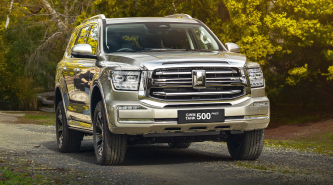
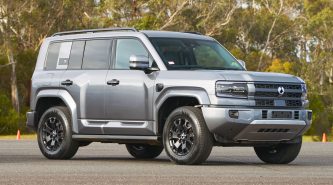
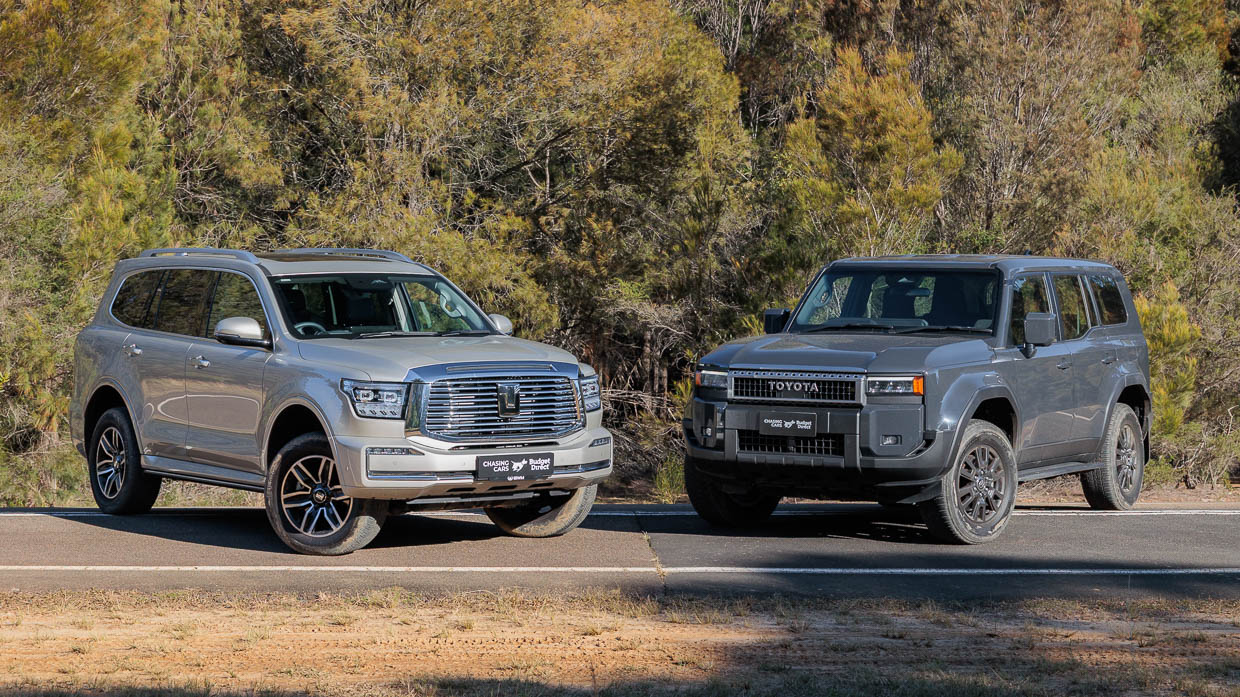
For now, rivals are circling. These take the form of Chinese hybrids like the GWM Tank 500, which may not possess the long-running reputation of a Prado but offers more tech for less cash, while the outgoing Y62 Nissan Patrol continues to give Aussie buyers a V8 choice for the price of a top-end Prado diesel.
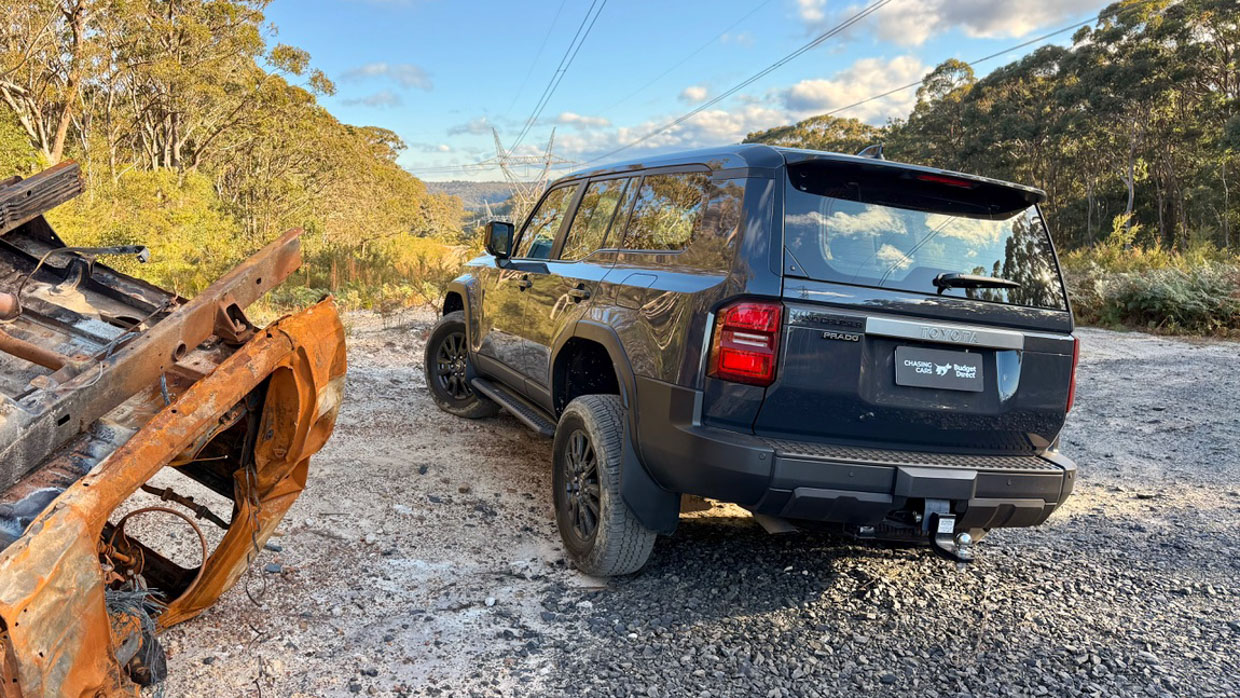
Still, ‘fit-for-purpose’ sums up the Prado of 2025. For families, rural buyers and fleets wanting a vehicle that seems unbreakable, the Prado remains a benchmark. The question is how long Toyota can keep things simple here before it must chart a course to Prado’s electrification in response to the demands of Australian regulators.
What are our least-favourable takeaways from the lowest-grade of Toyota’s large 4WD wagon?
As we foreshadowed early in our custodianship, the Prado isn’t perfect. We think it has six key negatives or drawbacks that some buyers might likely find annoying, and that Toyota should focus on improving.
One glaring culprit is the mild-hybrid system, which isn’t very useful yet takes up space.
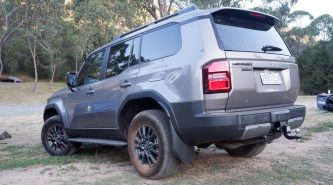
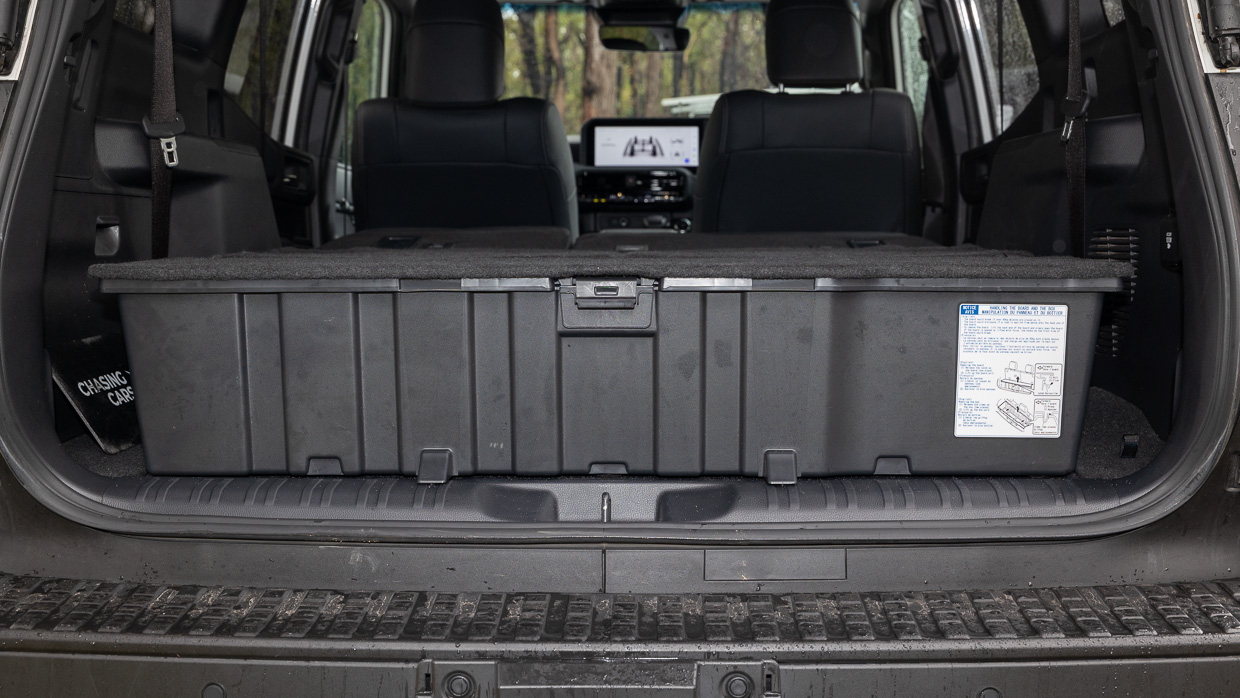
Since launch, the Prado has offered a single engine in Australia: a 2.8L diesel with a 48-volt ‘V Active’ mild hybrid system. It makes no perceptible improvement to engine performance but the battery eats into underfloor space in the boot, resulting in an unfortunate ‘hump’ that is particularly egregious on seven-seat versions.
While Toyota will need to develop hybrid versions to meet emissions laws in future, the mild-hybrid appears to achieve little while causing owner headaches thanks to reduced boot space.
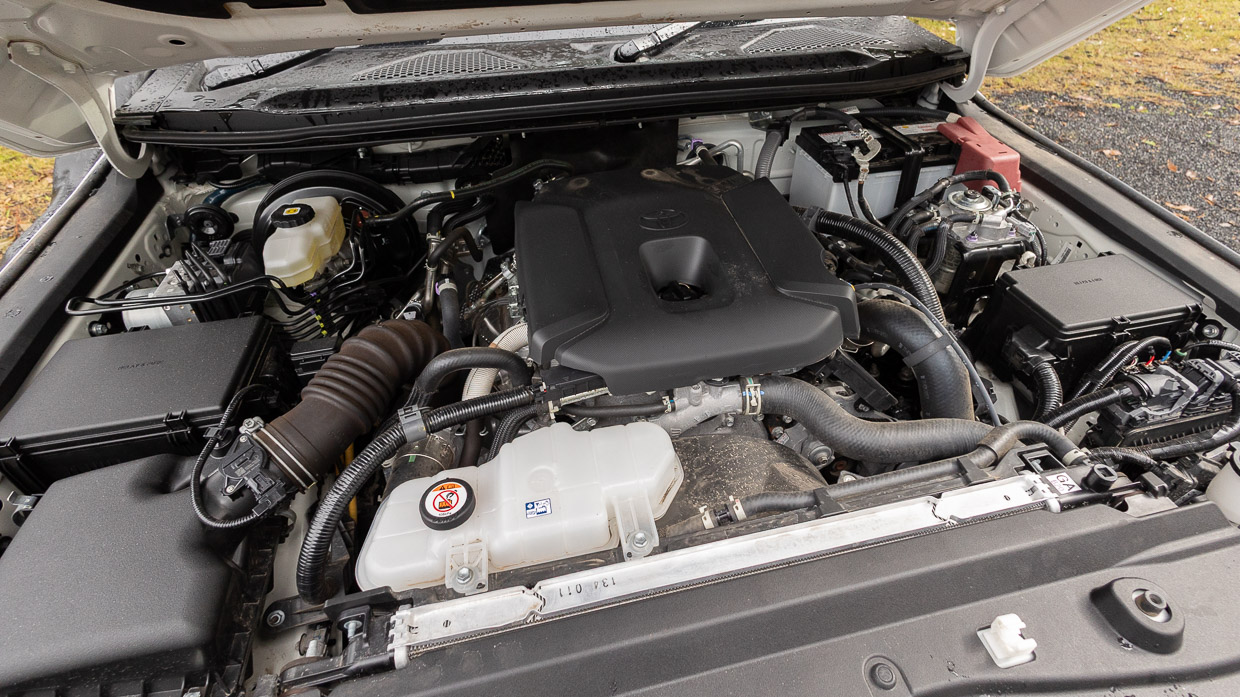
The four-cylinder diesel engine itself is loud and unrefined. While we don’t actually have an issue with the Prado’s engine/transmission performance (which is reasonable enough), almost any buyer coming out of a car-based SUV like a Toyota RAV4 or Mazda CX-5 is going to find the Prado loud with a capital L.
Little noise insulation appears to have been used between the rattly four-cylinder and the cabin; it’s a trucky brute.
While Toyota has made considerable improvements to the handling of the new Prado, the stiff and bumpy ride quality won’t be to everybody’s tastes. In fact, the ride quality might have even gone gently backwards from the old car.
Even on small 18-inch wheels and chunky tyres, the Prado’s ride is coarse and bumpy; you feel every pothole and expansion joint in the cabin, and things only get worse on the 20-inch wheels fitted to the VX and Kakadu.
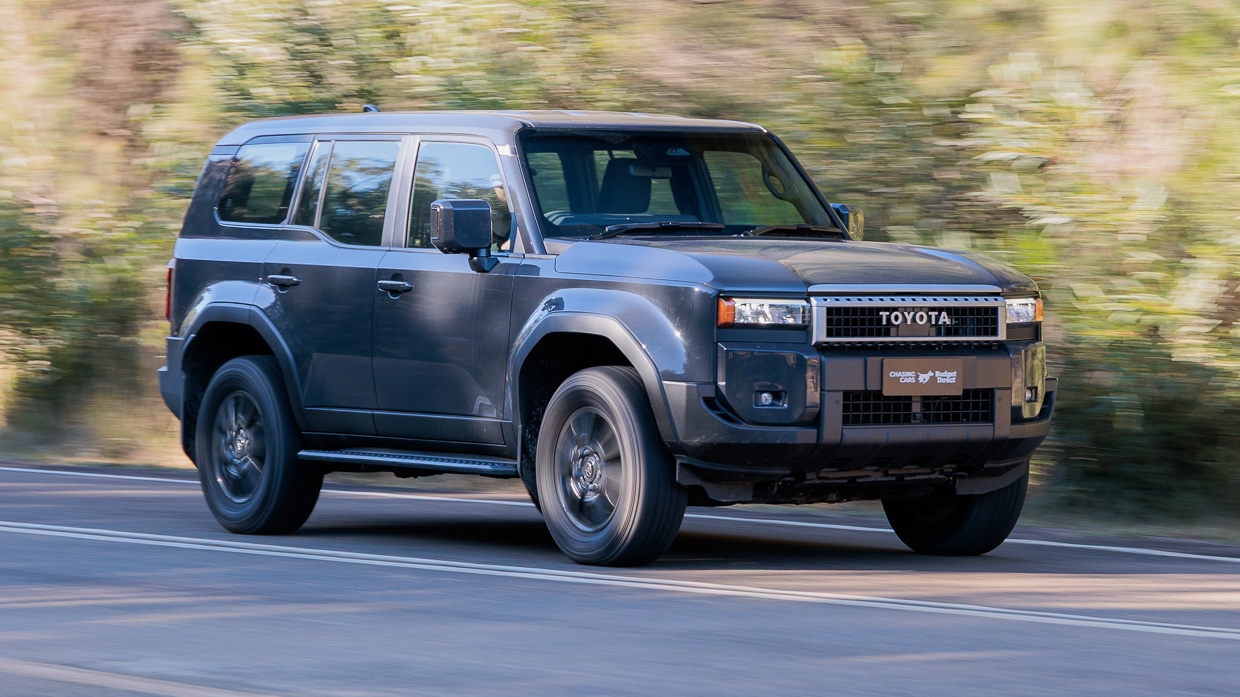
Not specific to our long-term GX subject but, at over $100,000 on-road, the higher-grade Kakadu and Altitude are very pricey. So while the Prado is a good and convincing product, it’s not yet a six-figure vehicle in our estimation; we’d still to the GXL for the best value for money.
Servicing, required every six months/10,000km, is a pain. Frequent oil changes, inspections and other maintenance is a great idea if you’re doing big mileage or taking your vehicle off-road, but for everyday drivers, the Prado’s six-monthly servicing intervals are frustrating and make maintenance costlier than many 4WD alternatives.
With the Prado’s main pluses and minuses coming in sharper focus in the tail end of our long term experience, our verdict heading towards Month Five is starting to set just nicely…
There’s a lot to like about the low-grade Prado, but what are they specifically?
After spending nearly half a year with the new Prado, we’ve found it has six key positive points that most buyers will enjoy.
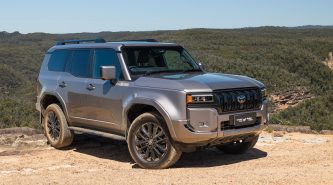
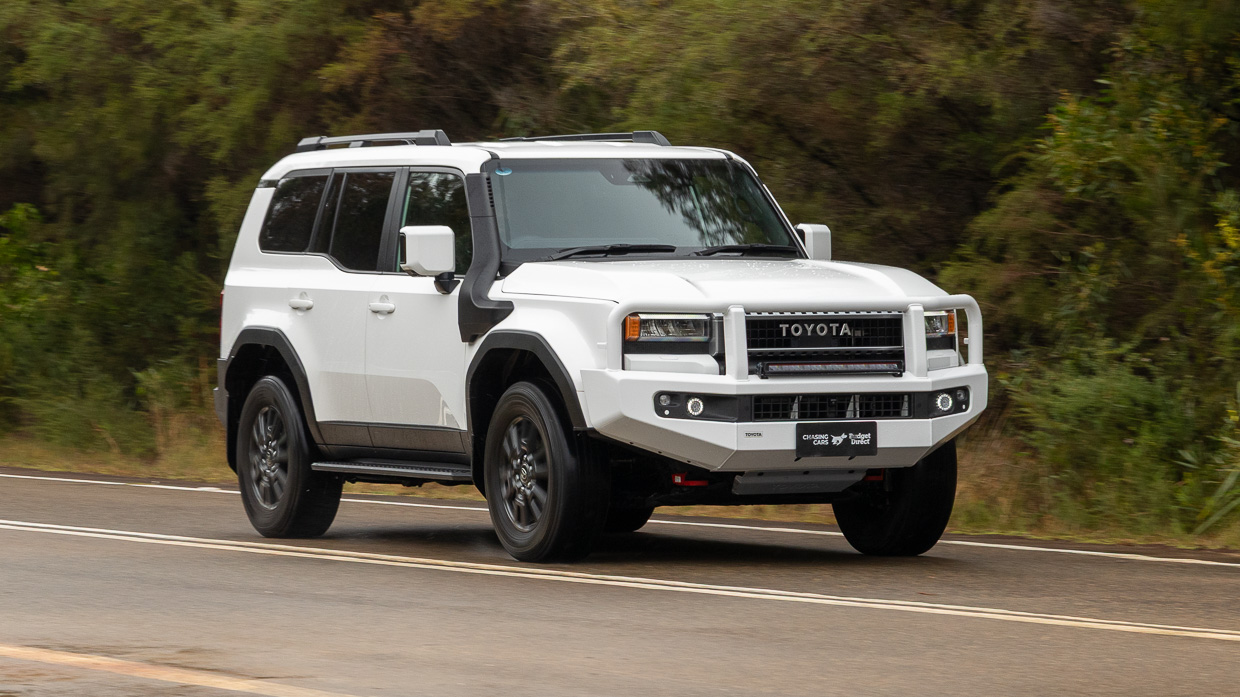
Firstly, its handsome nineties-revival styling just looks right: it’s not easy to get ‘retro’ styling right, but the 250 Series successfully updates the proportions and styling cues of the 80 Series for the mid-2020s.
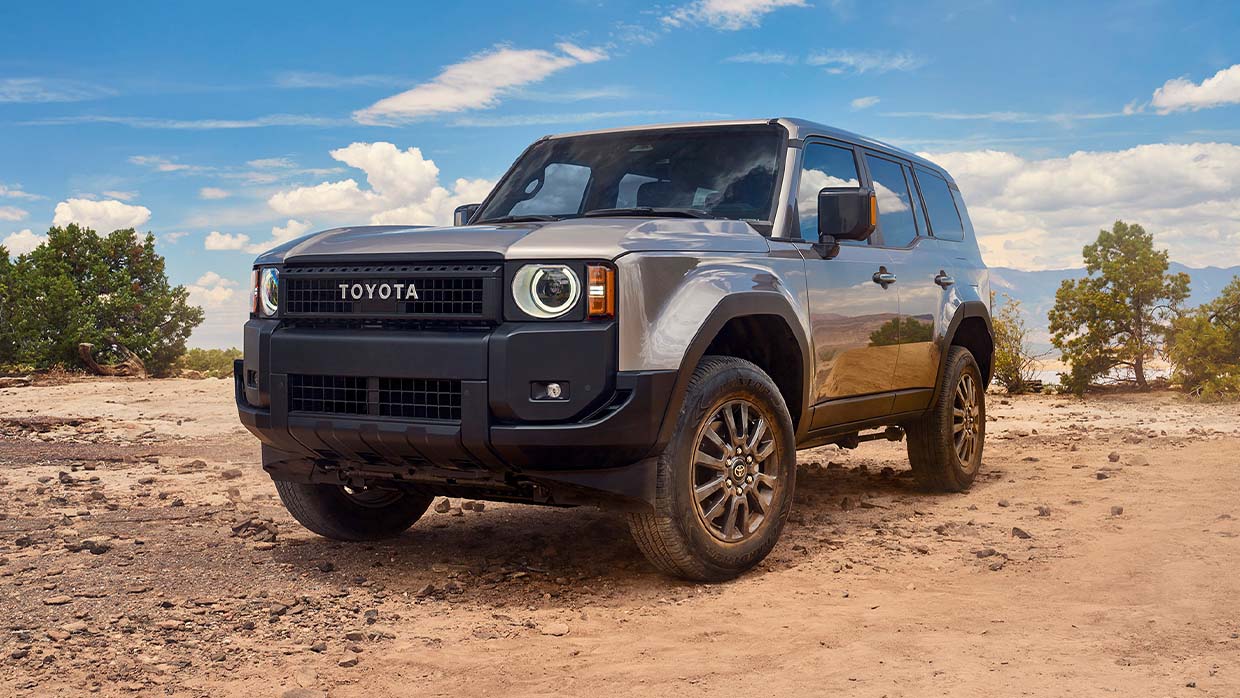
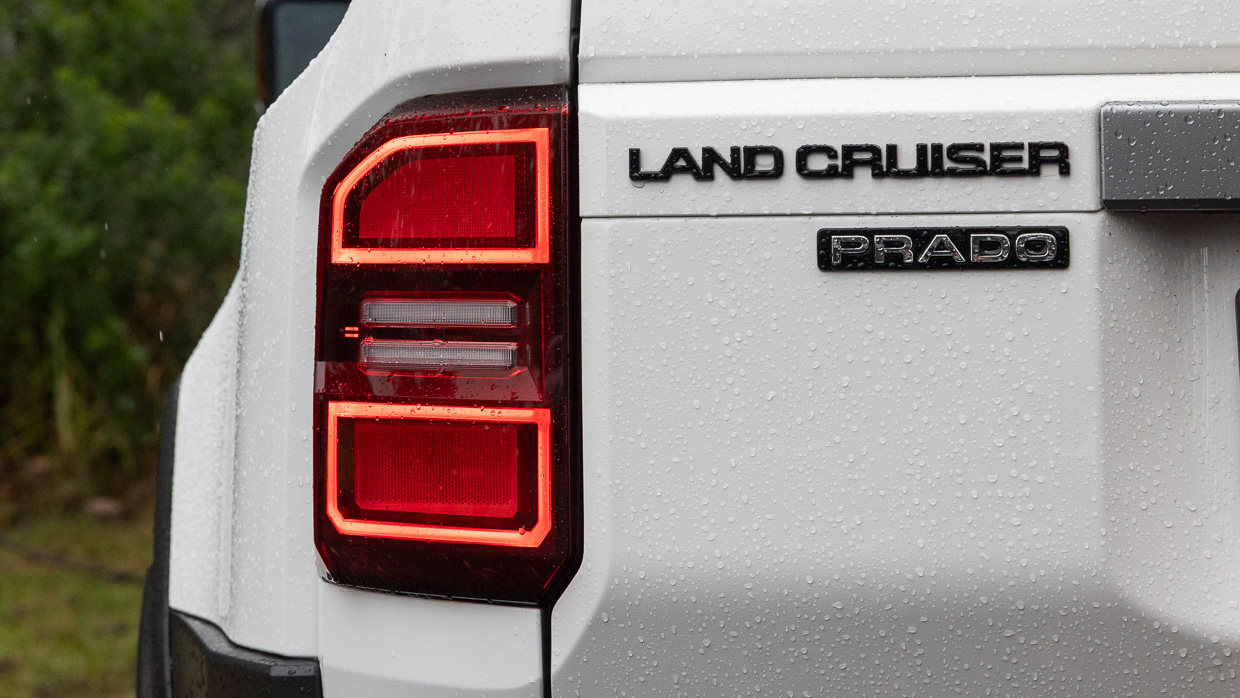
We do wish Australians were offered the circular lights found on low-end Prados in Japan and the US, but the squared-off lighting elements, upright stance, squared-off edges and particularly the T-O-Y-O-T-A style grille found on GX/GXL/Altitude versions looks correct in this class.
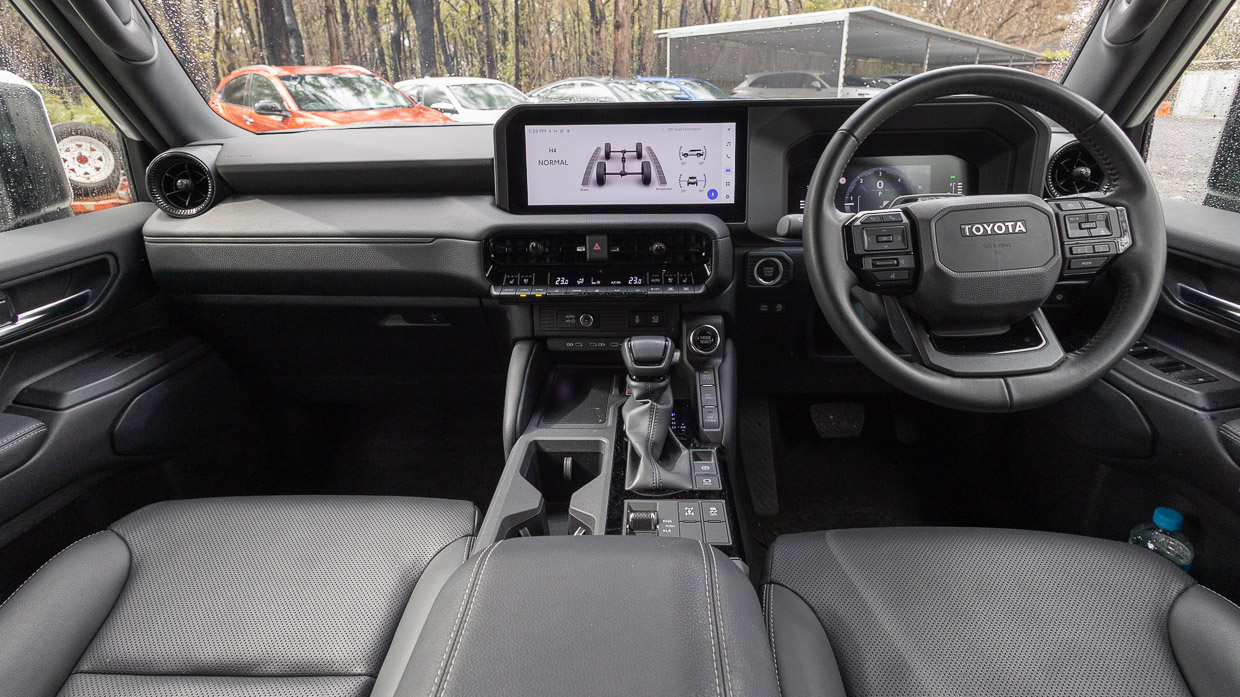
Then there’s the interior, which is functional and ergonomic. The 250 Series has a fantastic cabin, welcoming and plush in the right places, but it’s the design and ergonomic factors that appeal most to us. A binnacle keeps both screens out of the sun, including a crisp and bright 12.0-inch touchscreen.
Key controls fall perfectly to hand, and the seats on all trim grades are comfortable for long journeys. Just keep in mind the GX is more basic than the other versions inside in terms of material selection. Five adults fit easily; seven is more of a stretch.
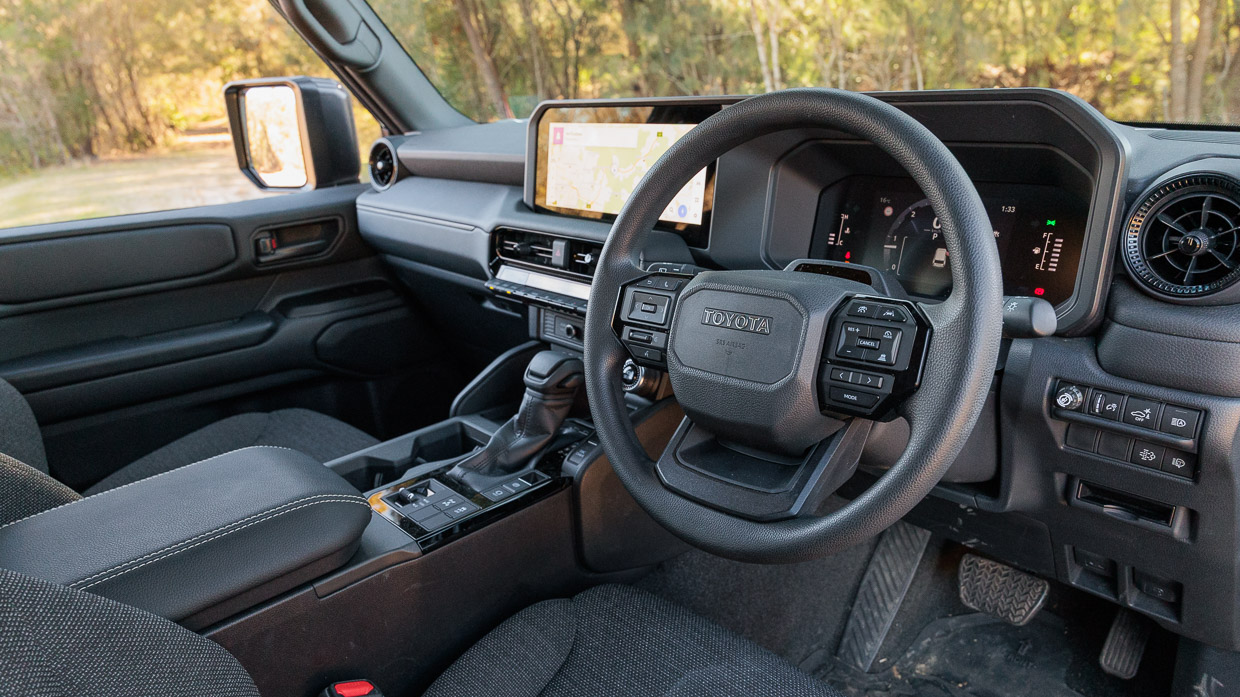
Our third praise is for tech: there’s enough of it without it being overbearing.
While the Prado fits all required modern safety and convenience tech, it mostly stays in the background. The screens aren’t in your face, with simple menus and wireless smartphone mirroring. Clear buttons, knobs and switches are used to control key functions. Annoying speed warnings can be switched off, though the lane keeping and adaptive cruise control are well-enough tuned to actually be useful.
Value, at least in GX and GXL trims, is reasonably good: both are well priced for the quality and engineering they provide.
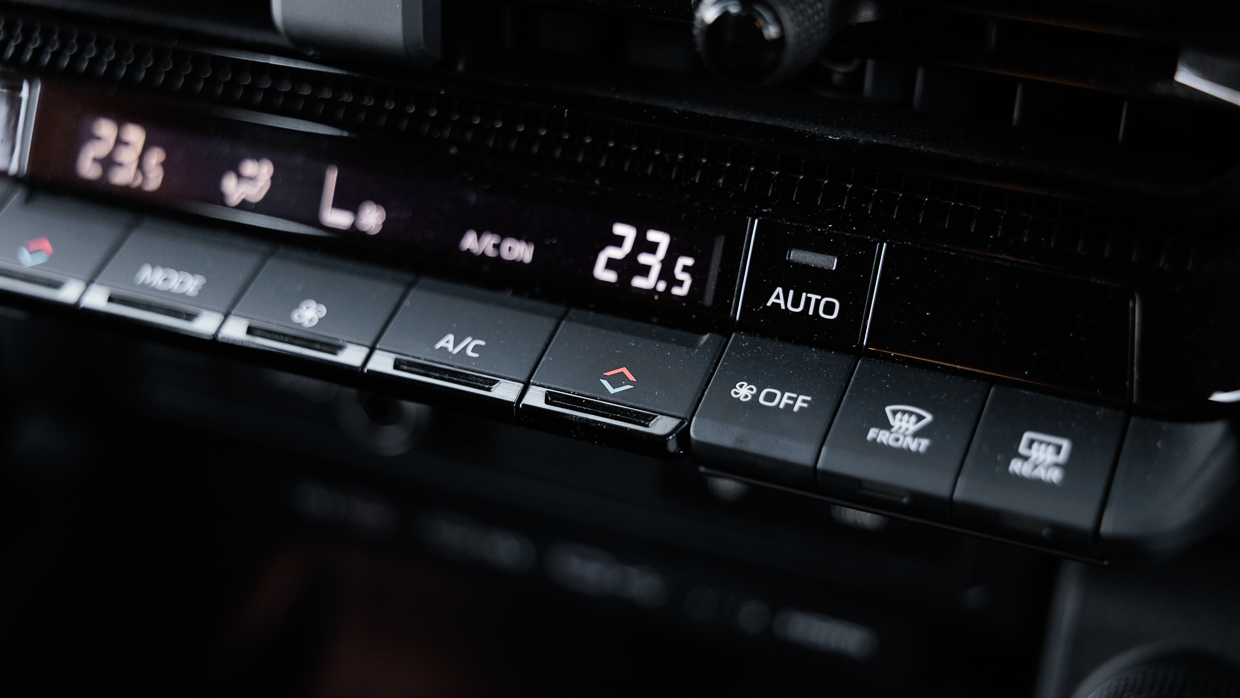
The GXL, in particular, is well-equipped though not overwhelmingly luxurious, but standard items like cooled/heated front seats, extra USB ports and rear climate control are appreciated, as is the option to delete the awkward third row to make it a big five-seater instead.
Then there’s diesel fuel economy over the long term. Our long-term fuel use settled at 10.6L/100km in the Prado GX, with our driving biasing urban environments. On the open road, you’ll get closer to 8.0L/100km while urban driving results in consumption of 11.0L/100km.
Those figures aren’t great compared to the average vehicle but for a large off-road capable wagon, this level of thirst is acceptable. Given the Prado has a 110-litre fuel tank, driving range is 1000-1375km.
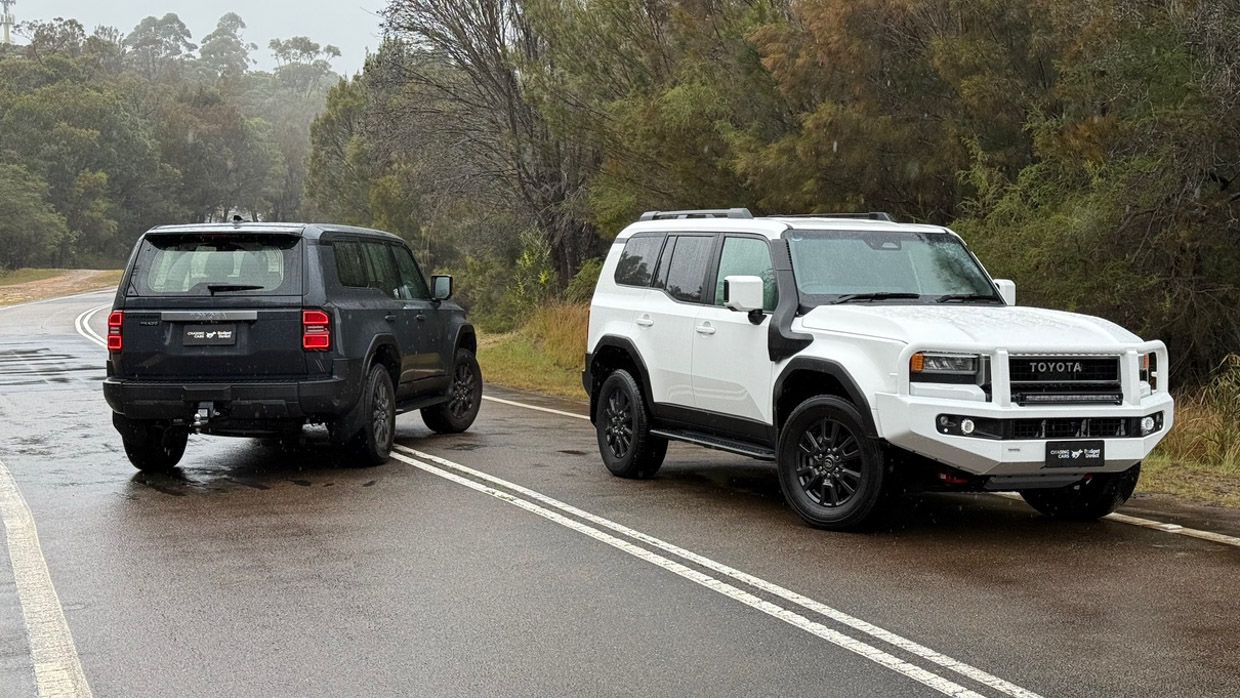
And as our sixth and final area of specific praise, the Prado has good handling for a large four-wheel drive wagon: Toyota transplanted the Prado to the full-fat TNGA-F platform previously reserved for the luxurious 300 Series Land Cruiser and large Tundra pick-up.
While that decision has added weight (the Prado is 2.5 tonnes!), it has done wonders for the Prado’s overall roadholding, grip, steering quality and handling. The ride leaves plenty to be desired, but the 250 Series easily bests the old 150 Series Prado for country-road capability.
While many of these virtues weren’t quite so apparent in previous week-long testing, a good many months under its tyres has certainly helped reveal the big Toyota’s many qualities.
Unfortunately for Prado, however, it’s not all rosy apples, as we’ll reveal in next month’s update…
So what sort of buyer is the entry-grade GX variant really for?
With the months ticking by, while travelling all over New South Wales, spending more time in the Prado GX has reinforced a simple truth.
The base model is an easy car to like. It is honest, rugged, and free of pretense. But it is also clear to me that the GX is not the right fit for most private/family buyers.
The next step up in the range — the Prado GXL — is a smart $6000 upgrade and most people will find it the sweet spot.
To give me a comparison, I spent a couple of weeks with a GXL seven-seat (a five-seat config saves $1000). This confirmed the GXL’s suitability, and also the fact that seven seats should be avoided.
While it is more money, the circa-seven percent increase in spend buys easier family life. A power tailgate makes sense with your hands full, while the artificial leather (vinyl) seat upholstery is darker and will clean up more easily from spills than the GX’s grey cloth, as much as we love the fabric.
Wireless phone charging, two extra USB ports, a rear climate control panel and auto-dimming rear-view mirror, plus stand-off roof rails, complete the GXL’s family-duty pitch, and when it comes time to sell, we imagine the GXL’s easier recipe will translate to stronger resale on the private market.
So, who is our GX for?
We reckon it suits either fleets (who need the Prado’s raw capability and good safety scores), or private buyers who utterly prioritise function over frills: maybe retirees, maybe families that want Prado size and durability without the budget blow-out. Or rural operators just needing a basic but modern tool.
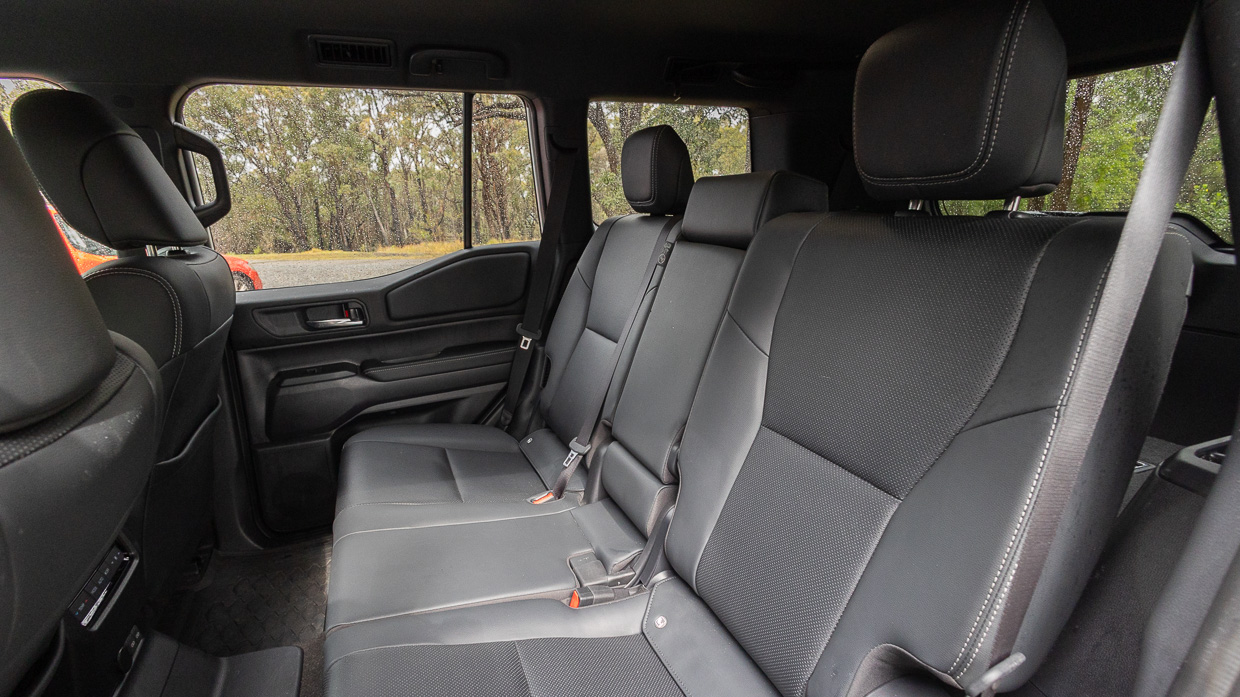
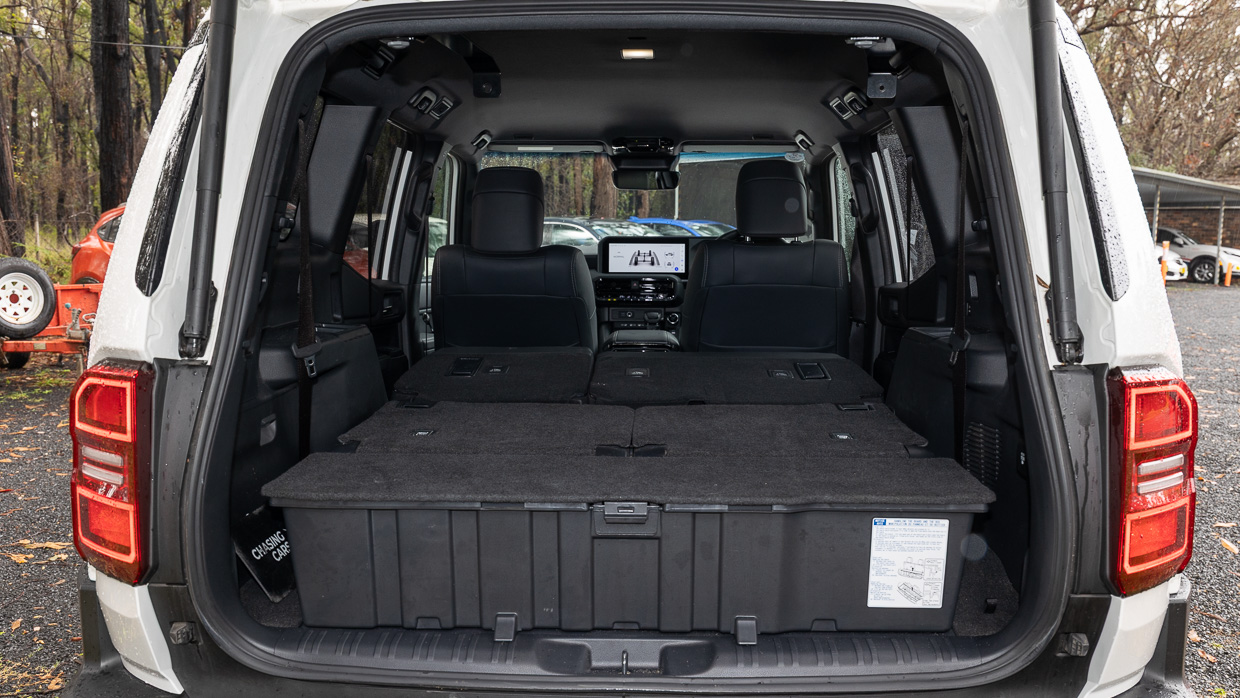
The purity of this spec continues to appeal to us: no fake leather trim, no long list of gadgets—just the bones of what makes the Prado appealing. It performs off-road and on-road with relative ease. The fact that none of the higher Prado trims include a more premium engine also makes us cynics prefer low-end versions.
In this way, the GX embodies core Prado DNA.
It isn’t for everyone, and most buyers will be happier with the feature-rich GXL, VX or even beyond (we just wouldn’t recommend sinking six figures into an Altitude or Kakadu without really thinking about it).
Cheap and cheerful in some areas, the GX is a little low-rent in others
I’ll admit that I never really saw myself as a ‘Prado person’. I respect Land Cruisers, for sure—they have a job to do – but relatively high pricing for such relative simplicity didn’t really vibe with me.
Yet after the first month of life with the GX, I’m starting to really understand the appeal here.
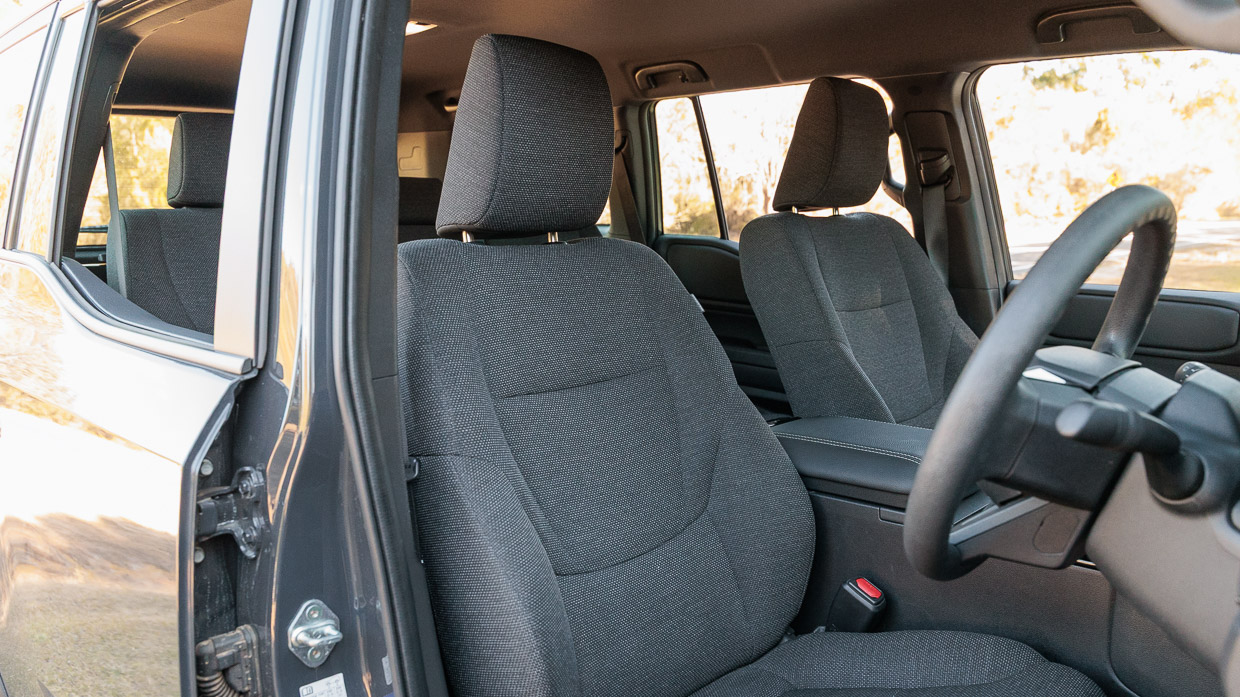
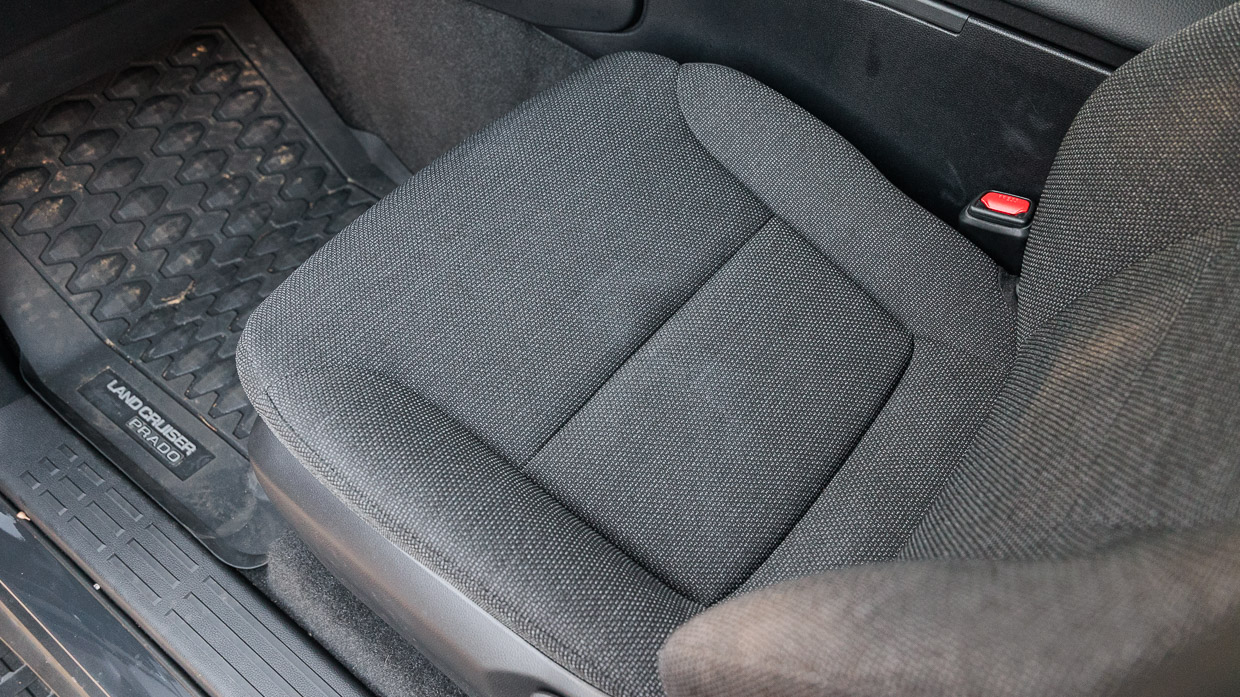
For starters, the seats are a bit of a revelation. People tend to laugh off the spartan GX, which is the only Prado with cloth seats. But these fabric pews feel surprisingly premium, they are resistant to heat and cold, and they are deeply comfortable in the way that matters on long drives.
Despite their simple upholstery, manual adjustment and lack of any seat heaters or ventilation, the Prado makes hours-long stints behind the wheel easy. It’s a shame that the steering wheel is cheap-feeling urethane plastic (this is replaced by unnamed “premium” material on higher-end trims).
The Prado still feels like a big truck, but the 250 Series has been to finishing school. The shift to the upmarket TNGA-F platform (used by 300 Series, Tundra, Lexus GX/LX and the like) has improved the handling of the Prado from vague yet secure enough in 150 Series form to surprisingly deft in new-gen form.
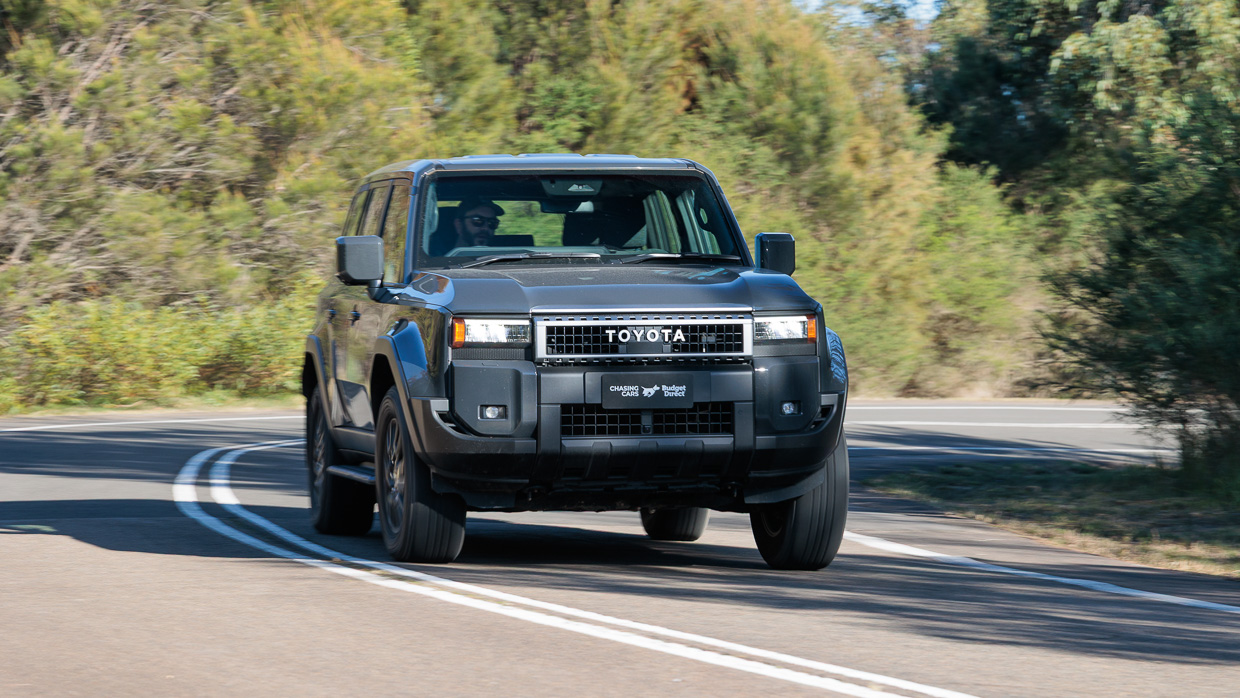
The slow steering, wallow and pitch that defined country road driving in the old Prado has been banished: the electric power steering is radically improved and body control is tighter everywhere.
Unfortunately, the passively-damped suspension hasn’t been improved nearly as much, and a stint in the variably-suspended Kakadu showed that, on that variant’s 20s, it also does not ride comfortably. No Prado handles potholes and expansion joints as easily as it should.
In that way, we suppose the Prado has not lost its rough and ready attitude. The GX shrugs off accidental kerb bumps that would make you wince in a Volkswagen Touareg, and there is something liberating about not worrying about your family SUV too much. The plastics are tough, the paint hardy and the vehicle feels like it can take punishment.
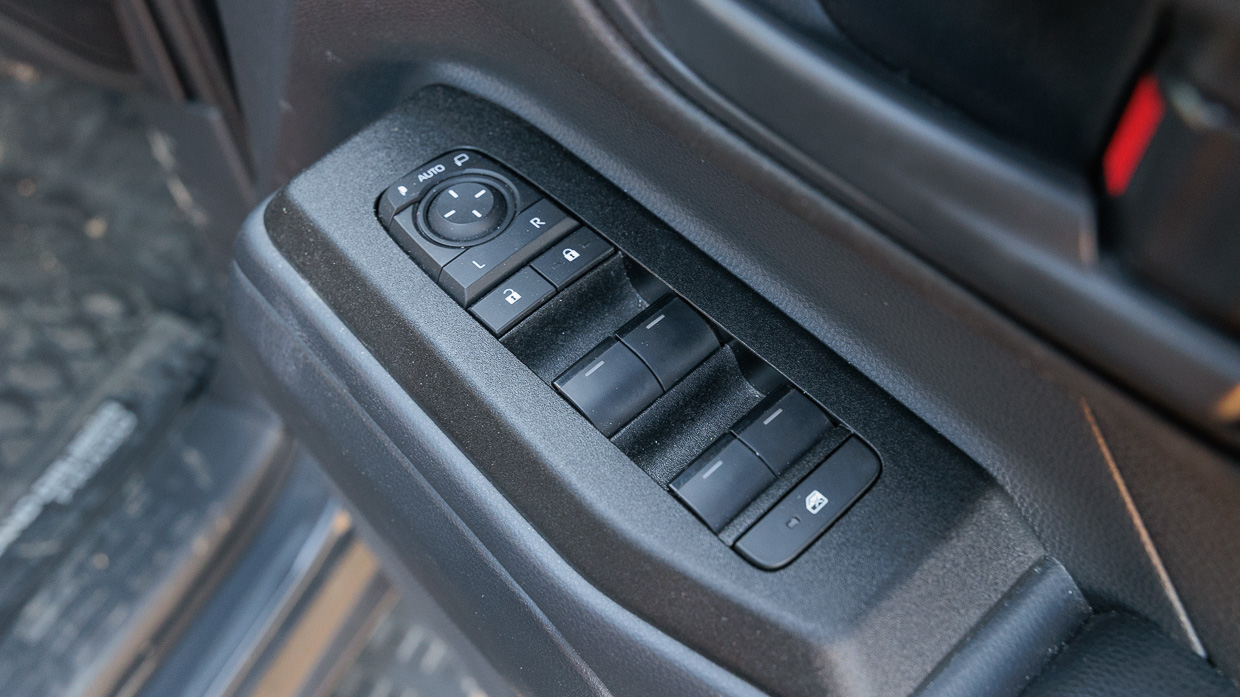
The toughness is backed up by a real sense of quality. While the interior isn’t plush or luxe, the doors thunk properly and there are no rattles or squeaks; even in base form the Prado feels properly engineered.
The technology story is refreshingly modest — there is just enough tech, but it does not overwhelm. All trims have a big and presentable 12.3-inch screen in the centre, with a straightforward Toyota system (though we tend to use wireless CarPlay/Android Auto), and the safety systems, while present, tend not to constantly beep.
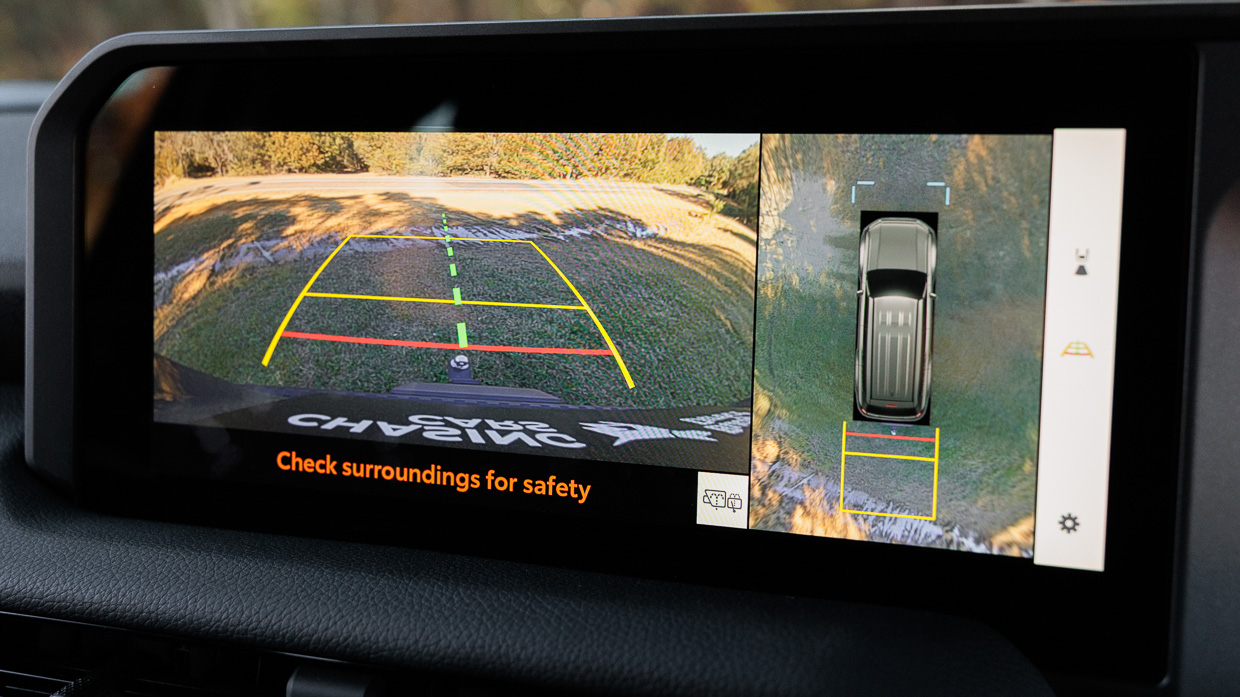
Second row seating is perhaps not as spacious as you’d hope, and it isn’t on rails – so legroom can’t be expanded. However, six-footers fit and, in GX-standard five-seat form, the boot is large.
But it is the simplicity winning me over. Knobs and switches fall easily to hand, the driving position is excellent, and with easy climate control hardware, and you don’t need to dig through menus to change fan speed or song track. It’s ergonomic and unfussy.
The Toyota Land Cruiser 250 Series is the latest version of one of Australia’s best-selling family 4WDs. Following the 16-year run of its 150 Series predecessor, the new Prado is a total recalibration, both in terms of the chassis beneath and the styling on top.
Only the familiar 2.8-litre turbo diesel four-cylinder engine carries over, holding the Prado back from feeling completely new.
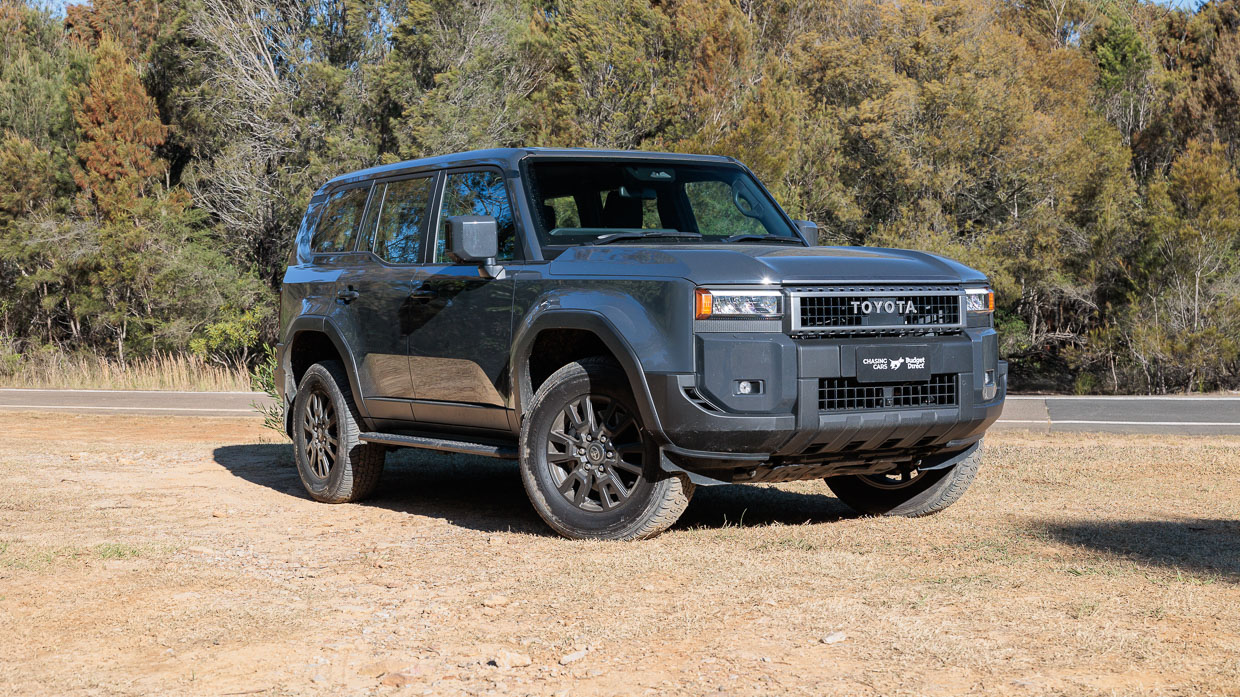
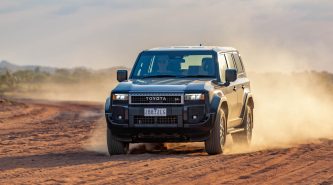
Cosmetically, Toyota has returned the Prado to its ‘90s roots with an endearing retro-modern take on the model’s historically boxy proportions. Less retro is the Prado’s switch to the premium TNGA-F frame, shared with the full-size Land Cruiser 300 Series and the closely related Lexus GX.
The squared-off body and upright stance evoke the 90-series Prado, with similarly industrial shapes inside incorporating modern and well-integrated tech with practical ergonomics.
Five grades make up a familiar Prado range in Australia. With prices up across the lineup, we’ve opted for the most accessible model: the entry-level GX, which costs $72,500 plus on-road costs or around $78,000 driveaway for retail buyers.
Stepping up into the family-friendly GXL adds features, while the popular mid-spec VX now crosses into the mid-$80,000 zone before on-road costs; you can easily spend more than $100,000 driveaway on a Kakadu. That’s pricing that would have been associated more closely with Lexus a few years ago.
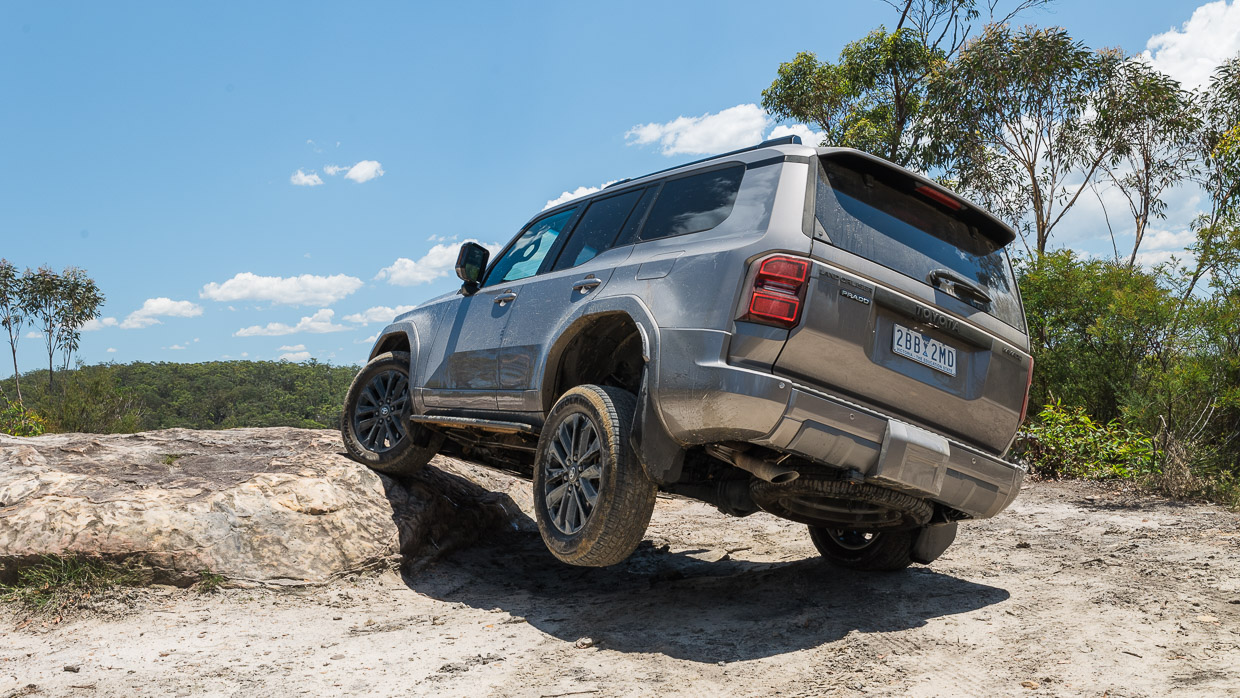
Pictured: the Kakadu
Most of the noise around the arrival of the 250 Series Prado centred on the Altitude and Kakadu, which serve effectively as twin flagships (one with an off-road focus and the other with a luxe on-road demeanour). The family-favourite GXL received little attention, and the workhorse GX even less…
We chose the Prado GX to test the purest expression of what the 250 Series is all about. It is five-seat only where the option of seven seats can be had further up the grade walk.
Power comes from an engine critics would call ‘ageing’, but which others would label ‘tried and tested’: the 2.8-litre single-turbo diesel ‘four, producing 150kW/500Nm, paired to a new eight-speed automatic and 48-volt mild hybrid system.
Full-time four-wheel drive (that operates in ‘four-high’) is standard, as is a centre differential lock, while the TNGA-F ladder frame chassis adds refinement — and kerb weight, with even our relatively basic Prado tipping the scales at 2495kg.
It might be the base model, but even the GX includes a few conveniences that were regarded as premium touches even a few years ago. The seats might be cloth fabric, but the trim level is quite appealing and features some enticing specifications, including:
The step-up to GXL brings further niceties such as synthetic leather trim, electric front seats, a powered tailgate, etcetera.
We’re running our Prado GX for half a year: long enough for many of the strengths and shortcomings of early ownership to come to the fore.
Over the next few months, we’ll also rotate (on the side) into the GXL, VX, Altitude and Kakadu to understand the breadth of the Prado lineup and to know whether the GX is the pick, or not.
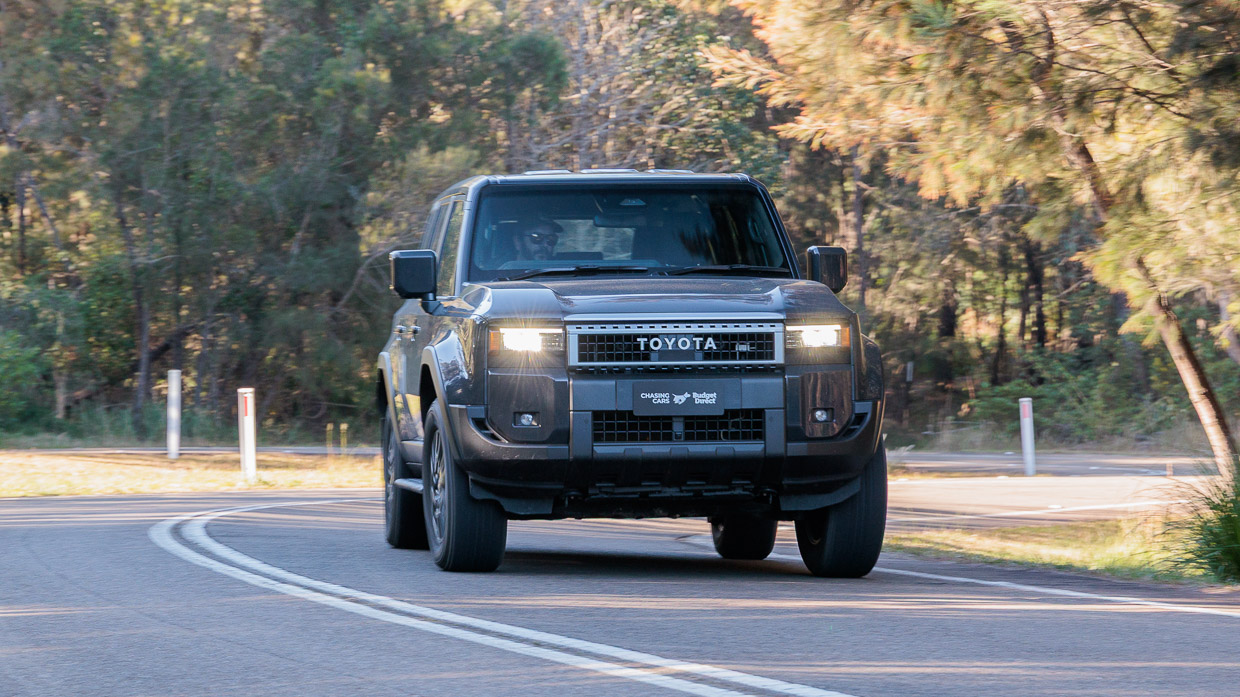
Our plan is simple: we’ll be using the Prado as a pragmatic family car while also checking out the suitability of the GX for rural operators. Errands, school runs, Sydney traffic, highway trips, gravel and fire trails — we’ll be out there to see which environments suit the Toyota.
We’ll also line the Prado up against direct rivals that appear to be better value on paper, including the GWM Tank 500.
After our first few weeks, the new Prado feels large and agricultural (as expected), but with some surprising polish to its dynamics that the 150 Series never had. TNGA-F appears to have transformed steering precision and body control, with the Prado now tracking cleanly and confidently at speed, resisting wallow more than ever.
If there’s a trade-off so far, it’s ride quality: even on the GX’s chunky 18-inch alloys, potholes and joints punch through into the cabin more than you’d hope, while the diesel engine is loud. But it’s also torquey, flexible, and apparently relatively economical.
The new auto ‘box is also an unexpected star, improving the Prado’s tested 0-100km/h time to around 10 seconds neat.
Key specs (as tested)
About Chasing cars
Chasing Cars reviews are 100% independent.
Because we are powered by Budget Direct Insurance, we don’t receive advertising or sales revenue from car manufacturers.
We’re truly independent – giving you Australia’s best car reviews.
The estimate provided does not take into account your personal circumstances but is intended to give a general indication of the cost of insurance, in order to obtain a complete quote, please visit www.budgetdirect.com.au. Estimate includes 15%^ online discount.
^Conditions Apply
Budget Direct Insurance arranged by Auto & General Services Pty Ltd ACN 003 617 909(AGS) AFSL 241 411, for and on behalf of the insurer, Auto & General Insurance Company Limited(ABN 42 111 586 353, AFSL 285 571).Because we don’t know your financial needs, we can’t advise you if this insurance will suit you. You should consider your needs and the Product Disclosure Statement before making a decision to buy insurance. Terms and conditions apply.
Indicative quote based on assumptions including postcode , 40 year old male with no offences, licence suspensions or claims in the last 5 years, a NCD Rating 1 and no younger drivers listed. White car, driven up to 10,000kms a year, unfinanced, with no modifications, factory options and/or non-standard accessories, private use only and garaged at night.
^Online Discounts Terms & Conditions
1. Discounts apply to the premium paid for a new Budget Direct Gold Comprehensive Car Insurance, Third Party Property Only or Third Party Property, Fire & Theft Insurance policy initiated online on or after 29 March 2017. Discounts do not apply to optional Roadside Assistance.
2. Discounts do not apply to any renewal offer of insurance.
3. Discounts only apply to the insurance portion of the premium. Discounts are applied before government charges, taxes, levies and fees, including instalment processing fees (as applicable). The full extent of discounts may therefore be impacted.
4. We reserve the right to change the offer without notice.