Powered by

-
Car Reviews
Latest reviews
-
Car News
Latest news
-
Car Comparisons
Latest comparisons
- Chasing Deals
Latest reviews
Latest news
Latest comparisons
With plug-in hybrids up 131 percent year-to-date and BEVs approaching one in 10 overall sales, the 2025 sales showdown will be incredibly tight for the Top 10 finishers
Australia’s 2025 new-vehicles sales race will be a lunge to the finish line as more than 10 manufacturers sit within striking distance of overtaking a rival brand (or brands) with just one month to go.
While 2025’s overall tally has fallen short of keeping pace with 2024’s all-time sales record (13,648 units behind to the end of November) and Toyota’s dominance remains undisputed with 20.4 percent market share in November, there’s a fierce battle among the Top 20 manufacturers for minor placings.
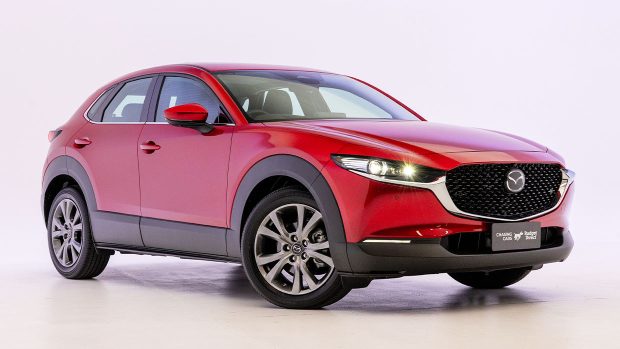
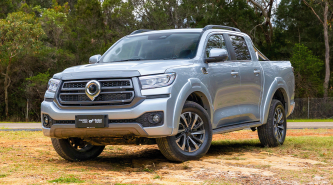
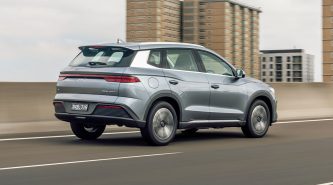
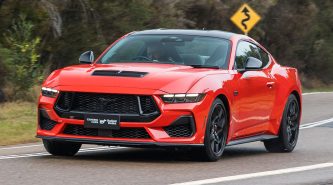
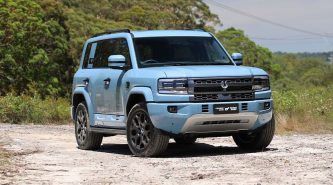
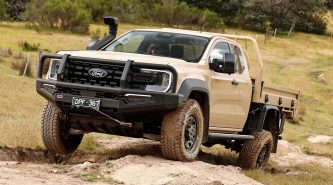
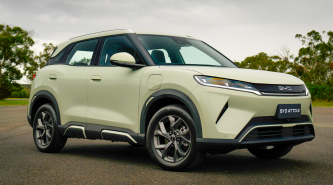
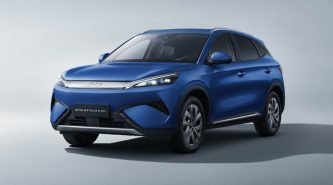
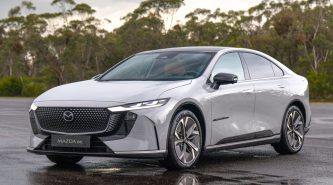
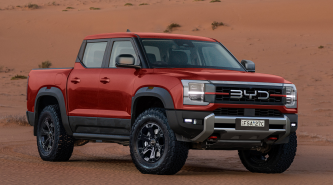
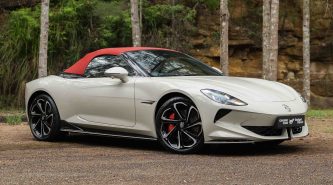
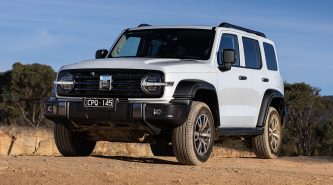
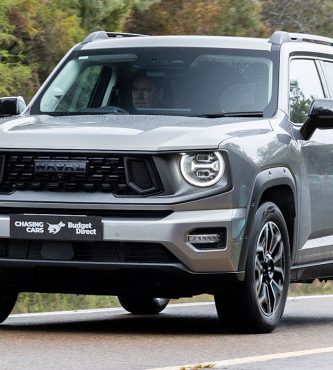
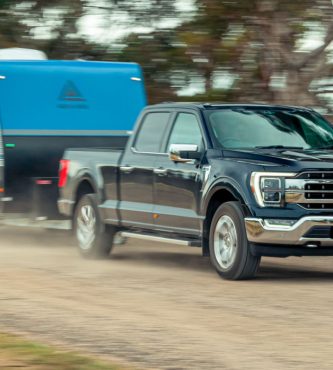
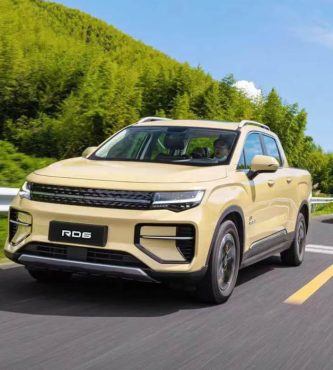
Just 1497 units separates Ford (85,858) and Mazda (84,361) in second and third place, while 2262 units splits the difference between GWM-Haval (47,934) in seventh and BYD (45,672) in eighth. However, just 13 vehicles is the margin between MG (38,848) in ninth and Isuzu Ute (38,835) in 10th.
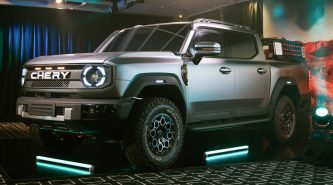
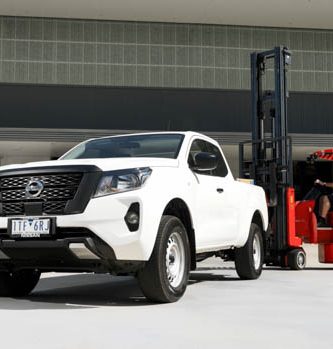
If Chery builds on its November sales momentum (3617 units compared to 3007 for Subaru and 2351 for Nissan), there’s a chance the priced-focused Chinese brand could leapfrog its mainstream Japanese competition before the curtain closes on 2025.
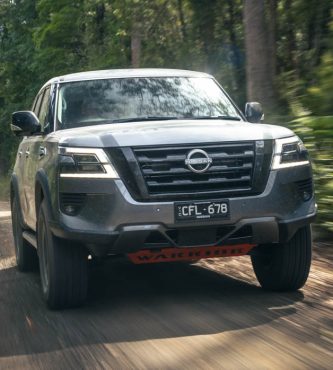
Currently, Chery is positioned 13th with 31,195 sales, placing it within potential striking distance of Nissan (33,401) in 12th and Subaru (35,794) in 11th.
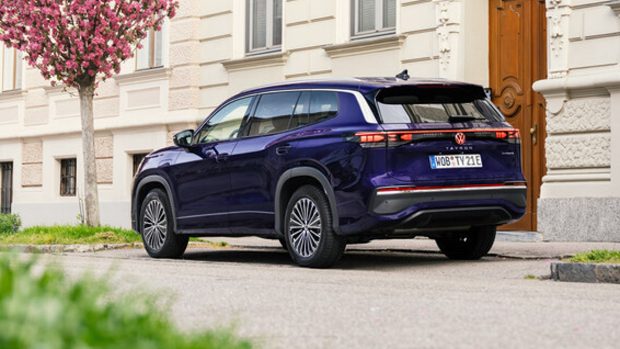
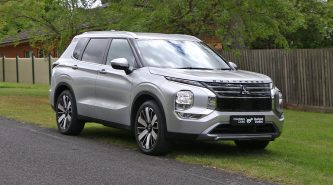
While the solid gap between Kia (76,004) and Hyundai (71,568) has narrowed in 2025 – Hyundai comfortably overtaking a struggling Mitsubishi (56,778) to snare fifth place – the gap between Volkswagen (26,806) and BMW (24,394) is shrinking fast as Germany’s premium-brand powerhouse closes in on its mainstream compatriot.
Add Mercedes-Benz cars (21,050) and Mercedes-Benz vans (4330) together and it’s a similar story with Stuttgart’s three-pointed star marque, achieving 25,380 total sales so far in 2025.
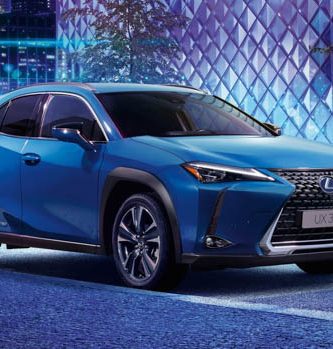
Further down the order, there’s a battle raging between Suzuki (14,460), Audi (14,265) and Honda (14,194) to snare 18th place, and likewise between Lexus (13,360) and LDV (13,056) for 21st.
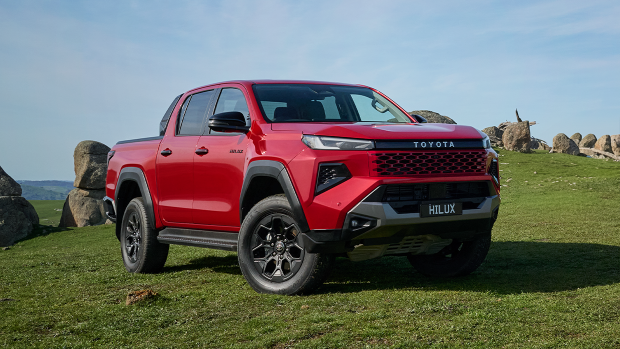
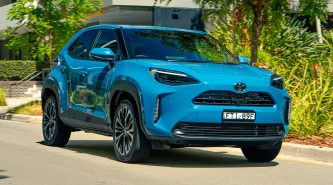
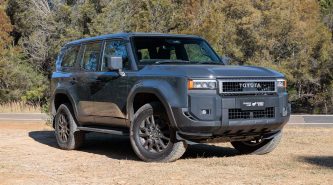
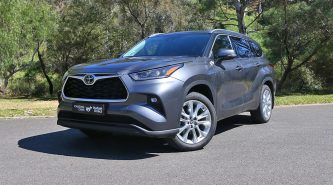
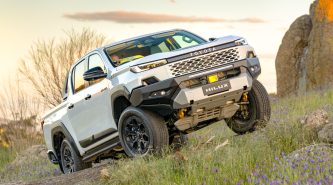
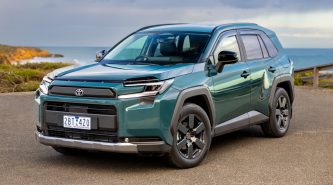
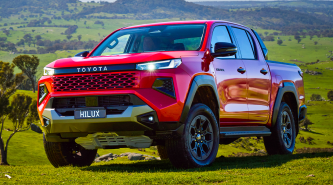
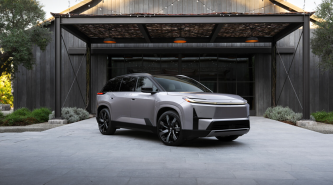
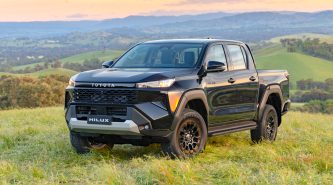
As for Australia’s automotive top dog, Toyota (221,322 units to the end of November) appears unlikely to match its all-time sales record achieved in 2024 (241,296 sales). With one month to go, Toyota is 1317 sales behind the same point last year, though with the full new-generation Hilux range now in showrooms, anything is possible.
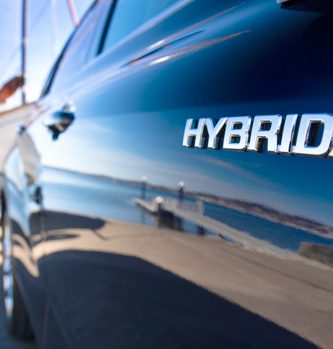
Sean Hanley, Toyota Australia’s Vice President Sales, Marketing, and Franchise Operations, said the brand’s hybrid share of total 2025 year-to-date sales is currently 47 percent, however its BEV share is a comparatively minuscule 0.4 percent thanks to just 858 sales of its bZ4x medium electric SUV.
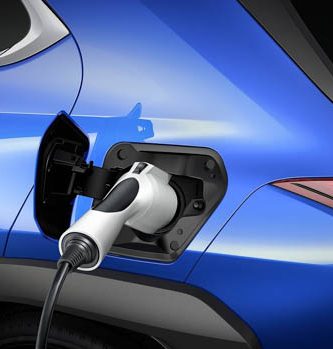
In the broader market, BEVs accounted for 9.1 percent of total November sales (compared to 6.5 percent in the same month in 2024), with the year-to-date share sitting at 8.2 percent.
In comparison, plug-in hybrids (PHEVs) accounted for a much smaller November sales percentage (4.9 percent), however the increase in PHEV popularity in 2025 is stratospheric, up almost 131 percent year-to-date to 47,565 units at the end of November (4.3 percent market share).
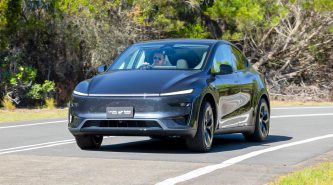
Intriguingly, Geely-owned Zeekr outsold Geely-owned Volvo in November – the Chinese brand’s 727 sales eclipsing the Swedish brand’s 629 sales.
Latest news
About Chasing cars
Chasing Cars reviews are 100% independent.
Because we are powered by Budget Direct Insurance, we don’t receive advertising or sales revenue from car manufacturers.
We’re truly independent – giving you Australia’s best car reviews.