Powered by

-
Car Reviews
Latest reviews
-
Car News
Latest news
-
Car Comparisons
Latest comparisons
- Chasing Deals
Latest reviews
Latest news
Latest comparisons
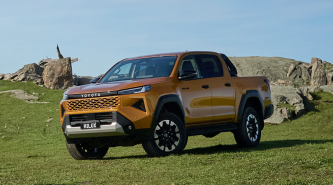
Everything you need, nothing you don’t? The manual-equipped SR5 might be the Hilux at its most endearing but it’s not the sweet spot
In the wake of mixed thoughts and feelings that flowed from the new-generation Toyota Hilux launch, it always pays to check in with buyers for a reality check.
“The best part about it is they’ve changed nothing”, one Hilux owner told us, while another expressed disappointment at the lack of ambition, but said it ultimately wouldn’t sway them away from the Toyota brand. A third, however, told us the brand had lost a customer.
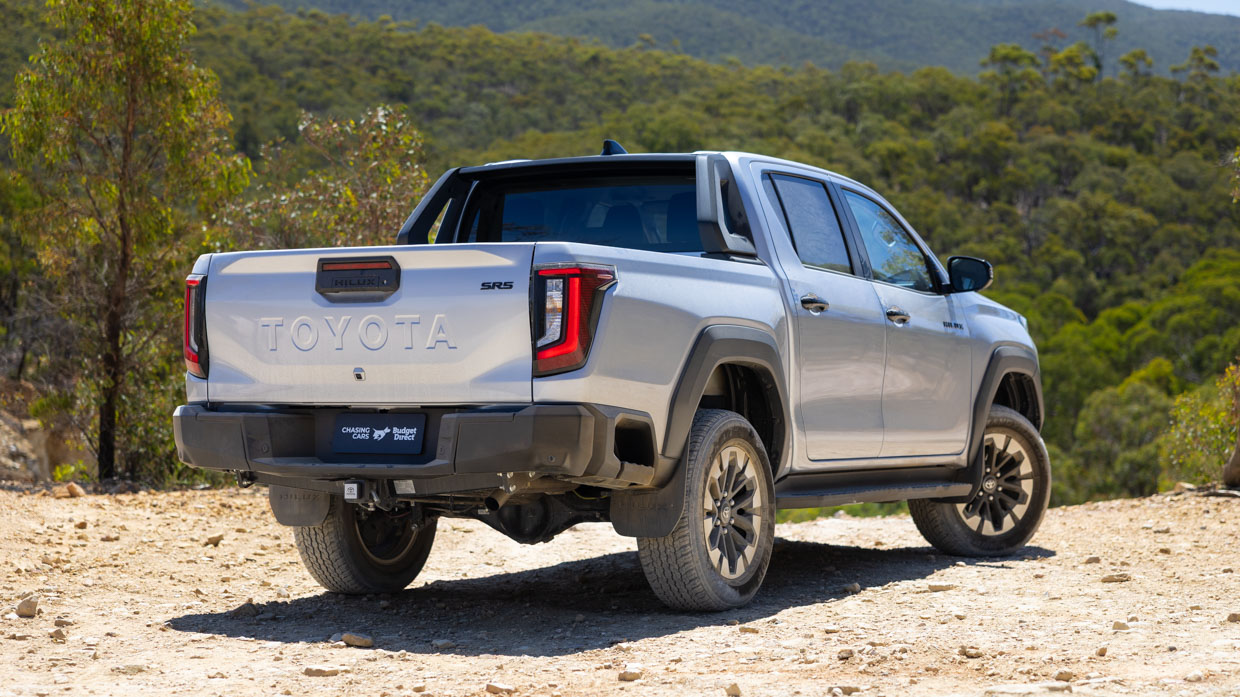
Based on the IMV ladder frame that underpinned the previous model, the ninth-generation Hilux side-stepped the superior TNGA-F platform beneath its US-equivalent Tacoma, and every other locally sold Toyota or Lexus 4×4 including Prado and LX.
Nevertheless, the new ‘Lux is improved in a number of ways with a better driving experience and cabin — though not enough to head off the Ford Ranger as we found in our recent comparison test between the more luxurious Rogue and Wildtrak.
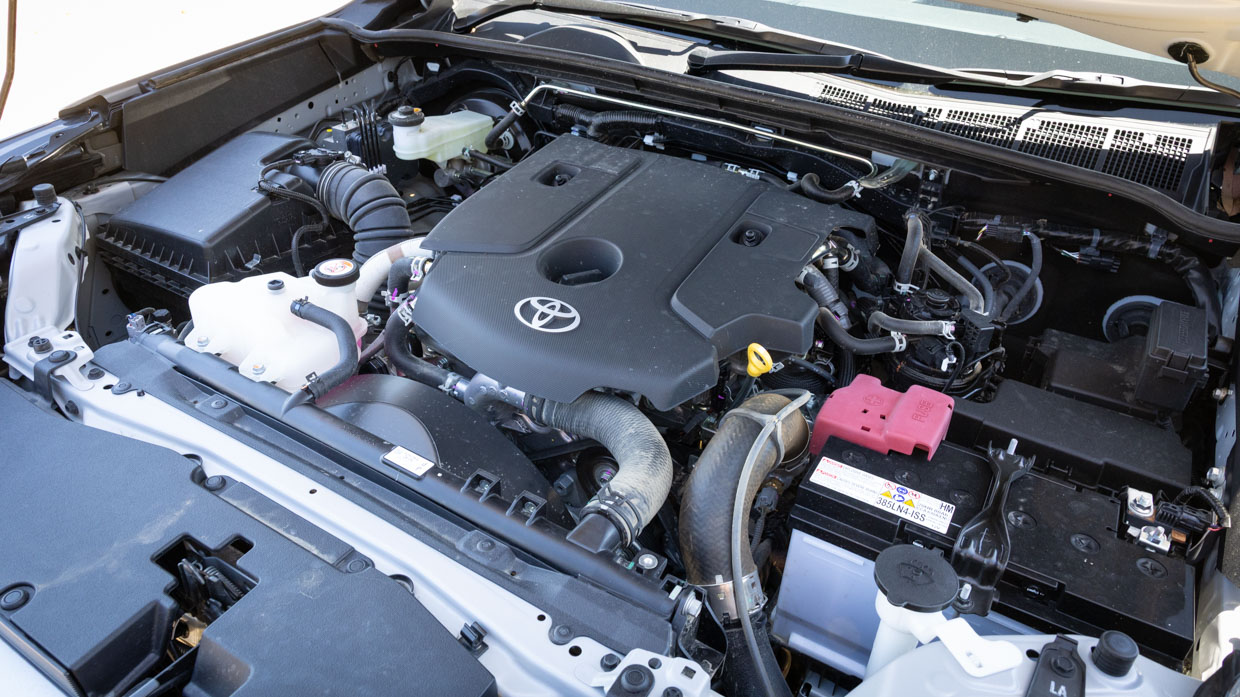
Perhaps more importantly to Hilux buyers, prices have risen less than expected over the last generation, with the entry-level variants like the base Workmate manual taking the biggest hit ($33,990), thanks to the standardisation of the ‘1GD’ 2.8L turbo-diesel.
But look further up the range to the popular SR5 and increases are easier to swallow.
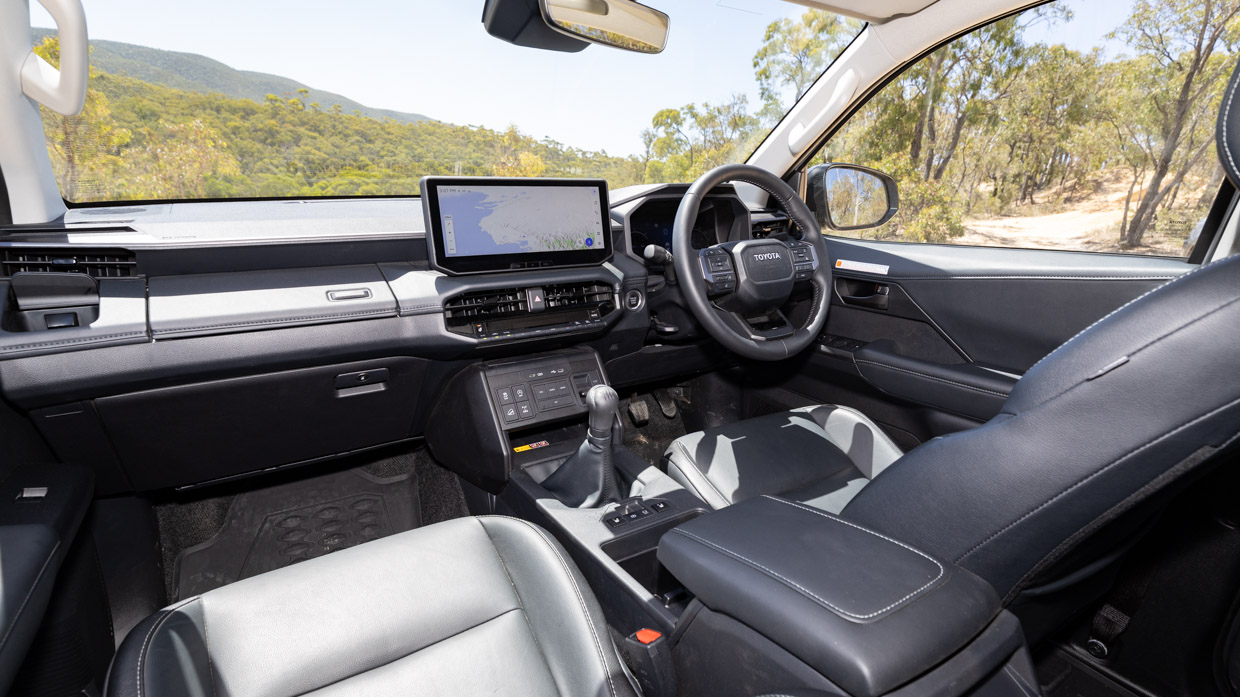
The SR5 adds a few luxuries and starts at $63,990 before on-roads with the following highlight features as standard:
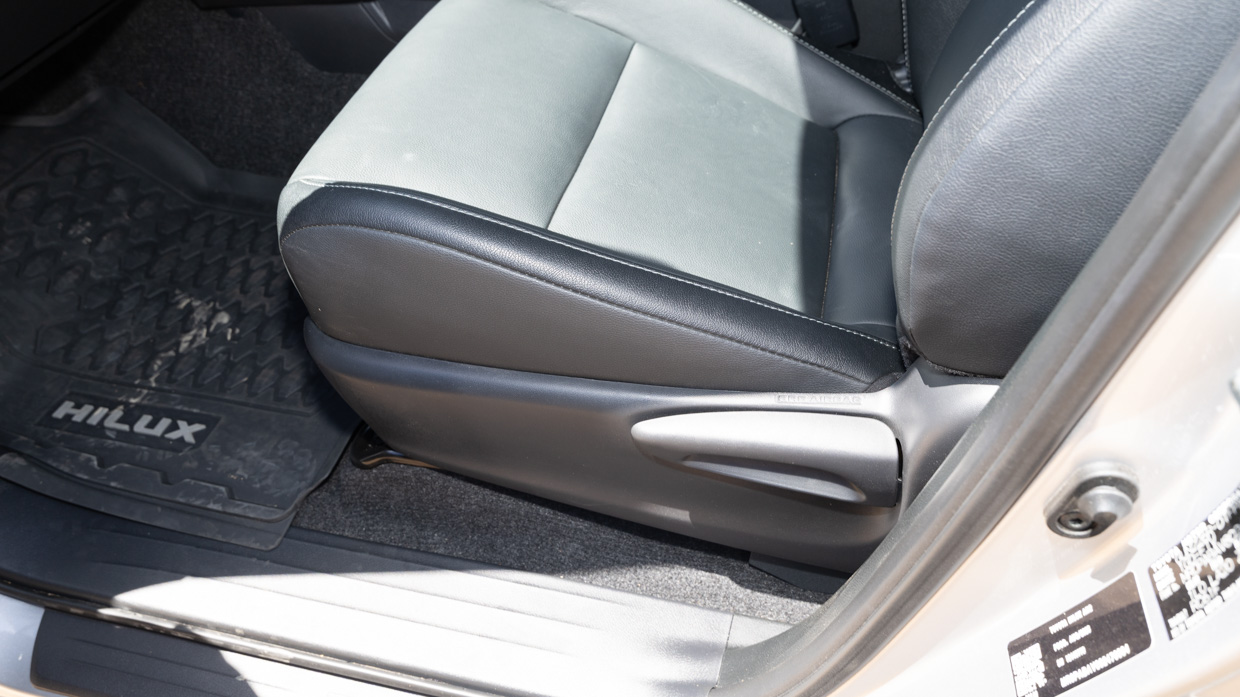
For an extra $2500, buyers can add the ‘Premium Pack’ which swaps out cloth upholstery for leather, adds power adjustment — including lumbar — for the driver, and a nine-speaker JBL sound system.
By opting for the manual, buyers miss out on Toyota’s Multi-Terrain Select off-road modes and the Multi-Terrain Monitor, though you’ll save around $2000.
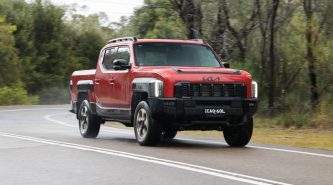
As tested, with the Premium Pack and Stunning Silver paint, the SR5 manual asks for $71,680 driveaway in NSW, putting it on par with the auto-only Isuzu D-Max LS-U+ ($73,787), though it’s undercut by the Kia Tasman X-Line ($70,990), which also lacks a three-pedal option.
The experience behind the wheel of the Hilux is markedly improved over the old model, which was primarily characterised by its proven capability and harsh ride when unladen.
While still mid-pack in terms of comfort, the Hilux is now a more friendly vehicle to drive around town or to embark on a long road trip with, though it takes a step back dynamically with a greater understeer bias to its handling. It remains competent, but only to a point.
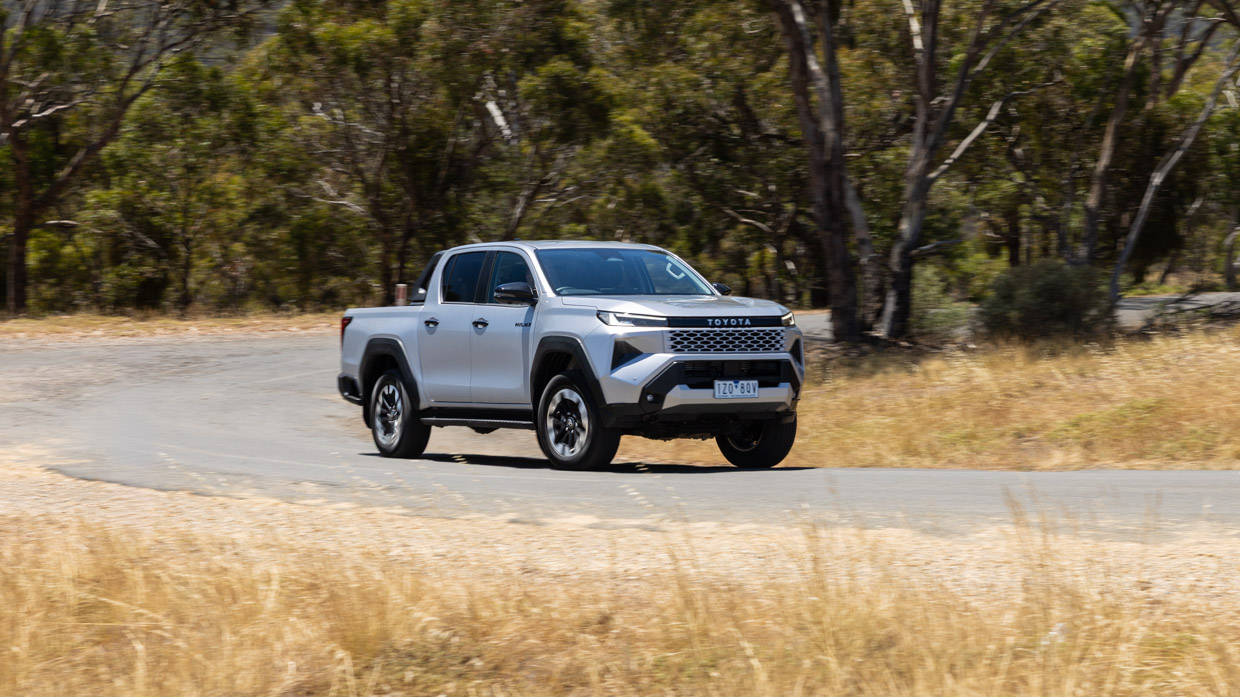
Retaining a narrower track for the core Hilux range might make it easier to thread through backstreets, but the SR5 feels less confident at speed as a result.
On country roads, the suspension struggles to handle large mid-corner bumps without several compressions to settle. It also rattles over corrugations. A full-time 4WD mode could help it win back some stability, but the 4×4 Hilux is still RWD-only on sealed surfaces.
The 1GD turbo-diesel 2.8-litre four-cylinder engine is charming in an old-school sense, with the 150kW peak available from 3000–3400 rpm. As in the previous-gen Hilux, peak torque is down significantly from 500Nm in the automatic to 420Nm in the manual, between 1400–3400 rpm.
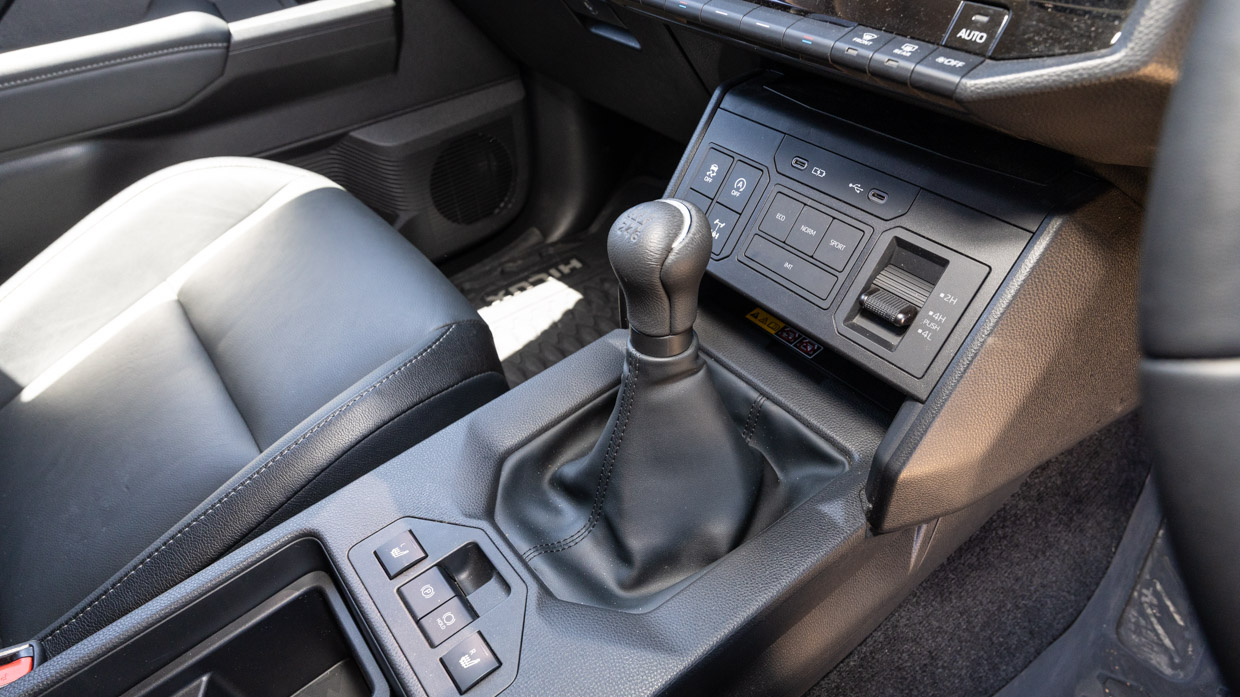
We applaud Toyota for retaining a manual option when so many have ditched it, but an 80Nm deficit, plus the lack of Toyota’s 8kW/65Nm V-Active mild-hybrid system that gives a kick low in the rev range of the auto, is noticeable.
First gear is short, and you’ll need to rev all the way out to 4400 rpm to get moving with any haste. Without a tune to eke out more torque, we think hitching up the Hilux’s maximum 3.5-tonne braked towing capacity would make for slow progress. Payload is rated at 960kg and GCM 6300kg.
But the Hilux’s manual is at least easy to drive, with a long throw and forgiving clutch, plus the ‘I-MT’ rev-matching feature makes the Hilux incredibly approachable for self-shifting newcomers.
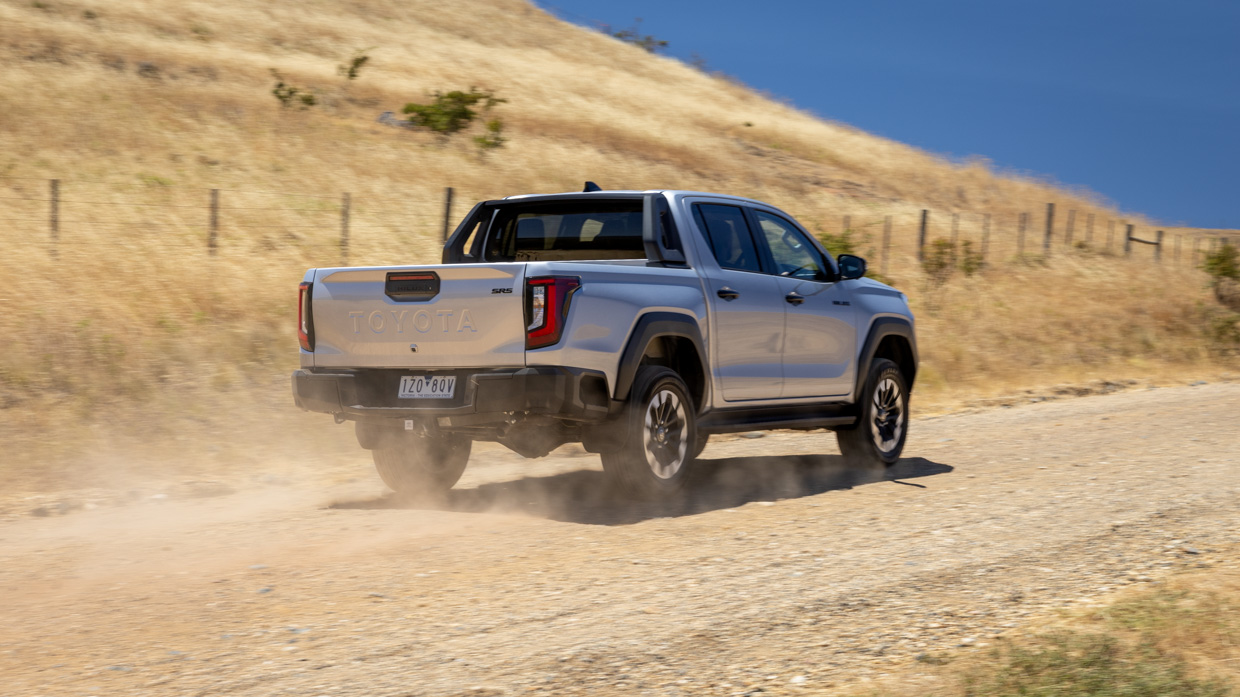
ANCAP has awarded the ninth-generation Hilux a five-star safety rating, with decent sub-scoring for both physical and passive safety. In the real world, driver assistance features such as lane-keep assistance are well calibrated to help, not hinder, the driver.
The ninth-generation Hilux also adopts rear disc brakes from SR5 trims and up, improving braking performance and therefore passive safety.
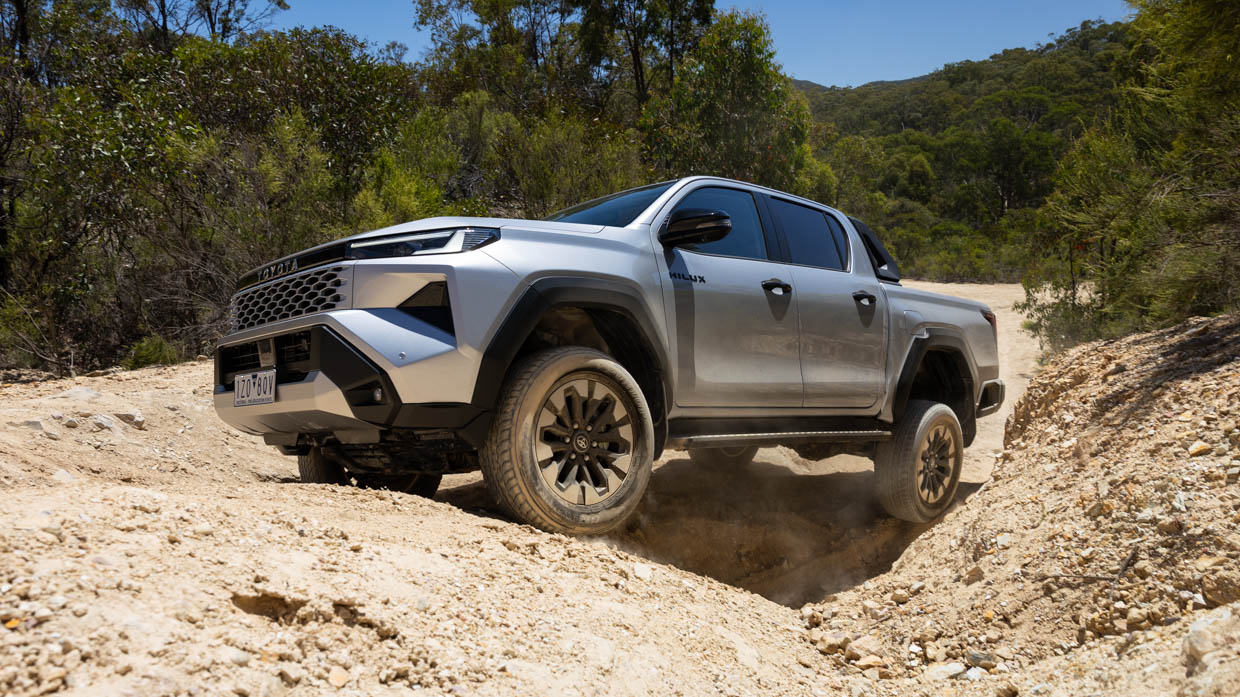
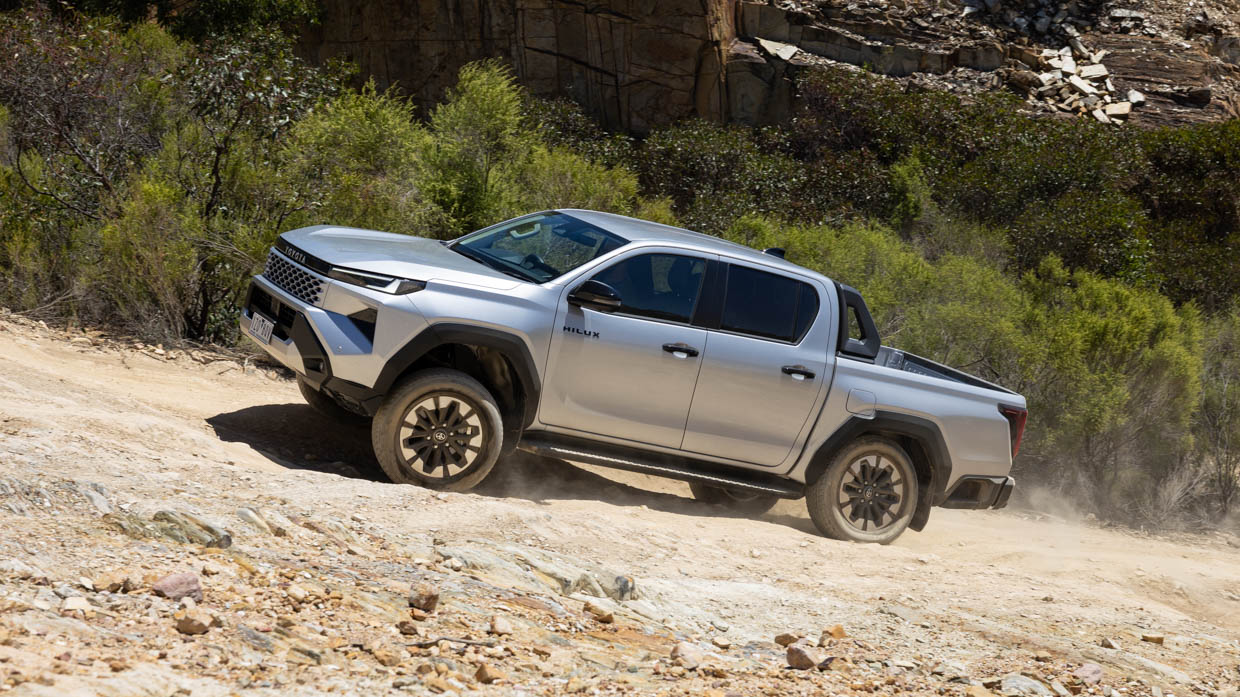
The light-duty all-terrain Dunlop Grandtrek 255/60 wrapping the Hilux’s 18-inch alloys are a good all-rounder, as we found when we entered Lerderderg State Park to tackle the low-speed tough stuff. This is where the Hilux has always impressed.
Considering its independent front suspension (IFS) and live rear axle, the articulation is impressive for a dual-cab ute. Traction control is still class-leading, allowing the Hilux to tackle steep rocky climbs with the sort of grace rarely seen from a ute.
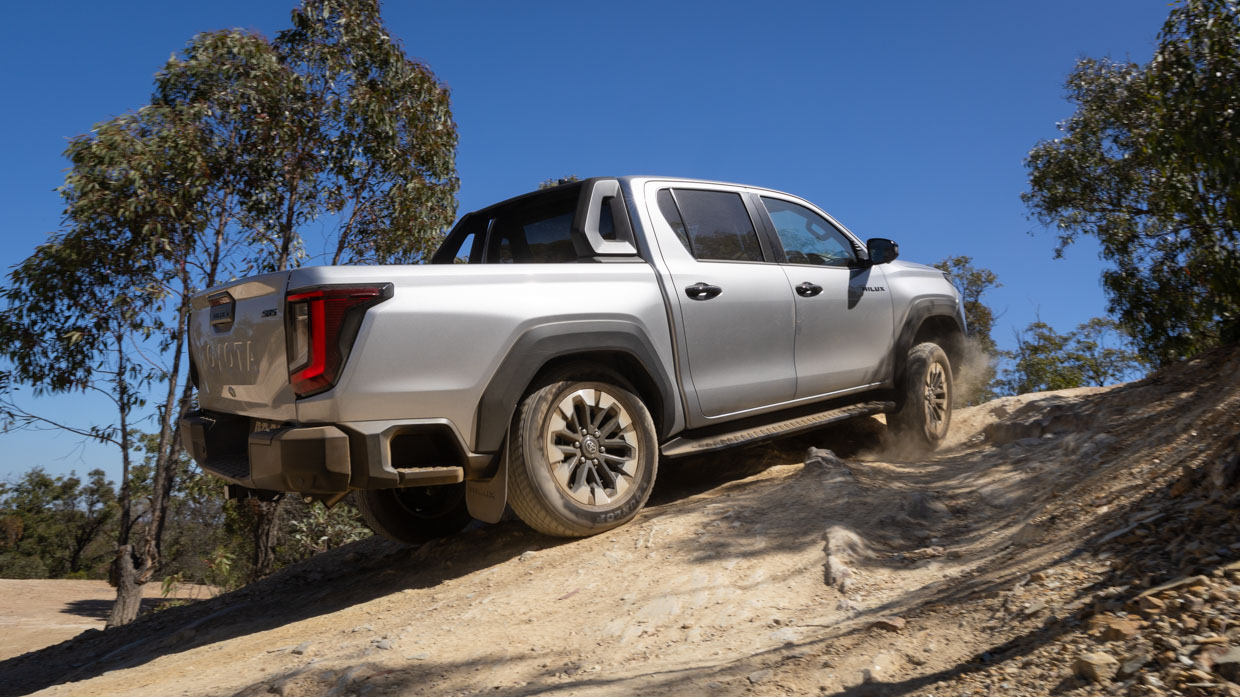
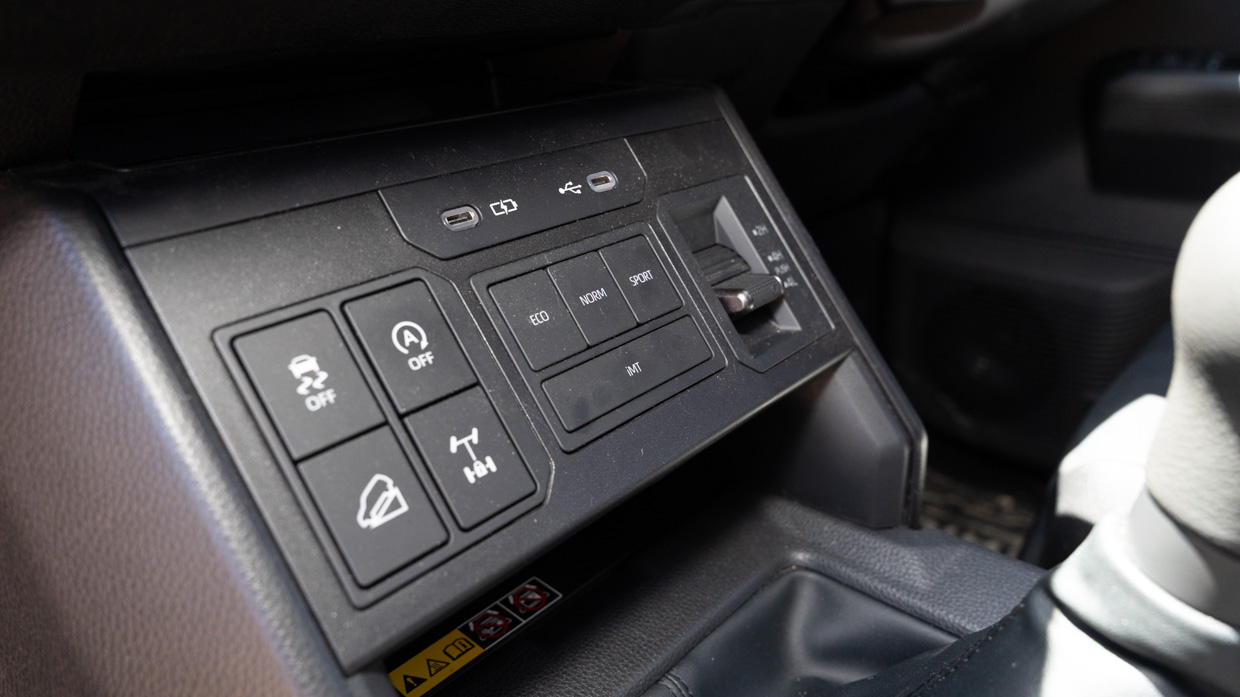
With the manual missing out on some of the off-road drive modes and the additional cameras to scout out nasty surprises on the trail, the three-pedal option puts more onus on the driver. It therefore feels more limited in its ability, but we’re splitting hairs.
With the cabin cell dimensions effectively unchanged in the jump to generation nine, existing Hilux owners will know what to expect: not a lot of space.
At 182cm tall, our knees sat in an unnaturally high position with no under-thigh tilt adjustment to improve the situation, even with the Premium Pack’s eight-way power driver’s seat.
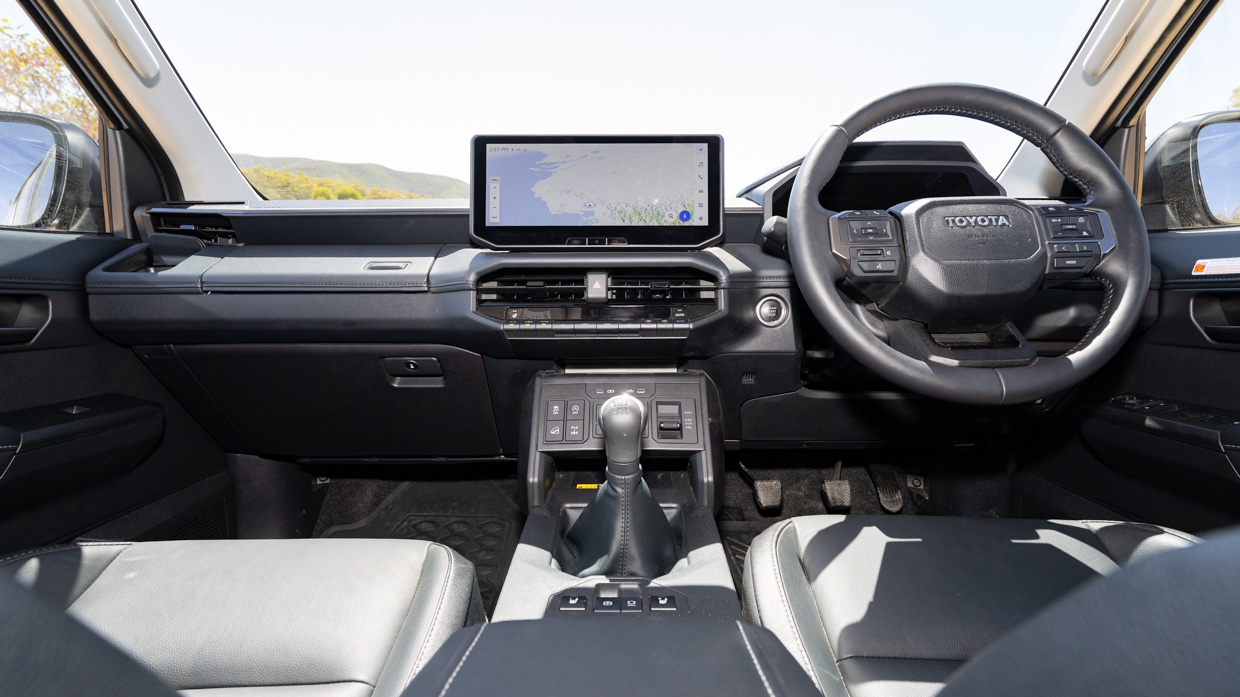
The Hilux’s cabin is narrow, meaning wider frames will be squished in from both sides, though there’s at least nice leather padding on the armrests, making it more cosy than cramped.
It might offer the space of an older midsize ute, but the new Hilux’s design and tech are significantly updated, with standard 12.3-inch multimedia screen and digital driver’s display.
The centre screen is crisp and bright, though it only further highlights the shocking quality of the reversing and 360-degree camera. Bizarrely, automatic versions are fitted with higher quality cameras.
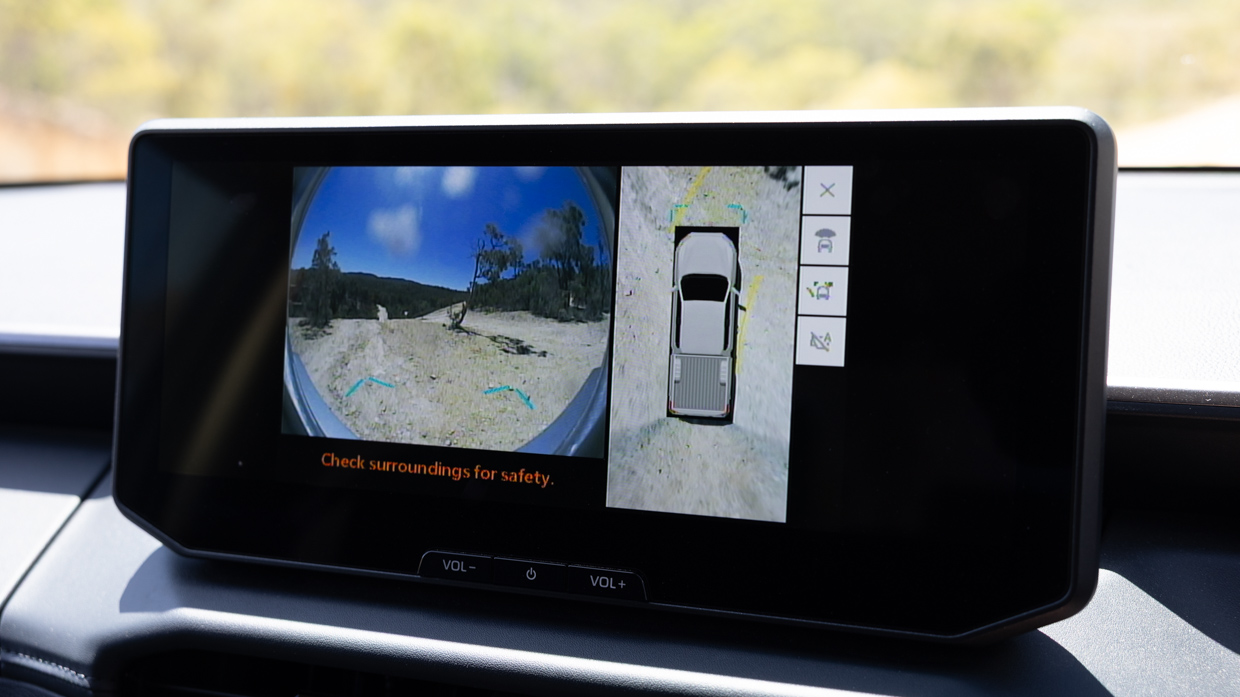
The upgraded tech is paired well with the litany of buttons across the new steering wheel, which feels pleasant and natural in hand.
A cluster of large, intuitive buttons for the air conditioning and other functions have been retained under the Hilux’s screen in a nod to the wants of Toyota’s core audience.
An additional button section for all off-road driving functions is also a welcome continuation of Toyota’s driver-focused design.
The Hilux SR5 might be a work-focused ute but at $70K, material quality ought to be better. Take, for example, the cheap shiny plastic across the dashboard that can be positively blinding when in full sun.
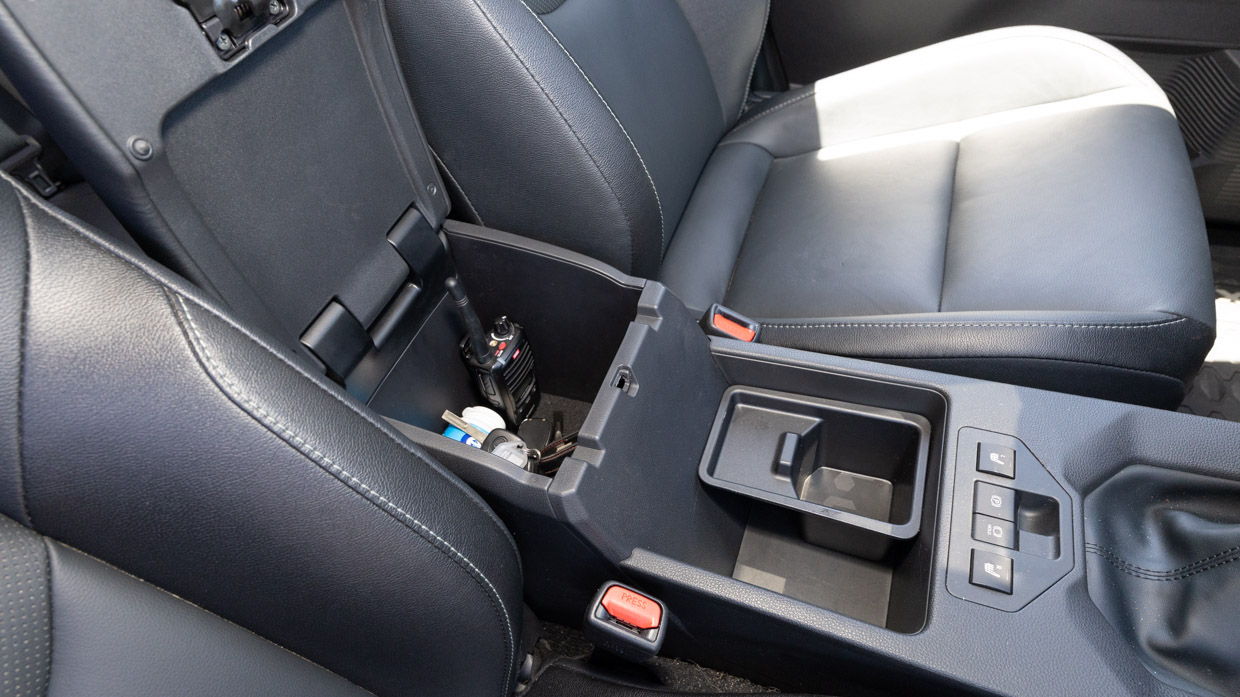
Storage is decent thanks to the fantastic double glove box arrangement, complemented by more limited storage in the door bins. We must, however, note the poor design of the new cupholders moulded into the dash, which have a poor grasp and will be painful to clean.
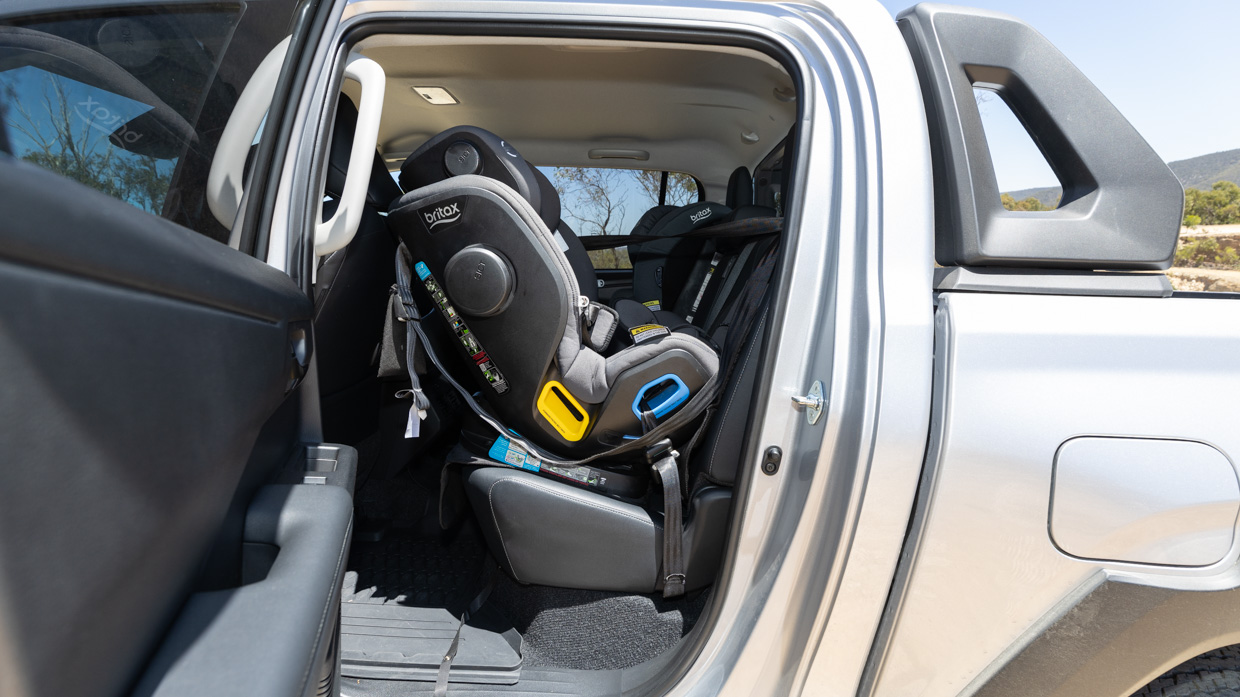
Row two is similarly cramped to the front. New rivals, including the Kia Tasman, Mitsubishi Triton and almost every entrant from China offer more space.
It makes fitting child seats a challenge in the Hilux, though it’s doable – assuming those in the front row aren’t too tall.
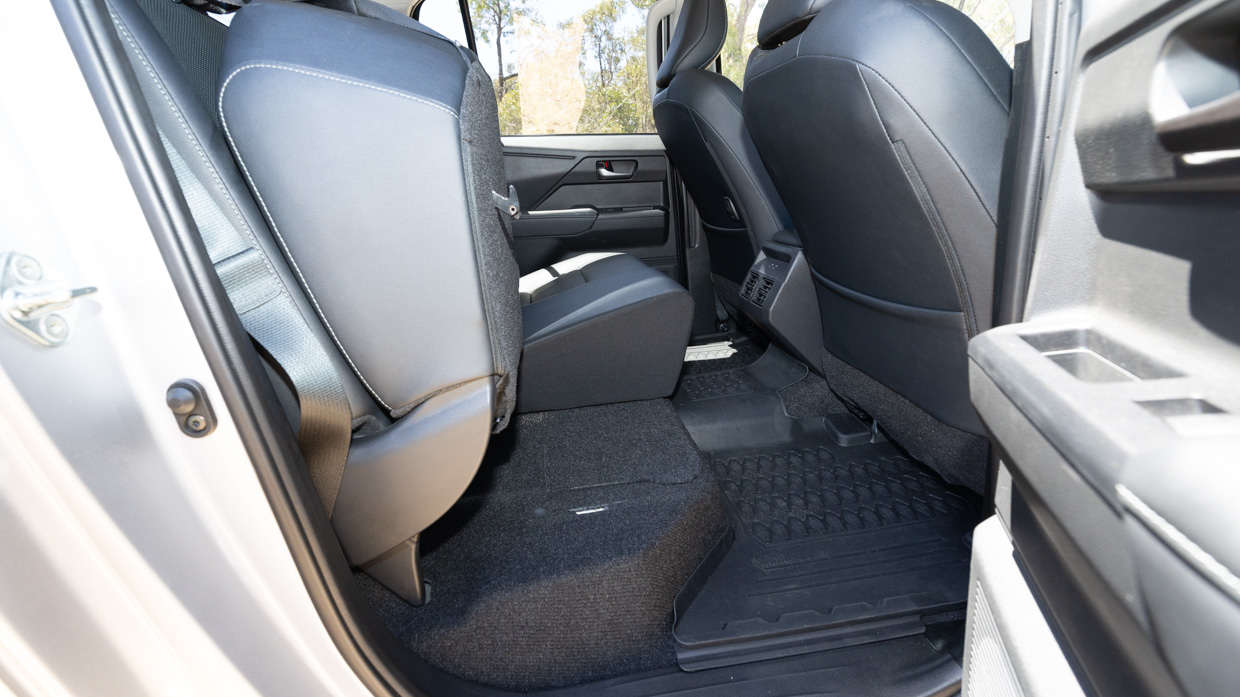
We also appreciate the Hilux’s 40/60 split cushion base, allowing you to fold up half the bench when transporting large items in the cabin.
Measuring 1540 mm long, 1520 mm wide (1080 mm between arches) and 480 mm deep, the Hilux’s tray is small for the class and still won’t fit a standard Euro or Aussie-style pallet between its arches.
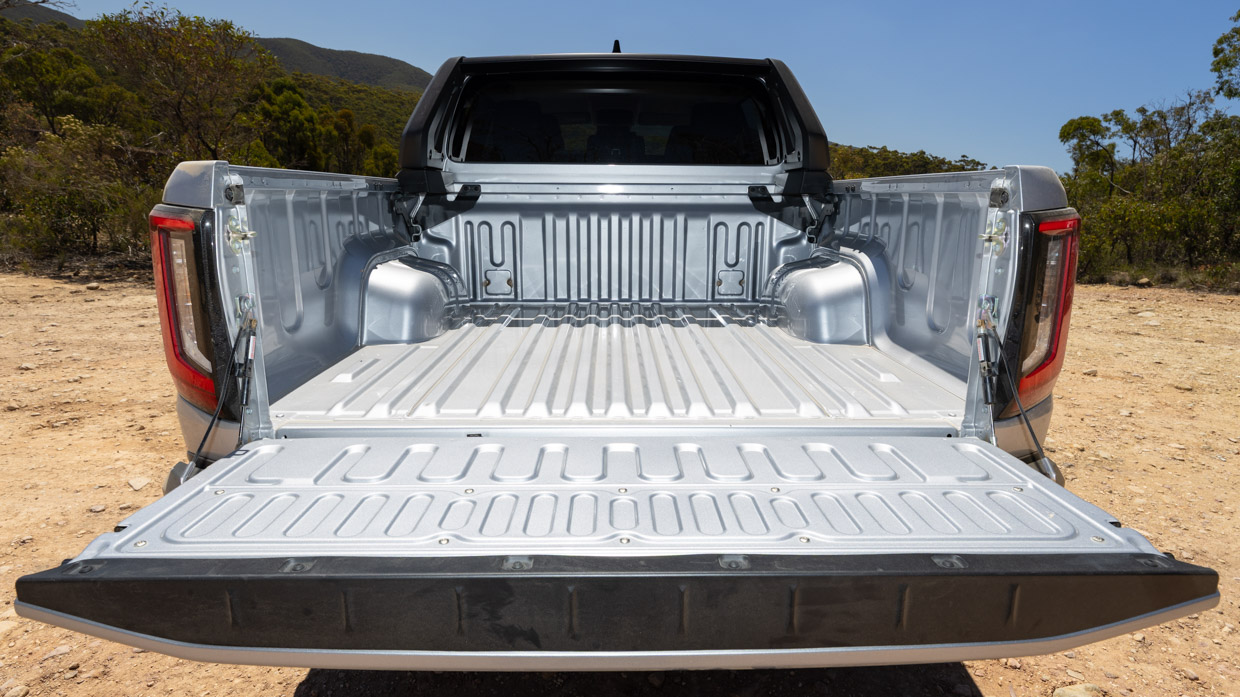
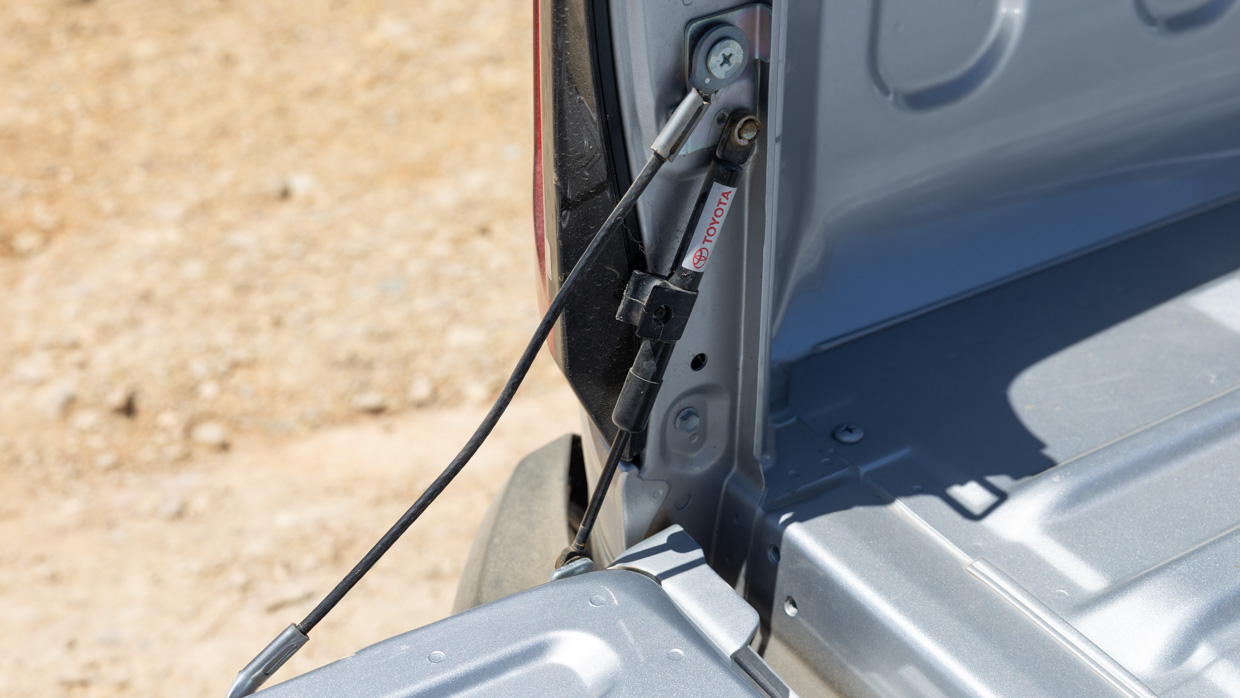
Even in up-spec SR5 trim, the Hilux is still missing a bedliner, any kind of auxiliary power outlet and is limited to four tie-down points. The tailgate is nicely damped, at least.
Toyota quotes a frugal 7.1L/100km for the SR5+ manual – besting the mild-hybrid auto at 7.4. In our testing, we saw an average of 9.1L/100km across a range of conditions, including a good deal of low-speed adventuring. That translates to a range of 879km from the 80L fuel tank.
The Toyota Hilux is covered by a five-year, unlimited-kilometre warranty. Service intervals are on the short side, every 10,000km or six-months. Over five years, expect to pay $3950, which is quite pricey.
Budget Direct told us the median annual premium purchased for the first time between 1/2/25 and 1/2/26 to comprehensively insure a new Toyota Hilux was $1664. Individual circumstances and policy terms may vary.
Of course, everybody’s situation is different, and the premium will vary according to make and model, and other things insurers take into account, such as your postcode, driving history, who drives the car, where you garage the car and more.
Please quote for yourself. Subject to meeting underwriting criteria. Insurance issued by Auto & General Insurance Company Limited. See PDS & TMD at budgetdirect.com.au.
Buying a Toyota Hilux is perhaps one of the few ways Australians can add some sense of stability to their lives in 2026.
With more comfortable suspension, a modernised interior and excellent off-road ability intact, the new Hilux is undeniably more appealing, while still featuring the baseline level of versatility and capability that’s made it so famous.
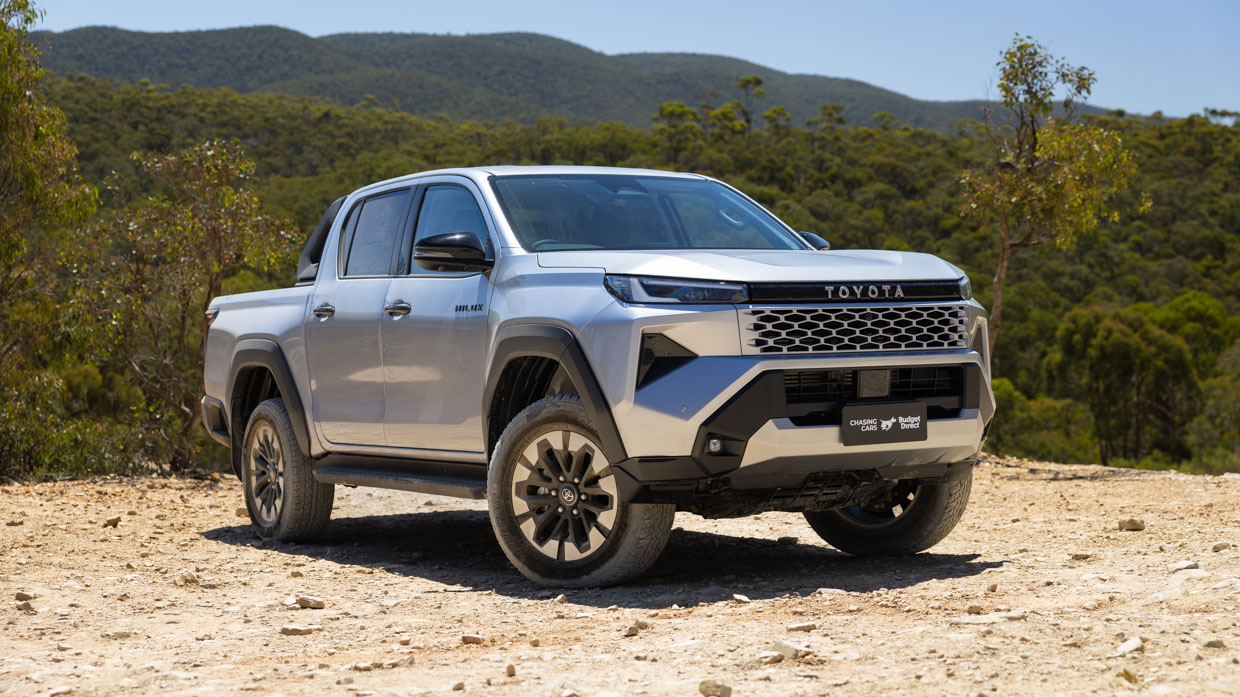
Time will tell if Toyota’s ‘less is more’ approach to the new-gen Hilux will prove to be a step too short for its famously loyal customers, who on the whole appear shaken but not deterred by the latest arrival. Ultimately, it’s still better than the old Hilux in their driveway.
That is, if you ignore the increased cost of the new generation. The circa-$72K fee will go further in rivals such as the D-Max and Tasman, with key advantages such as a bigger tub that will be popular among tradies and family buyers alike.
The new Hilux might be better than ever, but it hasn’t realised its potential, particularly in manual guise, where the features and torque are stripped back. We hate to say it, but the automatic is the clear choice here.
Key specs (as tested)
About Chasing cars
Chasing Cars reviews are 100% independent.
Because we are powered by Budget Direct Insurance, we don’t receive advertising or sales revenue from car manufacturers.
We’re truly independent – giving you Australia’s best car reviews.
The estimate provided does not take into account your personal circumstances but is intended to give a general indication of the cost of insurance, in order to obtain a complete quote, please visit www.budgetdirect.com.au. Estimate includes 15%^ online discount.
^Conditions Apply
Budget Direct Insurance arranged by Auto & General Services Pty Ltd ACN 003 617 909(AGS) AFSL 241 411, for and on behalf of the insurer, Auto & General Insurance Company Limited(ABN 42 111 586 353, AFSL 285 571).Because we don’t know your financial needs, we can’t advise you if this insurance will suit you. You should consider your needs and the Product Disclosure Statement before making a decision to buy insurance. Terms and conditions apply.
Indicative quote based on assumptions including postcode , 40 year old male with no offences, licence suspensions or claims in the last 5 years, a NCD Rating 1 and no younger drivers listed. White car, driven up to 10,000kms a year, unfinanced, with no modifications, factory options and/or non-standard accessories, private use only and garaged at night.
^Online Discounts Terms & Conditions
1. Discounts apply to the premium paid for a new Budget Direct Gold Comprehensive Car Insurance, Third Party Property Only or Third Party Property, Fire & Theft Insurance policy initiated online on or after 29 March 2017. Discounts do not apply to optional Roadside Assistance.
2. Discounts do not apply to any renewal offer of insurance.
3. Discounts only apply to the insurance portion of the premium. Discounts are applied before government charges, taxes, levies and fees, including instalment processing fees (as applicable). The full extent of discounts may therefore be impacted.
4. We reserve the right to change the offer without notice.