Powered by

-
Car Reviews
Latest reviews
-
Car News
Latest news
-
Car Comparisons
Latest comparisons
- Chasing Deals
Latest reviews
Latest news
Latest comparisons
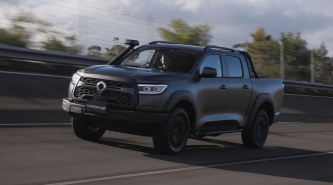
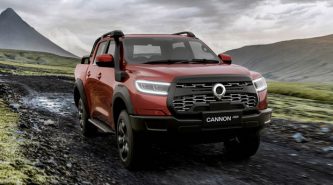
Does a flash interior and solid value for money make the 2025 GWM Cannon a serious contender in the hotly contested dual-cab 4×4 space?
Five years ago, Chinese brand GWM entered Australia’s hot ute market with the Cannon, its challenger for the popular Ford Ranger and Toyota Hilux.
Chasing Cars previously ran an early Cannon-X 2.0-litre turbo-diesel for six months and 10,000km. At the end of that, we declared it “a great first effort”, but one that needed some serious improvement.

So what has changed in three years? Well, there’s a new engine, refinements to a whole selection of parts and changes inside, but is it enough?
To see if those tweaks have improved the Cannon experience, we’re spending three months and 5000km in the top-spec Ultra.
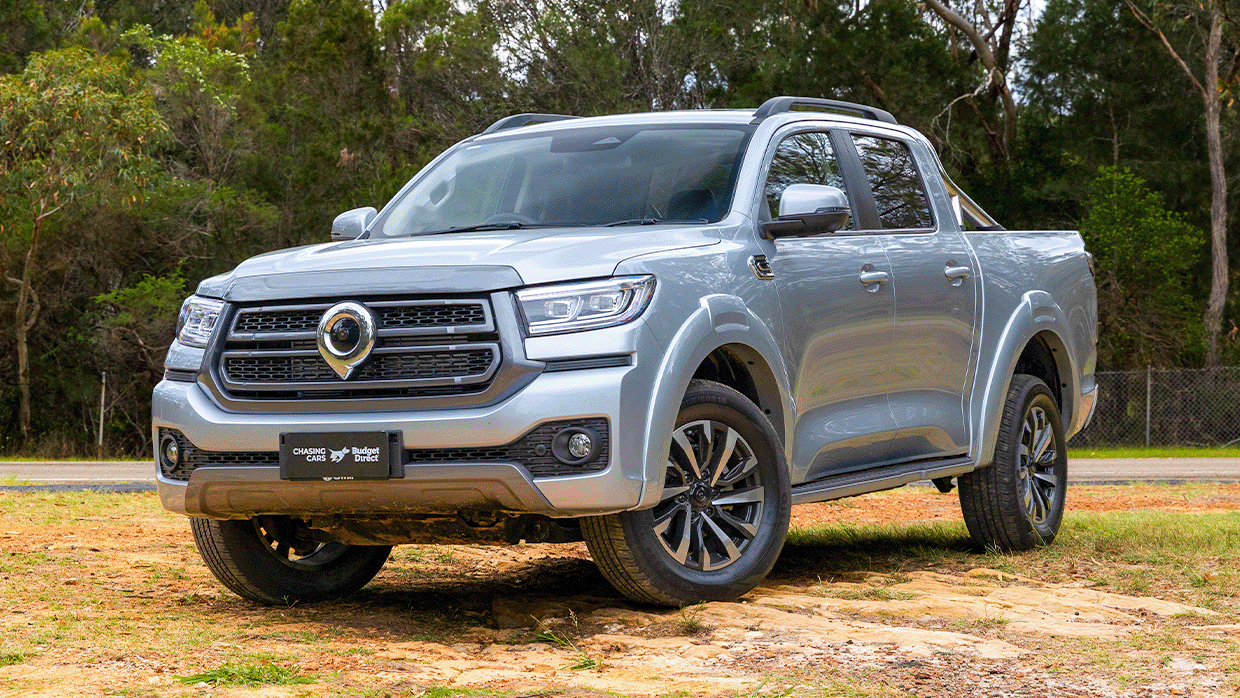
Ahead of it is a camping trip, house move, and plenty of long daily commutes, and at the end of that we’ll know if the Cannon is actually any good at being a ute.
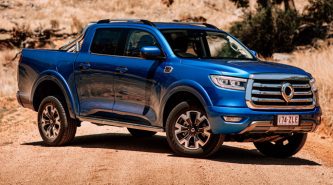
We’ve been in possession of the GWM Cannon Ultra 4×4, for three months now. And in that time, covered over 5000km. Those kilometres saw a daily 150km highway commute, urban driving, off-roading and served as our trusty steed when moving house. Proper ute stuff.
The key selling point for the GWM Cannon Ultra is affordability without compromising capability; it’s a ute you should be happy to put tools and an apprentice in for day-to-day work duties and save some serious cash over splurging on a fleet of Hiluxs or Rangers – but still trust that it’ll start up first try the next morning until you part ways.
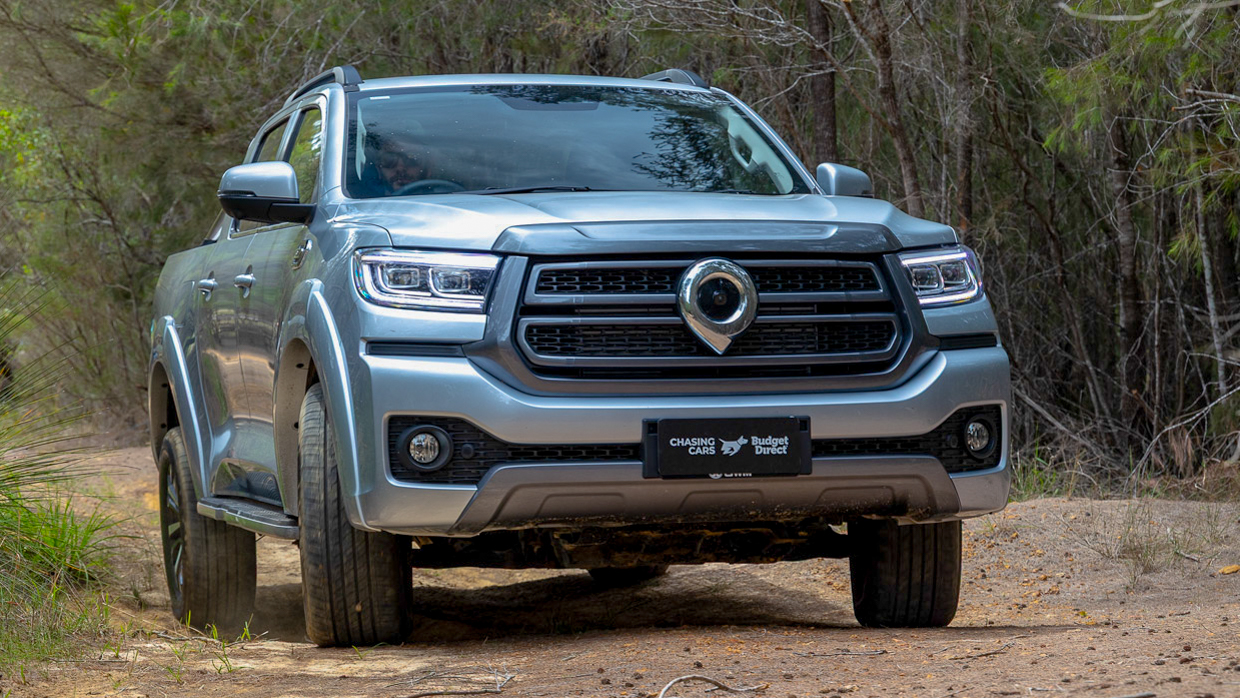
Or, as a budget friendly platform to modify into your idea of an off-road dream machine.
I mention that, as I feel the Cannon is a ute that needs upgrades from the factory, which will instantly show positive improvements each and every time you drive it.
You will need to upgrade tyres and suspension with better aftermarket gear, especially if planning on leaving the bitumen. I’d argue that most new utes would benefit from better tyres and suspension. But for the Cannon, it’s mandatory.
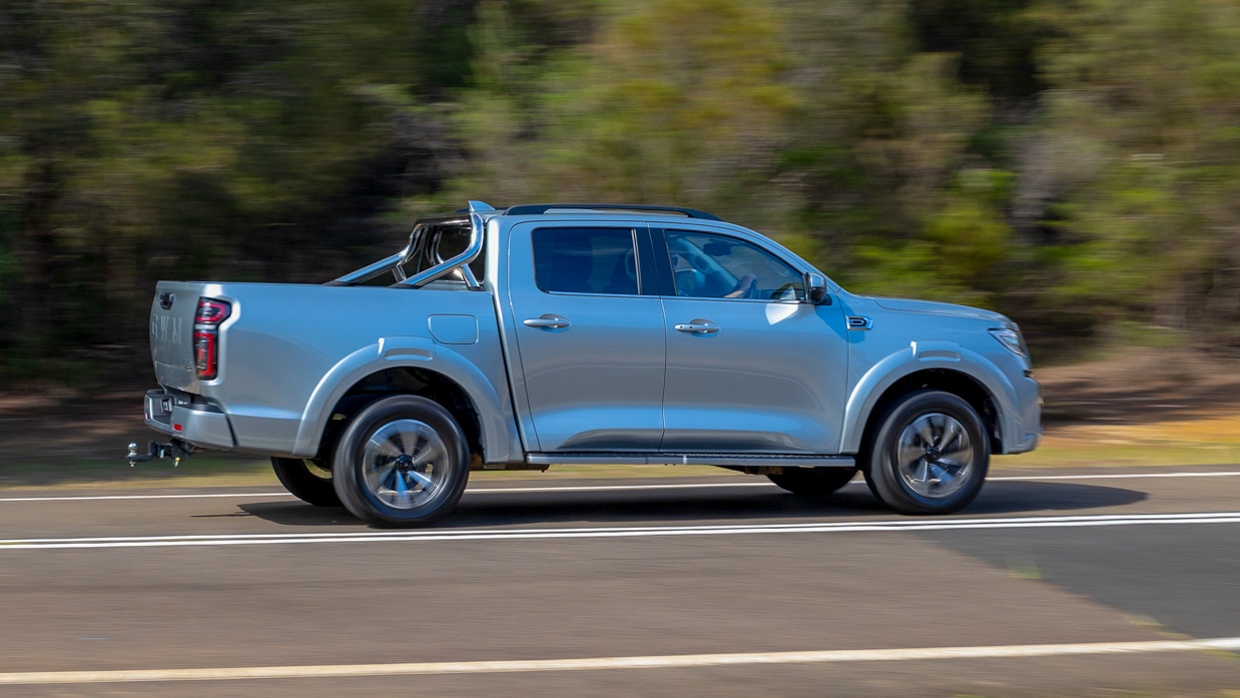
This vehicle will really benefit greatly from that local suspension tune when that arrives soon, thankfully the aftermarket industry is all over this already.
Basically, the front-end crashes over the mildest of inconveniences, like a speed bump for example. The rear-end has decent bump absorption, I must say, but that’s where my compliments end with this standard suspension tune.
Another benefit to fixing quality aftermarket suspension, is an increase in ride height. Up to 50mm of lift is legal Australia wide without the need for engineering approval.
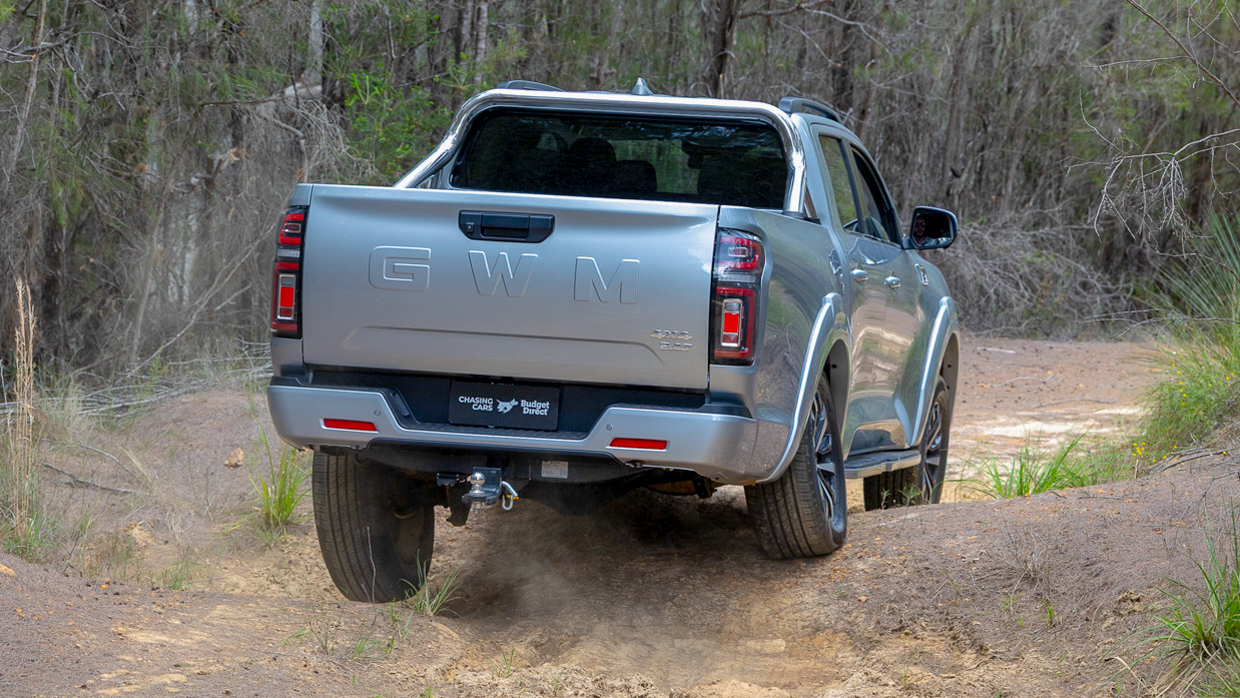
Stock Giti-branded highway-terrain tyres are soft as butter and will absolutely be prone to punctures off-road. The XSR model receives Chinese-made Cooper all-terrains, which is a better proposition for those looking to head off-road. As the Ultra grade Cannon is a slightly more road focussed vehicle, it gets the lighter highway terrain tyres.
Another observation from my time with the vehicle is how dirty the front wheels look after a few thousand kilometres. Brake dust is clearly an issue, albeit a pretty minor one.
This shows GWM are using a soft brake pad material for improved braking performance, just at the expense of annoying brake dust which is a pain to clean. If you’ve owned a European vehicle, you’ll be familiar with this.
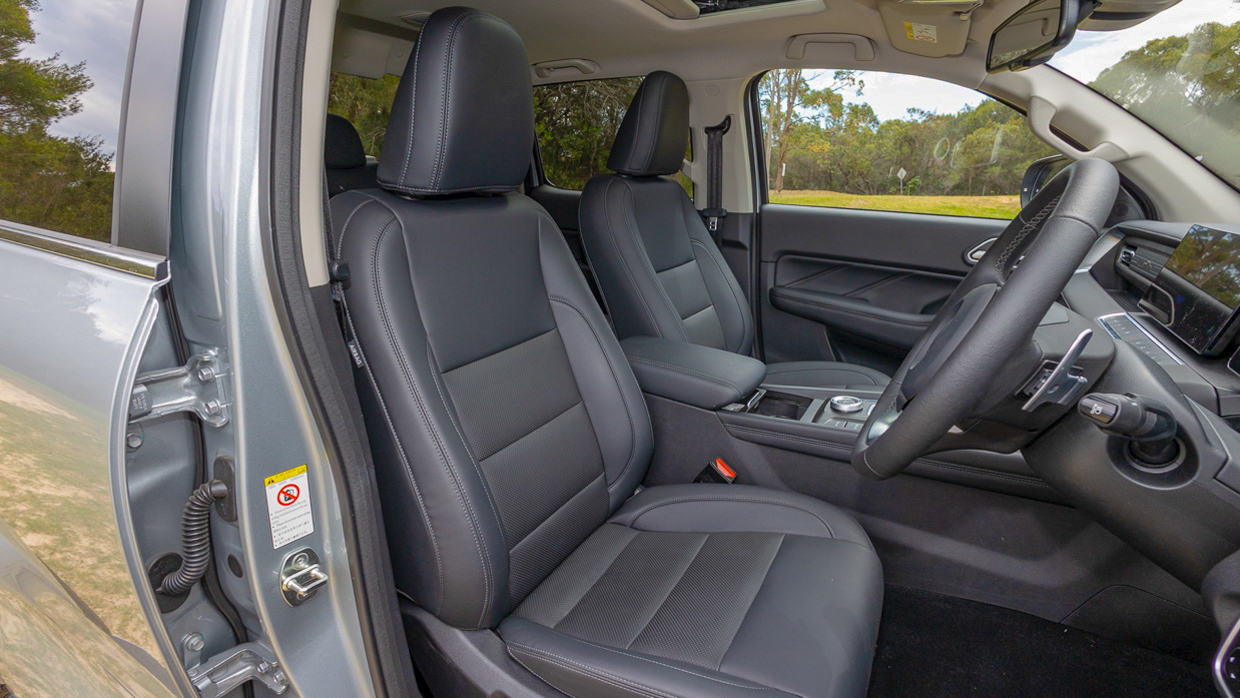
Starting in the rear, the back seats lack under-thigh support and are overall quite flat. But not entirely uncomfortable for those who aren’t too tall. For the apprentice, it’s going to do the job, and beats walking.
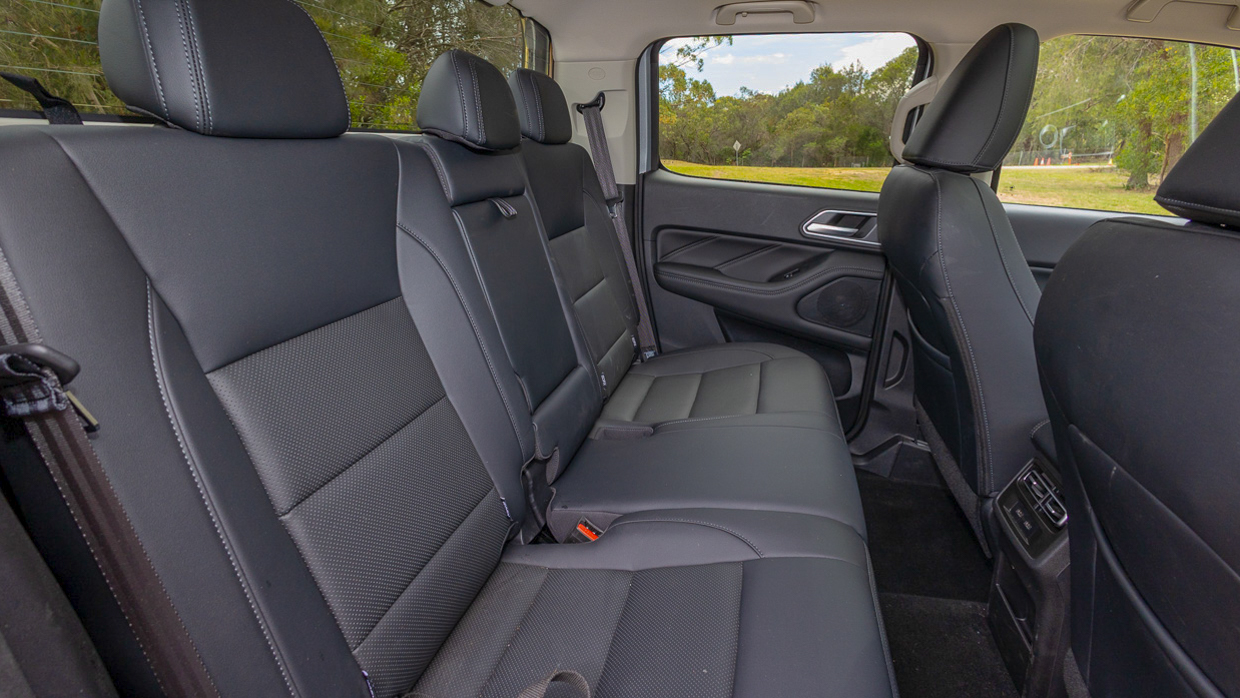
Front seats on the other hand, are perfectly acceptable comfort-wise – especially being both heated and cooled.
The steering wheel-mounted volume control is also an annoying function, as is not being able to turn the volume down quickly on start up as the screen goes to camera mode. A simple volume dial should be included.
On one particular occasion, it connected to my phone and would let me start and stop a song, but the music was still coming out of my phone, not the stereo. Little glitches like this don’t ruin the experience; they just cheapen it.
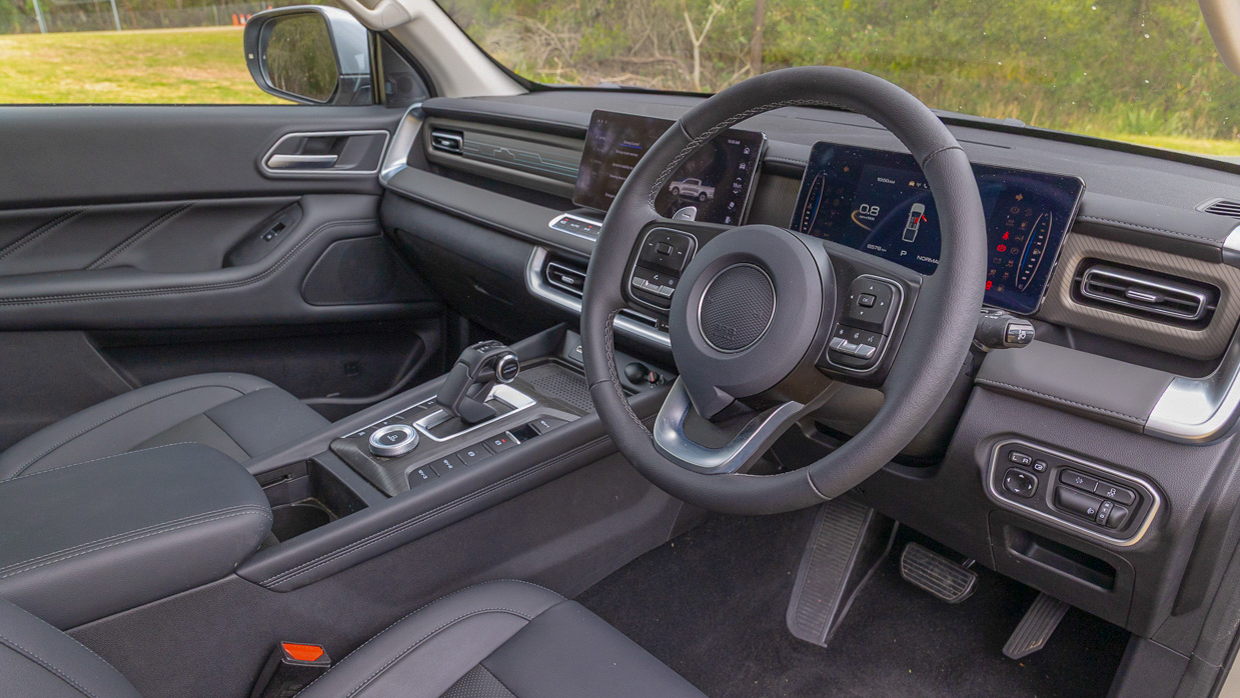
Lastly, lane keeping assist is quite aggressive in operation.
Other staff members also mentioned how it feels like it’s trying to yank the wheel out of your hand. Thankfully it can be disabled via the infotainment screen, something you’ll get very familiar with doing.
Performance-wise, turbo lag from the 2.4-litre four-cylinder turbo-diesel is noticeable, but not to the degree I was expecting. It’s certainly better than Tank 300 equipped with the same engine, which felt even worse, particularly when pulling into a roundabout.
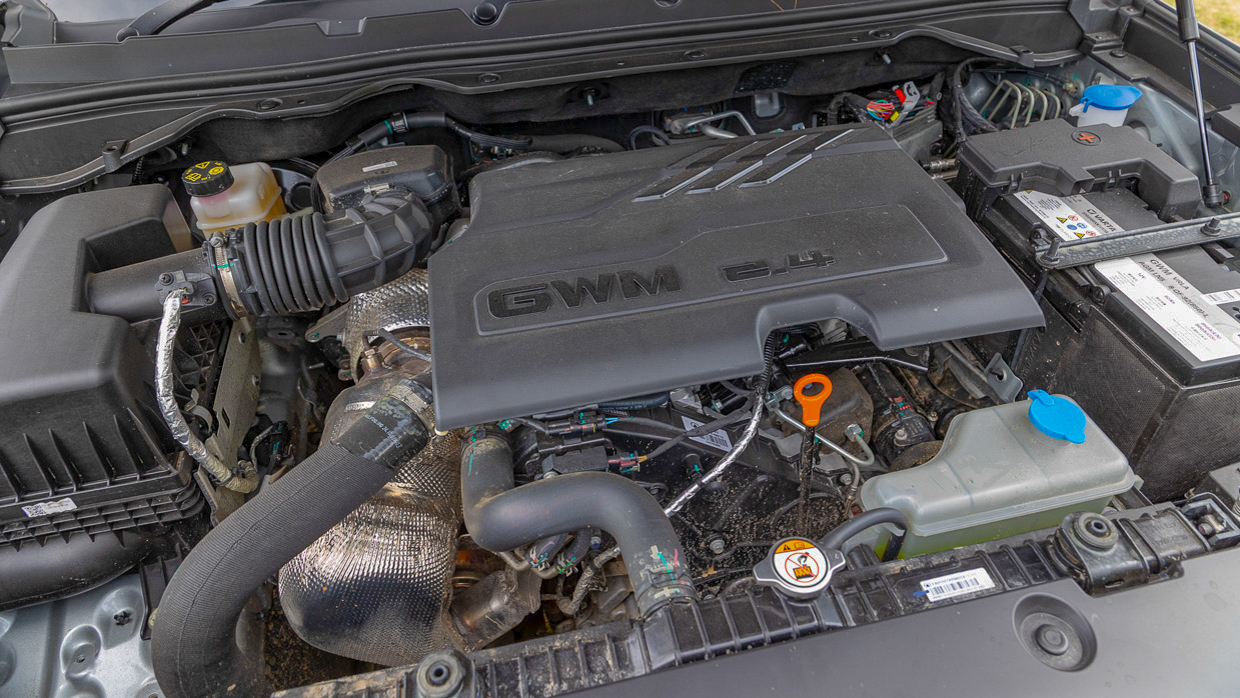
One way around this common issue with small-capacity, high-boost diesel engines, is to increase power with an ECU tune and run on a dyno. This will see power and torque increases of between 20-30 percent, and often better fuel economy. However, this is a grey area when it comes to maintaining that seven-year warranty, and a debate for another time.
A simple plug-and-play throttle controller is another aftermarket solution, which allows the end user to increase throttle sensitivity when required, as well as dulling down when off-road in technical terrain. It’s $200 well spent, and easy to install or remove. No, they do not give the vehicle more power, but they can make them better to drive.
When the turbo does spool up, there’s a surge of torque from the little 2.4L turbo-diesel engine, matched to GWM’s own nine-speed transmission which feels busy in operation while keeping the small capacity diesel engine sitting at happy RPMs during the typical narrow diesel torque band.
Claimed output figures for this turbo-diesel is 135kW of power and 480Nm of torque. So not class-leading, but not a bad figure from a four-cylinder. Especially when you consider the torque multiplication available from having so many gear ratios.
Being 4×4 on demand, I’ve felt the front wheels digging down when doing tight turns in carparks, but it’s not noticeable at speed or on the highway. Just something that is noticeable in tight carpark manurers as the transfer case unlocks.
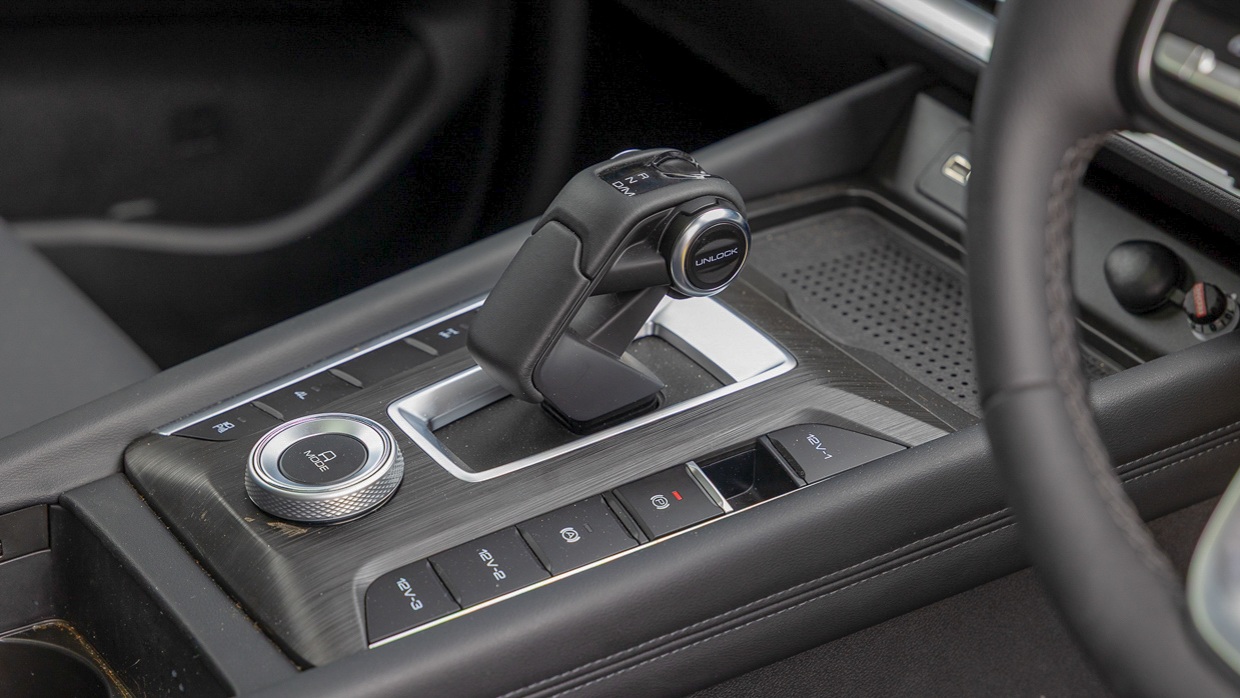
You can change from RWD to all-wheel-drive using the drive mode selector. I found Sports mode to be my preferred setting.
So how has it performed? Some areas well, others need improvement. But I feel fundamentally most gripes would be able to be fixed with a little time and money. A ballpark budget would start around $1800 for some better tyres, $1500 for an ECU tune and $2500 for a suspension lift kit – to get that ball rolling.
As I’ve said, however, those factory-fitted tyres and suspension components, as it sits currently, would be the first thing I’d be replacing on the vehicle. And I mean….. before I even made it home from the dealership.
Considering Australia’s appetite for modifying vehicles, perhaps this is part of GWM’s strategy? Save some money on the parts many people will be tossing in the bin early in the piece, and pass those savings on to the consumer.
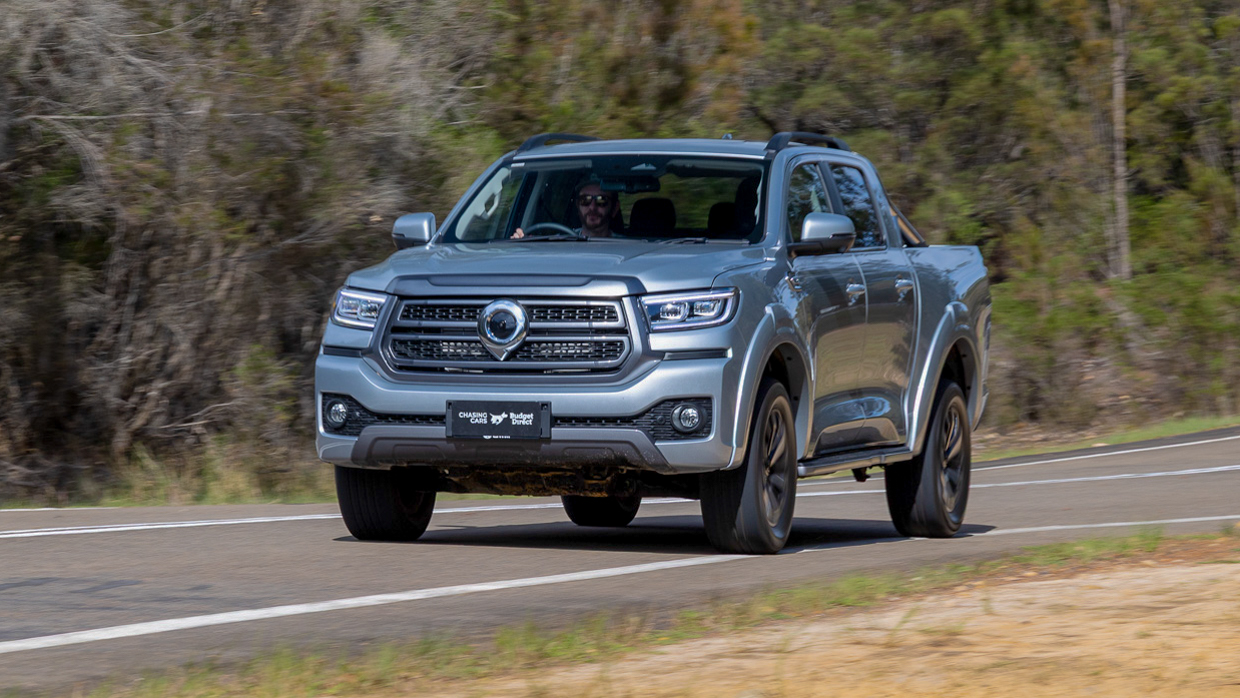
At this stage, however, it’s hard to recommend this vehicle to friends or family as it sits. Unless price is the absolute purchasing consideration, or you are planning on using this vehicle as a platform to modify and personalise.
During our extensive three-month stint, it’s proven to be a capable four-wheel drive when the going gets tough.
GWM, to their credit, isn’t afraid to push the Cannon’s limits either, with the ute conquering the seriously gnarly Beer O’Clock Hill in XSR guise at the Springs 4×4 Park.
In saying that, with the new AT-1 suspension tune coming from Australian suspension engineering guru, Rob Trubiani, the outcome could be very different in the not too distant future. Especially as GWM has proven to be a company that moves quickly when it comes to innovation.
We look forward to driving the updated model when it’s available.
Can the GWM Cannon do ute things? By month two of our long term loan, we’ve already discovered that it has a fairly luxurious (for a ute) interior. That it can do a sharp driveaway price thing. And that it can sit on the highway on my lengthy commute.
But how does it actually perform when loaded up with bulky gear, and whether you can even take it off-road, considering that this spec has less off-road features than other GWM utes in the lineup?
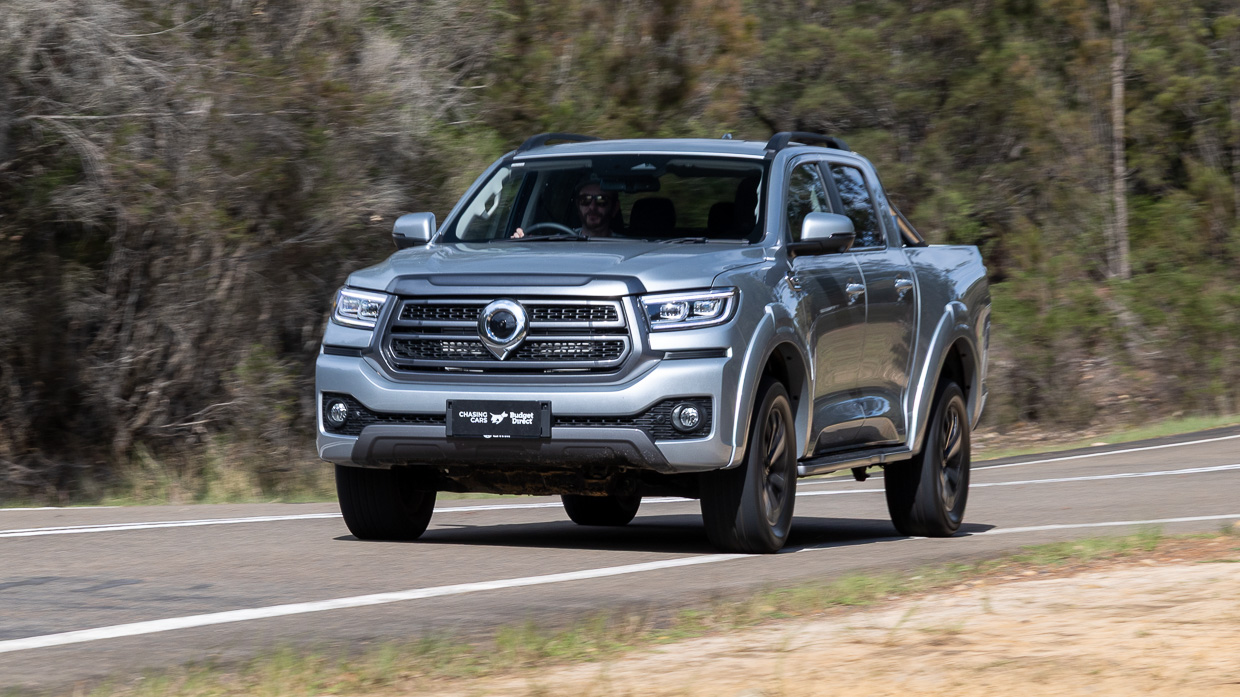
But this month we’re kicking this instalment off with one of the most despised tasks in human history: moving house.
A garage full of project cars, a garden that needs to be taken to the tip and a general downsize makes this move even more painful. Can the Cannon get the job done?
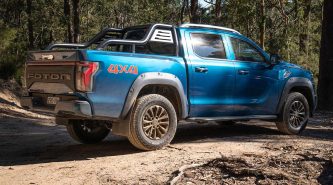
These Cannon utes aren’t small vehicles, which is great when it comes to cramming equipment, tools, camping gear or a couch. Tray dimensions come in at 1520mm long, 1520mm wide and 540mm in height.
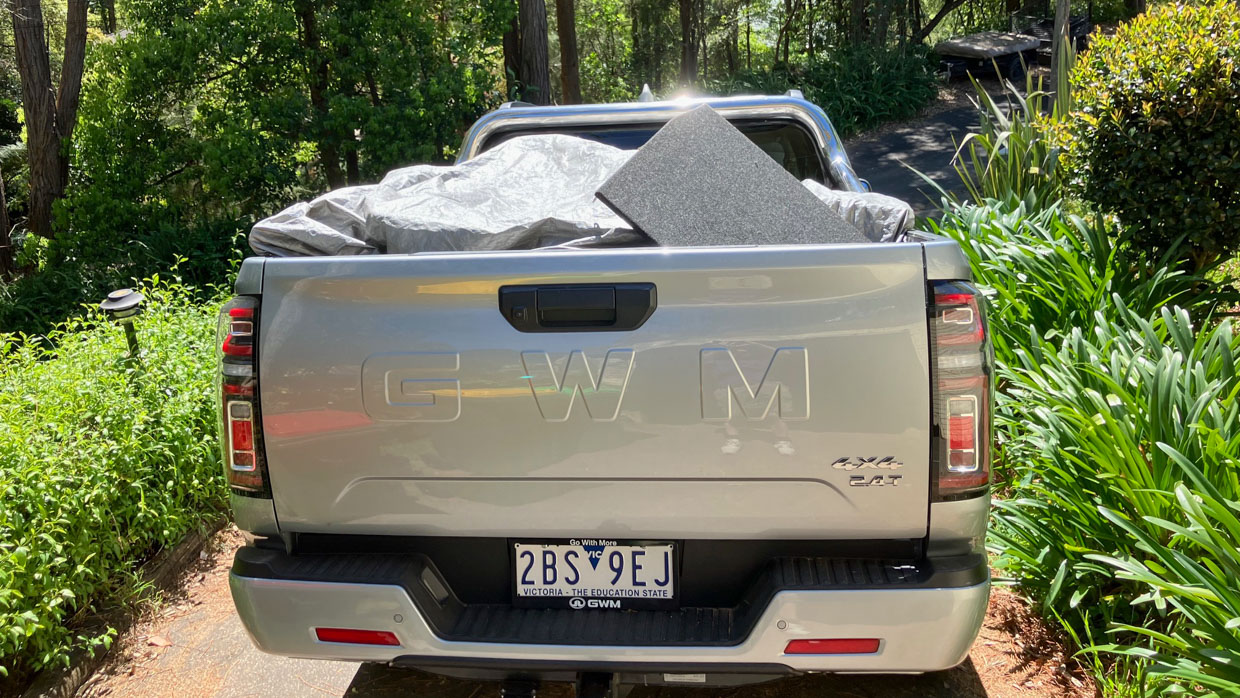
If we compare those numbers to the Hilux however, the tray area of the Cannon is down slightly, with the Hilux pick-up’s tub 1570mm long, 1645mm wide and 495mm deep.
In terms of payload, the 2026 Cannon is listed at 995kg, which is a respectable figure we would not have come close to nudging. Braked towing capacity is 3500kg, which is on par with class leaders in this segment. A gross combined mass (GCM) of 6200kg is claimed.
Basic tie-down points on four corners of the tub have been included, which came in handy securing a tarp over my load. A spray-on tub liner was also great to see over a drop in tub liner. However, I must admit that this spray-on liner copped some deep scratches and will need to be touched up, after sliding a toolbox over the tray area.
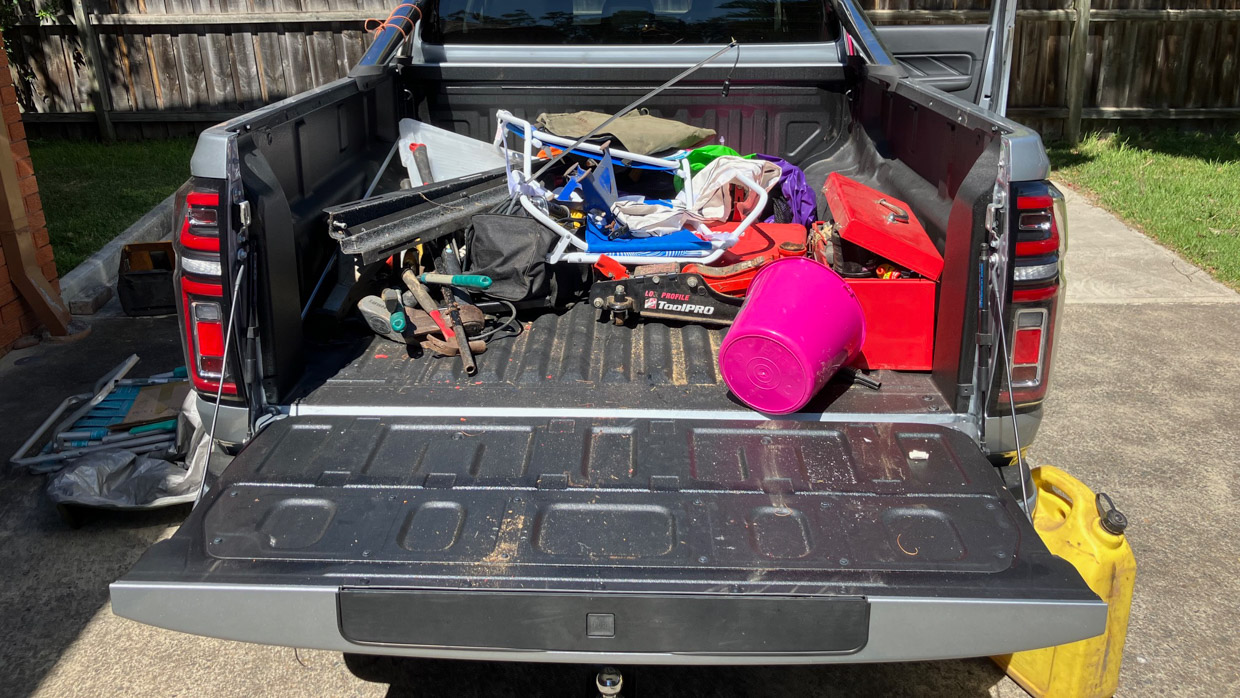
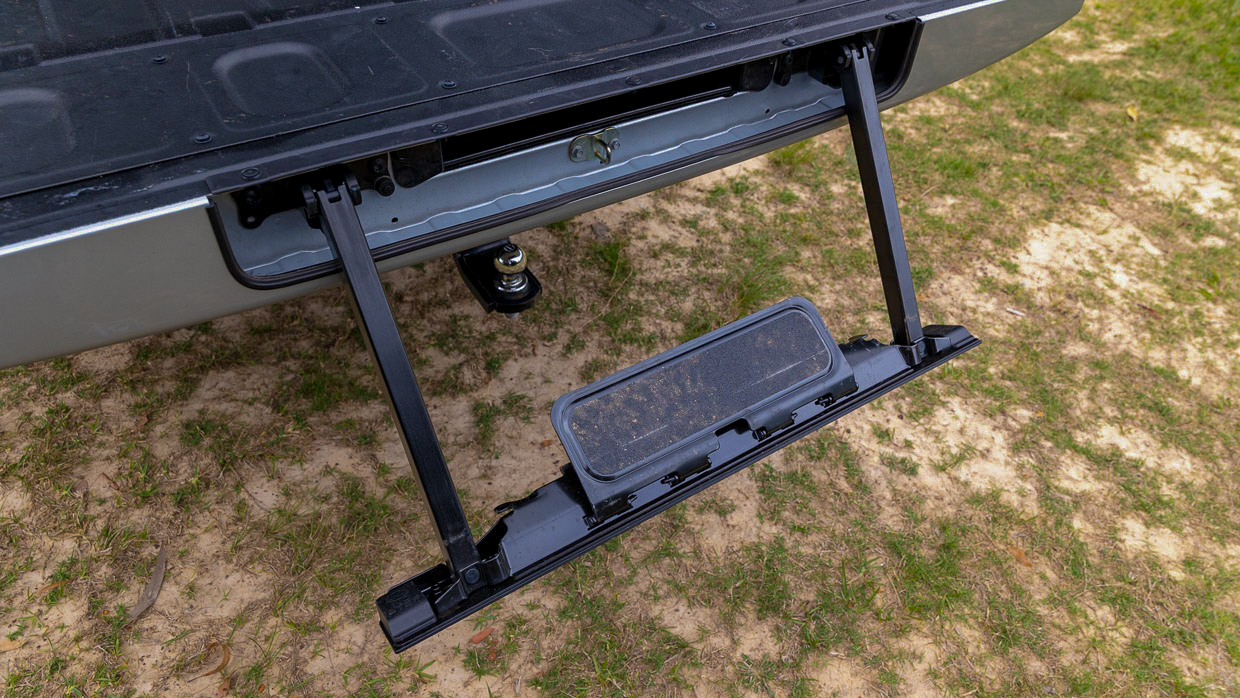
Another point worth bringing up is the positioning of the fold-out tailgate ladder step. It’s a novel idea, having a built in pullout stair system in the tailgate.
But when sliding said toolbox out, it gets in the way, and we managed to pop out two plastic clips. This is exactly what tradies would be doing on a daily basis; it’s a great idea, but it needs to be executed better.
Having the Cannon was pivotal to a successful house move though. The removalists loved having the ability to load smaller items into the tray, which was much more manoeuvrable than that large truck.
It also provided a chain of events, where we could be moving two different loads at one time.
Sure, most utes would be able to pull off a house move, but the Cannon felt like it was enjoying its time shifting bits of furniture and lugging rubbish to the tip, and it didn’t feel too precious so we could use it the way it was intended to be used.
We can confirm, the Cannon handles ute duties, and a little bit of weight in the tray certainly improved the firm ride quality experienced when unladen.
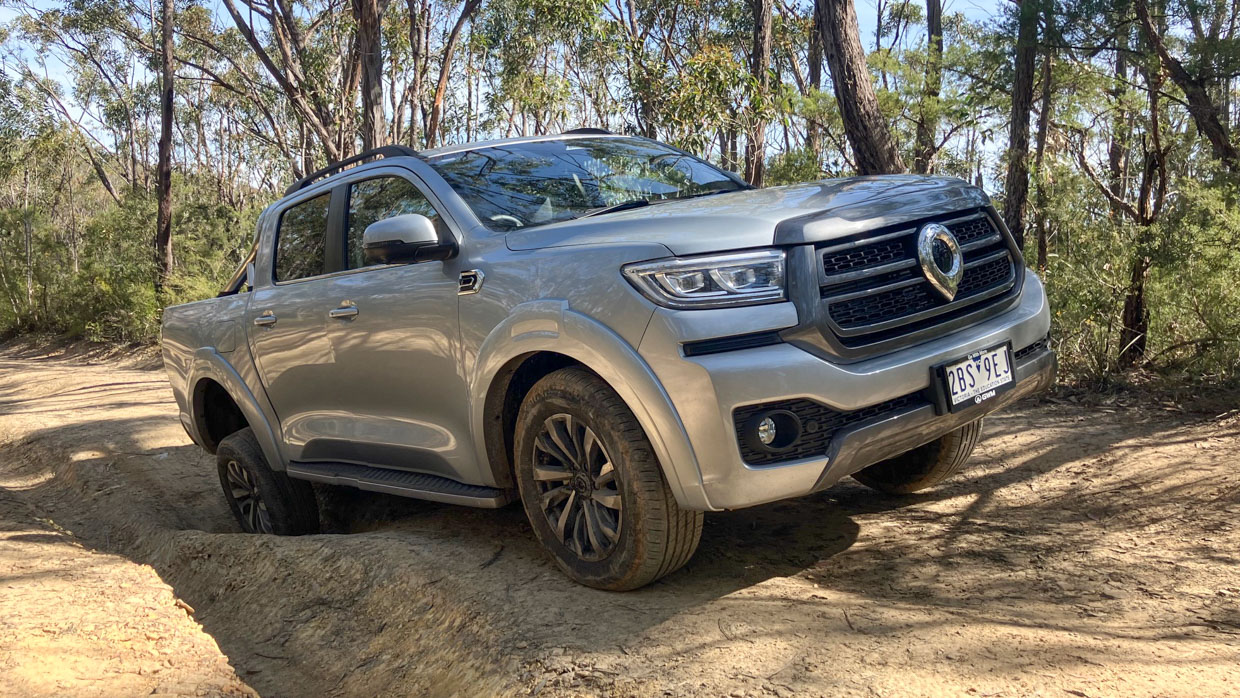
With that house move out of the way, it was time to explore some off-road tracks close to home in the Cannon. Thankfully, we didn’t move far, so we still have access to some wonderful scenic tracks in the Blue Mountains, west of Sydney, at hand.
This model Cannon doesn’t boast a front differential lock, and features an on-demand 4×4 system that can automatically engage high-range four-wheel drive. It’s clear this vehicle has been designed for someone new to the off-road game, and wants the car to do the thinking for them. Or for busy tradies who just want it to work without fuss.
The four-wheel-drive system is an on-demand variant that locks and unlocks from 2WD high-range to 4WD high-range when slip is detected.
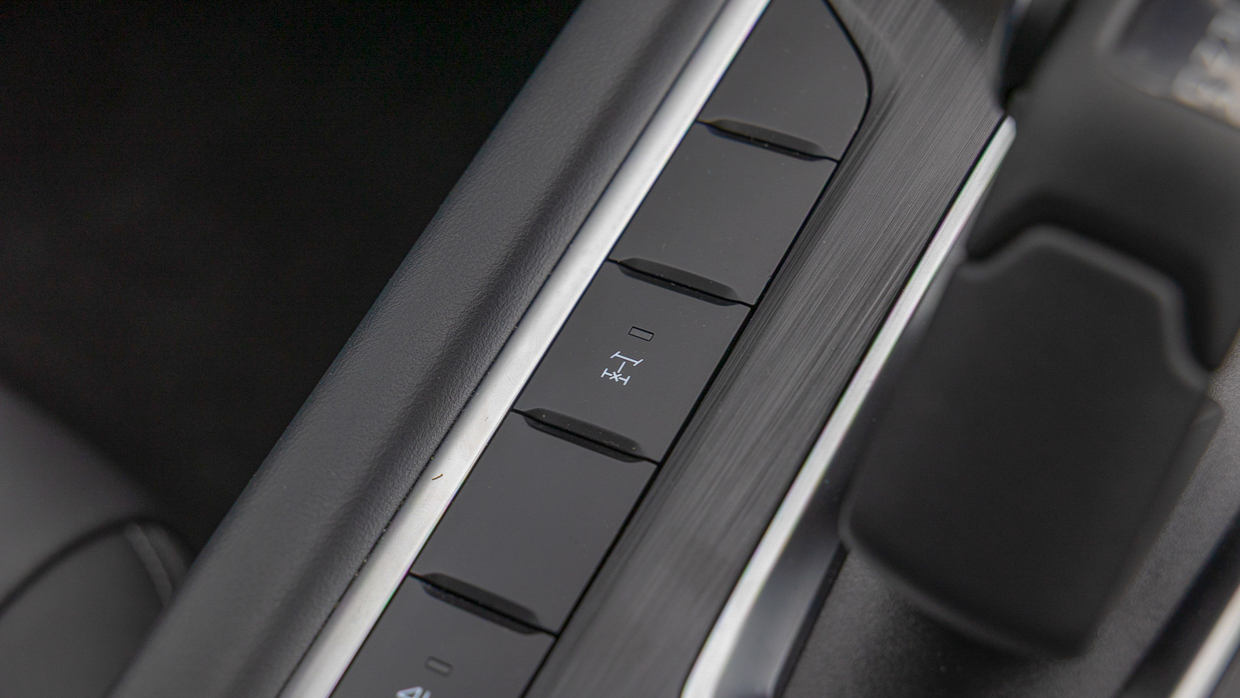
Low-range four-wheel drive can be selected via a button on the centre console, as is a selectable rear differential lock. If you want that front locker, you’ll need to look elsewhere in the GWM lineup, such as the Cannon XSR model.
Every GWM four-wheel drive on sale today is very capable off-road. Thanks to either front and rear differential lockers putting traction to all four-wheels. Or, a very aggressive traction control system, which I honestly feel could be Hilux-good.
GWM has clearly listened to the local market, and programmed a very reactive traction control system that works almost too well.
What I didn’t fully enjoy was the nine-speed automatic transmission when in low-range. It felt busy, and confused when asked to shift. It felt like it was having an entirely different conversation to the engine. This results in just odd gear shift behaviour, when realistically the vehicle should be working in harmony to provide smooth slow going.
The on-demand 4×4 system works well with smooth activation and no apparent clunks or bangs between the rear and front and rear axles.
This vehicle certainly isn’t perfect, with some flaws that can be upgraded easily with aftermarket parts, like suspension and tyres. Then there’s the annoying indicators, quiet stereo and asthmatic airconditioning which aren’t going to be easy upgrades, and genuinely spoil the experience.
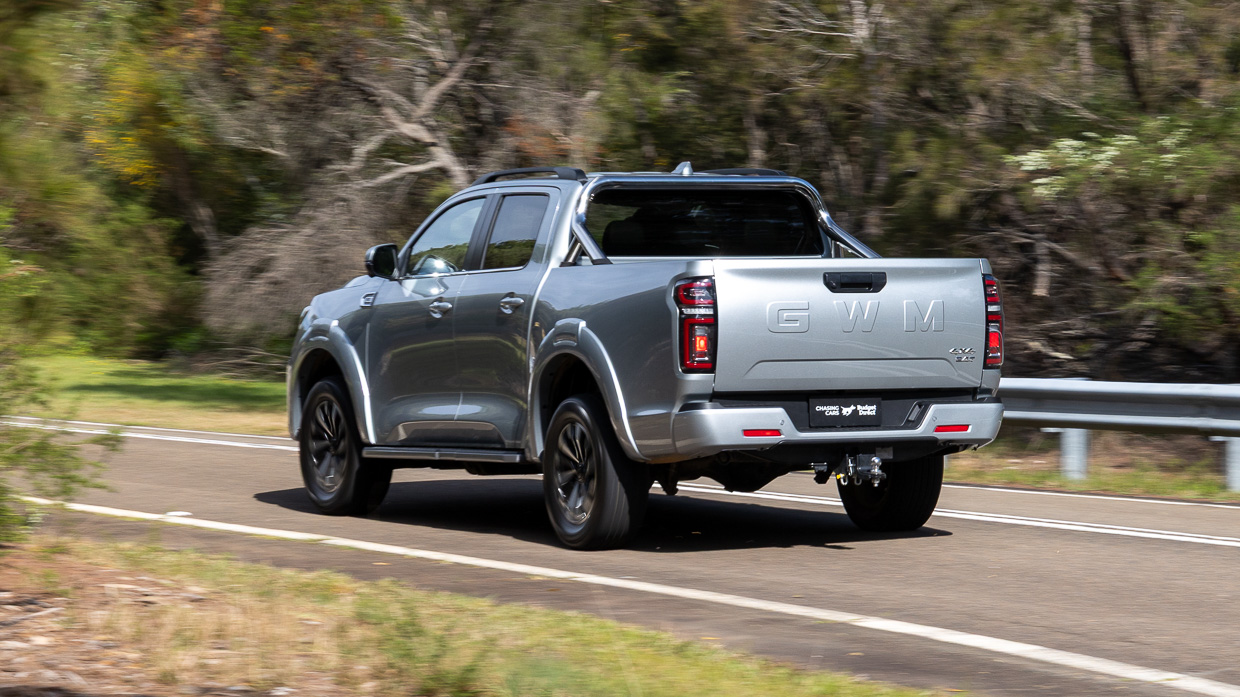
But, as a work vehicle that can go off-road, the Cannon ticks boxes. This is definitely a vehicle that makes more sense for fleet and trade use over personal use. I dare say you wouldn’t hear many complaints from apprentices parked in the backseats.
Part three detailing the entire three-month driving experience of the GWM Cannon Ultra is coming very soon. With one main question that needs to be answered: can I recommend this vehicle to friends and family as it currently drives?
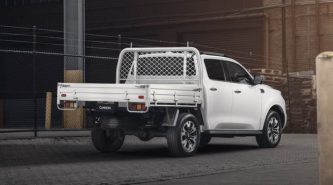
The Cannon is GWM’s entry point to the ute range and now comes in single-cab chassis guise, though the bulk of the line-up is dual-cab pick-up as at launch.
It now comes with a 2.4L turbo-diesel power plant producing 135kW and 480Nm driving all four wheels via GWM’s nine-speed automatic transmission.
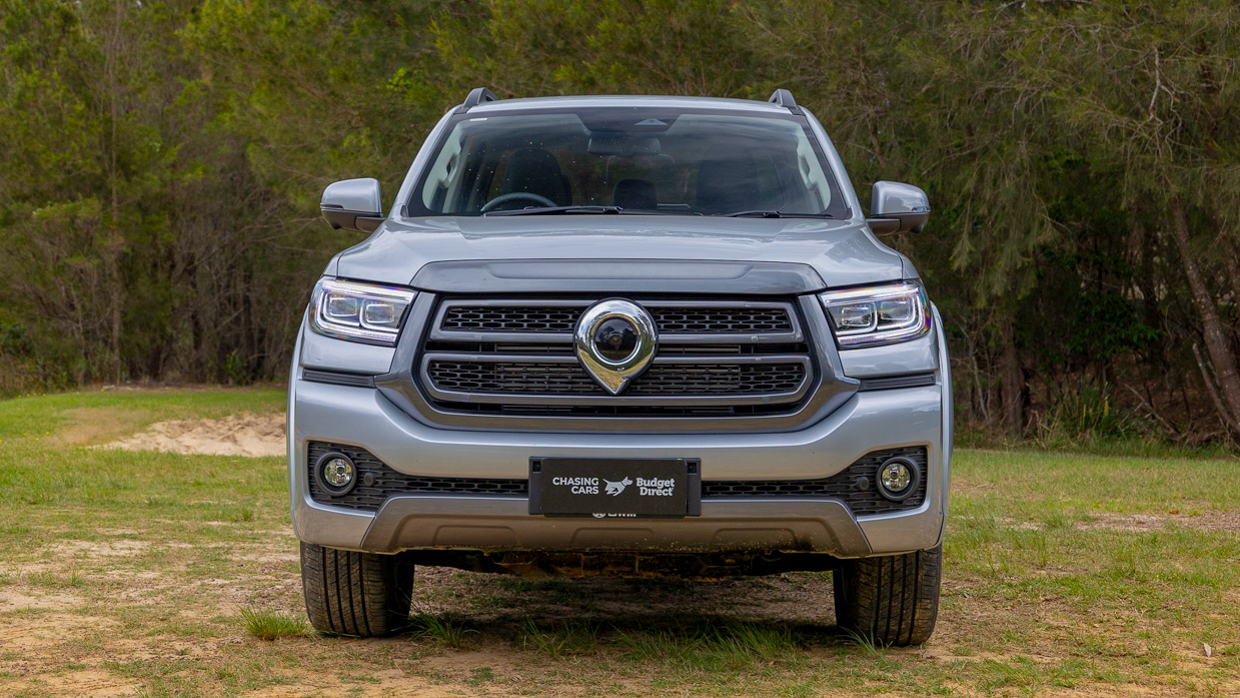
There are five variants of Cannon on offer, with further choice in the larger, more expensive Cannon Alpha we’ll take a look at next.
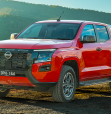
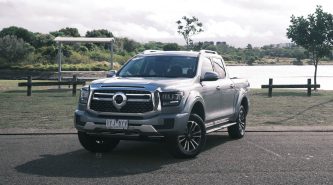
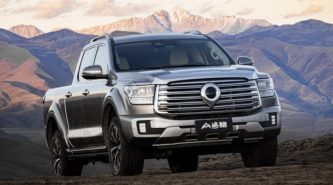
This Cannon Ultra costs $42,490, driveaway, for ABN holders. White is the only free-of-charge paint colour and the pictured Pittsburgh Silver paint adds $595.

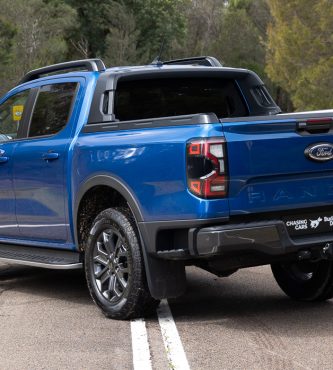
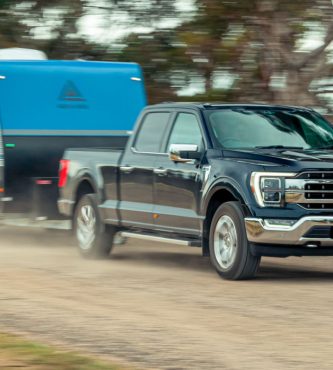
This makes it one of the most affordable four-wheel drive dual-cab utes on the market. Competing alongside the JAC T9 which costs $46,386, the LDV T60 Max Pro at $36,990 (ABN holders) and the KGM Musso starting at $42,500.
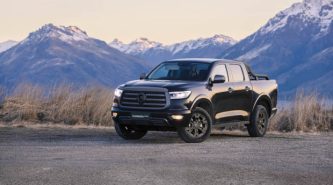
The Ultra we are in sits in the middle of the range, with Premium and Lux below plus special versions including the blacked-out Vanta and off-road focused XSR above.
Standard feature highlights of the Ultra include:
We’ll be hanging onto the GWM Cannon Ultra keys for three months, and aiming to cover 5000km commuting from the Blue Mountains to Sydney, as well as testing off-road and on rural roads.
Then it’s back into another GWM, though the larger Cannon Alpha with its fresher petrol-electric plug-in hybrid powertrain.
The ‘little’ 2.4L turbo diesel (I guess that’s not so little these days) is rated to drink diesel at 8.4L/100km. So far, I’ve been able to better than figure, returning an average of 8.1L/100km.
This is an encouraging figure as, while not class leading (the Triton’s twin-turbo is very efficient) it’s still a frugal ute. With the 78-litre fuel tank, the Cannon should theoretically be able to travel nearly 1000km between fill-ups.
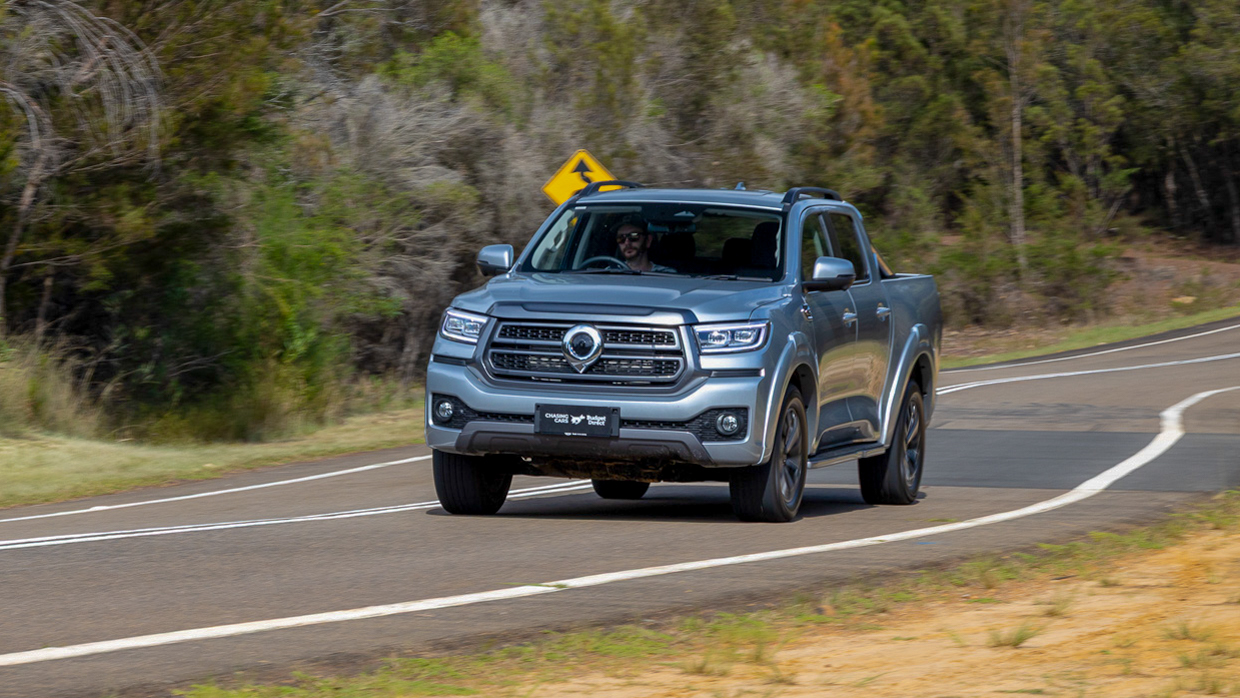
For context, the 4×4 aftermarket industry does have long-range fuel tanks available, which offer increased fuel capacity. A cursory glance found options ranging in capacity from 120L–140L — a significant increase for long-distance tourers.
The GWM Cannon Ultra is covered by a seven-year unlimited kilometre warranty. Five-year roadside assist is also included as part of the purchase package. Capped-priced servicing costs $2530 for the first five years.
The interior is pretty plush and there’s lots of technology — certainly for the price. Compared to something like a basic Nissan Navara SL this thing feels like a spaceship inside… for better and worse.
My main gripes so far have come from how the Cannon drives, in three years since our last long-term GWM ute it doesn’t seem like the brand has made leaps and bounds in the suspension department.
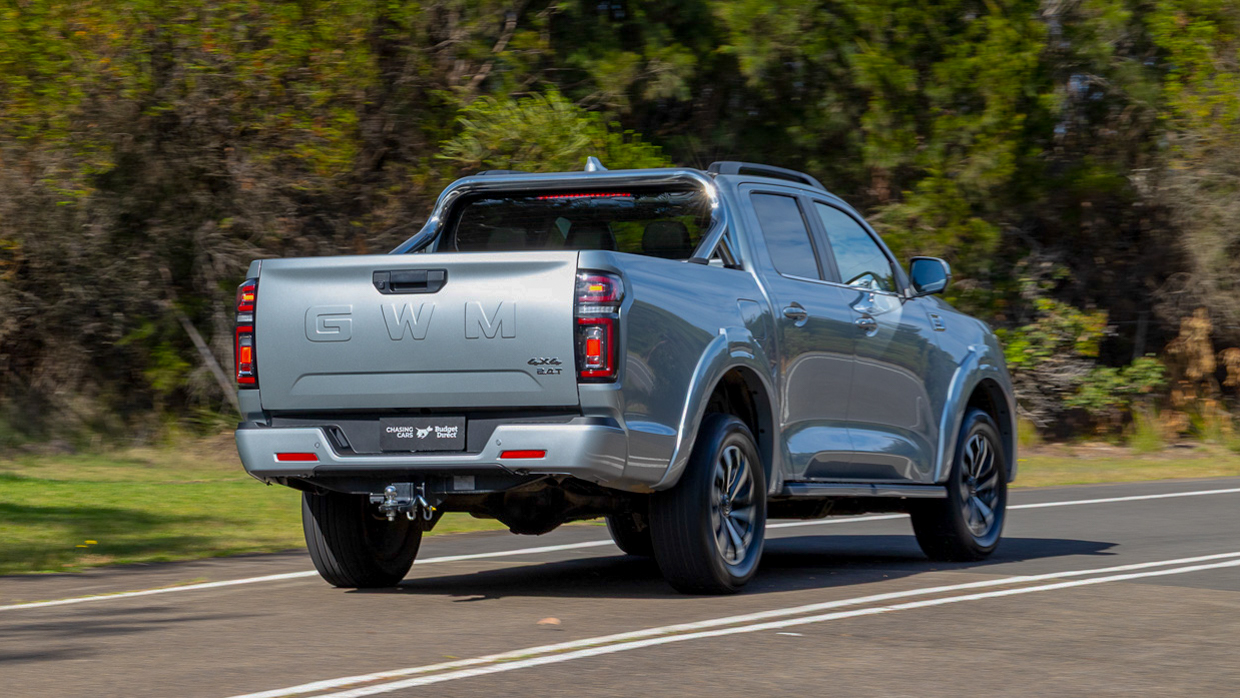
Not only is the GWM too soft in suspension, it lacks travel, too, and this is just when driving on Sydney roads. The standard tyres aren’t great either. Tellingly, GWM has recently employed suspension whiz Rob Trubiani to overhaul its local range’s ride and handling.
After some more kilometres next month, we’ll take a deep dive into what exactly could do with improvement, and how that might shake out in aftermarket parts.
Key specs (as tested)
About Chasing cars
Chasing Cars reviews are 100% independent.
Because we are powered by Budget Direct Insurance, we don’t receive advertising or sales revenue from car manufacturers.
We’re truly independent – giving you Australia’s best car reviews.
The estimate provided does not take into account your personal circumstances but is intended to give a general indication of the cost of insurance, in order to obtain a complete quote, please visit www.budgetdirect.com.au. Estimate includes 15%^ online discount.
^Conditions Apply
Budget Direct Insurance arranged by Auto & General Services Pty Ltd ACN 003 617 909(AGS) AFSL 241 411, for and on behalf of the insurer, Auto & General Insurance Company Limited(ABN 42 111 586 353, AFSL 285 571).Because we don’t know your financial needs, we can’t advise you if this insurance will suit you. You should consider your needs and the Product Disclosure Statement before making a decision to buy insurance. Terms and conditions apply.
Indicative quote based on assumptions including postcode , 40 year old male with no offences, licence suspensions or claims in the last 5 years, a NCD Rating 1 and no younger drivers listed. White car, driven up to 10,000kms a year, unfinanced, with no modifications, factory options and/or non-standard accessories, private use only and garaged at night.
^Online Discounts Terms & Conditions
1. Discounts apply to the premium paid for a new Budget Direct Gold Comprehensive Car Insurance, Third Party Property Only or Third Party Property, Fire & Theft Insurance policy initiated online on or after 29 March 2017. Discounts do not apply to optional Roadside Assistance.
2. Discounts do not apply to any renewal offer of insurance.
3. Discounts only apply to the insurance portion of the premium. Discounts are applied before government charges, taxes, levies and fees, including instalment processing fees (as applicable). The full extent of discounts may therefore be impacted.
4. We reserve the right to change the offer without notice.