Powered by

-
Car Reviews
Latest reviews
-
Car News
Latest news
-
Car Comparisons
Latest comparisons
- Chasing Deals
Latest reviews
Latest news
Latest comparisons
Toyota’s compact hybrid crossover remains a popular choice six years on, but it’s starting to feel its age in driveability, tech and execution
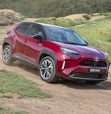
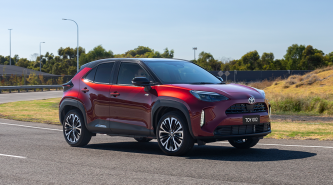
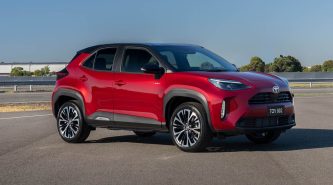
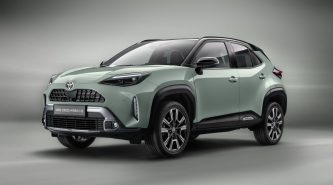
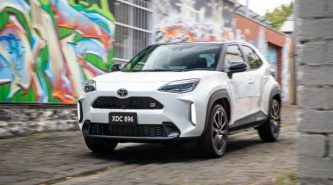
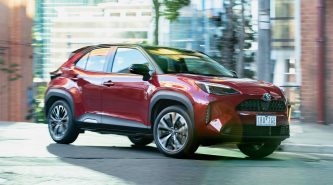
Toyota Australia appears to be on an increasingly good footing with its compact Yaris Cross crossover, launched back in 2020 in tandem with its hatch twin, the Yaris. The SUV-alike now outsells its lesser-loved stablemate three-to-one and, with supply now seemingly less restricted, sales were up 25 percent in 2025 over the year prior.
As the second-biggest seller (10,928 units) in its class behind Mazda CX-3 (15,429), the Yaris Cross appears to be following the popularity wheeltracks of sales juggernaut RAV4: advancing age seems to not wither popularity with buyers.
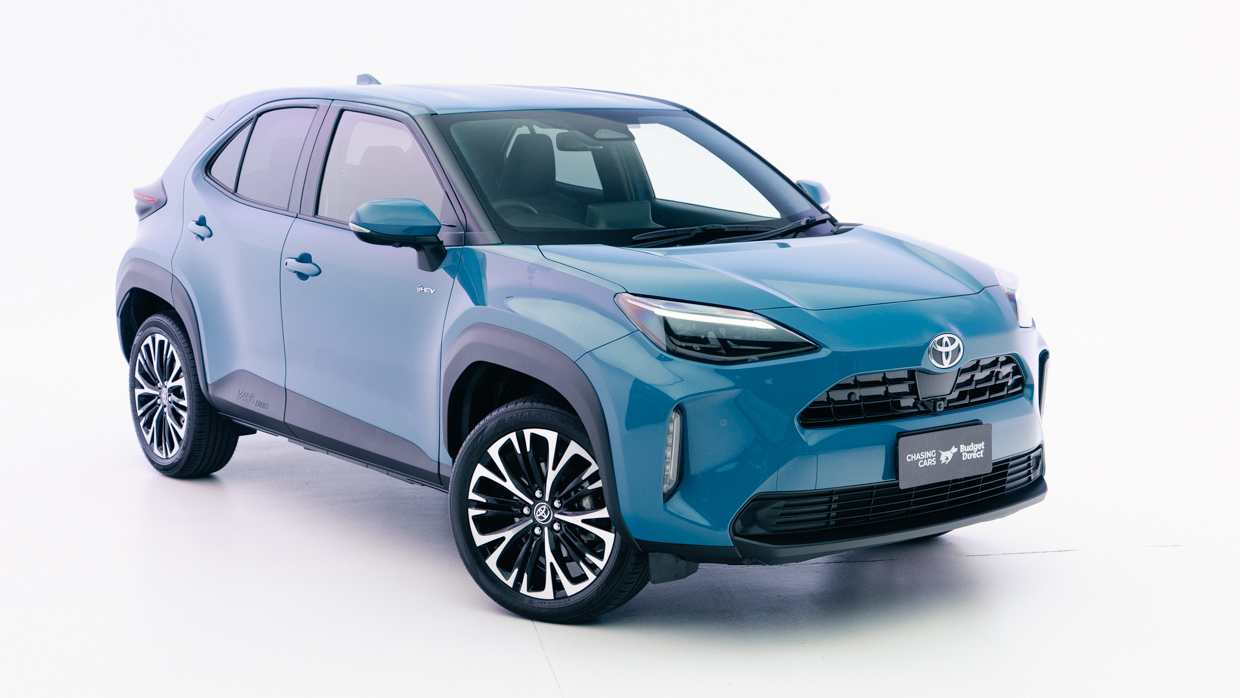
But six years is a long time in motoring – of its dozen or so segment rivals, most are either newer-comers or significantly revised models. However, only the Yaris is hybrid-only with the lineup breadth to off both front- and all-wheel drive to taste and budget.
Unsurprisingly, the Yaris Cross shares its 85kW three-cylinder hybrid powertrain and TNGA-B architecture DNA with the Yaris hatchback, but the Cross’s larger, roomier and more adventurous design. With its jacked-up stance, AWD option and generally richer features specification, it’s easy to see why buyers shun the Yaris hatch in favour of its crossover twin.
This is especially when, from $31,790 list for the entry Yaris Cross GX front-driver, it’s not that much pricier than the cheapest way into Toyota ownership (Yaris GX, at $28,990).
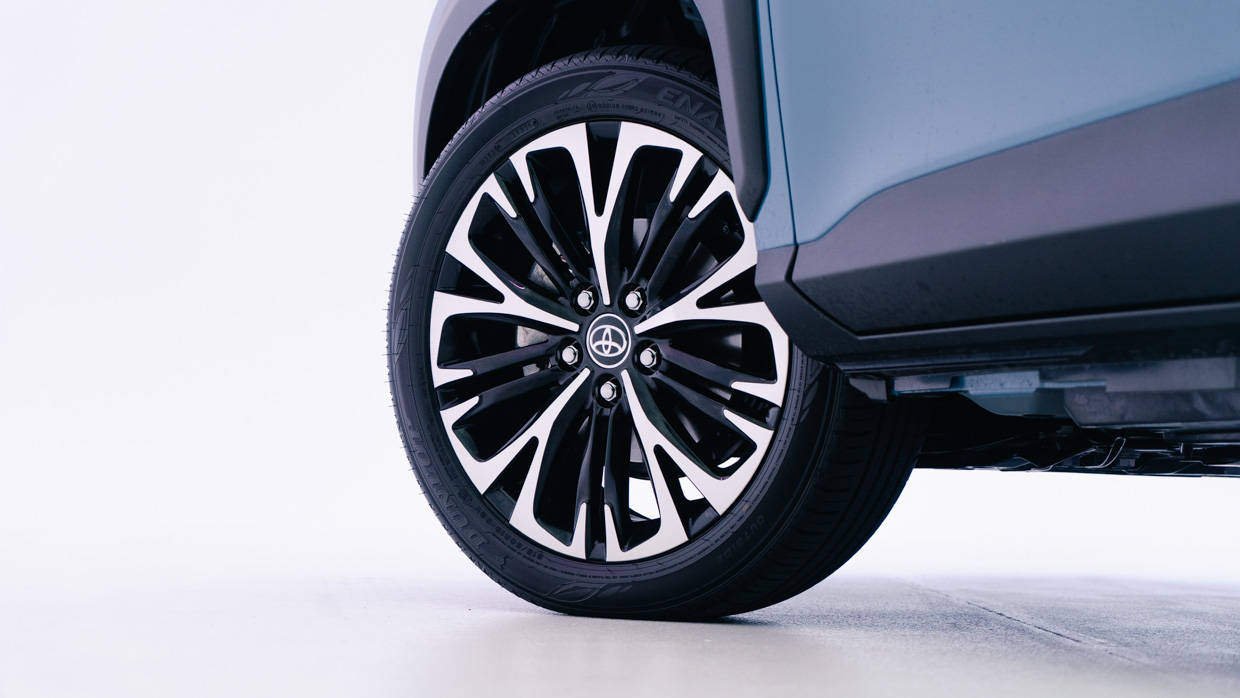
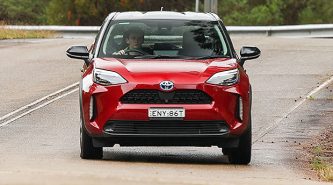
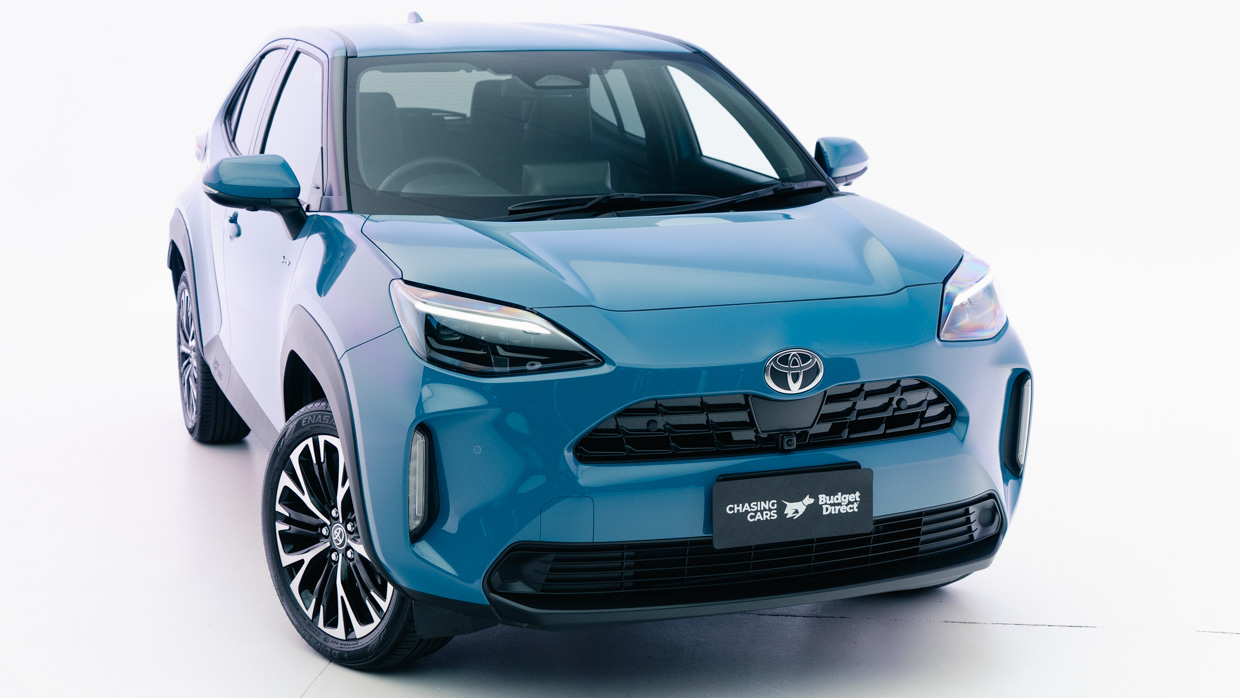
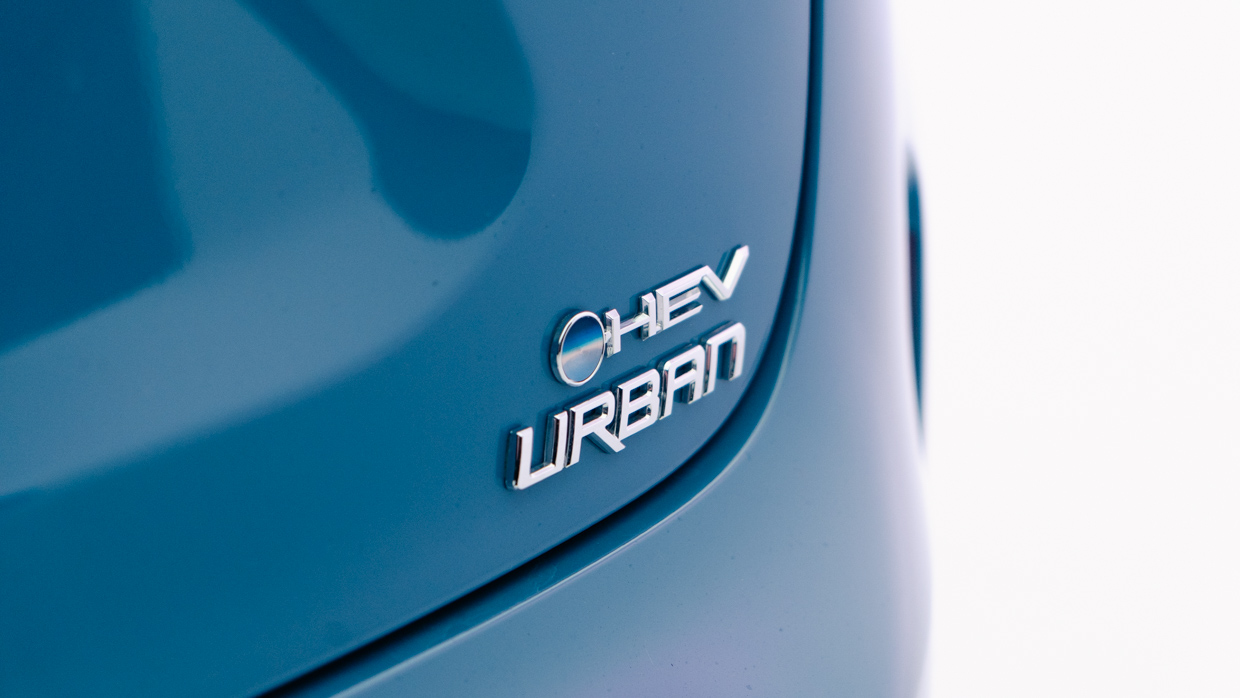
Our Urban FWD test subject, at $36,930 before on-roads (around $41,703 driveaway with premium Mineral Blue paintwork) is just $2400 more than the flagship Yaris ZR, yet adds niceties such as electric driver’s seat, power tailgate, 18-inch wheels, rear disc brakes, a centre armrest and other features (strangely) left off the hatchback variant’s menu.
Still, the dominance of the petrol-only CX-3 in segment strongly suggests that hybridisation isn’t the main dealmaker in compact crossover land, and signs are that Toyota has been happy to plug along with ageing powertrain tech and, instead, focus on lifecycle updates elsewhere.
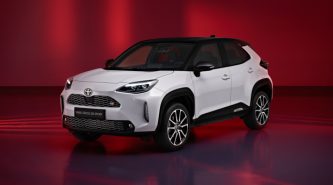
A front-drive-only GR Sport (from $36,990 list) joined the fray in 2022, while the AWD option (a $3000 upcharge, for all other grades) and an updated 8.0-inch media system throughout with wireless Apple CarPlay and Android Auto, plus select safety upgrades, migrated throughout the lineup in 2024.
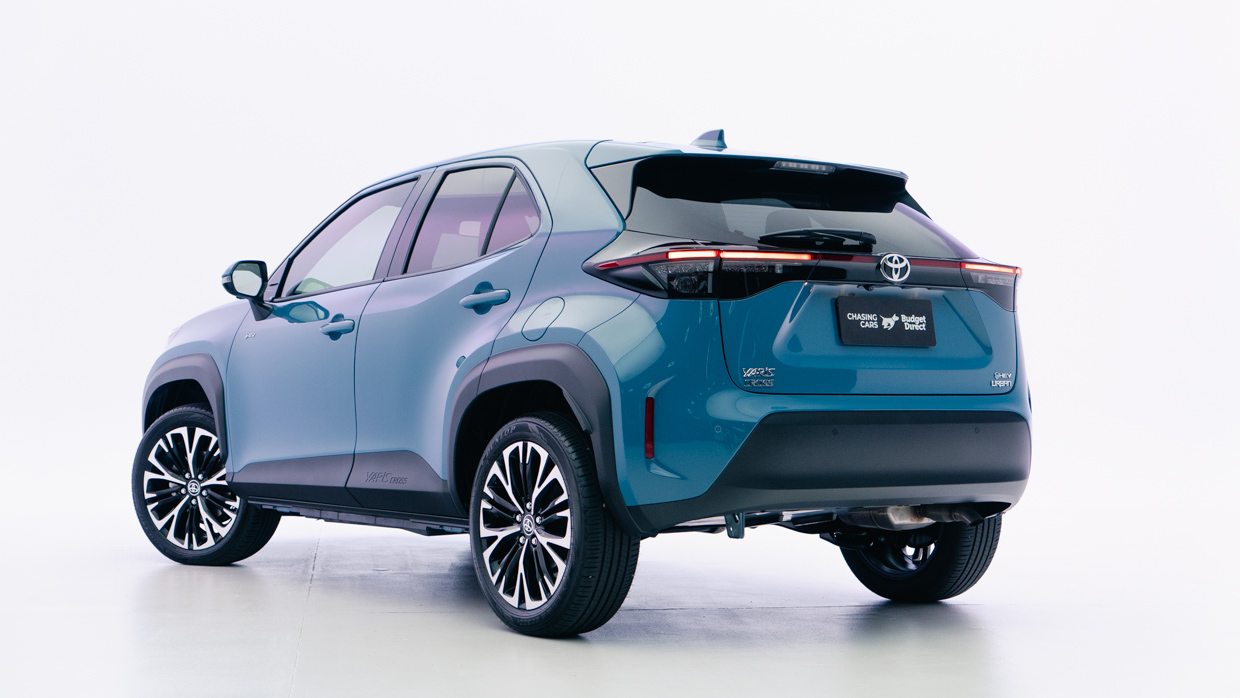
So the question is how well the holistic package – and the half-decade stuff under the skin – stacks up under critical review, whether or not the nicest version Yaris Cross stacks up well on the showroom floor.
First things first: do you need the $3K AWD version? For Urbanites, really, no. But for regional buyers who habitually tackle broken and slippery surfaces – or keen snow-goers – all-wheel traction ought to reap dividends sooner or later.
But off-roading in any meaningful sense? No. Despite the largely cosmetic added ride height clearance, the Yaris Cross is not engineered nor specified (those wheels) to venture too far off the beaten path. Nor does the AWD fit a spare wheel (like the front-driver does).
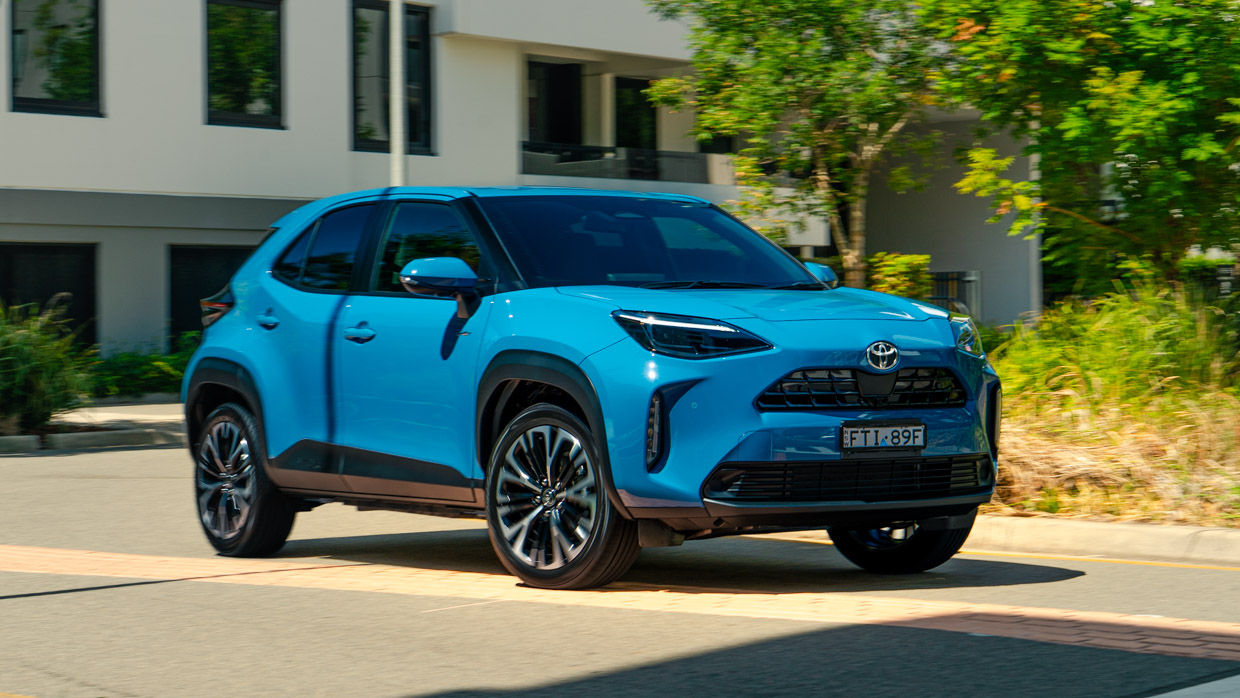
As a funky Urban-by-name, urban-by-nature runabout, the bum-dragging Yaris Cross is generally decent, if underperforming in a few key areas.
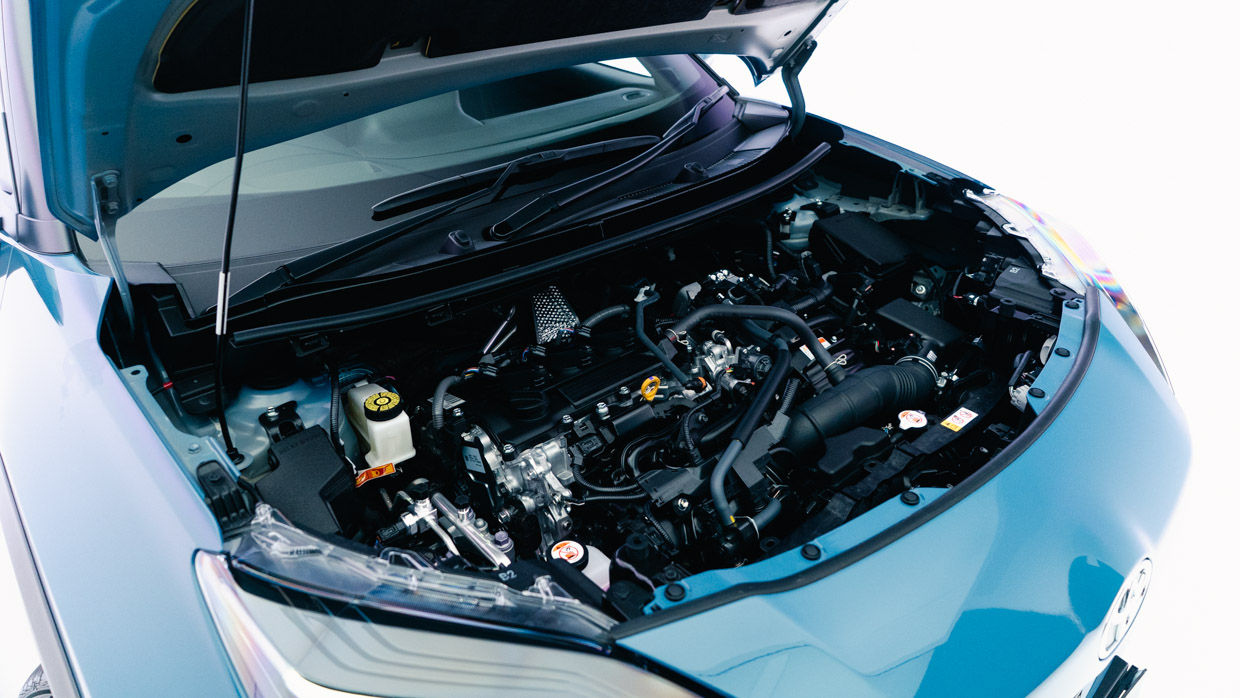
Shortcoming number one is the powertrain. Give it the berries and the Yaris Cross is swift enough to make for a playful and engaging inner-city carver. But it could really be much better, particularly in calibration and especially when it comes to refinement.
The three-pot engine (85kW/120Nm) is gruff and vocal, and almost agricultural under heavy load.
The electric assistance (around 141Nm peak) helps putty over the cracks, but our test car was a) nowhere near as polite as our recently tested Yaris ZR fitting the same engine and b) no more refined than a diesel Hilux also passing through the Chasing Cars garage at the time.
Loaded three-up, our Yaris Cross felt pained at times tasked with slightly enthusiastic progress. Further, it exhibited the same nipping and nudging – seemingly a symptom of the petrol-electric drive swap-over – on a constant throttle on a motorway.
Consumption? Its 4.4L/100km average around town isn’t as rosy as the form guide suggests (3.3L urban, 3.8L combined, 4.2L highway), in something of a repeat trend that we also found with the Yaris hatch…
Another common Yaris/Yaris Cross trait is for the common (strut front, torsion beam rear) front-drive chassis to wander uncomfortably in its lane on a highway, specifically the longitudinally graded surface through Sydney’s tunnel system.
And this despite the crossover’s slightly (10mm) longer (2560mm) wheelbase and broader, low-profile tyres.
Not that handling is fundamentally bad. Rather, the surly rubber drums up excellent dry grip and, together with a sorted front end, the Yaris Cross handles corners attacked with moderate vigour impressively well.
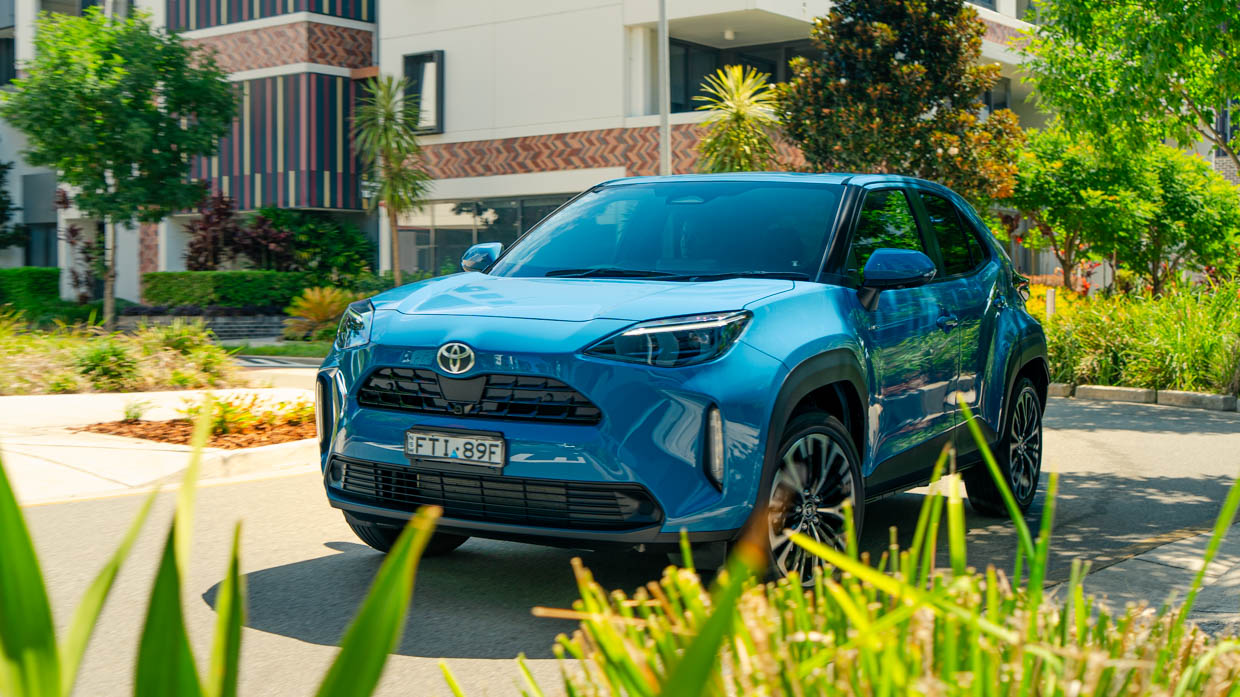
Part of that is the suspension tune, which is noticeably firmer than that of a Yaris ZR (which we sampled back to back). The crossover is about as dynamically frisky as you’d expect it to be. But the tradeoff is in ride, which is more punishing and jiggly than it ought to be, at least for its primary urban runabout mandate.
Could AWD improve upon the front-driver’s ride and handling manners? Perhaps. The all-paw system can shuffle up to 60 percent of drive to the rear axle, and its two-link double wishbone rear-end – more sophisticated than the FWD’s torsion beam – might yield dividends. But the jury is out…
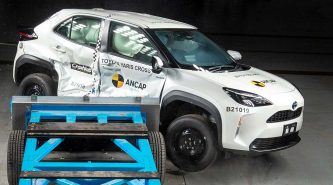
From eight airbags to rear parking brake support (GXL up), Yaris Cross isn’t lacking for safety features. Safety appears sound in the calibrations of its various systems and the compact Toyota proved annoyance-free during our week-long assessment.
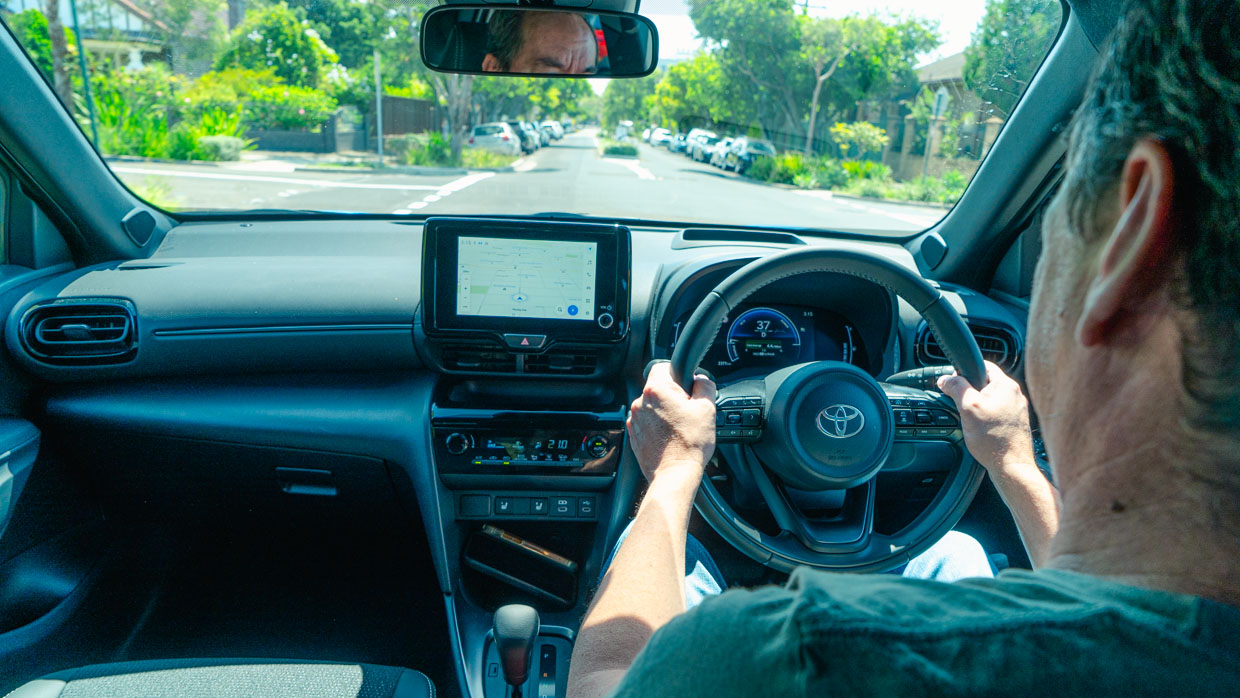
It’s fair to expect the flagship Urban spec might brim with interior features, though the cabin fitout is largely workmanlike bar a few exceptions, notably a colour head-up display and front seat heating.
But most of it is make-do. A recent (mid-2024) update modestly boosted tech, upsizing the media touchscreen from a lowly 7.0 inches to still modest 8.0 inches, bringing wireless Apple CarPlay and Android Auto but, questionably, no inductive charging…meaning you’ll probably plug in to charge anyway.
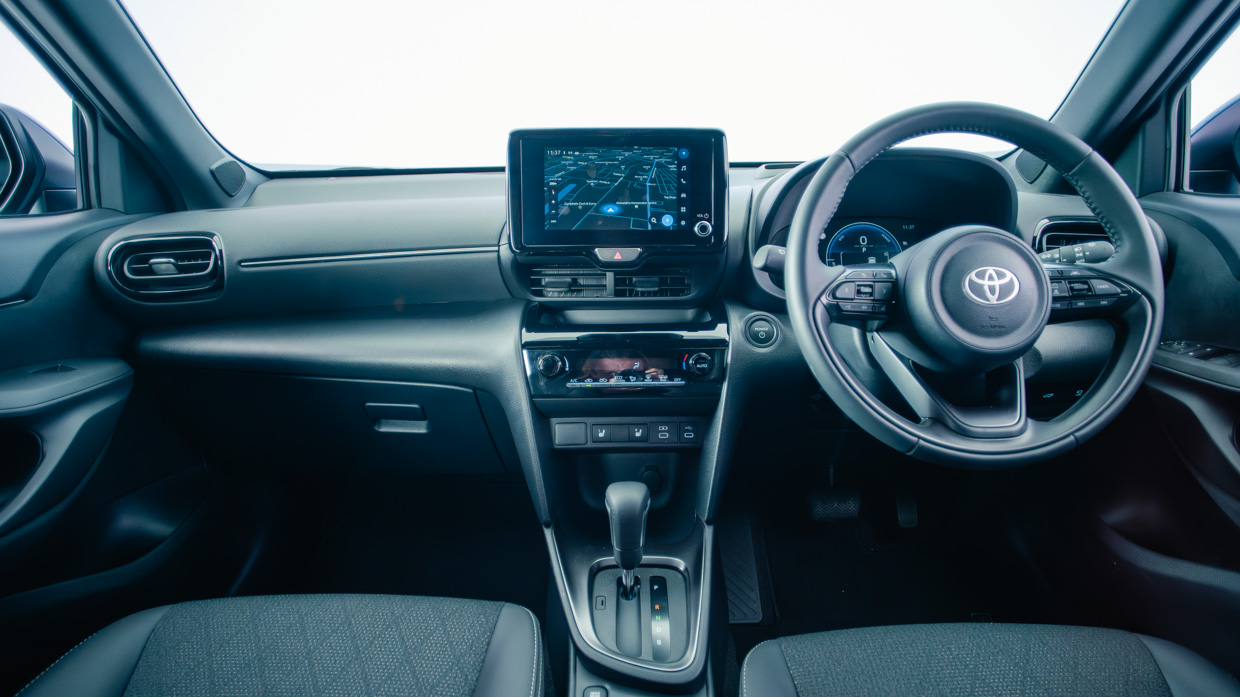
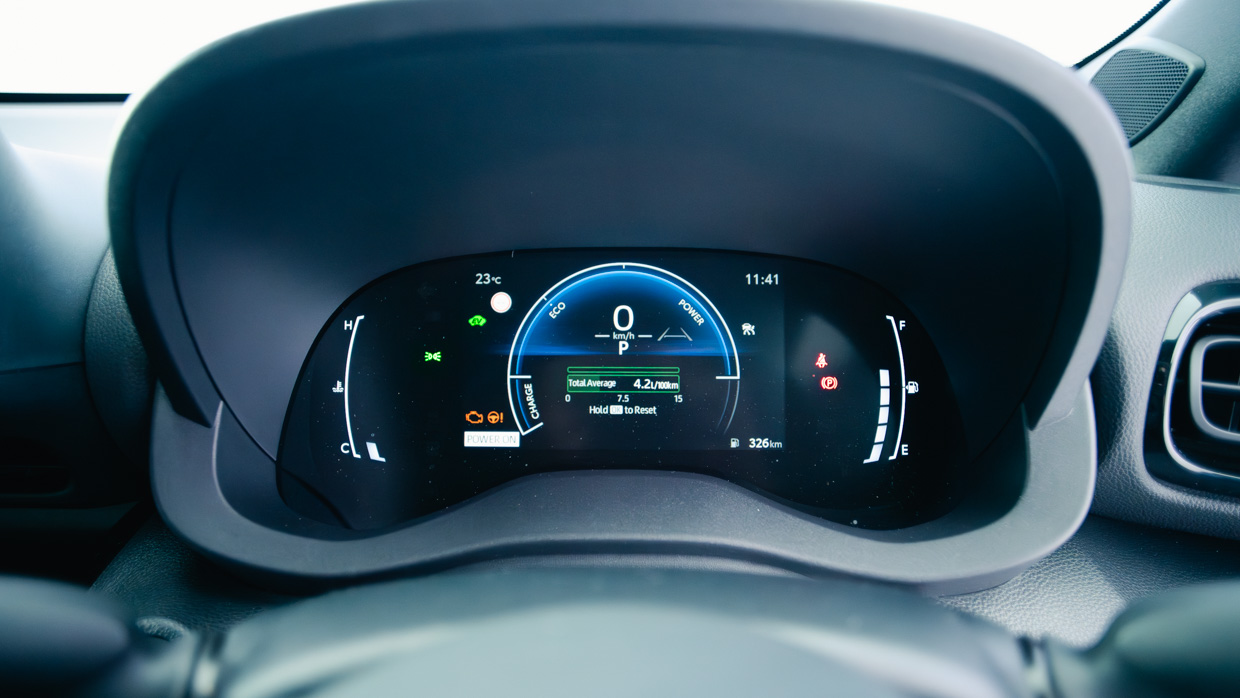
Proprietary satnav is a nice inclusion in high-grade variants and at least the petite 7.0-inch digital driver’s cluster brings a sense of occasion to a cabin that’s largely a dead-ringer for the Yaris hatchback in core design.
Lots of hard plastics (matched with visually identical soft dash top material) and rudimentary cloth trim don’t muster up much tree-topper celebration.
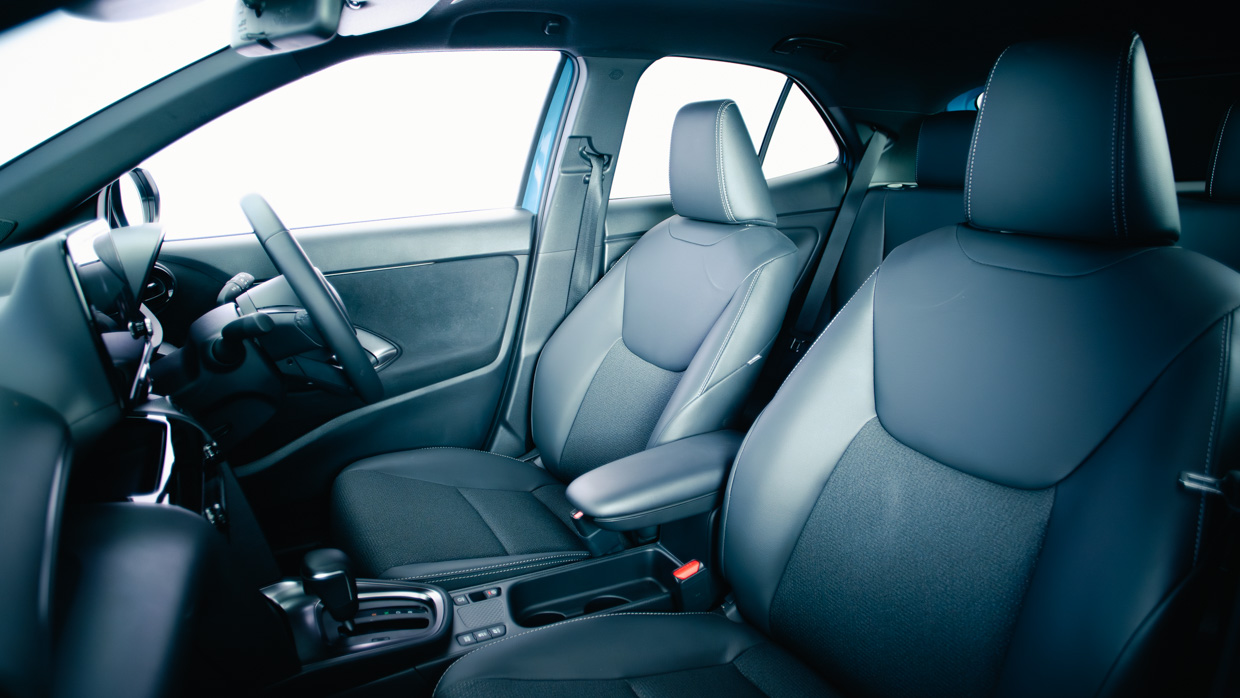
The front seats are ordinary, flat-backed to the point of long-haul discomfort and the electric driver adjustment that’s unusually noisy and clunky.
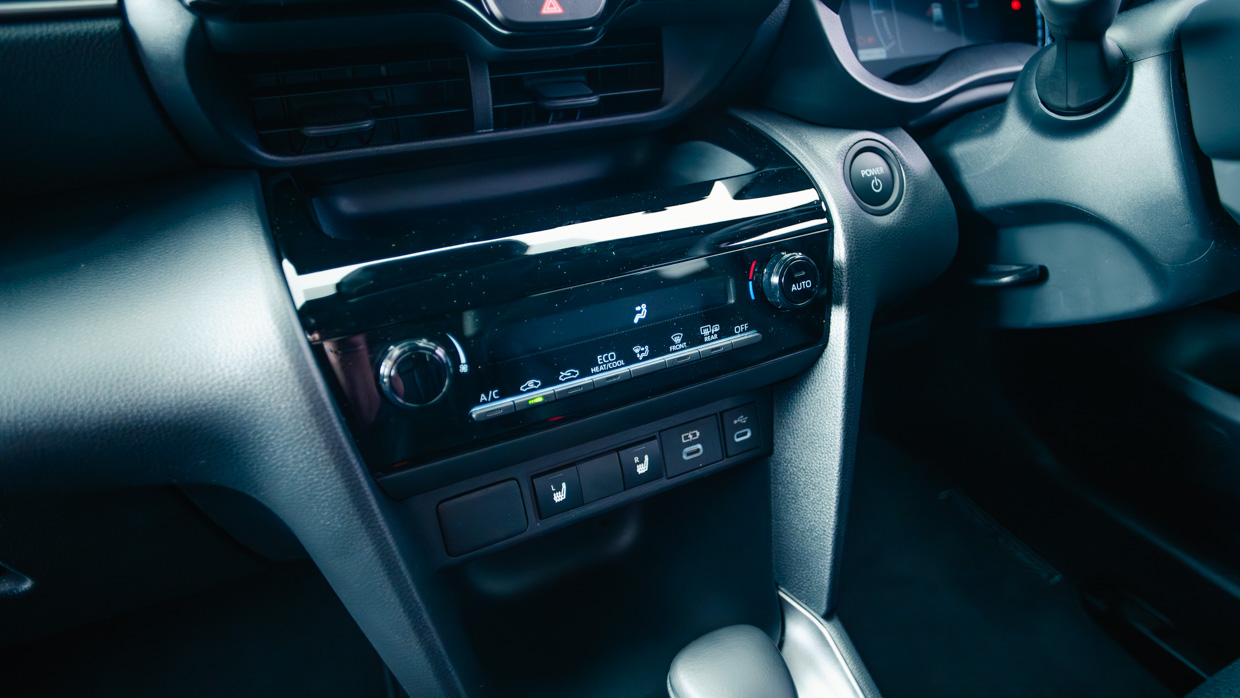
At least – unlike its Yaris twin – Toyota fits a centre armrest, frustratingly positioned above the cupholder. Storage is modest – most oddment gets stuffed into the hard plastic cubicle ahead of the transmission selector.
At least the design is straightforward and intuitive. The cabin feels reasonably roomy despite the dark and gloomy colour theme and outward visibility rather good. Higher Yaris Cross grades also add Nanoe X filtration to the climate control and a premium touch, though the air-con control panel itself appears plucked from 2006.
While this is good for front occupants, it’s immaterial for those in row two because there are no rear air vents. In fact, there really are no creature comforts for rear occupants, making its consideration as a functional SUV for small families questionable.
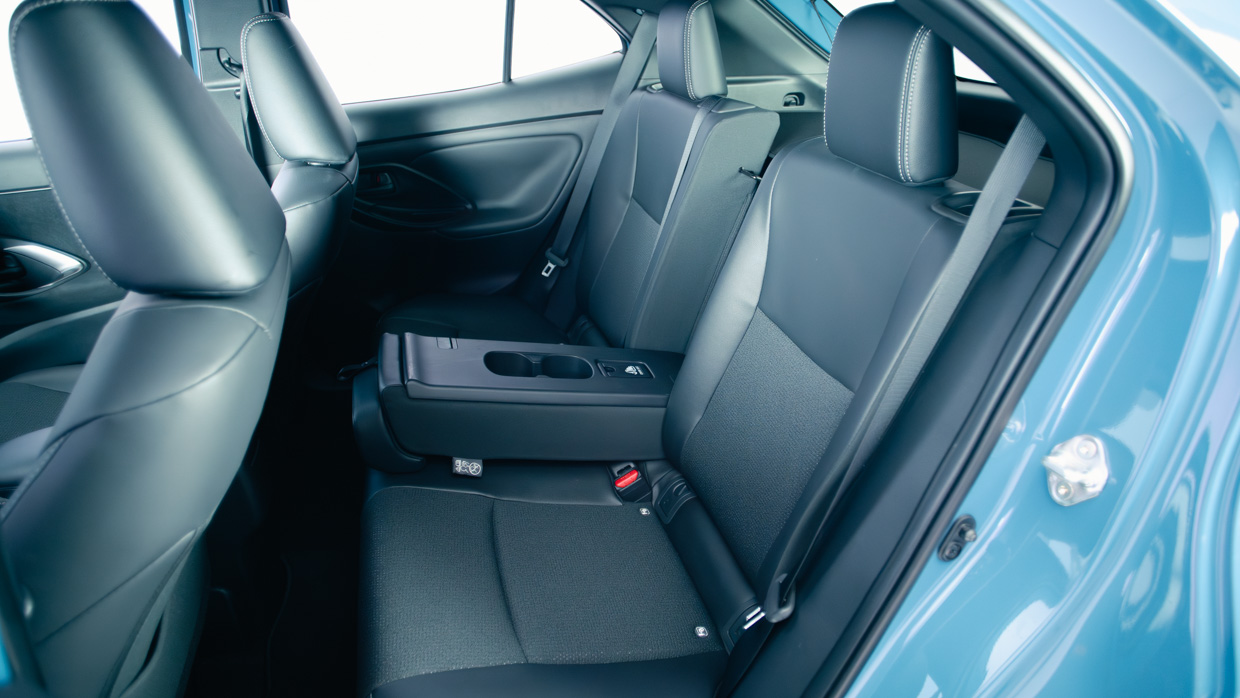
And given the wheelbase is just 10mm longer than the Yaris hatch, it’s no surprise that the crossover is realistically no roomier, bar an added sense of airiness given the taller glasshouse and ceiling.
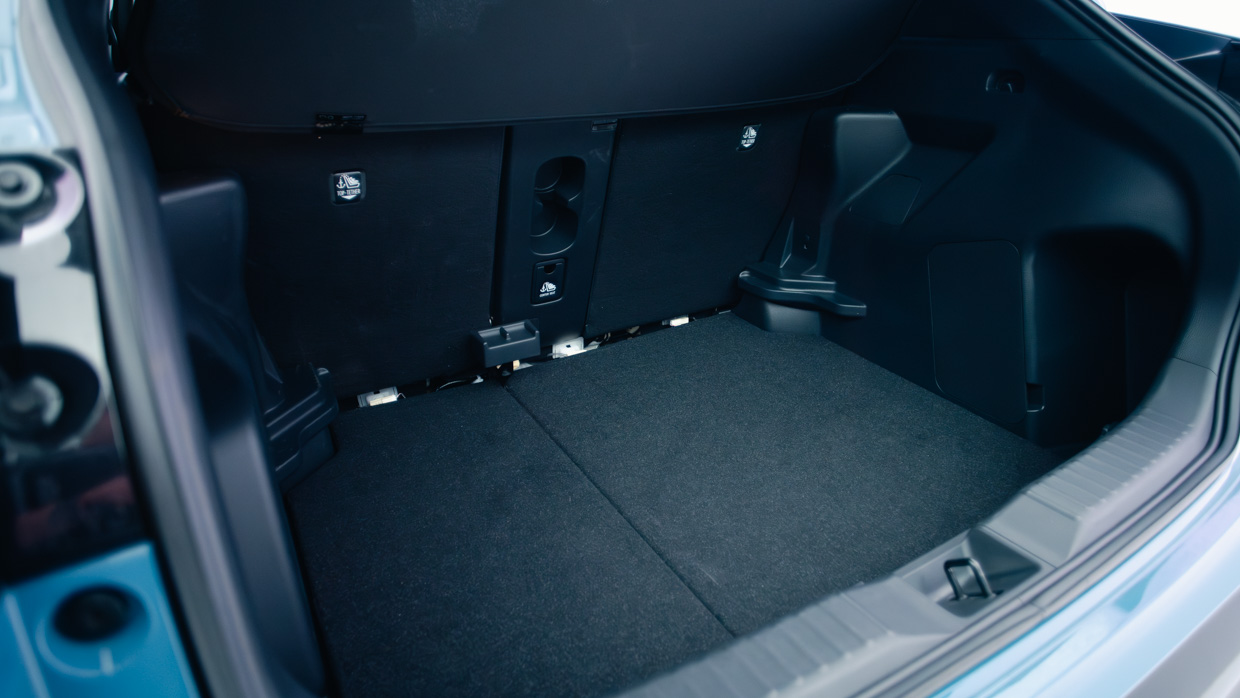
Boot space? It’s 390 litres for the front driver (complete with a fitted temporary spare wheel), though opting for the AWD version chops luggage space down to 314L (with a tyre repair kit).
Servicing for the hybrid Yaris is capped at $275 per 12-month/15,000-kilometre visit each interval for the first five years and 75,000kms. Warranty is five years of unlimited kilometre coverage.
Budget Direct told us the median annual premium purchased for the first time between 1/12/24 and 1/12/25 to comprehensively insure a new Toyota Yaris Cross was $1114. Individual circumstances and policy terms may vary.
Of course, everybody’s situation is different, and the premium will vary according to make and model, and other things insurers take into account, such as your postcode, driving history, who drives the car, where you garage the car and more.
Please quote for yourself. Subject to meeting underwriting criteria. Insurance issued by Auto & General Insurance Company Limited. See PDS & TMD at budgetdirect.com.au.
The Yaris Cross in flagship Urban trim charms with its stylish and funky design and city-friendly size. It offers decent performance, acceptable fuel economy and – unlike its Yaris hatch stablemate – doesn’t have holes in its features set you could drive a LandCruiser through.
Much of this is centric to its popularity with Aussie buyers. It’s also not outrageously priced and it’s backed by Toyota’s formidable branding clout, strong residuals and sensible servicing costs.
But there’s nothing outstanding or much that embraces much feel-good factor in the experience, and it doesn’t improve itself once you scratch below the surface.
The powertrain ought to be considerably more refined, nicer and less laboured. And the ride quality ought to be more compliant and it ought to be more planted on the open road. While there are no chronic issues per say, there’s sizeable room for improvement and polish.
It’s a similar story with the quality of its features and cabin tech – there’s not much wrong with it, but much of it is ad-hoc, conspicuously built to a cost, and in some areas behind the times. Fine for cut-priced motoring, not so great for a flagship from the mighty Toyota.
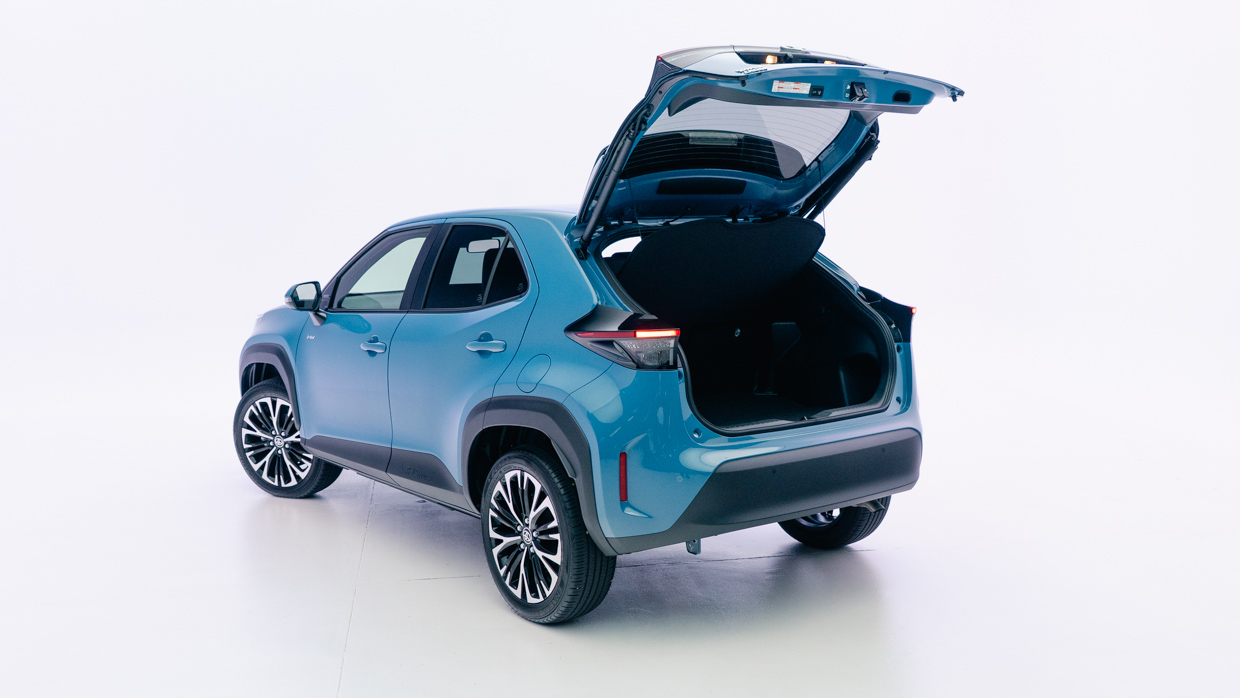
Nor is it all that practical – or any more practical than a hatchback – for a device categorised as an SUV in marketing. Or, at least, its plus-$40K ask buys smarter solutions if you’re after something more functional than merely a smart-looking urban crossover runabout.
Key specs (as tested)
About Chasing cars
Chasing Cars reviews are 100% independent.
Because we are powered by Budget Direct Insurance, we don’t receive advertising or sales revenue from car manufacturers.
We’re truly independent – giving you Australia’s best car reviews.
The estimate provided does not take into account your personal circumstances but is intended to give a general indication of the cost of insurance, in order to obtain a complete quote, please visit www.budgetdirect.com.au. Estimate includes 15%^ online discount.
^Conditions Apply
Budget Direct Insurance arranged by Auto & General Services Pty Ltd ACN 003 617 909(AGS) AFSL 241 411, for and on behalf of the insurer, Auto & General Insurance Company Limited(ABN 42 111 586 353, AFSL 285 571).Because we don’t know your financial needs, we can’t advise you if this insurance will suit you. You should consider your needs and the Product Disclosure Statement before making a decision to buy insurance. Terms and conditions apply.
Indicative quote based on assumptions including postcode , 40 year old male with no offences, licence suspensions or claims in the last 5 years, a NCD Rating 1 and no younger drivers listed. White car, driven up to 10,000kms a year, unfinanced, with no modifications, factory options and/or non-standard accessories, private use only and garaged at night.
^Online Discounts Terms & Conditions
1. Discounts apply to the premium paid for a new Budget Direct Gold Comprehensive Car Insurance, Third Party Property Only or Third Party Property, Fire & Theft Insurance policy initiated online on or after 29 March 2017. Discounts do not apply to optional Roadside Assistance.
2. Discounts do not apply to any renewal offer of insurance.
3. Discounts only apply to the insurance portion of the premium. Discounts are applied before government charges, taxes, levies and fees, including instalment processing fees (as applicable). The full extent of discounts may therefore be impacted.
4. We reserve the right to change the offer without notice.