Powered by

-
Car Reviews
Latest reviews
-
Car News
Latest news
-
Car Comparisons
Latest comparisons
- Chasing Deals
Latest reviews
Latest news
Latest comparisons

Ferrari’s user interface dumps excessive touch reliance thanks to iPhone designer lead
A new era is upon Ferrari.
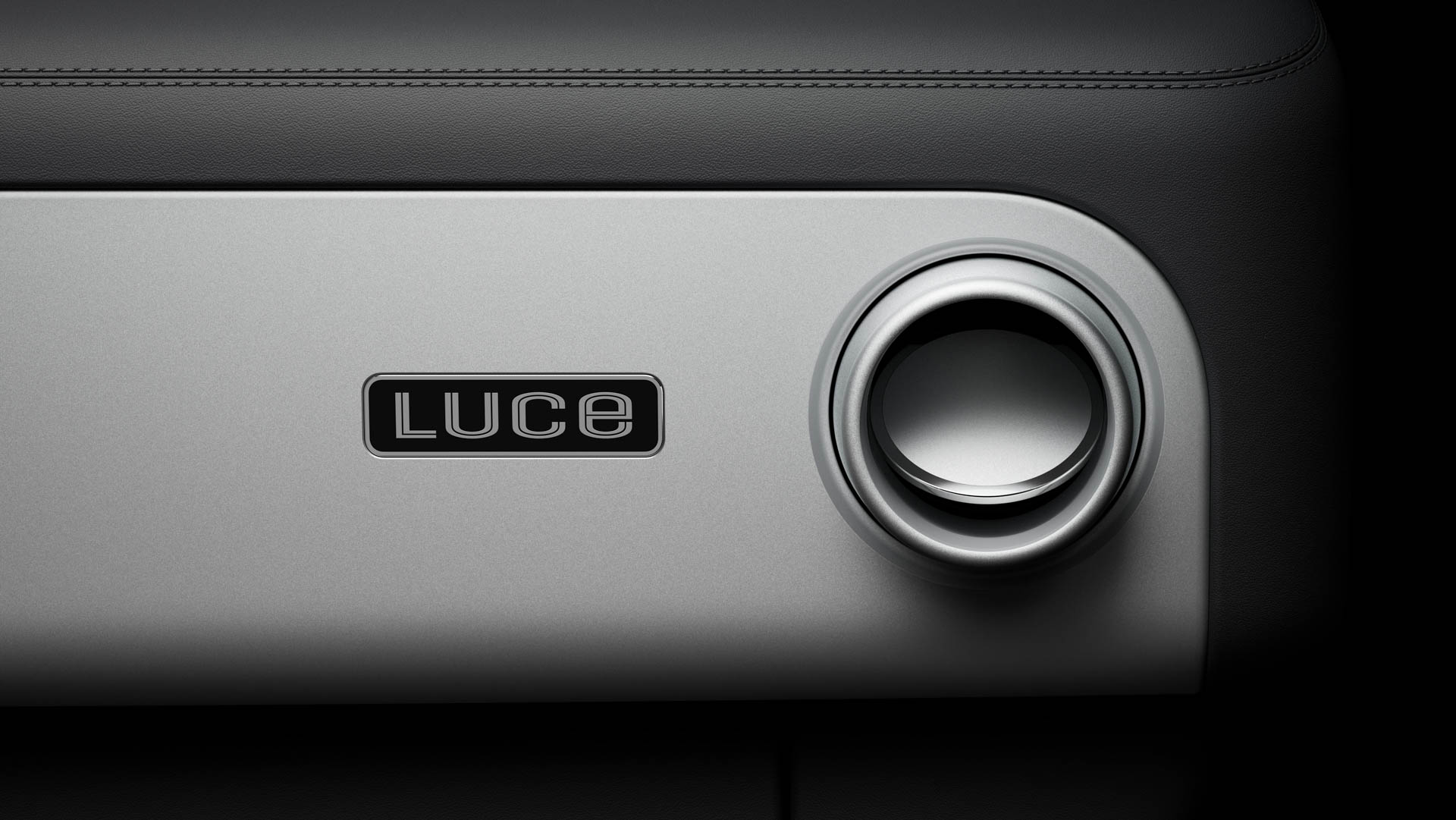
The Luce — previously known as the ‘Elettrica’ — is to be unveiled later this year as Ferrari’s first battery-electric car, but today we get a glimpse into its groundbreaking controls, which focus on physical, rather than touchscreen, interaction.
Led by Flavio Manzoni, Ferrari design teamed up with Sir Jony Ive and Marc Newson of Apple design fame for the Luce’s revolutionary cabin.
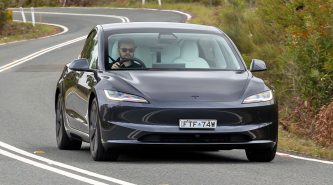
Not only is it a departure from Ferrari’s current touch-heavy interactions in the Purosangue and 12Cilindri, it’s also a clap back at EV-makers such as Tesla who rely so heavily on touchscreens.
Speaking to British publication Autocar, Ive discussed how touch-only in a car cabin is not the way forward “because it requires you to look” away.
“This idea that because the power source is electric the interface should be digital is nonsense… That makes no sense to me at all”, Ive told Autocar.
Pulling back to the fundamentals, the team identified two streams: input from the controls, and output from the displays. The goal was to declutter the cabin for a more user-friendly and special experience — the result is something quite beautiful.
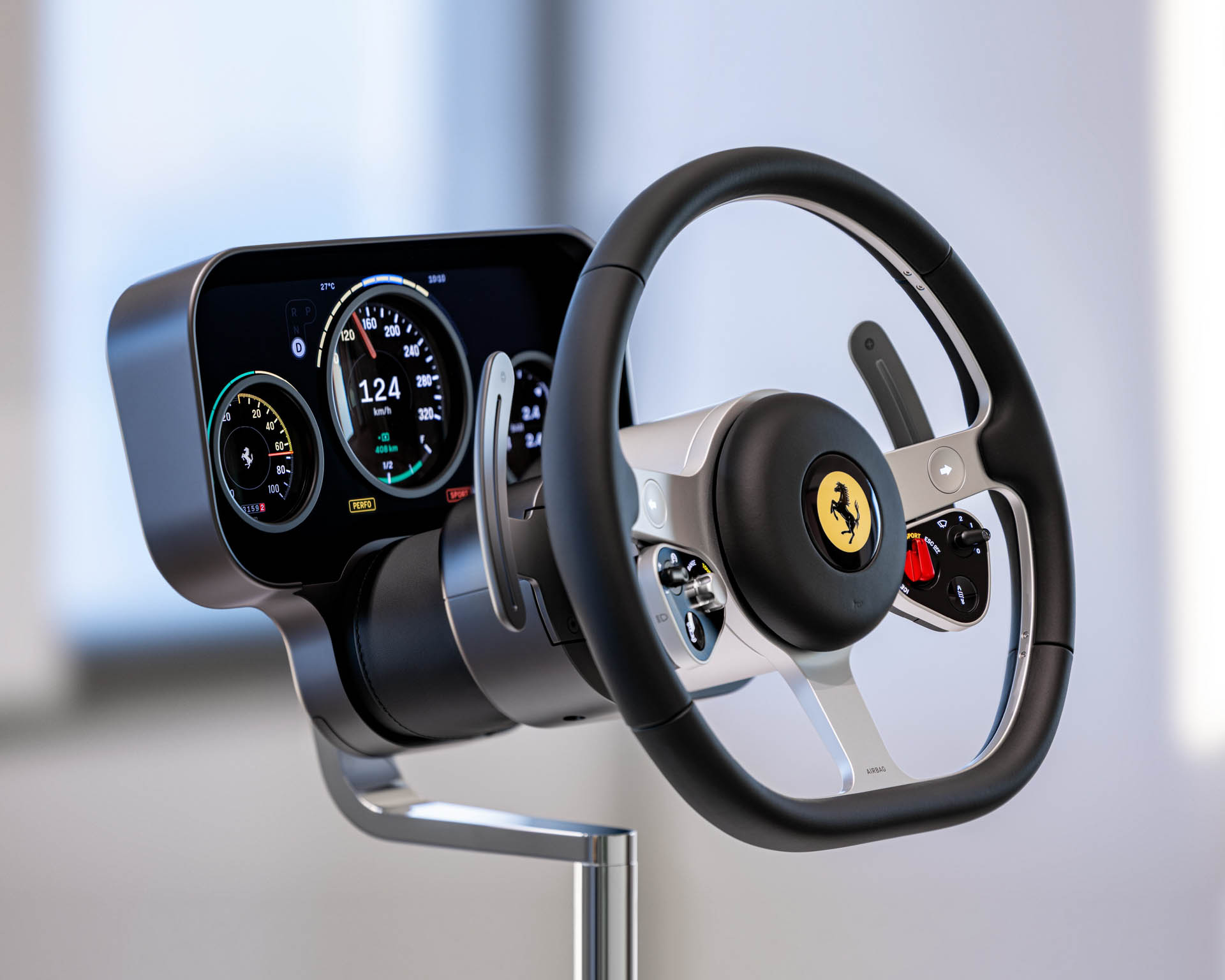
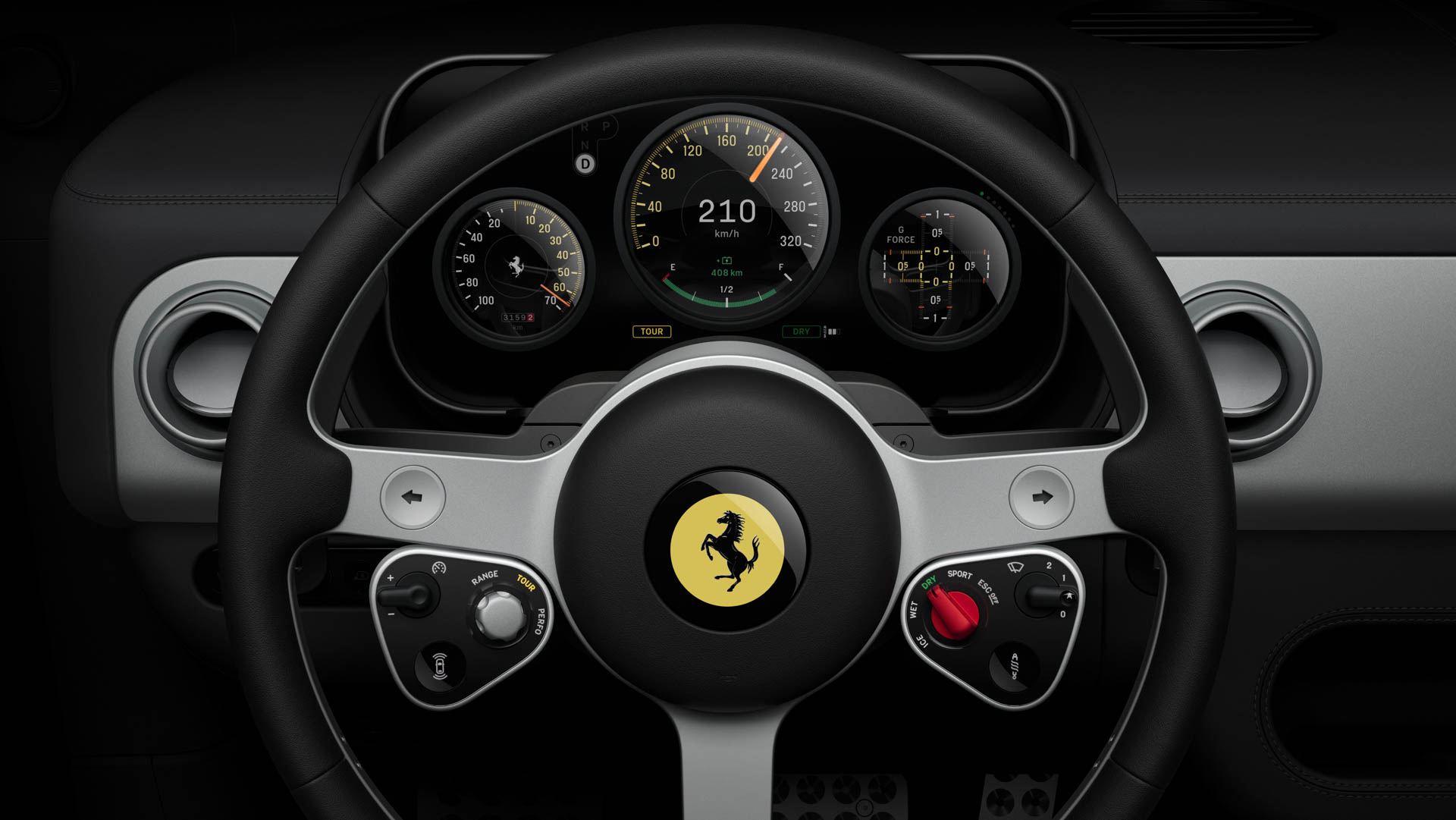
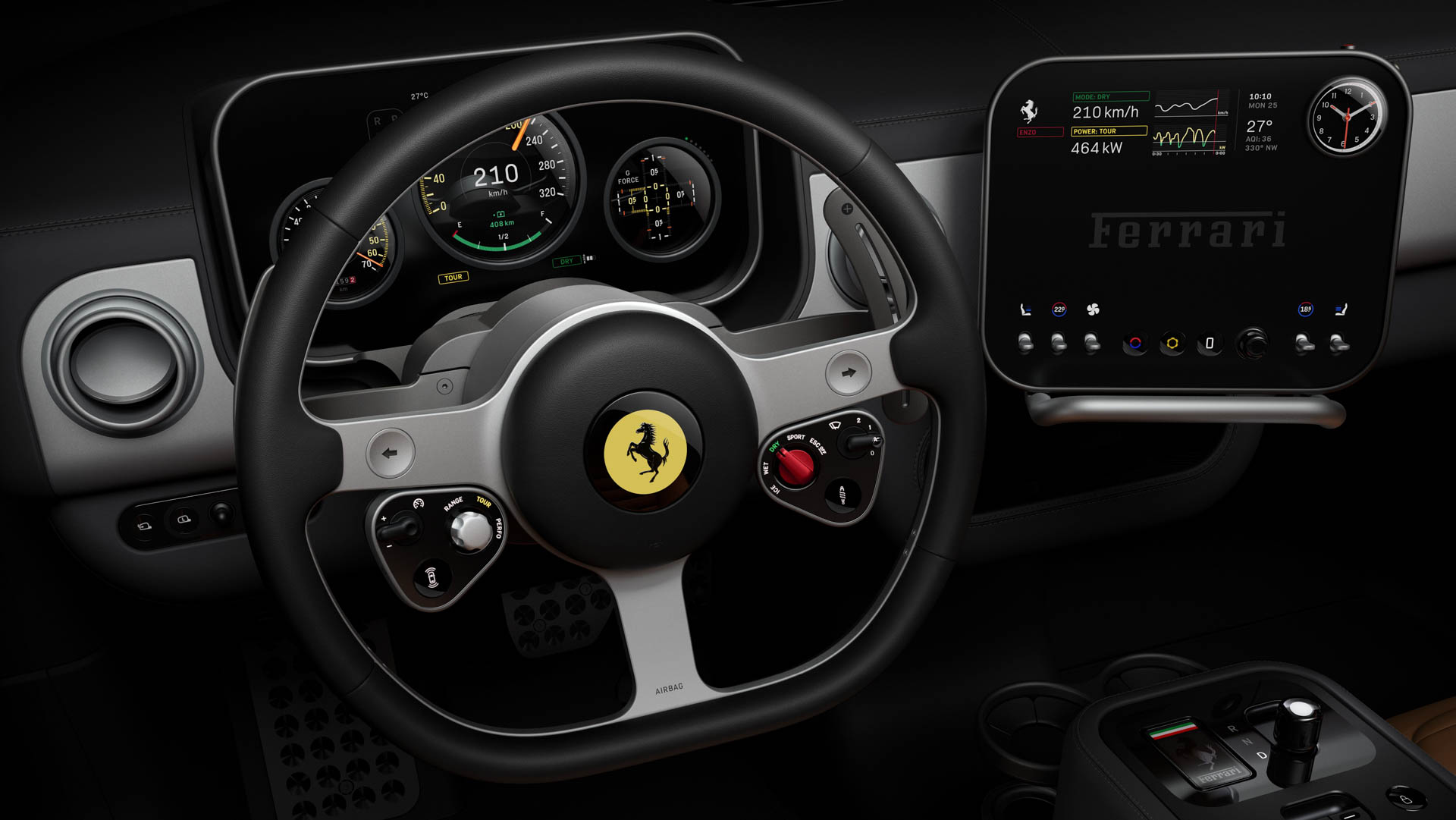
The Luce’s three-spoke, flat-bottom steering wheel appears almost unburdened with switches, partially thanks to its visually-light CNC-machined recycled aluminium construction.
Ferrari keeps indicators as buttons on the spokes, but the ‘e-manettino’ switches are housed in separate modules almost aftermarket in their integration. These control islands feature aluminium-turned dials for settings including power level, drive modes, and more.
There are long paddles anchored behind the wheel of the all-electric Luce. It isn’t clear what their function is yet, but we’re told they can manage torque — presumably in acceleration and deceleration.
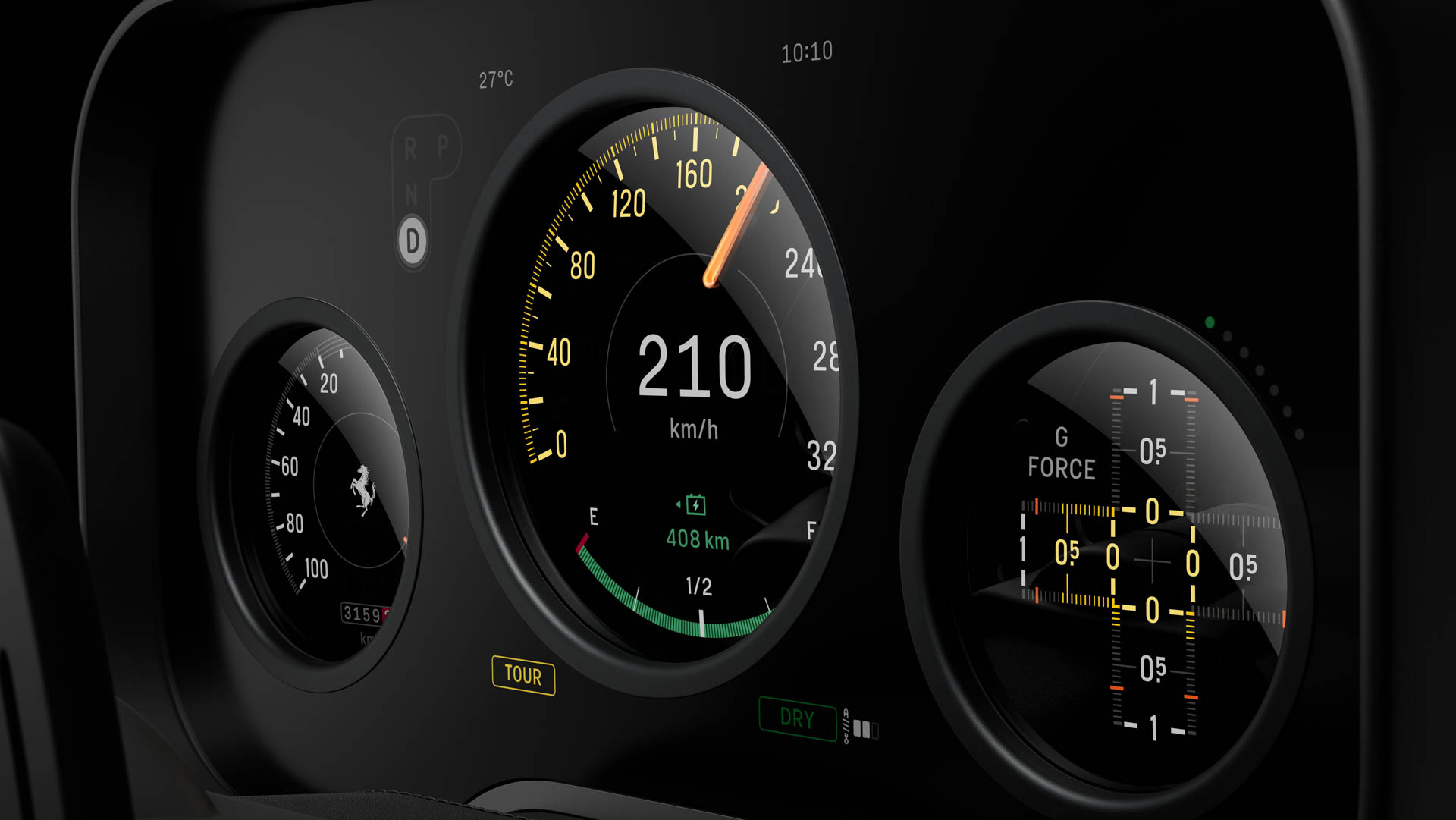
It’s the trick Ferrari has pulled with the dials that’s most impressive, though. The instrument binnacle looks, at first glance, almost analogue but it is a 12.5-inch digital display.
Using two layers of ultra-thin Samsung screens, the Luce’s dials appear to have depth, almost three-dimensional like gauges. Font choices focus on legibility and the displays are inspired by mid-century Jaeger and Veglia instruments, says Ferrari.
This look to the past is all “about reducing cognitive load for the driver”, according to the marque.
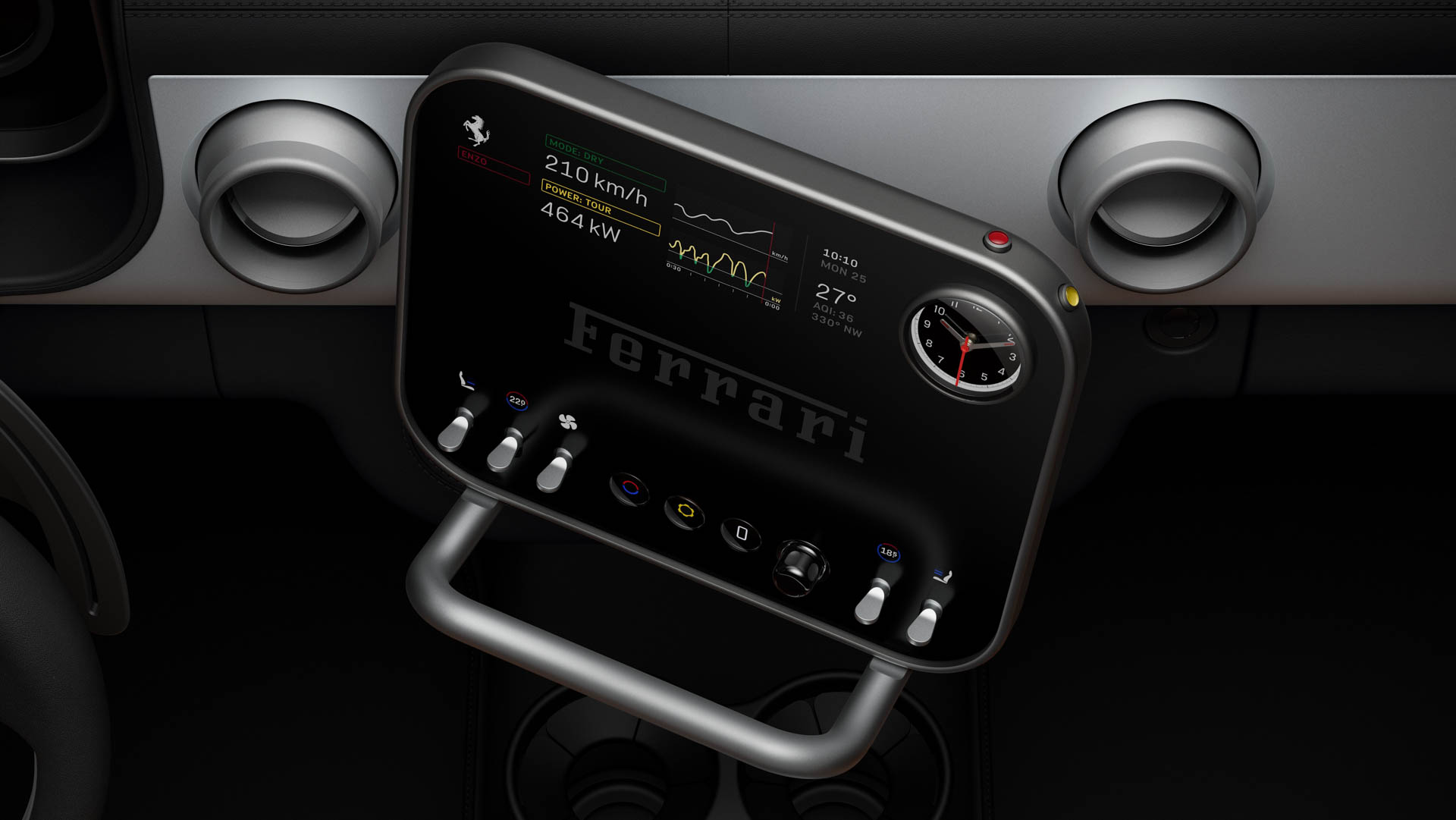
There’s still a touchscreen, of course, but the 10.0-inch unit ought not to dominate the cabin. It can be rotated between driver and passenger manually, and incorporates a wrist rest.
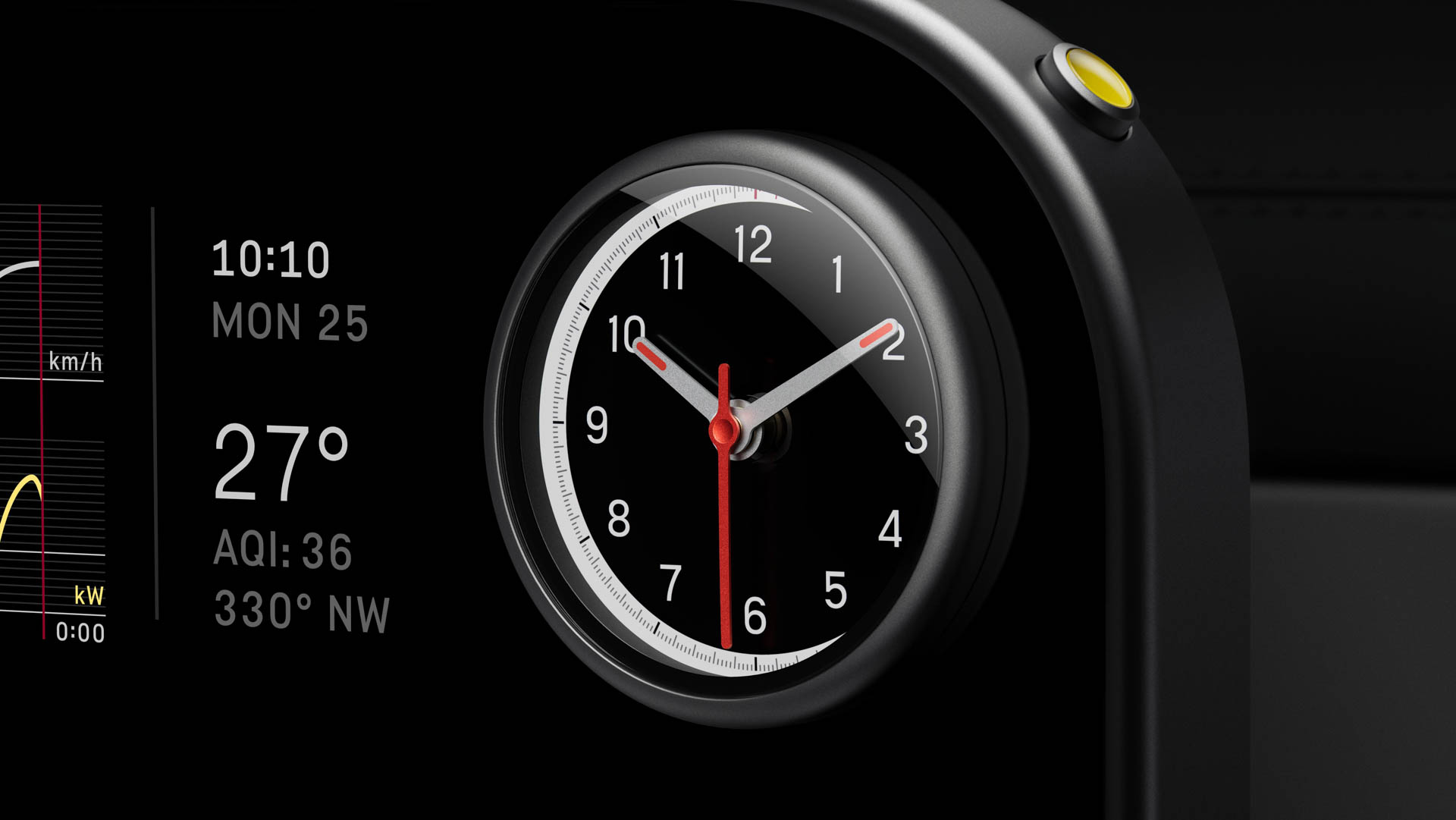
Featuring in the top corner of the iPad-like screen is a ‘multigraph’, with physical, moving arms, it has various functions and anchors the Luce to Ferrari’s analogue past.
Without a V12, Ferrari has looked elsewhere to add theatre, including with a colour-changing physical key, glass gear selector, and a helicopter-inspired launch control procedure that will require the driver to pull a roof-mounted switch.
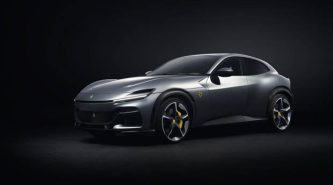
Attention to detail when it comes to theatre and interaction will be crucial if Ferrari’s first all-electric model is to succeed. The high-riding Purosangue has done well as the Italian marque’s first ‘SUV’, but ditching a combustion engine is an altogether bigger risk.
Ferrari will finally reveal the Luce in May 2026, at which point it’s expected to debut with four electric motors, over 750kW, all-wheel drive and active suspension.
Latest news
About Chasing cars
Chasing Cars reviews are 100% independent.
Because we are powered by Budget Direct Insurance, we don’t receive advertising or sales revenue from car manufacturers.
We’re truly independent – giving you Australia’s best car reviews.